

Australia, known for its vast landscapes and diverse ecosystems, is at the forefront of the global push to achieve net-zero emissions. This goal, though ambitious, is crucial in the fight against climate change. However, the path to net-zero is fraught with challenges, especially when navigating the complex web of environmental regulations. These challenges demand innovative solutions and a collective commitment from all sectors of society. As we delve into this topic, it’s essential to understand the intricacies involved in Australia’s journey toward a more sustainable future.
Understanding the Net-Zero Commitment
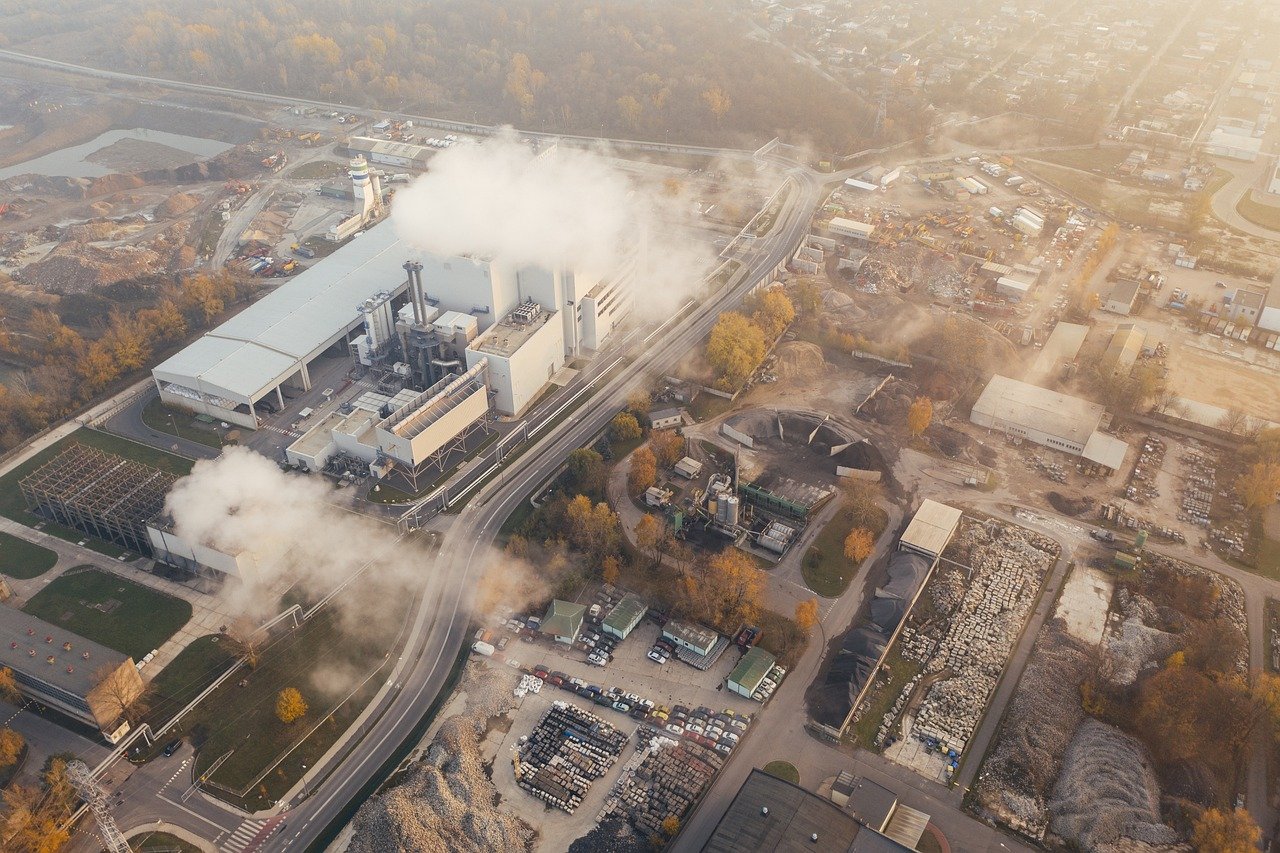
The concept of net-zero involves balancing the amount of greenhouse gases emitted with an equivalent amount of gases removed from the atmosphere. Australia’s commitment to net-zero by 2050 is a significant step, aligning with global efforts to mitigate the impacts of climate change. This commitment requires a drastic reduction in carbon emissions, which can be achieved through renewable energy adoption, improved energy efficiency, and innovative carbon capture technologies. However, understanding and implementing these strategies is a complex task, especially with existing regulatory frameworks.
The Role of Environmental Regulations

Environmental regulations play a critical role in shaping Australia’s net-zero strategy. These regulations, designed to protect natural resources and ecosystems, often involve stringent controls and standards that industries must meet. While necessary, these regulations can also pose challenges, particularly for industries that rely heavily on fossil fuels. Navigating these regulations requires a delicate balance between economic growth and environmental sustainability. To achieve this balance, policymakers must work closely with industries to develop practical solutions that align with both regulatory requirements and net-zero goals.
Challenges in the Energy Sector

Australia’s energy sector is a pivotal player in the country’s net-zero journey. Transitioning from fossil fuels to renewable energy sources is a significant challenge, given the country’s historical reliance on coal and natural gas. The energy sector must overcome hurdles such as the high cost of renewable technologies, grid infrastructure limitations, and regulatory barriers. Additionally, ensuring energy security while reducing emissions is a complex task that requires strategic planning and investment in new technologies. Overcoming these challenges will be crucial in achieving Australia’s net-zero ambitions.
Impact on the Mining Industry

The mining industry, a cornerstone of Australia’s economy, faces unique challenges in the transition to net-zero. Mining operations are energy-intensive and often result in substantial greenhouse gas emissions. To align with net-zero goals, the industry must adopt cleaner technologies and practices, such as electrification of equipment and improved energy efficiency. However, implementing these changes can be costly and time-consuming, especially when navigating environmental regulations. Collaboration between the mining sector and regulatory bodies will be essential to develop feasible pathways toward sustainability.
Innovative Solutions in Agriculture

Agriculture is another sector where achieving net-zero presents both challenges and opportunities. The industry must address emissions from livestock, soil management, and fertilizer use. Innovative solutions, such as precision agriculture, methane-reducing feed additives, and carbon sequestration in soils, offer promising pathways to reduce emissions. However, the adoption of these solutions often requires regulatory approval and financial incentives. Policymakers must work with farmers to create supportive frameworks that encourage the implementation of sustainable practices.
Transport Sector Transformation

The transport sector is a significant contributor to Australia’s carbon footprint, making it a critical focus area for net-zero efforts. Transitioning to electric vehicles (EVs) and developing sustainable public transport systems are vital steps in reducing emissions. However, challenges such as the high cost of EVs, limited charging infrastructure, and regulatory hurdles must be addressed. Governments and industries must collaborate to create favorable conditions for the widespread adoption of clean transport solutions, ensuring that regulations support rather than hinder progress.
Public Awareness and Engagement

Achieving net-zero in Australia requires not only regulatory and technological solutions but also public awareness and engagement. Educating the public about the importance of reducing carbon emissions and promoting sustainable practices is crucial. Community involvement in local environmental initiatives can drive significant change and support regulatory efforts. By fostering a culture of sustainability, Australians can collectively contribute to the country’s net-zero goals, ensuring a more resilient and sustainable future for all.
Financial Implications and Investments

The financial implications of achieving net-zero are significant, requiring substantial investments in clean technologies and infrastructure. Governments and private sectors must collaborate to provide funding and incentives for sustainable projects. Regulatory frameworks should facilitate these investments, ensuring that financial resources are directed toward initiatives that align with net-zero objectives. Addressing financial barriers and creating a supportive investment environment are essential steps in realizing Australia’s net-zero ambitions.
International Cooperation and Lessons

Australia’s journey to net-zero is not isolated; it is part of a global effort to combat climate change. International cooperation and the exchange of knowledge and best practices are vital to overcoming regulatory challenges. Learning from other countries’ experiences can provide valuable insights into effective strategies for reducing emissions. By working together, nations can develop cohesive policies and frameworks that support global sustainability goals, benefiting both Australia and the broader international community.
The Road Ahead: Opportunities and Challenges

The path to net-zero in Australia is a complex journey filled with both opportunities and challenges. While regulatory hurdles and sector-specific issues present significant obstacles, they also offer opportunities for innovation and collaboration. As Australia navigates its environmental regulations, it must remain committed to its net-zero goals, embracing new technologies and fostering partnerships across sectors. By doing so, the country can pave the way for a sustainable future, setting an example for the world in the fight against climate change.