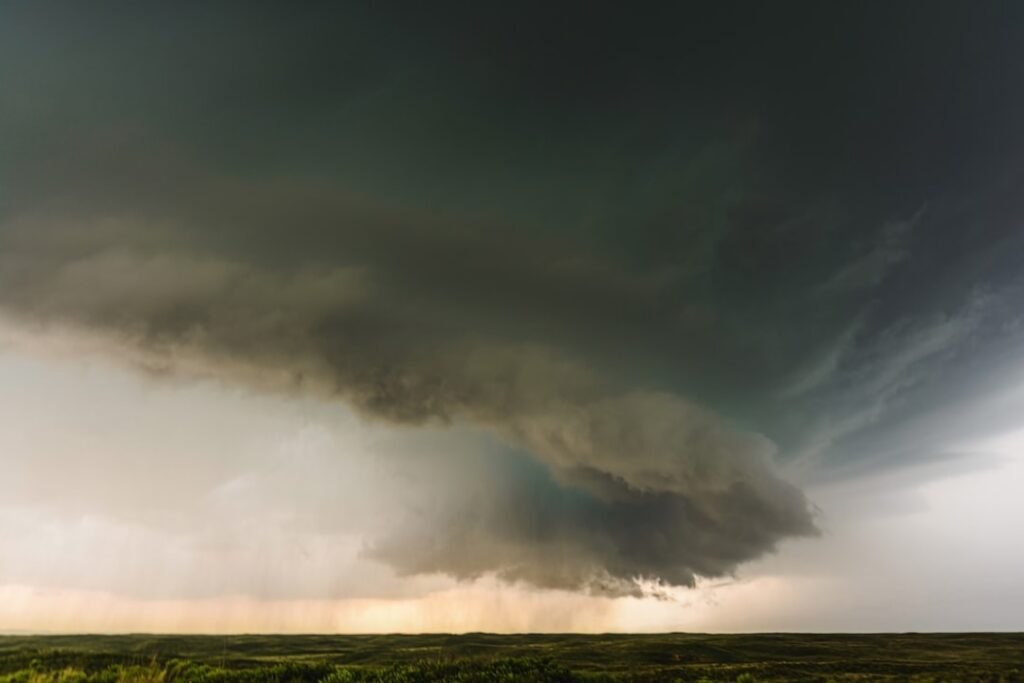

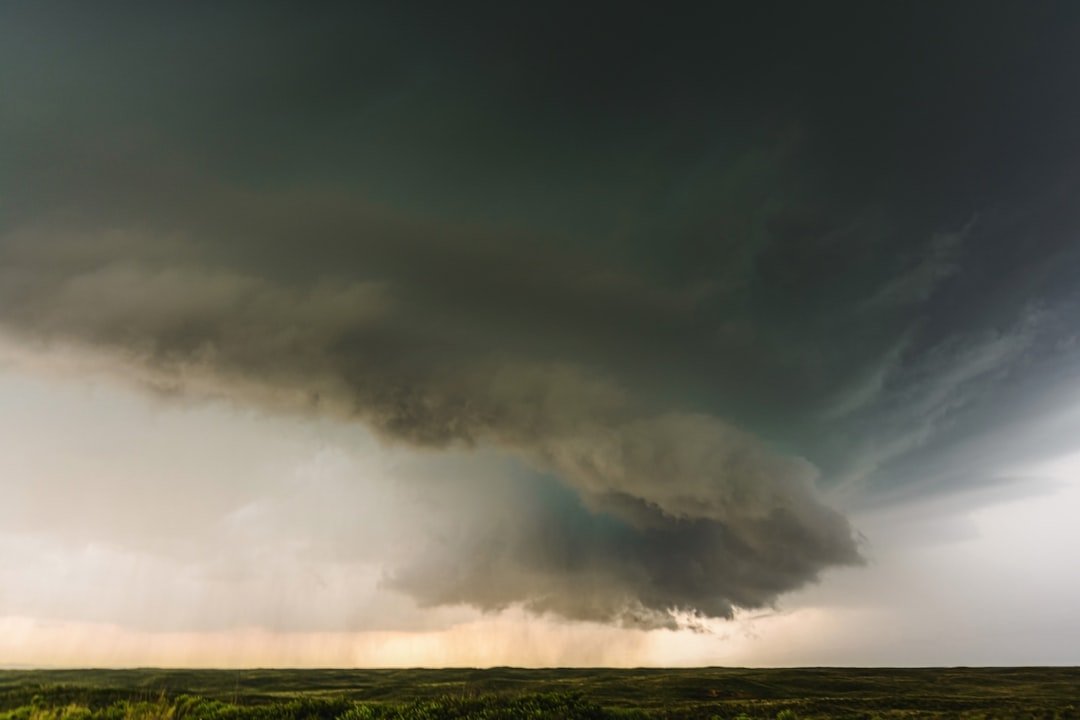
Unusually Active Pattern Fuels Repeated Threats (Image Credits: Unsplash)
Central U.S. – A persistent storm system threatens tens of millions from Texas to the Great Lakes with rounds of heavy rain, large hail and damaging winds through mid-April.[1][2] Forecasters warn of multiple severe thunderstorm outbreaks, elevating risks for flash flooding and isolated tornadoes. This active pattern marks a typical yet intense start to spring severe weather season across the Plains and Midwest.
Unusually Active Pattern Fuels Repeated Threats
Forecasters highlighted an enhanced risk for severe thunderstorms across portions of the Central Plains and Midwest on Monday, with storms capable of producing very large hail, damaging wind gusts and a couple of tornadoes.[3] This setup stems from a deep trough over the Midwest combined with rich Gulf moisture fueling unstable air. Scattered supercells could evolve into clusters, prolonging hazards into the evening hours.
The Storm Prediction Center outlined similar dangers persisting into Tuesday, as storms shift eastward toward the Upper Mississippi Valley and Great Lakes.[2] High instability and strong wind shear create ideal conditions for rotating storms. Residents in Nebraska, Kansas and Iowa faced initial warnings as the first rounds fired late Sunday.
Day-by-Day Forecast Signals Escalating Impacts
Monday brought the highest confidence for widespread severe activity, centered from the southern Plains northeastward. Hail exceeding two inches in diameter appeared likely in stronger updrafts, alongside gusts over 70 mph. Tornado probabilities reached 10 percent in targeted zones, prompting heightened vigilance.[4]
| Day | Primary Threats | Affected Regions |
|---|---|---|
| Monday, April 13 | Large hail, damaging winds, isolated tornadoes | Central Plains to Midwest |
| Tuesday, April 14 | Hail, high winds, few tornadoes | Texas to Wisconsin, Michigan |
| Wednesday, April 15 | Heavy rain, gusty winds | Great Lakes corridor |
By midweek, heavy rainfall accumulations posed flooding concerns, with 3 to 6 inches possible in parts of the Ohio Valley.[5] The pattern showed no quick resolution, as upper-level disturbances continued marching eastward.
Heartland Cities in the Crosshairs
Major population centers like Dallas, Oklahoma City, Kansas City and Chicago fell under repeated risk zones. Central Texas to central Wisconsin braced for peak threats on Tuesday, where supercell thunderstorms could spawn brief but intense tornadoes.[6] Over 25 million people resided in the broad swath of potential impact, straining emergency resources amid overlapping rounds.
Flooding emerged as a secondary but significant danger, especially where soils remained saturated from prior rains. Downpours stretching from the Gulf Coast to the Appalachians amplified river rises. Officials urged avoidance of low-lying areas and preparation for power outages from wind damage.
Essential Safety Measures for the Stormy Stretch
Local authorities recommended assembling emergency kits with flashlights, batteries and non-perishable food. Monitoring NOAA Weather Radio or apps provided real-time updates on watches and warnings. Vehicle preparations included full fuel tanks and avoiding travel during peak storm times.
- Seek shelter in interior rooms away from windows during warnings.
- Secure outdoor items to mitigate wind damage.
- Check on vulnerable neighbors, particularly the elderly.
- Stay informed via official sources like the National Weather Service.
- Avoid flooded roads; turn around, don’t drown.
Key Takeaways
- Enhanced severe risks persist through Tuesday across Plains and Midwest.
- Main hazards include 2-inch hail, 70+ mph winds and EF2+ tornado potential.
- Flash flooding threatens saturated regions; totals up to 6 inches forecast.
This week’s stormy siege underscores the volatile nature of spring in the Central U.S., where clashing air masses ignite potent thunderstorms. Communities that stay proactive will weather the barrage more effectively. What preparations are you making? Share in the comments below.