Articles for category: News, Space

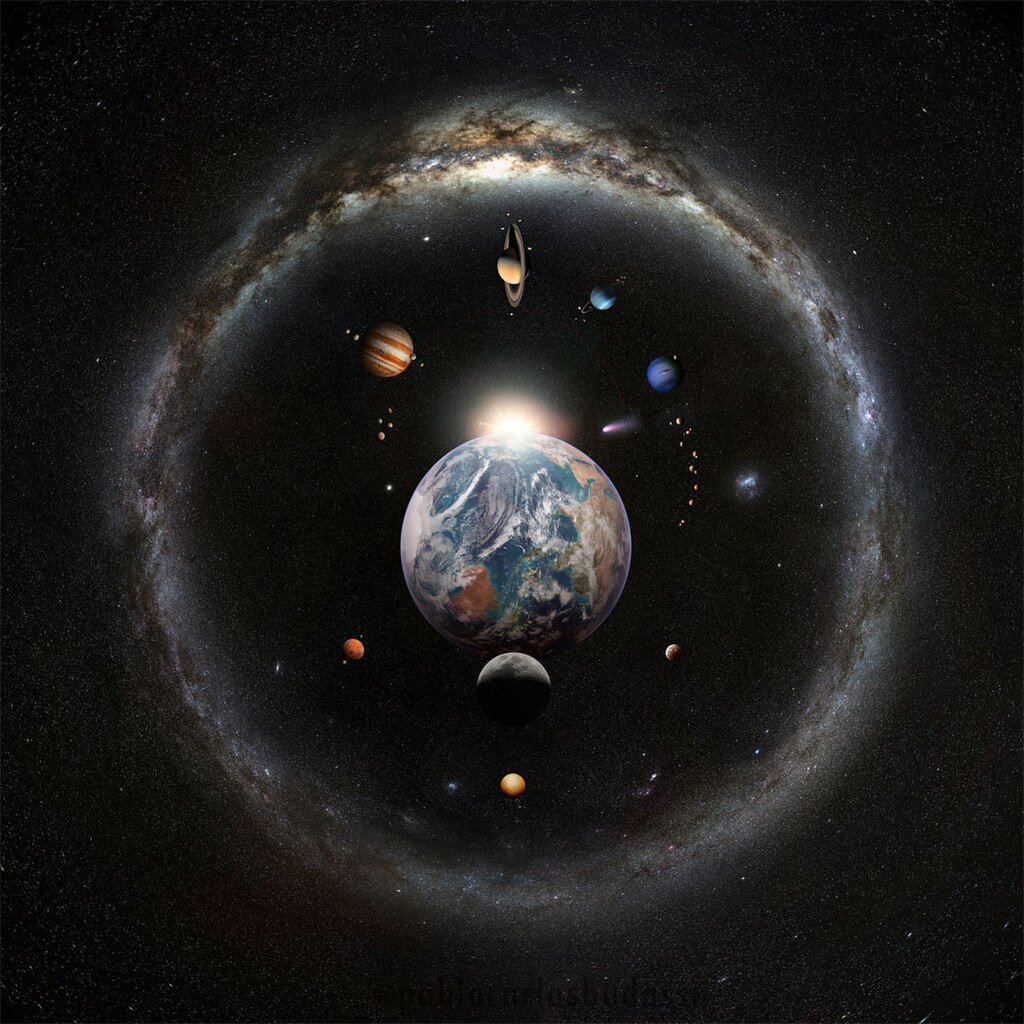
Milky Way ring panorama and planets

Hubble Tension Solved? Earth’s Position in a Massive Void May Explain It

Suhail Ahmed

Cosmologists have been trying to figure out the different measurements of the universe’s expansion speed for almost ten years. This event, known as the Hubble tension, is a big problem for modern cosmology. Because it is so strange, it changes the basic ideas of cosmology. Now, a radical theory suggests that the answer lies in ...

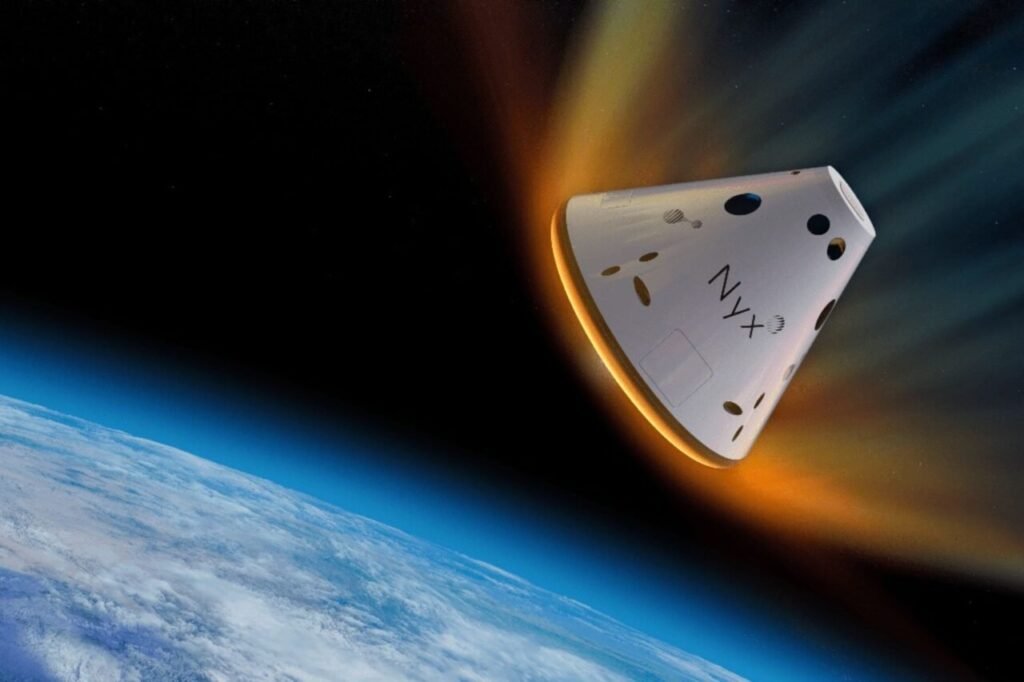
Nyx capsule illustration

Space Capsule Carrying Cannabis and Human Remains Crashes into Pacific

Suhail Ahmed

Tragic and bestowed with a sense of ambition, a German aerospace startup’s endeavor to deliver heavenly memorials and perform unique agricultural experiments in space ended in the Pacific Ocean. Aboard a SpaceX Falcon 9 rocket, the Exploration Company launched a Nyx capsule containing human remains and cannabis seeds. The female capsule’s operational orbit was reached ...

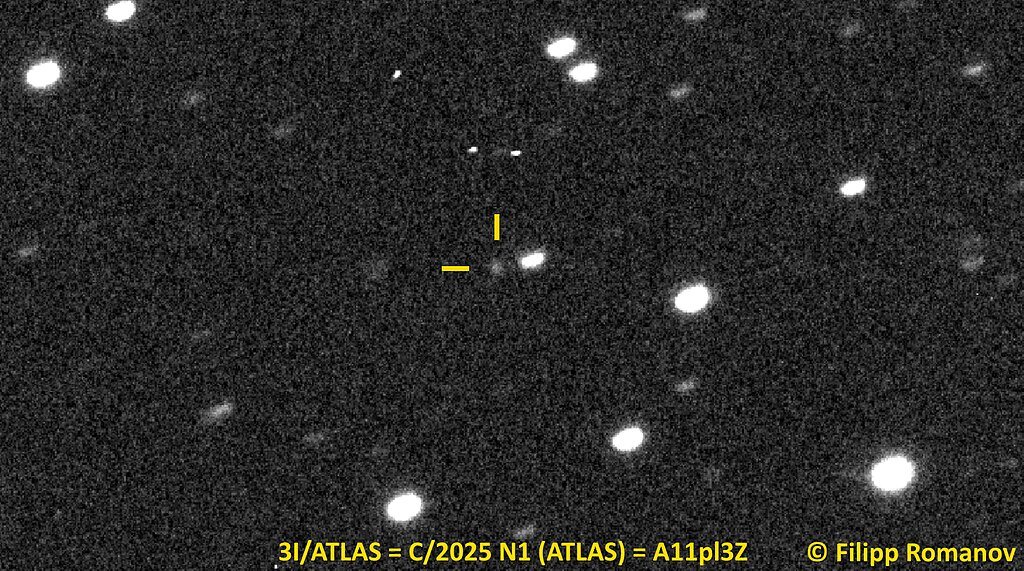
Comet 3I ATLAS

Mysterious Object From Deep Space Heads Toward Earth’s Neighborhood

Suhail Ahmed

The extraordinary features of a rapidly moving celestial object are scintillating astronomers’ interest. Upon initial discovery, A11pl3Z was given a name but recently NASA has confirmed it as 3I/ATLAS, the third interstellar object out of four comets or asteroids discovered. Unlike the comets or asteroids which are bound to the sun’s asteroid belt and viewable ...

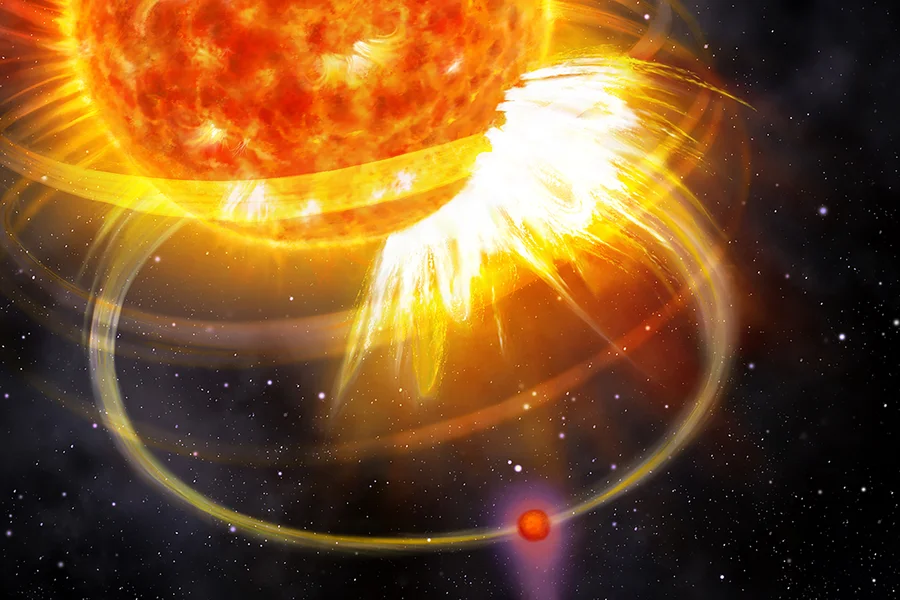
planet HIP 67522 b

‘Death Wish Planet’ Found Whipping Its Star Into Violent Eruptions

Suhail Ahmed

Jupiter-sized exoplanets which emerge as a proxy for accelerating self-sabotage by instigating tremendous outbursts from their parent stars seem as violations to the conventional structure of planetary systems; astronomers have identified such a diabolic planet, HIP 67522 b. Located within its parent star’s magnetic field, HIP 67522 b’s orbital position subjects it to flare beams ...

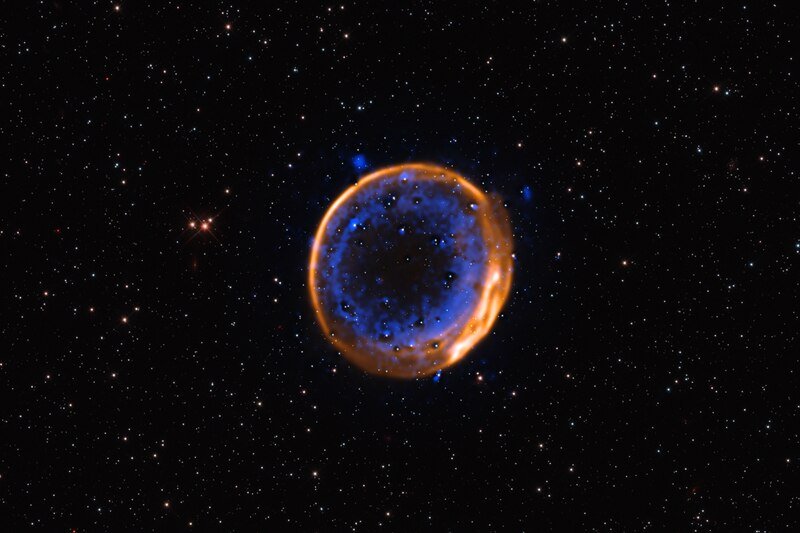
This image, taken with ESO’s Very Large Telescope (VLT), shows the supernova remnant SNR 0509-67.5. These are the expanding remains of a star that exploded hundreds of years ago in a double-detonation – the first photographic evidence that stars can die with two blasts. The data were captured with the Multi-Unit Spectroscopic Explorer (MUSE) instrument at the VLT. MUSE allows astronomers to map the distribution of different chemical elements, displayed here in different colours. Calcium is shown in blue, and it is arranged in two concentric shells. These two layers indicate that the now-dead star exploded with a double-detonation.

Astronomers Capture First-Ever Double Detonation Supernova in Stunning Detail

Suhail Ahmed

The irrefutable visual proof of a star dying in a spectacular “double detonation,” the explosive death of a star which occurs in twinned strokes, has now been recorded. This event marks the first instance of a white dwarf star undergoing two rapid explosions. The unprecedented finding offers new insights into the supernova remnant SNR 0509-67.5, ...

double hot Jupiters

A Dance of Gravity: Origins of Twin Hot Jupiters Revealed

Suhail Ahmed

Astronomers have been trying to figure out what “hot Jupiters” are for decades. These are gas giants that orbit very close to their stars and complete a full revolution in just a few hours. But their rarer cousins, double hot Jupiters, are even more mysterious. In a binary star system, two of these planets orbit ...

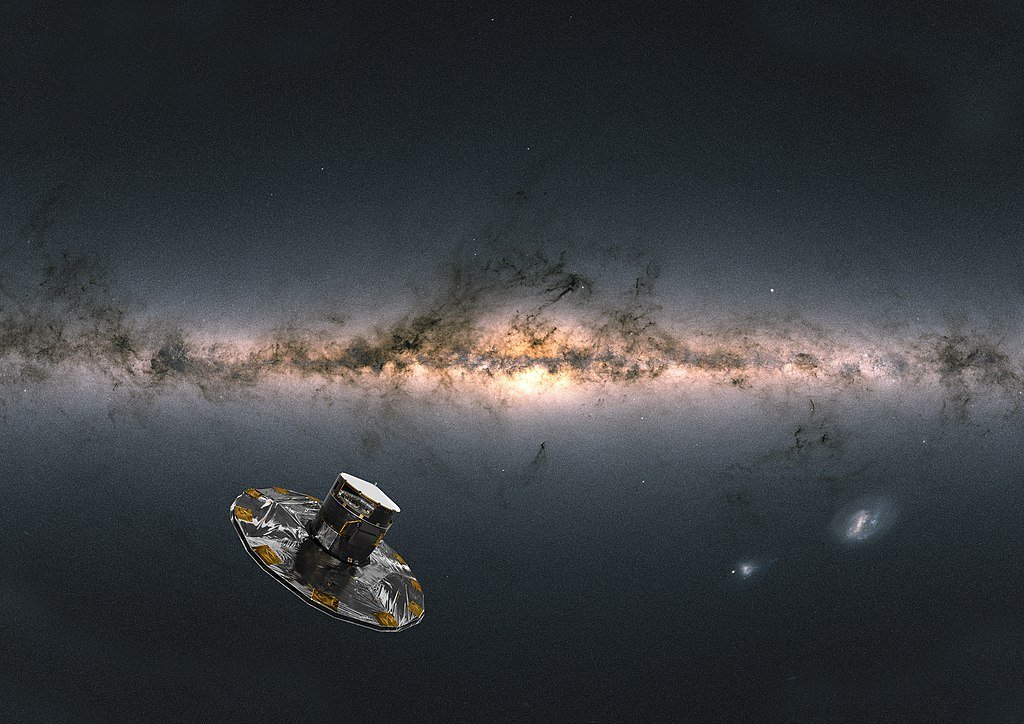
Gaia observes the Milky Way

Einstein’s Relativity Discovers Rare Planet at Galaxy’s Edge

Suhail Ahmed

Astronomers have found a rare Jupiter-sized planet hiding at the edge of the Milky Way using a phenomenon that Albert Einstein predicted more than a hundred years ago. This is part of a cosmic detective story that has been going on for years. Gravitational microlensing, which uses the bending of space-time itself, found the exoplanet ...