Articles for category: Material Science, Space

What Is Dark Matter and Why Can't Scientists See It?

What Is Dark Matter and Why Can’t Scientists See It?

Kristina

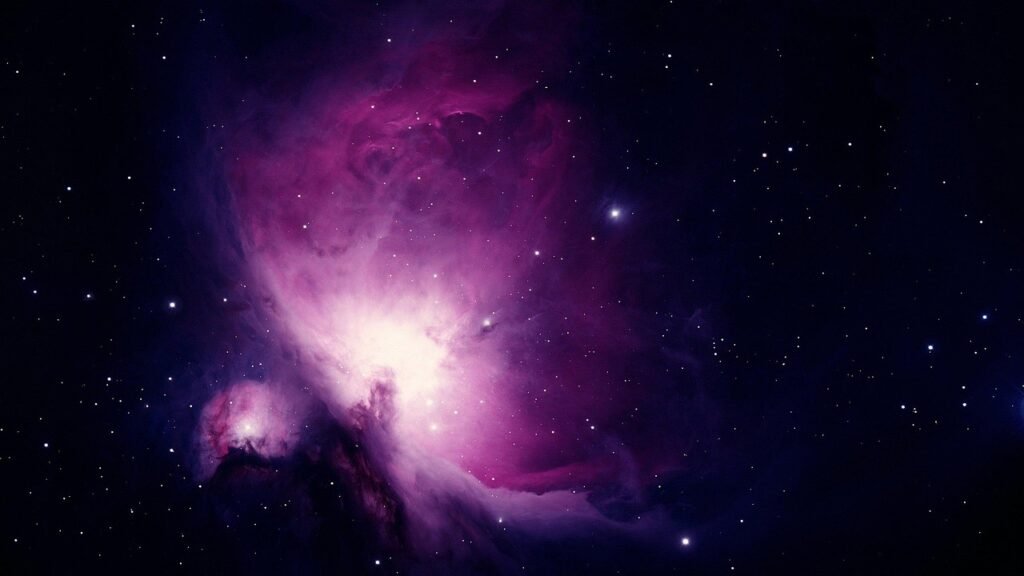
Imagine looking up at the night sky and realizing that everything you can see – every star, every galaxy, every glowing nebula – makes up less than five percent of what actually exists. The rest? Invisible. Undetectable by any camera, any telescope, any instrument ever built. It’s not hiding in the shadows. It simply doesn’t ...

What Modern Missions Are Teaching Us

How Telescopes Let Us Look Back in Time

Trizzy Orozco

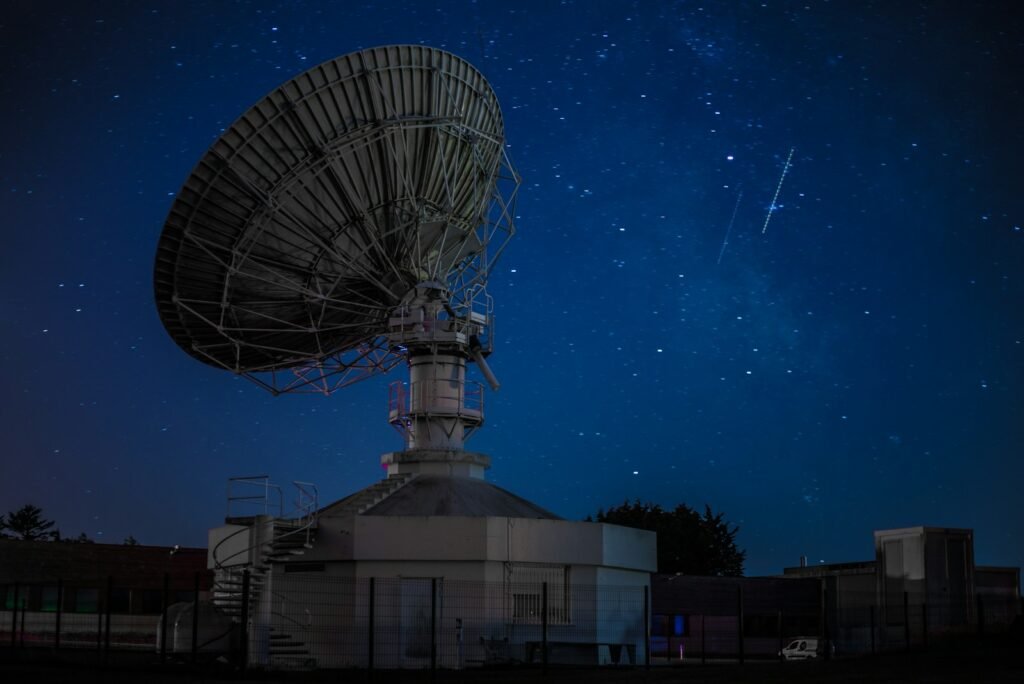
Picture this: you’re standing in your backyard on a clear night, pointing a telescope toward a distant star. What you’re seeing isn’t happening right now – it’s ancient history unfolding before your eyes. That light left its stellar home years, decades, or even centuries ago, carrying with it the story of what that star looked ...

This Star Died 20,000 Years Ago – But We Just Watched It Explode

Trizzy Orozco

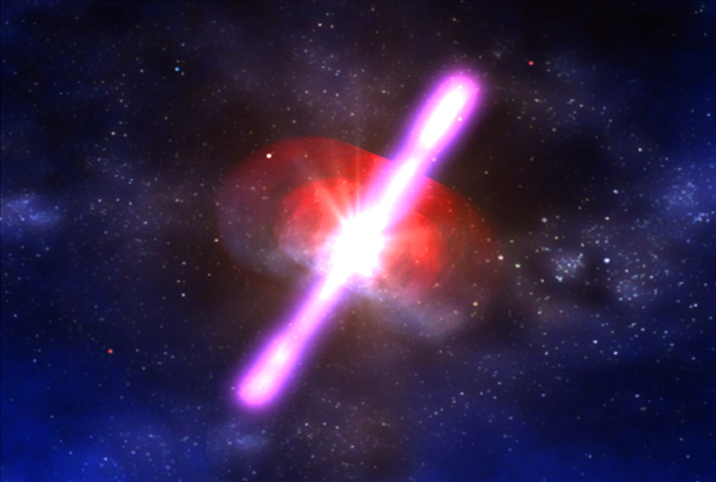
The universe has a way of keeping secrets hidden in plain sight, and sometimes those secrets reveal themselves in the most spectacular ways imaginable. Picture this: you’re gazing up at the night sky, perhaps through a telescope, when suddenly a “new” star appears where none existed before. It blazes with the intensity of billions of ...

10 Unique Astronomical Events That Happen Only Once in a Lifetime

10 Unique Astronomical Events That Happen Only Once in a Lifetime

Sumi

Some nights the sky feels almost too quiet, like it’s hiding something enormous just beyond what our eyes can see. Then, once in a great while, it reveals a show so rare that you only get one shot at it in your entire lifetime. These are not your everyday full moons or annual meteor showers. ...

A picture of Uranus with a black background.

Why Uranus Is the Coldest Planet (Despite Not Being the Farthest)

Trizzy Orozco

Picture this: you’re standing at the edge of our solar system, looking back at the planets orbiting our Sun. Logic would tell you that Neptune, being the farthest planet from our star, should be the coldest place in our cosmic neighborhood. But here’s where the universe throws us a curveball that would make any physicist ...

Apollo 8 First Stage.

Apollo 8: The Mission That Let Us See Earth for the First Time

Trizzy Orozco

Picture this: three men, strapped into a metal capsule barely larger than a phone booth, hurling through the void at 24,000 miles per hour toward a destination where no human had ever ventured. It was December 1968, and the Apollo 8 crew was about to become the first humans to leave Earth’s gravitational embrace and ...

Mercury.

How Fast Is Mercury Really Moving? The Science of Speedy Orbits

Trizzy Orozco

When you think about speed, your mind probably jumps to race cars, jets, or maybe even the International Space Station. But there’s something much closer to home that’s absolutely screaming through space at mind-boggling velocities. Mercury, our solar system’s smallest planet, is hurtling around the Sun at speeds that would make a Formula 1 driver ...

7 Solar System Mysteries That Still Baffle Scientists

7 Solar System Mysteries That Still Baffle Scientists

Annette Uy

The cosmos has always been humanity’s greatest puzzle, and our own solar system continues to throw curveballs at even the most brilliant minds. Despite decades of space exploration, advanced telescopes, and countless missions, there are still phenomena in our cosmic neighborhood that leave scientists scratching their heads. From strange magnetic fields to missing planets, these ...