Articles for category: Disease & Medicine, News

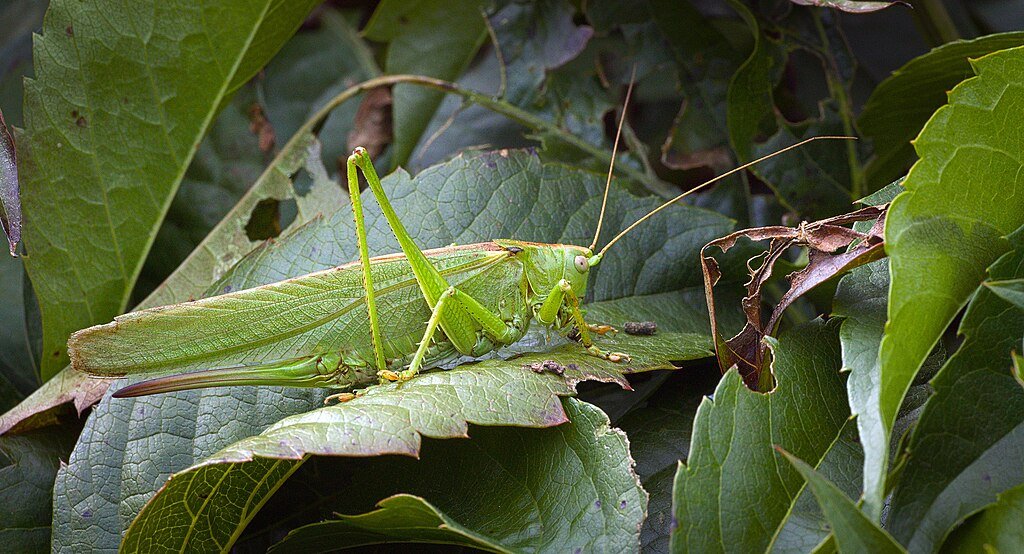
Green bush cricket in a leaf

The Secret Behind Green Bush Crickets’ Camouflage

April Joy Jovita

Scientists have finally uncovered the molecular mechanism that gives green bush crickets their distinctive foliage-like color. A newly identified protein, dibilinoxanthinin (DBXN), binds two distinct pigments—a blue bilin and a yellow lutein—to create the insect’s emerald-green hue. This discovery sheds light on how bush crickets achieve their remarkable camouflage, helping them blend seamlessly into their ...

DNA

Who Were the People With No Genetic Ties? Discover the Human DNA Puzzle of Colombia’s Ancient Inhabitants

Suhail Ahmed

From the bones of individuals living 6,000 years ago deep in Colombia’s highlands, a genetic mystery has emerged. Their DNA tells a different story than any other one without clear ancestors or descendants in the modern society. These prehistoric people unearthed on the Bogotá Altiplano challenge our understanding of American population distribution. Whales: they were ...

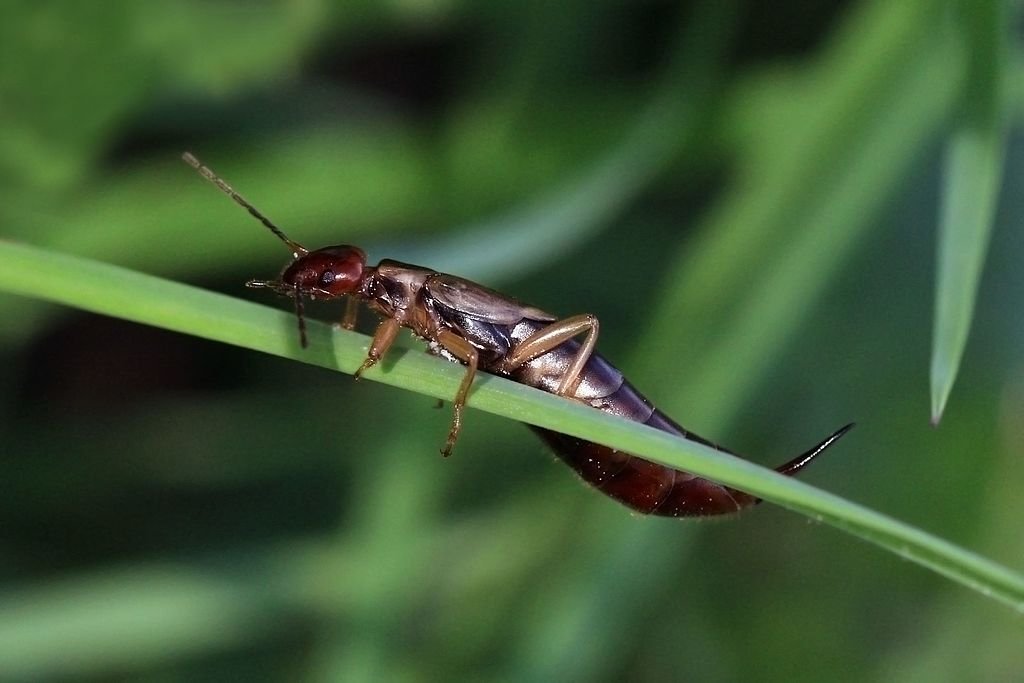
Female earwig in a leaf

Female Earwigs: The Unexpected Role of Their Forceps

April Joy Jovita

New research has revealed that female earwigs may use their forceps as weapons when competing for mates, challenging previous assumptions that only males evolved these structures for combat. Scientists from Toho University found that female earwigs exhibit exaggerated forceps growth, similar to males, suggesting that sexual selection may have influenced both sexes. This discovery broadens ...

a bottle of creatine next to a spoon on a table

Surprising New Study Links Popular Supplement to Cognitive Gains in Alzheimer’s Patients

Jan Otte

Long praised by athletes for its muscle-building properties, creatine is now generating waves for a completely different reason: possible Alzheimer’s disease prevention. A ground-breaking pilot study implies that widely available in health stores, creatine monohydrate could help Alzheimer’s sufferers have better cognitive ability. Although the results are preliminary, they create an intriguing new path in ...

Homo sapiens neanderthalensis-Jäger

The Isolated Neanderthals: A Population Cut Off for 50,000 Years

April Joy Jovita

A groundbreaking genetic study has uncovered a Neanderthal population in France that remained completely isolated for 50,000 years. Unlike other Neanderthal groups, which often exchanged genes with neighboring populations, this group remained genetically and culturally separate. The discovery raises new questions about the role of isolation in Neanderthal extinction and challenges long-held assumptions about their ...

Rhesus macaque (Macaca mulatta) juvenile, Kathmandu, Nepal

Hormone Supplementation in Rhesus Monkeys Shows Potential for Autism Treatment 

April Joy Jovita

A groundbreaking study has revealed that supplementing vasopressin, a hormone linked to social behavior, may improve social cognition in rhesus monkeys without increasing aggression. Researchers at Florida Institute of Technology, in collaboration with Stanford University and the University of California, Davis, explored how vasopressin affects low-social monkeys, offering insights into potential autism treatments. How Vasopressin ...

dire wolf

Rewilding with Code? The Dire Wolf’s Return & The Future of Conservation

Jan Otte

Romulus and Remus, two snow-white canids with powerful shoulders and wide jaws, look like something out of myth. In a way, they are. Born in the fall of 2024 through cutting-edge genetic engineering, they are the first living examples of what scientists believe to be true dire wolves in over 10,000 years. The species once ...