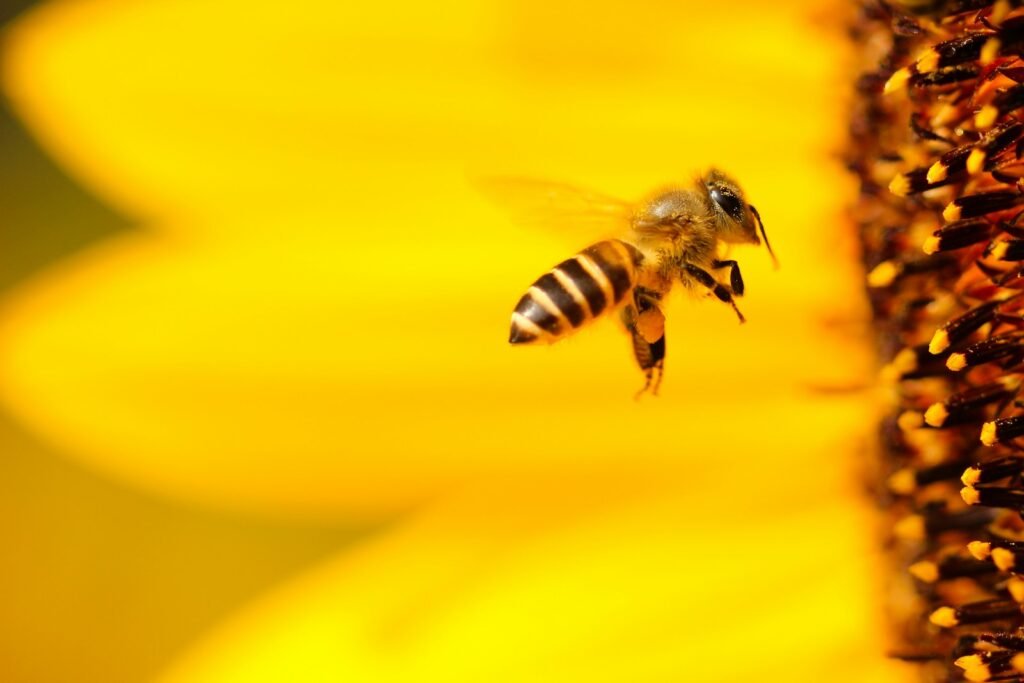

Here’s a twist that still feels deliciously improbable: creatures with brains smaller than a grain of rice can keep track of numbers and even tell human faces apart. For years, we treated bees as tiny automatons, admirable for their waggle dances but limited to instinct. Then careful experiments began to flip that story on its head, revealing skills that sound almost like science fiction. Now, the puzzle is not whether bees can do these things, but how such compact neural machinery pulls it off. That question is reshaping how scientists think about intelligence, from farms to future robots.
The Hidden Clues
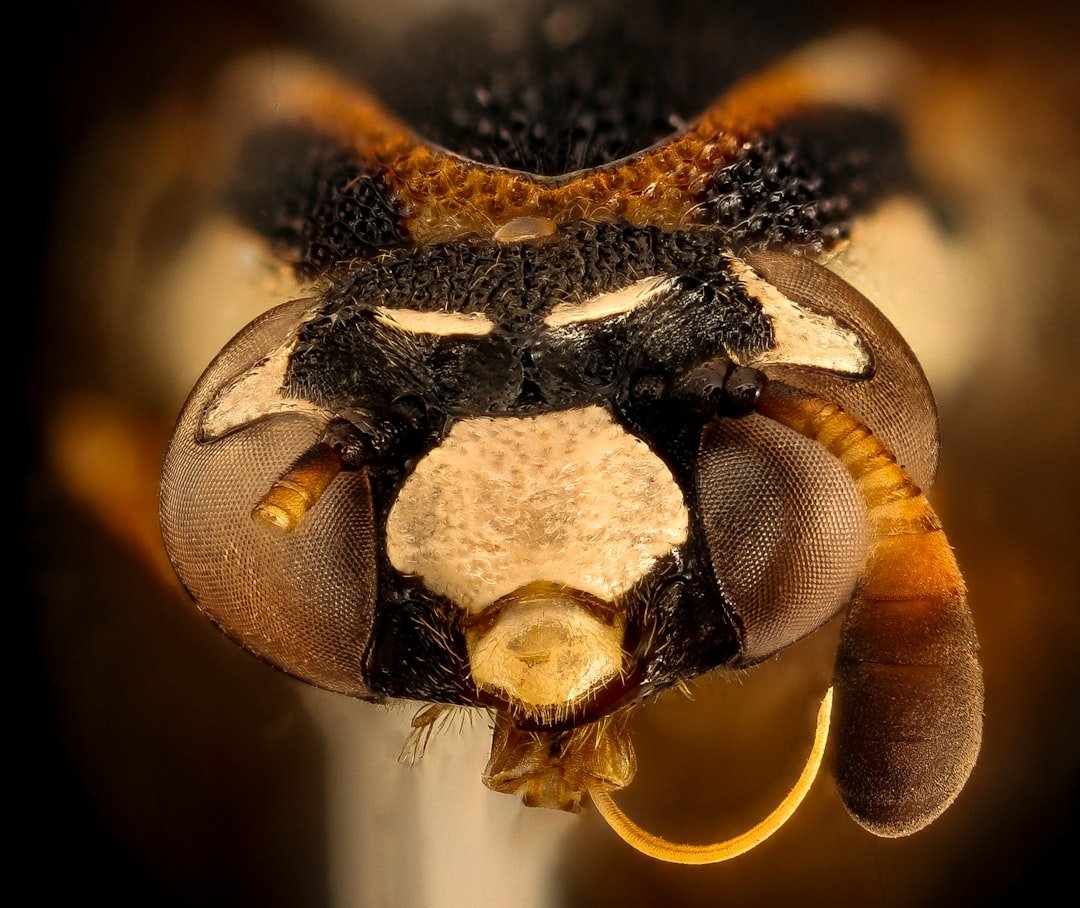
What if a brain the size of a sesame seed could count, remember a rule, and still recognize you when you show up with a camera? That’s the jolt many readers feel when they first hear about bee numeracy and face recognition, because it clashes with our old habit of equating big brains with big smarts. Scientists started to notice odd little clues in lab mazes and flight tunnels: bees weren’t just following smells or brightness, they were following rules. They chose the third target in a sequence, or the image that fit a learned pattern, as if checking boxes on an internal list.
I felt it too the first time I watched a backyard forager make beelines to the same marked feeder after I moved it one spot farther. It’s not proof of arithmetic on the patio, but it maps onto what the lab data suggest about simple, robust rules. Those rules can look a lot like counting to our eyes, because the bee’s choices track numerosity even when color or shape changes. The hidden clues add up fast once you start looking.
Counting on the Wing
In controlled tests, bees learn to choose arrays with a specific number of elements and can keep performance steady when scientists shuffle the shapes and colors. Their ability seems strongest for small quantities, often up to four, which is the same range where many animals show fast, approximate number sense. More startling, bees can be trained on basic operations, adding or subtracting one using color-coded cues – a tidy example of rule learning rather than rote memorization. Another landmark finding showed bees grasping the idea of “none,” placing an empty set in the correct order relative to small numbers.
Researchers model these behaviors with simple circuits that tally features across vision and attention, then apply a learned go-or-no-go decision. The point is not that bees do math like we do, but that their visual system can encode quantity well enough to drive useful choices. That’s all evolution needs: a compact way to estimate “how many” on the fly. On a good day, you can almost see the arithmetic in the air.
Faces in a Swarm
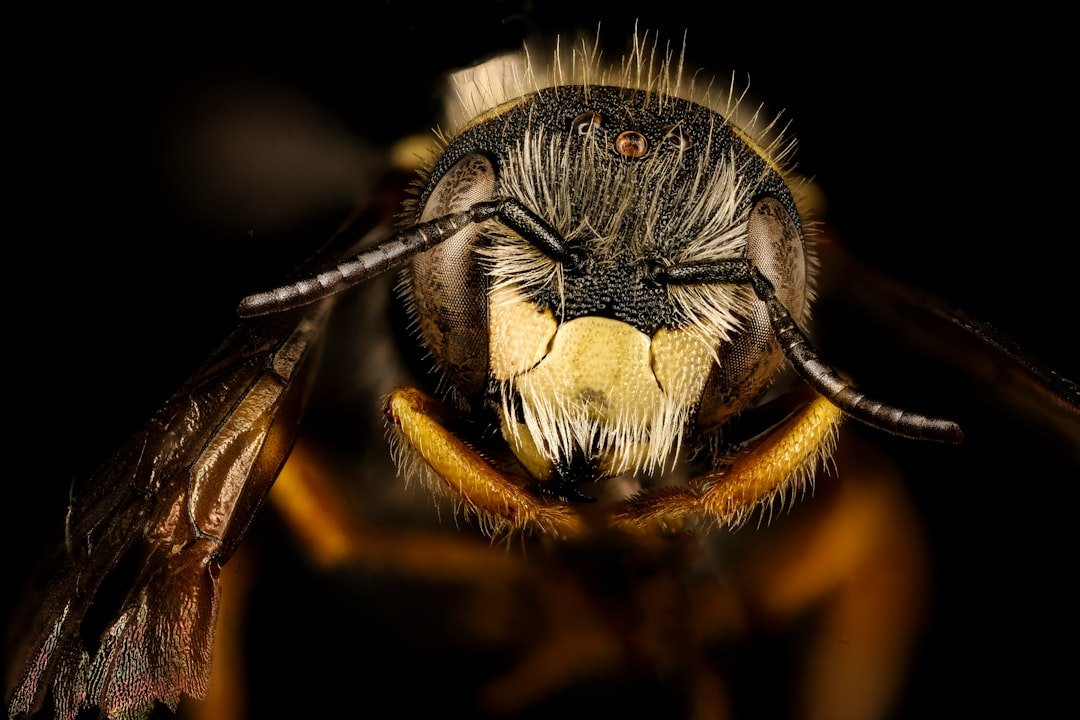
Face recognition sounds wildly anthropocentric, yet bees routinely learn to discriminate between photographs of human faces presented as visual patterns. In experiments, bees trained with rewards and penalties pick the correct face from new pairings, showing they aren’t just memorizing single images but extracting configuration cues. When parts of the images are rearranged, their performance drops, hinting at holistic processing that echoes how mammals parse faces. Crucially, this is not the same as recognizing a specific person at the hive entrance; it’s pattern expertise built under carefully designed lab conditions.
Still, the lesson is powerful: you don’t need a primate brain to master a complex category like faces if your visual filters and memory architecture are tuned to structure. The bee’s compound eyes and downstream circuits turn high-dimensional scenes into compact codes that can be compared quickly. Patterns are the currency; reward is the teacher. Call it face recognition if you like, just remember the asterisk.
Tiny Brains, Big Computations
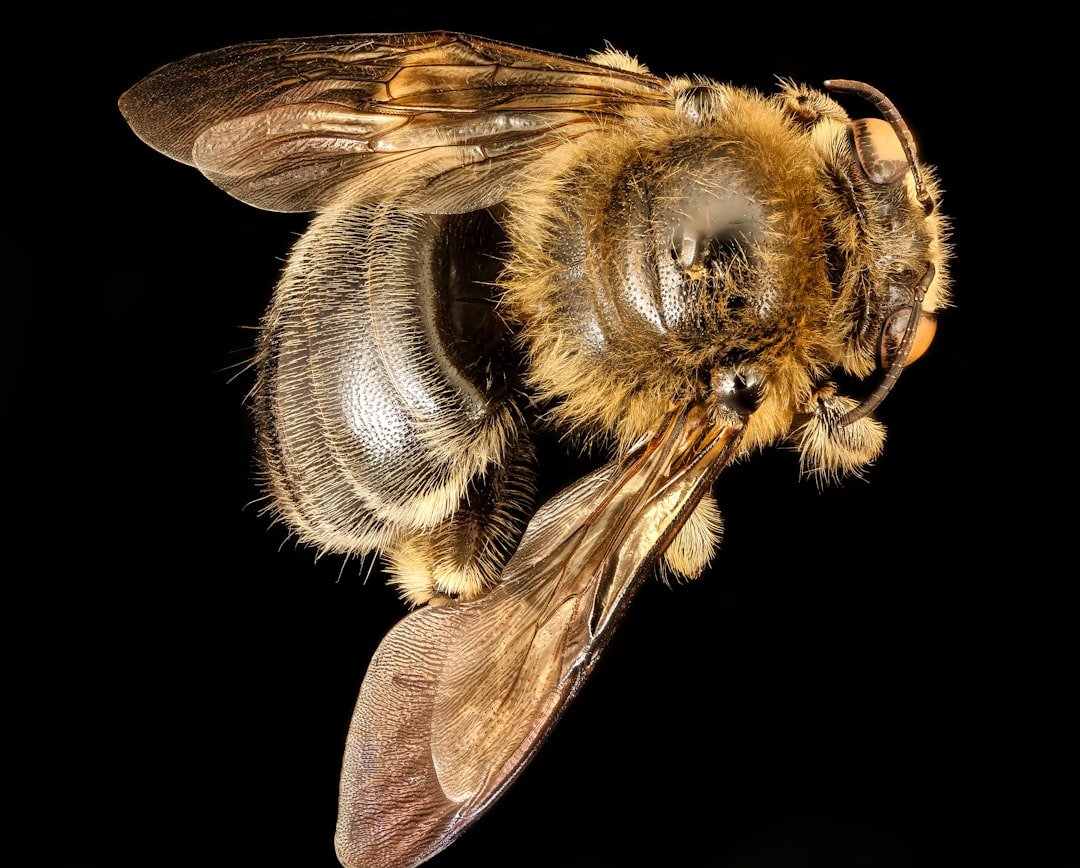
A honeybee’s brain holds roughly about one million neurons – microscopic compared with ours, yet organized into specialized regions that punch well above their weight. The mushroom bodies, packed with Kenyon cells, act like dense notebooks for multisensory learning, with sparse coding that reduces noise and stores associations efficiently. Dopamine-like signals stamp in what worked and what didn’t, so the best rules stick after just a handful of trials. Energy use stays frugal, more pocket calculator than power-hungry supercomputer.
This setup excels at the kind of cognition nature rewards: quick, robust decisions in messy, changing environments. Counting dots, sorting face-like layouts, or choosing the third landmark are all variations on mapping patterns to actions. Add feedback, and you’ve got a compact reinforcement learner with wings. The elegance isn’t in the parts – it’s in the wiring logic.
From Ancient Tools to Modern Science
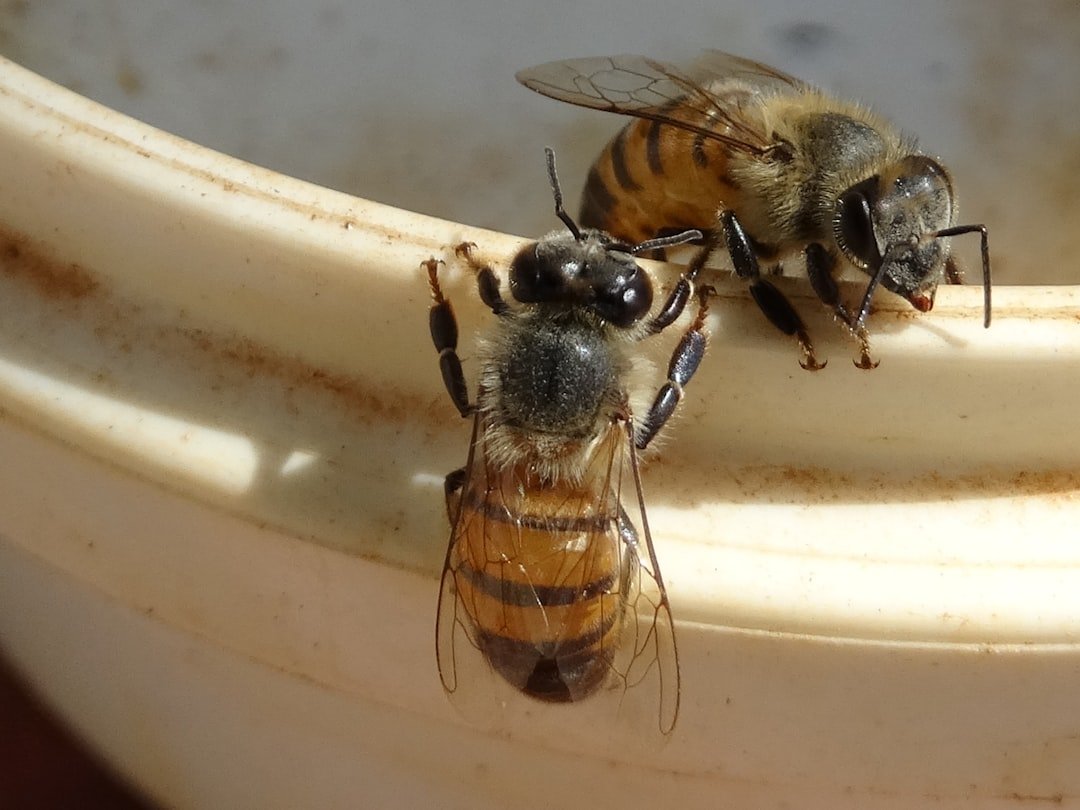
Our understanding grew from decades of clever, sometimes homespun experiments into today’s precise rigs. Early maze studies asked simple questions with cards and feeders, making sure bees weren’t faked out by smell or brightness. Then came flight tunnels with moving stripes to control optic flow, forcing insects to rely on visual rules rather than distance cues. Each iteration stripped away shortcuts until only the cognitive skill remained.
Modern labs add automated feeders, high-speed cameras, and radio tags that track individual bees across many trials. Computer vision systems log choices with millisecond timing, and rigorous controls swap shapes, sizes, and backgrounds to prevent sneaky confounds. The result is a body of evidence that has matured beyond cute anecdotes, toward solid behavioral science. It’s a long way from paper cards to machine-vision mazes, and it shows.
Why It Matters
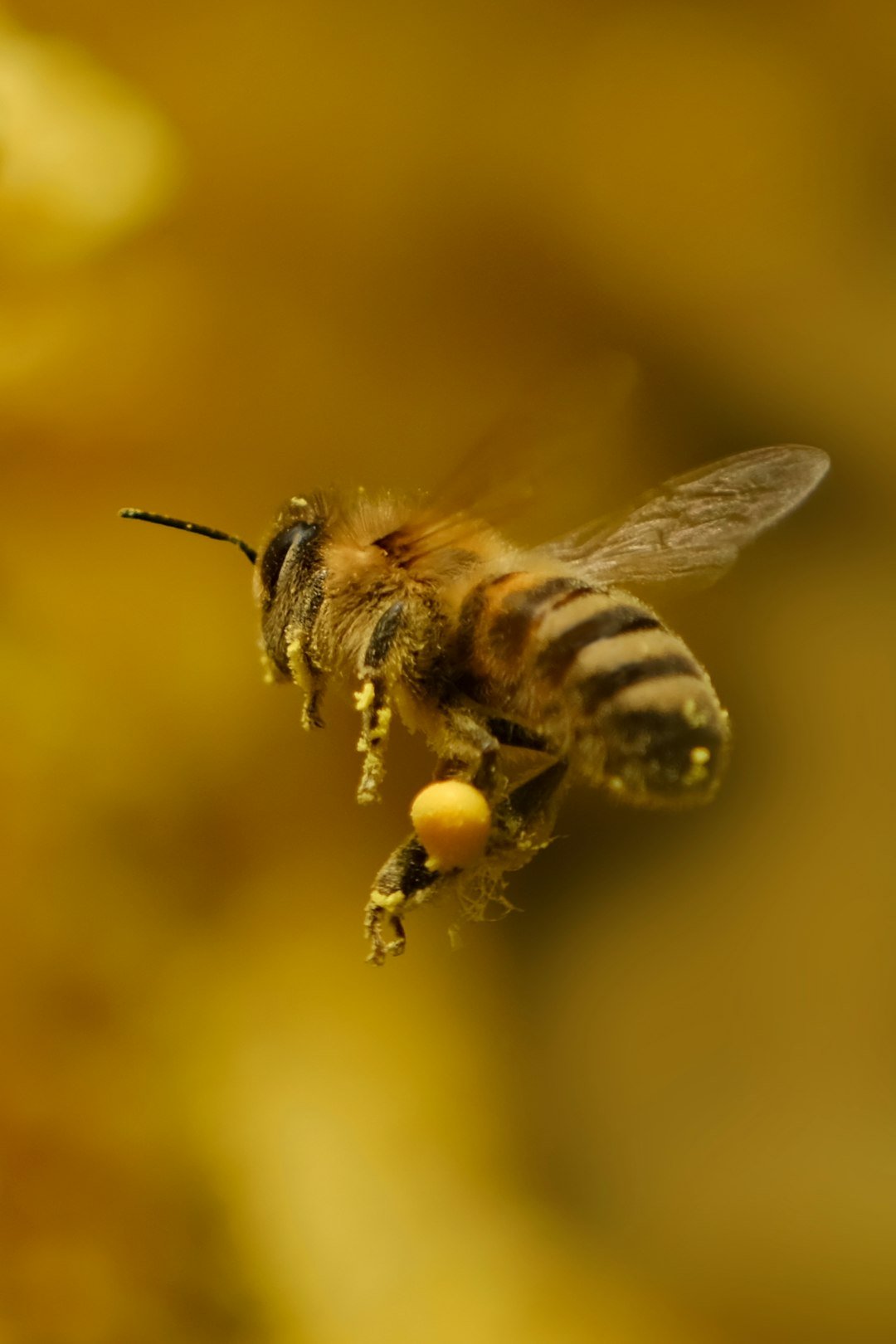
This isn’t just a curiosity about charming insects; it reframes what intelligence can look like. For decades, cognition was often measured against human benchmarks, with other animals cast as shadows on a single scale. Bee research suggests a different picture – many small, specialized solutions that solve real problems with minimal hardware. That perspective can change how we design technology and how we value minds unlike ours.
There’s also a practical edge. Understanding bee decision-making can improve crop pollination strategies by aligning floral layouts with how bees parse numbers and patterns. It can sharpen conservation, because safeguarding cognition means safeguarding the behaviors that keep ecosystems humming. And it teaches humility: sometimes the smartest system is the one that wastes the least.
The Future Landscape
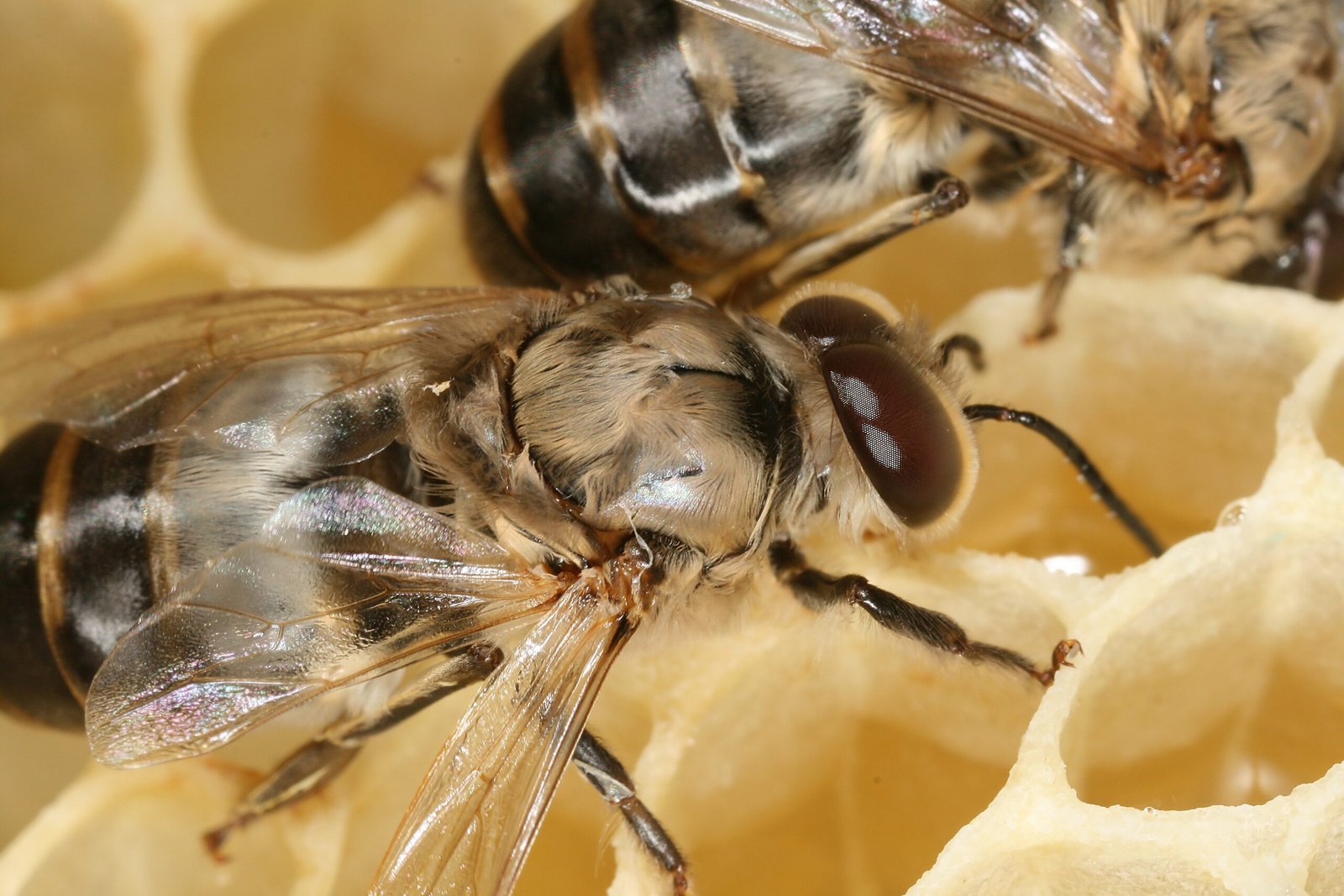
Next-generation studies will push beyond static images toward moving, naturalistic scenes, testing whether bees generalize rules when flowers shimmer, shadows shift, and wind nudges them off course. Portable displays at field sites could bring the lab outdoors, blending realism with control. On the tech side, neuromorphic chips inspired by mushroom body circuits may power micro-drones that navigate by simple, rule-based vision instead of heavy mapping software. That could open the door to low-cost pollination helpers and swift search-and-rescue scouts.
Challenges loom, and they’re healthy ones. Replication across labs, species, and contexts will stress-test the strongest claims. Researchers must avoid overreading behaviors as human-like mathematics or person recognition when pattern rules suffice. And bee welfare deserves a seat at the table as experiments grow more ambitious, because curiosity should travel with care.
Conclusion:
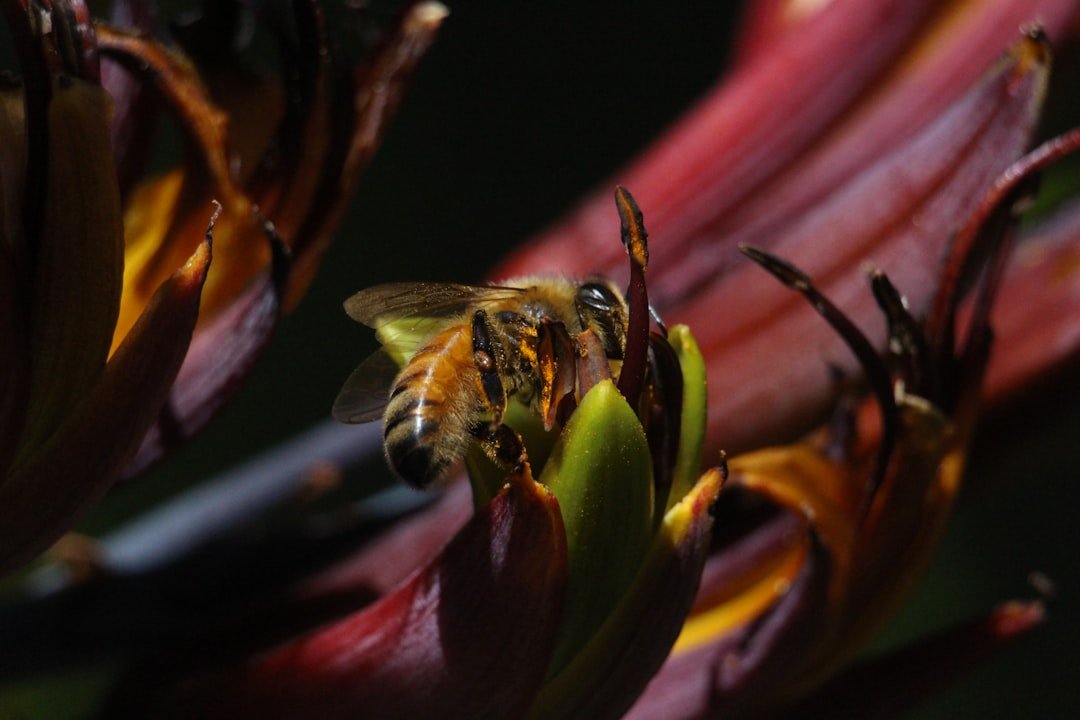
If this story surprised you, let it nudge you into small, concrete steps that make life easier for smart little minds. Plant a patchwork of native flowers that bloom across seasons, and leave a shallow water dish with pebbles for safe landing. Skip or minimize broad-spectrum pesticides, and look for integrated pest management that keeps both crops and pollinators thriving. Support local researchers and community science projects that track bee health; many offer kits and simple protocols you can do in an afternoon.
Share what you learn with a neighbor, a classroom, or your city council, because culture changes one conversation at a time. And the next time a bee hovers near your picnic, try seeing a tiny rule learner at work, not a mere speck with wings. If a million-neuron brain can count and read patterns in our faces, what else might we be missing right under our noses?
Suhail Ahmed is a passionate digital professional and nature enthusiast with over 8 years of experience in content strategy, SEO, web development, and digital operations. Alongside his freelance journey, Suhail actively contributes to nature and wildlife platforms like Discover Wildlife, where he channels his curiosity for the planet into engaging, educational storytelling.
With a strong background in managing digital ecosystems — from ecommerce stores and WordPress websites to social media and automation — Suhail merges technical precision with creative insight. His content reflects a rare balance: SEO-friendly yet deeply human, data-informed yet emotionally resonant.
Driven by a love for discovery and storytelling, Suhail believes in using digital platforms to amplify causes that matter — especially those protecting Earth’s biodiversity and inspiring sustainable living. Whether he’s managing online projects or crafting wildlife content, his goal remains the same: to inform, inspire, and leave a positive digital footprint.