Articles for author: Maria Faith Saligumba

Satellite flying on space

The Future of Space Based Conservation Efforts for Endangered Species

As the Earth’s biodiversity faces increasing threats from climate change, habitat loss, and human activity, innovative solutions are needed to safeguard endangered species. One emerging frontier in conservation is the use of space-based technology. This approach utilizes satellites and other space-based tools to monitor habitats, track wildlife, and implement conservation strategies at a global scale. ...


Man flying a drone in a scenic outdoor setting

How Drone Technology is Helping Track and Protect Endangered Species

In recent years, drone technology has emerged as a powerful tool in the fight to protect and conserve endangered species. With their ability to provide unprecedented access to remote or otherwise inaccessible areas, drones are proving to be an invaluable resource for wildlife researchers and conservationists. From monitoring animal populations to combating poaching, drones are ...

Scientist in protective gear working on a computer in a laboratory

How Gene Editing Can Help Combat Invasive Species

Invasive species are organisms that are introduced to an environment where they are not native, often causing significant harm to ecosystems, local economies, and even human health. These species can outcompete native wildlife for resources, alter habitats, and bring new diseases. The economic cost of managing invasive species can be staggering, reaching billions of dollars ...

a close up of a shower head in a bathroom

The Microscopic World Living Inside Your Showerhead

Have you ever stepped into a steamy shower, letting the warm water wash away your worries, only to realize that you might not be alone? It’s a shocking thought, but every time you twist that faucet, you’re unleashing an invisible world of life right into your bathroom. Hidden behind the serene spray of water, your ...

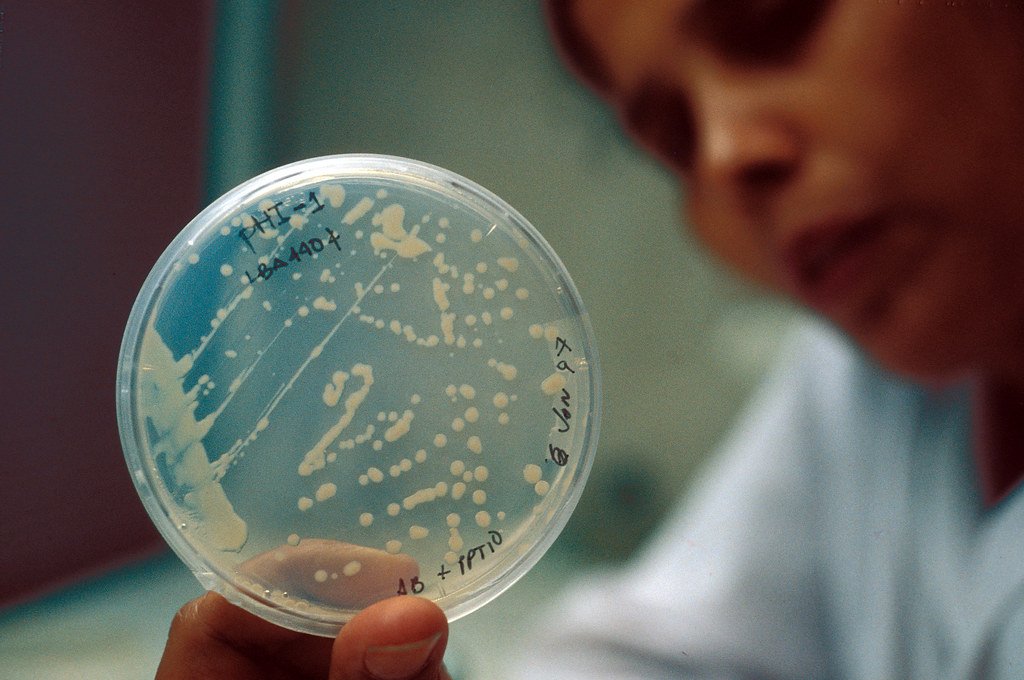
Bacteria sample

Can We Grow Brains in Labs? The Ethics of Mini-Minds in Petri Dishes

Imagine peering through a microscope and seeing tiny clusters of living brain cells pulsing and connecting in a swirling dance—created not by nature, but by human hands in a laboratory. This isn’t a scene from a science fiction movie; it’s one of the most astonishing breakthroughs in modern neuroscience. Today, scientists are growing miniature brain-like ...