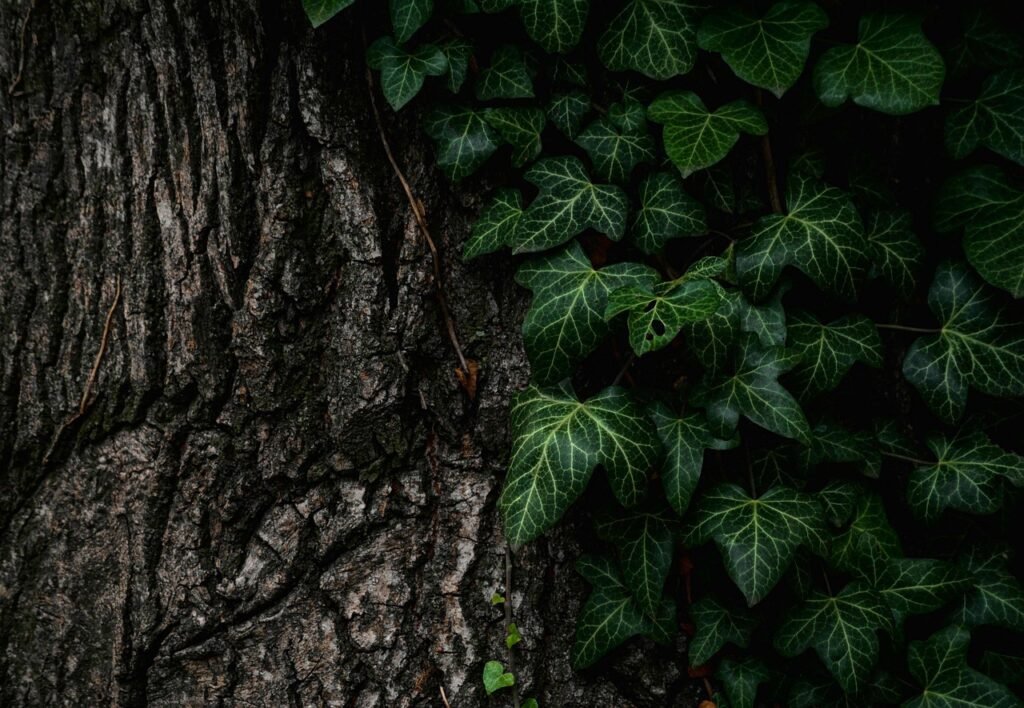

A Hidden Microbial Powerhouse Emerges (Image Credits: Pixabay)
Australia – Researchers have revealed that tiny organisms dwelling in tree bark across the country’s diverse forests play a vital role in neutralizing harmful atmospheric gases, enhancing the natural world’s defense against climate change.
A Hidden Microbial Powerhouse Emerges
Scientists long viewed tree bark as a simple shield for trunks, but recent studies have exposed its bustling ecosystem of microbes that actively process climate-altering substances. In a study published in the journal Science on January 8, 2026, an international team led by Australian experts demonstrated that these bark residents consume significant volumes of greenhouse gases and toxins. The discovery came from fieldwork in tropical regions near Darwin, where samples from wetland, mangrove, and upland trees revealed thriving microbial communities.
These microbes, numbering in the trillions per tree, specialize in metabolizing gases that contribute to global warming and air pollution. The research highlighted how bark’s porous structure provides an ideal habitat, allowing these organisms to interact directly with the air. This finding shifts perspectives on forests, portraying them not just as carbon sinks but as multifaceted environmental filters. Earlier assumptions underestimated bark’s biological activity, but now it stands as a key player in gas cycling.
Targeting Methane and Beyond: The Gases in Question
Methane emerged as a primary target for these bark microbes, with specialized bacteria known as methanotrophs breaking it down within tree tissues. This process addresses a gas responsible for about one-third of human-induced warming, far more potent than carbon dioxide over short timescales. Hydrogen and carbon monoxide, both indirect contributors to climate effects, also fell under the microbes’ influence, with enzymes detected that facilitate their removal.
Volatile organic compounds, or VOCs, rounded out the list of consumed substances, many of which pose health risks in urban settings. The study noted variations by forest type: wetland trees showed higher methane uptake, while mangroves excelled at processing carbon monoxide. Such specificity underscores the adaptability of these microbial groups.
- Methane: A potent greenhouse gas from wetlands and agriculture.
- Hydrogen: An emerging fuel source but also a climate influencer.
- Carbon monoxide: Toxic to humans and linked to air quality issues.
- VOCs: Contributors to smog and ozone formation.
Broader Impacts on Conservation and Urban Planning
This revelation amplifies the climate value of Australia’s forests, which already absorb vast amounts of carbon dioxide through photosynthesis. By factoring in bark microbes, estimates of trees’ overall benefits rise considerably, potentially by up to 10 percent in methane reduction alone. Conservation efforts now gain a new dimension, as protecting mature trees preserves these microbial allies.
Urban forestry stands to benefit most, given cities’ elevated pollution levels. Planting species with microbe-rich bark could improve air quality and mitigate heat islands. The research, co-led by Southern Cross University, calls for updated reforestation guidelines that prioritize trees hosting effective microbial communities. Policymakers in Australia and beyond may soon integrate these insights into green infrastructure projects.
Future Directions for Microbial Research
While the study focused on Australian ecosystems, its implications extend globally, as similar microbes likely inhabit trees worldwide. Ongoing experiments aim to quantify exact consumption rates and identify optimal tree species for gas removal. Challenges remain, including how climate stressors like drought affect these communities.
Collaborations between microbiologists and ecologists will drive further exploration, possibly leading to bioengineered solutions for polluted areas. The work builds on a decade of bark studies, confirming its role in atmospheric cleansing.
Key Takeaways
- Bark microbes enhance trees’ climate role by consuming methane and other gases.
- Wetland and mangrove forests show specialized uptake patterns.
- Urban planting could leverage this for better air quality.
As forests prove even more essential in the battle against warming, this microbial discovery reminds us of nature’s intricate efficiencies. Protecting and expanding tree cover offers compounding benefits for a healthier planet. What steps can we take in our communities to support these natural filters? Share your thoughts in the comments.