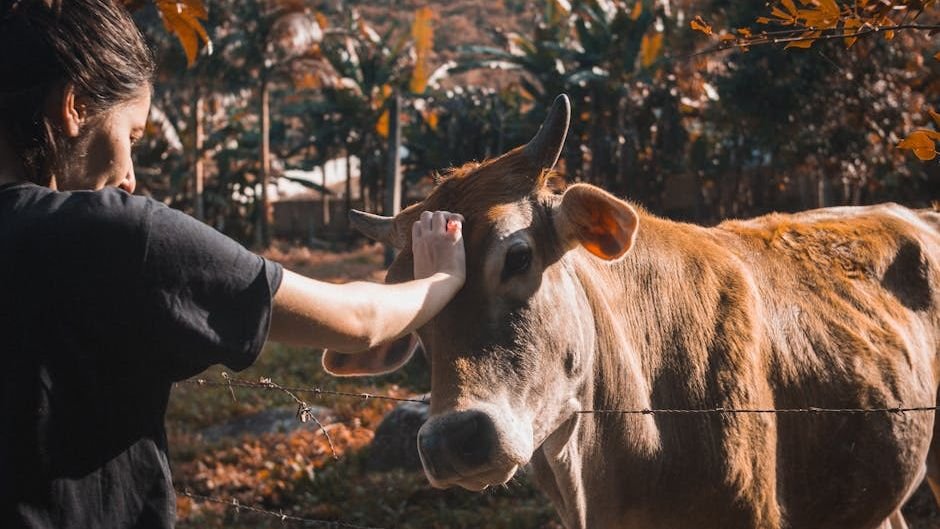
You probably grew up hearing that humans sit on a higher emotional ladder than other creatures. Maybe you were told animals just act on instinct, that your dog does not really love you and your cat is just food-motivated. Yet the more you look closely, and the more scientists study behavior and brains, the harder it is to keep believing that. When you really pay attention, you start to see grief, joy, jealousy, playfulness, and even compassion showing up in fur, feathers, and scales.
Once you drop the idea that emotions belong only to people, you notice how similar your life is to the lives of the animals around you. You fight, make up, bond, worry over your kids or loved ones, feel safe in familiar places and anxious in strange ones. Animals do versions of all of that too. You are not looking at tiny mechanical robots wrapped in skin; you are looking at beings that care about what happens to them. And when you let that sink in, it quietly changes how you see everything.
Why You Misunderstand Animal Emotions In The First Place
You have probably been taught, directly or indirectly, that emotions are what make humans special. That story goes something like this: humans think, feel, and choose, while animals simply react. Once you absorb that idea, you start dismissing anything an animal does as just instinct. A dog whining at the door becomes a conditioned response, not longing. A cow calling out when her calf is taken away is reduced to noise, not heartbreak.
But when you look at how modern biology and neuroscience work, that divide you grew up with starts to look shaky. You share a huge amount of your brain structure and chemistry with other mammals, and even with birds and some fish. If you use similar brain wiring and similar chemicals to feel fear, pleasure, or attachment, it is not a stretch to imagine that animals experience something like what you do. You do not need to pretend a mouse writes poetry to accept that it feels stress, safety, or relief.
Your Pets Are Not Just “Acting Cute”
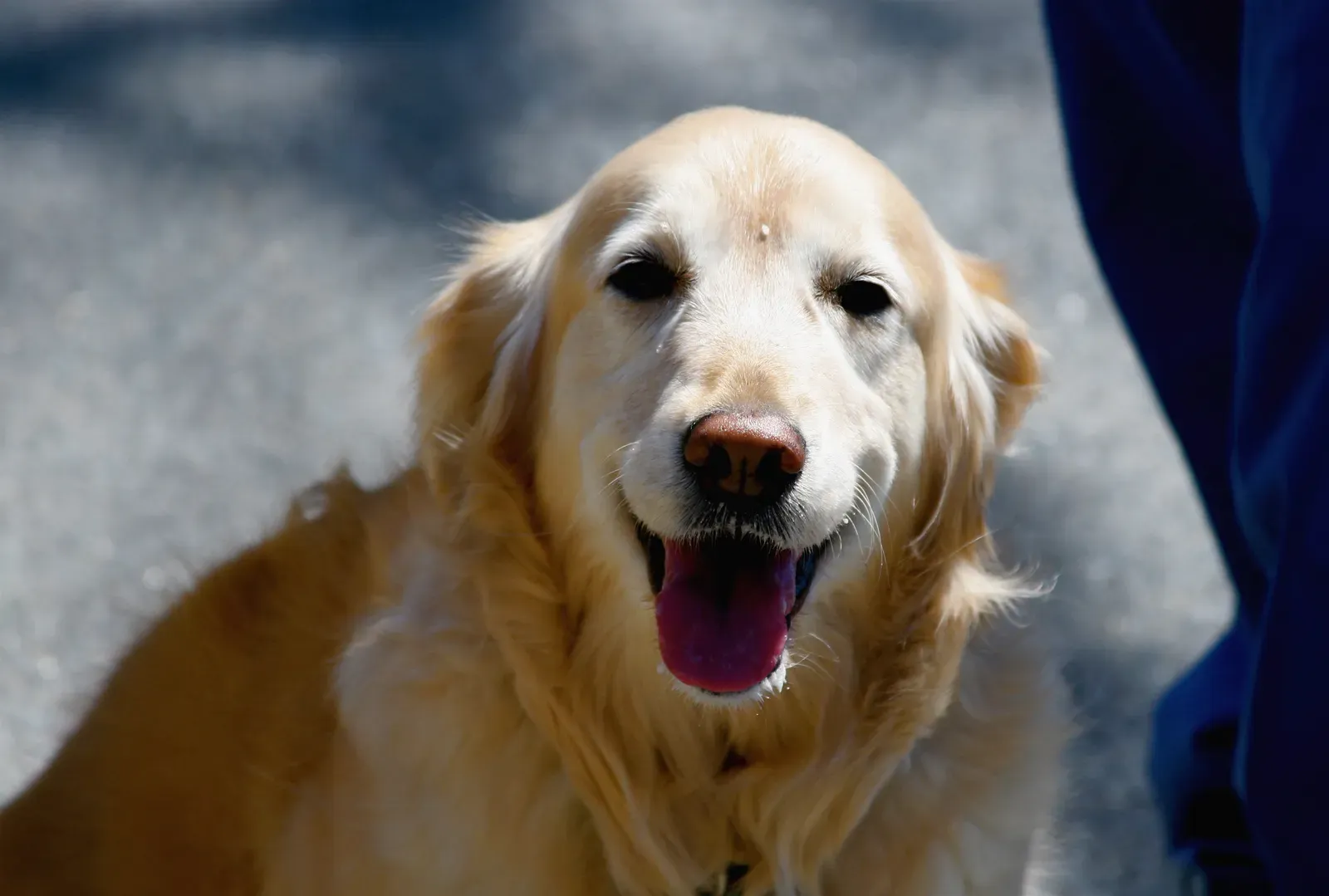
If you live with a dog or a cat, you have probably seen emotions written all over their bodies, even when you tried to explain them away. Your dog does not just run to you; they explode with tail wags, whines, full-body wiggles, unable to contain their joy. Your cat may pretend to be aloof, but suddenly they are kneading your lap, purring, or sleeping with a paw touching you, and you can feel the contentment in the room almost like warmth from a heater.
Scientists have measured how pets react when they are reunited with their humans, and their bodies tell a clear story. Heart rates change, stress hormones drop, and bonding chemicals like oxytocin rise when your dog sees you after a separation. Similar shifts happen when a kitten is comforted or a rabbit is gently stroked. You are not imagining the connection; their brains and bodies are literally shifting into a state of safety and happiness, just like yours do when you hug someone you love.
Social Animals Feel Friendship, Loyalty, And Loss
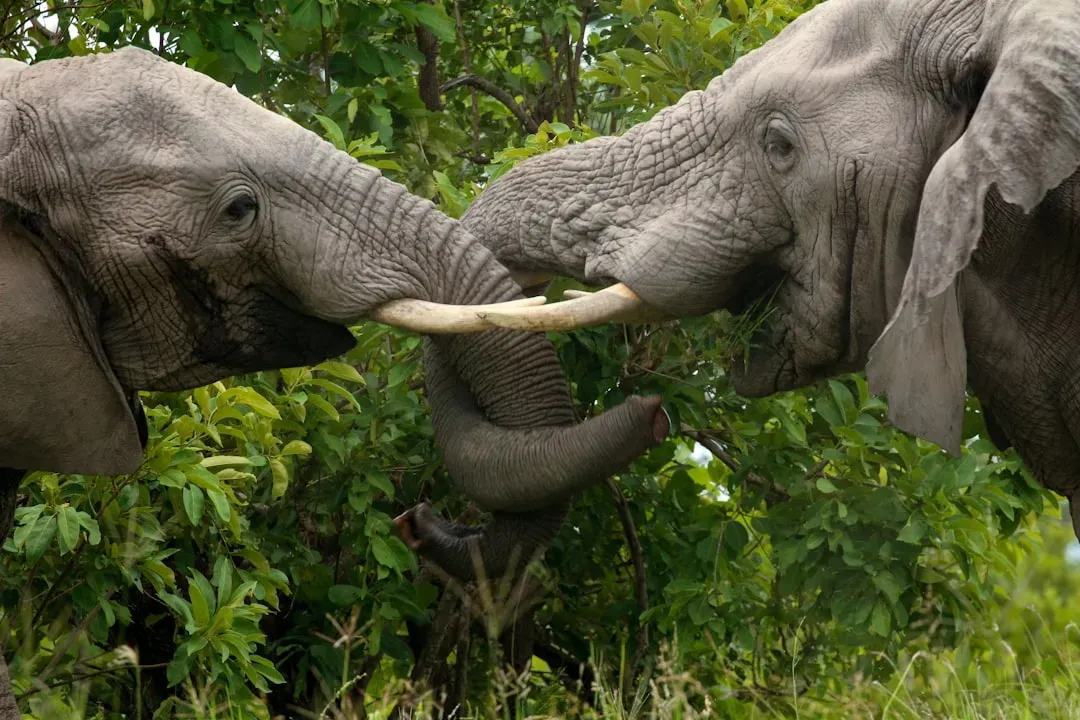
When you look at social animals like elephants, dolphins, wolves, or primates, you are watching emotional networks in motion. These species rely on tight relationships to survive, so they are constantly tracking who is safe, who is dangerous, and who belongs to their inner circle. You do this too with your family, friend group, and colleagues, and it shapes your feelings every day. You can see versions of that same emotional choreography playing out in a wolf pack’s greetings or an elephant herd’s slow, careful touches.
In groups like these, animals defend allies, reconcile after fights, and change their behavior when someone important is missing. You can see signs that look like mourning when a key member dies: reduced play, listless behavior, changes in appetite, or repeated visits to the body or the place it was last seen. You know what it feels like when someone is gone and the air in the house changes. Social mammals, especially, show patterns that look uncannily like the way you carry grief and loyalty over time.
Grief Is Not Just A Human Privilege
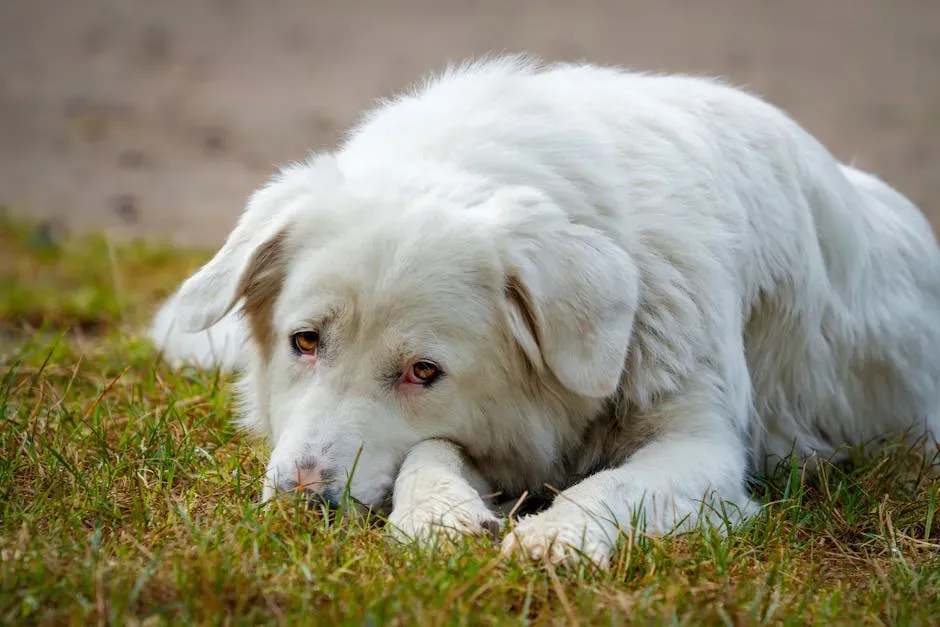
If you have ever seen an animal searching a house for another pet that has died or been given away, you have watched grief show up in real time. The pacing, the sniffing, the waiting near doors, and the sudden drop in appetite or playfulness look painfully familiar because you have done a version of that after loss. You know what it is to expect someone to walk through a door and feel the heavy emptiness each time it stays closed. Animals show their own versions of that same confusion and aching absence.
Researchers have described many species doing things that look like mourning: whales holding up dead calves for long stretches, birds staying close to a dead mate, primates sitting quietly with a deceased infant or friend. You can argue about what exactly they are thinking, but you cannot ignore that loss changes their behavior in deep, persistent ways. Grief is not a neat, tidy thing even in humans, and it is reasonable to see that animals, too, struggle to adjust when a bonded companion is suddenly gone.
Play, Joy, And The Simple Love Of Being Alive
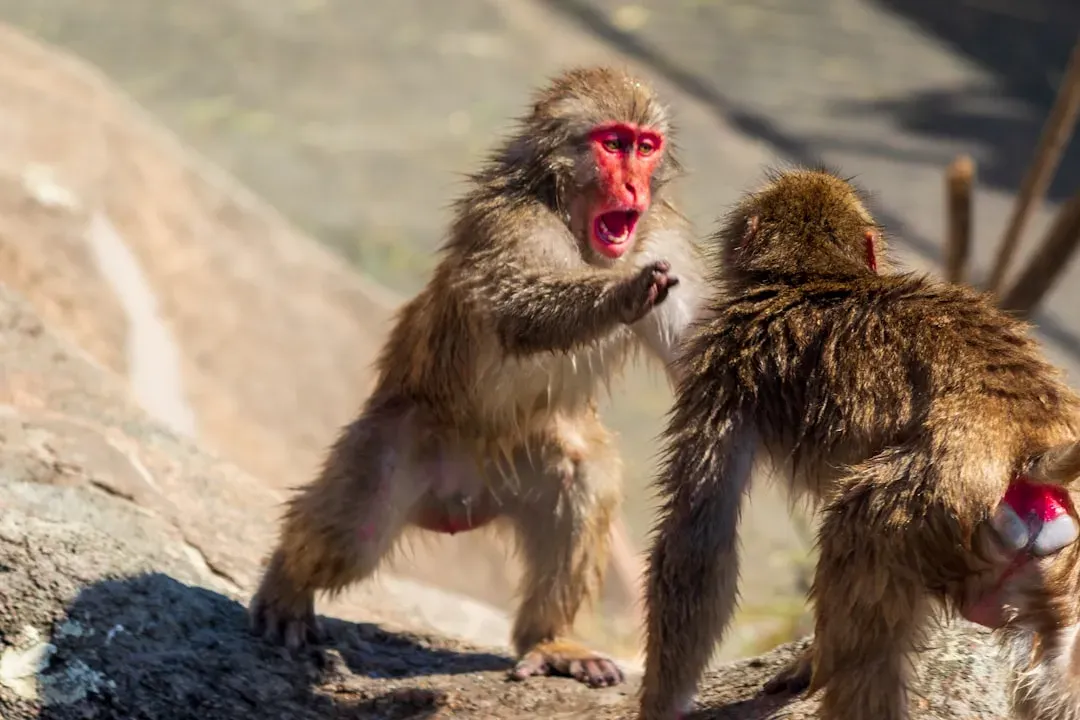
Think about the last time you watched young animals play – puppies wrestling, lambs springing in the air, or birds chasing each other in loops they clearly did not need to survive. You could feel the energy of it, that raw, pointless fun that you recognize from your own childhood games. Play is not just random chaos; it often involves clear rules, taking turns, and even gentle self-control so no one gets badly hurt. That is not just instinct; that is shared joy being negotiated in real time.
Scientists have found that play reduces stress and helps animals practice important skills, but if you only see it as training for adulthood, you are missing something. You know that when you dance in your kitchen, joke with a friend, or toss a ball just for fun, it is not solely about survival. You are enjoying being alive. Animals show similar expressions, body language, and even brain activity during play that mirrors human enjoyment. When your dog spins in circles just because you picked up a leash, you are looking straight at joy in motion.
Fear, Trauma, And Anxiety Are Very Real For Them
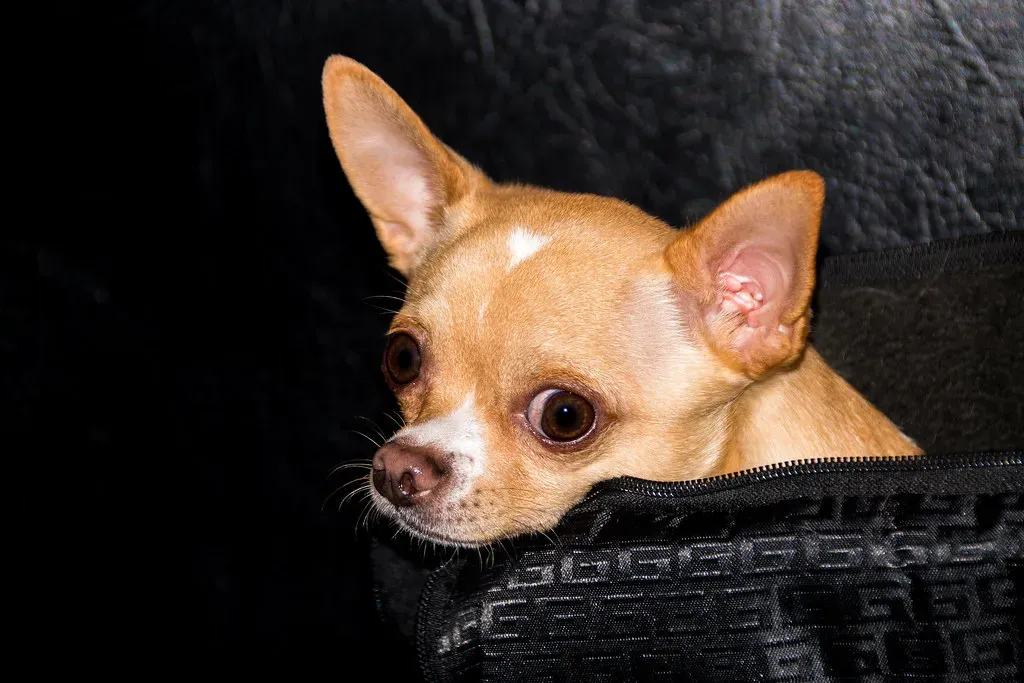
On the darker side, you also see animals experience fear and trauma, and it is uncomfortable to admit how intense that can be. You have probably seen a dog cower during thunderstorms or fireworks, shaking, hiding, or trying to escape. That is not mild discomfort; that is their entire nervous system flooded, similar to what you feel during a panic attack. Shelter animals, especially those with rough histories, often show behaviors that mirror human trauma: hypervigilance, startle responses, withdrawal, or outbursts that seem out of proportion to what is happening.
Research has shown that animals can develop long-lasting changes in behavior after frightening or painful events, and their stress hormones and brain circuits shift in ways that look a lot like human post-traumatic stress. You might see a rescued dog freeze at the sound of a certain object, or a formerly abused horse resist a particular gesture that once signaled harm. Just as your body holds memories that your mind cannot always explain, theirs does too. When you grasp that, their “bad behavior” starts to look less like stubbornness and more like raw survival coping.
Different Brains, Different Bodies, Still Real Feelings
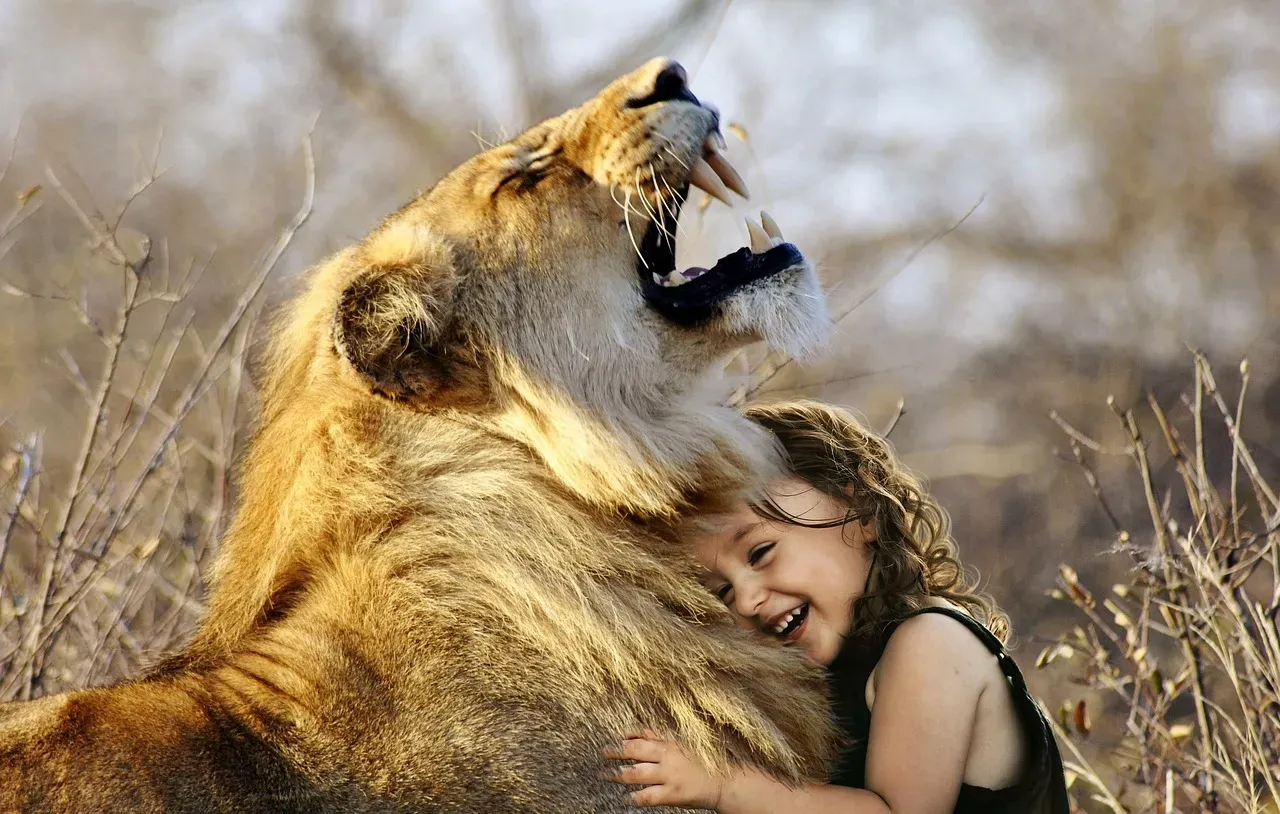
It is tempting to assume that if an animal’s brain looks different from yours, its emotions must be weaker or less real. Birds, for example, do not have a mammal-style cortex, so for a long time people assumed they were just clever machines. But when you look closer, you see that many birds have other brain regions doing similar jobs, and their behavior shows complex problem-solving, social bonding, and even what looks like affection. Different hardware does not automatically mean no emotional software.
Even with fish, which many people still treat as decoration, you see patterns that suggest pain, stress, and relief. They learn to avoid harmful situations, show changes in breathing and movement under threat, and calm down in safer, enriched environments. No one is saying a trout writes love letters in its head, but it is increasingly hard to pretend its inner life is just blank. You do not need to imagine that every species feels exactly like you do to accept that their experiences matter deeply to them.
How Your Choices Affect Animal Emotional Lives
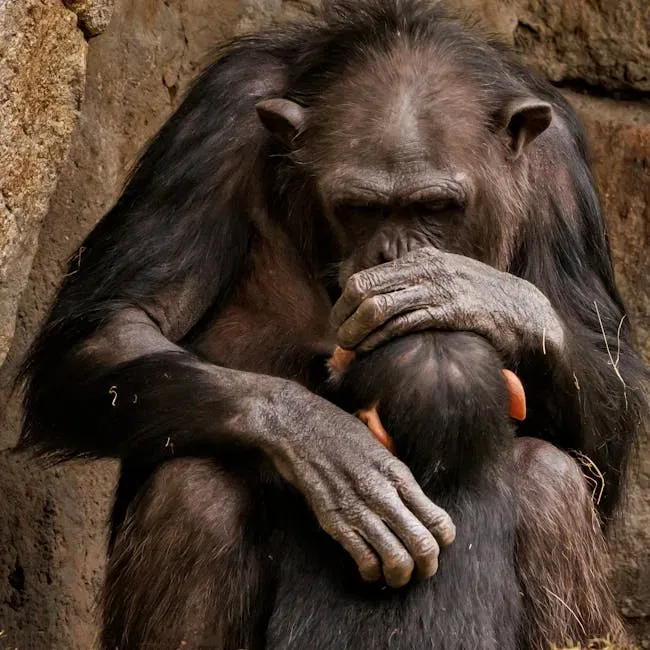
Once you accept that animals have emotional worlds, it becomes impossible to pretend your decisions do not touch those worlds. The way you buy food, choose entertainment, or even pick a pet shapes what countless animals feel every single day. When you support systems that cram animals into tiny spaces, separate mothers from babies, or cause chronic fear and pain, you are not just dealing with bodies. You are directly influencing emotional experiences, stress levels, and the possibility of comfort or contentment.
On the flip side, when you choose better welfare standards, adopt instead of shop, or support sanctuaries and ethical farms, you are shifting things in the other direction. You are creating more lives where curiosity, play, and social bonding can actually happen. It is easy to feel small, but your daily habits ripple outward into barns, laboratories, oceans, and forests. Each decision is a quiet answer to a simple question: do you see animals as feeling beings, or as moving objects?
Building A Deeper Relationship With The Animals Around You
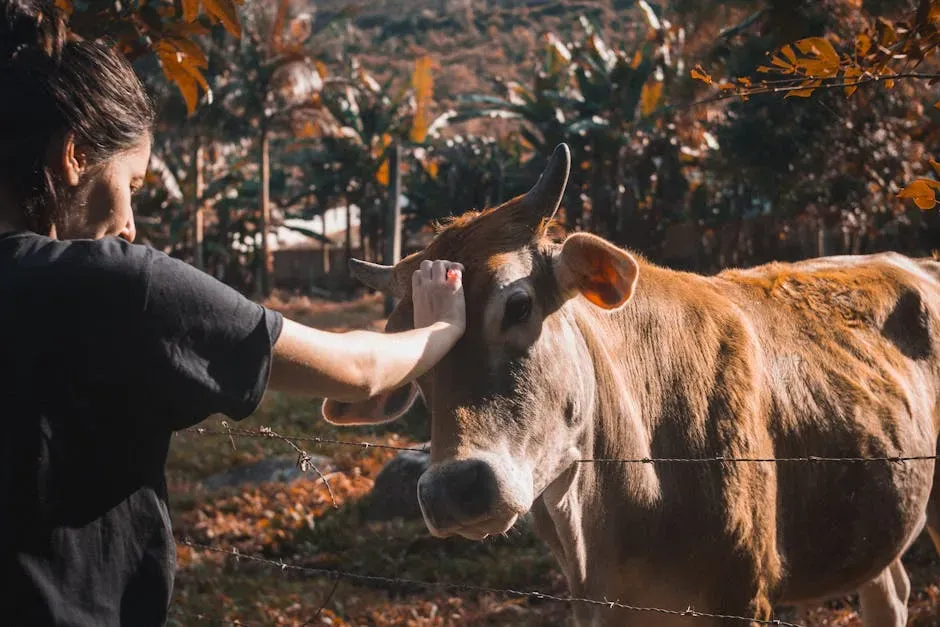
Knowing all this, you can start relating to animals in a different, more respectful way. If you share your home with a pet, you can pay closer attention to their emotional cues: the way their eyes soften, their ears shift, their body posture changes when they are relaxed, nervous, or overjoyed. You can offer them more control over their environment, more chances to play, and more patience when they seem off, just as you would with a stressed friend. You are not just managing a possession; you are living with someone.
Even with wild animals, you can shift your mindset. Instead of treating them as scenery or problems, you can see them as neighbors whose lives have their own dramas, comforts, and fears. That might mean driving a bit slower where wildlife crosses, keeping your distance when you see a nesting bird, or simply watching a squirrel with the curiosity you would give a stranger in a park. The more you practice noticing, the more obvious it becomes: you are surrounded by emotional lives, each one quietly unfolding alongside your own.
When you step back and put all of this together, the picture is hard to ignore. You share a planet with beings who love, fear, play, grieve, and hope for safety in ways that echo your own inner life. Their emotions may not be identical to yours, but they are not shallow, and they are not imaginary. Once you see that, the old story that humans alone feel deeply starts to crumble, and a more honest, more humbling story takes its place.
In the end, the real question is not whether animals experience emotions, but whether you are willing to let that knowledge change you. Will you keep treating their feelings as background noise, or will you act as if their joy and suffering genuinely matter? The next time you look into the eyes of an animal – any animal – ask yourself: what might be going on in there that is far deeper than you ever imagined?