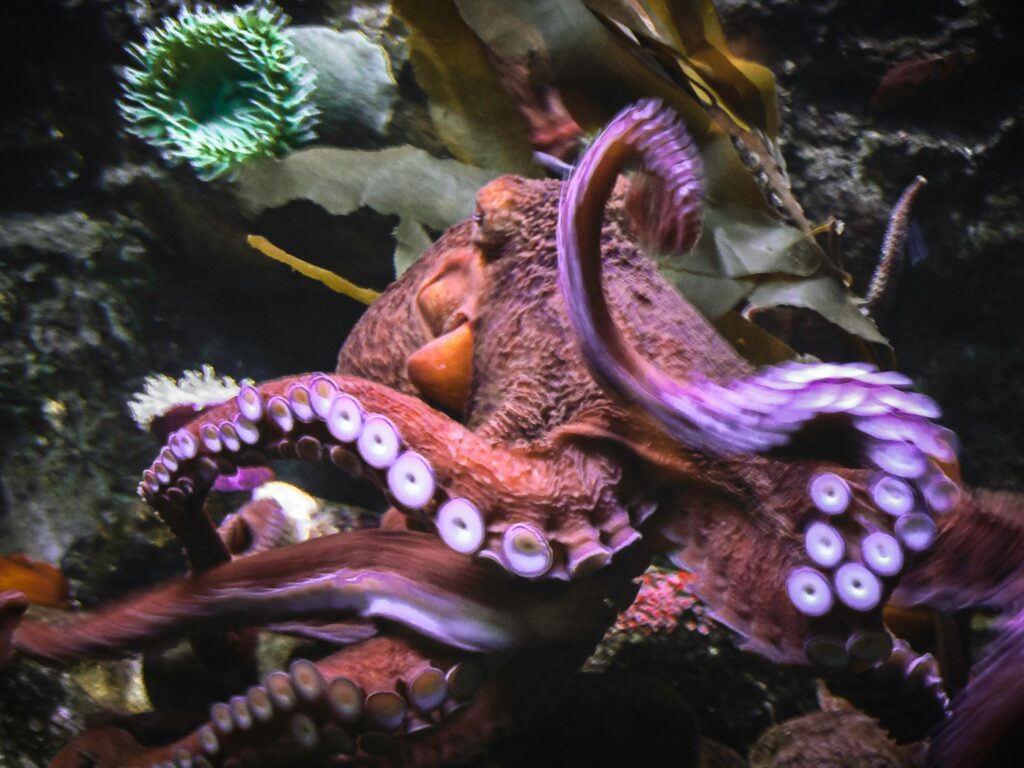
The idea that an octopus “sees” the world with its arms sounds like science fiction, but it is one of the strangest and coolest facts in modern animal science. Before these animals trust what their eyes are telling them, they let their flexible, sucker-covered arms do the first round of investigation, feeling, tasting, and testing the unknown like living, underwater lab instruments.
Once you understand that an octopus treats every unfamiliar object as a puzzle to be solved by touch first and sight later, you start to see them less like simple sea creatures and more like alien engineers. This is not just a fun trivia nugget; it is changing how researchers think about intelligence, robotics, and even what it means to have a “mind.” Let’s dive into how this works, why it matters, and why it might say something quietly unsettling about our own overconfidence in vision.
The Alien Logic Of An Eight-Armed Brain
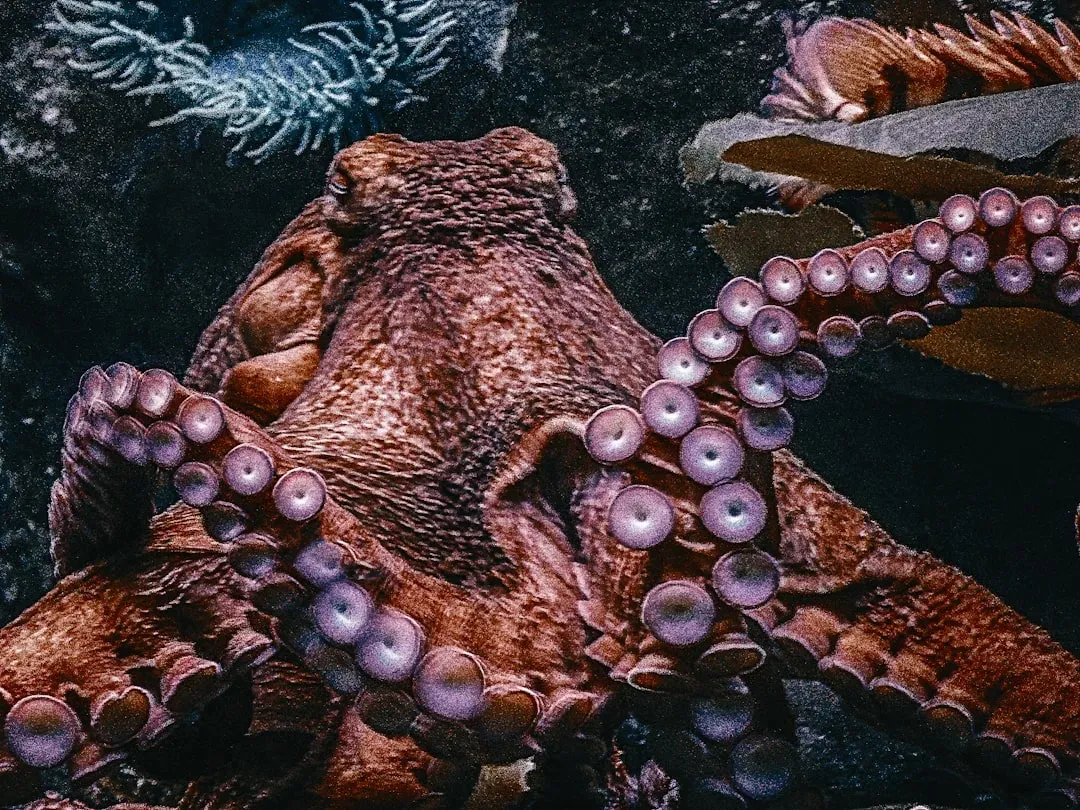
Here’s the wild part: nearly half of an octopus’s neurons live in its arms, not in its central brain. That means each arm is not just a passive limb waiting for instructions; it is more like a semi-independent explorer running its own local investigations and sending back reports.
When an octopus encounters something new, those arms start roaming and probing well before its eyes have fully “decided” what is going on. From a human point of view, this is almost the opposite of our default behavior, where vision dominates and touch only comes in for confirmation. The octopus flips that logic, turning touch and chemical sensing into the first line of truth, with vision as the backup system.
How Octopus Arms Actually “Explore” New Objects
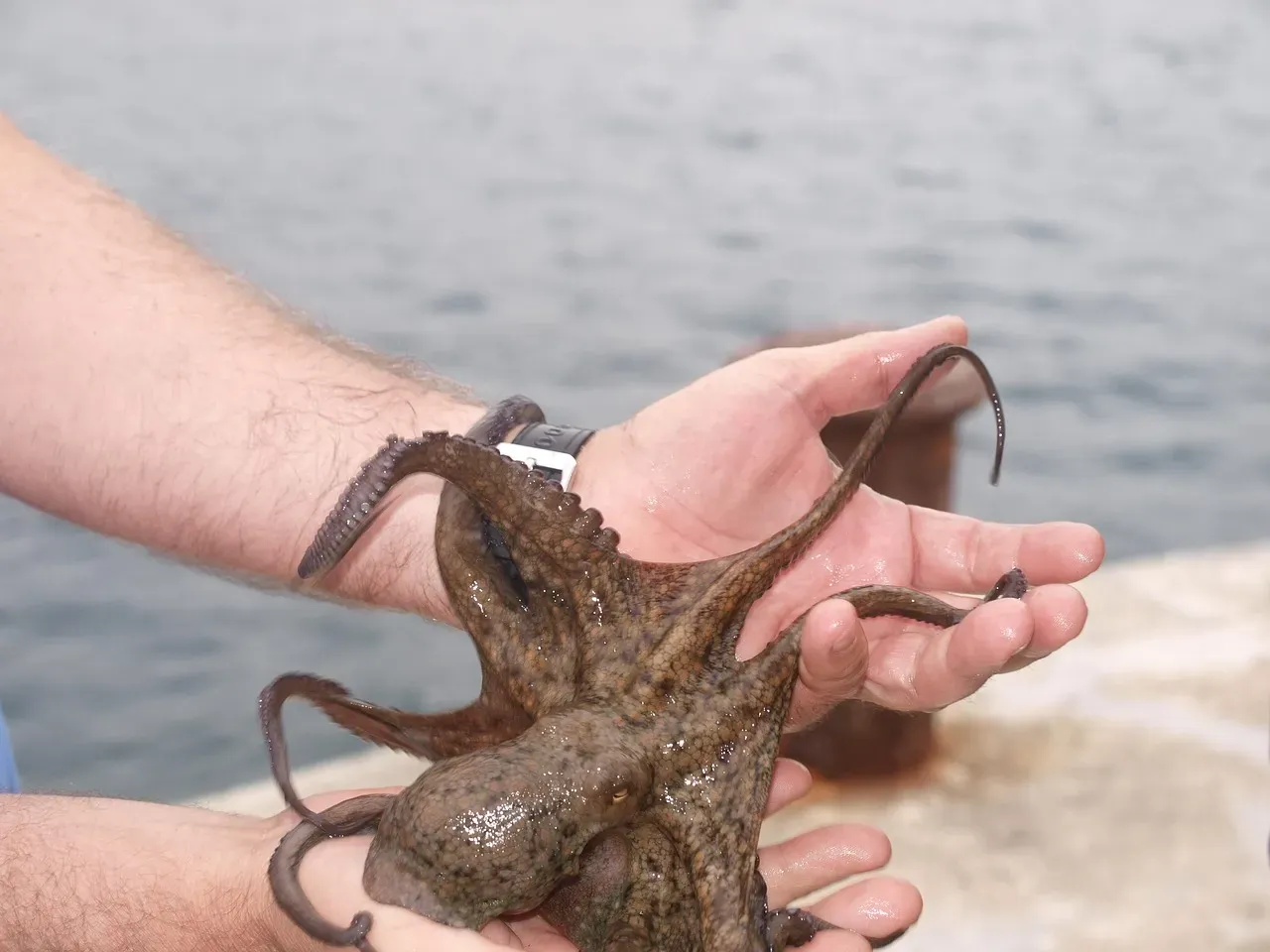
In lab experiments, scientists give octopuses unfamiliar objects: smooth plastic blocks, textured balls, soft tubes. The animal usually reaches out with one or more arms, wrapping around the object, sampling every angle with its suckers, flexing and tugging as if it is stress-testing a new gadget. Only after this hands-on (arms-on) inspection does it seem to integrate what it feels with what it sees.
This exploration is not random fumbling. The arms move in coordinated patterns: probing edges, checking softness, rotating the object, sometimes passing it from one arm to another. The process looks methodical, almost deliberate, yet much of it is handled locally by the arms’ own neural networks. It is as if your fingers could decide for themselves whether to trust something before your brain even gets involved.
Suckers: Tiny Super-Sensors That Feel And Taste
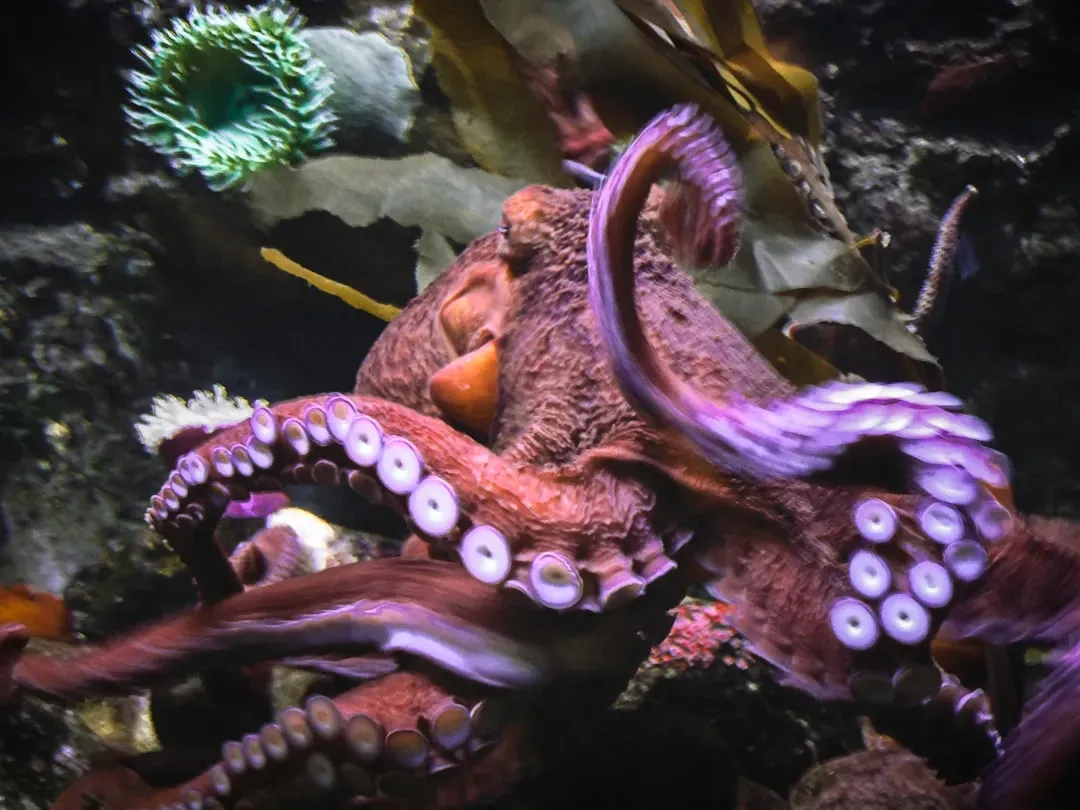
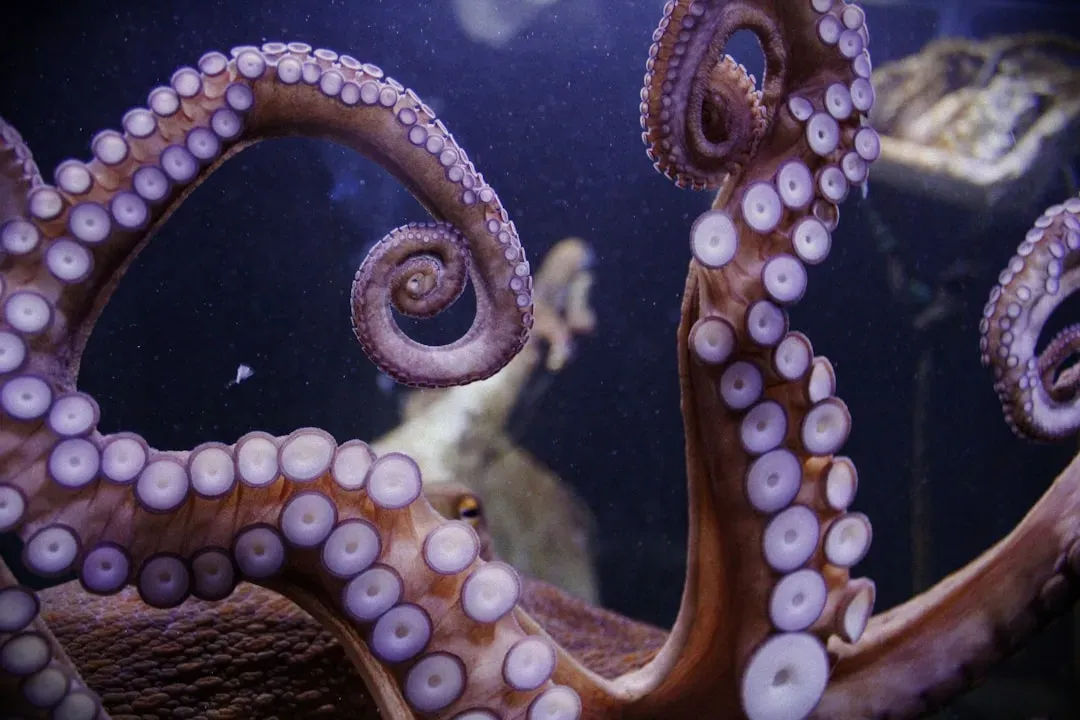
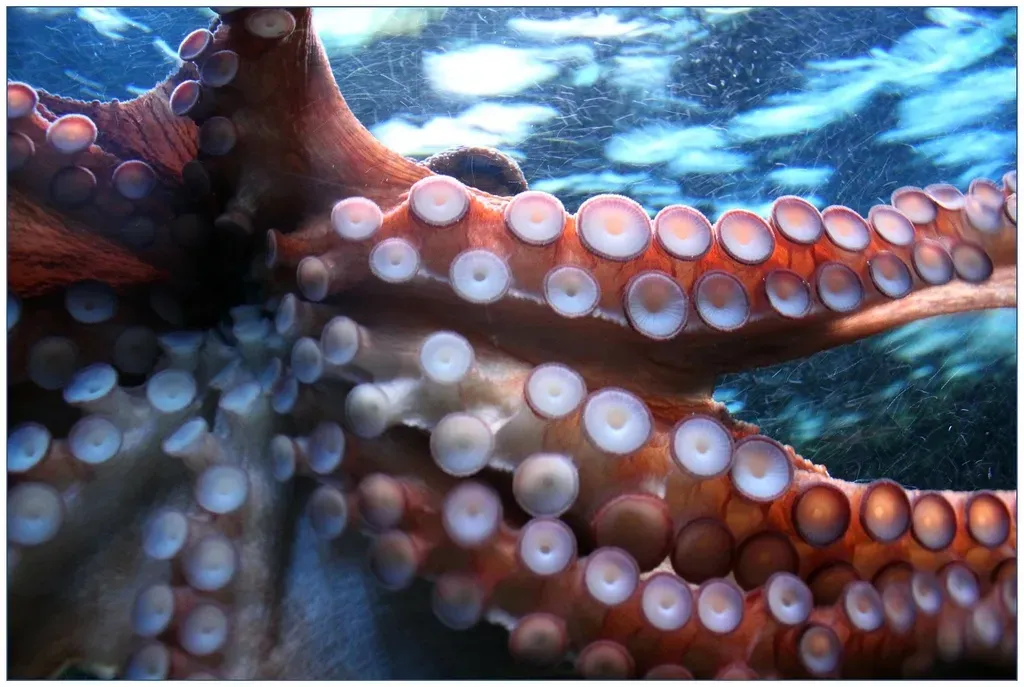
Octopus suckers are not just sticky pads; they are loaded with sensory cells that detect touch, pressure, and chemicals in the water. In plain language, an octopus is “tasting” and “feeling” with every sucker that grips a surface, blending those senses into a single, rich stream of information.
So when an octopus explores a new object, each arm becomes a dense array of microscopic scanners. The animal can detect whether something is slippery, spiky, squishy, or edible long before any visual recognition kicks in. Imagine if your fingertips could taste sugar, salt, metal, and plastic just by brushing against them – that is roughly the level of multi-sensory power we are talking about.
Why Touch Comes Before Sight In The Ocean
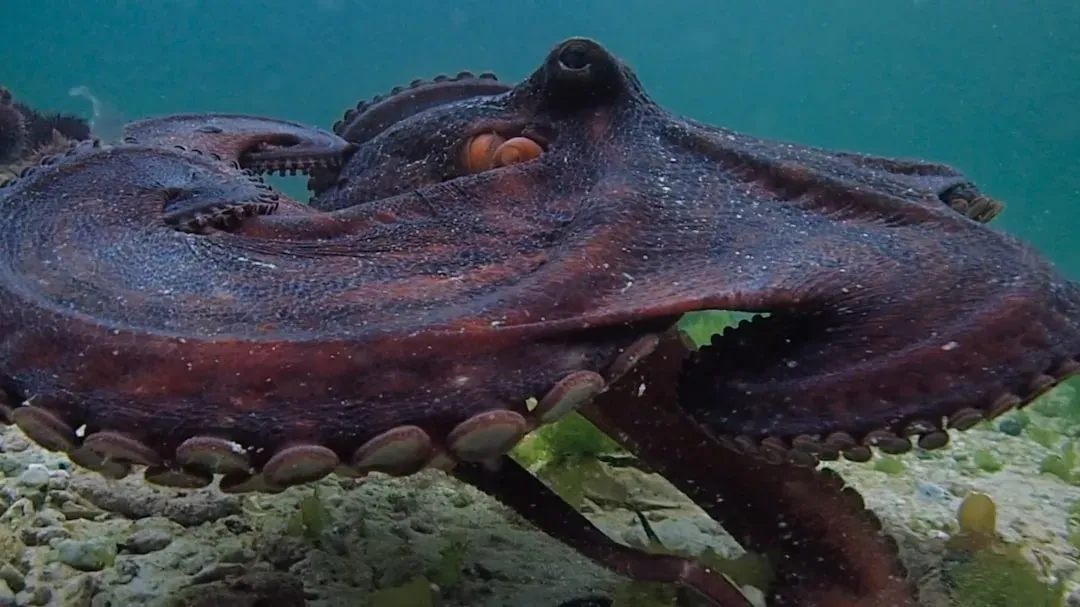
The underwater world is messy for visual creatures. Light drops off quickly, water can be murky, and shadows and reflections can be massively misleading. In that kind of environment, relying on vision first would be like trying to navigate a crowded, smoky room with sunglasses on and pretending your eyes are enough.
For an octopus, arms-first exploration is a brutally practical solution. Touch and chemical sensing work in the dark, in dirty water, and deep in rock crevices where eyes simply cannot reach. Only after the arms have established something about the object – safe, unsafe, food, non-food – does the visual system really matter, more for confirmation and context than for the initial judgment call.
What This Reveals About Animal Intelligence
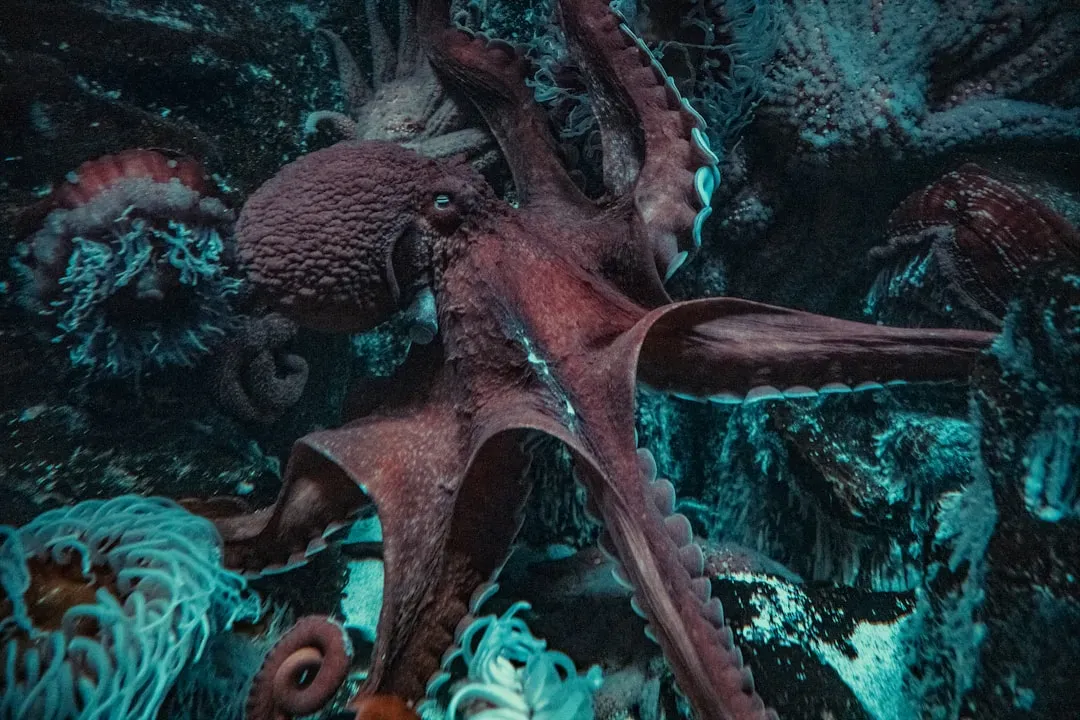
We like to put intelligence on a ladder with humans on top, and animals that look and sense like us somewhere below. Octopuses destroy that ladder. They show that a brain can be distributed, that thinking can be partly outsourced to limbs, and that touch can carry as much “knowledge” as sight does for us.
Instead of measuring intelligence by how closely an animal copies human behavior, octopuses force us to ask a tougher question: how well is a nervous system adapted to the problems it needs to solve? By that standard, using arms-first exploration in a dim, hazardous environment is not a primitive fallback; it is a razor-sharp strategy that fits their world almost perfectly.
Octopus Arms As A Model For Future Robotics
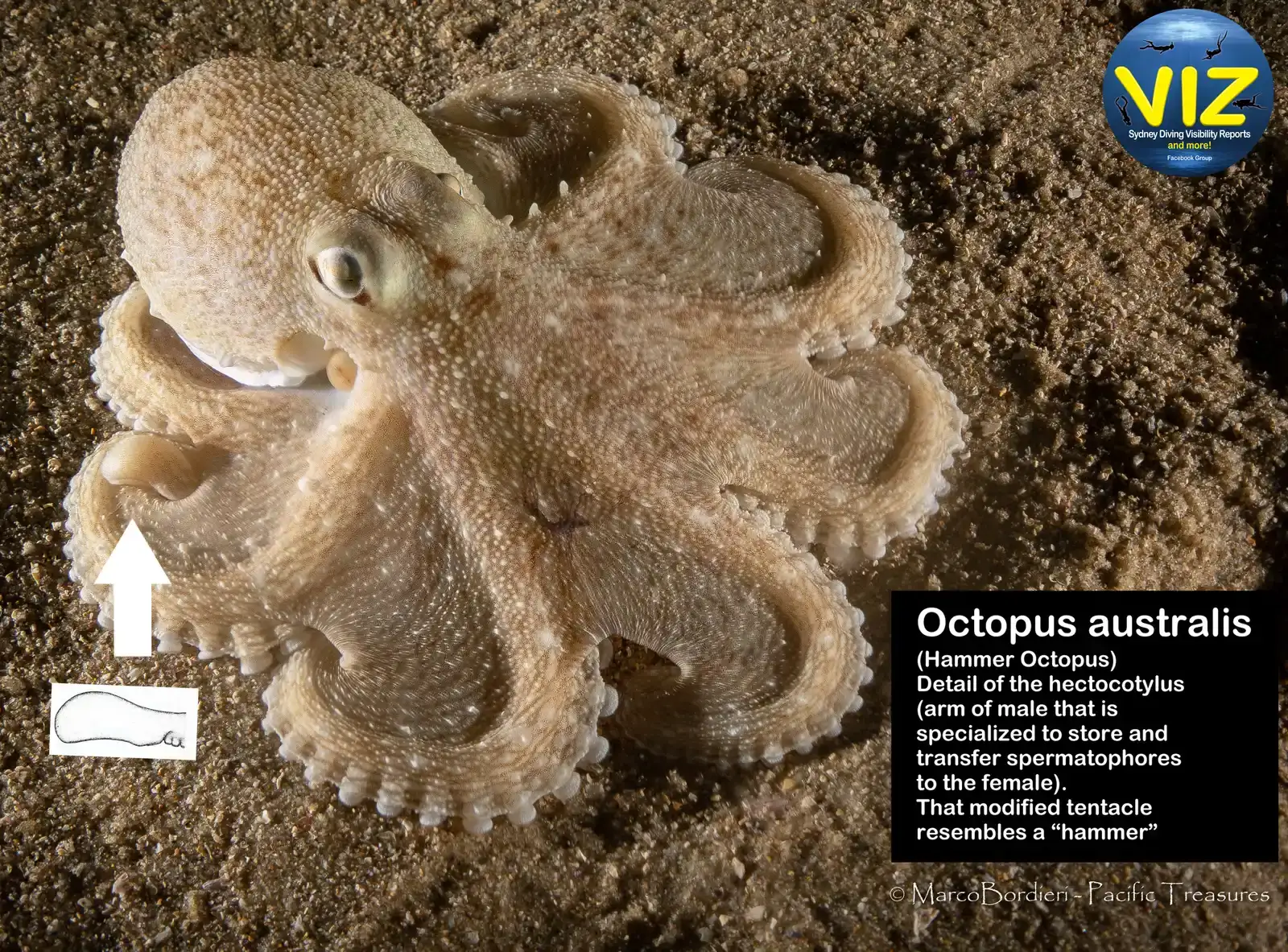
Engineers are obsessed with octopus arms for a reason. A traditional robot relies heavily on cameras and stiff joints, which works fine in clean factories but fails in cluttered, unpredictable environments. Octopus-inspired “soft robots” flip this script, using flexible, tentacle-like arms packed with sensors to physically explore their surroundings much the way real octopuses do.
In this robotic vision, touch becomes the primary sense: the robot gently gropes, curls, and squeezes its way through unknown spaces, building an understanding of objects through physical contact, not only through cameras. That approach could be a game changer for search-and-rescue operations, deep-sea exploration, or even delicate surgery, where relying purely on visual feedback is just not good enough.
Rethinking Our Own Dependence On Vision
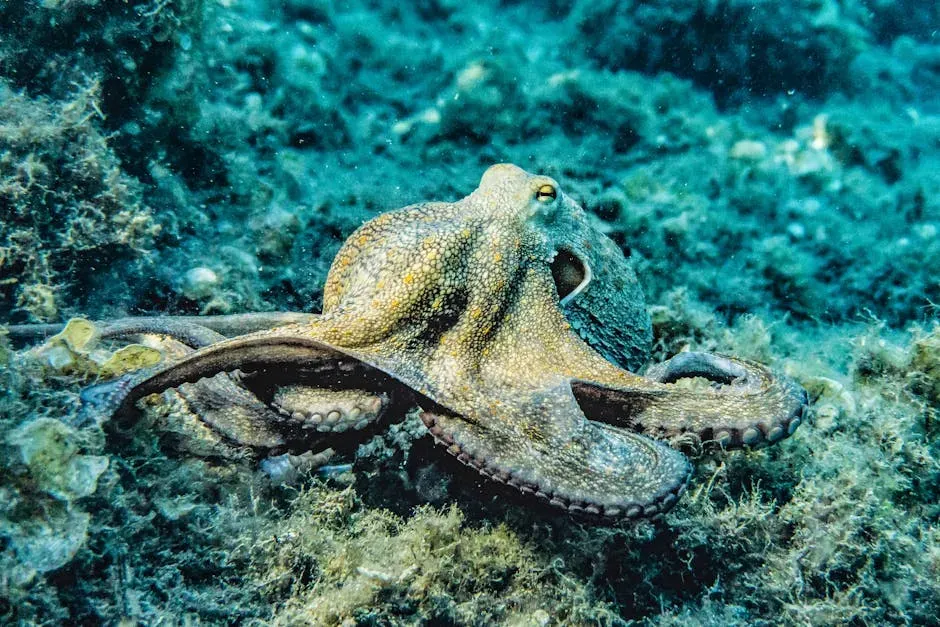
Humans are visual addicts. We trust what we see almost automatically, even when it lets us down – optical illusions, social media filters, misleading photos. The octopus quietly challenges that bias by making touch its gold-standard sense when dealing with the unknown, with vision serving more as a supporting actor.
I find that genuinely humbling. Watching how octopuses operate makes me question how often we jump to conclusions based on appearances alone, whether that is judging a person, a situation, or even a new technology. Their arms-first strategy is a reminder that sometimes the deeper truth lives in what we feel up close, not in what we glimpse from a distance.
How Curiosity Keeps Octopuses Alive
There is a real survival logic under all this exploratory behavior. An octopus lives in a world full of sharp shells, lurking predators, and weird moving objects. Being curious – but careful – about anything new is not a luxury; it is the difference between finding a meal and becoming one.
By leading with their arms, octopuses can keep their vulnerable central body slightly back while the arms take the risks. If something turns out to be dangerous, they can pull away fast; if it is safe or edible, they can commit more fully. It is like sending scouts ahead before walking into a dark room, a strategy that looks not only intelligent but almost eerily cautious and self-aware.
Conclusion: The Quiet Rebellion Against Eye-Centered Thinking
The way octopuses explore new objects – with their arms first and their eyes second – feels like a quiet rebellion against the way we are used to thinking about perception and intelligence. In my view, it is a mistake to treat this as a quirky side note about a weird sea creature; it is a serious alternative blueprint for how a mind can work. Their distributed nervous system, touch-first strategy, and arm-driven curiosity show that there is nothing sacred about the human, eye-dominated model of understanding the world.
If anything, I think the octopus exposes a blind spot in our own thinking: we overrate what can be seen and underrate what can be felt, tested, and physically engaged with. As robotics, AI, and neuroscience race ahead, we would be foolish not to steal a few pages from the octopus playbook. After all, if an animal that treats its arms as thinking tools has thrived for millions of years, maybe it is time we asked ourselves a slightly uncomfortable question: are we really as smart as we look, or are they quietly smarter than we think?