There’s a moment each year when you can feel it in your bones: fall isn’t just “in full swing” anymore, it’s winding down. The air sharpens, colors deepen, and suddenly your favorite cozy-weather season is quietly packing its bags. You step outside one morning and think, something is different today, even if you can’t quite name it.
That change is not random. Plants, animals, water, even the soil under your feet are all responding to deep cues from light and temperature. Once you know what to look for, you start to see a pattern: ten clear signals that autumn is closing and winter is almost at the door. Some of them are beautiful, some are a little unsettling, and together they tell a surprisingly dramatic story.
1. The Last Burst of Color Gives Way to Bare Branches
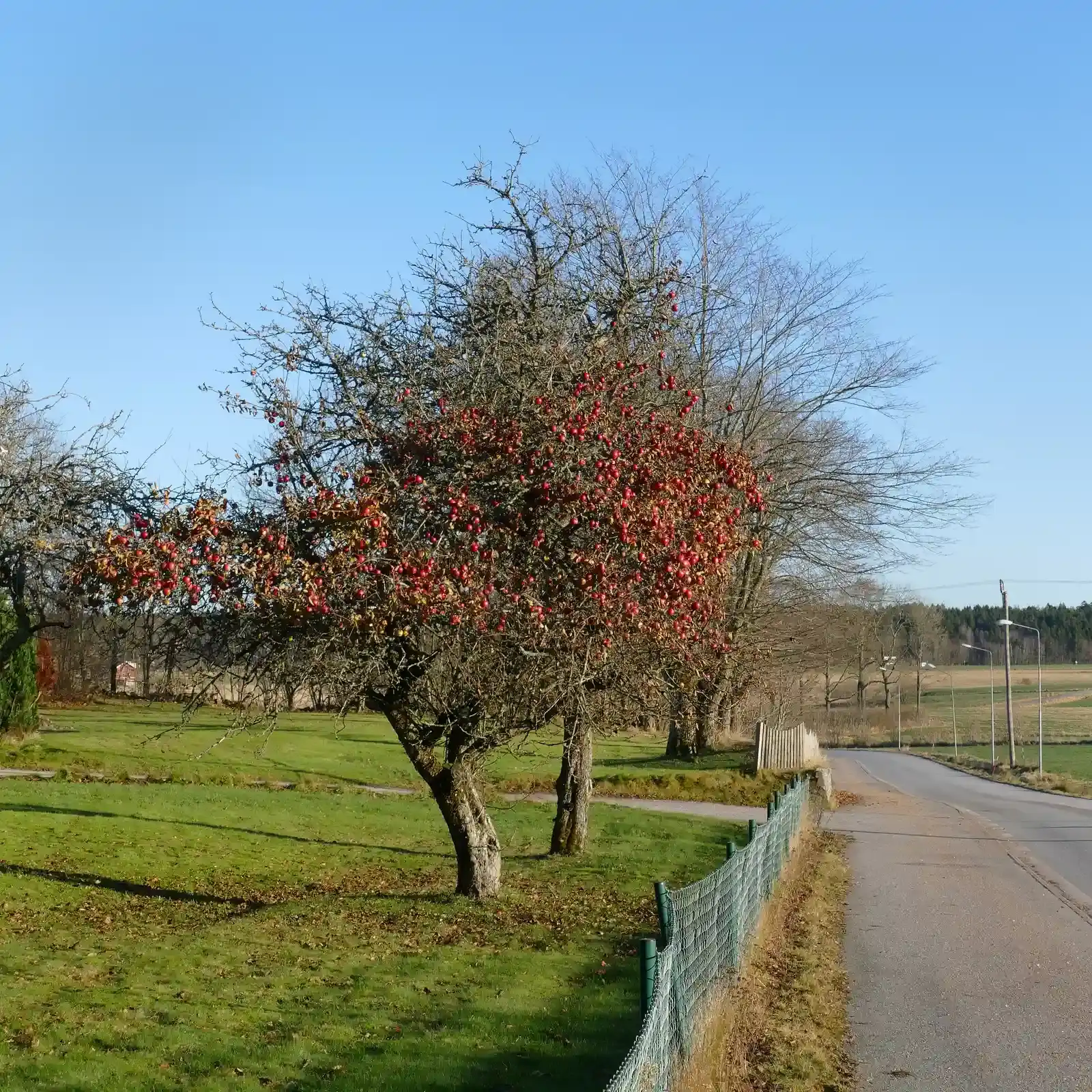
We love to talk about peak fall color like it’s the main event, but the real turning point comes right after: the sudden, almost overnight shift from flaming reds and golds to stark, empty branches. As days grow shorter, trees stop producing chlorophyll, revealing yellow and orange pigments that were hiding in the leaves all along. That final, saturated blaze is not random beauty; it’s a precise biochemical countdown tied to day length and cooling temperatures.
Once that show ends, gravity and weather team up to finish the job. Leaves detach along specialized “abscission” layers at the base of each stem, a process the tree has been quietly preparing for weeks. A windy, cold rain can strip a landscape in a single afternoon. When you can suddenly see much farther through the woods, when tree lines look skeletal and open instead of lush and fiery, that’s nature saying: curtain down on fall, structural mode for winter now engaged.
2. Sunlight Shrinks, And the Mood of the Day Changes
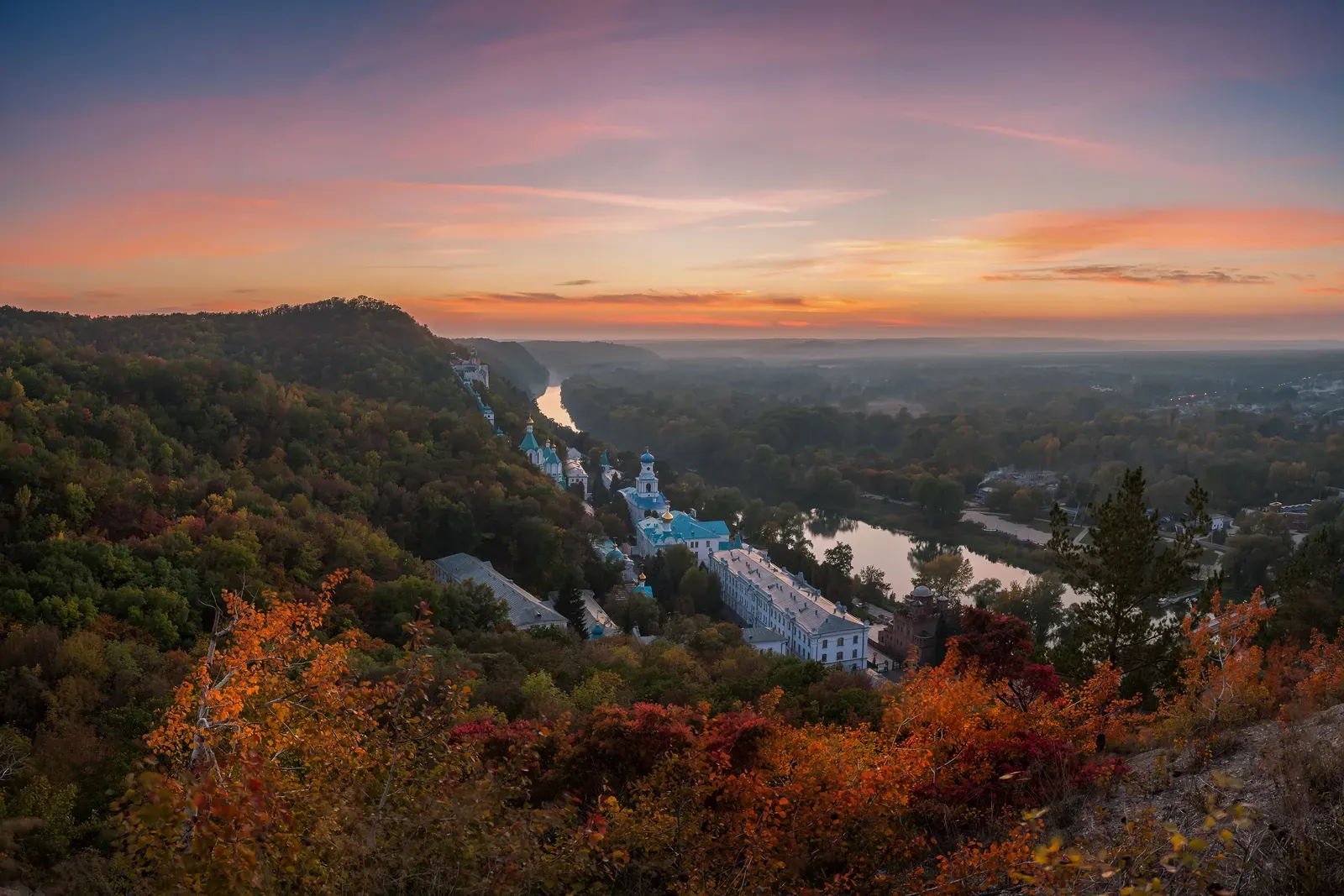
You probably feel this one before you notice it: afternoons seem to end suspiciously early, and evenings feel heavier and longer. Scientifically, the angle of the sun drops lower in the sky, spreading light over a larger area and cutting the total amount of energy reaching the ground. Even on “nice” days, the sun feels weaker; you can stand in full daylight and still sense that it’s not doing much warming work.
That shrinking daylight – called photoperiod – is the master clock for countless seasonal changes. Plants use it to time leaf drop and dormancy, birds use it to cue migration, and mammals use it to adjust hormones and behavior. When your morning commute starts in the gray and your late afternoon already looks like twilight, you’re experiencing the same cosmic signal that tells ecosystems: conserve, slow down, and get ready for the cold stretch ahead.
3. The Air Loses Its Mugginess and Gains a Sharp Edge
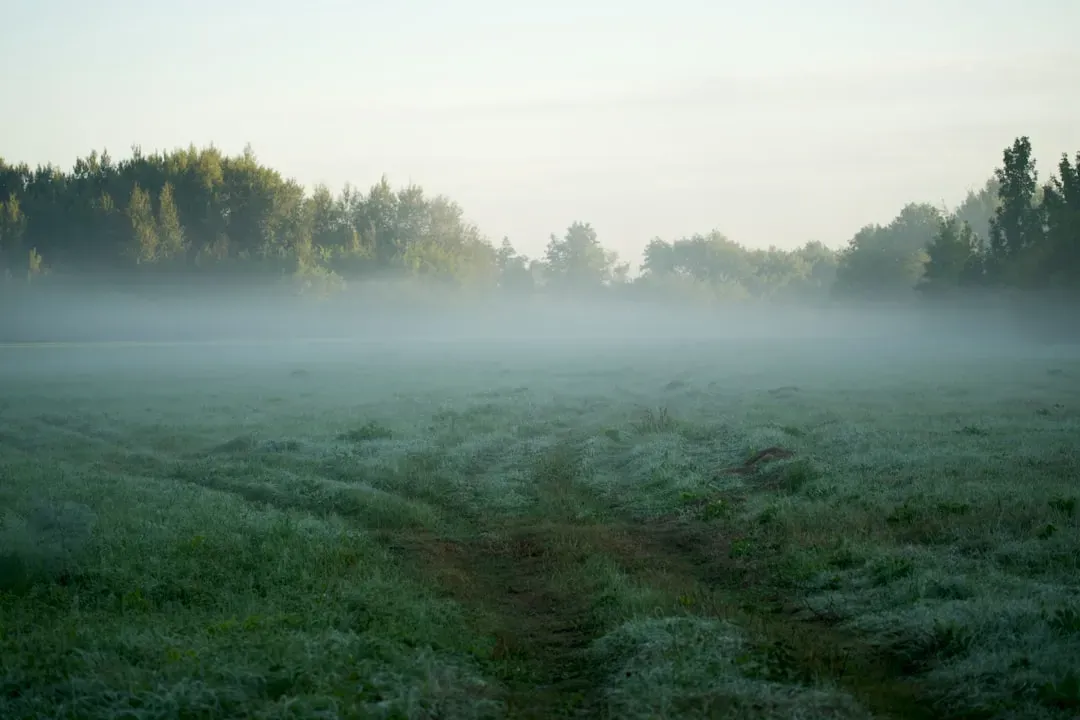
One of the clearest sensory signs that fall is closing is the way the air itself changes character. Early autumn can still feel soft and humid, especially after rain or on unseasonably warm days. But as the season runs out, cold, dry air masses begin to dominate. The dew point drops, meaning there is less moisture hanging in the air, and suddenly your breath forms little clouds on morning walks.
This drier air does more than make your lips chapped. It allows nighttime temperatures to fall quickly, because there is less water vapor to trap heat radiating from the ground. You get frosty lawns at dawn, breath that hangs in front of you, and that unmistakable sting on your cheeks. In a way, it feels like the atmosphere is tightening, trading summer’s heavy blanket for winter’s thin but icy sheet.
4. Frost Becomes More Common Than Morning Dew
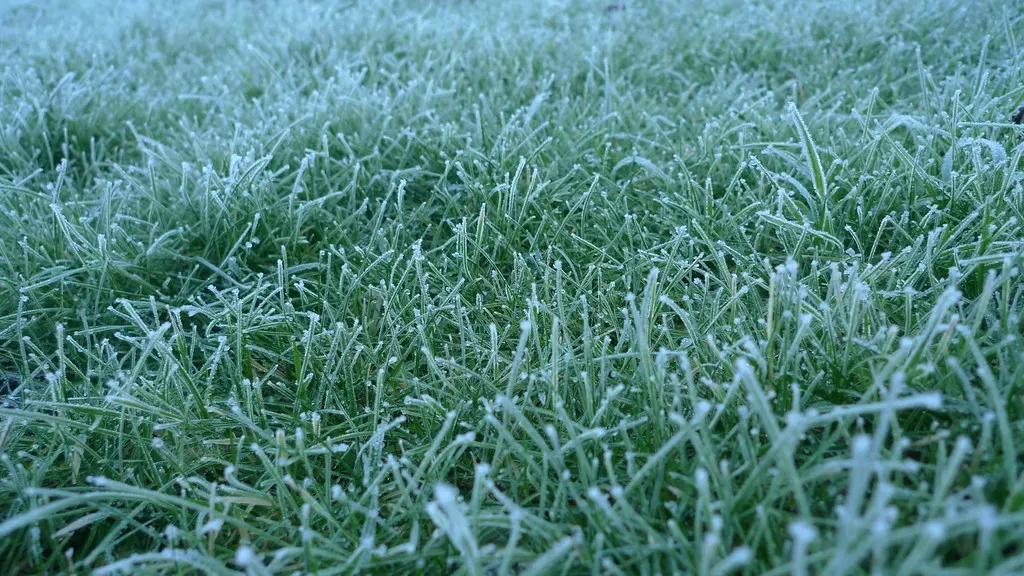
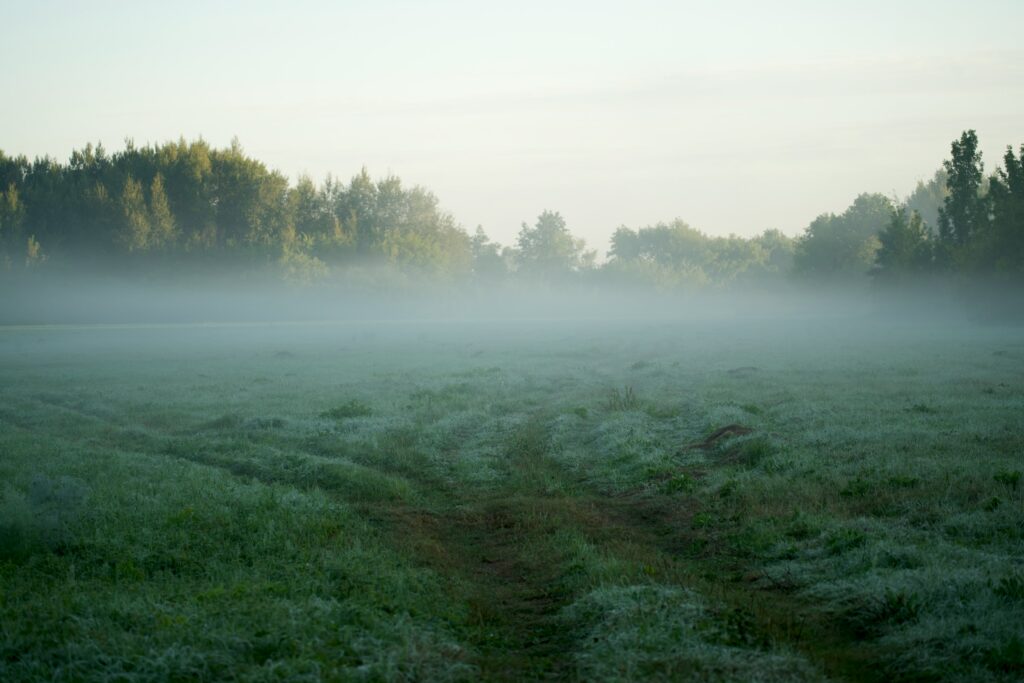
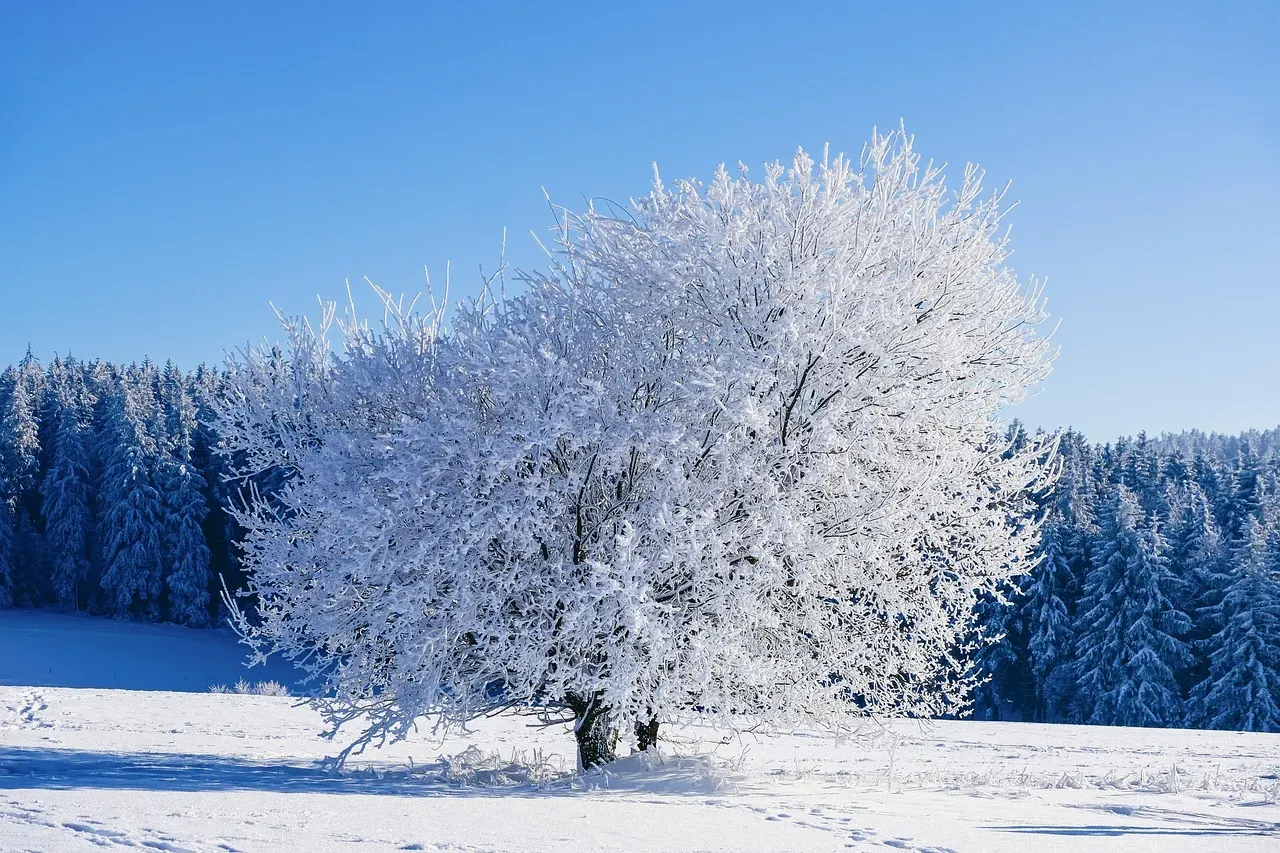
In early fall, you wake up to sparkling drops of dew on grass and spiderwebs. Later, as nights cool further, that same moisture freezes, turning lawns, roofs, and windshields into delicate sheets of ice crystals. Frost forms when surfaces cool below the freezing point and water vapor in the air deposits directly as ice, bypassing liquid altogether. The first few frosts can be light and patchy, but once they start appearing regularly, the season has decisively shifted.
For plants and insects, this is not just pretty decoration; it is a survival filter. Tender annuals blacken and collapse after a hard frost, while cold-hardy species shrug it off and keep functioning a bit longer. Many insects simply do not make it past repeated freezing nights, leaving behind eggs or cocoons to hold the next generation. When you notice that dawn now means scraping your car or crunching across frozen grass instead of stepping in wet shoes, you’re watching the landscape cross an invisible line into pre-winter conditions.
5. Birds Stop Singing and Start Disappearing
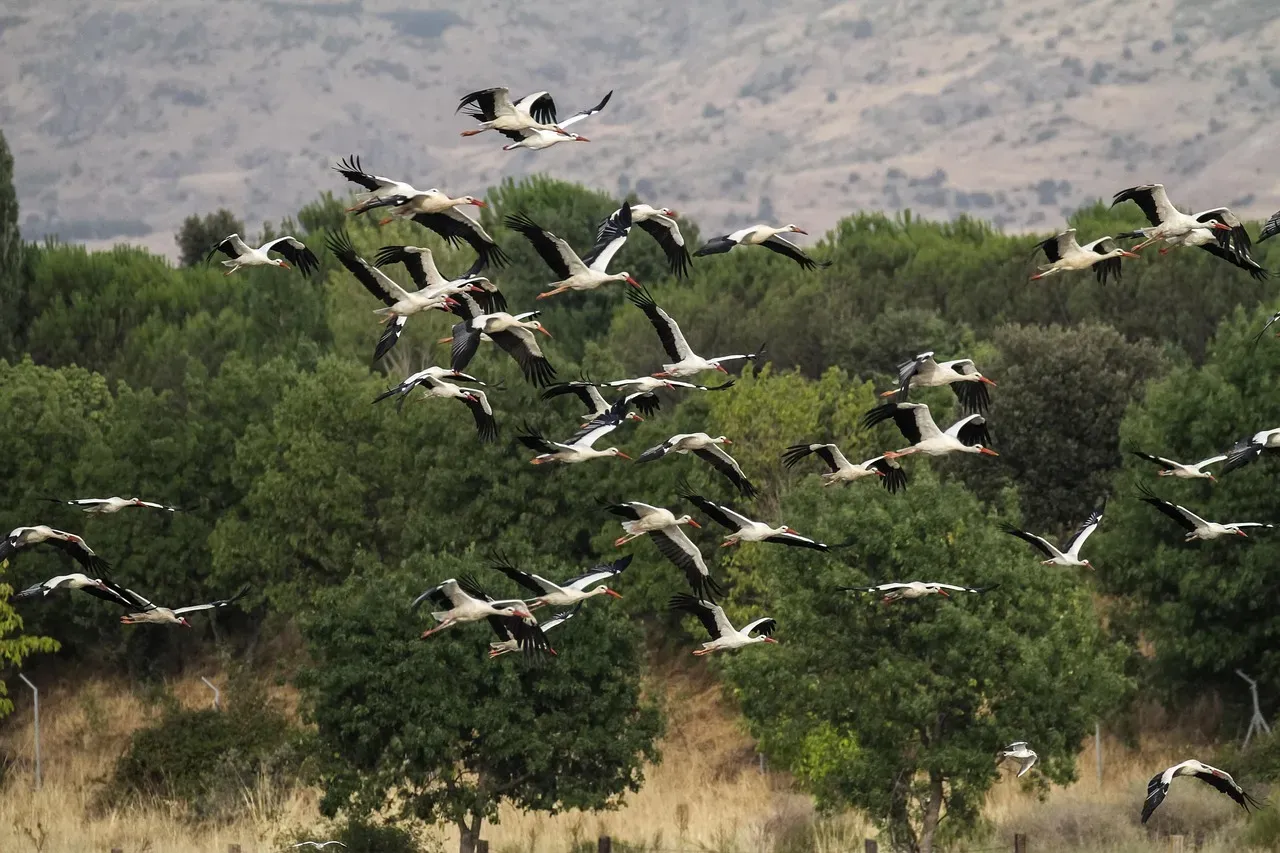
Back in spring, dawn was loud. By late fall, the soundtrack outside your window goes strangely quiet. Songbirds that filled the trees with complex calls shift to short contact notes or fall silent altogether. They are not suddenly shy; they are reallocating energy from territory and mating behavior toward survival and, for many species, long-distance travel.
As the weeks pass, entire groups of birds simply vanish. Swallows, warblers, and other insect-eaters leave as their food source dwindles. Even some common backyard visitors show up less often, replaced by winter-hardier species like chickadees or juncos in many regions. If you look closely, you can sometimes catch impressive migration events – flocks of geese in ragged V formations, or big waves of small birds passing overhead at night. That silence you notice in the mornings is a real sign: the sky itself is rebalancing for winter.
6. Animals Switch to Survival Mode: Bulking Up or Vanishing Underground
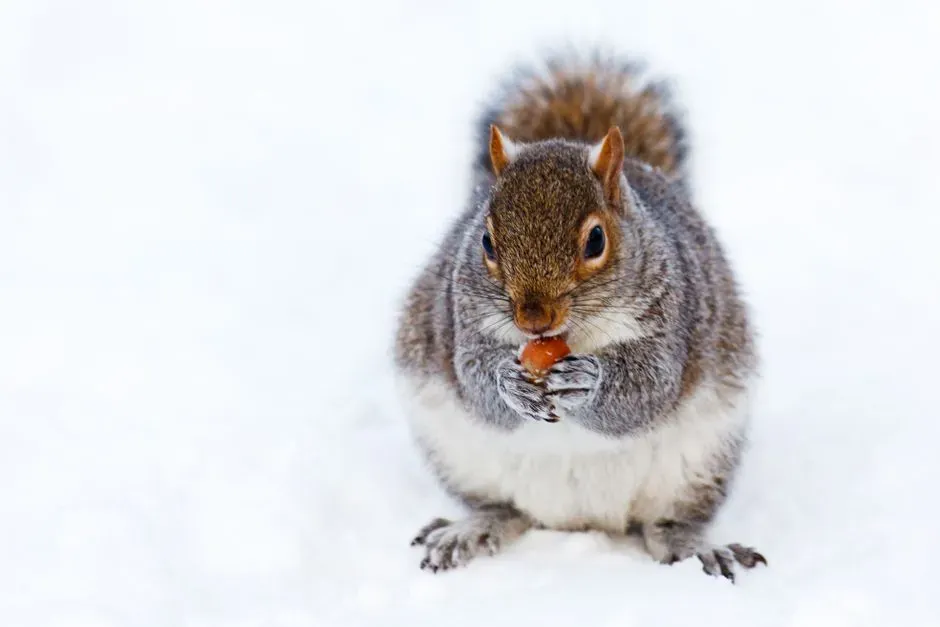
Watch squirrels in late fall and they almost look frantic. They are gathering and burying nuts, building up fat, and strengthening nests because they are racing a hard deadline: the real cold. Many mammals experience hormone shifts triggered by shorter days, which drive them to eat more, grow thicker fur, and change behavior patterns. Deer move more at dawn and dusk, bears pile on weight, and even your dog might start growing a denser winter coat.
Some animals, like groundhogs, bats, and many rodents, begin preparing for hibernation or torpor. They select burrows, dens, or sheltered spaces where temperatures stay more stable, then gradually reduce their activity until they spend long stretches asleep. Amphibians barely get mentioned in casual nature talk, but they also slip into mud, leaf litter, or pond bottoms to avoid lethal freezing. When you start seeing fewer critters overall – and the ones you do see look fluffier or more focused on food – that’s the animal world quietly shifting into its winter operating system.
7. Ponds, Lakes, and Soil Start Their Winter Lockdown
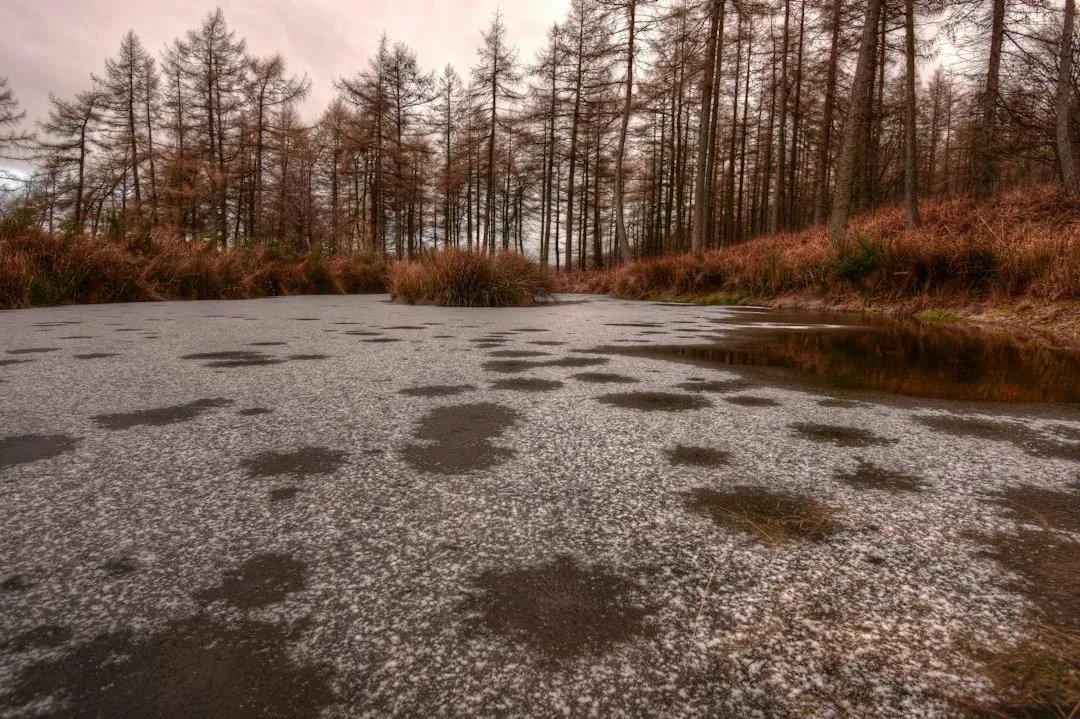
Water is slow to change temperature compared to air, which is why lakes and ponds can feel relatively mild even as the first frosts hit. But as late fall deepens, the cumulative cooling of shorter days and cold nights takes over. Shorelines begin to crust with thin sheets of ice after calm nights, and shallow puddles freeze solid. You might notice that once-frequent ripples from insects or fish on pond surfaces become rare, replaced by still, glassy water.
Below your feet, something similar happens in the soil. Repeated cold nights begin to cool the ground to the point where the upper layers can freeze, especially where there is little insulating vegetation or snow. Microbial activity slows, earthworms retreat deeper, and the smell of soil – so strong after summer rain – fades. When water starts turning to ice at the surface and the earth itself feels hard and unyielding, you’re not just imagining a mood change; the physical state of the landscape is literally shifting toward dormancy.
8. Plants Go From Glorious to Ghostly as They Enter Dormancy
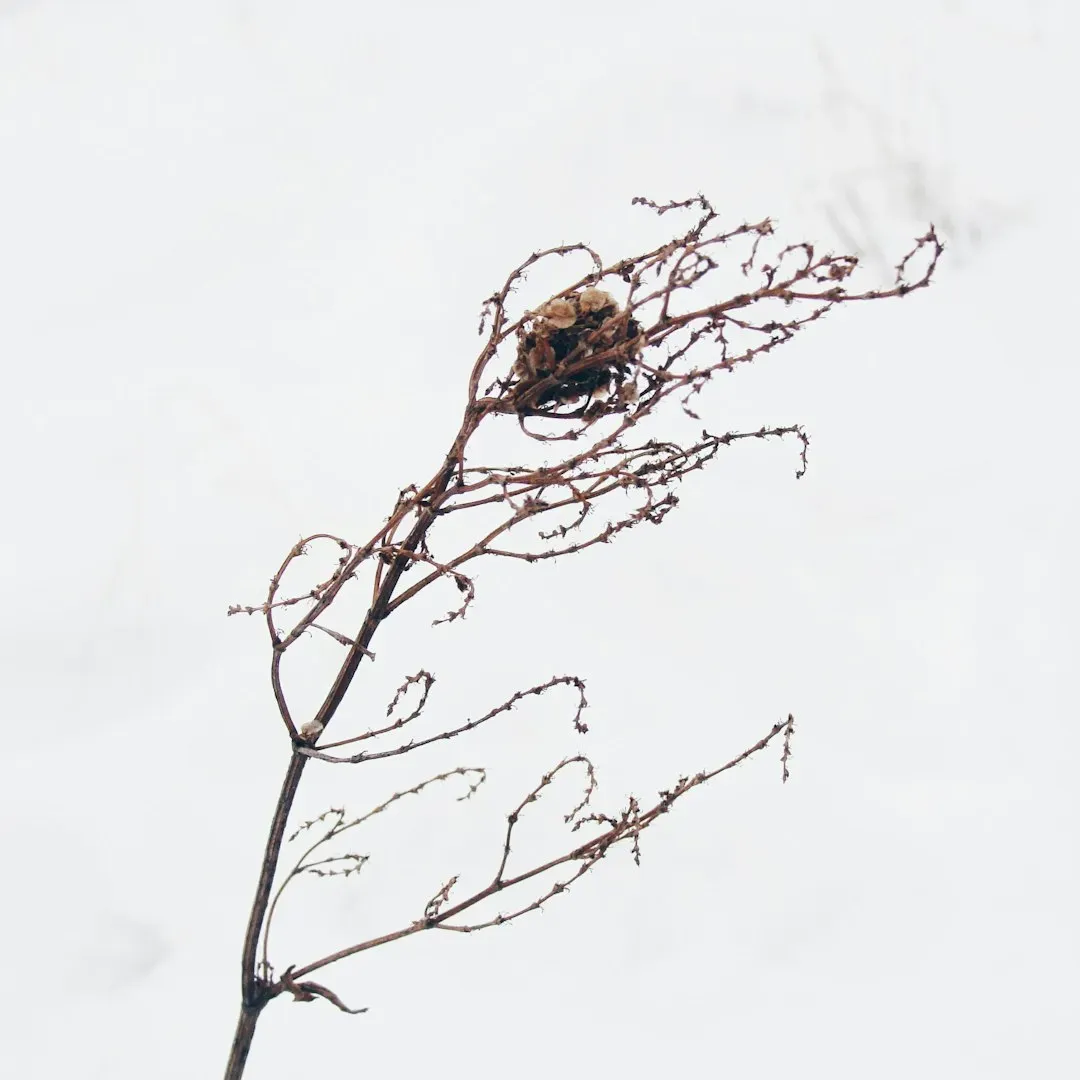
Autumn flowers and seed heads can look romantic, but beneath the aesthetics lies a ruthless strategy. Perennial plants pull nutrients and sugars down into their roots and storage organs as days shorten, effectively moving their valuable assets underground. Above ground, stems dry, leaves fall, and what’s left looks brittle and dead. It can feel a bit depressing to walk through a garden that was lush a month ago and now crackles under your boots.
That apparent “death,” though, is more like a full-system sleep mode. Buds for next spring are often already formed, tucked under protective scales, just waiting for the right combination of cold exposure and longer days to wake up. Annual plants, which truly do die, often leave behind staggering amounts of seed scattered in soil, crevices, and leaf litter. When most of the landscape looks brown, hollow, and skeletal, it is not a sign of failure – this is the plant world’s version of carefully shutting down a complex machine so it will start again flawlessly in a few months.
9. The Wind Changes Its Personality and Brings New Smells
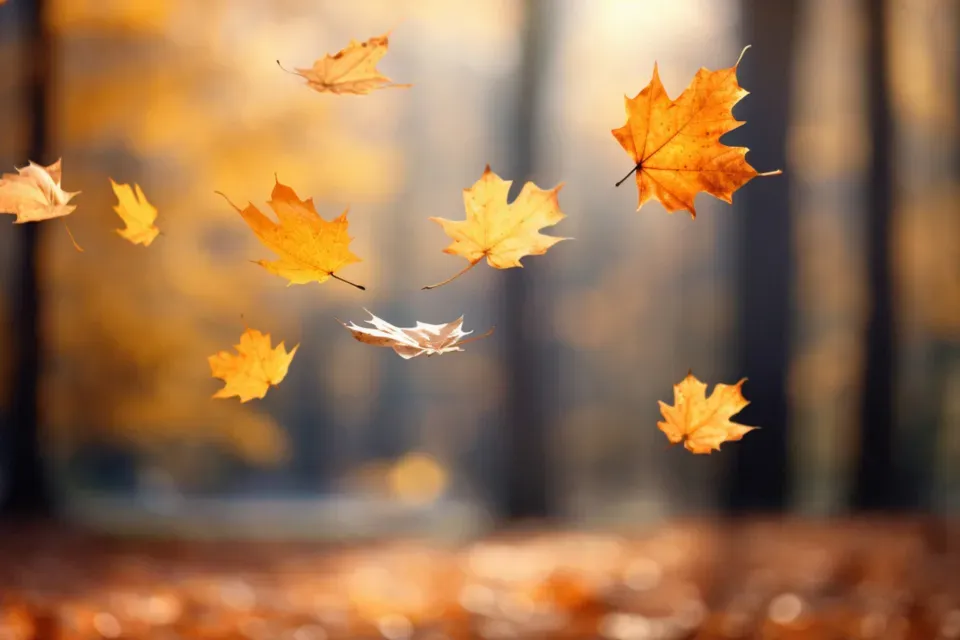
Early fall breezes can feel playful, swirling leaves and carrying hints of warm soil and late flowers. Late fall wind is different: stronger, more insistent, and often coming from colder northern or continental air masses. It strips remaining leaves ruthlessly, rattles bare branches, and makes even moderate temperatures feel much colder through increased heat loss from your skin. If you have ever walked across an open field in November and felt instantly exposed, you know the difference.
The smell of the air shifts too. With most plants shut down and soils cooling, those rich earthy and floral scents fade. In their place you get something cleaner, sharper, almost metallic, mixed with the dry crumble of leaves and, later, the faint mineral smell that precedes snow. Humans are not great at putting words to these sensory changes, but your brain absolutely notices. When the wind suddenly feels like it has “teeth” and the air smells stripped down, that is the atmosphere signaling a new seasonal phase.
Personally, this is the sign that hits me hardest: one day I step outside and think, this wind is not playing around anymore. It feels like walking into an empty stadium after the game is over.
10. The First Hints of Snow and Persistent Cold Arrive
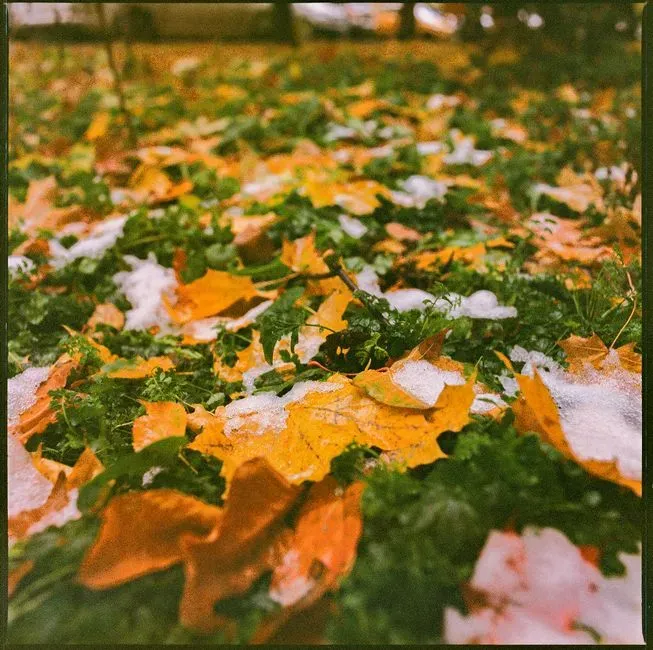
Even in places that do not see heavy winter storms, there comes a point where cold is no longer a passing visitor but a new roommate. Daytime highs stop bouncing back to mild levels and instead hover close to freezing. Nights dip below that mark again and again. Any rain that falls feels icy, and in many regions the first scattered snowflakes or sleet show up, sometimes melting on contact but sending a clear message about what is coming next.
These early wintry events may be messy and short-lived, but they mark a psychological and ecological threshold. Animals that were hesitating move fully into winter strategies, plants are largely shut down, and the remaining insects are either protected in some hidden stage or gone. You might still technically be in “late fall” on a calendar, but the lived reality is that the system has flipped. When you can see your breath all day and the possibility of snow is suddenly part of every weather forecast, nature has finished closing out fall and signed the lease on winter.
Conclusion: Winter Is Not an Ambush, It’s a Negotiated Truce
When we say winter “suddenly” arrives, we’re mostly admitting that we were not paying attention. The truth is that nature spends weeks, even months, renegotiating how energy, water, and life move through the landscape. Leaves fall, birds leave, animals bulk up, water stiffens, and the very smell of the air changes long before the first real snowstorm. Once you start noticing these ten signs, you realize winter does not crash the party; it walks in slowly while everyone else rearranges the furniture.
Personally, I think that makes the dark season a little less ominous and a lot more interesting. Instead of dreading a flip from “nice” to “miserable,” you can watch an intricate, planet-scale handoff from one operating mode to another. The real question is not whether winter is coming – we all know it is – but whether you’ll let yourself notice the quiet, brilliant choreography that gets us there. Next time you step outside on a cold, colorless day and think, fall is really over, which of these signs will you spot first?