Down in the deep ocean, where sunlight never reaches and food is about as common as winning the lottery twice in a row, evolution starts getting weird. The rules that shape bodies at the surface begin to bend, twist and sometimes snap, especially when it comes to one very important feature: the mouth. Down there, if you miss a meal, you might be waiting days or weeks for the next one, so the smartest strategy is simple and brutal: never let a meal get away.
What that leads to is a cast of creatures with mouths so oversized, so flexible or so downright terrifying that they almost look like bad special effects. But each bizarre jaw hinge, elastic throat and needle-toothed grin is an elegant solution to one big problem: extreme scarcity. Let’s dive into nine deep-sea animals whose mouths look absurd at first glance, but make perfect sense in a world where every calorie counts.
1. Gulper Eel: The Living Pelican Bag Of The Abyss
![1. Gulper Eel: The Living Pelican Bag Of The Abyss ([1], CC BY 3.0)](https://nvmwebsites-budwg5g9avh3epea.z03.azurefd.net/dws/6b2bda4e0a60ac2b82e5ca2e5fa1afaf.webp)
The gulper eel looks like someone glued a tiny fish to an enormous black balloon and called it a day. Its head is relatively small, but its jaw is incredibly wide and its mouth can open into a huge, loose pouch that’s much larger than the rest of its body. This stretchy, sack-like mouth lets the gulper eel scoop up prey of almost any shape or size, from small fish and squid to swarms of crustaceans drifting by in the dark.
In a food-poor environment, that kind of flexibility is gold. The gulper eel does not have the luxury of being picky, so its mouth acts like a deep-sea catch-all, snapping shut around anything edible that happens to float close. It can even gulp water full of tiny prey and strain it out, like a budget version of a whale’s baleen system. It looks comically overbuilt, but when you might not see another snack for days, an absurdly big mouth is a rational, almost conservative investment.
2. Black Swallower: The Fish That Eats Meals Bigger Than Itself
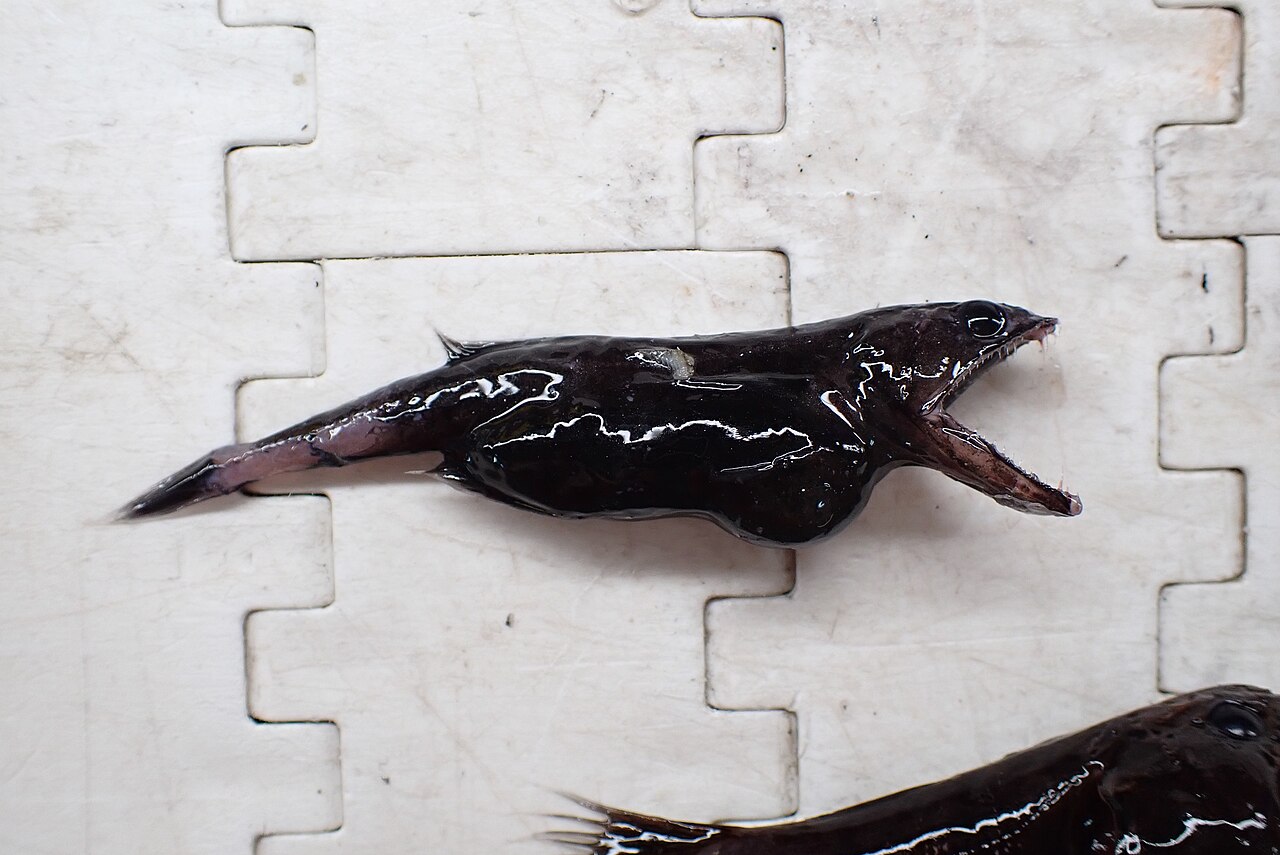
The black swallower is the deep sea’s overachieving overeater. This small, dark fish has a relatively normal-looking head but a throat and stomach that can stretch like a rubber balloon, allowing it to swallow prey larger and longer than its own body. Photos of preserved black swallowers show them with distended bellies containing almost comically big fish inside, like a snake that gulped down a whole rabbit.
On the surface, that looks like a design flaw, especially because sometimes the prey decomposes and fills with gas faster than the swallower can digest it, causing the pair to float up and die. But from an evolutionary point of view, in a place where meals are few and far between, it’s worth pushing right up to the edge of disaster. The black swallower’s oversized, elastic mouth is a bet that when food finally arrives, it might arrive in one giant package, and it had better be ready to take it all or lose the chance entirely.
3. Anglerfish: A Hook, A Lantern, And An Ambush Mouth
Anglerfish are probably the deep sea’s most famous horror icons, but their weirdness is brutally practical. Many species have huge, jutting jaws filled with long, needle-like teeth that angle inward, forming a biological one-way gate. Once prey slides past those teeth, backing out is basically impossible. The mouth extends and flips open incredibly fast, turning the fish’s entire face into a vacuum-powered trap.
Add in their classic glowing lure, and the mouth suddenly makes perfect sense. In a place with almost no light, they need to pull food toward them rather than chase it. The bioluminescent lure tempts curious fish and crustaceans just close enough, and then the anglerfish lunges with a lightning-fast, oversized bite. It is the opposite of graceful hunting; it is raw efficiency. If your next meal might be your only meal this week, you build a mouth that never hesitates and never lets go.
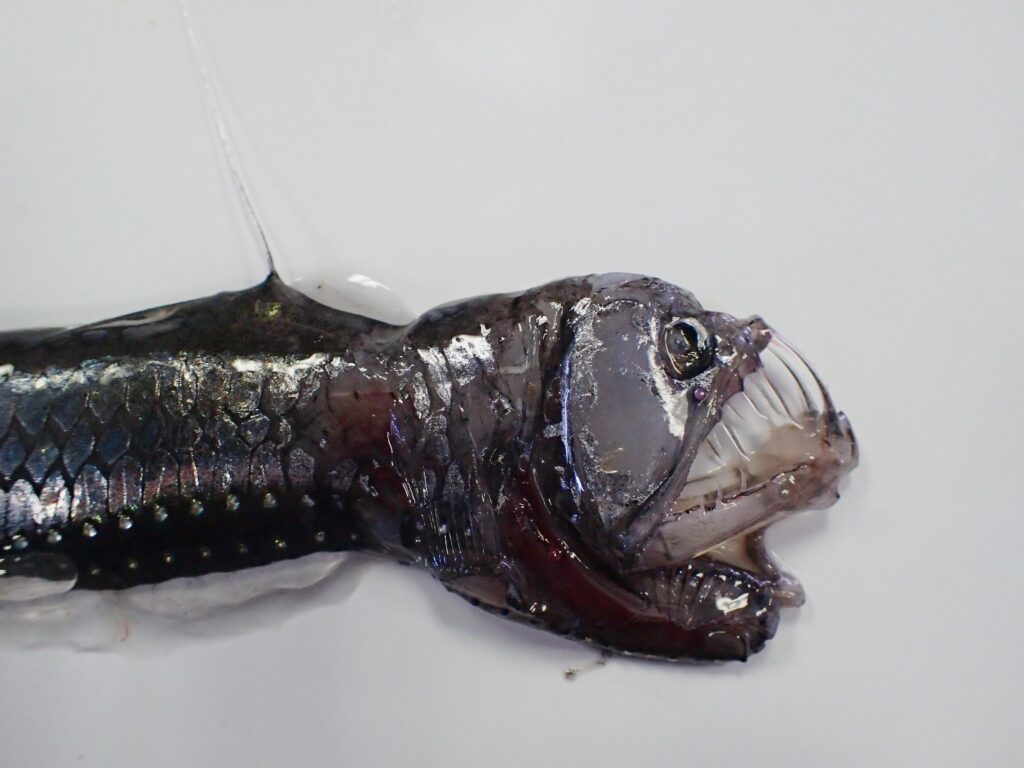
4. Viperfish: Needle Teeth And A Jaw That Unhinges
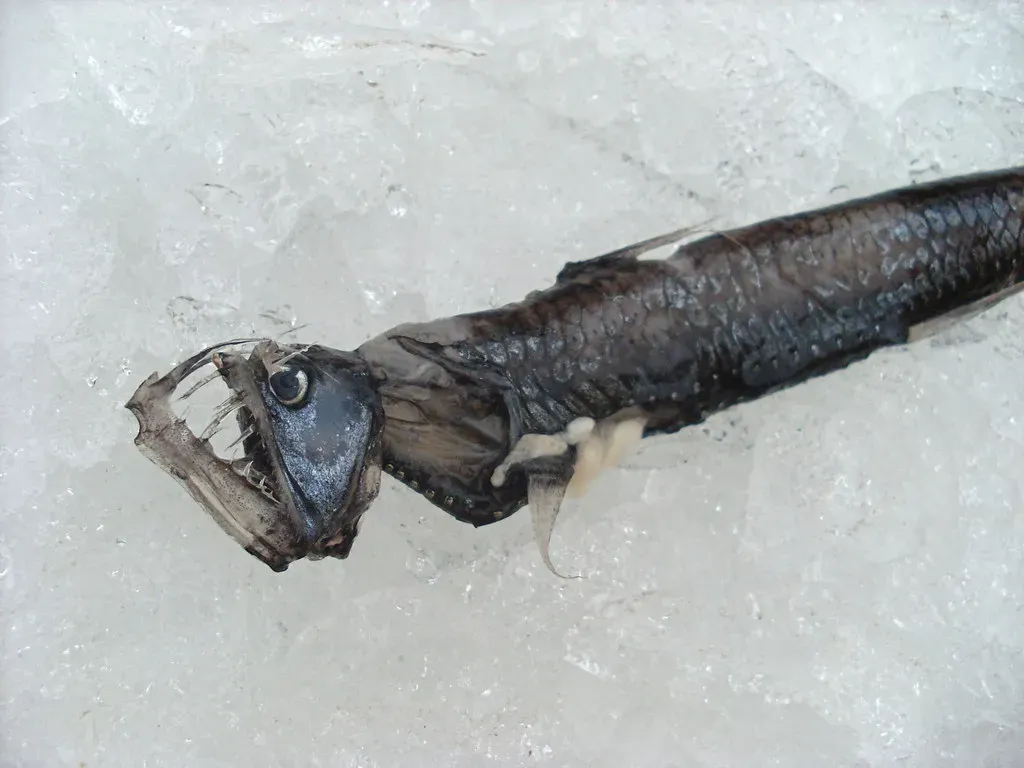
The viperfish looks like a deep-sea jump scare brought to life: long, saber-like teeth protrude even when its mouth is closed, so big they have to fit into grooves in the skull. Those teeth are not just for show; they work like barbed spears, spiking and trapping fast-moving prey that cross their path. The lower jaw is hinged so it can swing open wide, letting the viperfish strike quickly and engulf surprisingly large victims.
Speed matters because many viperfish live in the dim “twilight zone,” where small fish and crustaceans migrate up and down every day in search of food. Instead of wasting energy chasing them, the viperfish often hangs motionless, using a light-producing organ near its belly or along its sides to lure prey. Once a target is in range, the oversized mouth and those ridiculous teeth provide something that sounds almost arrogant: near certainty. In an ocean layer where missing many times can mean starving, that level of reliability is exactly what evolution rewards.
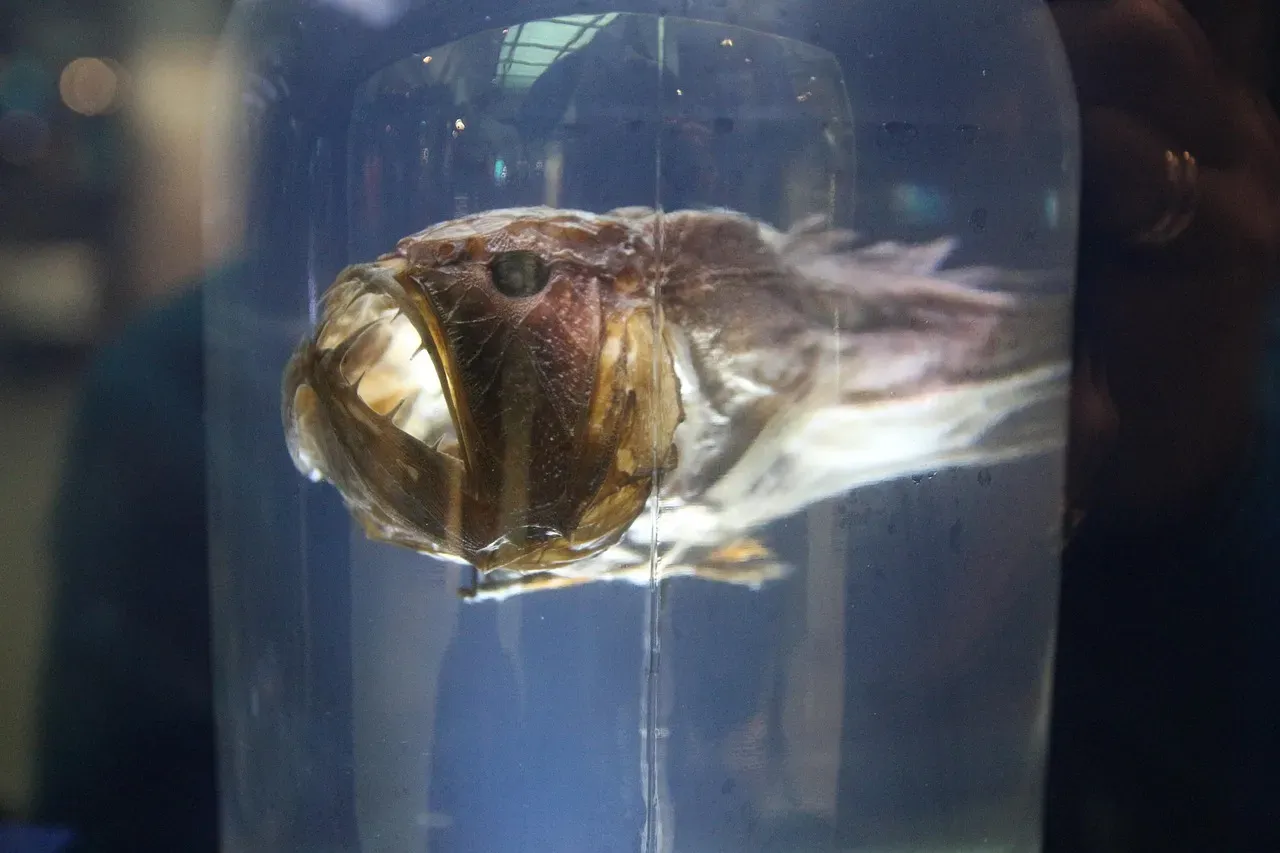
5. Fangtooth: Tiny Body, Outrageously Oversized Bite
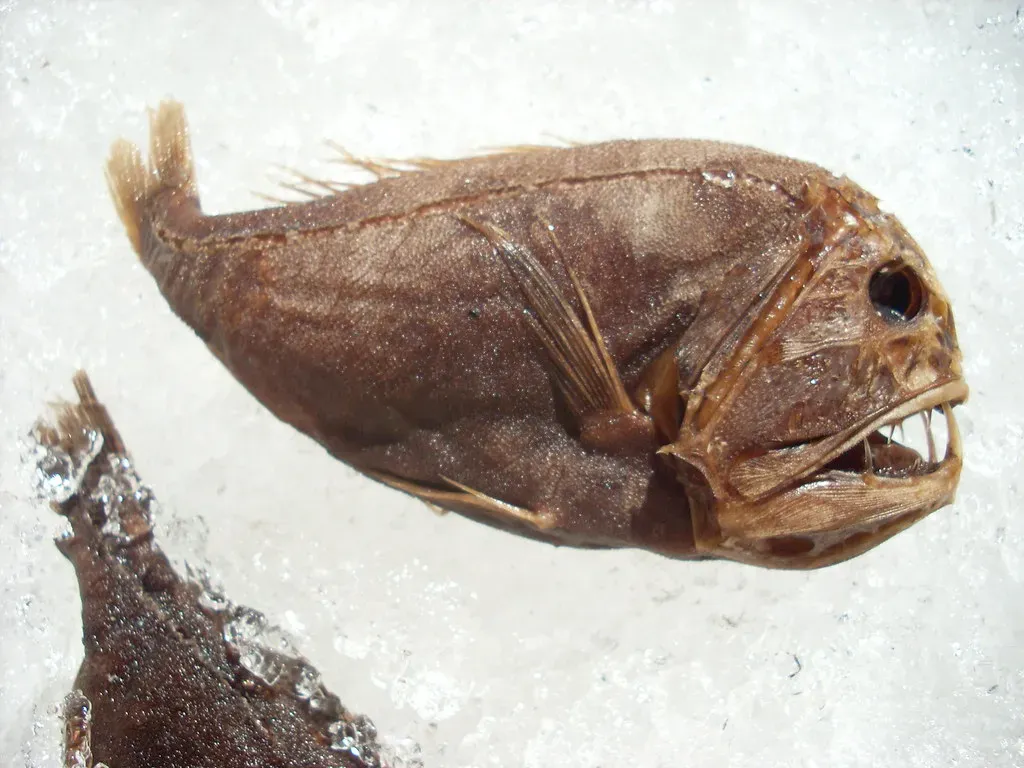
The fangtooth’s name is not subtle, and neither is its face. It has some of the largest teeth, relative to body size, of any fish in the ocean; its lower canines are so long that special sockets in the skull are needed just to store them when the mouth closes. The rest of its head is chunky and armored-looking, with a mouth that seems far too large for such a compact body, like a sports car that is almost all engine.
Despite its nightmare appearance, the fangtooth is actually a determined, high-effort hunter in a place where most animals are forced to be patient ambush predators. It uses its big mouth to snap up fish and squid in midwater, sometimes swimming considerable distances to find them. In the deep sea, where visibility and prey density are low, “good enough” jaws won’t cut it; a failed attack wastes precious energy. The fangtooth’s oversized, toothy bite is an insurance policy that turns risky lunges in the dark into meals more often than not, which is exactly why this design stuck around.
6. Frilled Shark: The Ancient Conveyor-Belt Mouth
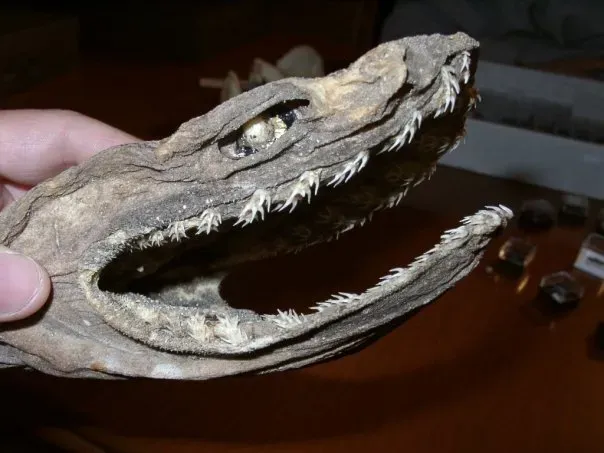
The frilled shark looks like something that forgot to finish evolving into a modern shark, and its mouth is a big reason why it stands out. Instead of the wide, under-slung jaws we’re used to, its mouth is placed more forward, almost at the end of its snout, lined with many rows of small, hooked teeth. These teeth are arranged so that once prey is grabbed, the shark can work it backward, like a living conveyor belt pulling food deeper into its throat.
This setup is perfectly tuned to life in deep, cold sea valleys where soft-bodied prey like squid are common but not dense. The frilled shark does not need a dramatic, wide bite; it needs a secure, no-escape grip on slippery animals that can jet away if given the slightest chance. Its mouth design is almost understated compared with other deep-sea monsters, but that’s what makes it so interesting. In a world of exaggerated jaws, the frilled shark is the quiet workhorse, built more for relentless, reliable feeding than cinematic horror.
7. Pelican Eel (Umbrella Mouth Gulper): The Deep-Sea Surprise Net
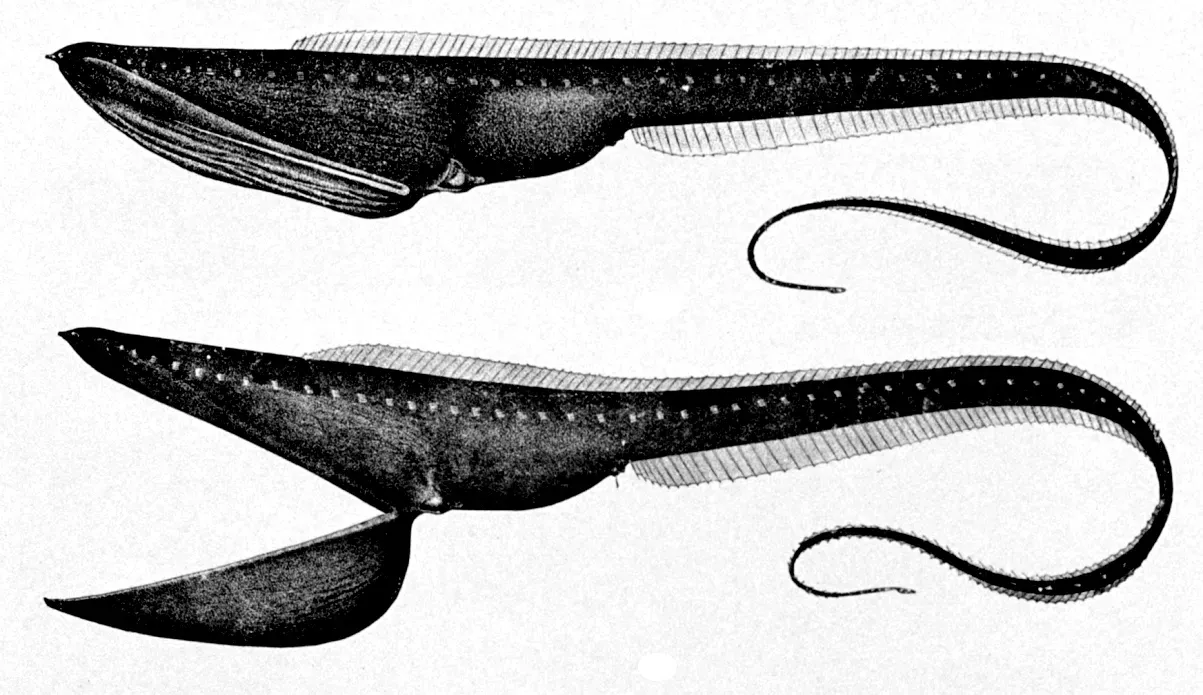
Related to the gulper eel but distinct in its own odd way, the pelican eel has a mouth that opens like a massive umbrella or parachute. When closed, the head looks disproportionate but not outrageous; when open, the jaws swing outward into a huge scoop that can engulf volumes of water many times the eel’s own size. Inside, the oral cavity and throat can stretch to accommodate whatever gets trapped in that sudden net.
This strategy is tailored for an environment where food can be scattered and unpredictable. Instead of zeroing in on one perfect target, the pelican eel can rush into a swarm of small creatures and grab many at once, or opportunistically swallow a single large victim that wanders too close. It reminds me of bringing a giant reusable bag to a grocery store that might or might not have what you want: you show up ready to carry home whatever you can get, because you may not be back for a while.
8. Sloane’s Viperfish And Other Deep-Sea “Hinged” Mouth Specialists
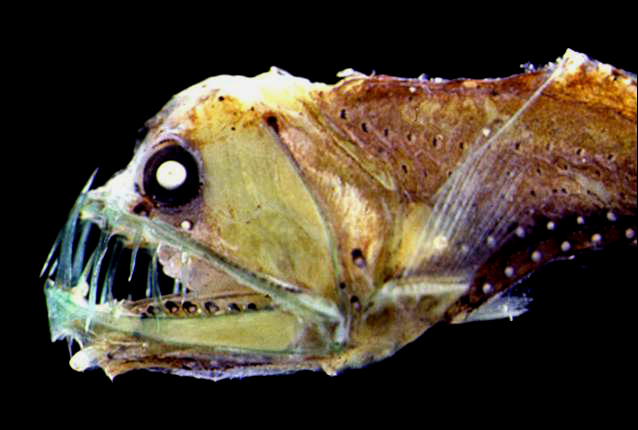
Sloane’s viperfish, one of the most studied viperfish species, takes the deep-sea jaw hinge concept to an almost cartoonish extreme. Its skull and spine are connected in a way that allows the head to rotate back while the jaw drops, massively increasing the space available for prey to enter. Combine that with long, curved teeth and a sleek, torpedo-like body, and you get a predator designed to hit hard and swallow prey nearly half its length or more.
Other deep-sea fishes follow similar blueprints, with sliding, expanding jaw bones and stretchy tissues that turn a modest-looking head into a temporary cavern. At first glance, those mouths look like silly exaggerations, as if some cosmic designer got bored and started overdoing it. But the pattern is consistent: in the deep ocean, animals that can only eat small or perfectly sized prey are at a major disadvantage. The hinged, expanding mouths of fishes like Sloane’s viperfish reflect a harsh truth: in a world of scarcity, flexibility is survival.
9. Dragonfish: Invisible Fangs And A Light-Trap Gullet
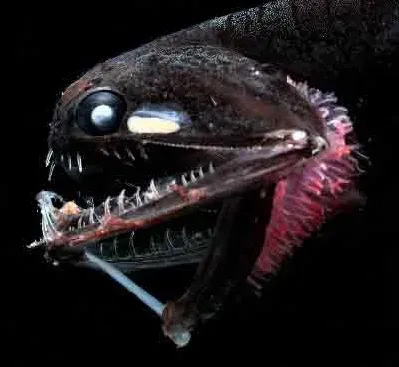
Dragonfishes bring a different twist to the deep-sea mouth game: their teeth are not just long and sharp, but almost invisible. Made from specialized materials that reduce reflection, these fangs barely show up even when hit by bioluminescent light. That means prey swimming in the dark sees a faint glow from the dragonfish’s lure and maybe the outline of a jaw, but not the gleaming warning sign of big, bright teeth before it is too late.
Many dragonfish can also unhinge their jaws and expand their mouths significantly, giving them the option to swallow large prey relative to their own size. On top of that, they often produce light in wavelengths that other deep-sea animals barely detect, turning their faces into stealth traps. It is an almost unfair combination: a mouth that hides its own weapons, backed up by a flexible skull and throat that can accept a broad range of prey sizes. In a place where meals are rare and mostly blind, having a nearly invisible, shape-shifting mouth is about as close as you get to a cheat code.
Conclusion: Absurd Mouths, Ruthless Logic
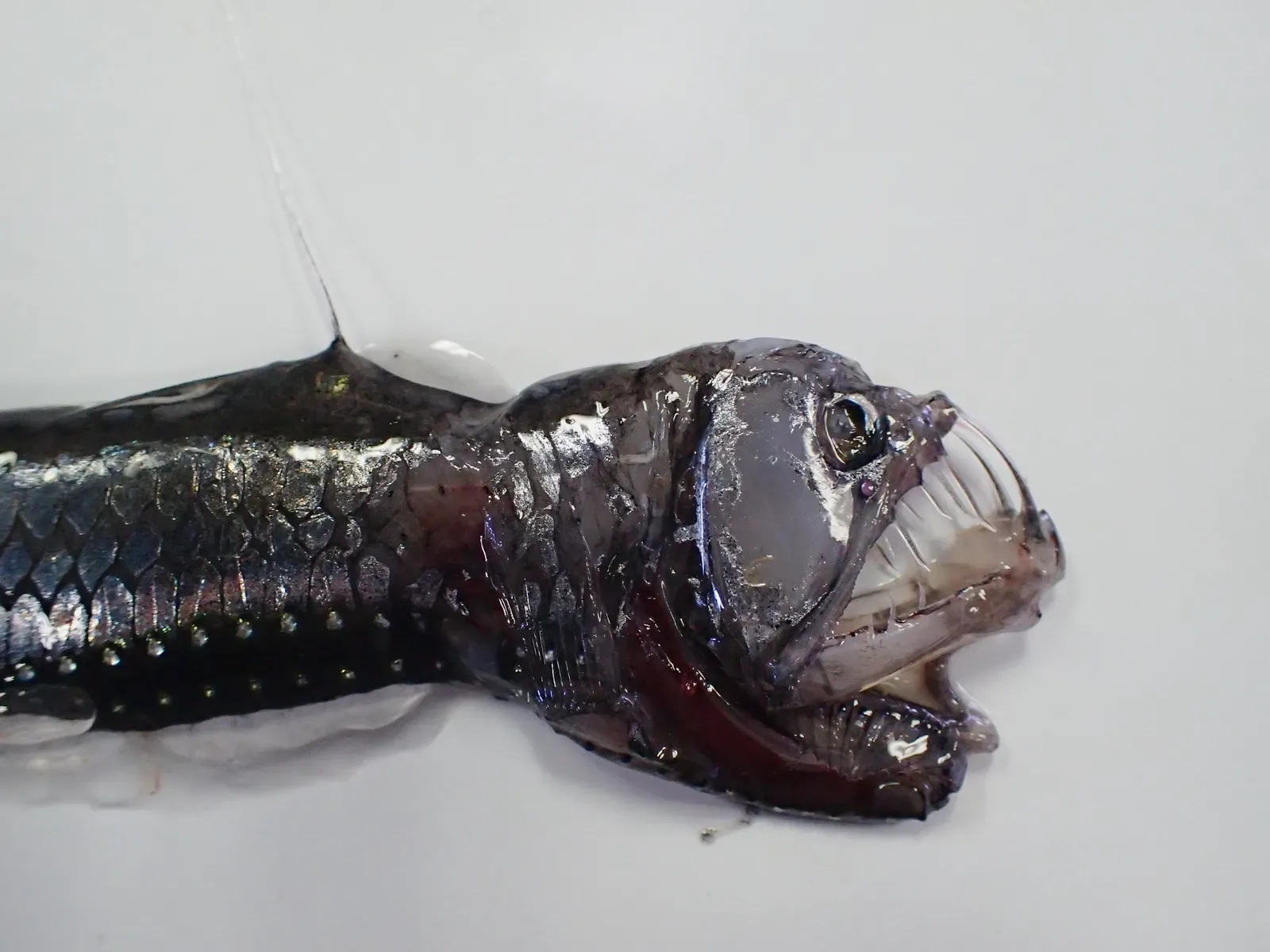
When you step back from the shock value, all these bizarre mouths start to feel less like monsters and more like brutally honest solutions. The deep sea strips life down to its essentials: find energy or die. Big, flexible, spiky, stretchy mouths look ridiculous to us because we live in a world where food is everywhere, but down there, evolution has done the math and decided that subtlety is overrated. Every oversized jaw and elastic stomach is a direct answer to a single, unforgiving question: what do you do when the next meal might be your last for a long time?
Personally, I find these creatures weirdly reassuring. They are proof that life can adapt to almost any level of hardship by leaning all the way into what works, even if it looks extreme or ugly by our standards. That makes me wonder if we judge “too much” and “too weird” a little too quickly, in nature and in ourselves. In a world that can feel increasingly harsh and unpredictable, maybe the deep sea is quietly whispering a harsh but hopeful lesson: if the rules change, you change harder. Which of these wild mouths did you secretly find the most reasonable after all?