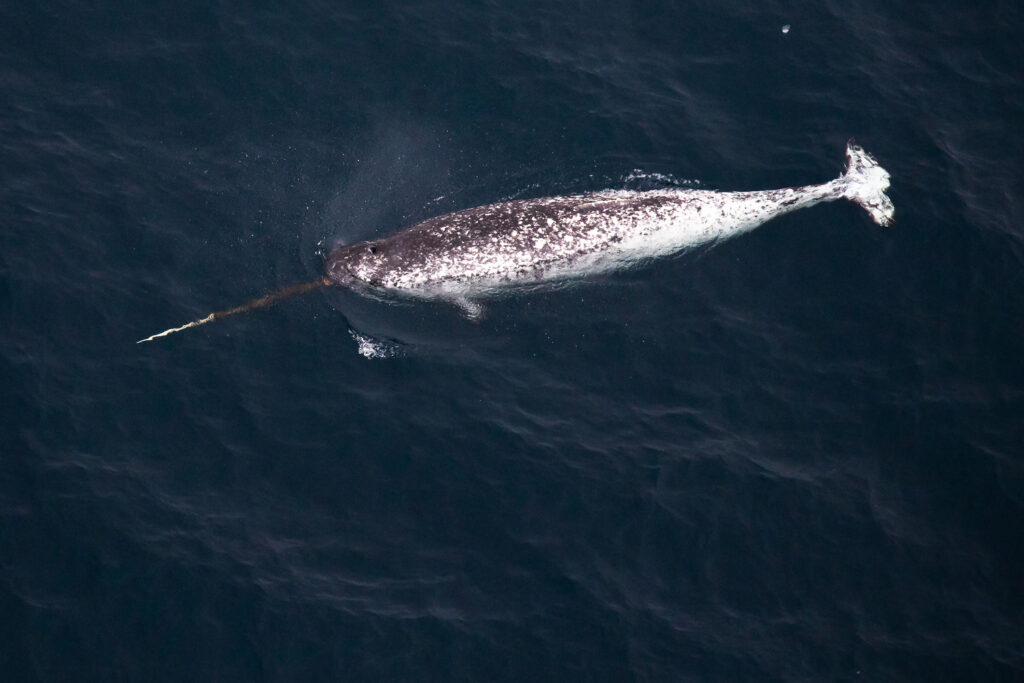
Narwhals look like something a bored fantasy writer dreamed up on a long flight: a sleek Arctic whale with a single spiraled “unicorn horn” jutting straight out of its head. For a long time, that tusk was treated as a biological oddity or a convenient prop in old sea monster stories. Now animal science is quietly rewriting the script: that tusk is not just decoration or a jousting lance, it is a living, hyper‑wired sensory organ loaded with millions of nerve endings that can read the ocean like a weather report in real time. This discovery is one of those moments where nature feels almost too clever. Inside what looks like a solid ivory spear is an intricate network of microscopic channels and nerves that connect seawater directly to the narwhal’s brain. Researchers now think that, as these whales cruise through the Arctic, they are literally “tasting” changes in temperature, salinity, and pressure through their teeth. The more we learn, the more the narwhal starts to look less like a mythical unicorn and more like a finely tuned piece of biological ocean technology.
The Unicorn Tusk That Turned Out To Be a Tooth
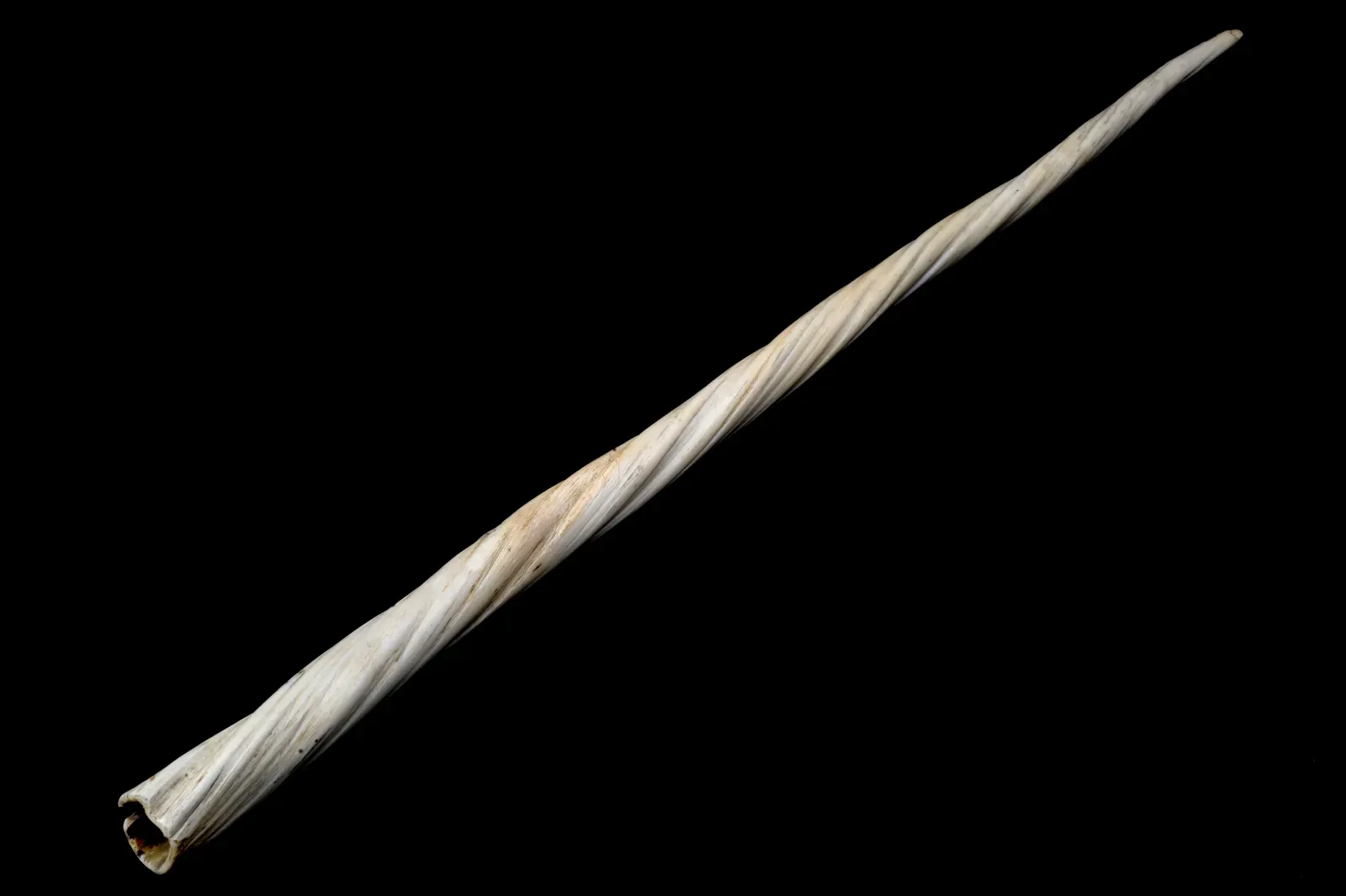
When you first see a narwhal tusk, your brain wants to call it a horn, but anatomically it is an overgrown tooth that has exploded out through the upper lip. In most males, the left upper canine grows continuously into a straight, spiraled spike that can reach several meters in length, while the right counterpart usually stays hidden or small. In rare individuals, both teeth erupt, giving the animal a double spiral and looking even more like it escaped from a fantasy novel. What makes this tooth special is not only its size but the way it is built from the inside out. Instead of being thickly armored on the outside like an elephant tusk, the narwhal’s tooth flips the script: its outer surface is porous and studded with countless microscopic tubules that lead inward, while the denser tissue is deeper inside. These tiny channels act like millions of open windows, allowing water contact with the sensitive inner pulp, where nerves and blood vessels sit ready to relay signals straight to the brain.
Millions of Nerve Endings: A Tooth Wired Like a Super Sensor
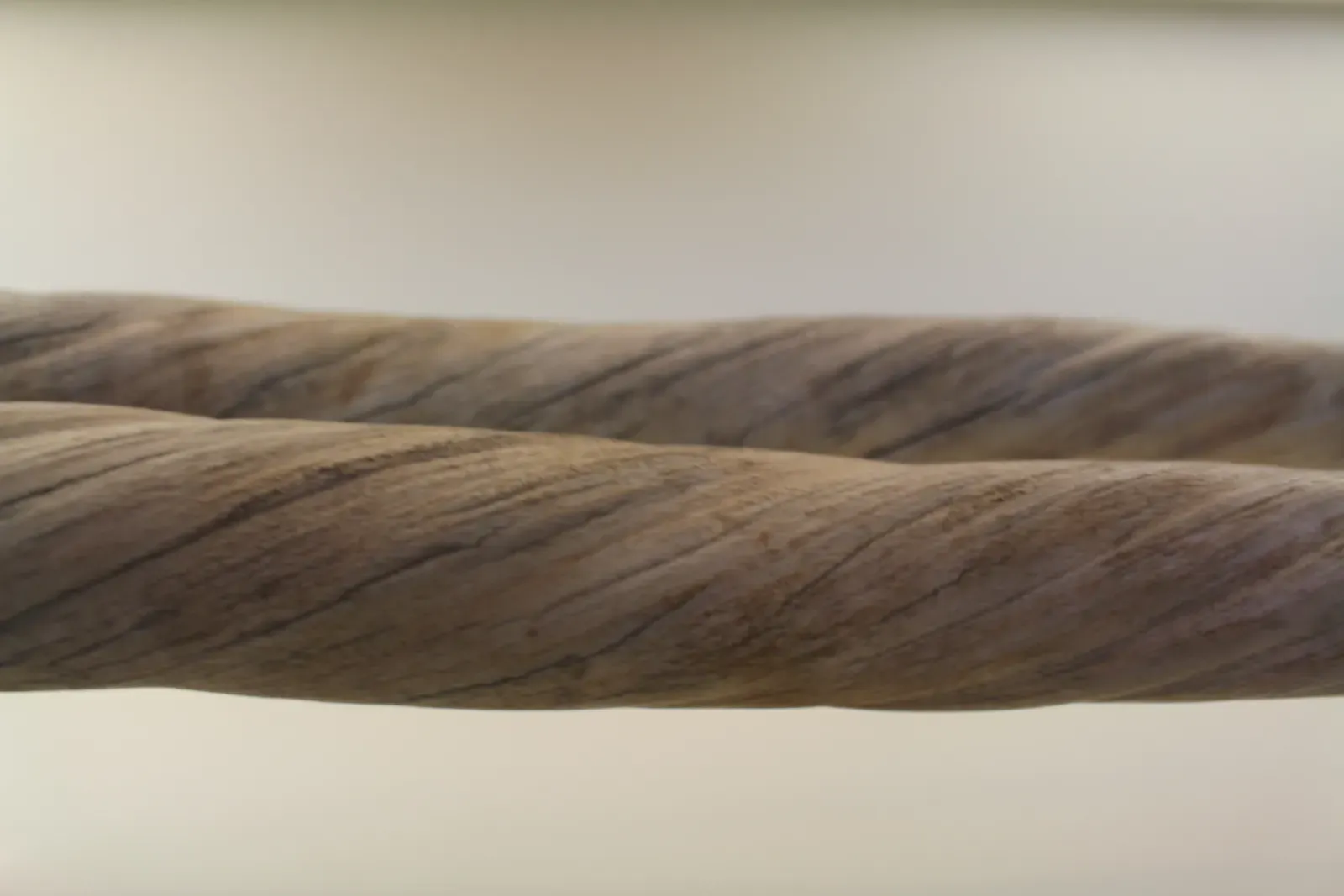
From a distance, the tusk looks like a polished spear, but at the microscopic level it is closer to a bundle of cables. Studies of narwhal tusk microanatomy have revealed an astonishing density of tiny fluid‑filled tubules running from the surface to the central pulp, collectively associated with millions of nerve endings. Each of those nerve endings is effectively listening for mechanical and chemical changes at the tusk’s surface, turning the entire tooth into a giant exposed sensory panel. Those nerves connect to branches of the trigeminal system in the skull, the same powerful sensory nerve network that feeds your own face and teeth. With that hookup, stimuli from the tusk can trigger rapid physiological responses, including changes in heart rate, when researchers experimentally altered the salinity around the tusk. In plain language: the narwhal tusk is not a dead spike; it is alive, wired, and constantly talking to the whale’s nervous system about what is happening in the surrounding seawater.
Reading the Ocean: Salinity, Temperature, and Pressure in Real Time
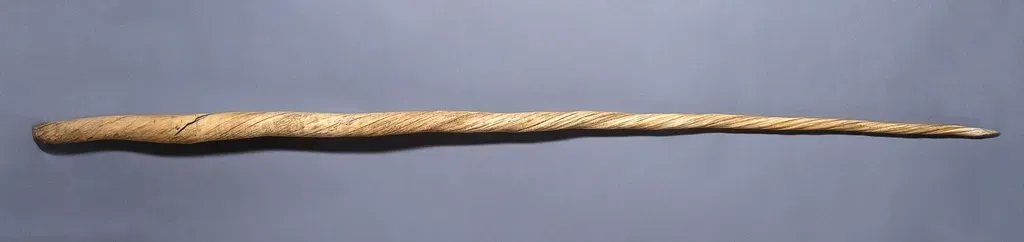
So what exactly is the tusk sensing out there in the Arctic gloom? The leading view is that narwhals are picking up subtle differences in salinity, temperature, and pressure as they swim, almost like running a long, sensitive probe through a series of test tubes. Because the surface of the tusk is in direct contact with seawater, changes in salt concentration or temperature alter the movement of fluids in those tubules, which then stimulate nerve endings in distinct patterns. This allows the brain to interpret shifts in the water column that might be invisible to other senses. Salinity is a particularly powerful signal in the Arctic, where the freezing and melting of sea ice constantly reshape the chemical structure of surface waters. Slightly fresher or saltier bands can hint at where ice is forming, where it is breaking up, or how currents are moving, and pressure changes reflect depth and water mass structure. If you imagine swimming blindfolded in a dark, icy maze with only your fingertips trailing along the walls, you get a decent metaphor: the narwhal’s tusk is that fingertip, letting it feel the maze of the ocean and anticipate what comes next.
Why a Sensory Tusk Matters in a Harsh Arctic World
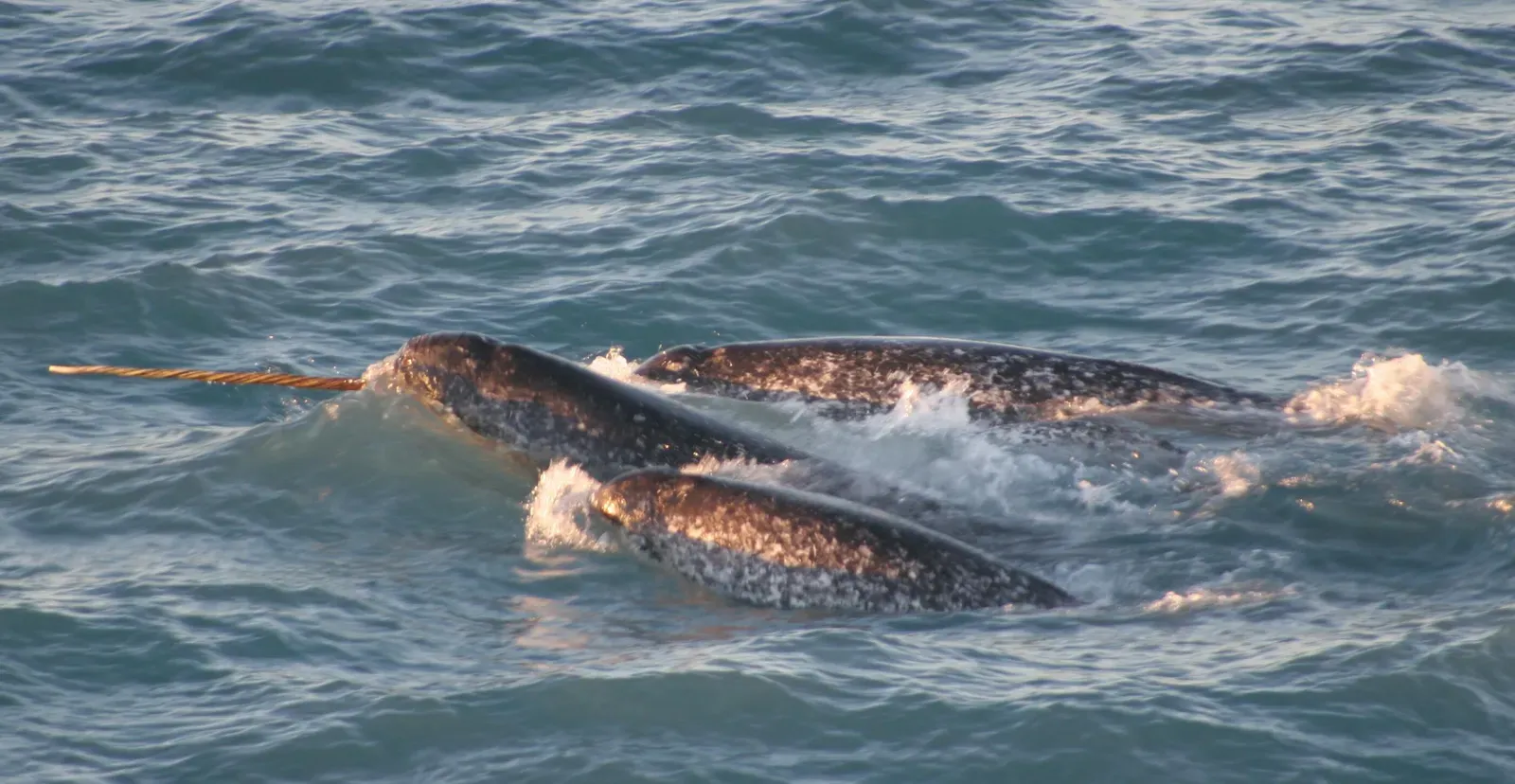
In a place as unforgiving as the high Arctic, small pieces of extra information can mean the difference between a clean migration and a fatal trap. Narwhals spend much of their lives in deep, ice‑covered waters where breathing holes can close quickly and escape routes may vanish with a shift in wind or current. Being able to sense where water is saltier or fresher, and how that relates to newly forming ice, could help them avoid getting sealed in by fast‑freezing surfaces or stranded far from safe openings. The tusk’s sensory power may also support efficient foraging at depth, where light is scarce and the whales rely heavily on sound and memory. Subtle changes in water structure can hint at where prey like squid or fish tend to concentrate, just as a seasoned hiker can read subtle signs in clouds and wind to predict a coming storm. I find it hard not to see the tusk as a kind of built‑in environmental dashboard, giving the narwhal a richer, more layered picture of its world than we previously imagined.
Sex, Status, or Sensor? The Debate Over Tusk Function

Here is where things get messy and, honestly, more interesting: even with all this sensory evidence, scientists still debate what the tusk is mainly for. For decades, the default explanation was sexual selection, the same evolutionary logic that gave peacocks their ridiculous tail feathers. The tusk erupts mostly in males, it can be used in displays and gentle “tusking” interactions, and it likely serves as a visual signal of status, age, or genetic quality to other narwhals. That story still holds weight, especially when you look at its exaggerated length and risk of breakage. But the sensory research complicates that picture. It is hard to believe that evolution would wire millions of nerve endings into an organ only to have them be a flashy ornament with no practical role. The more nuanced view, which I personally find more convincing, is that the tusk is a multi‑purpose structure: partly a sexually selected showpiece, partly a social tool in male‑male encounters, and partly a sophisticated sensor that helps the whale read its changing environment. Nature rarely wastes hardware, and the narwhal tusk looks like a classic case of evolution layering new functions onto an already useful structure.
New Behavior: Using the Tusk in Hunting and Social Life
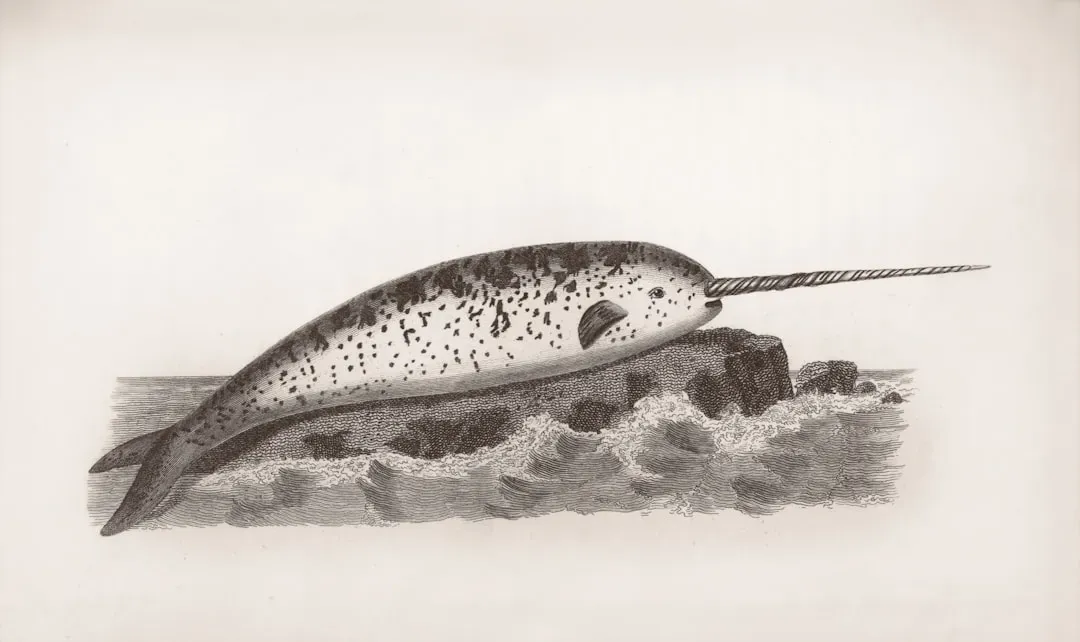
For a long time, people assumed narwhals would not dare to use such a fragile, innervated tooth for anything as rough as hunting. That assumption has taken some hits as rare video footage has shown narwhals using their tusks to tap or swipe at fish near the surface, stunning prey before quickly vacuuming it into their mouths. It is not full‑on sword fighting, but it does show that the tusk can play a direct role in feeding, at least in certain situations, without being just a dangling sensor that must always be protected. Socially, males often cross or rub tusks when they meet, a behavior that once looked purely like sparring or dominance play. Through the sensory lens, that rubbing might also be a way to share information about where each whale has been, almost like humans comparing notes about road conditions. If a tusk carries a recent chemical and thermal history of the path it traveled through the water column, rubbing tusks may allow whales to “sample” those histories secondhand. It is speculative, but the idea that tusks could be both a handshake and a data exchange is one of those theories that, once you hear it, is hard to shake.
What Narwhal Tusks Reveal About Evolution’s Wild Creativity
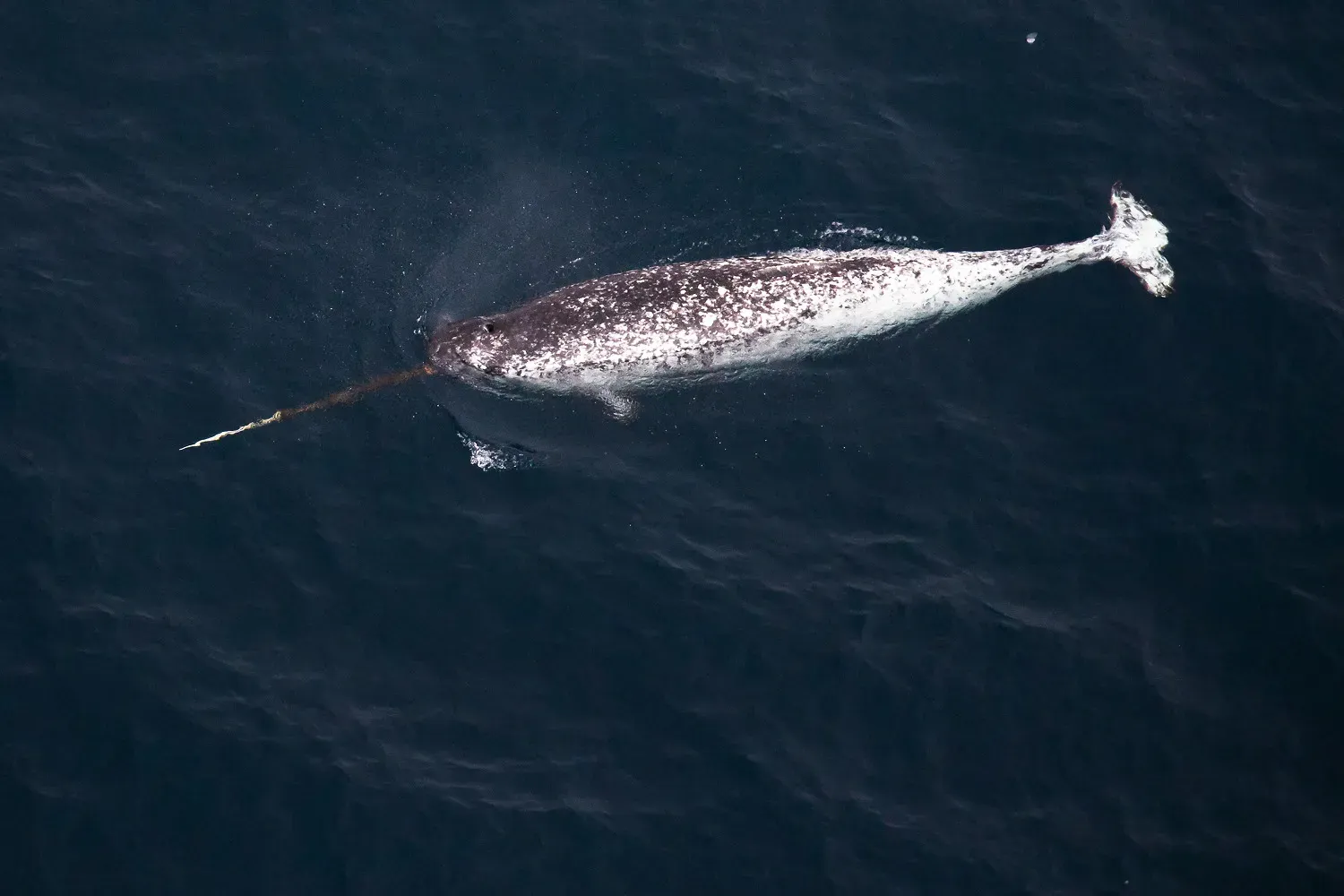
From an evolutionary perspective, the narwhal tusk is a quiet challenge to our assumptions about what teeth are “supposed” to do. We tend to think of teeth as simple tools for biting, cutting, or crushing, but here is a tooth that abandoned chewing altogether and pivoted into a role closer to a scientific instrument. Over millions of years, natural selection tinkered with a standard mammalian tooth until it became a straight, spiraled, external probe covered in open nerve channels that literally plugs the ocean into the nervous system. That is not an incremental tweak; it is a bold repurposing of hardware. I think this is why the narwhal fascinates both scientists and the rest of us. It is a reminder that evolution is not a tidy engineer following a manual, but more like an inventive hacker who keeps reusing old parts in strange new ways. The same basic materials that form your molars have been rearranged in narwhals into something that can feel the freeze‑thaw heartbeat of the Arctic in real time. In an era when we talk about sensors and climate data as cutting‑edge tech, it is humbling to realize that a wild whale has been running its own built‑in water probe for far longer than we have.
Opinionated Conclusion: The Narwhal Tusk Is Less a Weapon and More a Warning Light
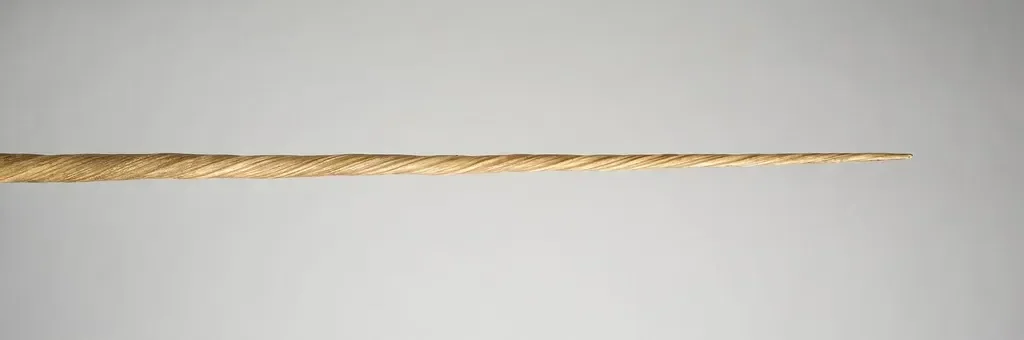
If you still picture the narwhal tusk mainly as a combat spear or a mythical horn, you are clinging to the least interesting version of the story. The weight of current evidence points toward a very different headline: the tusk is a living, hyper‑sensitive sensor that just happens to double as a display piece. In my view, calling it a “weapon” undersells its true genius in the same way calling a smartphone a “phone” ignores everything else it does. Yes, it may play a role in mating displays and subtle social clashes, but its wiring, anatomy, and experimental responses scream “environmental probe” far louder than “dueling lance.” There is another, more uncomfortable layer here. A species whose survival depends on reading fine‑scale changes in Arctic seawater is now living through an era of rapid, human‑driven change in exactly those conditions. The same tusk that once gave narwhals an edge in navigating ice and currents may now be feeding them a constant stream of bad news as sea ice thins, salinity patterns shift, and the Arctic becomes noisier and busier. To me, the narwhal tusk is not just a marvel of animal science; it is a blinking warning light about how delicately tuned Arctic life really is. The only real question is whether we will take that warning as seriously as the narwhal does.