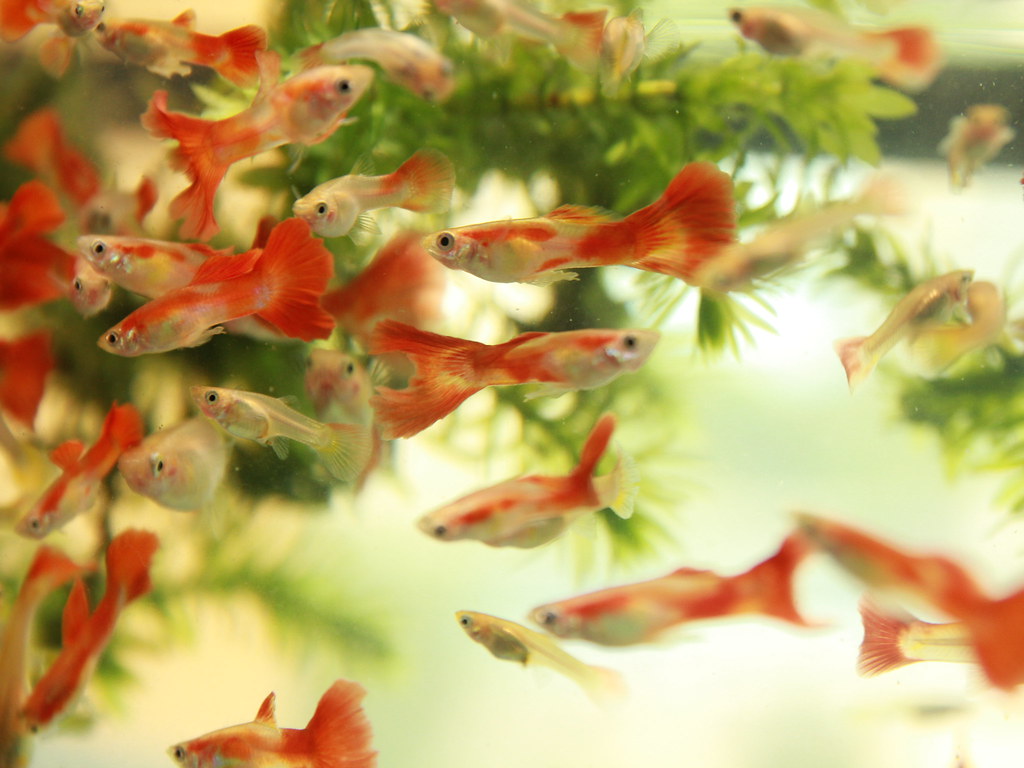
If you have ever watched a tank of small fish darting around and thought they were just moving at random, guppies are about to prove you wrong. Research in animal cognition suggests these tiny, colorful fish can actually compare group sizes and pick the larger shoal before diving in for safety. That means a brain smaller than a grain of rice can do something surprisingly close to basic math.
To me, that is both humbling and slightly unsettling. We like to imagine that numerical thinking is a human superpower, maybe shared with a few “smart” animals like primates, parrots, or dolphins. But guppies quietly blow up that hierarchy. When a fish weighing less than a paperclip can estimate “more” versus “less” to survive, you start to wonder what else is happening in the minds of creatures we barely notice.
Why Guppies Care So Much About Group Size
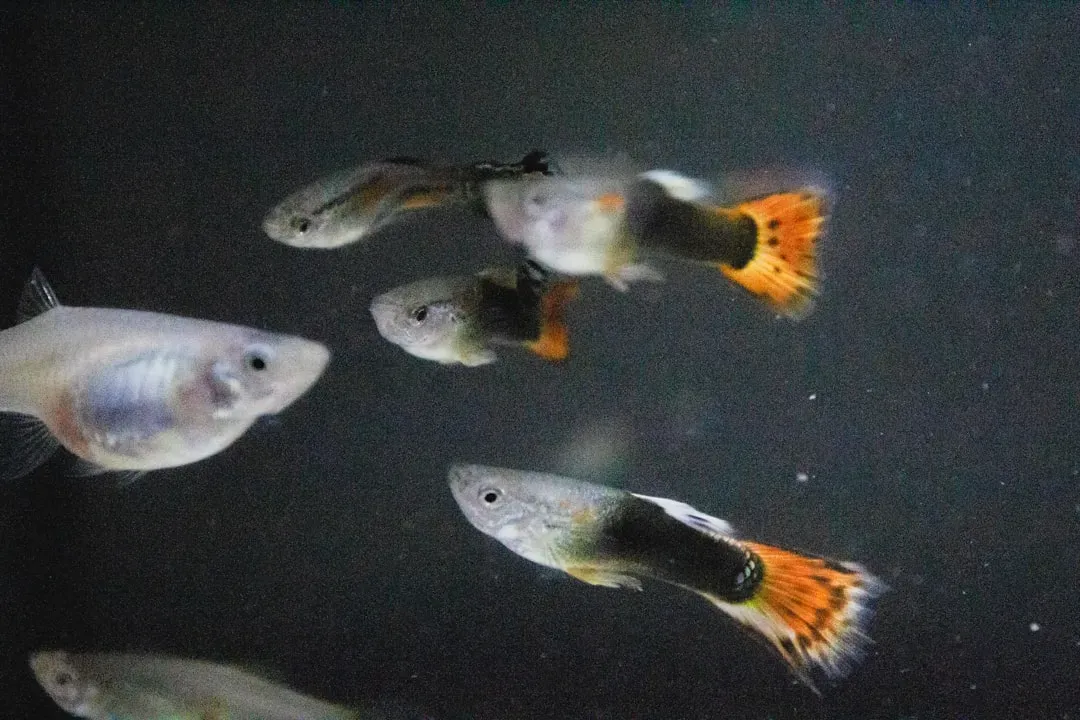
For guppies, choosing the right group is not a social preference; it is a survival strategy. In the wild, guppies live in streams where predators are a constant threat, and being alone is pretty much an open invitation to be eaten. Joining a shoal – a group of fish swimming together – spreads out the risk, makes it harder for a predator to single out one target, and boosts the chances of early detection.
This is where group size really starts to matter. A slightly larger group often means more eyes scanning for danger and a lower chance that any one individual becomes the unlucky meal. So a guppy that can tell the difference between, say, a small cluster and a clearly larger crowd has a better shot at surviving long enough to reproduce. Over many generations, that kind of pressure can fine-tune even very simple brains into surprisingly good decision-making machines.
How Scientists Test Tiny Fish on Big Cognitive Questions
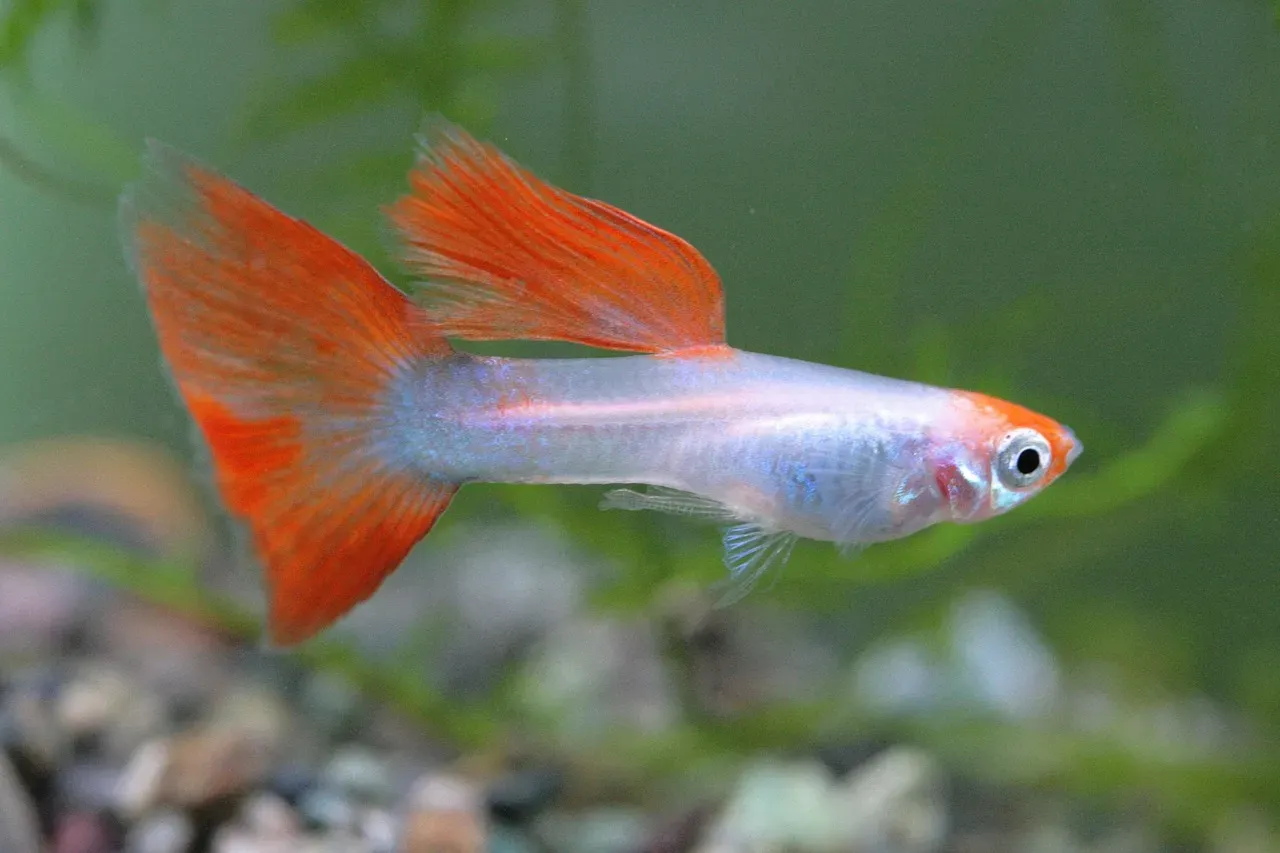
You might be wondering how anyone can tell what a guppy “knows” about numbers when it cannot talk, count aloud, or fill out a multiple-choice test. The answer is elegantly simple: you give the fish a choice and watch what it does, again and again, under controlled conditions. Typically, researchers place a test fish in a central tank and present two shoals of other guppies on either side, each separated by transparent barriers.
The trick is that the only meaningful difference between the two sides is how many fish are in each shoal. Everything else – from the size and color of the fish to water conditions and lighting – is kept as similar as possible. If the test guppy repeatedly swims toward and lingers near the larger shoal, scientists can infer that it is not choosing at random. It is using some form of quantity assessment, a basic kind of numerical judgment, to decide where safety lies.
The Evidence: Guppies Prefer the Bigger Crowd
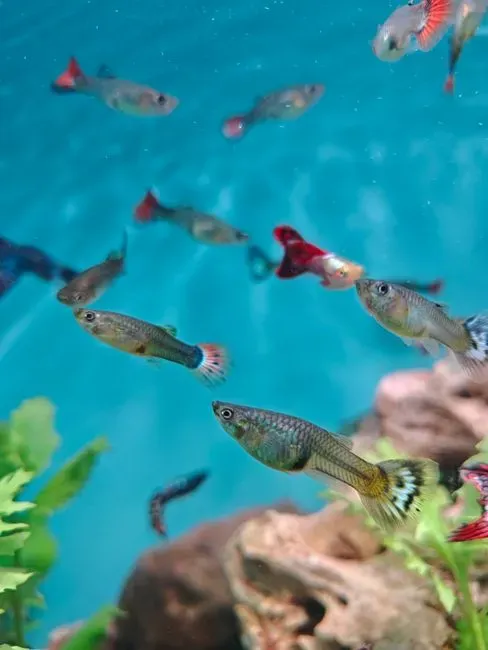
Across multiple experiments, guppies have shown a consistent pattern: when given a clear choice between a smaller and a larger group, they tend to join the larger shoal. This holds when the difference in size is obvious, like two fish versus eight fish, but also when the difference is more subtle, like four versus six. That repeated, reliable preference suggests guppies are not just following one random fish and hoping for the best.
What is especially striking is that they do this even when other cues are carefully controlled, making it hard to argue they are just following movement, noise, or some visual quirk. The most straightforward explanation is that guppies possess a rough sense of “more” and “less” and can use it on the fly. They are not adding or subtracting like humans on paper, but they are estimating quantities well enough to make smarter survival choices, and that in itself is impressive for such a small animal.
Can Guppies Actually “Count,” or Is It Just an Illusion?
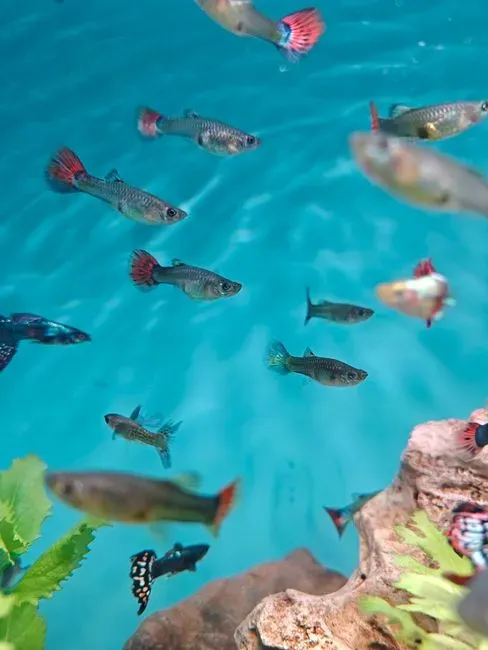
This is where the science gets more nuanced and, honestly, more interesting. When we say guppies compare shoal sizes, it does not necessarily mean they are counting individual fish the way a human child might count toys on the floor. Many animals, including fish, seem to use an approximate number sense, which works more like a blurry mental scale than a precise counter. They can sense that one group is “a lot more” or “a bit more” than another, especially when the difference is big enough.
There is also the possibility that guppies use continuous physical cues, like the total space the shoal occupies or how densely the fish are packed together. Researchers try to rule this out by controlling spacing, but it is hard to eliminate every single alternative. My own view is that the most likely reality is a mix: guppies use a blend of rough numerical estimation and visual patterns, which together create a functional “bigger group” detector. It is not math homework, but it is good enough to stay alive.
What This Reveals About Small Brains and Big Abilities
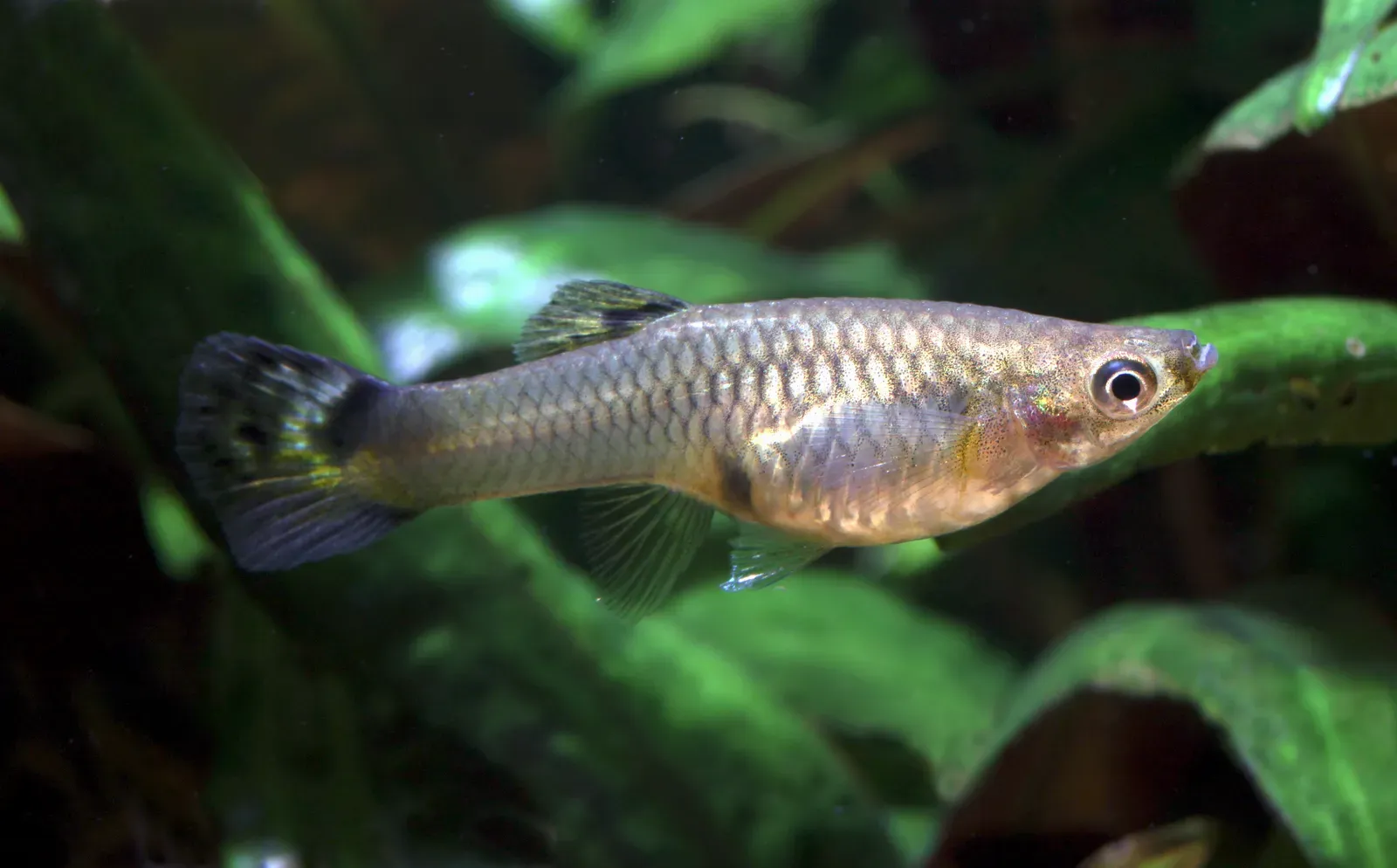
The idea that a guppy can estimate group size pushes back against the old assumption that cognition scales neatly with brain size. These fish do not have layered neocortexes or anything like the mental machinery we usually associate with complex thinking, yet they still pull off meaningful quantity judgments. That suggests evolution can create clever shortcuts, wiring relatively simple neural circuits to handle tasks that once seemed to require heavy mental hardware.
In a way, guppies remind me of ultra-light software designed to run on tiny, low-power devices. They do less overall, but what they do, they do efficiently and reliably. Rather than being miniature, clumsy versions of human thinkers, they are specialists optimized for a narrow set of high-stakes decisions. Understanding how such abilities emerge from small brains could eventually inspire better artificial systems, from lightweight robotics to fast pattern-recognition algorithms that do not need massive computing power.
Guppies, Emotions, and the Temptation to Humanize Their Choices
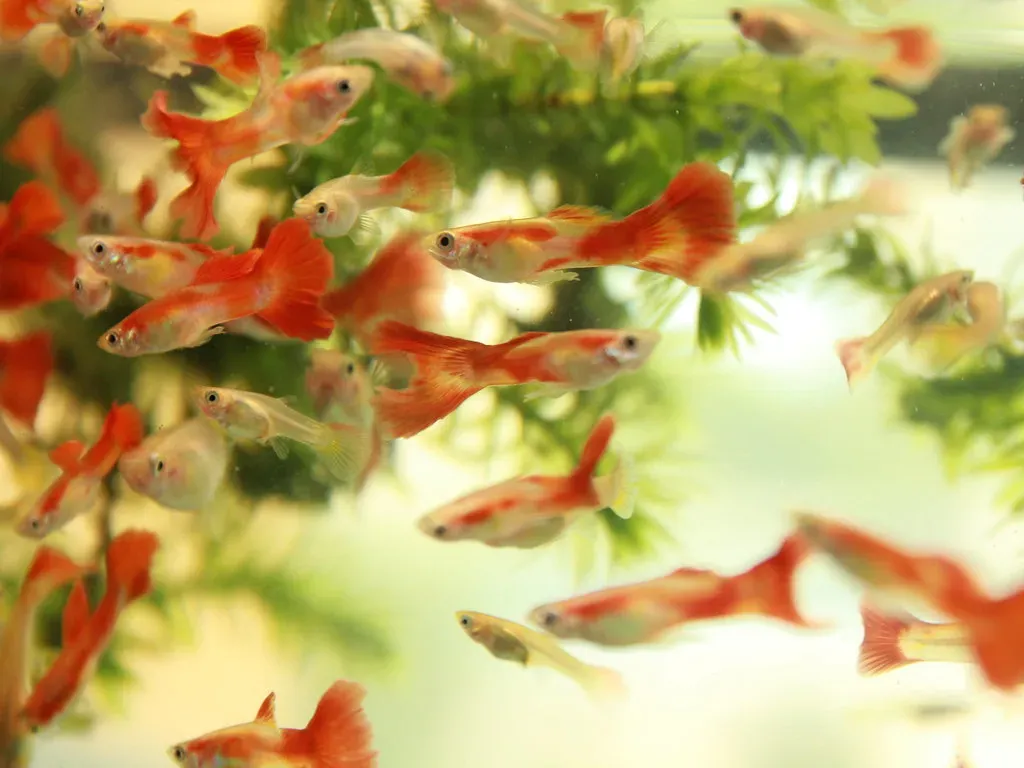
It is incredibly tempting to say guppies “want to feel safe” or “prefer bigger groups because they feel more comfortable,” and on some level, that language is how most of us naturally relate to animals. But scientifically, we have to be cautious. What we can say with confidence is that guppies behave in ways that increase their odds of survival and that those behaviors are flexible enough to respond to changing group sizes and threats.
At the same time, pretending that guppies are just tiny robots misses something important. Their decisions involve evaluating the environment, comparing options, and acting under risk – all ingredients of what we casually call choice. I think the honest middle ground is to recognize that guppy cognition is real and meaningful, even if it does not come wrapped in human-like thoughts or emotions. They are not little people in scales, but they are also not mindless automatons lost in the current.
Why Guppy Cognition Changes How We See Other Animals
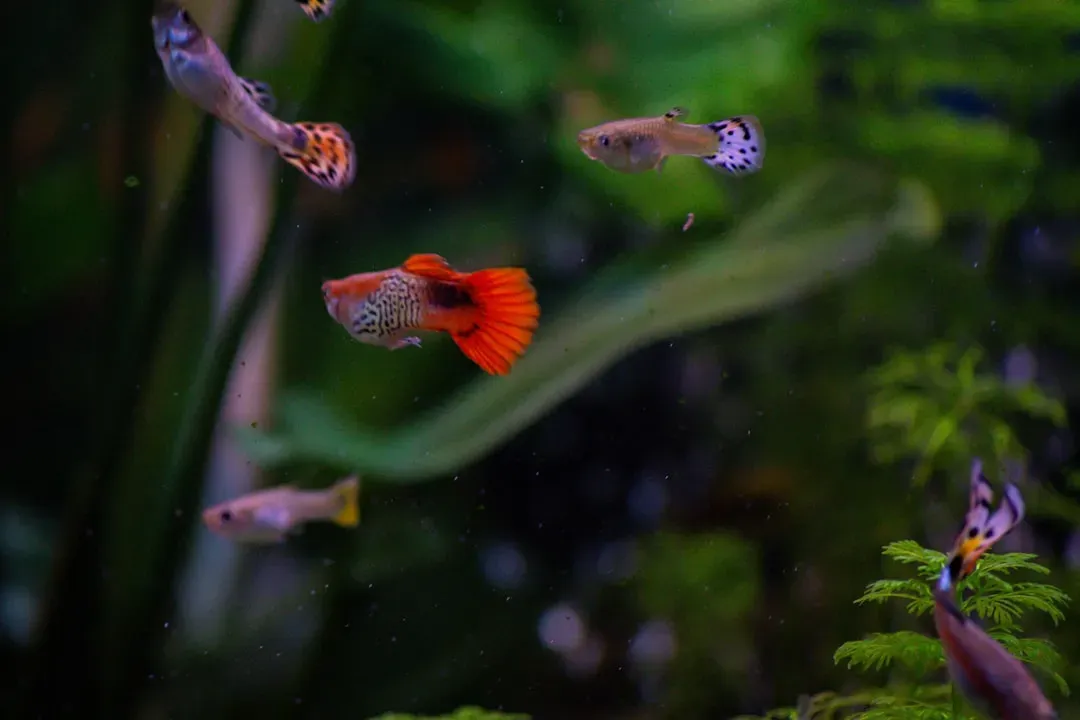
Once you accept that guppies can assess quantity and choose the safer option, it becomes very hard to reserve “thinking” only for big, charismatic animals. If a small tropical fish can pull off this kind of estimation, it raises the odds that many other overlooked species have quiet, practical smarts we simply have not bothered to test. It is almost like opening a hidden door in the animal kingdom and realizing there is a whole floor of cognitive abilities you never knew existed.
This shift has ethical consequences too. When we recognize that animals, even tiny ones, are doing more than just reflexively reacting, it nudges us to take their welfare a bit more seriously. I am not saying guppies need philosophical rights debates, but I am saying they deserve more than being dismissed as decorative, living background noise. The more we discover about what they can do, the harder it becomes to treat them as nothing more than moving ornaments in a tank.
Conclusion: Small Fish, Big Questions
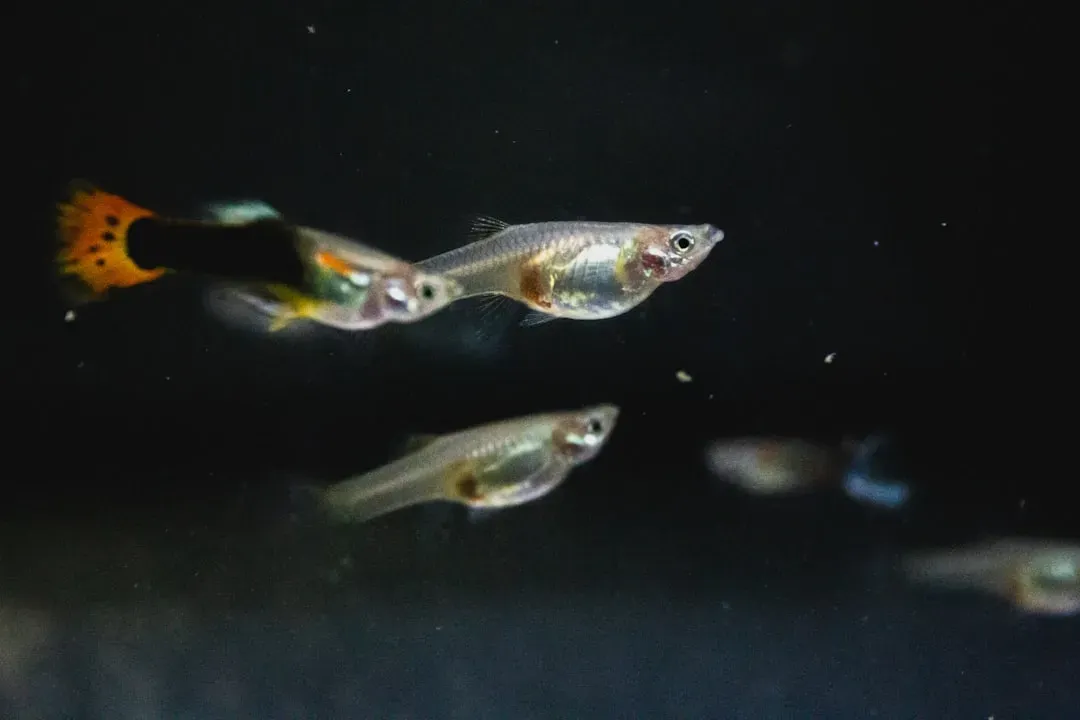
The fact that guppies can estimate which shoal is larger before choosing where to swim is more than a neat trivia fact; it quietly challenges how we rank minds in nature. These fish are not just drifting along on instinct. They are evaluating, comparing, and making decisions that hinge on something very close to primitive number sense. That should make us rethink the old story that cognitive sophistication is reserved for animals that look, act, or feel more like us.
My opinion is that guppies force an overdue mindset shift: instead of asking whether a species is “smart enough” to impress us, we should ask whether it is smart enough to solve the problems its own life demands. By that standard, guppies are doing exactly what evolution designed them to do – choosing safety with a level of nuance we once thought belonged mainly to humans and a few celebrated mammals and birds. Next time you see a cluster of tiny fish hovering together, it might be worth pausing and wondering what quiet calculations are unfolding beneath the surface – would you have guessed a guppy was doing math to stay alive?