For all our satellites, supercomputers, and forensic tech, the past still keeps a few cards hidden up its sleeve. Some mysteries are not unsolved because we lack brainpower, but because time itself has erased the crucial clues. Bones have decayed, documents have burned, eyewitnesses are dust, and what remains is a noisy mix of artifacts, legends, and educated guesswork. That’s what makes these historical puzzles so addictive. They sit on the edge between science and storytelling, where archaeologists and historians do their best with fragments and shadows. You can read the latest research, nod along with the most convincing theory, and still feel that nagging itch: we will probably never know for sure. Let’s lean into that uncertainty and walk through fifteen of the biggest historical mysteries that may stay just out of reach – no matter how hard we chase them.
1. Who really was Jack the Ripper?
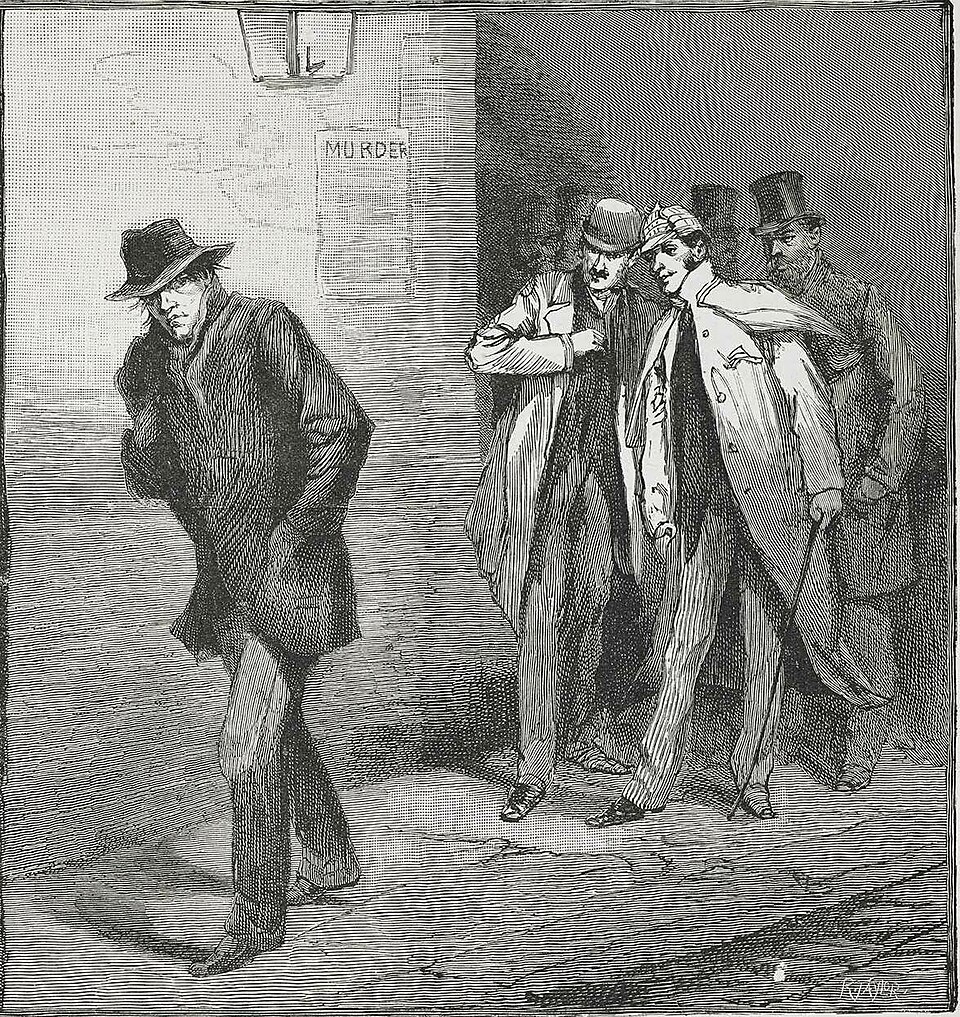
Jack the Ripper is one of those names that still sends a weird little chill through the air, even though the murders happened in London’s East End back in 1888. Several women were brutally killed in a small area, and the combination of gruesome details, taunting letters to police, and press hysteria turned the unknown killer into a grim celebrity. Over the years, everyone from local butchers to doctors and even well-known public figures have been accused by different writers and armchair detectives. The hard truth is that the original police files were incomplete, forensic science barely existed, and the crime scenes were contaminated long before anyone thought about DNA. Modern attempts to test surviving evidence have produced loud headlines but shaky methods, and experts still argue over whether all the murders were even committed by the same person. With key witnesses long gone and physical evidence degraded or missing, the identity of the Ripper is almost certainly lost for good, buried under a century of speculation and sensational theories.
2. The fate of the princes in the Tower
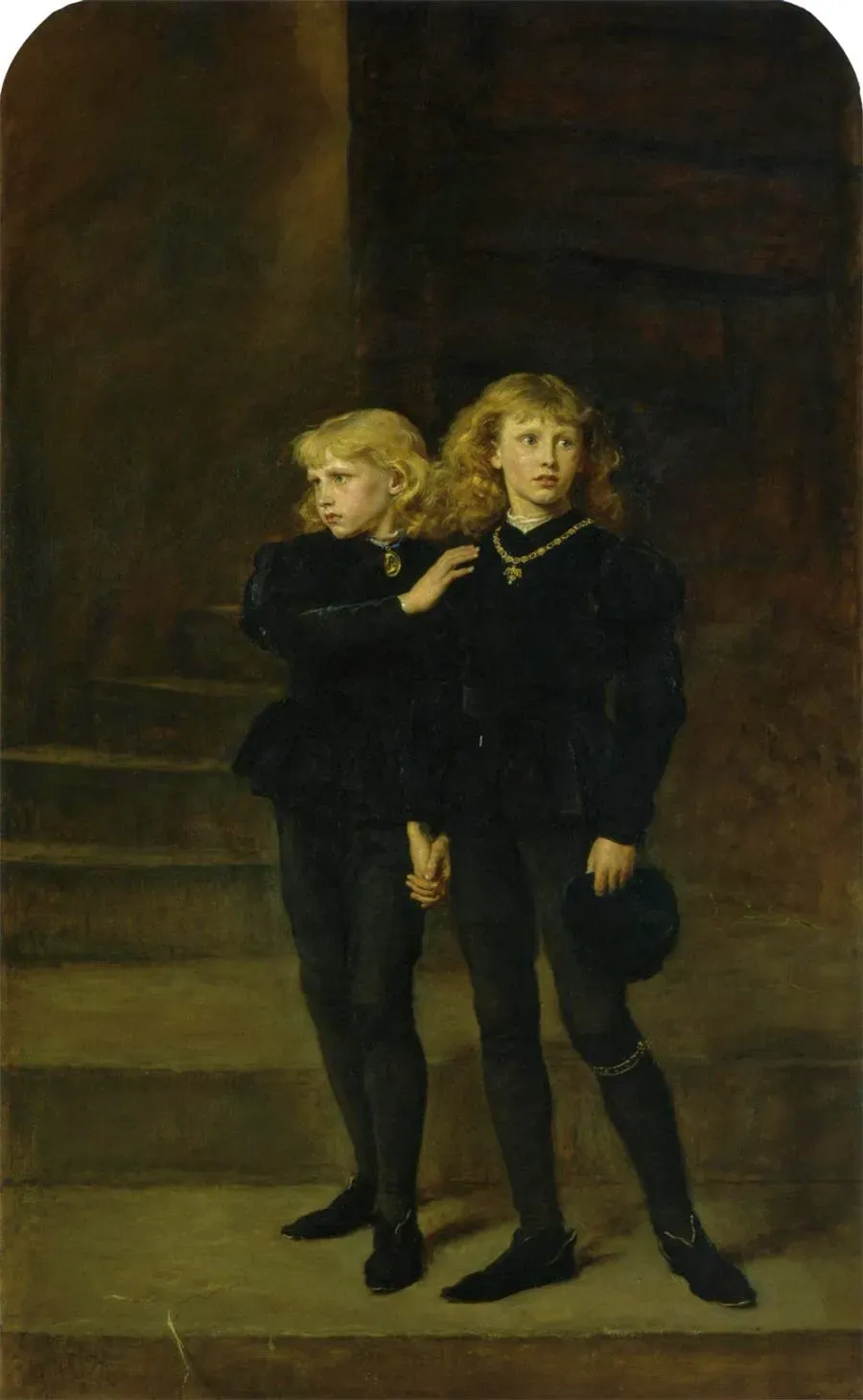
In the late 1400s, two young brothers – Edward V and his younger sibling Richard – were placed in the Tower of London, officially for their protection. Then they quietly vanished from the record. Their uncle Richard seized the English throne, and rumors spread that the boys had been secretly murdered. For centuries, historians have debated whether Richard ordered their deaths, whether someone else acted to please or undermine him, or whether at least one of the princes might have survived in hiding. The problem is that the Tudor rulers who followed had every incentive to paint Richard as a monster and rewrite the story in their favor. Later references are secondhand, politically motivated, or wrapped in drama and myth. A set of bones found under a staircase in the Tower has been linked to the princes, but the remains are old, incomplete, and not conclusively identified. Without definitive genetic proof or new documents, we’re left with a grim fairy tale rooted in real power struggles – and no way to confirm what actually happened in those stone rooms.
3. The disappearance of Amelia Earhart
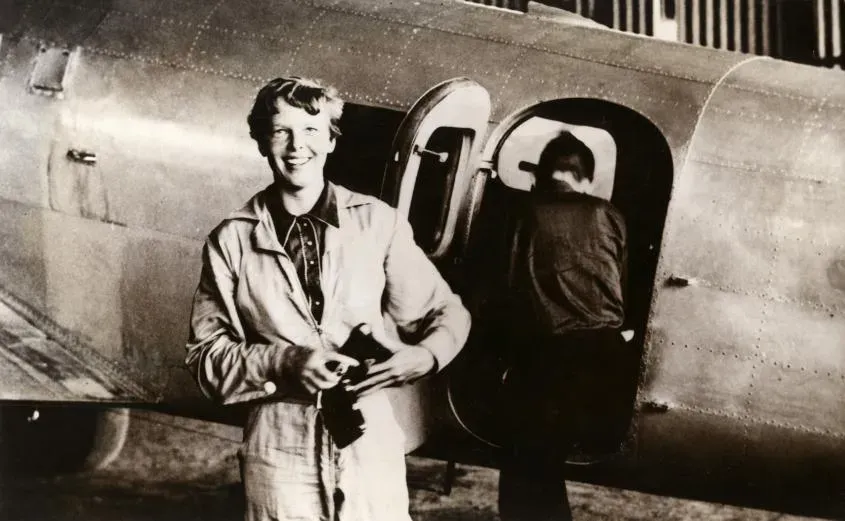
Amelia Earhart was already a global icon when she vanished over the Pacific in 1937 during an attempt to fly around the world. Her last radio messages suggested confusion about her position near Howland Island, a tiny speck of land that was notoriously hard to find even under ideal conditions. Massive search efforts turned up nothing conclusive, and the official assumption has long been that her plane ran out of fuel and crashed into the ocean. But humans hate loose ends, especially when a beloved pioneer is involved. Over time, alternative theories have suggested that she crash-landed on a remote island and died as a castaway, that unmarked bones found decades ago might have been hers, or that scattered pieces of aircraft could match her Lockheed Electra. The evidence for each possibility is partial, contested, or ambiguous, and the Pacific is vast enough to swallow an airplane forever. Unless some perfectly preserved wreckage with clear markings is discovered and verified, Earhart’s final hours will likely remain an open question.
4. The identity of the Sea Peoples
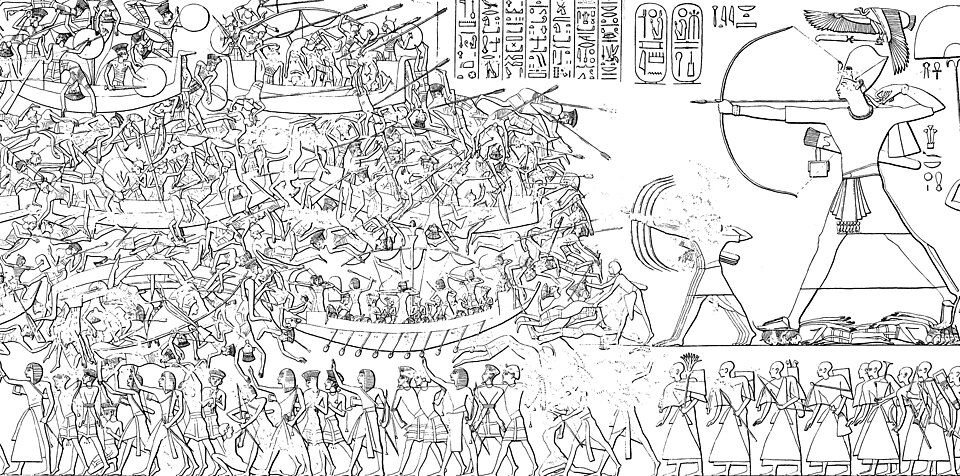
If the late Bronze Age had a final boss, it might have been the so‑called Sea Peoples. Around the twelfth century BCE, several powerful civilizations around the eastern Mediterranean crumbled in rapid succession. Egyptian inscriptions and other sources mention mysterious seafaring raiders who attacked coastal cities and disrupted trade routes, and modern historians have grouped these attackers under the umbrella name “Sea Peoples.” The collapse that followed reshaped the entire region. The frustrating part is that we mostly hear about these groups from the people they were attacking. The records are biased, fragmentary, and often more concerned with heroic victory than careful ethnography. Different tribal names appear, but they are hard to match to any specific culture or modern region, and archaeological layers of destruction can be caused by many factors: invaders, internal revolts, climate stress, or a mix of all three. The Sea Peoples might have been displaced migrants, frustrated warriors, opportunistic pirates, or all of the above. Without their own written records to compare, their exact origin and role in the wider collapse may stay fuzzy forever.
5. How Stonehenge was really built – and why
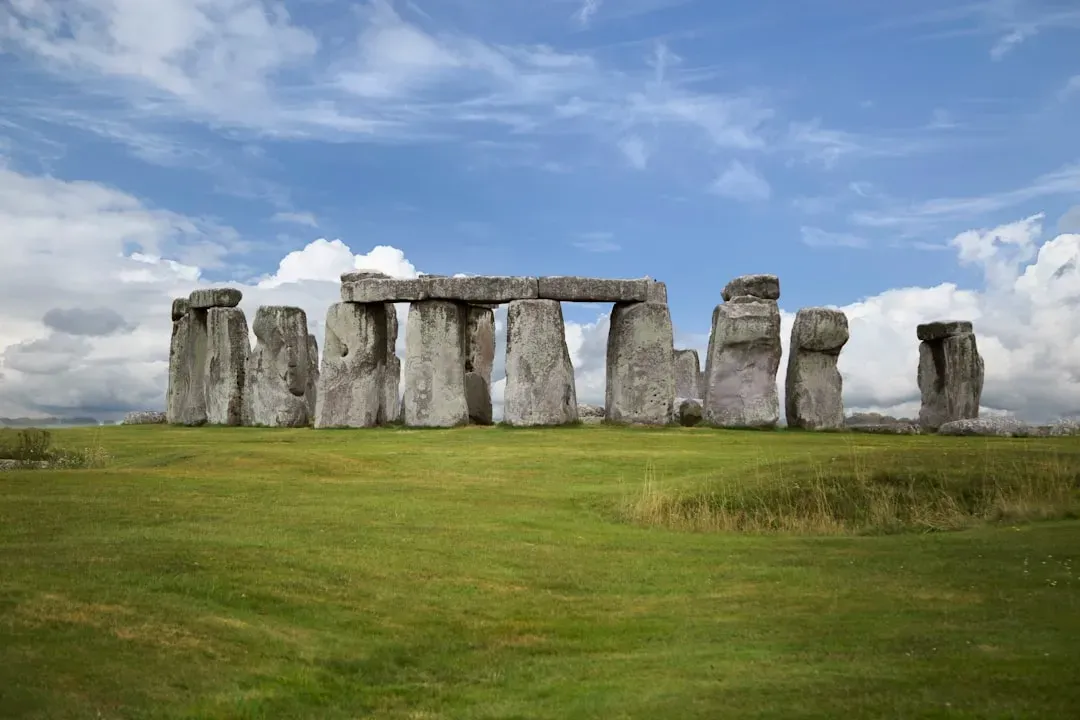
Stonehenge sits on the Salisbury Plain like a riddle carved in rock, and it has been puzzling people for centuries. Built in stages over many generations, the monument involved moving massive stones from considerable distances and arranging them with surprising precision. Modern experiments show that groups of people with ropes, sledges, and wooden tracks could theoretically transport and raise huge stones, but scaling that up to the full project still leaves lots of practical questions. Then there’s the equally tricky question of purpose. It clearly aligns with key solar events like the summer solstice sunrise, and excavations hint at ritual gatherings, feasting, and possibly burials or ancestor worship. But we have no written explanation from the builders, only bones, artifacts, and alignments in the landscape. Was Stonehenge principally a ceremonial center, a healing site, a kind of prehistoric calendar, or a combination of all those roles woven into a belief system we barely grasp? We can model and infer, but the actual story those people told themselves, standing in that circle at dawn, is probably gone.
6. The lost city of Atlantis
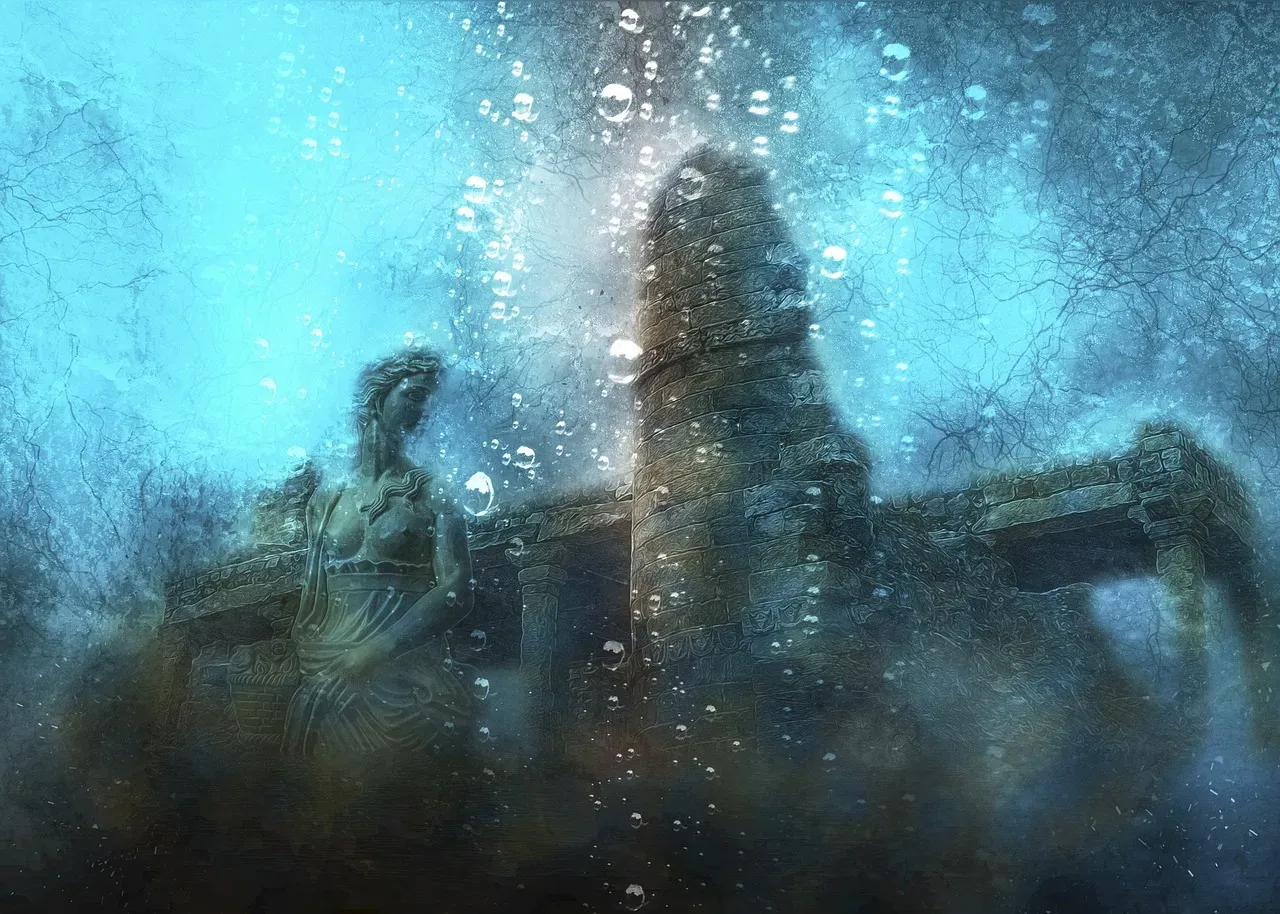
Atlantis lives in a strange space between philosophy, myth, and archaeology. The earliest surviving account comes from the Greek philosopher Plato, who used the story of an advanced island civilization that fell from grace and was destroyed by the sea as a moral and political illustration. Ever since, people have been trying to pin Atlantis to a real location, suggesting everything from the Mediterranean to the Atlantic and even more distant regions. The core problem is that Plato wrote as a thinker crafting an allegory, not as a journalist filing a field report. Some elements of his description echo real features of ancient societies and natural disasters, such as volcanic eruptions and tsunamis, but the overall narrative is stylized and heavily symbolic. Even if Plato drew inspiration from older tales of maritime disasters or lost settlements, the “real” Atlantis is almost certainly an imaginative blend rather than a specific city waiting to be dug up. That has never stopped people from looking, but it does mean this particular mystery is designed to resist final answers.
7. The Voynich Manuscript’s uncracked code
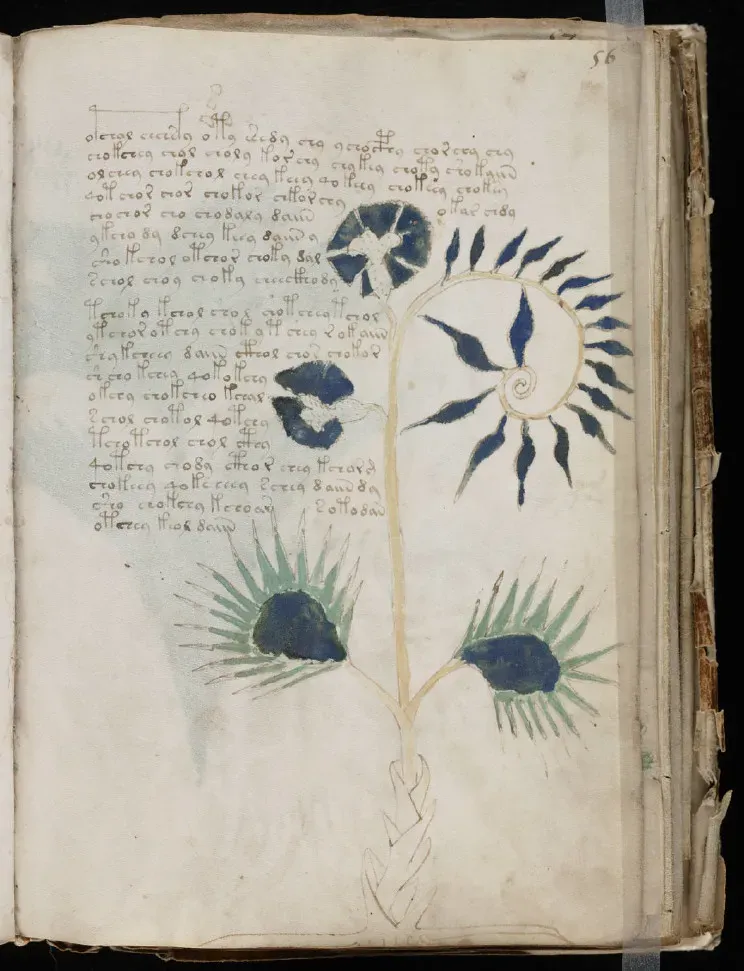
The Voynich Manuscript looks like the prop you’d invent for a movie about secret societies. It is a handwritten book filled with bizarre plant drawings, strange astronomical diagrams, and text written in an unknown script. Carbon dating suggests it comes from the late medieval or early Renaissance period, and the parchment and ink appear authentic. For more than a century, professional cryptographers, linguists, and hobby codebreakers have tried to make sense of it. Some researchers argue that the text shows statistical patterns similar to natural language, hinting at a real underlying message in a cleverly encoded or invented tongue. Others suspect a sophisticated hoax, perhaps created to dazzle a wealthy patron. Modern algorithms and pattern analysis have suggested everything from encoded European languages to constructed languages, but no translation has earned widespread acceptance. Unless someone discovers a bilingual key, a matching cipher, or some external document that firmly connects the script to a known system, the Voynich Manuscript will probably keep laughing at us from behind its looping characters.
8. The missing body of Alexander the Great
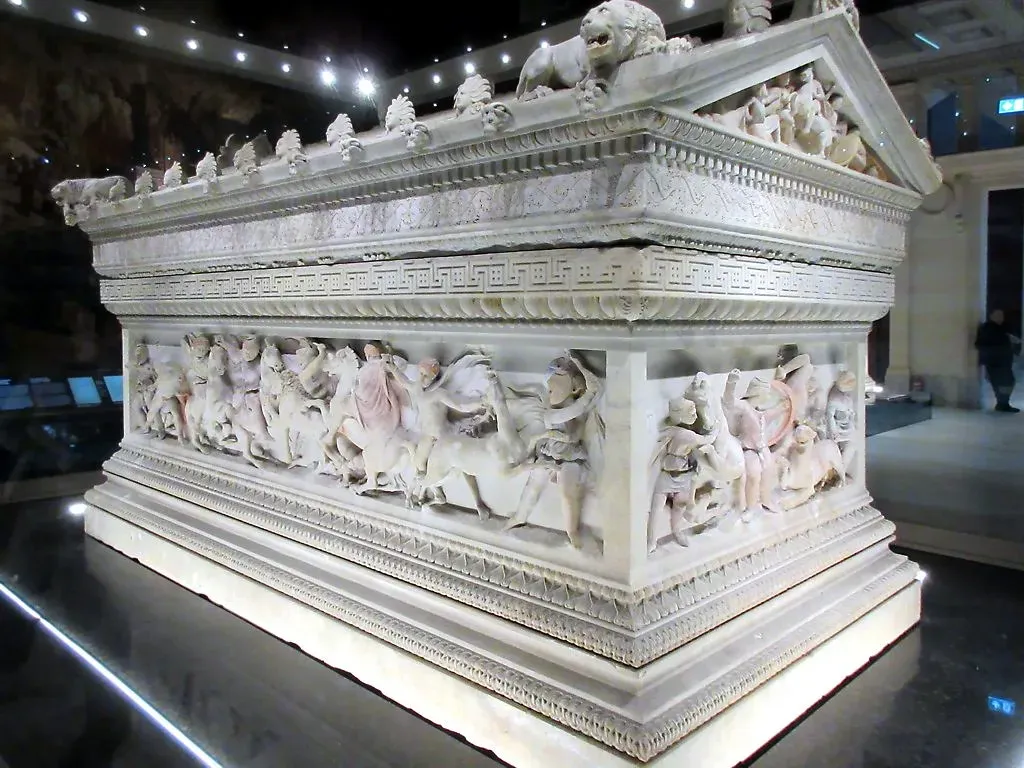
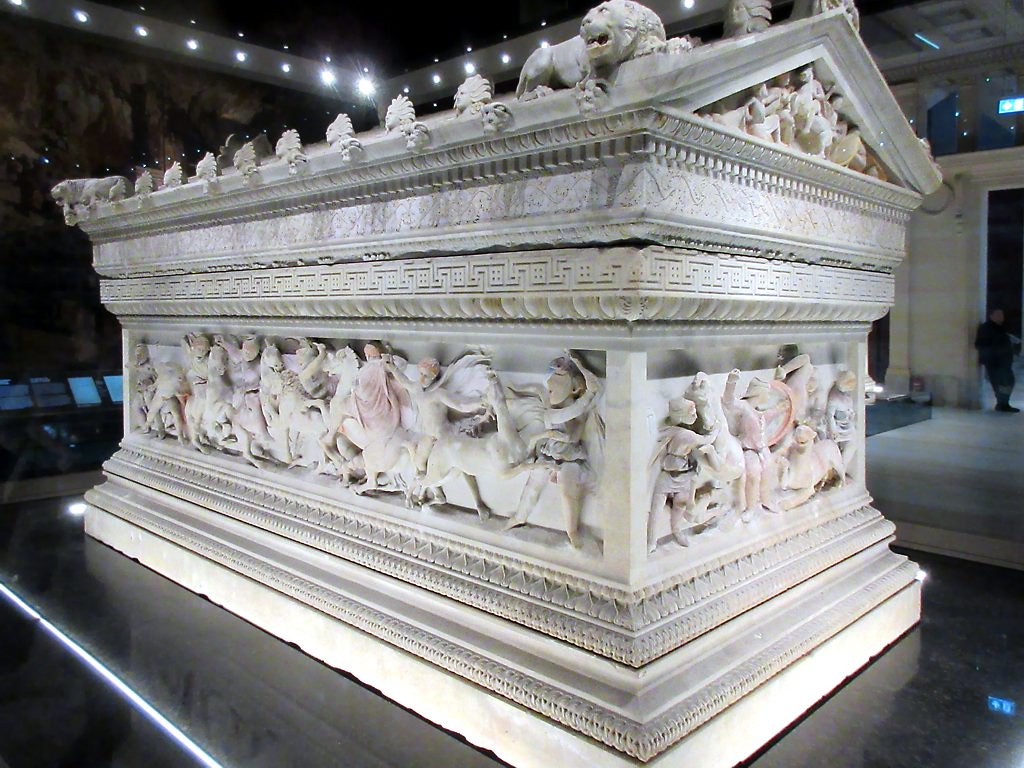
Alexander the Great reshaped the map of the ancient world before dying young in Babylon in 323 BCE. Ancient sources describe his body being taken to Egypt, with rival factions squabbling over where and how he should be buried. For centuries, a tomb in or near Alexandria was reportedly visited, venerated, and referenced in various texts, suggesting that there was a recognized burial place at one point. Yet today, no tomb or body has been conclusively identified as Alexander’s. Archaeologists have proposed several candidate sites, each with some tantalizing clues but no definitive proof. The problem is that Alexandria has been continuously inhabited, destroyed, rebuilt, and buried under modern developments and shifting coastlines. Chance discoveries can happen, but the time depth and urban layers make systematic searching difficult. Even if an impressive tomb is found, proving it undeniably belonged to Alexander would require inscriptions, iconography, and maybe genetic evidence that we simply do not have. For a man obsessed with legacy, his physical resting place may be permanently lost.
9. The true origin of the Nazca Lines
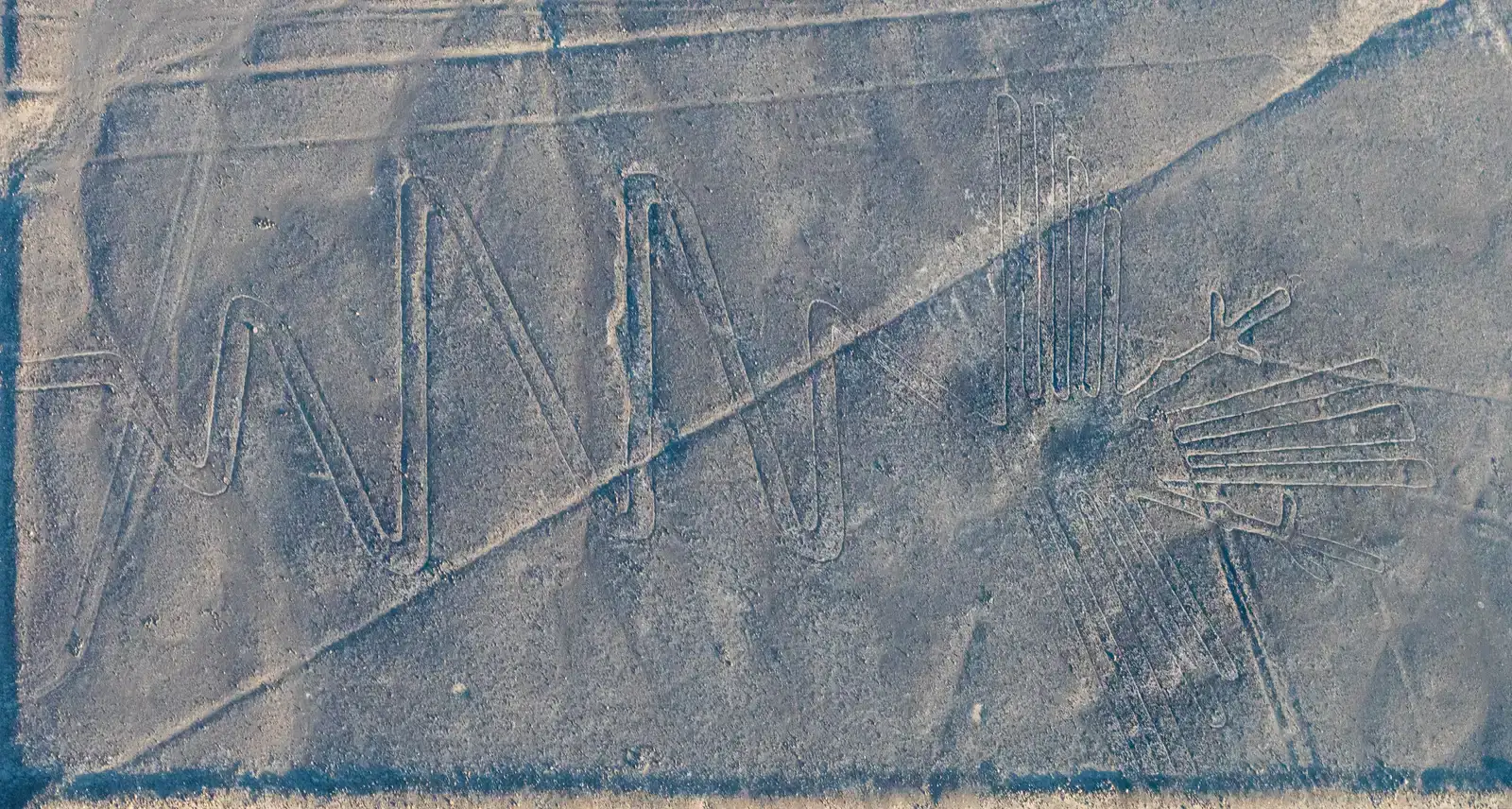
High in the desert of southern Peru, the Nazca Lines stretch across the ground: enormous shapes of animals, plants, and geometric figures scratched into the earth. From the ground they look like simple paths, but from above they form astonishing images. Archaeologists have linked them to the Nazca culture, which flourished roughly two thousand years ago, and have suggested they may be connected to rituals tied to water, fertility, or celestial events. Despite serious research, there is no single, universally accepted explanation. Some figures may have guided processions, others may mark underground water sources, and some could reflect constellations or religious stories. The desert has preserved the lines beautifully, but it has not preserved the voices of the people who made them, and later cultures recorded little about how they were understood. While wild ideas involving aliens make for fun TV, the more grounded view is almost more frustrating: the lines likely had layered meanings in a worldview we no longer share, and without direct testimony, those meanings can only be partially reconstructed.
10. The unsolved mystery of D.B. Cooper
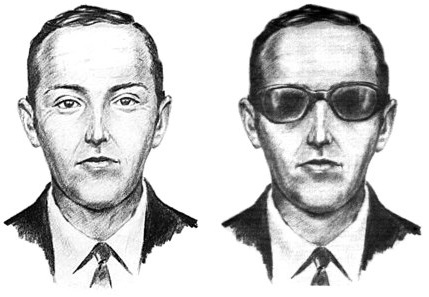
In 1971, a man using the name Dan Cooper hijacked a commercial flight in the United States, extorted a ransom, and then parachuted out of the plane into the night, somewhere over the Pacific Northwest. Some of the ransom money later turned up near a river, degraded and scattered, but no confirmed trace of Cooper himself was ever found. The case has become a legend of modern crime, with an almost folk-hero aura that glosses over the real danger he posed. The investigation generated a long list of suspects, each claimed and countered over the decades. Aging witnesses, fading memories, and incomplete records have made it harder, not easier, to reach a consensus as time passes. The environment where he likely landed is rugged and vast, and if he died in the jump, nature would have quickly hidden the evidence. With the official case now closed and many key people deceased, it is unlikely that a decisive new lead will suddenly appear. Cooper’s leap out of that airplane was also a jump into permanent mystery.
11. The third secret of Oak Island
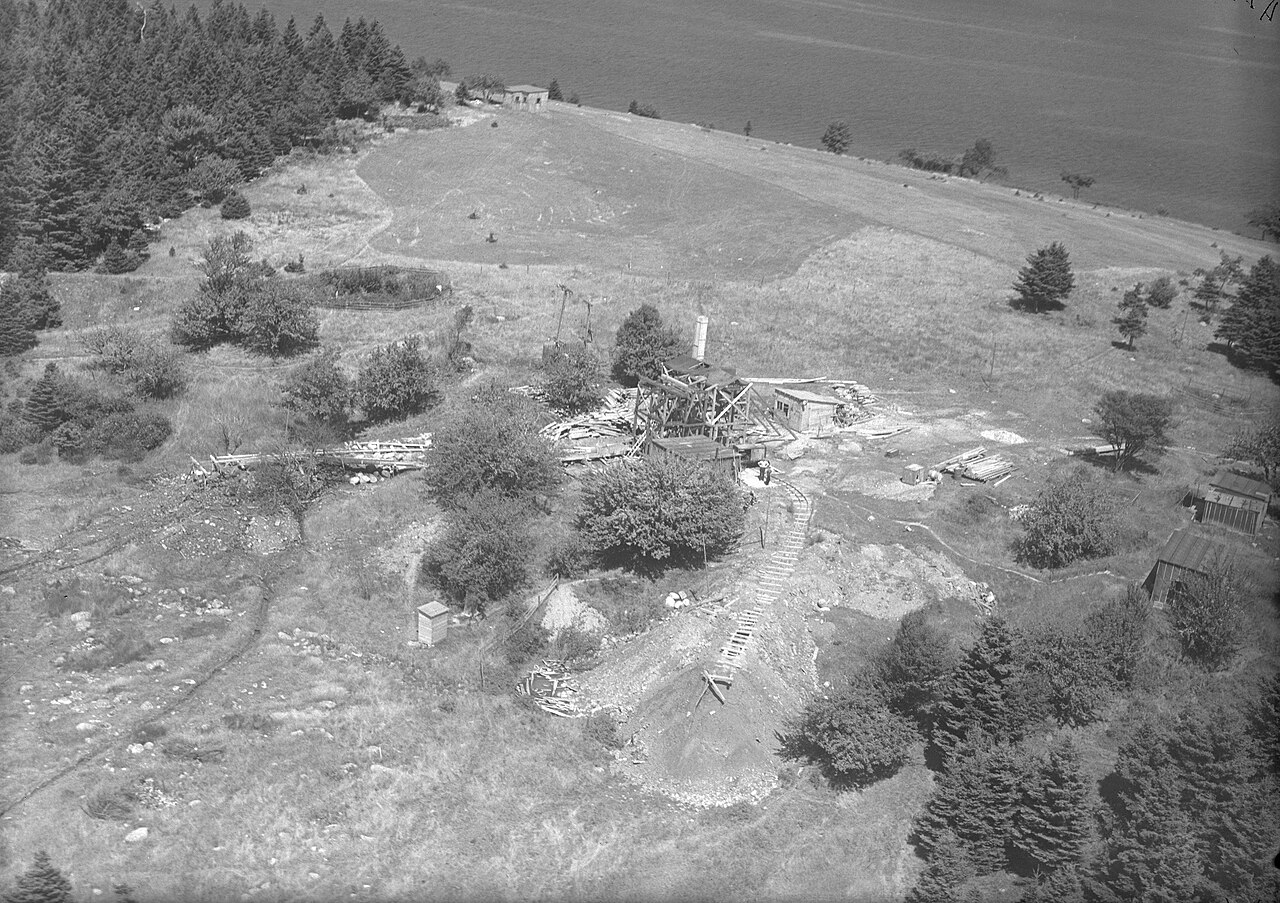
Off the coast of Nova Scotia, Oak Island has drawn treasure hunters for more than two centuries. It started with reports of a mysterious pit with layers of logs, stones, and what looked like deliberate engineering. Over time, elaborate shafts, flood tunnels, and wooden structures have been claimed or reported beneath the surface. Stories of buried treasure, secret societies, and lost artifacts have piled up layer upon layer, much like the island’s own muddy excavations. What complicates everything is the mixture of real finds and exaggerated tales. Some wooden constructions and tools genuinely date back centuries, but repeated digging has disturbed the original context so badly that reconstructing an accurate timeline is almost impossible. Modern projects with better technology still grapple with flooded tunnels, collapsed shafts, and conflicting earlier records. There may have been something significant buried there at some point, or perhaps the “treasure” is largely the story itself. At this stage, Oak Island feels less like a puzzle waiting for a single solution and more like a historical hall of mirrors.
12. The cause of Tutankhamun’s death
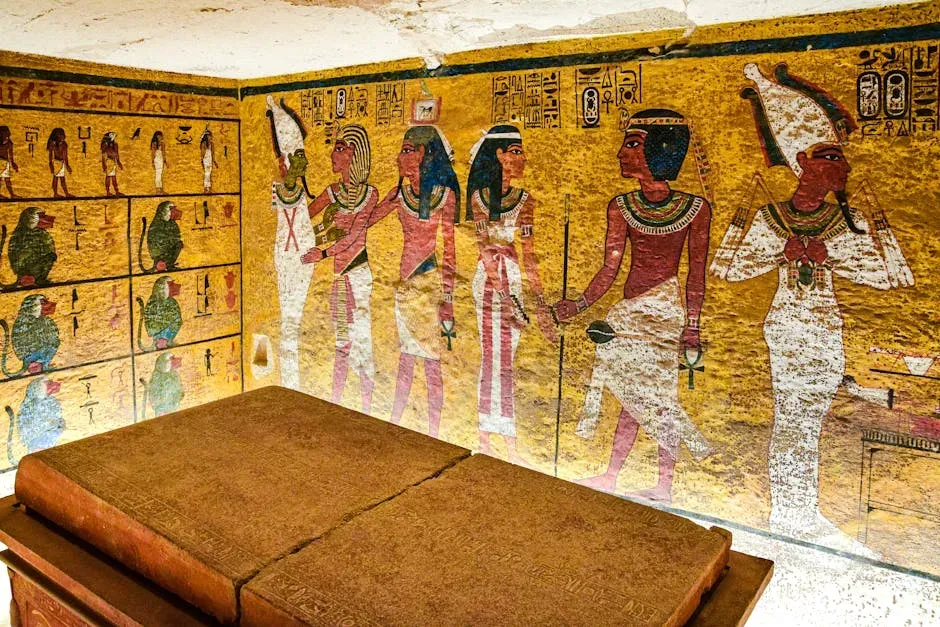
When Tutankhamun’s tomb was discovered in the early twentieth century, it catapulted the relatively minor Pharaoh into global fame. His gold mask and richly furnished tomb survived almost intact, but his actual life and death remained murky. He died very young, around his late teens, and over the years researchers have proposed everything from murder to chariot accidents, infections, and complications from congenital health issues linked to close royal intermarriage. Modern imaging and genetic tests have revealed signs of multiple health problems, possible injuries, and diseases that could all have contributed to his early death. But the evidence is ambiguous and tangled; mummies are not delicate medical files but heavily altered remains that have endured millennia of climate and handling. Different teams emphasize different data points, and each new study seems to generate as many questions as answers. Without the ability to run a full suite of modern medical tests on a living patient, Tutankhamun’s precise cause of death may always remain an educated guess.
13. The real story behind the Roanoke Colony
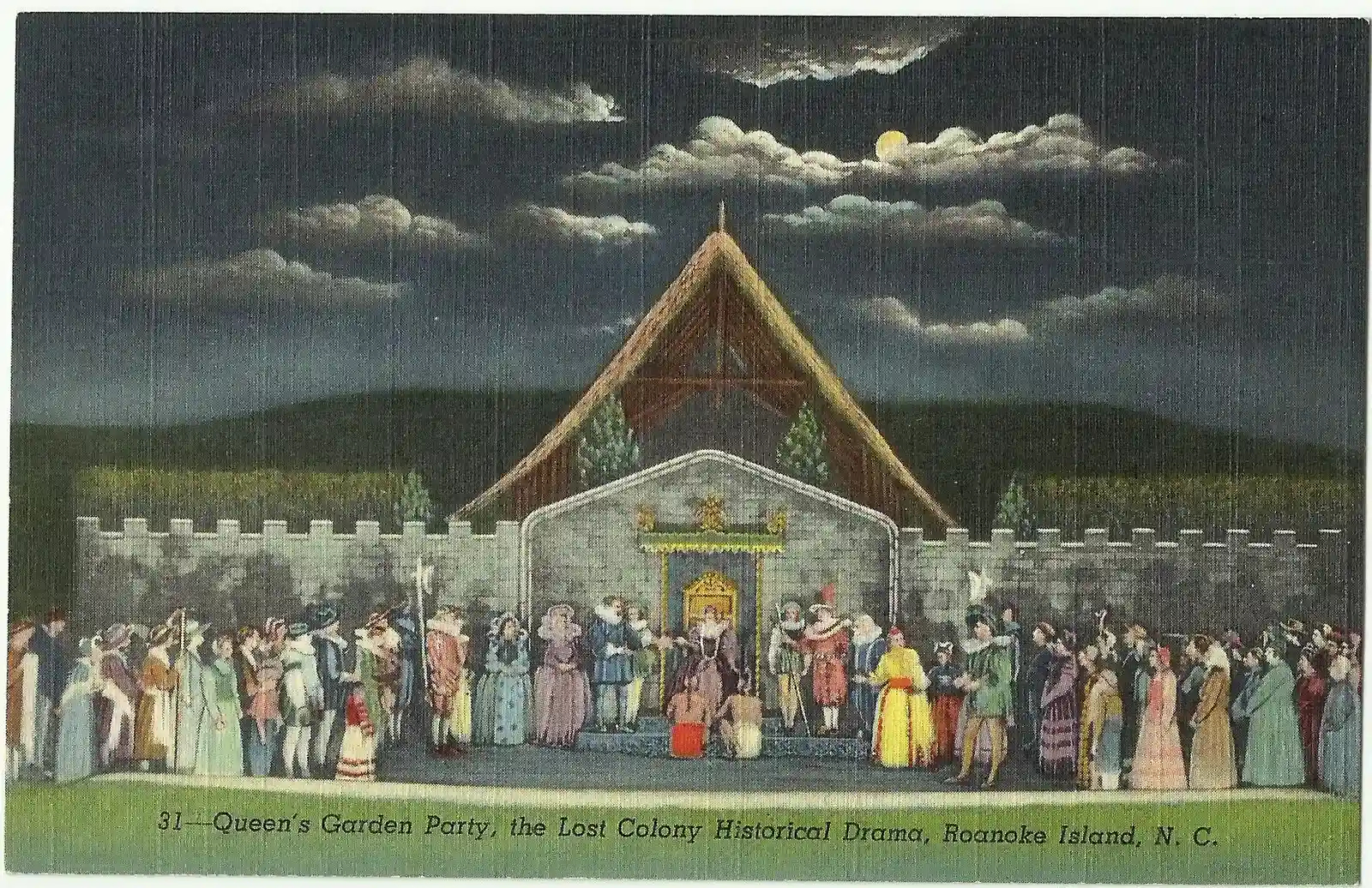
In the late sixteenth century, a small English colony on Roanoke Island, off what is now North Carolina, simply vanished. When supply ships returned after a delay, they found the settlement deserted, with few clear signs of struggle. The word “CROATOAN” carved into a post has become the most famous clue, suggesting a link to a nearby island and its Indigenous inhabitants. Ever since, people have wondered what really happened to those colonists. Most serious historians think the story is probably not a single, shocking twist but a slow-motion disaster of hunger, politics, and cultural misunderstanding. The colonists may have split up, some integrating with local Indigenous groups and others dying from disease, conflict, or scarcity. Archaeological finds have turned up European artifacts at nearby sites, hinting at contact and movement, but nothing ties neatly enough to close the case. Records from the period are sparse and often incomplete, and the voices of local Indigenous communities were rarely written down at the time. The likely truth is dispersed across many places and people, making a single, satisfying answer almost impossible.
14. The origin and purpose of the Antikythera mechanism
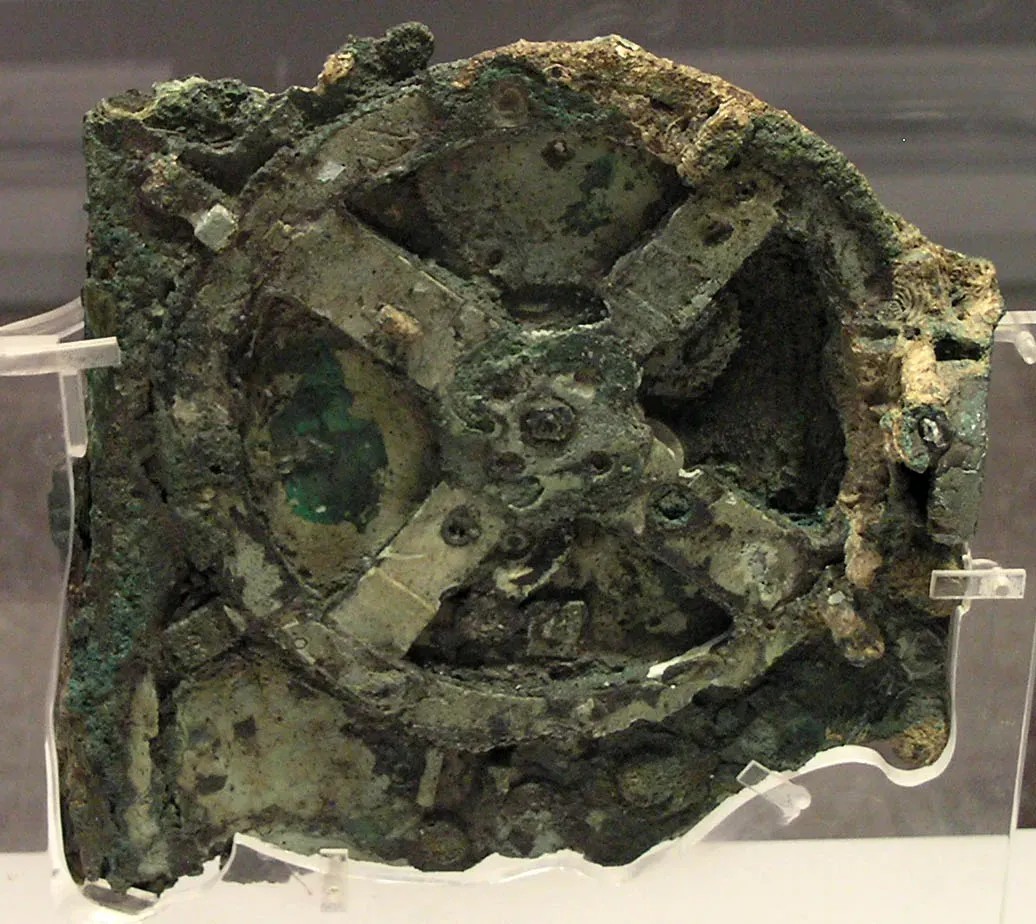
When divers first pulled up corroded bronze fragments from a shipwreck off the Greek island of Antikythera, they had no idea they were holding one of the most staggering artifacts in the history of technology. The device turned out to be a complex arrangement of gears that could model the positions of the Sun, Moon, and possibly planets, predict eclipses, and track cycles of time. It has often been described as an ancient analog computer, far ahead of what many people assumed existed in that era. Detailed imaging and reconstruction have revealed an astonishing level of engineering skill, but major questions remain. We still do not know exactly who designed it, how many such devices were made, or how widely they were used. Was this a rare luxury object for a wealthy patron, or the surviving example of a more common but now-lost tradition of precision mechanics? The surviving inscriptions help, but they are fragmented and incomplete, and no complete manual has turned up explaining how the whole system was meant to be operated. Without more examples or detailed contemporary descriptions, the Antikythera mechanism will keep some of its gears turning in the dark.
15. The real identity of the Man in the Iron Mask
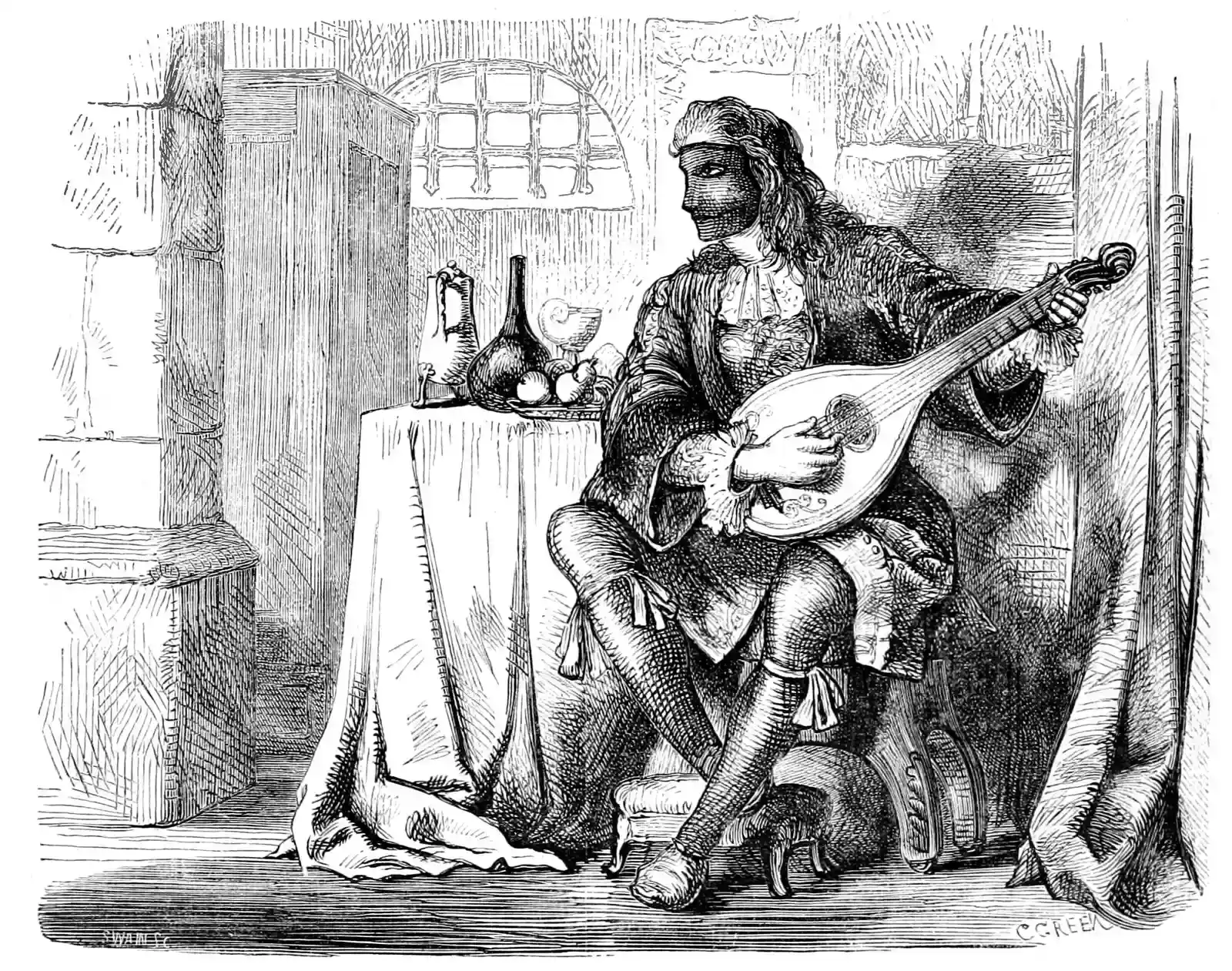
The story of a mysterious prisoner held in French jails, allegedly forced to wear a mask that hid his face, has fired imaginations for centuries. Later writers turned him into a romantic figure, weaving stories about royal twins, disgraced nobles, and dangerous secrets that could topple regimes. Archival evidence suggests there really was a long-term prisoner under heavy secrecy, but the details are maddeningly thin and often coded under false names. Historians have proposed multiple candidates, each with some circumstantial evidence but no definitive, smoking-gun document. Records from the period were incomplete, edited, or intentionally vague when it came to state security matters, and some files were likely lost or destroyed during wars and revolutions. The mask itself may have been more cloth than iron, and the legend has grown far beyond whatever mundane or scandalous reality originally existed. Untangling hard fact from later embellishment is like trying to pull one thread from a tapestry without tearing it apart, and there may simply not be enough surviving fabric left to do it.
Conclusion: Why some mysteries are better left open
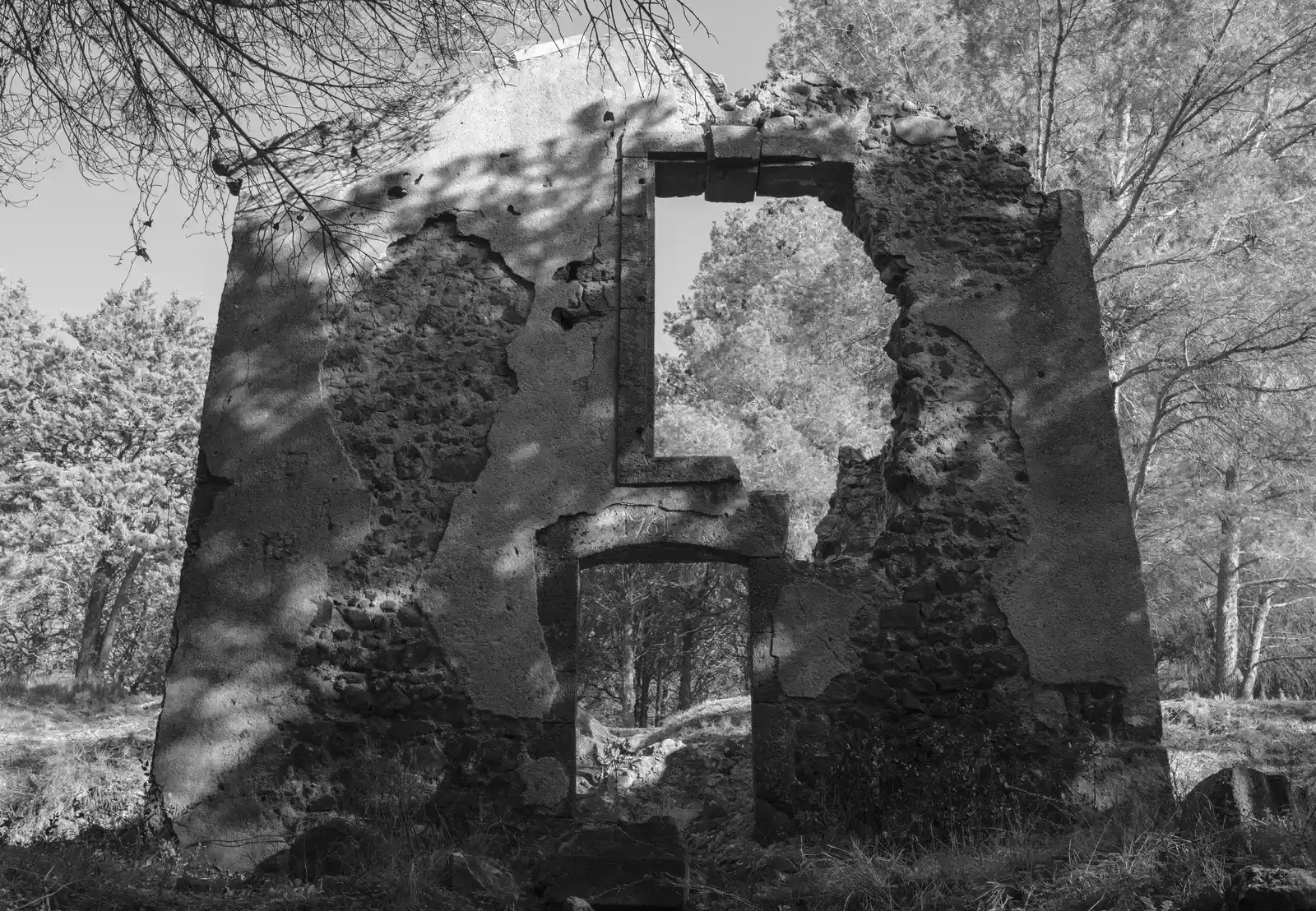
Looking at these stories side by side, a pattern emerges: it is not that humanity is incapable of solving them, but that time has stripped away too many crucial pieces. Bones are incomplete, archives are missing, landscapes have shifted, and original voices are gone. We can use science to narrow the range of possibilities and rule out the wildest ideas, but there comes a point where the honest answer is that we are staring into a gap the evidence cannot cross. Personally, I think that’s not entirely a bad thing. A world where every question had a neat, final answer would be tidy, but it would also be a little sterile. These unsolved puzzles force us to grapple with uncertainty, to weigh evidence carefully, and to notice the difference between a satisfying story and a solid conclusion. They remind us that history is not a closed book but a conversation between what really happened and what we can still see. Maybe the real challenge is not to crack every mystery, but to live comfortably with a few that will always stay just out of reach – because if we solved them all, what would be left to wonder about?