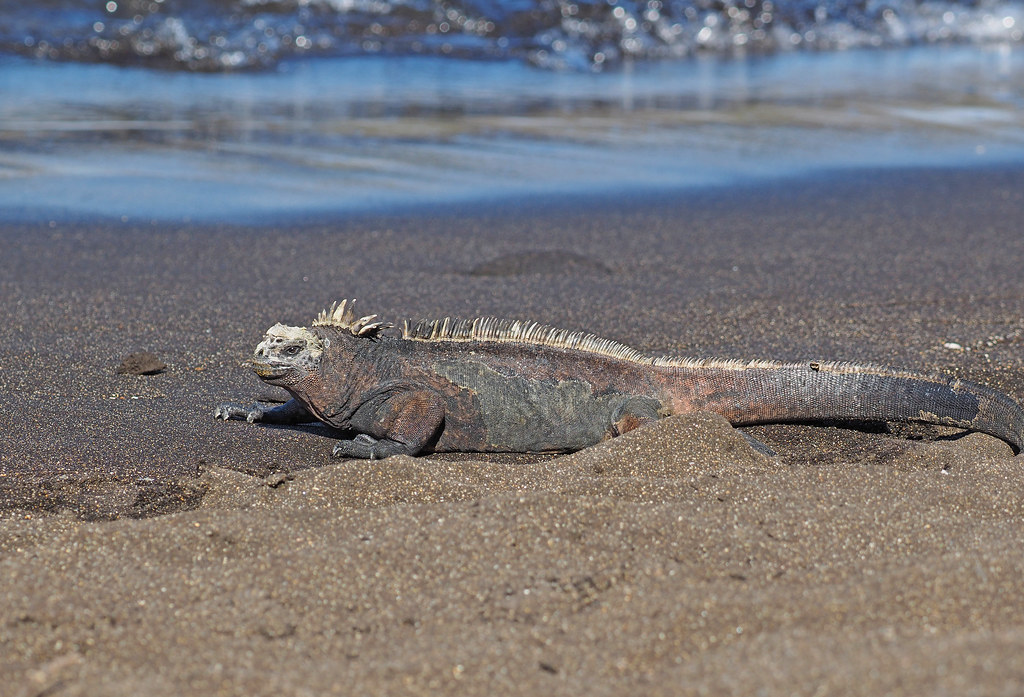
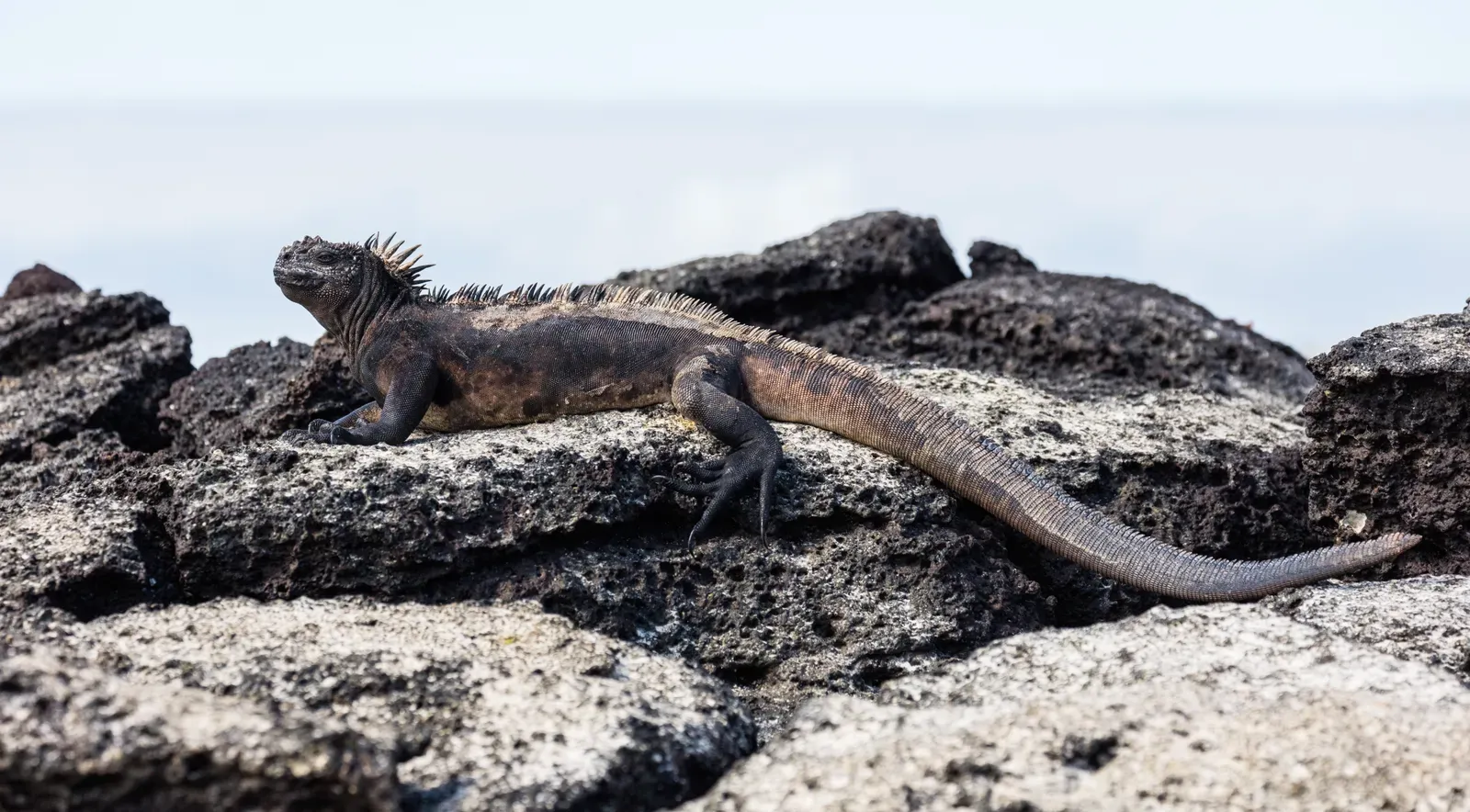
Somewhere along the black lava shores of the Galápagos, a lizard is quietly rewriting what biologists thought they knew about bones. It doesn’t happen overnight, and it isn’t visible to the casual observer snapping photos on a tour boat. But over months and years, an animal that looks otherwise unremarkable is doing something no other known reptile does with quite this precision: shortening its own skeleton, then rebuilding it, again and again, in step with the ocean’s mood swings.
It sounds like the kind of claim that belongs in a tabloid rather than a science journal. Yet this one has decades of field data behind it, marked lizards, repeated measurements, and a research trail that stretches from a surprising 2000 paper in Nature to fresh metabolic studies published just last year. What follows is the story of how scientists figured this out, why it happens, and what it might mean as the ocean around these islands keeps changing.
A Discovery That Started With a Measuring Tape

The story begins with something almost mundane: researchers measuring lizards with a tape and jotting numbers into logbooks. In the early 1990s, biologist Martin Wikelski and colleagues had been tracking marine iguanas on the islands of Santa Fe and Genovesa for years, and the numbers kept doing something that made no sense for an adult reptile. For instance, 600 iguanas were measured and marked in 1992.
At first, the team assumed they were dealing with measurement error or sloppy fieldwork. The measurements were noted and dismissed, but a pattern was soon discovered: Each of the shrinking periods came in El Niño years. Once that pattern clicked into place, a dataset that had looked like noise suddenly read like a message written across nearly two decades of fieldwork.
The El Niño Connection
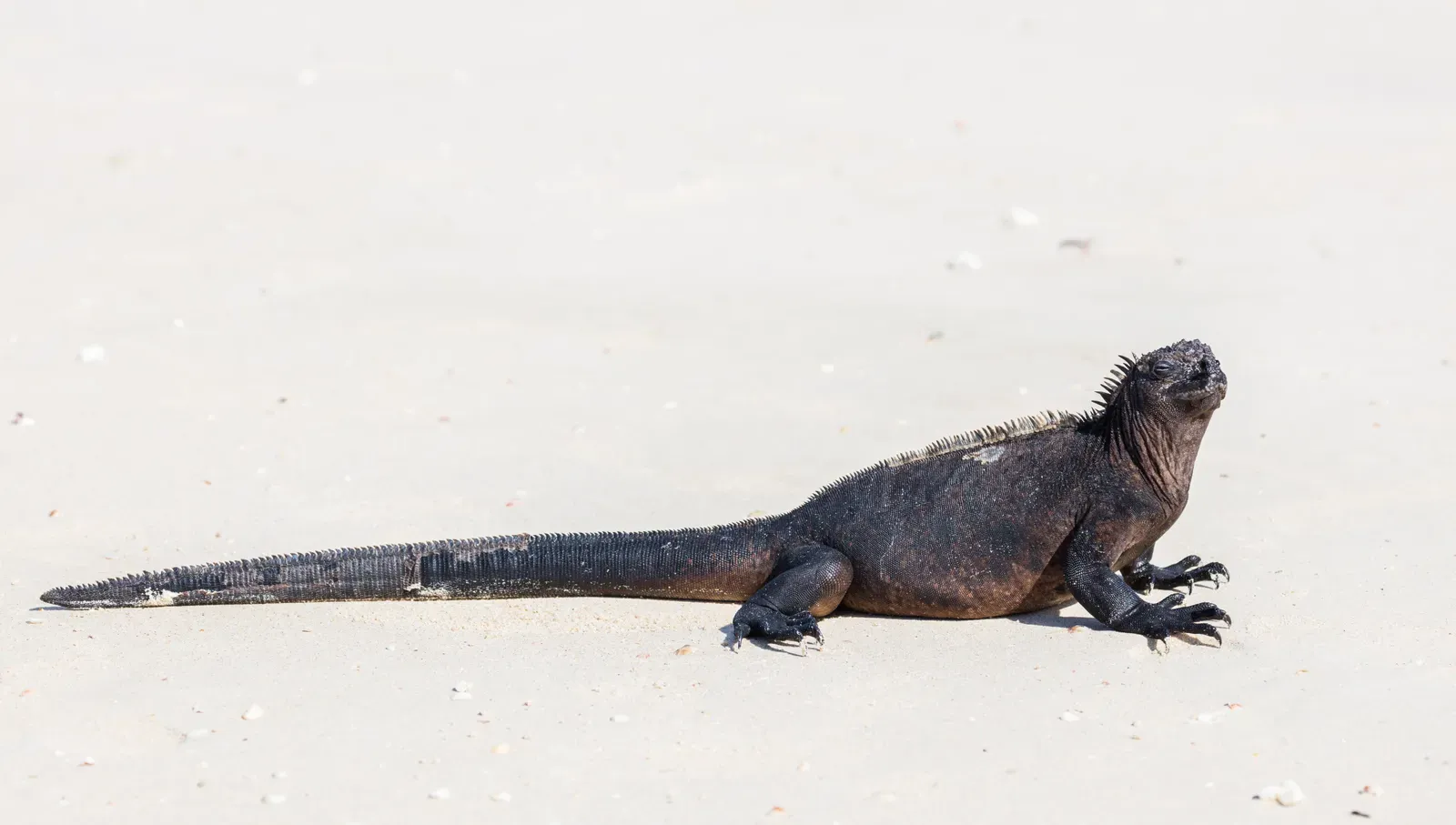
El Niño is a climate pattern that periodically warms the eastern Pacific, and for the Galápagos it is nothing short of a slow-motion famine. The selective pressure imposed by these events gave rise to a curious response in marine iguanas to the sudden and prolonged food shortages: surviving individuals were observed to shrink in body length by over 20% following El Niño events. That is not a rounding error or a trick of the tape measure. It is a substantial portion of an animal’s actual physical structure disappearing and later reappearing.
The scale of die-offs during these events explains why any survival trick, however strange, would be worth evolving. These events result in high mortality from starvation, with more than half the individuals across the archipelago perishing in extreme cases, and mortality reaching as much as 90 percent in the most susceptible populations. Against numbers like that, a lizard that can trim itself down to survive suddenly looks less like a curiosity and more like a matter of life and death.
How Much Do They Actually Shrink?
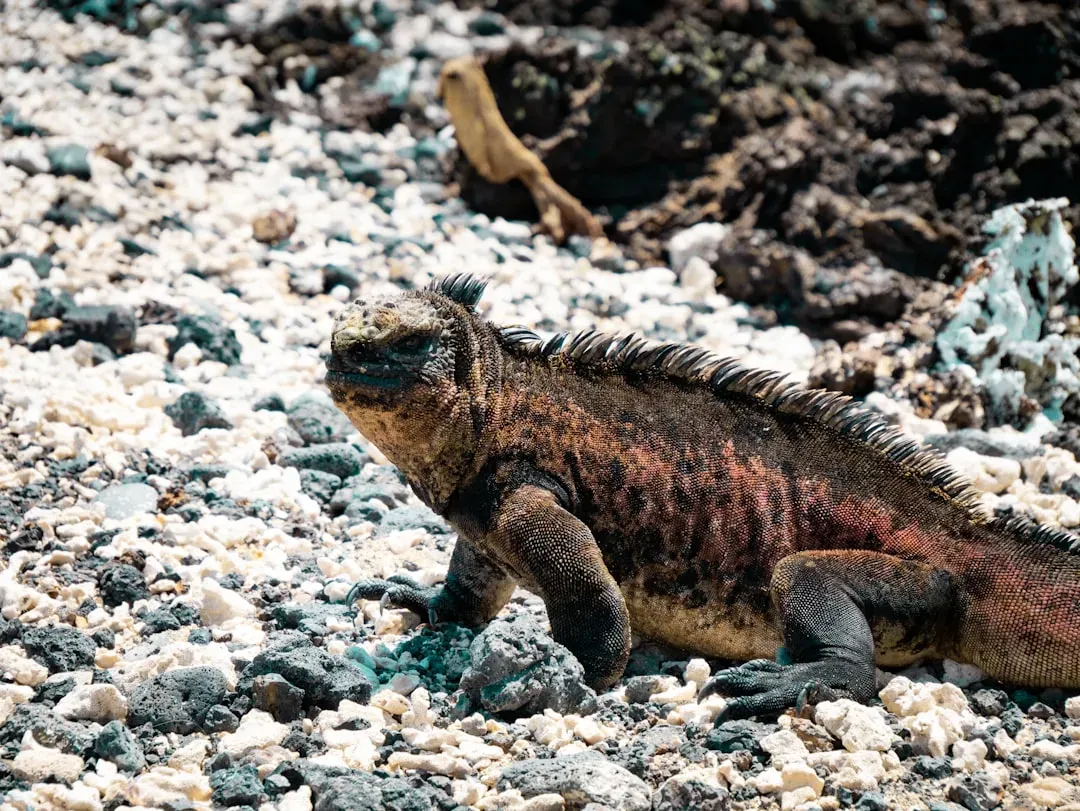
The specific figures from the original research are striking on their own. Scientists studying marine iguanas of two island populations reported that the herbivorous reptiles shrank as much as 6.8 centimeters, or 2.7 inches, up to 20 percent of body length, in two-year time spans. For a lizard, losing a fifth of its overall length is not a subtle adjustment; it is a dramatic restructuring of the body.
Not every iguana shrinks by the same amount, and size itself seems to matter. The larger iguanas, those more than 300 millimeters from snout to anus, shrank the most and survived the longest. That detail suggests shrinking isn’t a passive side effect of starvation but something closer to a targeted strategy, one that pays off most for the animals with the most surplus tissue to spare.
The Skeleton Itself Is the Key
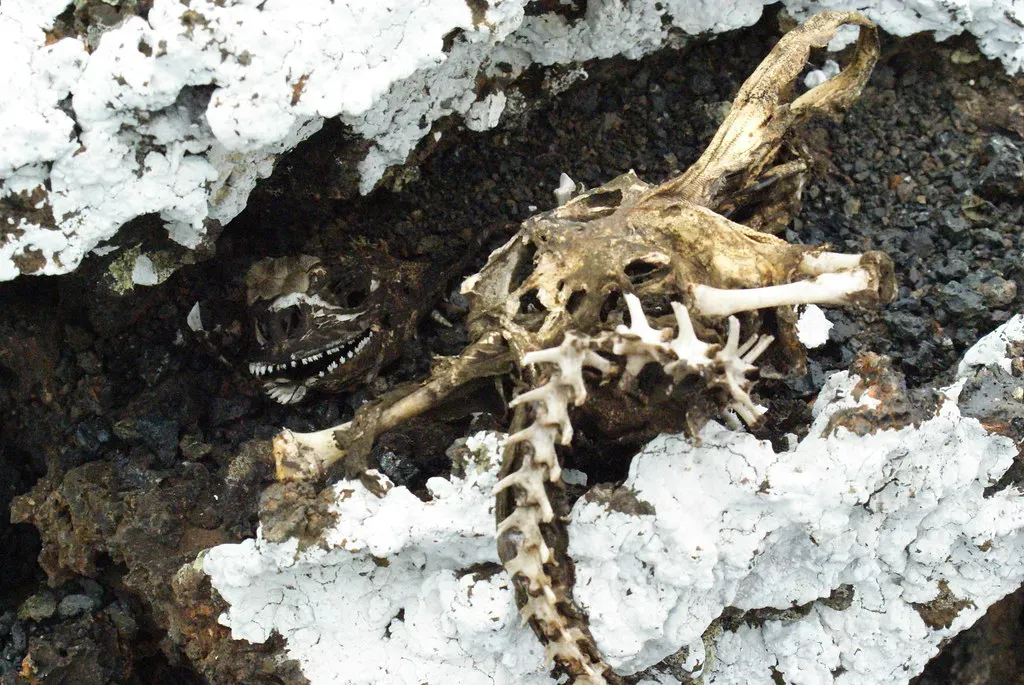
What separates marine iguanas from other animals that lose weight during hard times is where the shrinking actually happens. Most creatures burn fat and muscle when food runs short, but their skeletal frame stays fixed. Marine iguanas go further, and the difference lies in the bone itself. A. cristatus is unique in that it accomplishes shrinking by resorption of body tissues, not only soft tissues but cartilage and bone too.
This is where the science gets genuinely unusual. Reabsorbing bone tissue is something the body normally does gradually, over a lifetime, or in response to specific medical conditions in other animals. The original Nature paper framed the underlying mechanism directly: changes in bone metabolism enable these adult lizards to reversibly alter their length. Reversibly is the operative word. This is not decay. It is closer to a controlled, biological retreat.
Why the “Accordion” Metaphor Fits
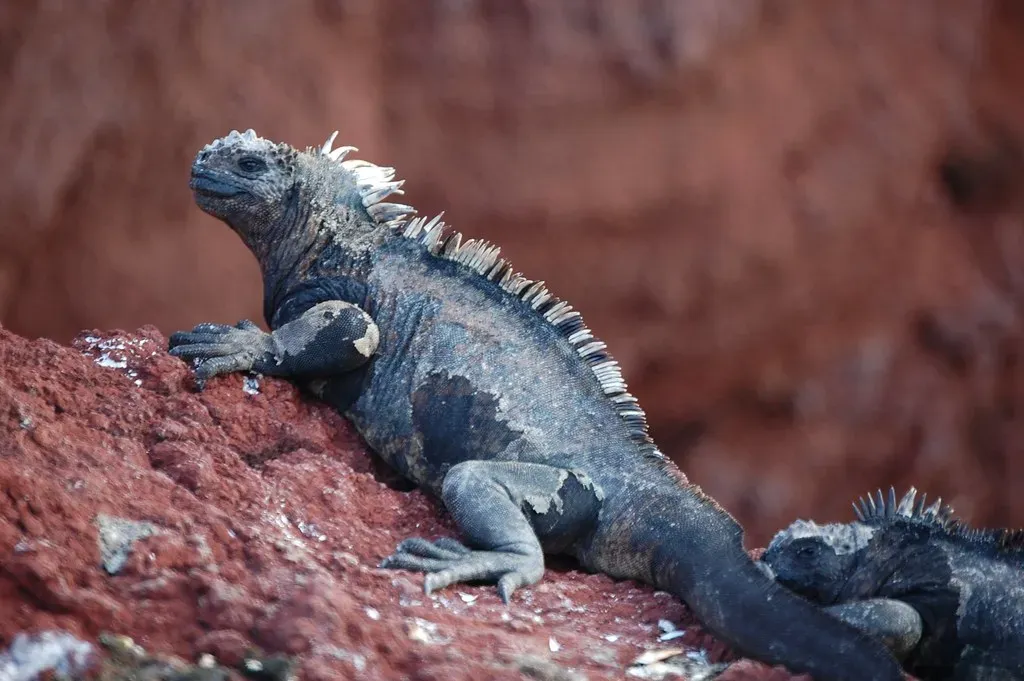
Researchers studying these lizards more recently have reached for an image that captures the process better than any technical description: an accordion. There’s less food, and the marine iguana starts to shrink to survive, and then if it can hang on until the algae comes back, it’s like an iguana buffet, and this iguana grew again. The comparison sticks because it captures something true about the mechanism, a body that compresses under pressure and expands again once conditions ease, without permanent damage in either direction.
The vertebral column appears central to this flexibility. As one researcher involved in ongoing fieldwork put it while describing the phenomenon, their spines can shrink and grow. That single structural feature, a spine capable of losing and regaining length, is what makes the entire survival strategy possible in the first place.
It Is Not Just About Getting Shorter
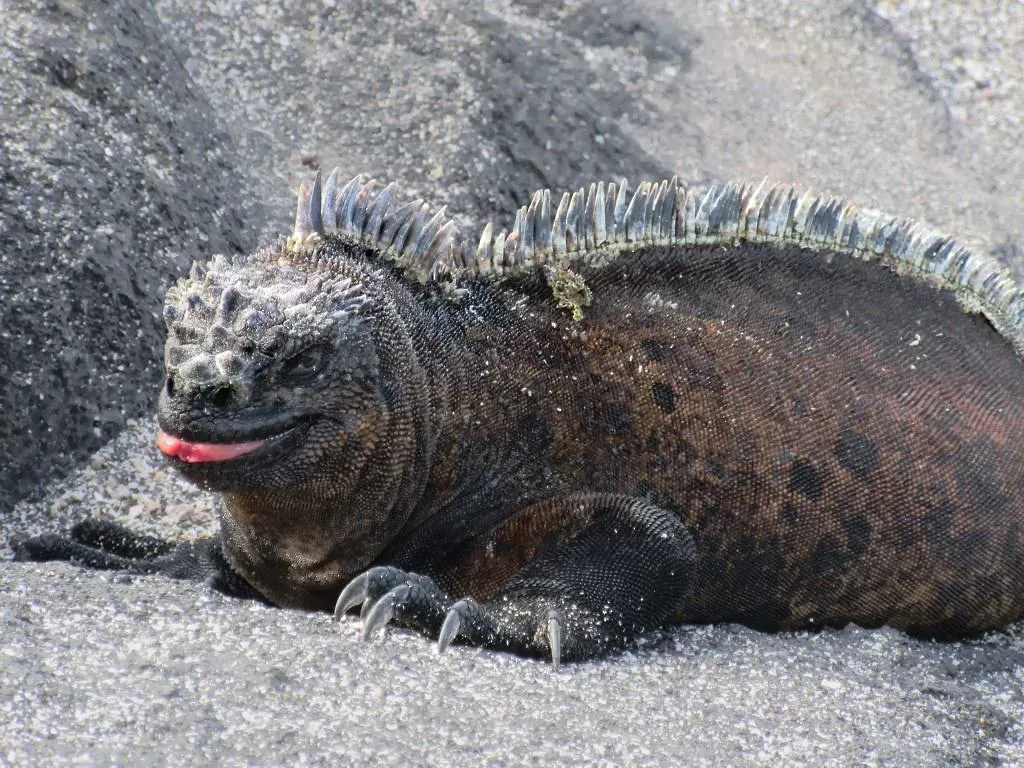
Shrinking the skeleton is only part of the picture. Marine iguanas also change shape and physiology in ways that make survival easier during lean months. In shrinking, they also get slimmer, and their mouths get smaller, making them more efficient at harvesting the tiny amounts of available algae. A smaller mouth might sound like a disadvantage, but when the only food left is a thin, hard-to-reach film of algae on rock, precision beats bulk.
The body condition changes go beyond simple length as well. During El Niño, body mass relative to length was 17% lower, girth relative to length was 12% lower, and resting metabolic rates were 20% lower. Put together, these numbers describe an animal that is not just getting smaller but recalibrating almost every dimension of its physiology to survive on less.
The Survival Math Behind the Strategy
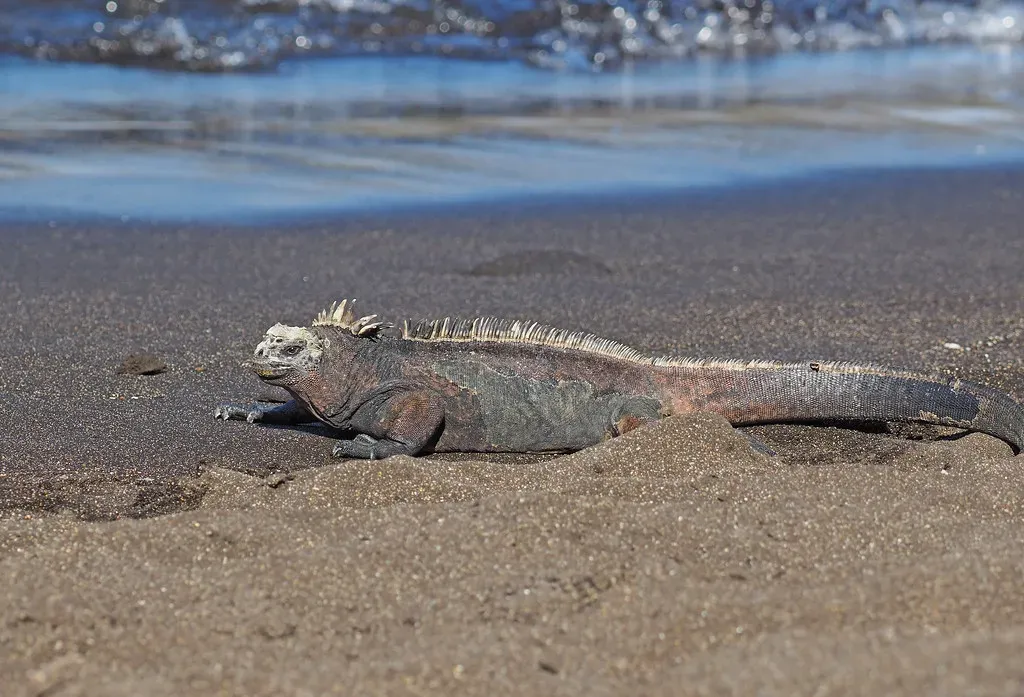
None of this would matter if shrinking didn’t actually improve an iguana’s odds, and the numbers on that front are fairly convincing. According to Wikelski’s own account of the findings, they shrink to reach a body size where survival is high, and if they shrank a centimeter or so, they already increased their survival rate by 10 percent. That is a meaningful return for a fairly modest physical change, and it helps explain why this trait would have been favored by evolution in the first place.
The metabolic side of the equation reinforces the same conclusion. Researchers have found that lower body condition during El Niño lines up with genuinely reduced energy needs, not just a smaller frame carrying the same demands. This supports the hypothesis that marine iguanas partly offset the adverse effect of El Niño by an active response aimed at reducing their energy consumption, complementary to the energy-saving effect of body size reduction. In other words, shrinking and slowing down work together, not separately, to stretch scarce resources further.
What Happens When the Algae Returns
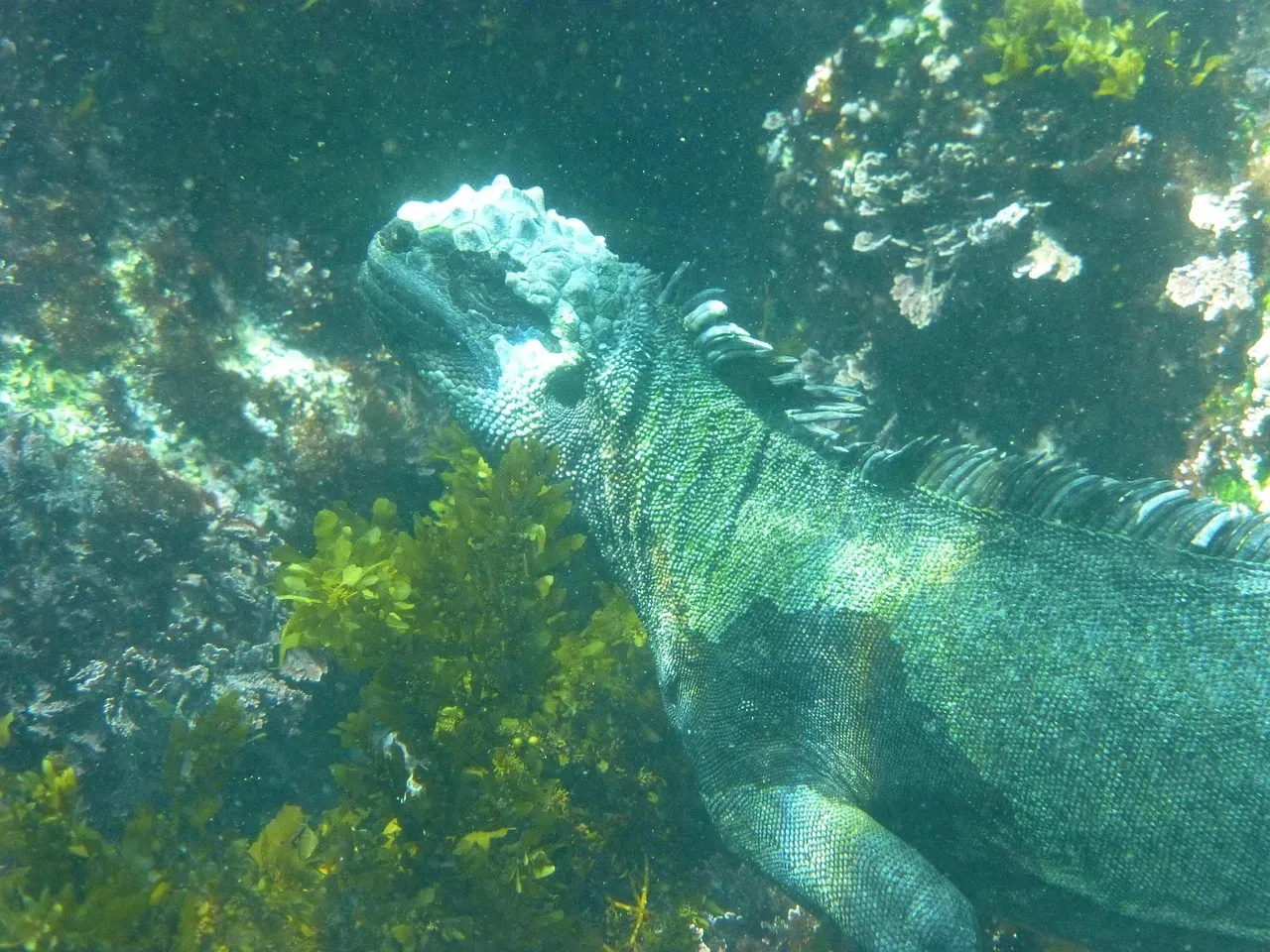
The regrowth phase is, in some ways, the more remarkable half of the story, because it confirms this is not simply wasting away toward death. Once ocean conditions normalize and food becomes abundant again, the process runs in reverse. When the East-to-West currents pick up again, the waters cool and their favoured red and green algae return, the iguanas grow back to their pre-El Niño length. The same animal that looked stunted and thin during the crisis can, within a couple of years, return to its former size.
Wikelski’s field notes captured this recovery in almost casual terms, which somehow makes it more striking. In years immediately after El Niño events, surviving iguanas ate well and got fat, then started growing longer again. It is a tidy, almost satisfying rhythm: shrink under pressure, rebuild when the pressure lifts, and repeat as needed across a lifetime that can span multiple El Niño cycles.
Final Thoughts: A Warning Wrapped in a Wonder
There is something genuinely humbling about an animal that can retool its own skeleton on demand, and it is easy to get lost in the sheer novelty of it. But I think the more important part of this story is what it implies about the future, not the past. Researchers studying these lizards have been direct about where things are headed: as El Niño events become more frequent or intense under a warming climate, this remarkable coping mechanism may be pushed harder than evolution ever designed it for.
The concern is stated plainly in the recent metabolic research on this species: future ocean warming could force this endemic species to resort to such strategies increasingly often, and will likely exacerbate the already-high mortality rates caused by these events. A trick this elegant should not be mistaken for a limitless safety net. Marine iguanas have bought themselves an extraordinary amount of resilience through millions of years of adapting to an unpredictable ocean, but resilience has limits, and those limits look closer today than they did when Wikelski first started puzzling over his measuring tape three decades ago.