There’s something oddly comforting about a mystery that refuses to be solved. In an age where satellites can photograph a single rooftop from orbit and DNA testing can trace ancestry back centuries, it’s almost strange that certain puzzles from the past still sit there, unresolved, mocking every tool we throw at them. Historians, archaeologists, and scientists have spent lifetimes chasing answers, and some have gotten close. Others have hit a wall so solid that even the best theories feel more like educated guesses dressed up in confidence.
What follows isn’t a list of ghost stories or conspiracy fodder. These are genuine historical and scientific puzzles, the kind that keep researchers up at night and fuel entire academic careers. Some involve missing people, some involve ancient technology that shouldn’t have existed yet, and a couple involve events so strange that the explanations proposed so far raise more questions than they answer.
The disappearance of the Roanoke Colony
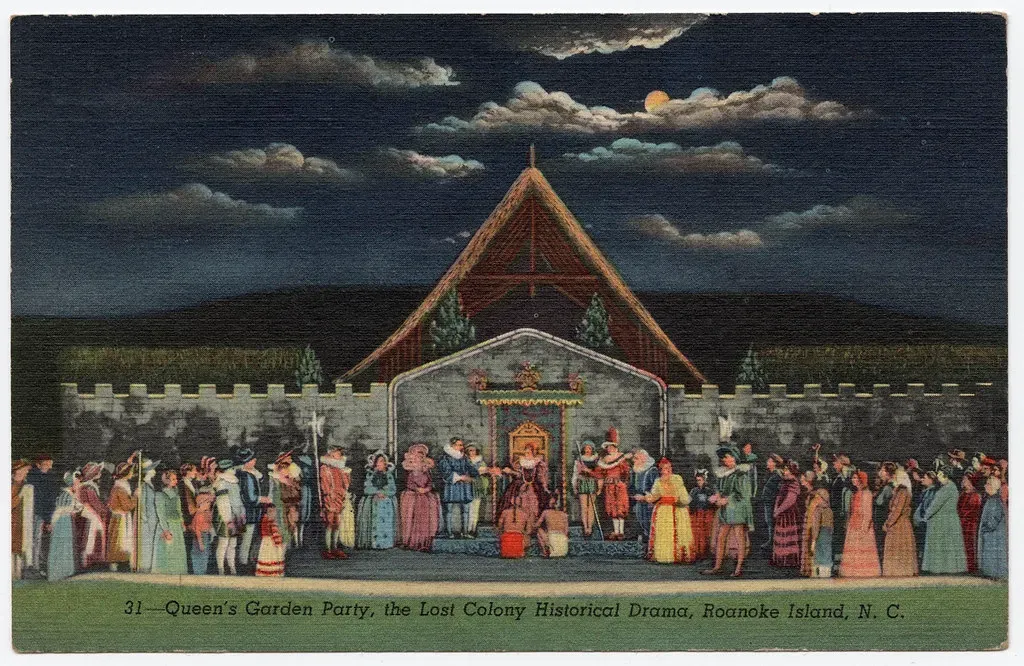
In 1587, a group of English settlers arrived on Roanoke Island off the coast of present day North Carolina, hoping to build a permanent foothold in the New World. When their governor, John White, returned from a supply trip to England three years later, he found the settlement abandoned. The only clues left behind were the word “CROATOAN” carved into a post and “CRO” etched into a nearby tree, with no signs of struggle, no bodies, and no obvious explanation.
Theories have ranged from assimilation with local Croatoan tribes to disease, starvation, or a violent encounter with a rival group. Recent archaeological digs on Hatteras Island have uncovered European artifacts mixed with Native American items, suggesting some colonists may have integrated with indigenous communities rather than vanishing entirely. Still, no definitive account has ever confirmed exactly what happened to over a hundred men, women, and children, which is why Roanoke remains one of early American history’s most persistent open cases.
The construction methods behind the Great Pyramid of Giza
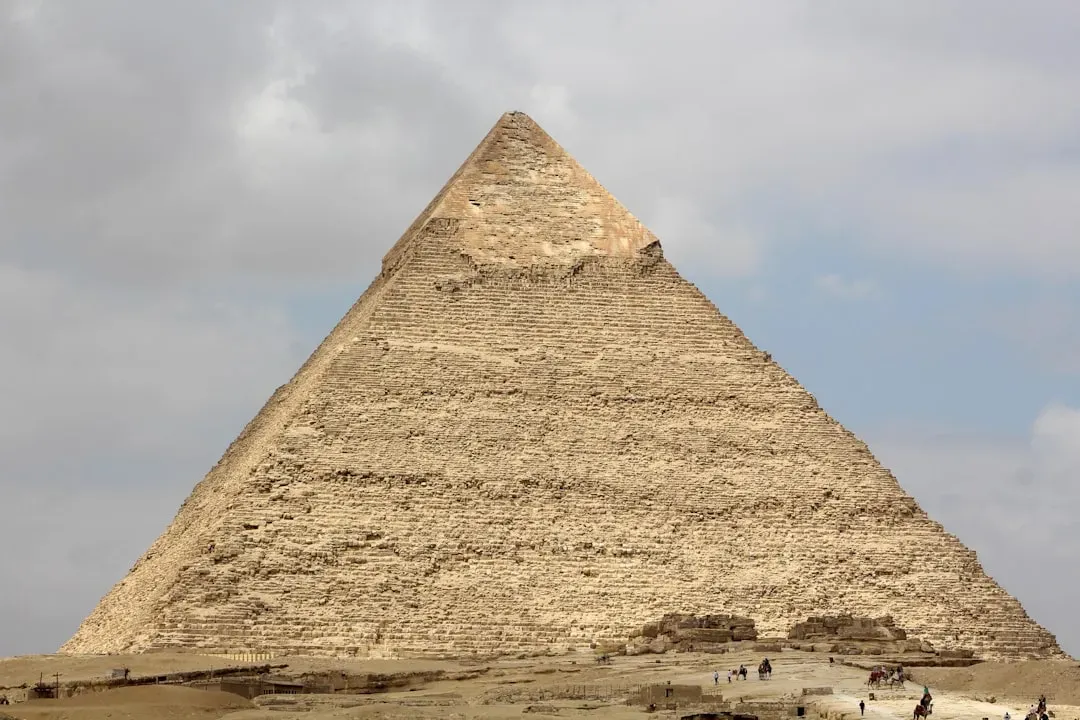
Built roughly 4,500 years ago for the pharaoh Khufu, the Great Pyramid contains over two million limestone and granite blocks, some weighing as much as several elephants combined. Engineers today still debate exactly how ancient laborers moved and lifted these massive stones with the tools available at the time, which apparently did not include the wheel in any practical hauling capacity. Various models involving ramps, levers, and wetted sand to reduce friction have been proposed, and each has partial supporting evidence.
What makes this mystery frustrating rather than simply curious is the precision involved. The pyramid’s base is level to within a couple of centimeters across a footprint larger than several football fields, and its sides align to the cardinal directions with an accuracy that modern surveyors respect. No single ramp or lever theory fully accounts for both the speed of construction and this level of exactness, leaving Egyptologists working with partial models rather than a complete answer.
The identity of Jack the Ripper
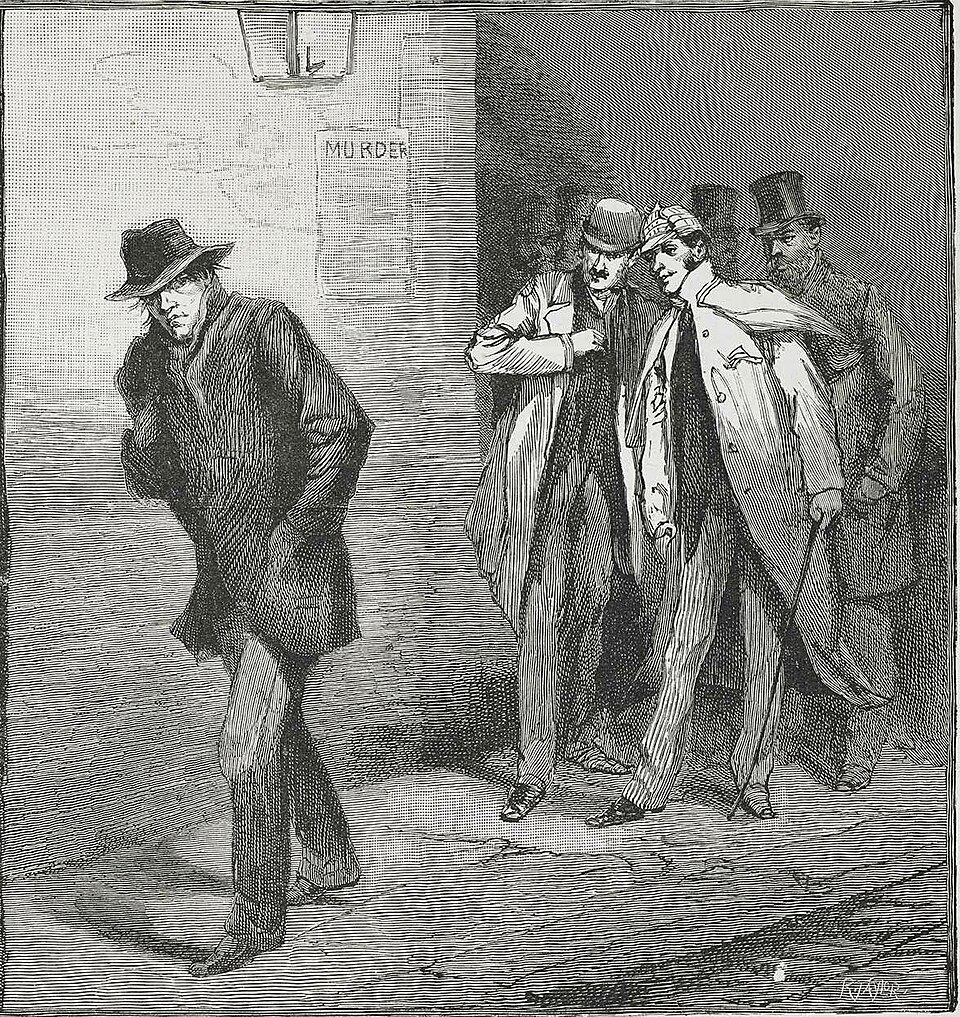
In the autumn of 1888, a series of brutal murders in London’s Whitechapel district shocked the public and gave rise to one of criminal history’s most enduring cold cases. Five women, all believed to have been sex workers, were killed and mutilated in ways that suggested some anatomical knowledge on the killer’s part. Despite hundreds of suspects investigated by Scotland Yard at the time, no one was ever charged, and the case was never solved.
Modern forensic attempts, including controversial DNA analysis on a shawl allegedly connected to one victim, have pointed toward a Polish immigrant named Aaron Kosminski, but the evidence remains disputed among historians and scientists alike. The original case files, witness statements, and physical evidence have been picked apart for over a century, yet no consensus has emerged. Jack the Ripper’s true identity remains, by most professional accounts, genuinely unknown rather than merely unconfirmed.
The Antikythera Mechanism’s true purpose
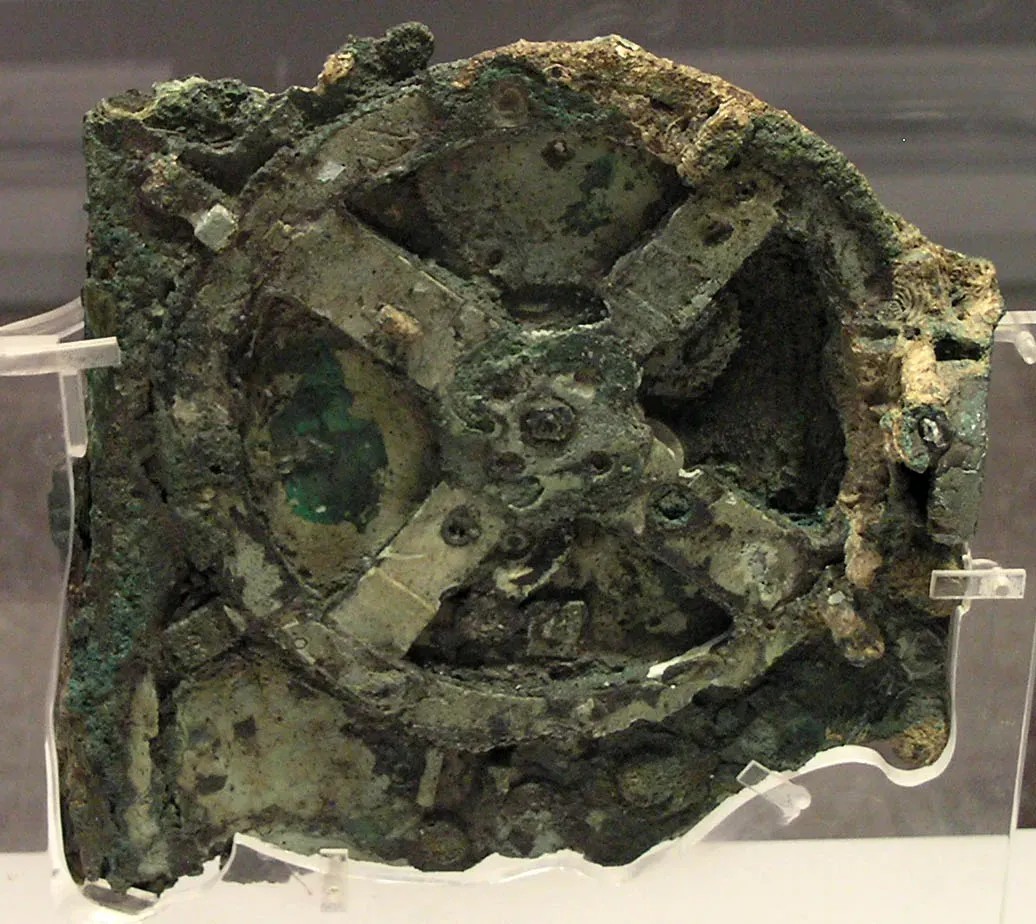
Recovered from a shipwreck near the Greek island of Antikythera in 1901, this corroded bronze device turned out to be a geared mechanism of astonishing complexity, dated to around the second century BCE. Modern X-ray imaging revealed over thirty interlocking gears capable of tracking the movements of the sun, moon, and possibly several planets, along with predicting eclipses. Nothing else this sophisticated appears in the historical record for well over a thousand years afterward.
Researchers generally agree it functioned as some kind of astronomical calculator, but the identity of its maker, the school of thought behind it, and how widespread this technology actually was remain open questions. Some scholars suspect it represents the surviving example of a broader tradition of Greek mechanical engineering that simply didn’t survive elsewhere. Whether it was a one off marvel or a common tool of its era is a debate that continues among historians of science.
The fate of the Mary Celeste’s crew
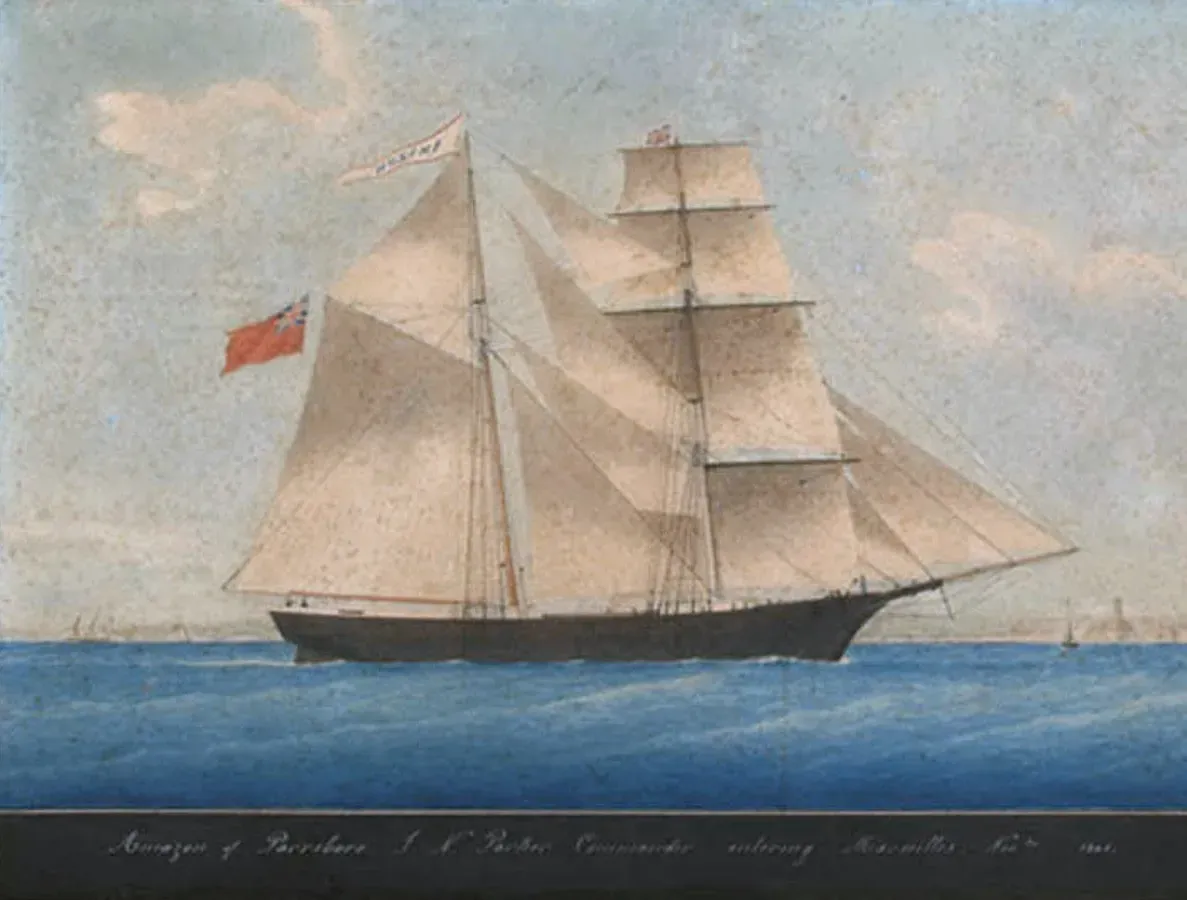
In December 1872, the merchant ship Mary Celeste was found drifting in the Atlantic Ocean, fully seaworthy, with cargo intact and personal belongings undisturbed, but with not a single crew member aboard. The lifeboat was missing, suggesting the crew left voluntarily rather than through violence, yet no trace of the captain, his family, or the seven sailors was ever found. The ship’s log gave no indication of distress in its final entries.
Explanations have included fears of a cargo explosion from leaking alcohol barrels, a sudden storm mistaken for a sinking threat, or even a rogue wave event. Each theory accounts for some details but fails to explain others, particularly why an experienced captain would abandon a stable ship for a small lifeboat in open ocean. Maritime historians still consider this one of the sea’s great unsolved vanishing acts.
The purpose of Stonehenge
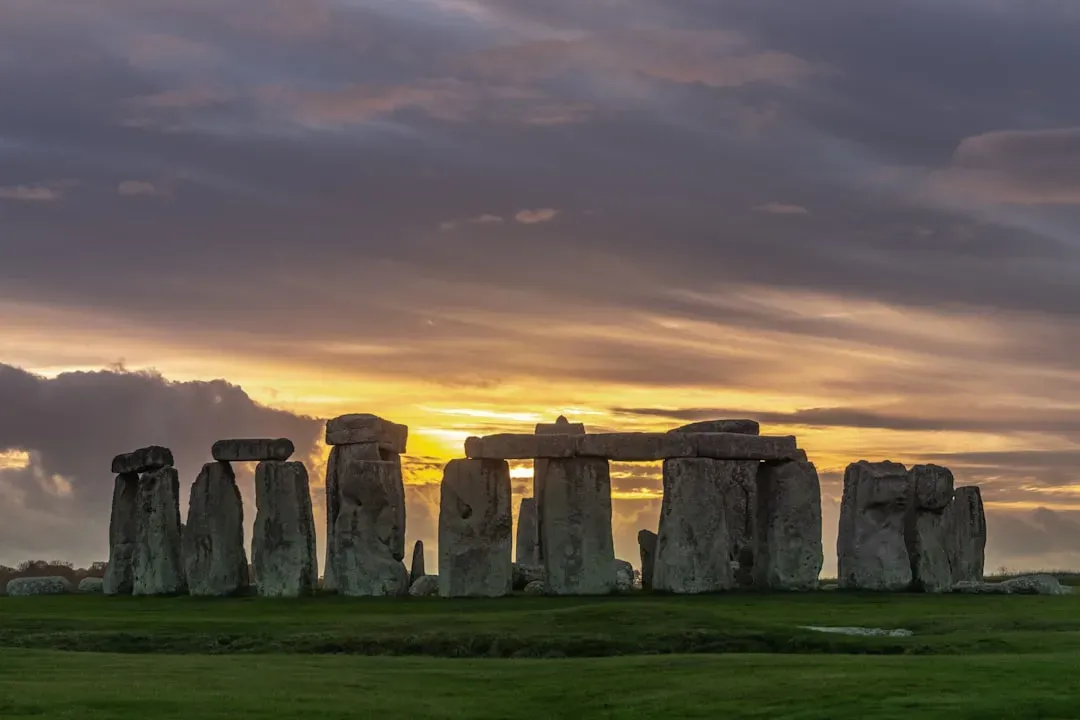
Standing on Salisbury Plain in England, Stonehenge’s massive sarsen stones and smaller bluestones were assembled over several construction phases spanning roughly 1,500 years, beginning around 3000 BCE. Some of the bluestones were transported from quarries in Wales, nearly 150 miles away, a feat that itself raises questions about Neolithic engineering and organization. The site aligns with the solstices, which suggests some astronomical or ceremonial function.
Whether it served as a burial ground, a healing site, a calendar, or a gathering place for seasonal rituals remains genuinely contested among archaeologists. Recent excavations have uncovered cremated remains dating across centuries, supporting the idea of a long term burial function, though this doesn’t rule out additional ceremonial uses. The full scope of what Stonehenge meant to the people who built it likely died with them.
The undeciphered Voynich Manuscript
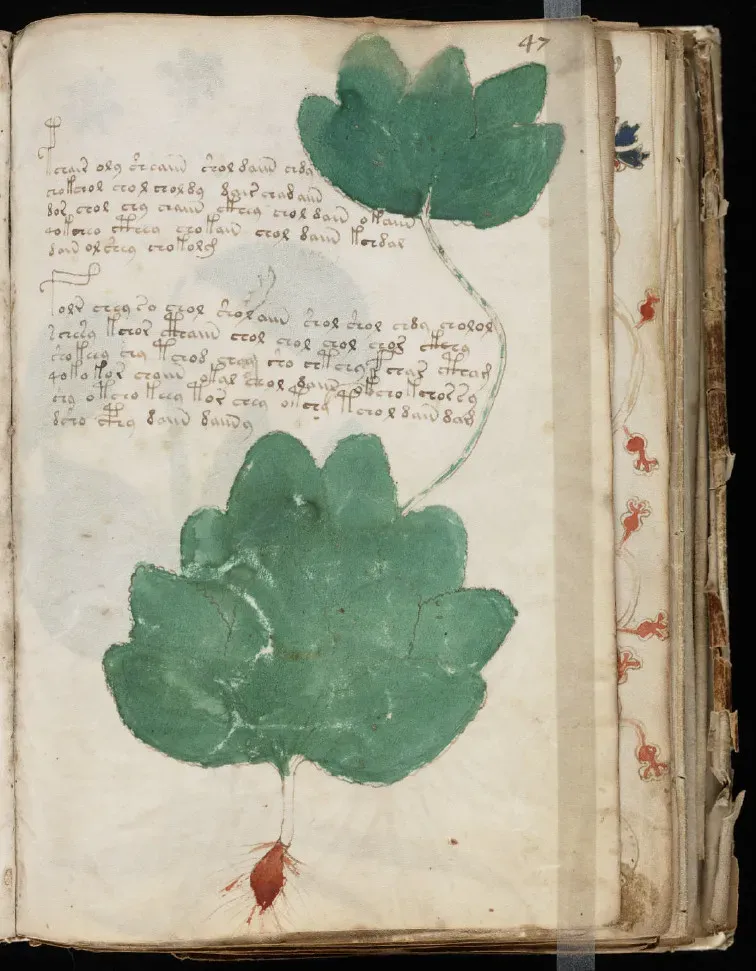
Named after the book dealer who acquired it in 1912, this early fifteenth century manuscript is filled with an unknown script, alongside illustrations of unidentifiable plants, astronomical diagrams, and figures bathing in green liquid. Carbon dating has confirmed the vellum’s age, ruling out modern forgery, yet no linguist, cryptographer, or historian has managed to translate a single confirmed sentence. Even sophisticated computer analysis has failed to crack its structure.
Some researchers argue it’s an invented language or a sophisticated hoax meant to fool a wealthy buyer, while others believe it encodes real medical or botanical knowledge in a lost dialect or cipher. The text follows statistical patterns similar to natural languages, which complicates the hoax theory somewhat. For now, the Voynich Manuscript sits in Yale’s Beinecke library as one of history’s most stubborn linguistic puzzles.
What caused the Bronze Age Collapse
Around 1200 BCE, several advanced civilizations across the eastern Mediterranean and Near East, including the Mycenaeans, Hittites, and various Egyptian dynasties, experienced sudden and dramatic decline within a span of decades. Trade networks collapsed, cities were abandoned or destroyed, and writing systems vanished in some regions for centuries. Ancient Egyptian records mention mysterious “Sea Peoples” who attacked coastal settlements during this period.
Modern researchers point to a combination of factors, including prolonged drought, earthquakes, internal rebellions, and disrupted trade routes, but no single explanation accounts for the scale and speed of the collapse across so many distinct cultures simultaneously. It’s one of the few times in ancient history where an entire interconnected system seems to have failed at once. Archaeologists continue debating whether this was a slow unraveling or a genuine sudden catastrophe.
The purpose behind the Nazca Lines
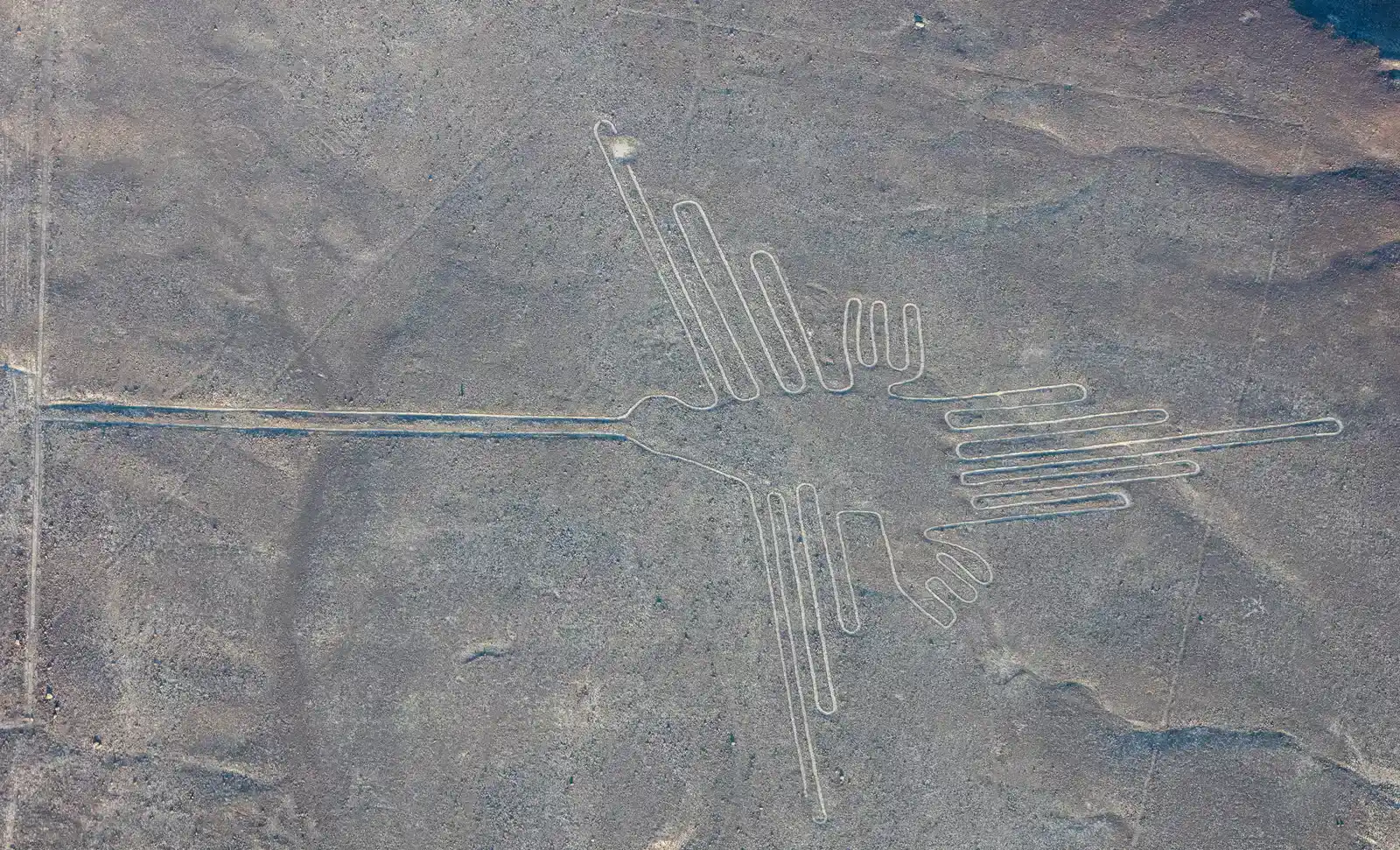
Etched into the arid plains of southern Peru between roughly 500 BCE and 500 CE, the Nazca Lines form massive geoglyphs depicting animals, plants, and geometric shapes, some stretching hundreds of feet across. They’re best viewed from elevated positions or the air, which raises the obvious question of why a civilization without flight would create art meant to be seen from above. The dry climate has preserved these markings remarkably well over two millennia.
Leading theories suggest religious or astronomical significance, possibly tied to water sources or agricultural cycles important to the Nazca people. Others propose the lines functioned as ceremonial pathways walked during rituals rather than purely visual displays. Without written records from the Nazca civilization itself, archaeologists are largely left interpreting intent from physical evidence alone, and the true purpose remains unconfirmed.
The disappearance of Amelia Earhart

In July 1937, aviator Amelia Earhart and navigator Fred Noonan vanished over the Pacific Ocean during an attempt to circumnavigate the globe by air, their last confirmed radio transmissions indicating trouble locating Howland Island for refueling. Despite one of the largest search efforts in aviation history at the time, no confirmed wreckage of their aircraft has ever been recovered. The case has generated decades of speculation and numerous expeditions.
Some researchers believe the plane simply ran out of fuel and crashed into the ocean, while others point to possible landing and survival on the remote atoll of Nikumaroro, citing artifacts and bone fragments found there over the years. DNA and forensic analysis of these findings has been inconclusive or disputed. Nearly ninety years later, Earhart’s actual fate remains one of aviation’s most searched for and least resolved answers.
The identity of the Zodiac Killer
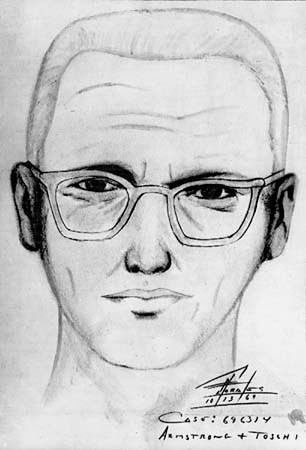
Operating in Northern California during the late 1960s and early 1970s, the Zodiac Killer taunted police and newspapers with encrypted letters, claiming responsibility for multiple murders while providing cryptic ciphers as a form of communication. One of these ciphers went unsolved for over fifty years until amateur codebreakers finally cracked it in 2020, though the message revealed contained no name or direct confession. The killer was never definitively identified or captured.
Numerous suspects have been investigated over the decades, with law enforcement and independent researchers each championing different candidates based on circumstantial evidence, handwriting analysis, and witness accounts. None of these theories have produced conclusive proof strong enough to close the case officially. The Zodiac Killer’s true identity remains an open investigation in California, technically unsolved even now.
The lost civilization behind Puma Punku’s precision stonework
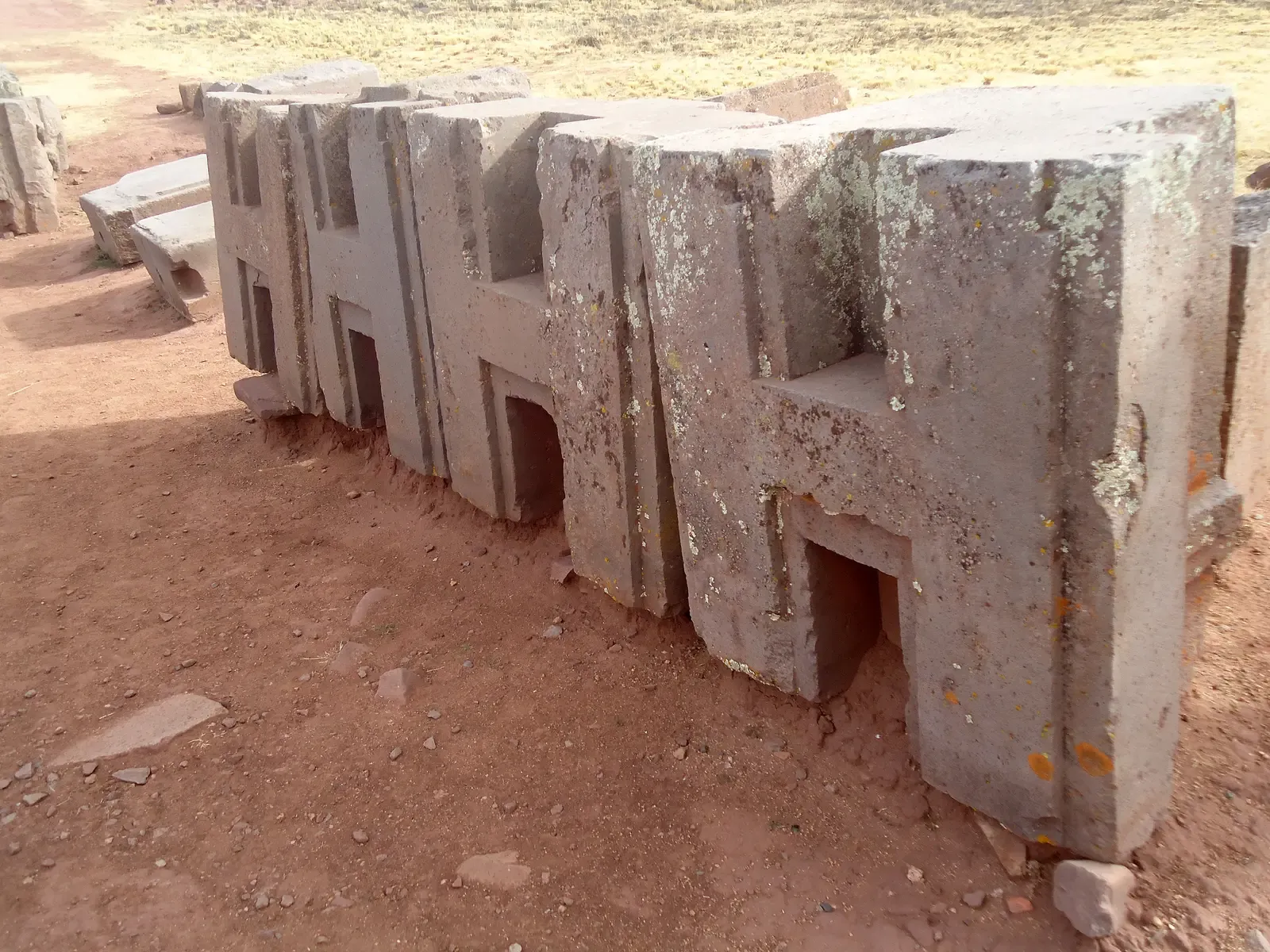
Located near Lake Titicaca in Bolivia, the ancient site of Puma Punku features massive stone blocks cut with a level of precision that seems startlingly advanced for its estimated construction period, somewhere around 500 to 600 CE, though some researchers argue for an earlier date. The stones include interlocking joints and geometric cuts that fit together with tight tolerances, and the andesite and red sandstone used were sourced from quarries located miles away. How the blocks were shaped and transported using tools available at the time remains debated.
Mainstream archaeologists attribute the work to the Tiwanaku civilization using stone, copper, and bronze tools alongside abrasive techniques, while acknowledging the exact methods aren’t fully reconstructed from surviving evidence. The site’s advanced appearance has fueled fringe theories involving lost technology, though most experts maintain the achievement reflects skilled but conventional ancient engineering that we simply haven’t fully reverse engineered yet. Either way, the specific techniques used to achieve such precision have not been conclusively demonstrated or replicated.
Final thoughts on what we don’t know
Reading through cases like these, it’s tempting to assume that with enough time, technology, or funding, every one of these mysteries will eventually get solved. I’m not convinced that’s true, and honestly, I think that’s fine. Some questions might genuinely be unanswerable now, not because we’re lazy or under-resourced, but because the physical evidence has degraded, been lost, or never existed in a form we can analyze centuries later.
What strikes me most is how these mysteries resist the modern assumption that data and technology can unlock anything given enough effort. Roanoke’s colonists, Jack the Ripper’s identity, Earhart’s final moments; these aren’t puzzles waiting for the right algorithm. They’re reminders that history is messier and more human than our tidy databases would like to admit. Maybe that’s exactly why they still fascinate us. Certainty is comfortable, but mystery, it turns out, is a lot more interesting.