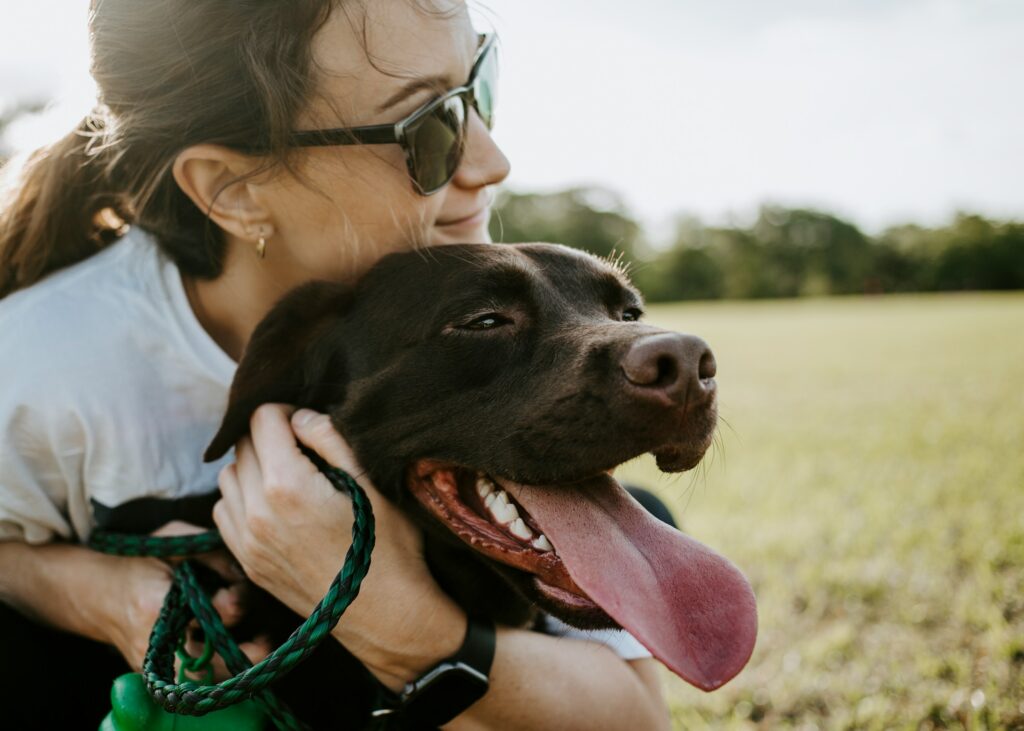
You probably underestimate just how much your everyday habits shape your dog’s entire sense of home. To you, it might just be the way you talk to them in the kitchen or how you always leave a spot on the couch, but to your dog, those tiny things scream one big message: this is where you belong. When you start seeing your life from your dog’s point of view, it becomes obvious that you are not just their person – you’re their whole world. I still remember the first time it really hit me. I came home late, stressed and distracted, but my dog was at the door with that full-body wiggle. I barely said a word, just dropped my bag and sat on the floor, and he leaned into me with a big sigh. In that moment, I realized something simple and powerful: you don’t need to be perfect, you just need to be consistently, genuinely there. That’s what belonging feels like for a dog – and you create that feeling in more ways than you think.
1. The Way You Come Home Like They Matter
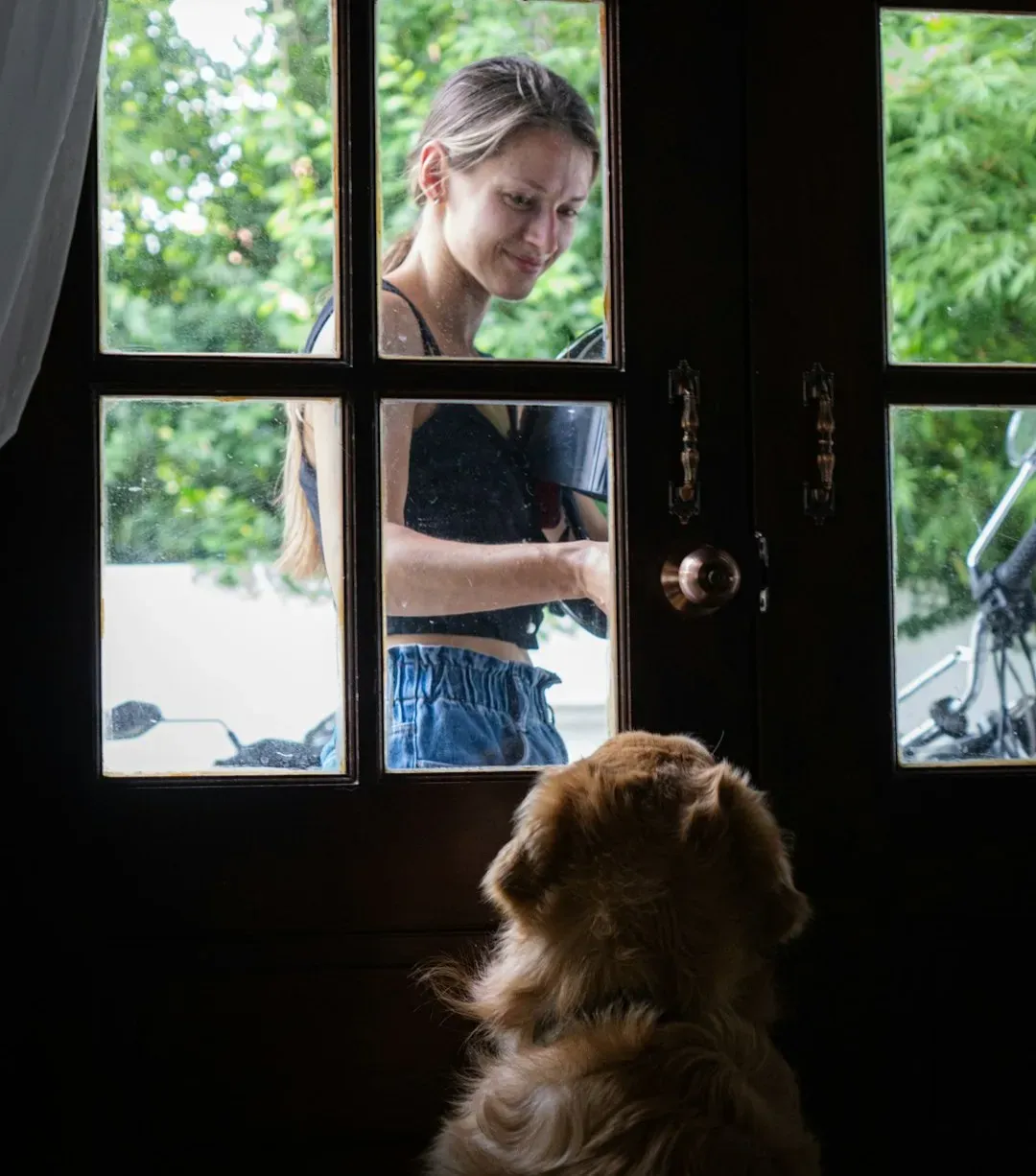
Every time you walk through the door, your dog is waiting like it’s the best part of their day – because it is. When you bend down, say their name, scratch their ears, or do that silly voice you’d never use in public, you tell them they’re not just background noise in your life. You become their anchor, the moment that turns an empty house back into home. Even on days when you’re exhausted or grumpy, that tiny bit of effort to greet them warmly means everything. Your consistent welcome teaches your dog that no matter what happened out there in the world, in here they are always wanted, always noticed, and always worth getting excited about. That predictability is what builds their quiet, unshakable sense of belonging.
2. Your Predictable Little Routines
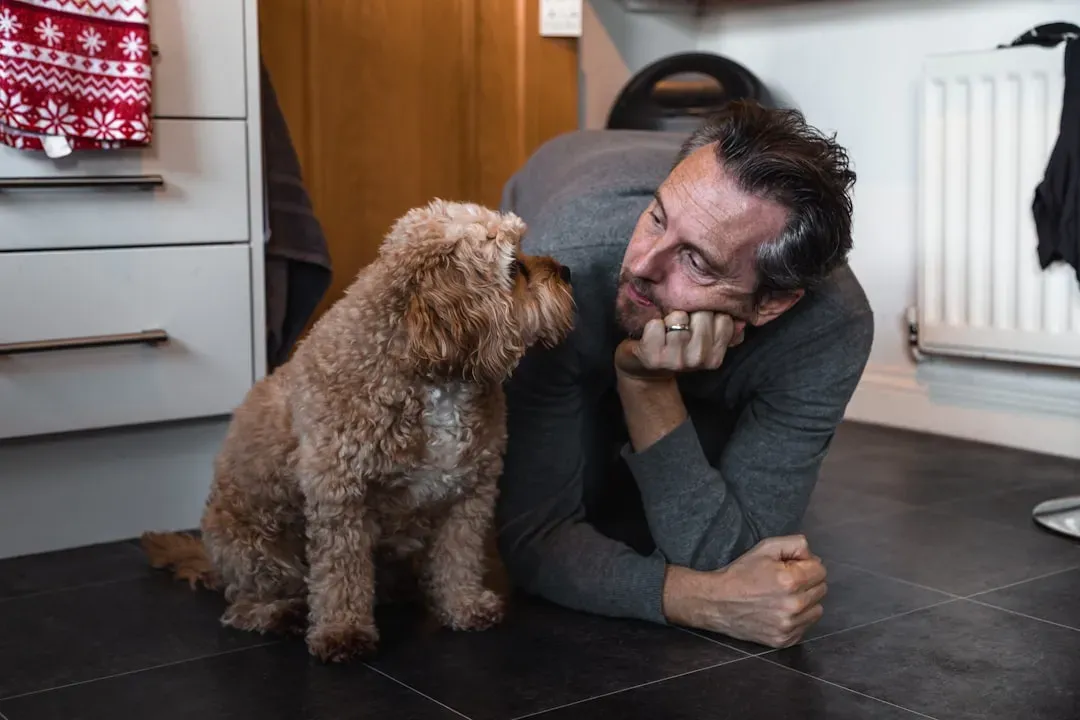
You might think your life is chaotic, but to your dog, you’re surprisingly predictable in comforting ways. You feed them around the same times, you walk the same route most mornings, you head toward the bedroom at night in a familiar pattern. Your dog watches all of it and pieces together a safe, understandable world where they can relax instead of constantly guessing what comes next. Dogs are wired to find patterns, and your routines are their roadmap. When they know that after breakfast comes a walk, or after dinner you always end up on the couch together, they can settle instead of worrying. That feeling – “I know what happens here, and I know my role in it” – is exactly what belonging feels like for a dog.
3. The Space You Quietly Reserve Just for Them
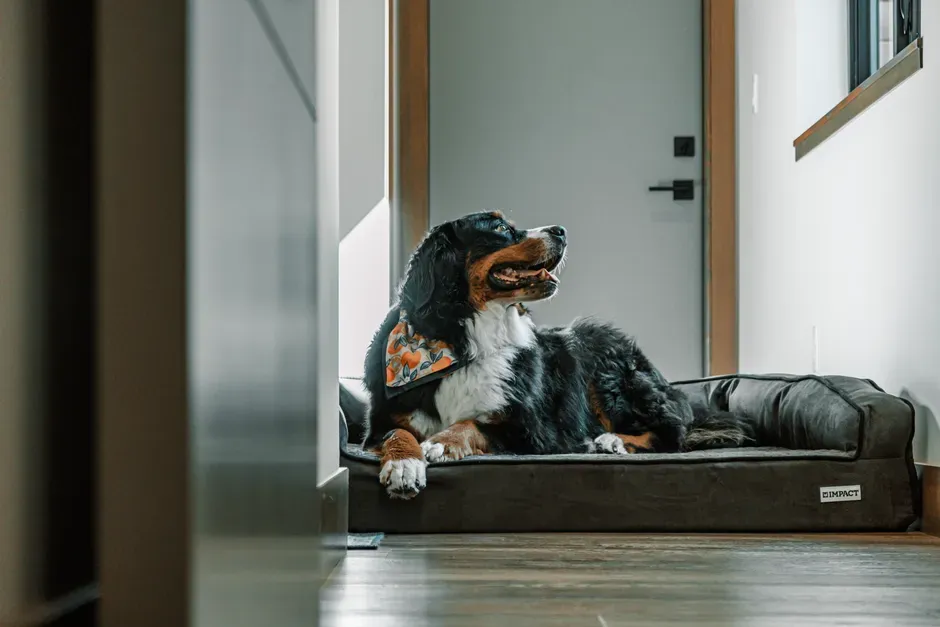
Maybe it’s a dog bed tucked by the window, a blanket on the couch they’ve basically claimed, or that weird little corner where their toys always pile up. When you create spaces where your dog is not only allowed but expected to be, you’re telling them this house was arranged with them in mind. They’re not a guest; they’re part of the layout. Even small choices send big signals: leaving their water bowl where it’s easy to reach, not moving their bed every week, letting them nap at your feet while you work. You’re building a map of “safe zones” where your dog never has to ask permission just to exist. That constant sense of physical safety and acceptance grounds them emotionally too.
4. The Way You Learn Their Language
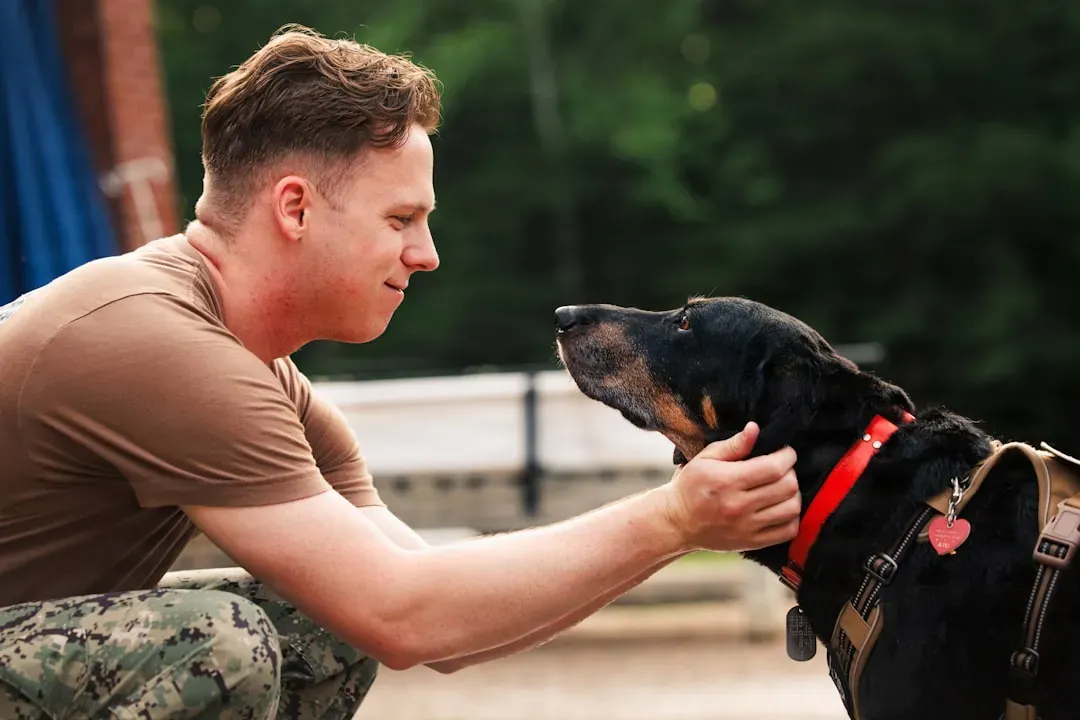
You probably understand more “dog” than you give yourself credit for. You notice when their tail is stiff instead of wiggly, when their ears tilt back just a little, when that one soft whine means “I’m unsure” rather than “I want a treat.” Every time you respond to those subtle cues – giving space, offering comfort, changing the environment – you show them they’re not invisible. When you treat your dog’s emotions as real and important, they feel seen in a way that goes far beyond commands and tricks. You become that rare human who doesn’t just talk at them, but actually listens. That kind of emotional attunement is what makes your dog feel like they truly belong with you, not just in your house.
5. Your Calm When They’re Afraid
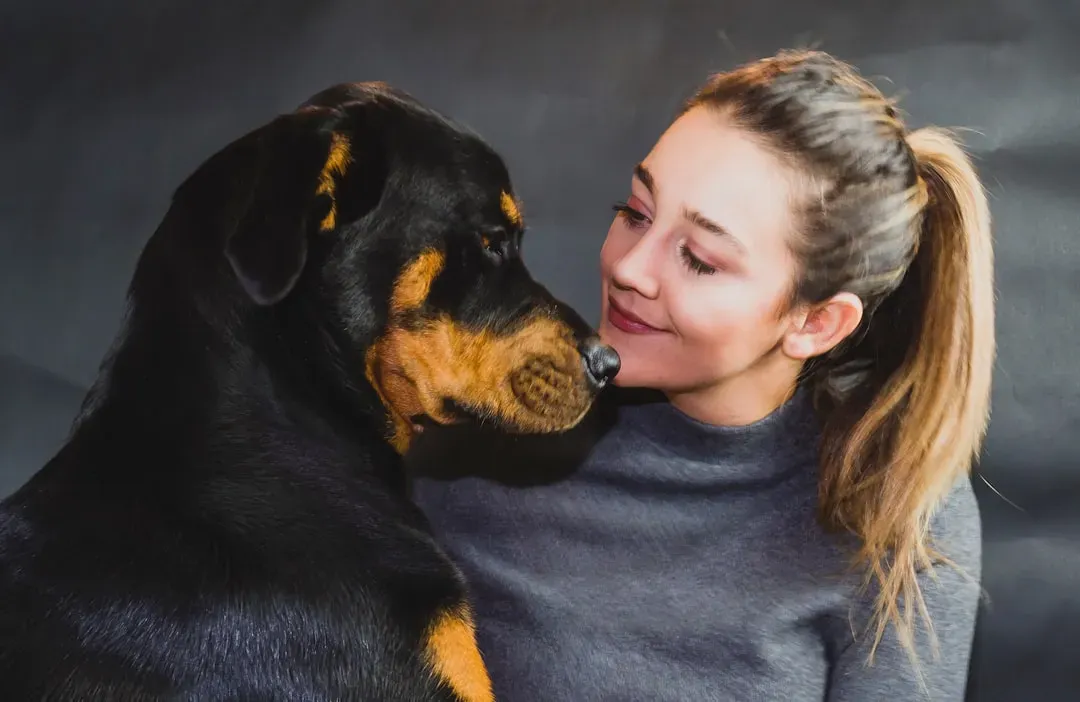
Storms, fireworks, strange noises, new places – the world can be a loud, confusing mess for a dog. In those moments, they watch you like a lifeline. When you stay calm, speak softly, and move slowly instead of panicking or getting annoyed, you become their safe harbor in a stormy sea. Your energy tells them how worried they should be. If you sit on the floor with them during thunder, offer gentle touch if they want it, or simply stay nearby so they are not alone, you’re doing something powerful. You’re teaching them that fear does not mean abandonment. They learn that in this home, scary things might happen, but you never leave them to face it alone – and that bonds them to you more than any treat ever could.
6. The Boundaries You Actually Stick To
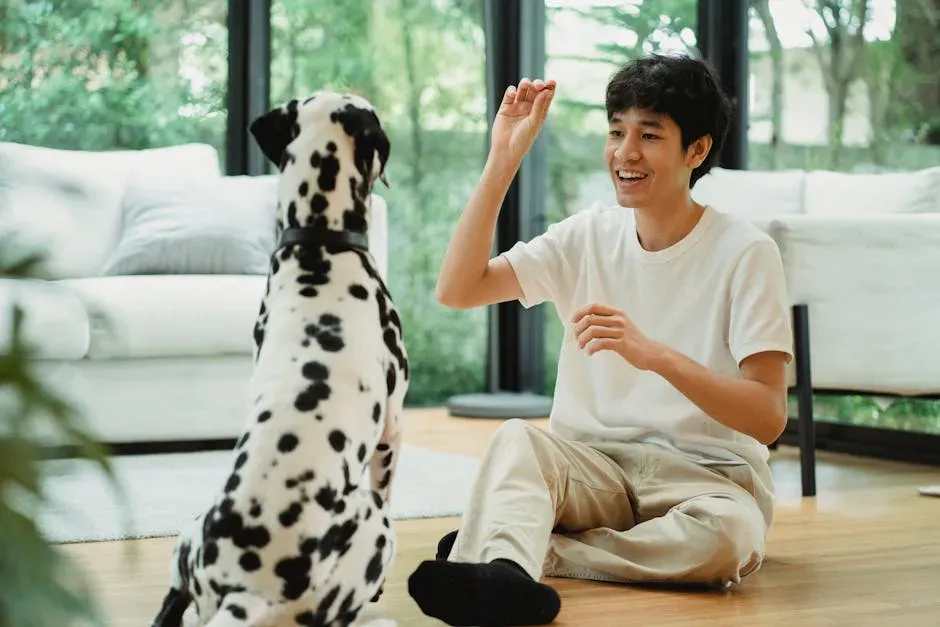
It sounds backwards, but your rules and boundaries are part of why your dog feels secure with you. When you are consistent about what’s allowed and what isn’t – whether it’s no jumping on guests or waiting before rushing out the door – your dog doesn’t have to guess the rules every day. Predictability equals safety in a dog’s mind. When you calmly guide them instead of exploding in frustration, you become a trustworthy leader rather than a confusing, unpredictable force. Clear boundaries help your dog understand how to succeed in your world. And when they know how to succeed, they feel competent, included, and genuinely part of the family system you’ve built.
7. The Way You Make Food Time Feel Safe
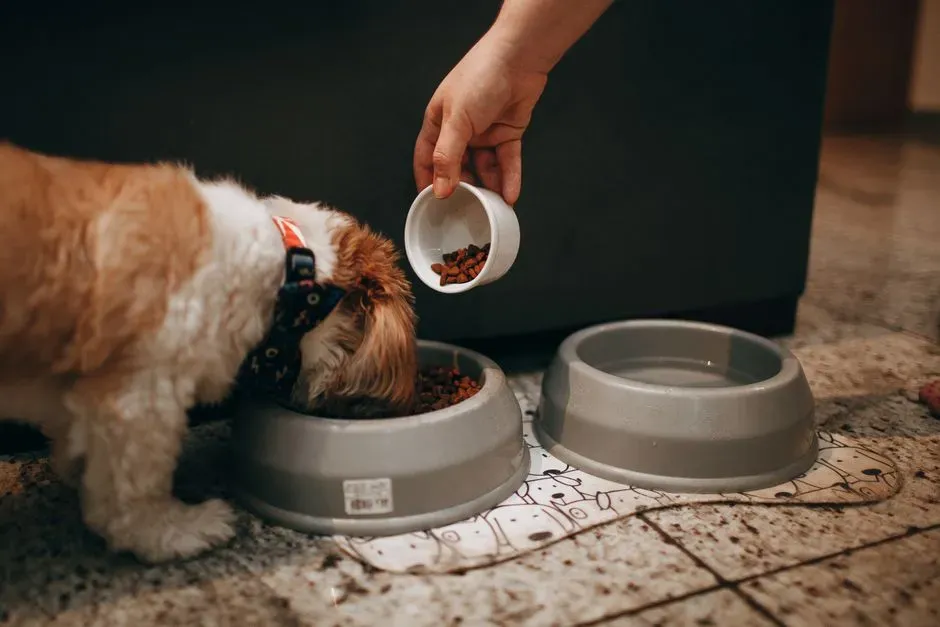
Feeding time is one of the most important rituals in your dog’s life. When you feed them reliably, give them space to eat in peace, and protect their bowl from chaos or teasing, you tell them their basic needs matter to you. You become the source of comfort, not competition. If you use mealtimes to practice a bit of calmness or simple cues before they eat, you’re also building a sense of structure and teamwork. Your dog learns that good things arrive through peaceful cooperation with you, not frantic scrambling. That connection around something as basic as food helps them feel deeply secure and cared for in your home.
8. The Walks That Are About Them, Not Just You
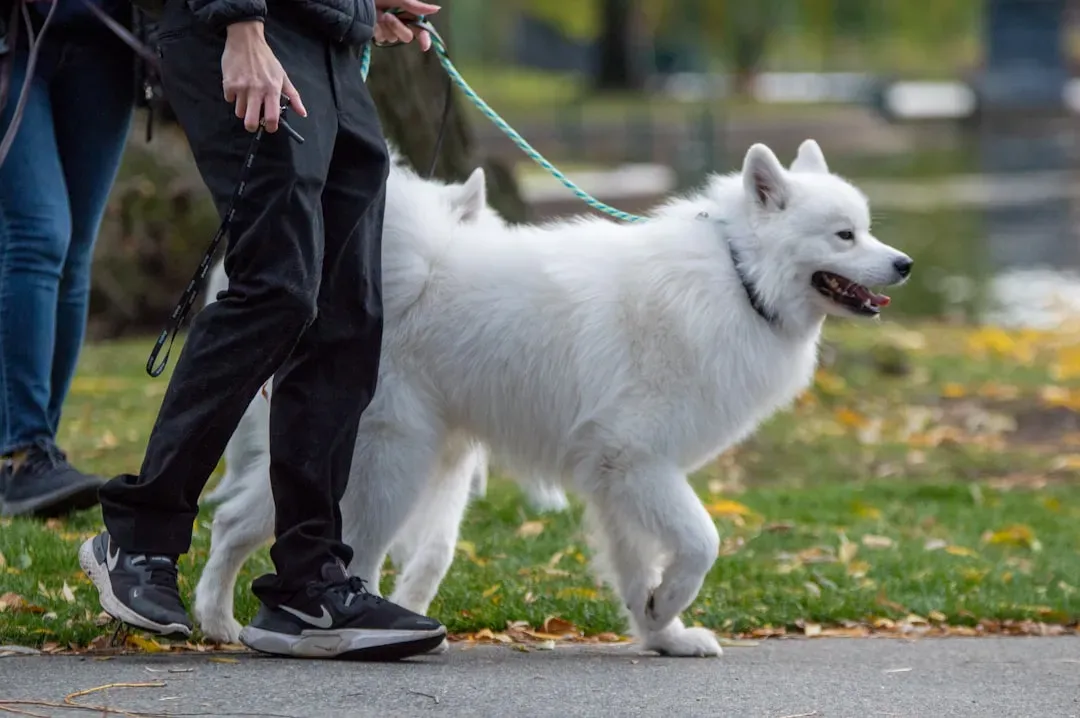
You might think of your dog’s walks as exercise or a chore, but to them, it’s social time, news-gathering, and adventure all rolled into one. When you let them sniff that tree a little longer, explore safely, and follow their nose within reason, you send a powerful message: their interests matter. The world is not just a backdrop for your schedule. Of course, you guide the walk and keep it safe, but allowing small choices – which side of the street, which bush to investigate – gives them agency in their day. You’re not just dragging them through your agenda; you’re sharing an experience together. That shared exploration makes them feel like your partner, not your equipment.
9. Your Willingness to Play on Their Level
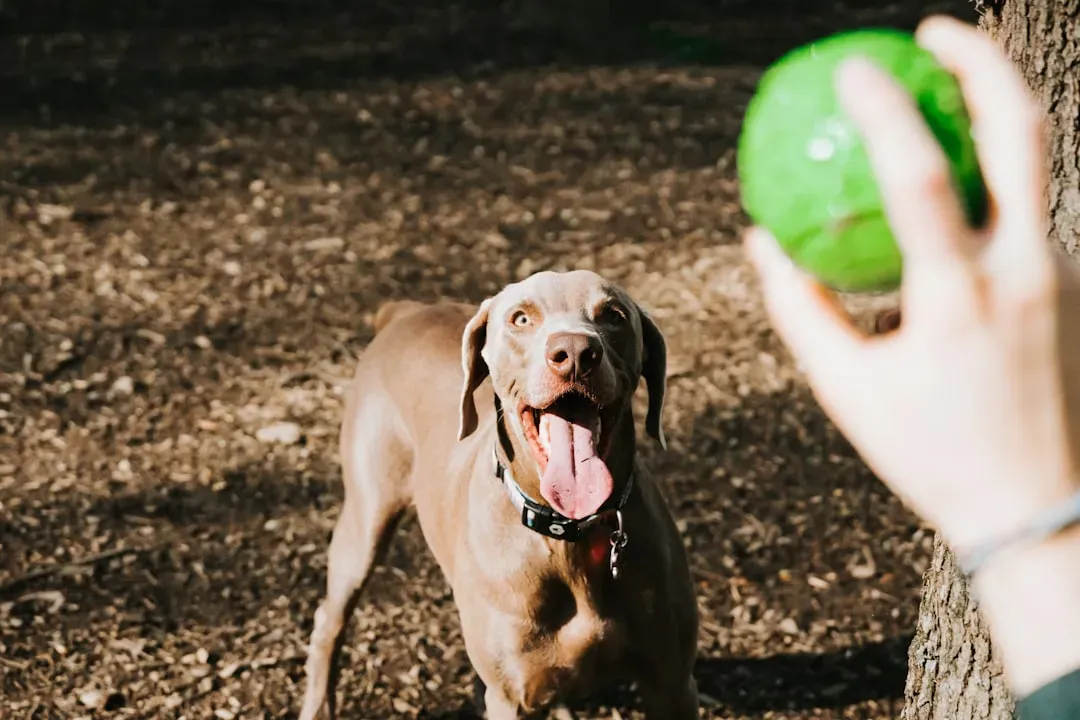
When you grab a toy, crouch down, and make a fool of yourself happily for your dog, you tap into something primal for them. Play is how dogs bond, learn, and release stress. By joining in instead of always staying “above” them, you’re entering their world for a few minutes, and that matters more than you realize. Whether it’s tug, fetch, or a goofy game of chase around the living room, your engagement shows them they’re not just tolerated, they’re cherished. You become the source of joy, not just rules and routines. To a dog, that kind of playful connection is a clear sign that this is their pack, and you are their person.
10. The Way You Respect Their Need for Rest
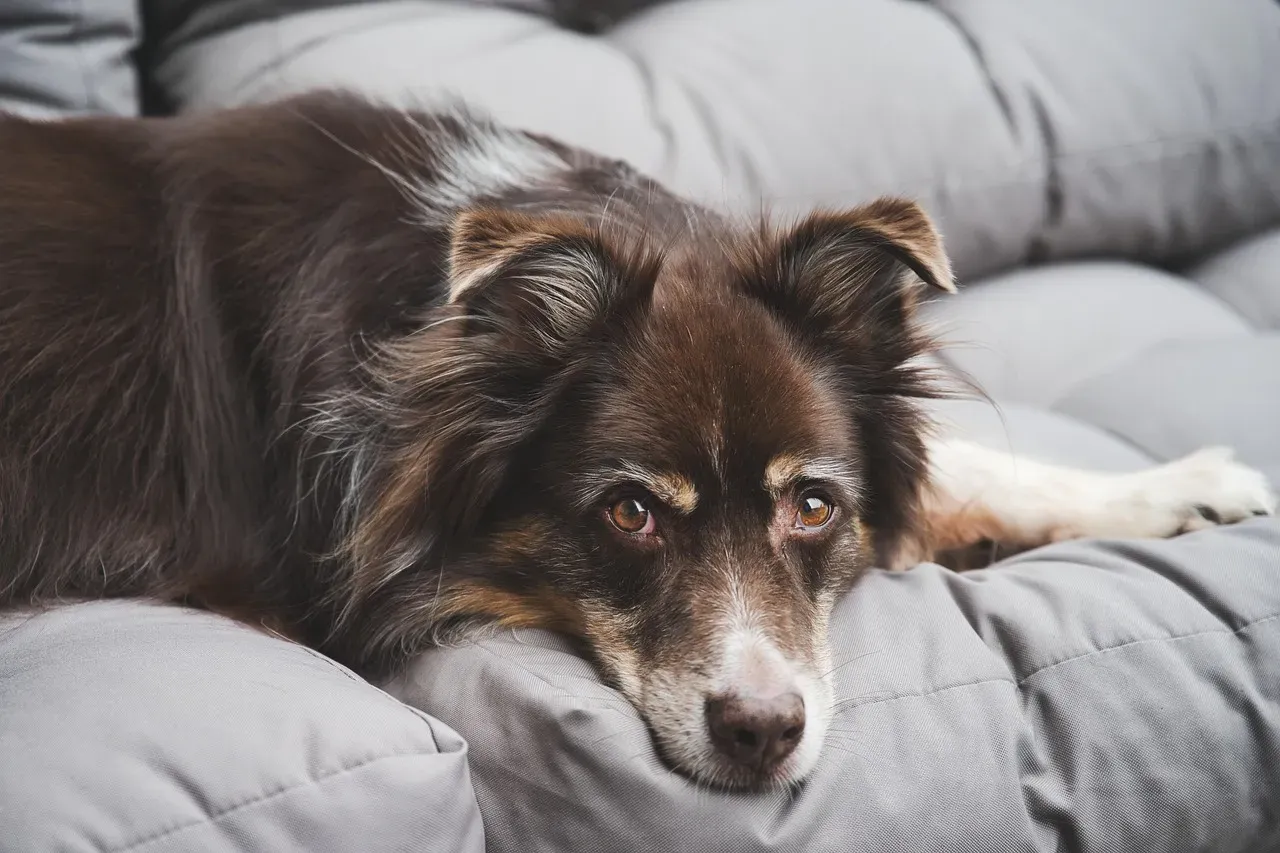
Dogs sleep a lot, and when you respect that instead of constantly poking, hugging, or dragging them into activity, you show a quiet kind of love. Allowing them to nap undisturbed in their favorite spot, especially if you’ve chosen that spot thoughtfully, tells them their comfort is not an afterthought. They’re allowed to exist in peace, not just perform for you. If you notice when they’re tired or overstimulated and you give them a break instead of pushing them to keep going, you become someone they can fully relax around. That deep relaxation – the belly-up naps, the heavy sighs, the twitchy dreams – only happens when a dog feels completely safe where they are. You’ve built that with your patience.
11. The Gentle Way You Handle Their Body
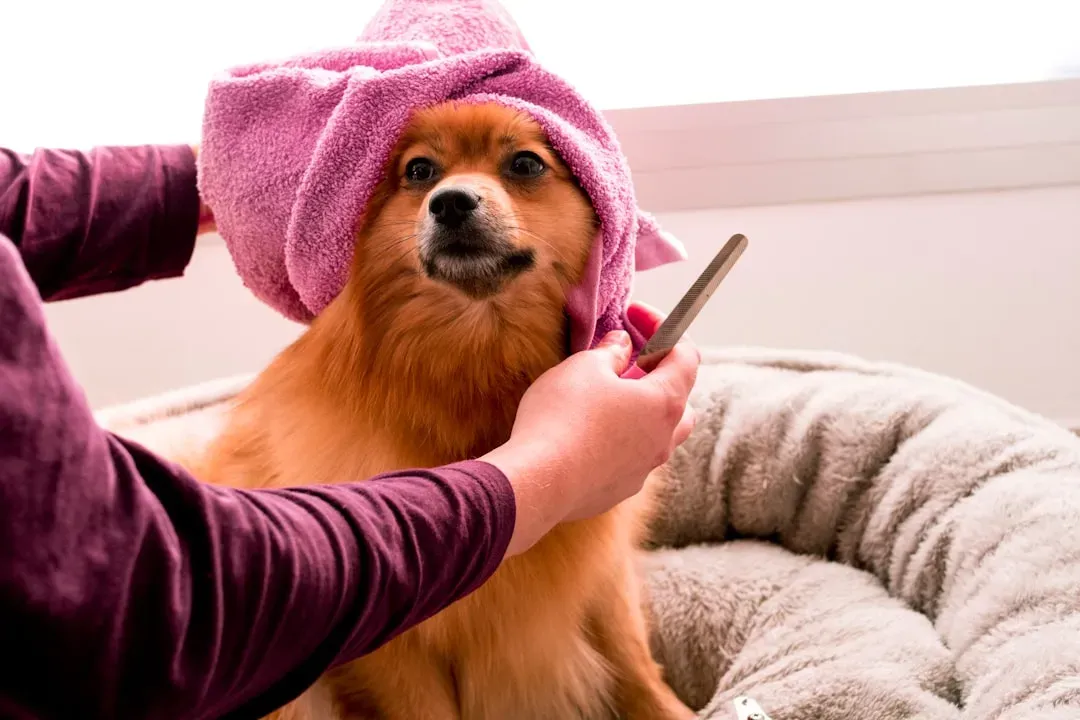
From brushing their coat to checking their paws, the way you touch your dog teaches them what to expect from human hands. When you’re gentle, patient, and respectful of their discomfort – slowing down when they tense up, pairing handling with praise or treats – you help them trust that you won’t ignore their signals. Their body is not just an object you own; it’s part of who they are. Even simple things like moving them off the couch with a calm cue instead of yanking, or trimming nails slowly over time instead of forcing a battle, shape their feelings. Over and over, you show them that in your care, they are safe, and their feelings matter. That kind of physical trust is a huge piece of feeling like they truly belong with you.
12. Your Patience With Their Imperfections
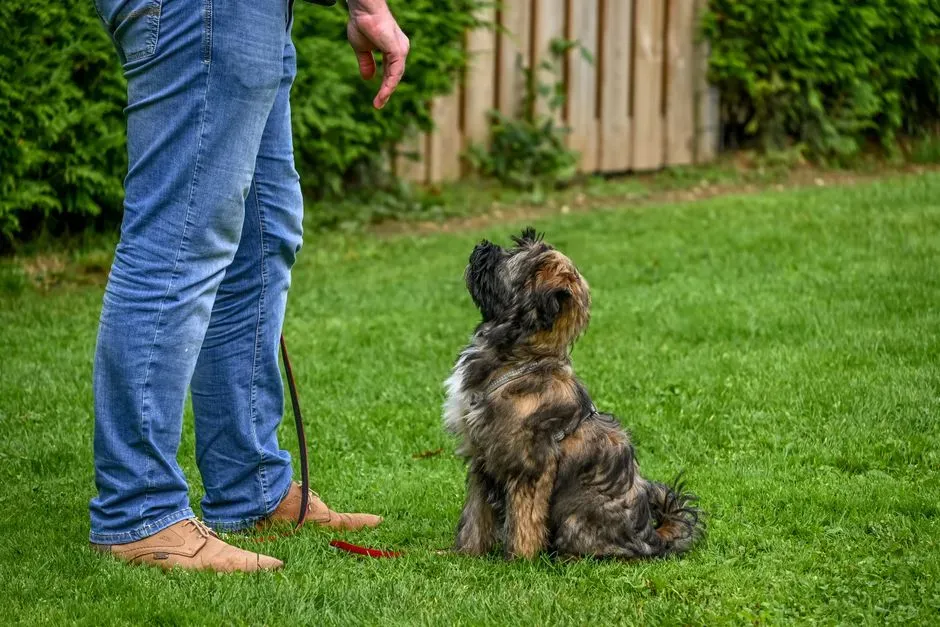
Your dog is going to make mistakes – chew something they shouldn’t, bark at the wrong time, forget a cue when they’re excited. When you choose to teach rather than punish, to manage the environment instead of blaming them for being a dog, you build a relationship where they’re allowed to be imperfect. That is an enormous gift. When you see their “bad” behavior as communication instead of spite, you respond more kindly. Maybe they’re bored, anxious, confused, or under-exercised. By adjusting your expectations and helping them succeed, you become a partner rather than a critic. And in every partnership where mistakes are allowed, belonging grows.
13. The Attention You Give When Nothing Special Is Happening
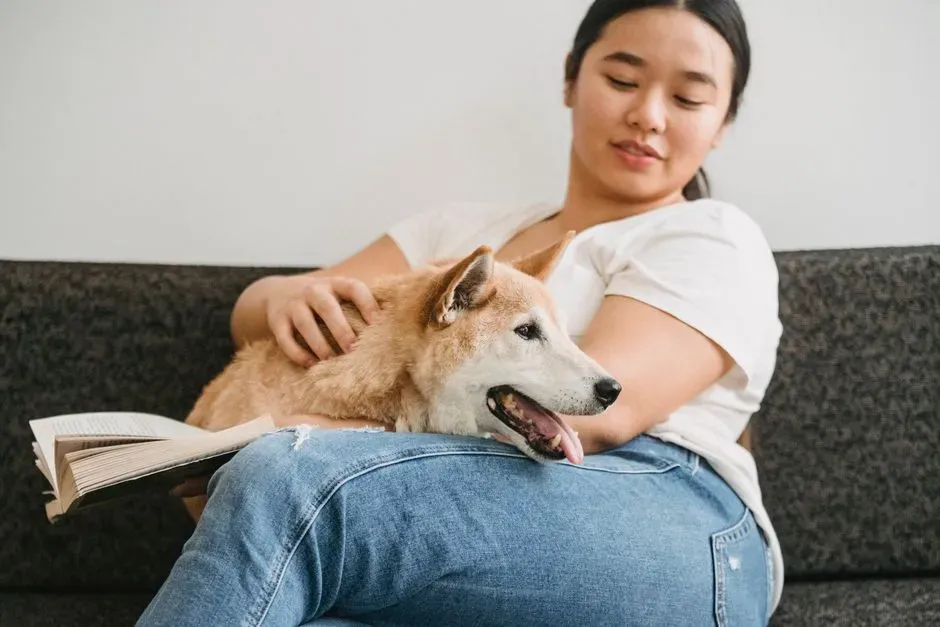
Some of the most important moments for your dog are the boring ones. When you absentmindedly reach down and scratch their chest while watching TV, or say their name softly as you walk past, you remind them they’re not invisible when life is quiet. They are woven into the background of your day. You might not even remember half those little gestures, but your dog does. Those tiny, casual touches and glances reassure them that they do not disappear when the fun is over or the guests go home. They belong in the silence, in the in-between moments, and that is where real security lives.
14. The Life You Build Around Their Needs, Not Just Your Wants
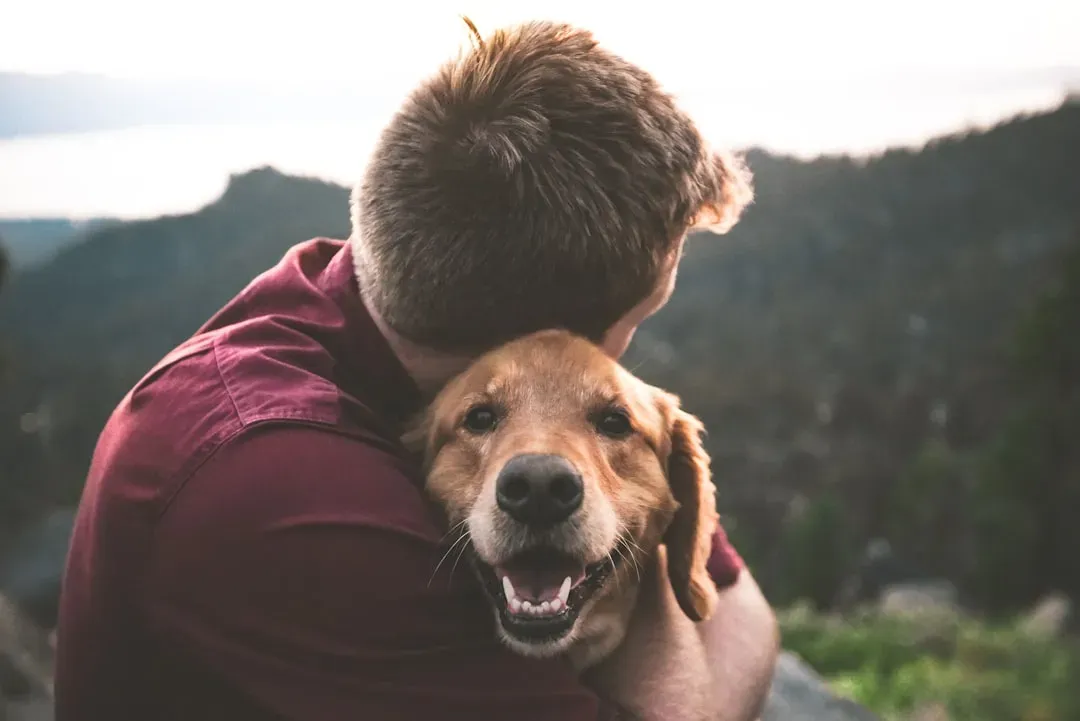
The vet visits you schedule, the safer harness you buy, the time you spend researching food or training methods – all of that sends a message to your dog, even if they do not understand the details. You bend your routines, your furniture, your budget, and sometimes your social life to fit a creature who cannot even say thank you. But they feel it. Your dog notices that you come home early instead of staying out all night, that you skip certain places because they would be too stressful for them, that you choose housing where they are welcome. In all those invisible decisions, you’re saying, “You are part of this picture. I make choices with you in mind.” That is the heart of belonging.
15. The Quiet Loyalty You Show Day After Day
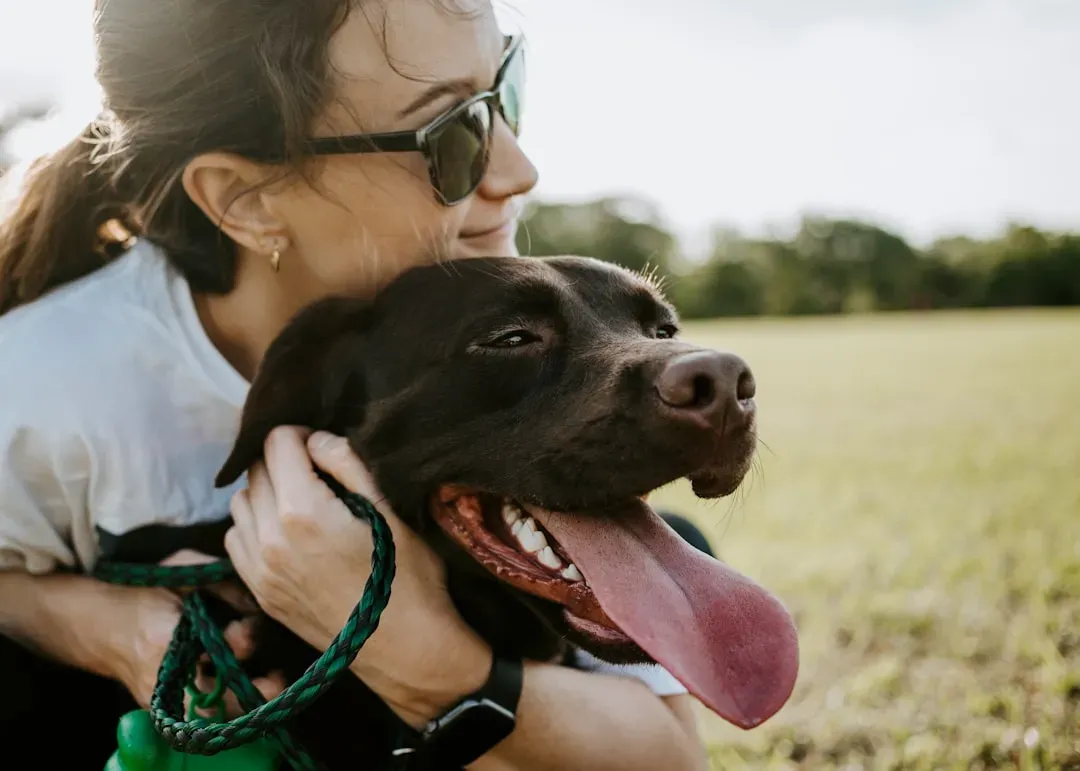
You might not think of yourself as especially loyal, but from your dog’s perspective, you are the most reliable thing in their universe. You feed them, walk them, talk to them, clean up after them, and show up again tomorrow, and the next day, and the day after that. Your dog never has to wonder if you are coming back; your pattern has answered that a thousand times. That steady, unremarkable loyalty is what turns a house into a forever home for a dog. It is not the toys, or the fancy bed, or the perfect training that makes them feel like they belong. It is the fact that you keep choosing them, again and again, even on the hard days. For a dog, that is everything.
Conclusion: You Are the Place They Call Home
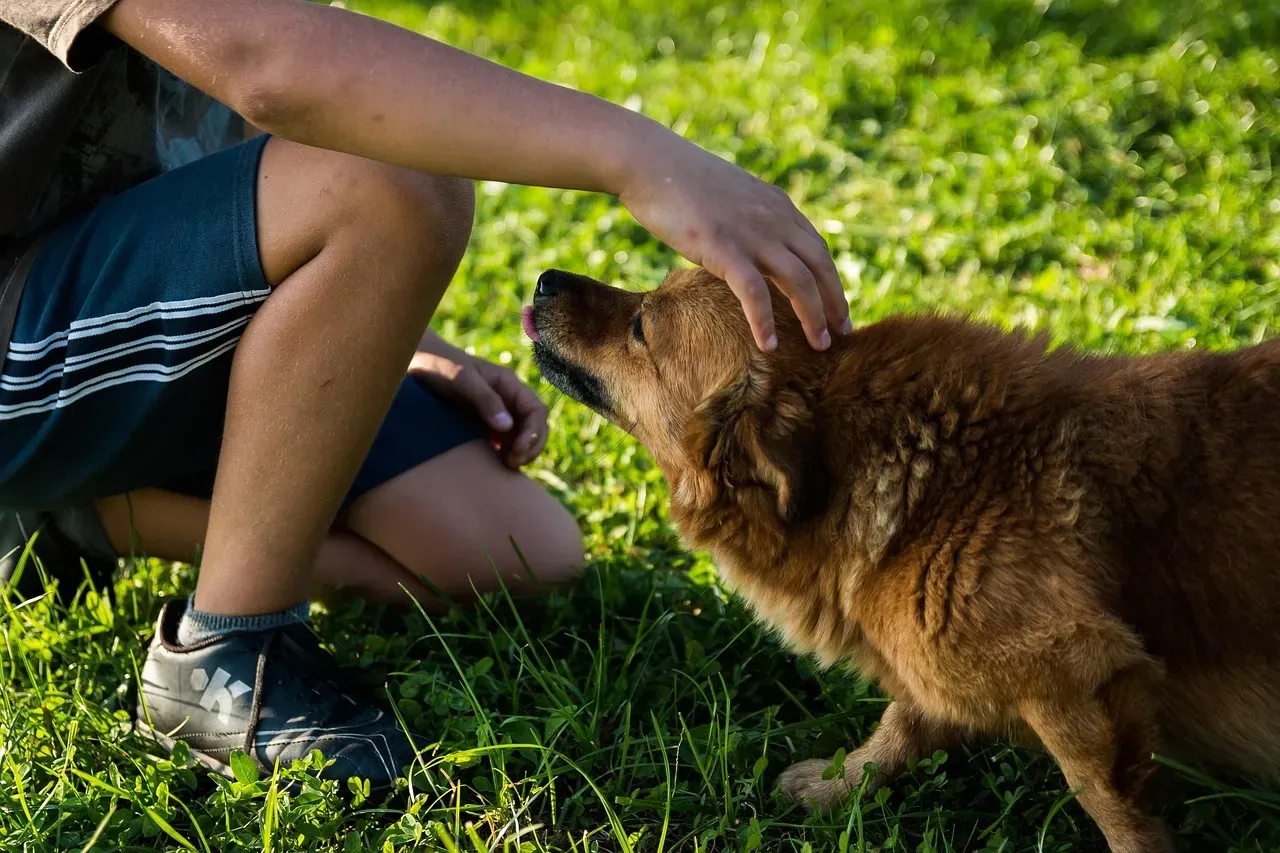
When you zoom out, you can see something pretty moving: to your dog, belonging is not an abstract feeling, it’s you. It’s your footsteps in the hallway, your voice in the kitchen, your hand on their head, your routines and your quirks and even your imperfections. You are the pattern that makes their world feel safe and predictable. You do not have to be a perfect trainer, never lose your patience, or have all the answers to . You just have to keep showing up with kindness, consistency, and a willingness to see the world a little bit through their eyes. Knowing that, what small thing will you do differently the next time your dog looks up at you like you’re their whole world?