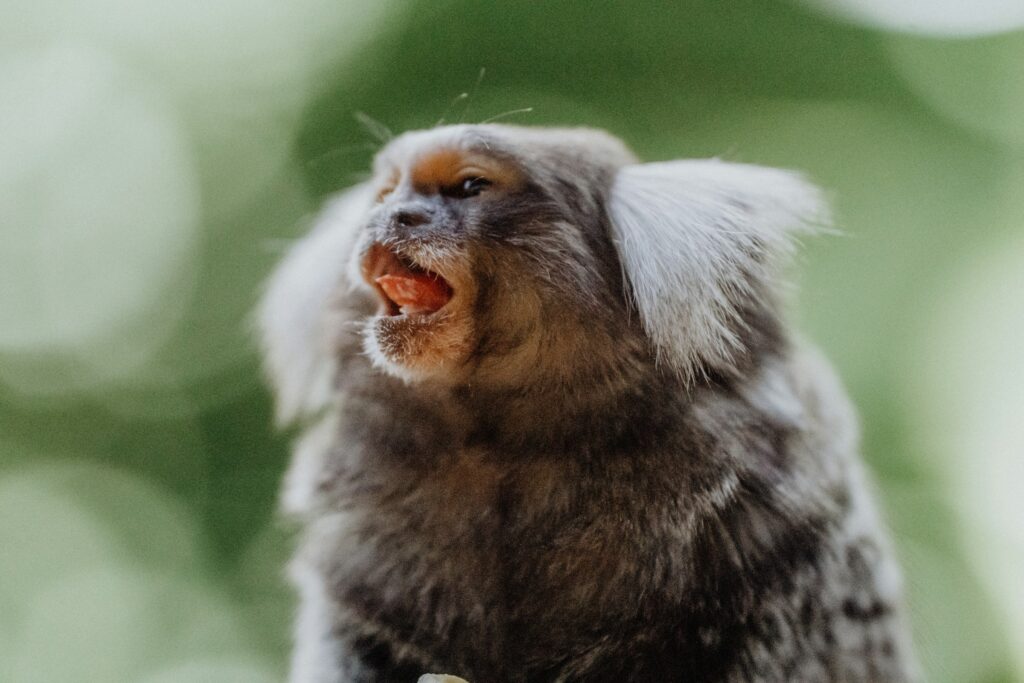
You probably think of conversation as a uniquely human talent: you talk, then you wait, then the other person answers. But if you were dropped into a Brazilian forest at dawn, you’d hear something eerily familiar in the trees above you. Those high, whistling calls from tiny marmoset monkeys are not random noise – they’re orderly, coordinated, and surprisingly polite exchanges that sound a lot like the skeleton of human chat. When you zoom in on those calls with modern recording and analysis tools, you see a picture that’s hard to ignore: marmosets do not simply shout over each other in a chaotic chorus. They wait, they respond, they hold back, and they even seem to “listen” for the right moment. You’re not just looking at animal sounds; you’re looking at a living, breathing example of how turn-taking might have looked long before human language existed.
You’re Not the Only One Who Knows How to Take Turns
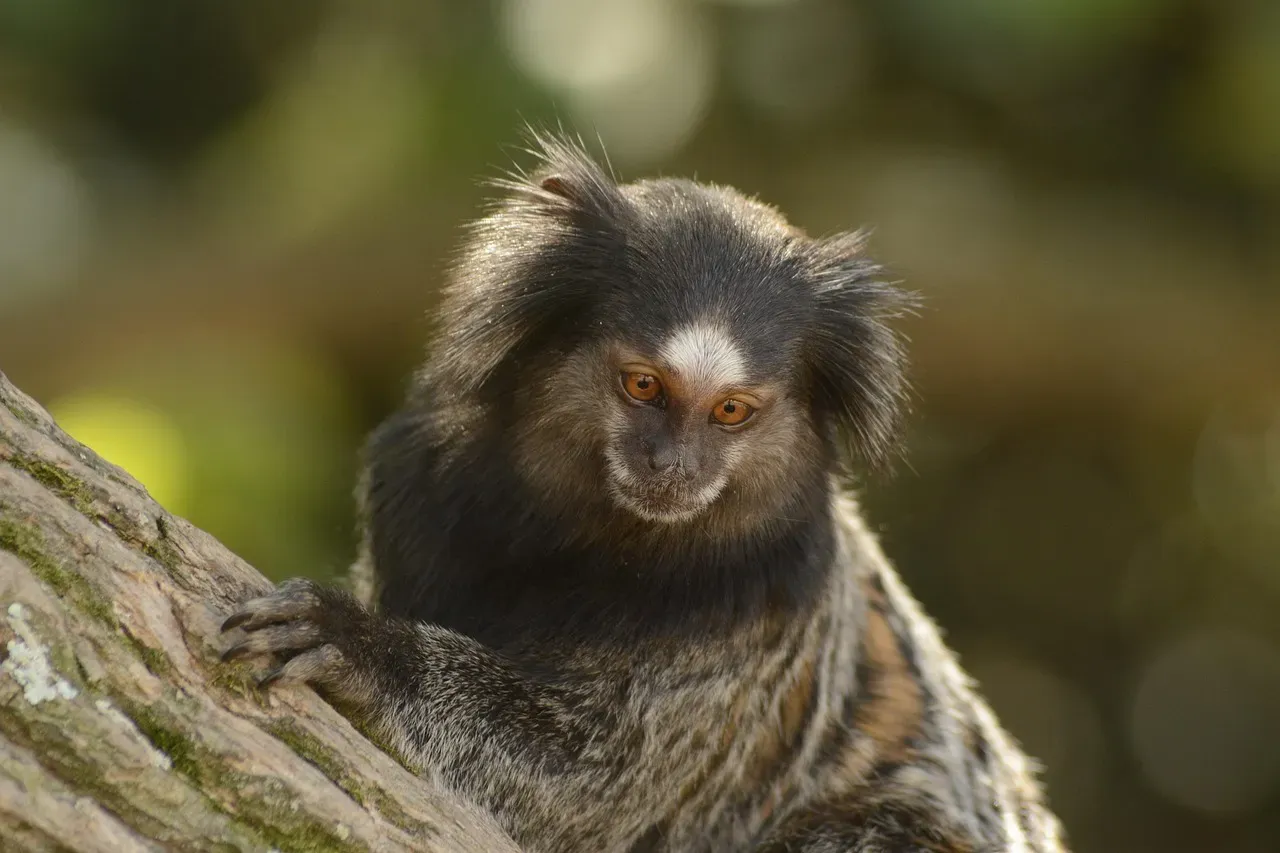
If you were to watch marmosets for a full morning, you’d notice something that feels uncannily familiar: one calls, a short pause, then another answers, and this pattern unfolds again and again. Researchers analyzing hundreds of natural vocal exchanges in wild common marmosets have found that these monkeys follow consistent timing rules, with brief gaps between calls instead of messy overlaps. In other words, they give each other space to “speak,” much like you do when you pause and let someone else talk. You might assume that animals just vocalize whenever they feel like it, but the data push you in a different direction. Marmosets often produce multi-turn exchanges where the call type is matched, and the interaction unfolds like a mini conversation. The gaps are usually just over a second long – short enough to stay engaged, long enough not to collide. Once you see it plotted on a timeline, it’s hard not to recognize the same basic rule you use every day: first you, then me, then you again.
Inside the Forest: What a Marmoset “Conversation” Looks Like
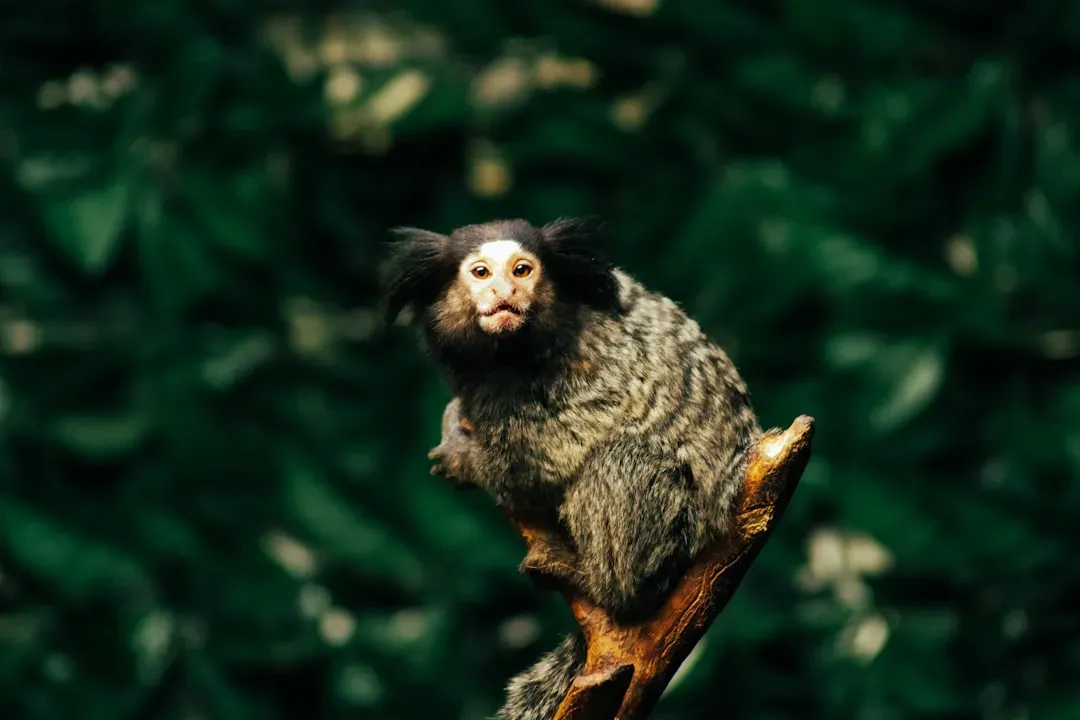
Imagine standing beneath a canopy with a recorder running while a family of marmosets moves through the branches. You hear a long-distance “phee” call from one individual, followed a moment later by another “phee” from a partner, then another in reply, creating a structured back-and-forth. Closer in, you catch softer “trill” calls traded at shorter distances, like quick check-ins between companions. If you map those sequences, you’re not looking at noise; you’re looking at an organized pattern of participation. Researchers have found that when you examine more than a thousand of these natural interactions, marmoset conversations show recurring call sequences and flexible turn organization. That means you don’t just get rigid, mechanical patterns; you get variability, brief exchanges, and specific individuals joining or dropping out. If you think of it like a group text thread, some “voices” pop up more often, some wait longer before replying, but the overall flow still follows a recognizable rhythm of turns instead of a wall of overlapping sound.
How Marmosets Avoid Talking Over One Another
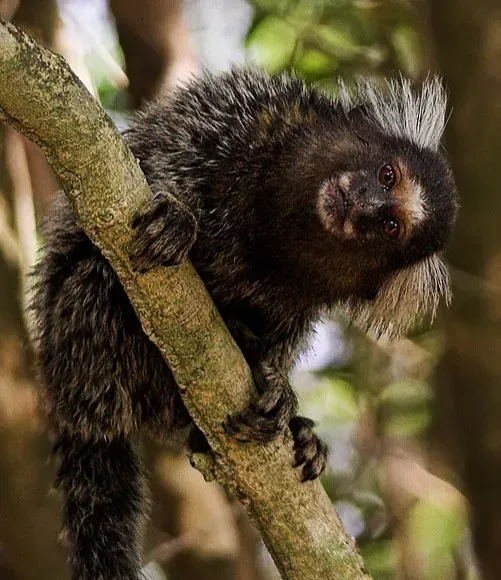
Now imagine you’re on a video call where everyone keeps interrupting; you feel the chaos instantly. Marmosets face the same potential mess but manage it with simple, effective timing strategies. They tend to suppress calling while another individual is vocalizing and then respond within a relatively narrow time window afterward. That delay is not just a breathing break; it functions like a built-in “don’t interrupt” rule that keeps the exchange from turning into an acoustic pileup. Some models once suggested that marmosets’ timing might be driven by a kind of coupled rhythm between individuals, like two metronomes syncing up. More recent work shows that a lot of their turn-taking is actually governed by probabilistic, internal and social factors: their own arousal state, who else is present, and how many callers are already engaged. For you, that’s a reminder that even in a tiny monkey brain, waiting your turn is not a rigid clockwork trick – it’s a flexible, context-sensitive behavior that keeps social life running smoothly.
You Can Hear Social Rules Hidden in Their Calls
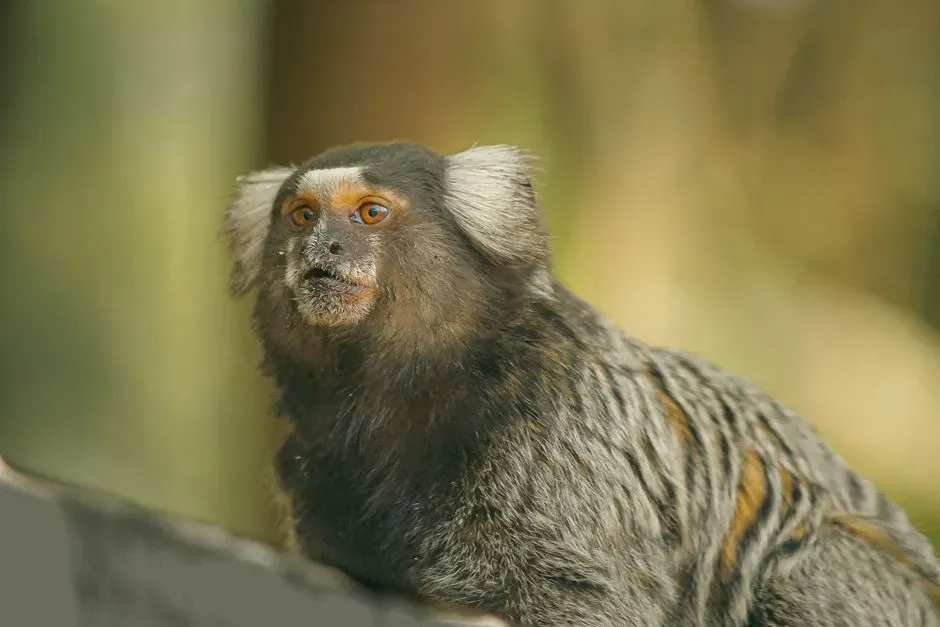
If you listen closely to different marmoset groups, you’re not just hearing individual voices; you’re hearing social structure in sound form. Marmosets tend to use certain call types more with their own group members and others when addressing neighboring groups. The timing, order, and pairing of calls can shift depending on whether they are talking “inside the family” or across group boundaries. You do something similar when you change your tone and timing with close friends versus strangers or rivals. Studies of their vocal behavior show that group membership, role, and relationship matter for how turn-taking plays out. Some individuals call more, others less, and their participation is far from random. Young marmosets, for example, engage in babbling-like sequences and get shaped by feedback from caregivers. You’re basically watching simple conversational rules being scaffolded and refined through interaction, much like how human infants learn when to chime in instead of just yelling nonstop.
What This Says About Animal Cognition and Your Own Mind
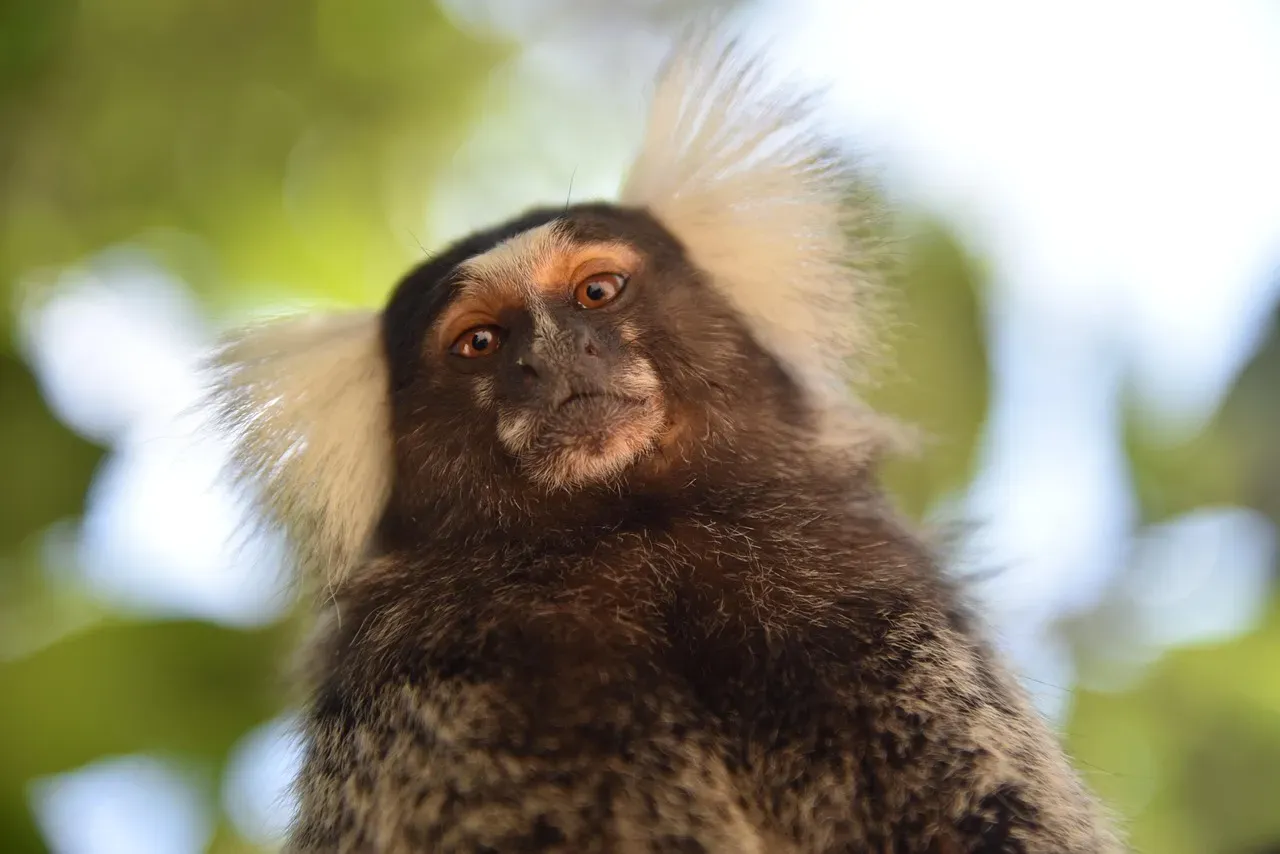
You might be tempted to dismiss all of this as reflex: hear a sound, spit out a sound. But the more you look, the harder it is to keep that view. Marmoset turn-taking involves suppressing calls when another individual is “on,” timing responses within a particular window, and adjusting behavior depending on context. Those steps require tracking what others do, holding back your own impulses, and coordinating in real time – all hallmarks of nontrivial cognition. From your perspective, this matters because it pushes back against the idea that complex conversational rules appeared only with human language. Instead, you’re seeing that some of the building blocks – like temporal coordination, sensitivity to social partners, and learned timing patterns – are already present in a small New World primate. That does not mean marmosets have language or syntax, but it does mean that the mental machinery for sharing a communicative space is older and more widespread than you might have guessed.
Why Turn-Taking Might Have Evolved Long Before Language
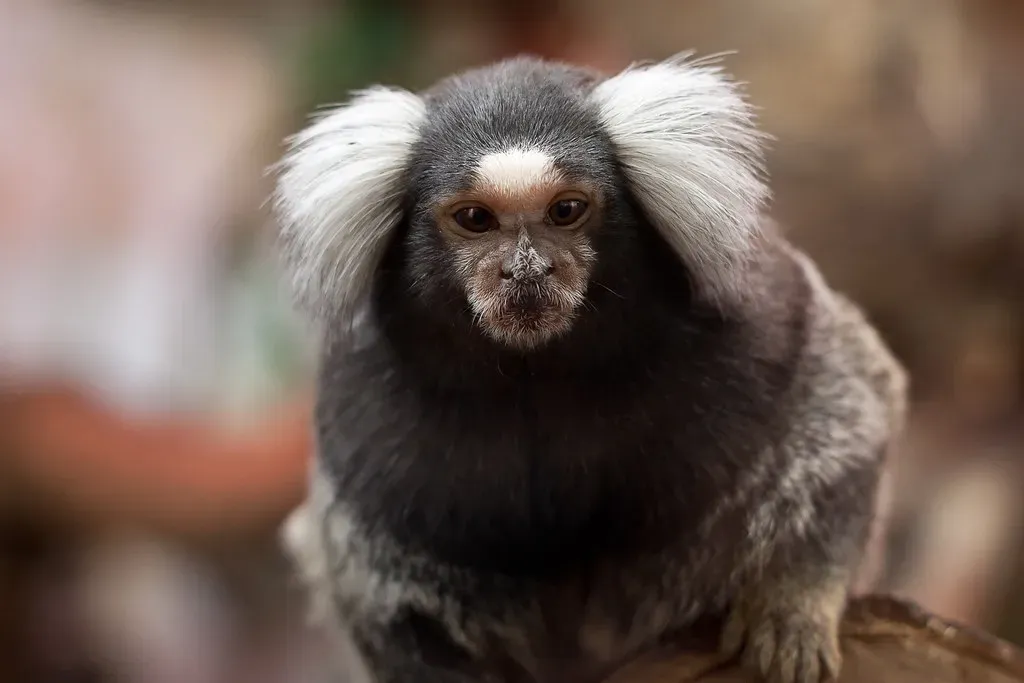
If you think about how hard it would be to communicate in a noisy forest without any rules, turn-taking starts to look less like a luxury and more like a survival tool. When marmosets alternate calls instead of overlapping, each signal is easier to detect and interpret against background sounds. That clarity could help them coordinate movement, maintain contact over distances, and avoid getting separated from group members or young. Your own conversations benefit from the same basic efficiency. Because marmosets also have unusually cooperative social systems – with shared infant care and high levels of prosocial behavior – it makes sense that they’d evolve communication styles that reduce conflict and confusion. Turn-taking gives everyone a fair chance to “speak,” supports cohesion, and reduces the chance that important signals get drowned out. When you see similar patterns in other animals that rely heavily on sound, you start to view conversational structure not as a human quirk, but as a powerful, reusable solution that evolution keeps discovering.
How This Research Changes How You See Animals (and Yourself)
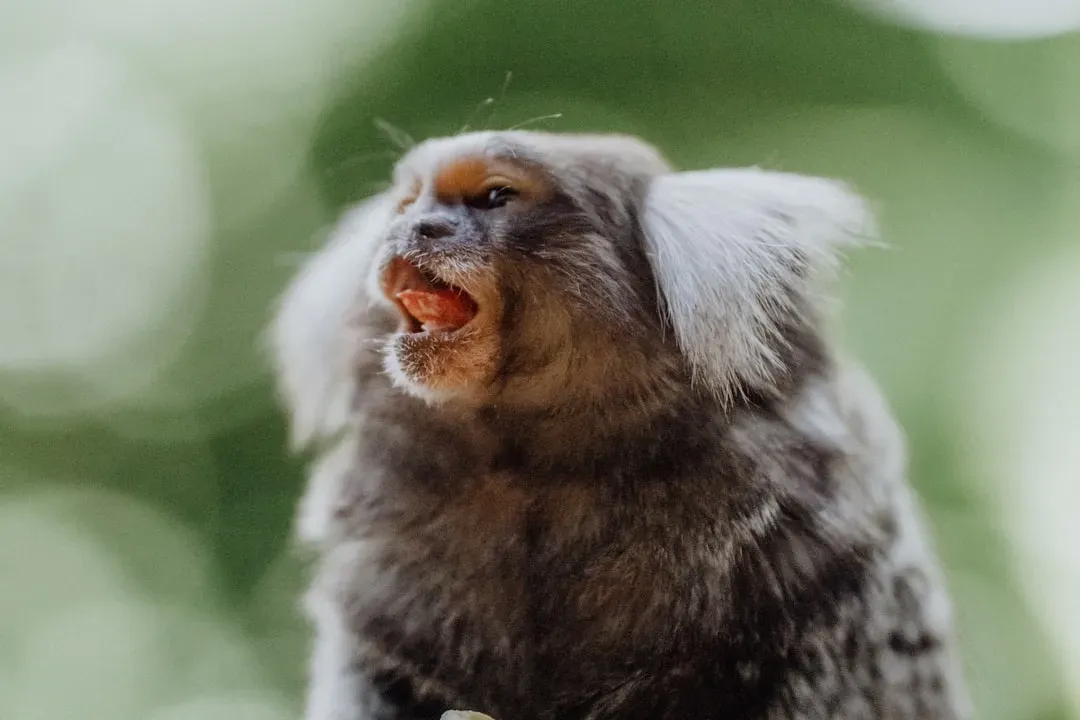
Once you know this, it’s hard to go back to thinking of animal calls as mindless squawks. When you hear about marmosets waiting their turn, adjusting their calls with group members, and shaping their young’s vocal behavior through interaction, you’re being asked to take animal communication more seriously. You’re not just dealing with automatic noise; you’re dealing with patterned, socially embedded behavior that shares deep parallels with the way you talk. It also subtly reframes how you think about your own conversations. The urge to wait, respond, and respect timing isn’t just cultural etiquette; it taps into a broader biological strategy for sharing information smoothly among social beings. When you find yourself carefully holding back while someone else finishes their sentence, you’re participating in a very old rhythm – one that tiny monkeys in distant treetops are also dancing to, without ever needing a single human word.
What You Can Take Away From Marmoset Conversations
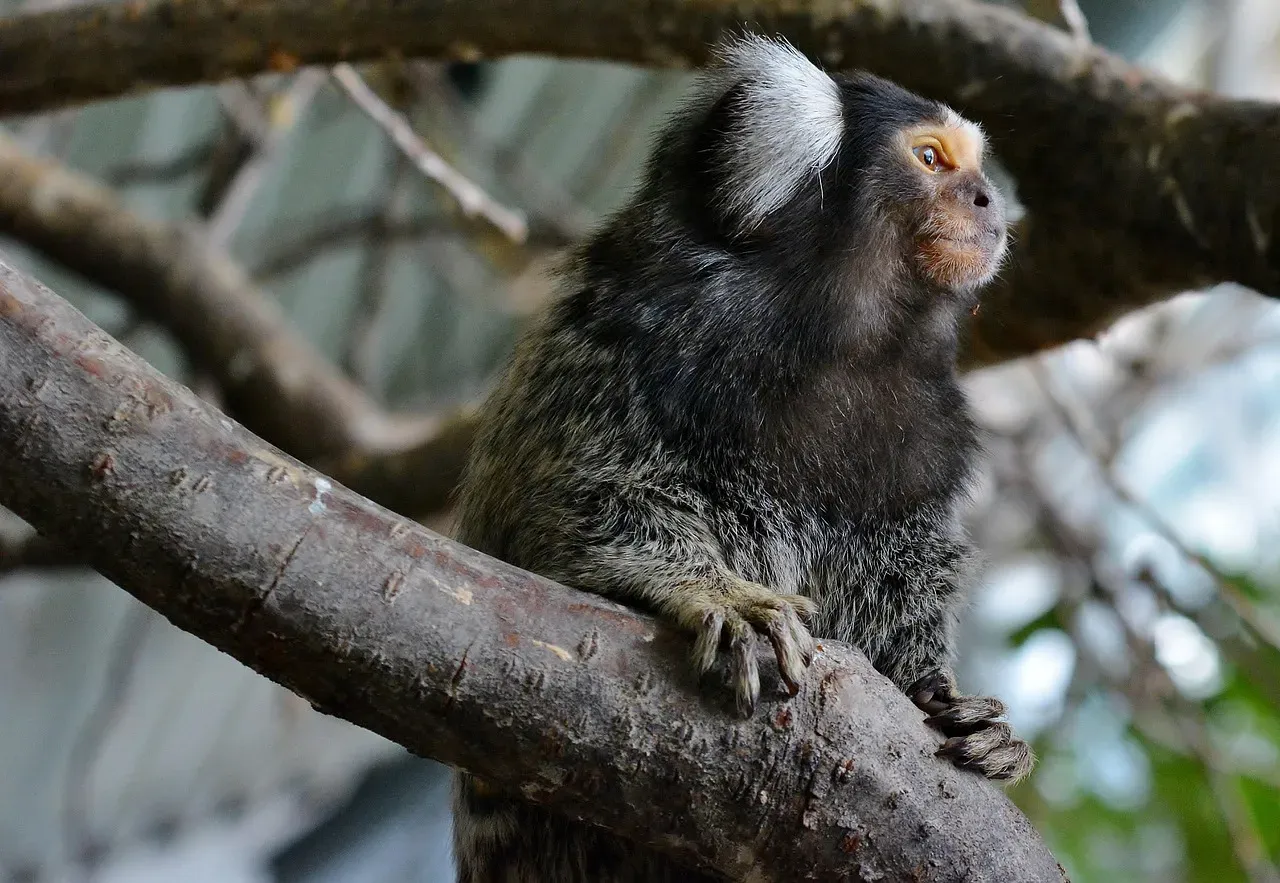
If you strip this research down to its core, you’re left with a simple but powerful lesson: taking turns is not just polite, it’s deeply natural. You and a marmoset both depend on well-timed exchanges to make sense of your social world. Their calls may be simpler than your speech, but the underlying structure – the “your turn, my turn” rhythm – is strikingly similar. When you see that, it becomes harder to draw a sharp line between human communication and everything else. So the next time you’re in a conversation, especially one where people keep interrupting each other, you might quietly remember these little primates. They remind you that good communication is as much about restraint as expression, as much about listening as talking. In a world that often rewards the loudest voice, it’s a bit humbling to realize that a tiny monkey in the canopy may be modeling better conversational manners than many humans you know.
Conclusion: A Tiny Primate With a Big Message for You
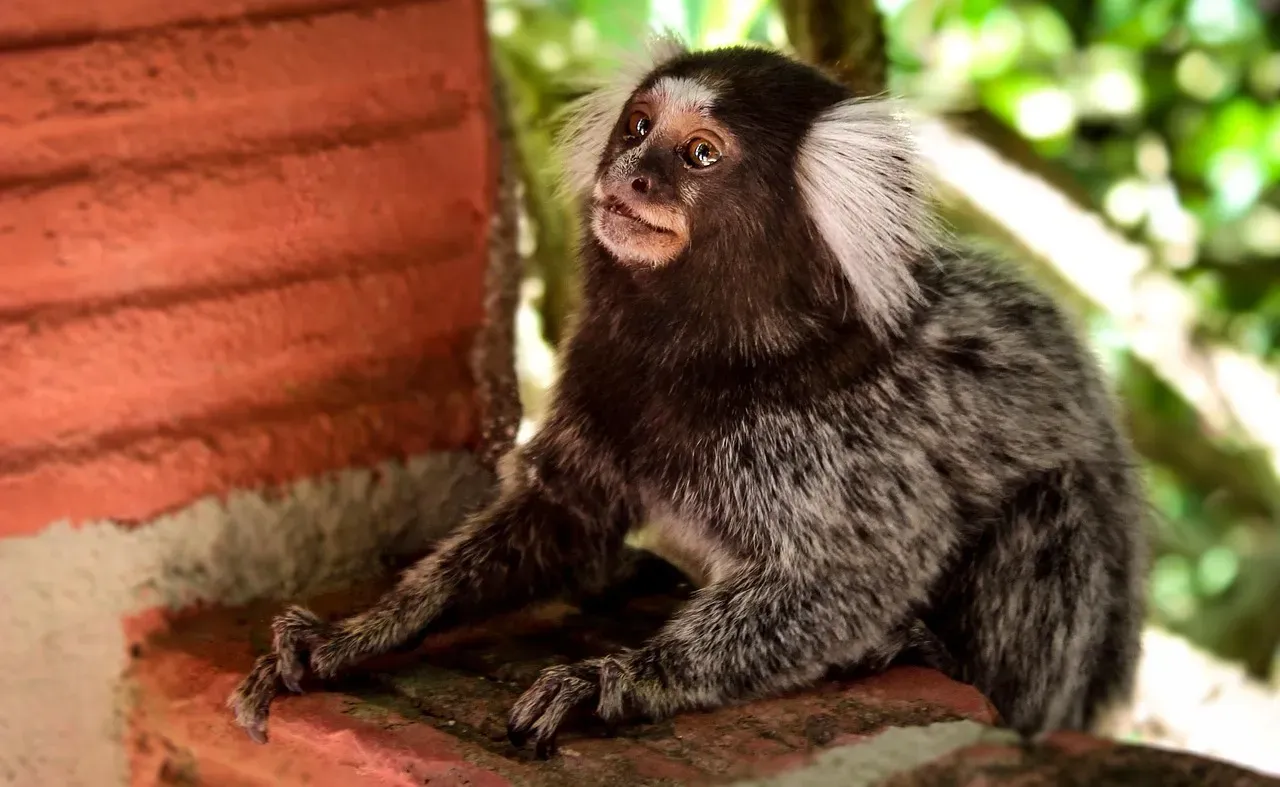
When you put all of this together, you see marmosets not as noisy background creatures, but as living demonstrations of how orderly, cooperative communication can emerge without human-style language. They wait for each other, reply within narrow windows, and shape their vocal behavior through social interaction. For you, that’s a powerful reminder that conversation is built on ancient cognitive roots shared across species, not just on complex words and grammar. If you let that sink in, the forest starts to sound different. Those small, high calls are no longer random; they are threads in a careful, shared rhythm that solves the same problem you face every day: how to be heard without silencing others. Maybe the real question is not whether marmosets are more like you than you thought, but whether you are always as good at taking turns as they are.