Somewhere in the back rooms of the world’s great museums, past the polished exhibits and the guided tours, sit rows of steel cabinets and unlabeled boxes that almost nobody ever opens. Curators call it “the shelf life problem.” A specimen gets collected, gets a tag, and then waits. Sometimes it waits for a lifetime before anyone with the right expertise happens to pull open that particular drawer.
What follows are ten cases where that wait finally ended. Some involve bones that sat quietly for over a century. Others involve paintings that hung, unrecognized, in ordinary rooms until someone looked closer. Each one is a reminder that discovery does not always happen in a jungle or a quarry. Sometimes it happens in a filing cabinet.
1. The coelacanth that rewrote 50 million years of evolution
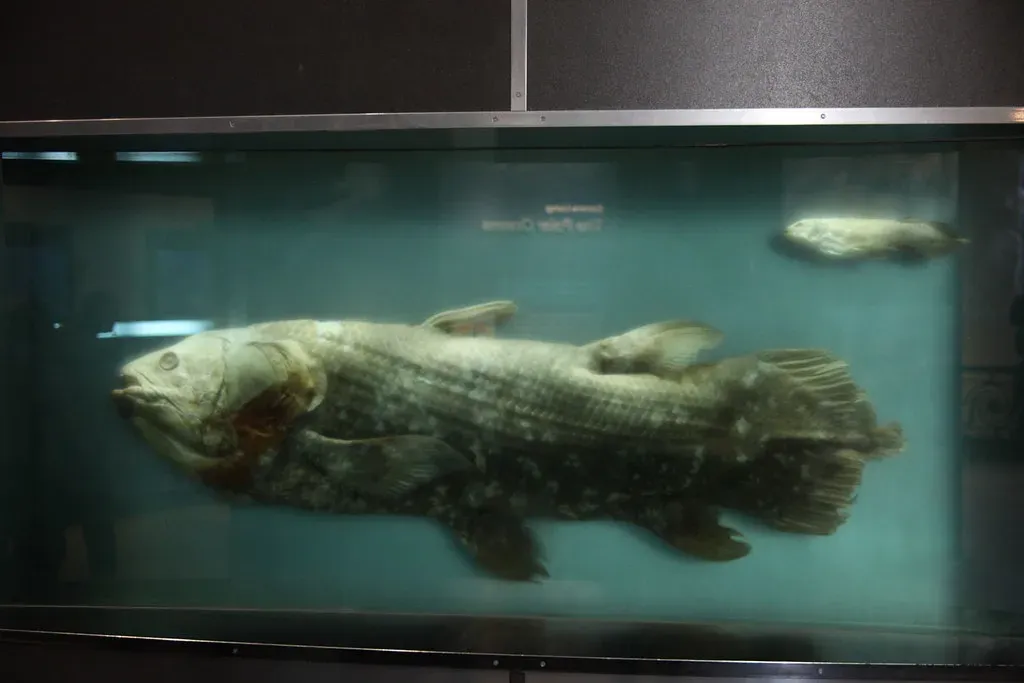
In 2026, researchers working through the Natural History Museum in London reexamined a fossil that had sat in storage for roughly a century and a half. A dusty fossil tucked away in a museum drawer for more than a century transformed what scientists know about one of the most mysterious fish on Earth, and researchers identified a new species of coelacanth from the 150-year-old specimen. The find mattered because coelacanths are famous for barely changing over geologic time.
Coelacanths have long captivated scientists because of their seemingly impossible survival story, once thought to have gone extinct alongside the dinosaurs until a living specimen was discovered off South Africa in 1938, after which they became icons of evolutionary persistence, appearing to resist major change for millions of years. This new species complicates that tidy narrative. With the discovery, it appears coelacanths may have undergone more subtle and complex changes than previously understood. It took modern scanning technology, not a new fossil hunt, to see it.
2. A South African dinosaur mistaken for a common cousin
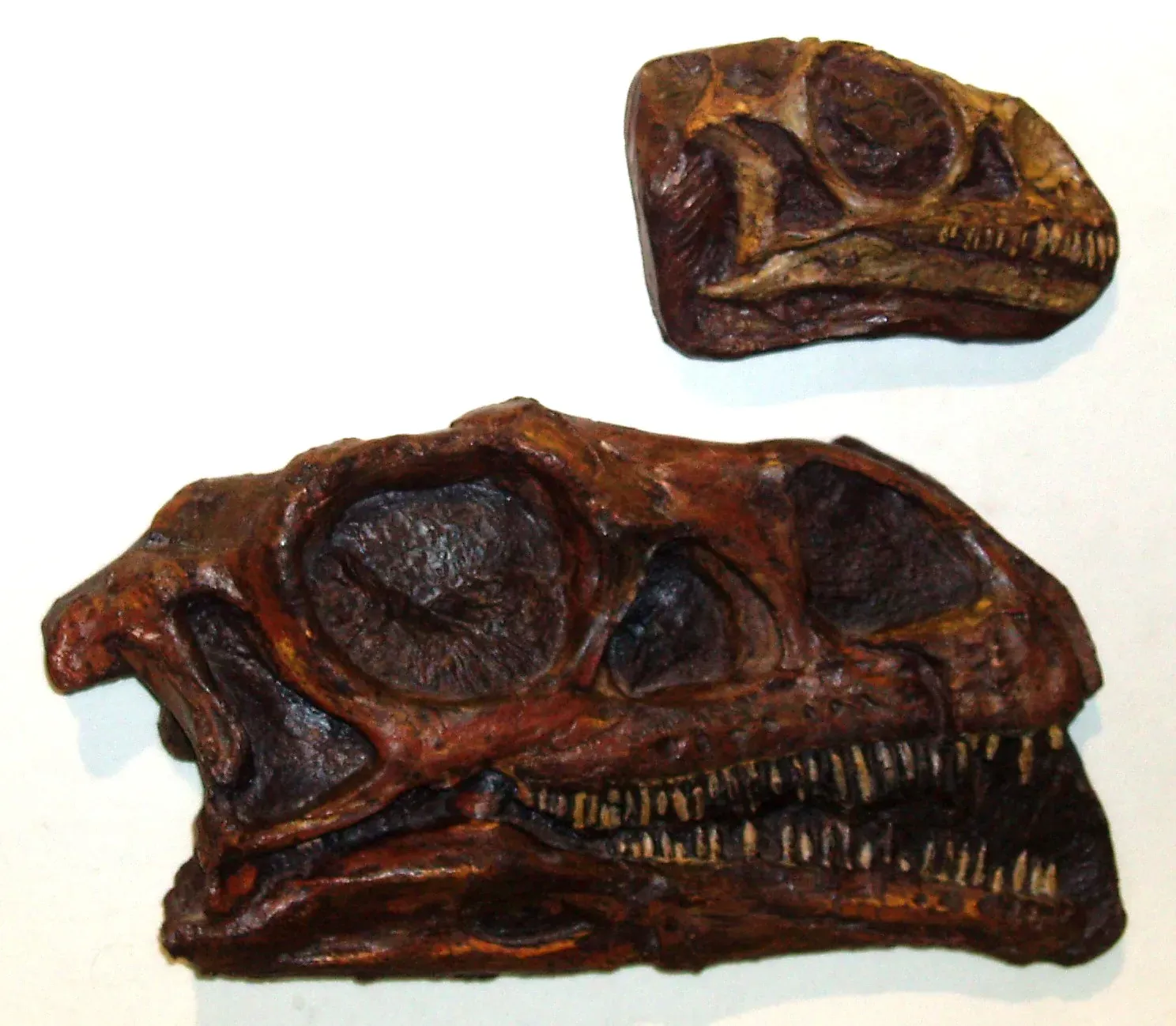
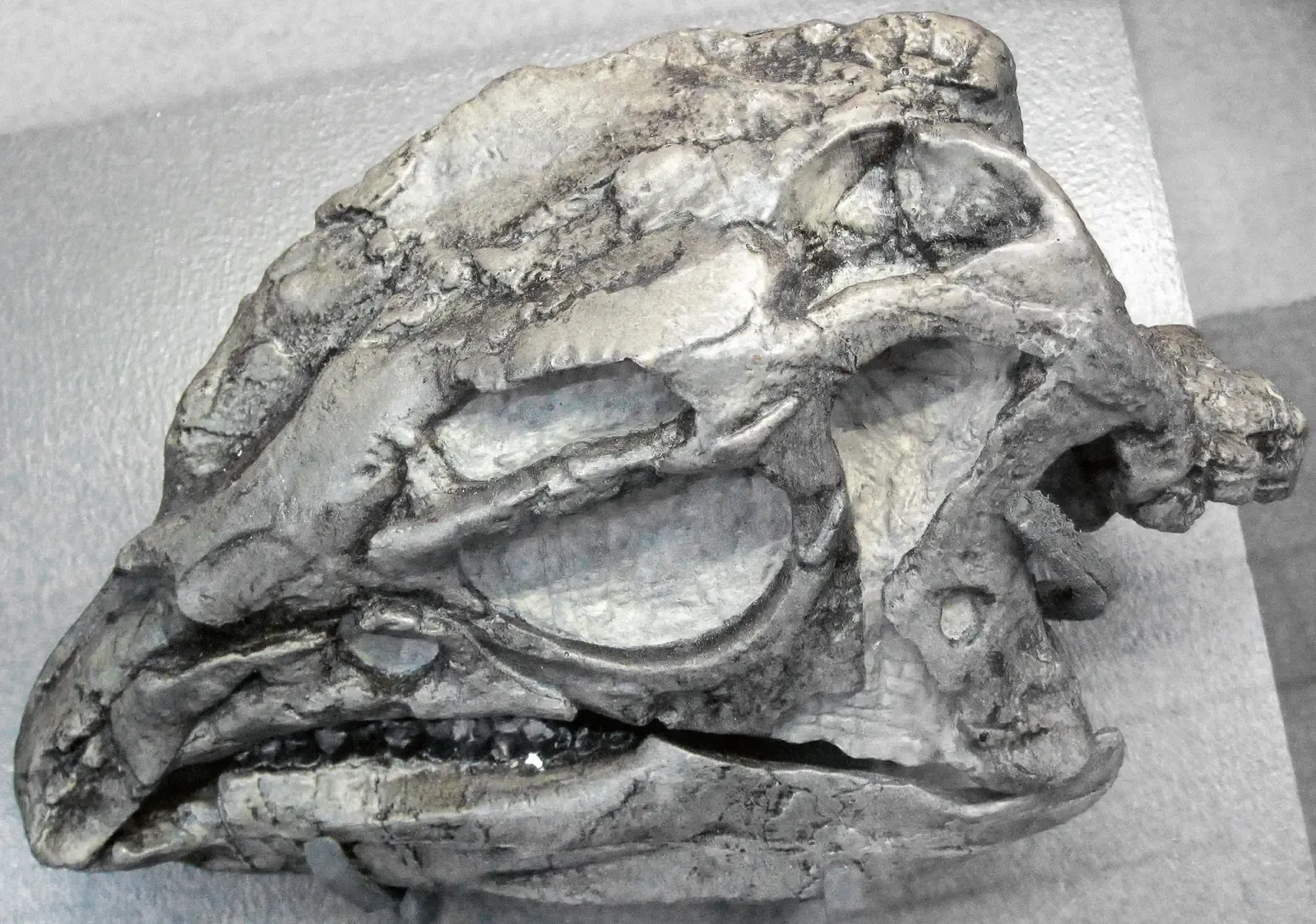
Fossils excavated in South Africa in 1978 spent decades at the University of Witwatersrand labeled as a fairly unremarkable species. The dinosaur’s remains had been identified as a Massospondylus, an Early Jurassic dinosaur, until a team from London’s Natural History Museum and the University of Witwatersrand reassessed the specimen and realized the bones and skull belonged to an entirely new species. It took a graduate student’s close, patient comparison work to notice the differences.
Kimberley Chapelle had been working on Massospondylus and looking in detail at specimens that had been assumed to be that kind of dinosaur, and it differed in a large number of ways in the appearance of its skull and the shape of its skull bones. The new species was renamed Ngwevu intloko. Paleontologist Paul Barrett suggested the case was probably not unique, hinting that other South African collections likely hold similar surprises waiting for the right pair of eyes.
3. The Isle of Wight dinosaur that waited over 40 years
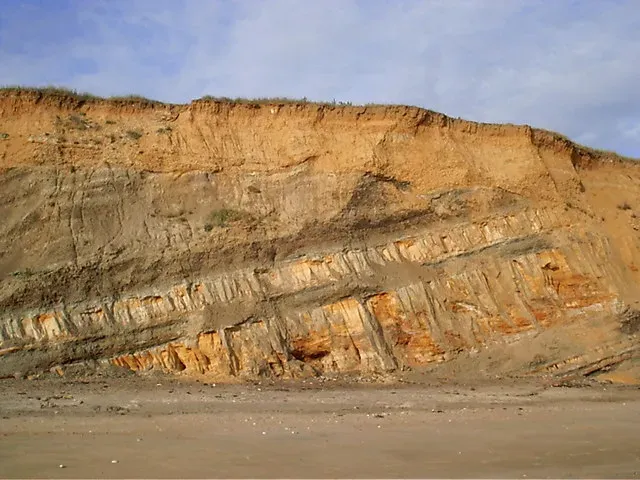
An amateur collector named Keith Simmonds found dinosaur bones on England’s Isle of Wight back in 1978. Simmonds originally found the bones in 1978 on the Isle of Wight, and the specimens were stored in the Dinosaur Isle Museum until they were examined over 40 years later for a different study. The bones had simply been filed away under a familiar name for decades.
Once researchers took a fresh look, the differences became clear enough to justify a new genus entirely. Prior to the discovery, scientists had designated all delicate bones found on the island as Mantellisaurus while larger bones were categorized as Iguanodon, but the find showed there was greater diversity in the Lower Cretaceous iguanodontians than researchers had realized. Researcher Jeremy Lockwood put it plainly: “It’s quite common, if not more common, these days to discover new dinosaurs in museum basements rather than out in the field.” The new species was named Brighstoneus simmondsi, honoring both the discoverer and the town nearby.
4. A skull that went missing inside its own museum
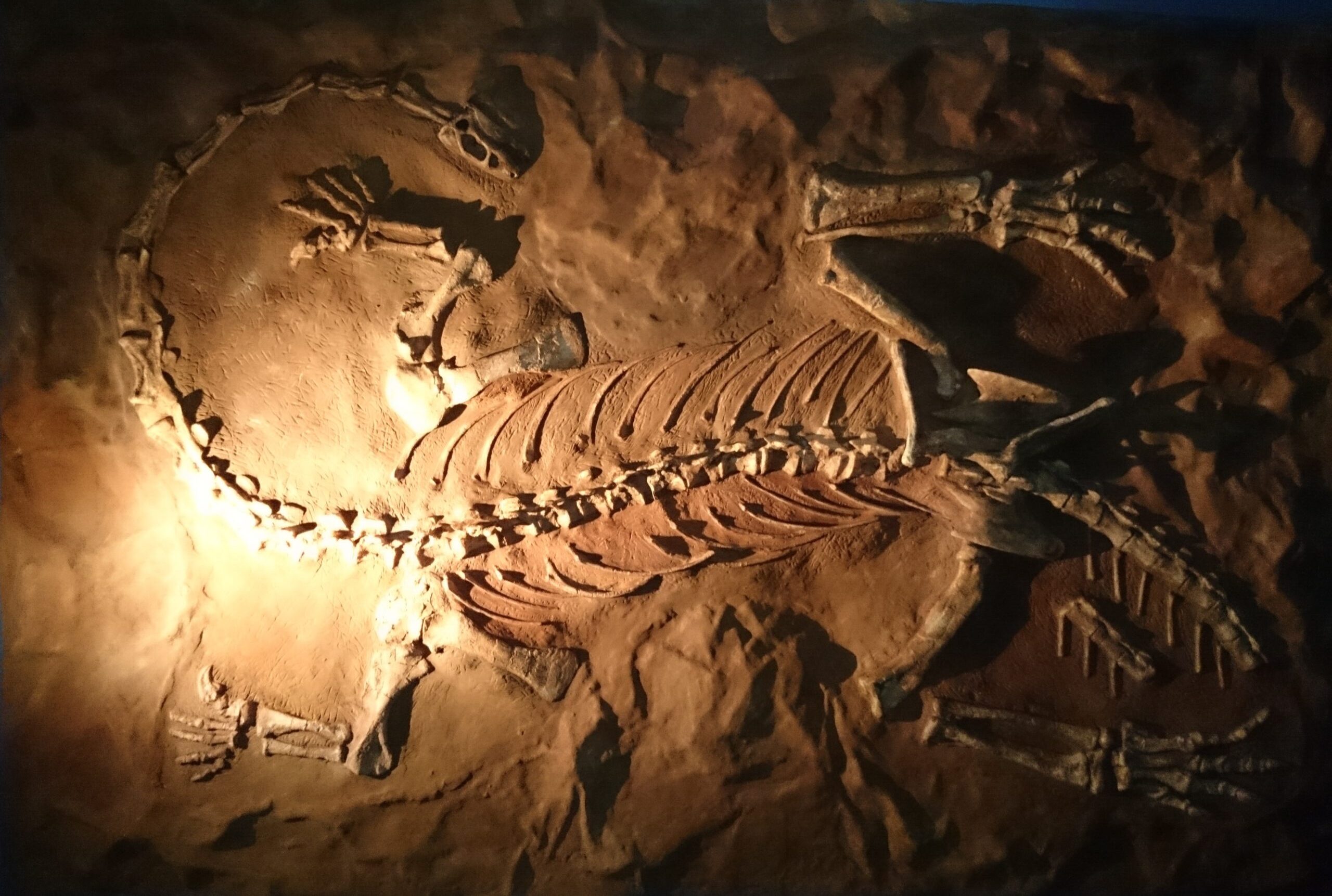
Some forgotten discoveries are not lost to time so much as lost to poor filing. A Welsh dinosaur specimen studied by British scientists in the 1990s spent years bouncing between classifications, complicated further by the fact that researchers could not even locate the actual bones when they went looking. Scientists in the 1990s initially described it as a species of Syntarsus, but that name was dropped after researchers decided the Syntarsus species were related to other groups, and when scientists later went to reevaluate it, the remains were not where they thought they were.
It took a veteran paleontologist with decades of institutional memory to physically relocate the specimen. A senior researcher recalled telling her colleague she could not find it, and about three hours later the colleague had it, having found it in a drawer of crocodile material she must have remembered from a previous look. The species was eventually named Pendraig milnerae in her honor, and it turned out to be one of the oldest known theropod dinosaurs on record.
5. A century-old skull fragment from a Utah quarry
At the Carnegie Museum of Natural History, a fossil braincase collected back in 1913 spent more than a hundred years catalogued under the wrong genus entirely. A fossilized skull, tucked in a museum drawer for more than a century, was determined to belong to a dinosaur nobody had named, and the fossil was collected in 1913 at Carnegie Quarry in Dinosaur National Monument. Researchers had long assumed it belonged to the well-known Diplodocus.
A fresh anatomical review upended that assumption. A researcher at Carnegie Museum noted the specimen formed the basis for the modern description of braincase anatomy for Diplodocus as a genus, but in light of several decades of new discoveries since the original 1978 description, the team re-evaluated the anatomy and found the features aligned better with a different group of sauropods. The specimen was renamed Athenar bermani, a genus and species distinct from the one it had represented in textbooks for generations.
6. The Welsh jawbone that waited 125 years
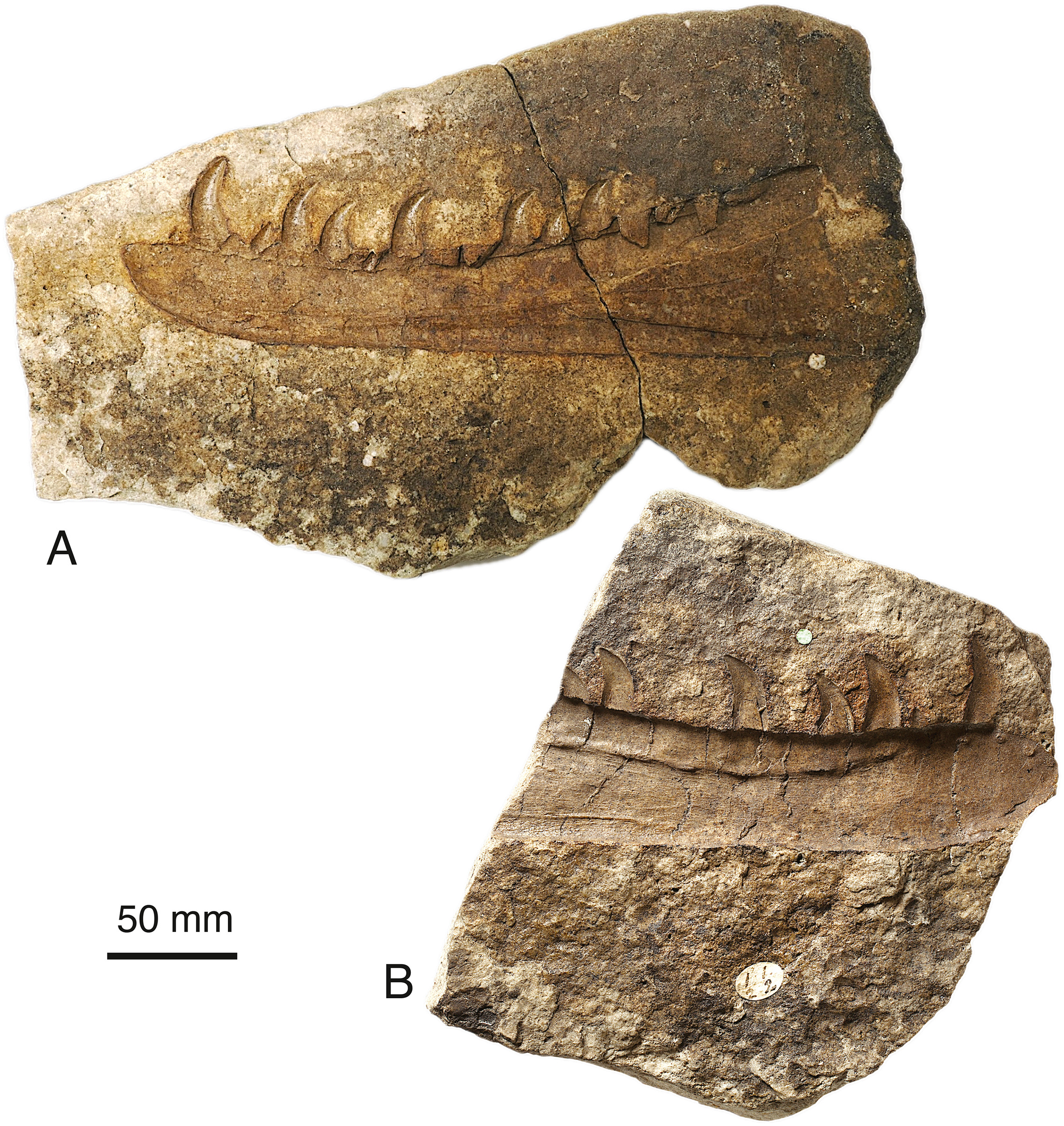
Displayed for years at the National Museum of Wales, a fossil jawbone had been public-facing the entire time, sitting in plain sight rather than a drawer, yet nobody had correctly identified it. Using modern digital scanning techniques, researchers were able to shed new light on the fossil jawbone, which had been known since 1899 and been on display in the museum for many years, but was not correctly identified until now. The case is a useful reminder that being on view is not the same as being understood.
The animal turned out to be unusually large for its era. The jawbone belonged to an animal unusually large for a Triassic theropod, most of which were half the size or smaller. Museum staff described the pattern as fairly typical of paleontology today. A museum curator noted that these historical specimens are vitally important and often yield new and exciting results even after sitting in collections for years. The jawbone was formally named Newtonsaurus cambrensis.
7. Two dinosaurs mistaken for known species in Ottawa
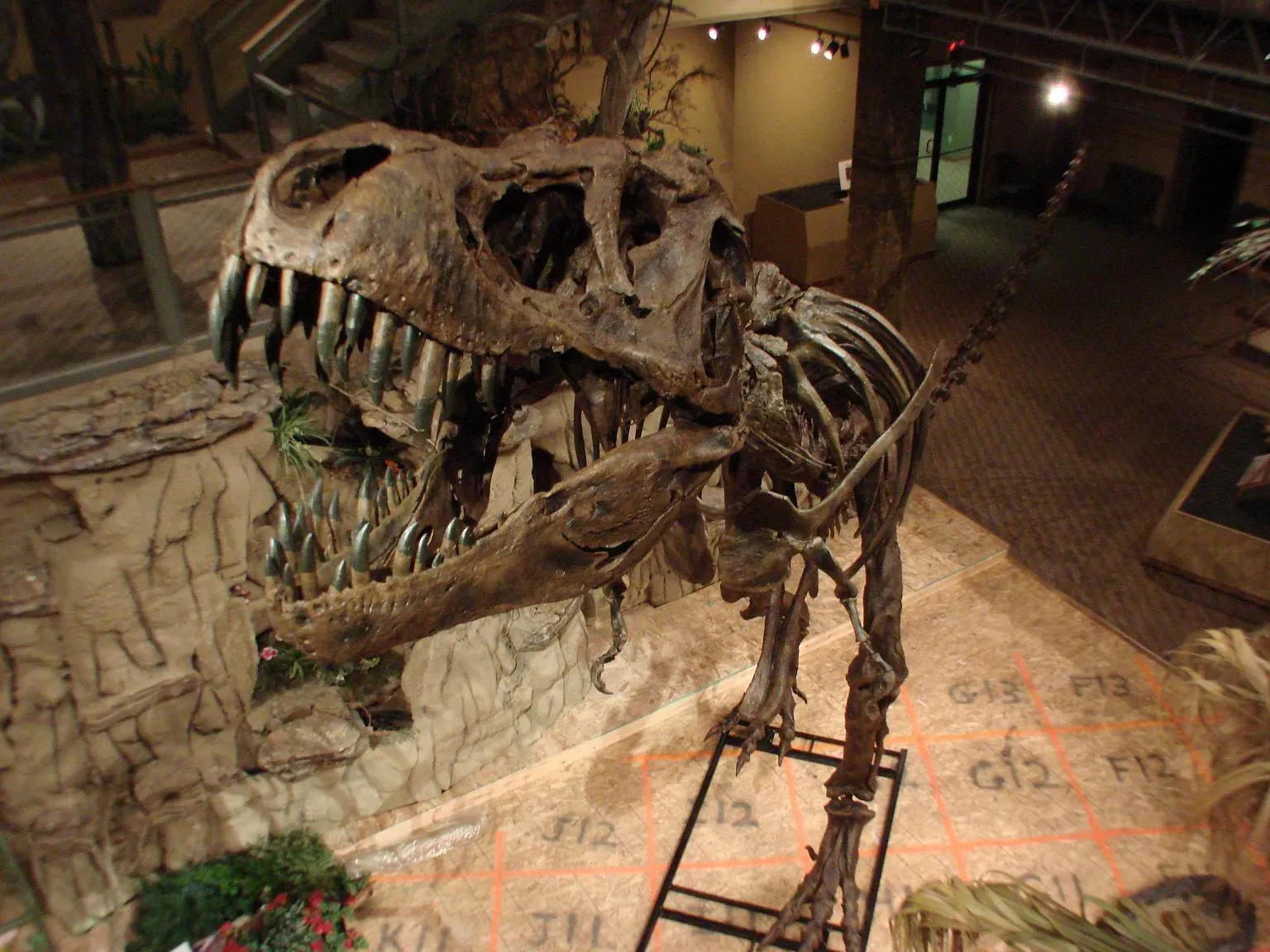
At the Canadian Museum of Nature, fossils that had been sitting quietly for roughly 75 years turned out to be something other than what their labels claimed. Originally thought to be the remnants of two known dinosaur species from western Canada, the fossils had been sitting at the museum for the past 75 years. Palaeontologist Nick Longrich noticed something off during a routine comparison.
The bones simply did not fit the geography they were supposedly from. Closer inspection revealed that the fossils more closely resembled dinosaurs from the American southwest. It was a case built entirely on careful comparison rather than any new excavation, underscoring how much taxonomic detective work happens indoors, far from any dig site.
8. A damaged skull nobody thought was worth keeping
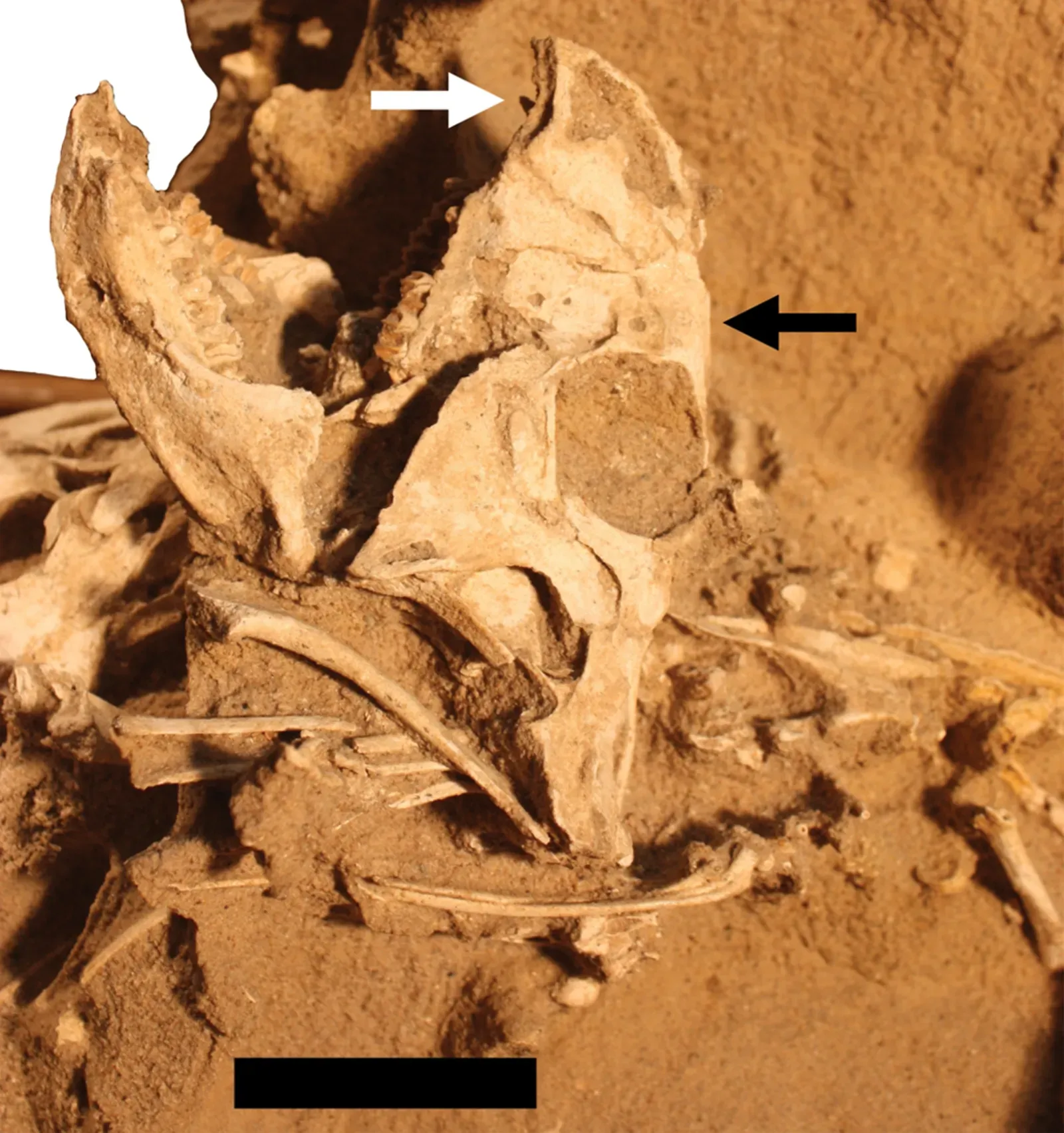
Not every specimen gets tucked away with care. A badly damaged dinosaur skull found at Ghost Ranch, New Mexico, in 1982 was considered nearly worthless by the team that recovered it. It was originally found in 1982 at Ghost Ranch by a team from the Carnegie Museum of Natural History, who brought it back and promptly tossed it in a drawer, deeming the skull too damaged to be of any value, and it was quickly forgotten. That low opinion held for four decades.
Eventually a Virginia Tech research team decided the skull deserved another look, and the results surprised them. A second look at the long-stored skull had a wider impact than the researchers imagined, one that could shift the scientific view of dinosaur evolution. What had been dismissed as scrap turned into a meaningful contribution to understanding how a lineage of dinosaurs evolved, all because nobody threw it out entirely.
9. A single year that produced more than 70 new species
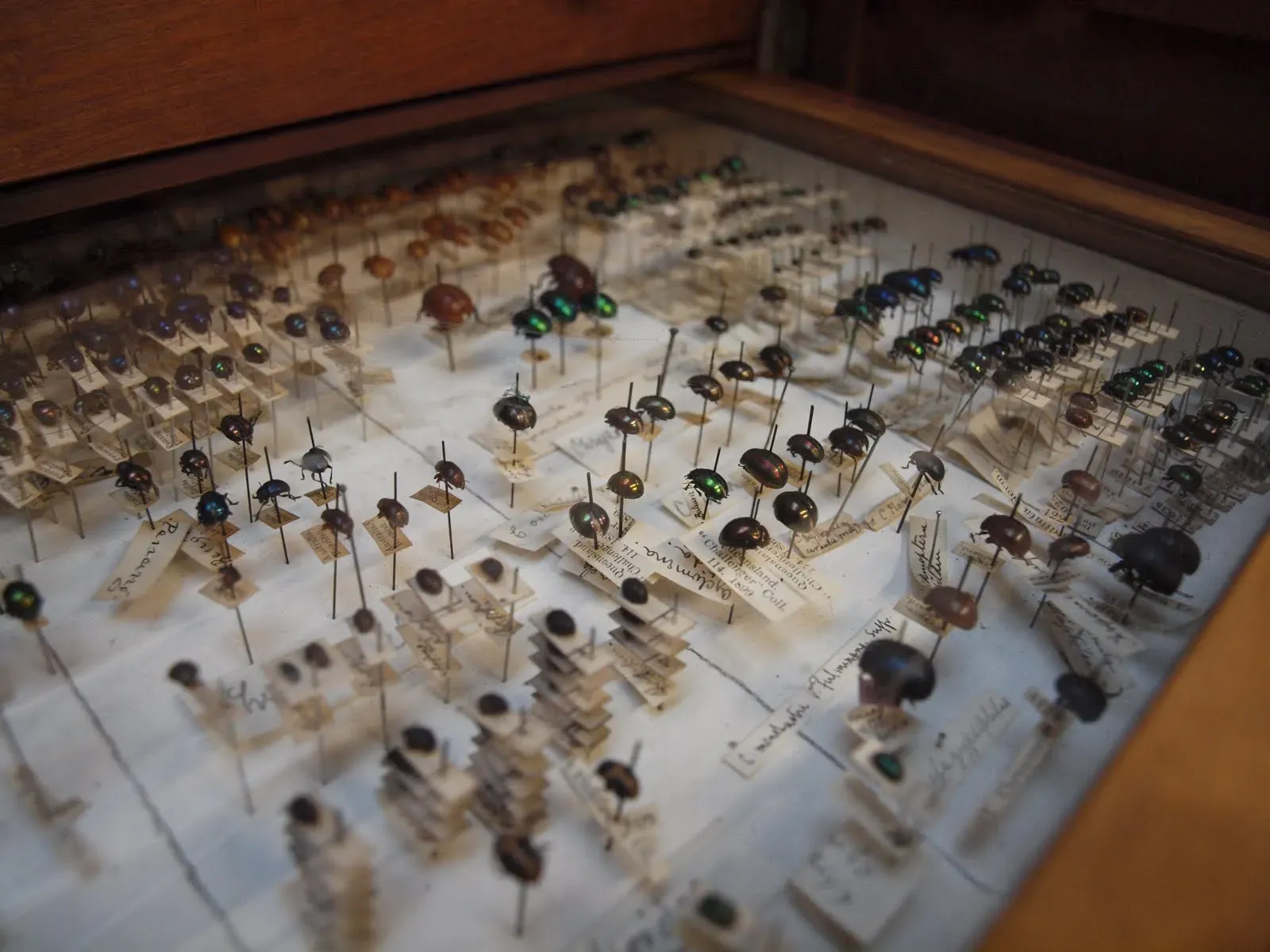
Sometimes the story is not one specimen but an entire backlog finally catching up with itself. In 2025, the American Museum of Natural History described more new species in a single year than most institutions manage in a decade. In 2025 alone, researchers at the museum formally described more than 70 species new to science, spanning dinosaurs, mammals, fish, reptiles, insects, arachnids, marine invertebrates, and even a newly approved mineral. Many of the discoveries never required a single field expedition.
One example involved fruit flies collected on the other side of the world nearly a century earlier. AMNH scientists studied specimens collected nearly 100 years ago and identified two new fruit fly species marked by unusual jaw-like mouth structures, specimens that had sat correctly stored the whole time simply because nobody had studied them closely against modern comparative data. Another was a small fish that had been shelved, untouched, for a quarter century. A suckermouthed minnow from the highlands of Vietnam had been collected by museum ichthyologists and shelved untouched for 25 years. As one museum official put it, these findings underscore how much value remains locked inside older collections. “Together, these discoveries highlight the remarkable richness of Earth’s biodiversity and underscore the enduring value of natural history collections,” said Cheryl Hayashi, the museum’s Senior Vice President and Provost of Science.
10. A Rembrandt that spent decades quietly disowned

Not every forgotten find involves bones or fossils. A painting titled Vision of Zacharias in the Temple hung in a private home for more than fifty years after scholars stripped it of its attribution. The work was last studied in 1960, when scholars ruled out the possibility that it could be by the Dutch master, but more than six decades later specialists with access to advanced analysis techniques established that the painting was indeed produced by Rembrandt in 1633. It was, in effect, demoted and forgotten by the art world for a generation.
The family that inherited the painting eventually had it examined out of simple curiosity. The discredited painting was purchased by a private collector in 1961 and displayed in his home for decades, and following his death, his children, wondering whether it might be a real Rembrandt owing to the artist’s large signature, brought the work to the Rijksmuseum. Conservation revealed details that had been hidden under grime and old varnish for decades. The Rijksmuseum’s director described the work as very dark when it arrived, but once restored, the gold seemed to burst off it, remarkable given that Rembrandt painted with yellow rather than gold, calling it classic Rembrandt. The painting now hangs on public display for the first time in over sixty years.
What these forgotten finds actually tell us
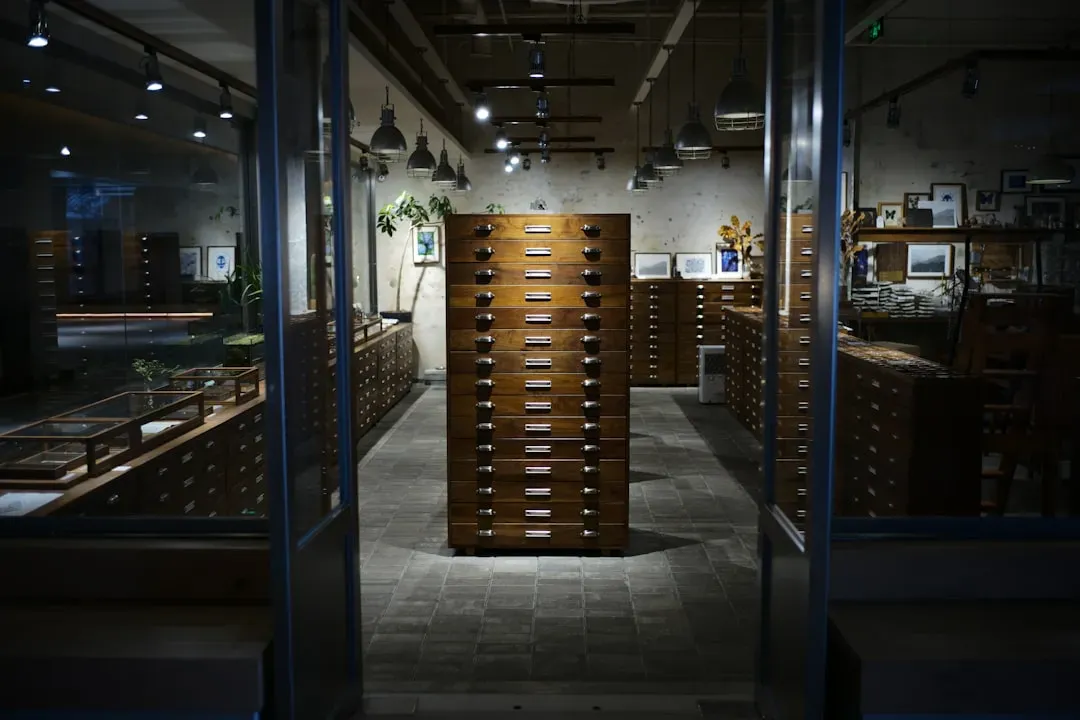
Ten cases, three continents, a scattering of centuries, and yet the pattern repeats itself almost stubbornly. Nobody in these stories stumbled onto something buried in the wild. They found it in a drawer, a basement, a private living room, places that had already been searched once by someone who simply lacked the tools, the time, or the specific expertise to notice what was actually there.
I think that’s the part worth sitting with. It’s tempting to imagine discovery as something that happens at the edge of the map, in places nobody has been before. These stories argue the opposite. The edge of the map might just be a filing cabinet three floors below street level, and the tool that finally cracks it open might be a CT scanner rather than a shovel.
That should worry funders and museum administrators more than it currently seems to. Collections require staff, storage space, and time for specialists to actually look, and all three have been shrinking at institutions that treat these rooms as archives rather than laboratories. If the last decade of dinosaur skulls, coelacanths, and disowned Rembrandts has proven anything, it’s that the next major discovery is far more likely to come from patience with what we already have than from another expedition to somewhere new.