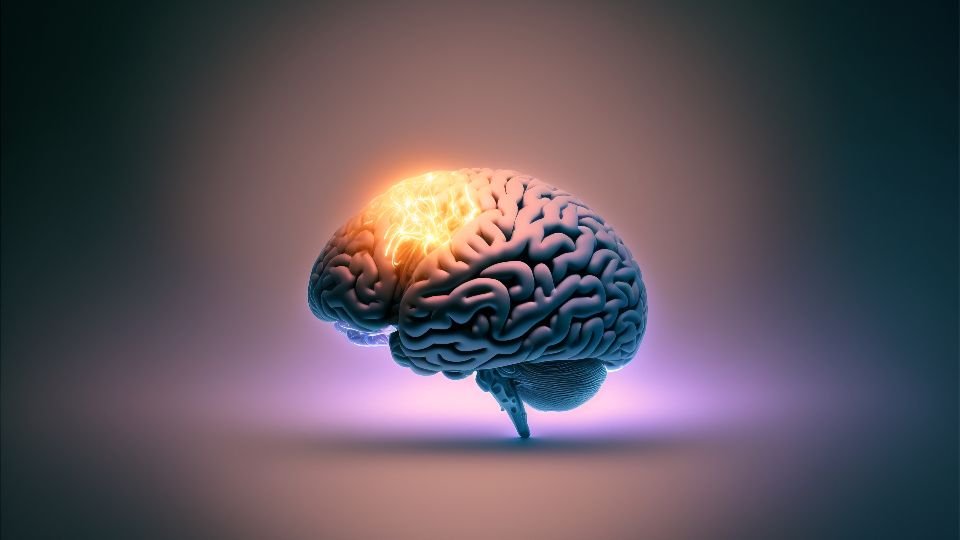

You live in a time obsessed with hacking the brain: mindfulness apps, brain scans, smart drugs, endless podcasts about peak performance. Yet for all this, you probably still feel that your inner world is mysterious, hard to measure, and even harder to truly understand. When you look back at ancient civilizations, you see something different: cultures that wove consciousness into their religion, medicine, art, and daily rituals, as if the mind was not a side effect of life, but its central stage.
So you have to wonder: did they know something you have forgotten? Ancient Egyptians weighing the heart of the dead, Indian sages mapping states of awareness, Greek philosophers asking what it means to know yourself – these were not side questions for them. They were the heart of their civilizations. As you explore their ideas, you may not find neat scientific formulas, but you will discover a radically different way to relate to your own mind – one that might be less about control and more about depth, meaning, and connection.
You And The Egyptian Soul: More Than Just A Brain In A Skull
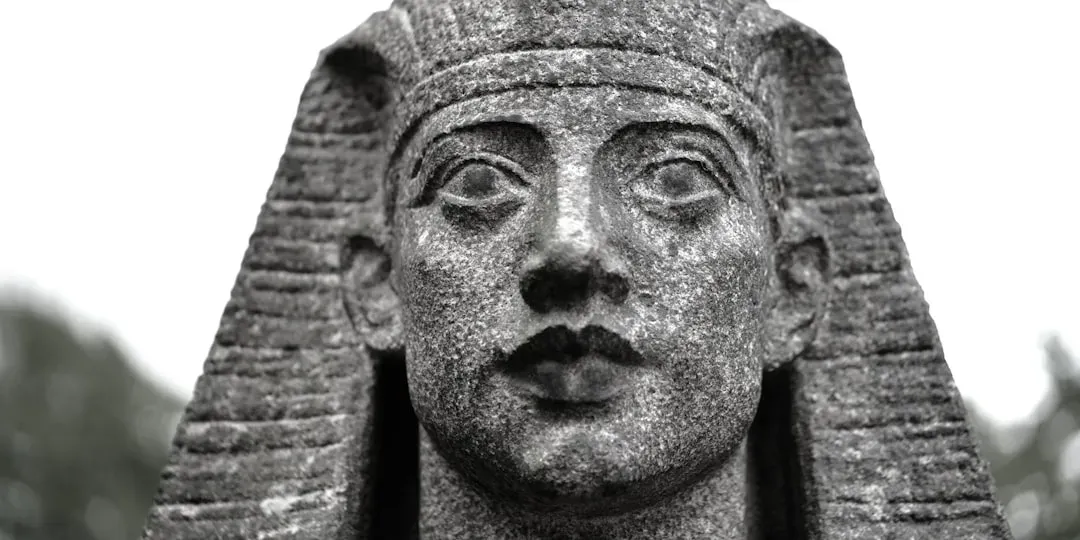
When you look at how the ancient Egyptians thought about the self, you see a view of consciousness that is far richer than a single organ like the brain. They imagined you as made up of several parts – the ka (life force), ba (personality or soul that could move between worlds), the heart as your moral center, and even your name as a living piece of who you are. Instead of locating consciousness in one physical spot, they saw it as a network of forces and relationships, stretching across body, character, memory, and the unseen world.
If you were living then, your inner life would not be a private, invisible thing. It would show up in how your heart weighed against the feather of truth after death, how your name was preserved on monuments, and how well your physical body was kept intact to support your spiritual journey. You might not have brain scans or psychology textbooks, but you would feel that your consciousness mattered in a cosmic sense. In that way, you would probably take your thoughts, intentions, and moral choices far more seriously than you often do in a world that quietly whispers that you are just a lump of neurons.
Vedic India: You As Awareness, Not Just A Person
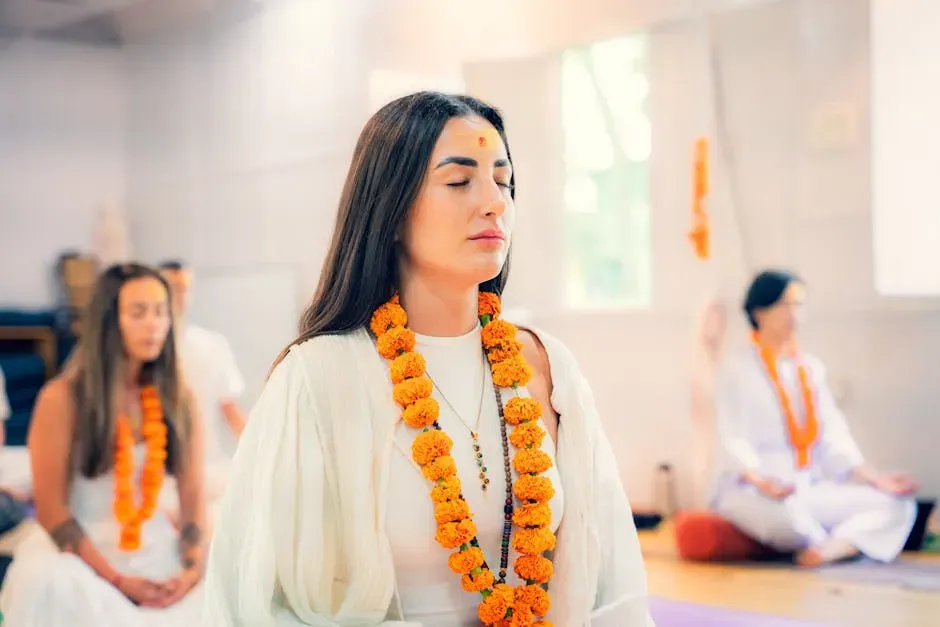
In the ancient texts of India, you are not just a person having spiritual experiences – you are awareness itself having a human experience. When you read ideas like atman (the deepest self) and brahman (ultimate reality), you are being pushed to consider that your true identity is not your story, your job, or even your personality, but the witnessing awareness beneath it all. If you follow that path, consciousness stops being a by-product of the brain and becomes the very foundation of reality.
When you look at practices like meditation, breath control, and mantra recitation in this context, they become more than relaxation techniques. They are tools to let you experience awareness without all the noise your mind usually throws in front of it. You are encouraged to watch your thoughts instead of automatically believing them, to feel your emotions without drowning in them, and to glimpse a state where you are deeply awake but not clinging to anything. Even if you do not buy every metaphysical claim, you can feel that this tradition takes your subjective experience seriously in a way that many modern systems ignore.
The Greek Call To Know Yourself: Consciousness As Moral Work
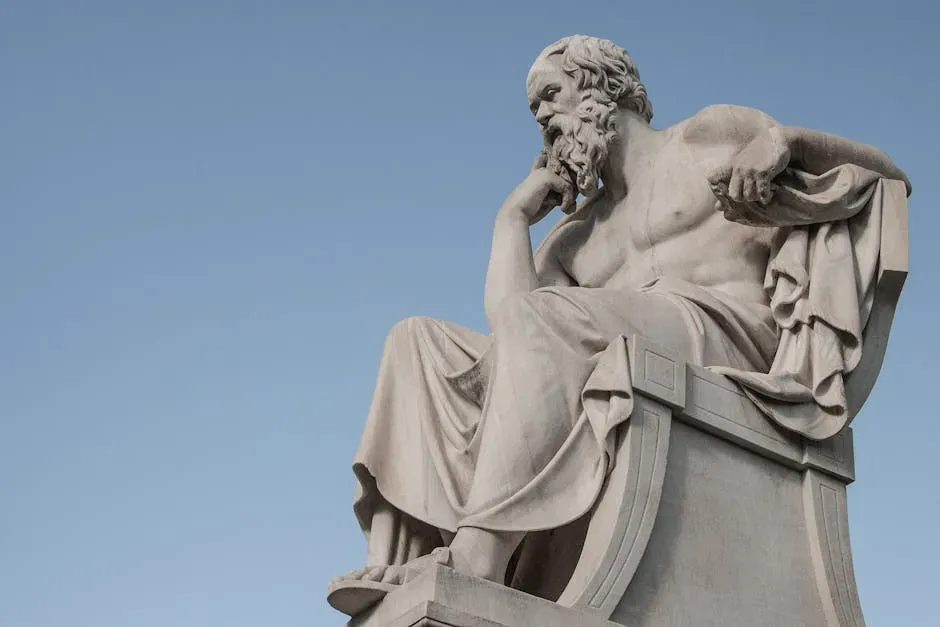
When you think about ancient Greece, you probably imagine temples, statues, and philosophy lectures – but at the center of a lot of it is a surprisingly modern-sounding challenge: know yourself. For you, that phrase might sound like a motivational slogan, but for Greek thinkers it was a serious, lifelong project. To know yourself meant examining your beliefs, your habits, your desires, and your blind spots, not just so you could feel better, but so you could live a good and just life.
In that world, consciousness was not just mental activity. It was the light you could turn on to see where you were fooling yourself or living out of alignment with your values. You would be pushed to question what you think you know, to tolerate uncertainty, and to wrestle honestly with your own contradictions. Your inner life was not a private escape but a public duty, because a person who is unconscious of their motives is dangerous to others. Compared to that, your modern focus on productivity and positive vibes can feel a bit shallow, like polishing the surface of something you have not really dared to explore.
Buddhist Insight: Watching Your Mind Like A Scientist
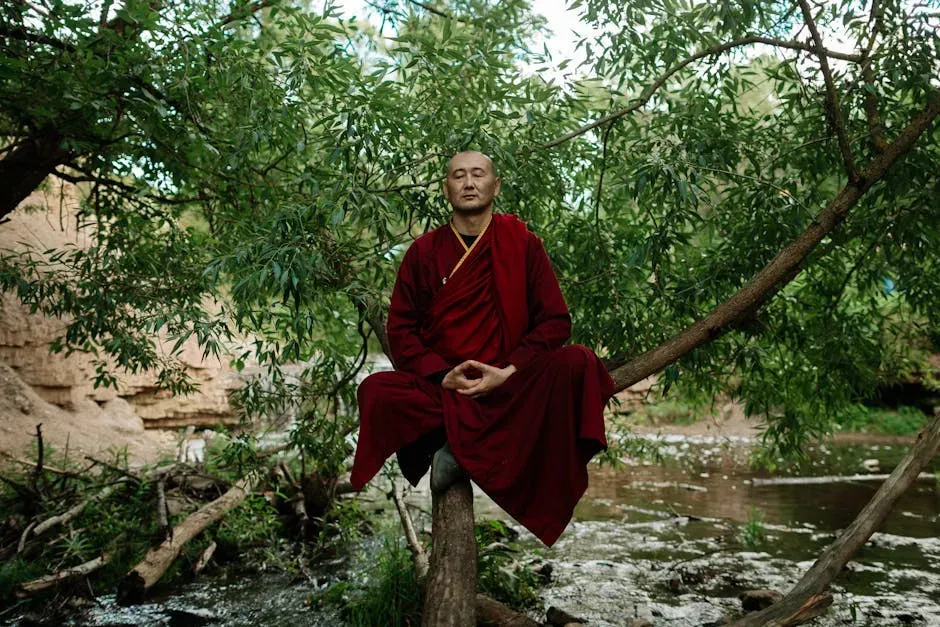
If you sit quietly and watch your thoughts, you are actually doing something very close to what ancient Buddhist practitioners trained themselves to master. Long before brain imaging or lab experiments, they developed a kind of inner science of consciousness based on careful, repeated observation of their own experience. You are invited to notice how thoughts appear and disappear, how emotions rise and fall, and how your sense of a solid, permanent “me” is not as stable as it seems.
Instead of starting with a theory that the brain produces consciousness, this tradition starts with what you can directly experience from the inside. You see that suffering often comes not from what happens to you, but from how your mind reacts, clings, and resists. You discover that when you pay gentle, nonjudgmental attention to your inner life, it begins to settle and become clearer, much like muddy water left undisturbed in a glass. In that sense, you are encouraged to become both the subject and the researcher, using your own mind as the laboratory.
Shamanic And Indigenous Traditions: Consciousness As A Web, Not An Island
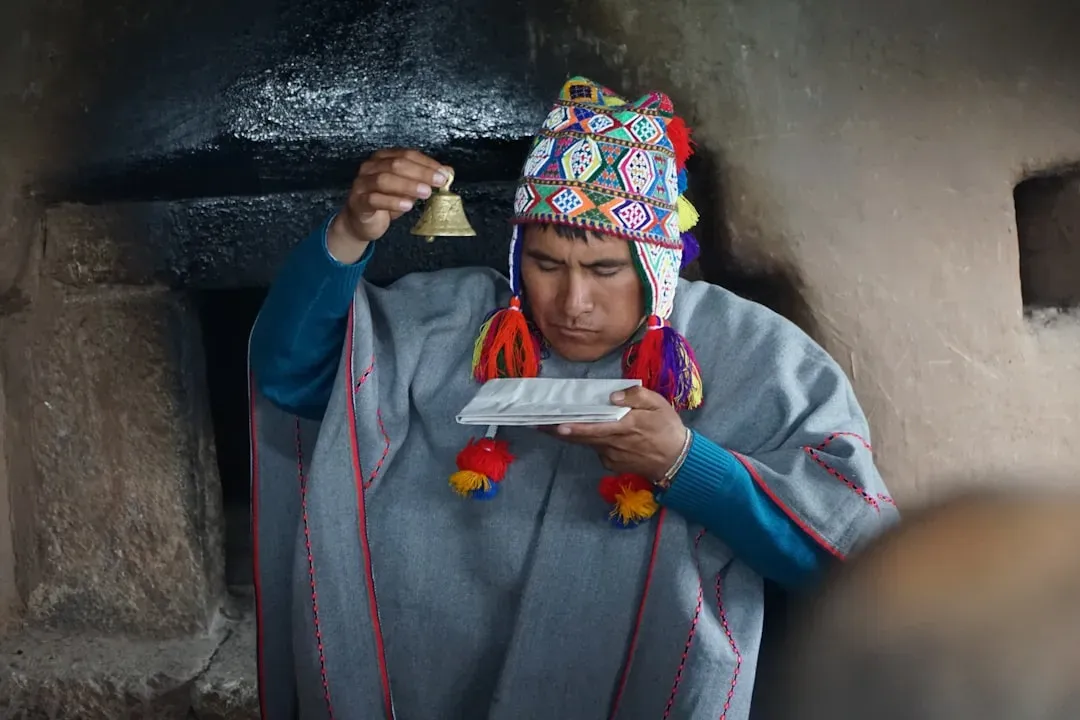
In many ancient and indigenous cultures, you would not see your mind as locked inside your skull. Instead, consciousness would feel like something shared between you, your community, the land, your ancestors, and even animals and plants. When a shaman enters an altered state – through drumming, dance, fasting, or plants – they are not just having a strange personal trip. They are stepping into a wider field of awareness that, in their worldview, was always there.
If you take this perspective seriously for a moment, you start to question the modern habit of treating your inner life as a private, sealed-off bubble. You begin to notice how your mood changes with the weather, how your energy shifts in different places, and how powerful it is when a group shares a ritual, song, or story. You may not believe that spirits literally exist in the way some traditions describe, but you can still recognize that they point to something you feel: that your mind is deeply shaped by the web you live in. In that way, these traditions push you to see consciousness as relationship, not just as an individual possession.
Myths, Rituals, And Symbols: The Old Language Of Your Inner World
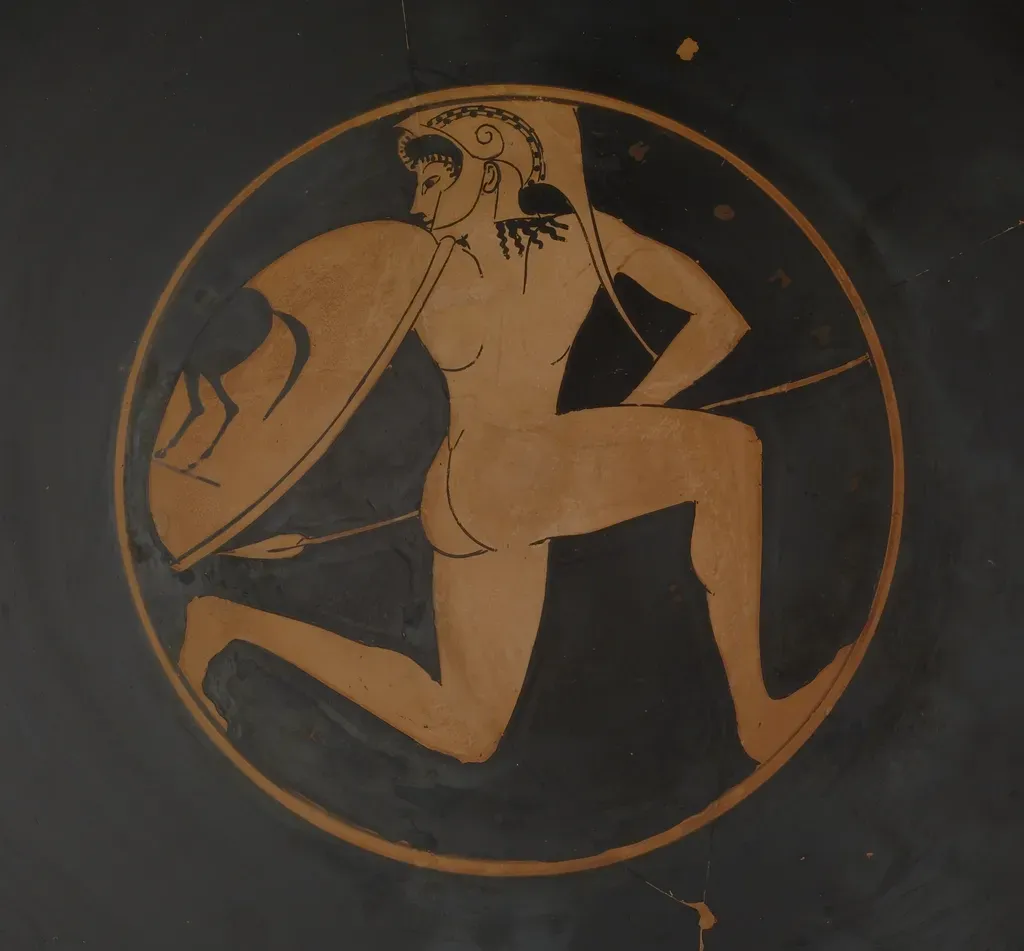
When you read ancient myths, it can be tempting to treat them as primitive stories people told before they knew better. But if you look again, you see something closer to a symbolic map of consciousness. Heroes confronting monsters, descending into the underworld, meeting strange guides, or being torn apart and reborn – all of that can mirror the psychological journeys you go through when you face loss, crisis, or transformation in your own life. Myths are like dream-language, speaking to parts of you that logical explanations never quite reach.
Rituals work the same way. When you walk through a rite of passage, attend a seasonal celebration, or take part in a shared ceremony, you are not just performing an outdated script. You are training your nervous system to move through fear, grief, and change with others rather than alone. Ancient civilizations often used symbols, music, movement, and storytelling to guide inner states in a deliberate way. Compared to that, you live in a culture that gives you a lot of information but not many shared, meaningful structures for navigating the deep shifts in your inner life.
Modern Science: Powerful Tools, Narrow Lens?

Today, you have brain scans that light up with color, complex theories about neurons and networks, and experimental data linking activity in your head to behavior in the world. You can watch how certain areas of the brain react when you meditate, remember, or feel empathy. This is powerful and valuable; it lets you develop treatments, understand disorders, and see patterns that ancient people could not measure. From this angle, consciousness looks like something emerging from physical processes, a kind of astonishing side effect of matter becoming organized in a particular way.
But if you are honest, you also see the limits of this approach. A scan can tell you which region of your brain is active when you feel awe, but it cannot tell you what that awe actually feels like from the inside or why it can change your life. Modern science is very good at third-person descriptions – what can be observed, measured, predicted – but your lived experience is stubbornly first-person. Ancient civilizations could not show you brain images, yet they put the subjective, felt side of consciousness at the center of life. You could argue that they lacked data, but you might also admit that you now risk drowning in data while still feeling starved for meaning.
So Who Understood Consciousness Better – Them Or You?
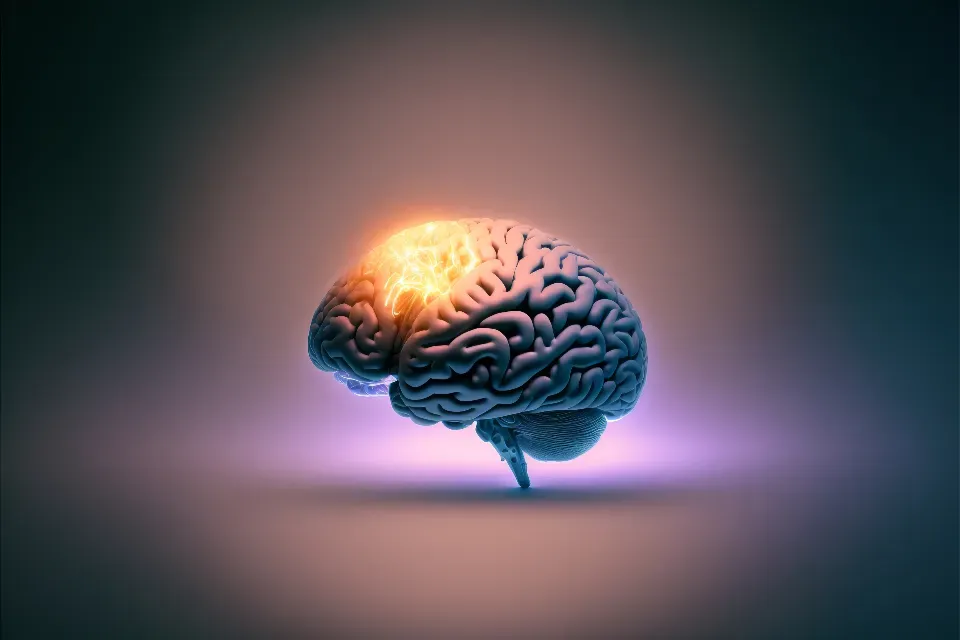
When you weigh ancient perspectives against modern knowledge, you are not really comparing clear winners and losers. You are comparing different lenses. You live with a lens that is sharp on measurable details but often blurry on questions of purpose, value, and inner meaning. They lived with lenses that were often fuzzy on physical mechanisms but surprisingly sharp on the texture of subjective life, on the ways your mind can heal, break, transform, and connect to something larger than yourself. If you only trust one lens, you end up seeing only part of the picture.
So maybe the better question for you is not whether they understood consciousness better, but whether you are willing to learn from what they saw that you currently miss. You can bring rigorous science together with inner practices that refine your own awareness, instead of pitting them against each other. You can treat meditation, ritual, myth, and self-inquiry as legitimate tools alongside research and technology. In doing that, you are not going backward into superstition; you are going forward into a fuller, more integrated understanding of what it means to be conscious at all.
In the end, you stand at a strange crossroads: you know more about the physical brain than any generation before you, yet you still struggle to answer the simple question of what it feels like to be you and why that experience matters. Ancient civilizations cannot hand you a complete answer, but they can remind you that consciousness is not a technical problem to solve, but a mystery to live with curiosity and care. As you move through your life, perhaps the most important question is this: with everything you know now, how deeply are you actually willing to explore your own mind?