
You live in a world where skyscrapers scrape the sky and rockets leave the planet, so it’s tempting to think your era has a monopoly on genius. But when you look closely at what ancient civilizations actually built, you start to feel something between awe and humility. With no computers, no modern machines, and no CAD software, they still raised monuments, cities, and machines that make engineers today shake their heads and say: how on earth did they manage that?
Once you move past the myths and look at the evidence, you notice a pattern: these people were relentlessly practical, endlessly creative, and very, very patient. They leveraged math, observation, and clever use of materials in a way that still holds up. In some cases, you understand the broad strokes of how they did it, but the day‑to‑day logistics are so extreme that you almost do not believe the numbers. That tension – between what you can explain and what still feels impossible – is exactly what makes these feats so captivating.
The Great Pyramid: Precision on a Mind‑Bending Scale

If you ever stand in front of the Great Pyramid of Giza, you realize photos never prepared you for the sheer size of it. You are looking at roughly millions of limestone and granite blocks, many weighing as much as a small truck, stacked with such precision that the base is astonishingly close to perfectly level. Without lasers or GPS, the builders aligned the structure remarkably close to true north, using careful observations of the sky and patient measurement over years, not days.
You might have heard wild theories about aliens, but when you look at the real details, the human achievement is more impressive. Workers used levers, sledges, ramps, and an army of skilled laborers who were organized like a well‑run construction company. You can still see traces of their planning in the quarry marks and worker villages nearby: evidence of logistics, food supplies, and project management on a national scale. The pyramid is less a mystery machine and more a monument to what you can pull off with coordination, time, and stubborn determination.
Roman Aqueducts: Gravity‑Powered Water Highways
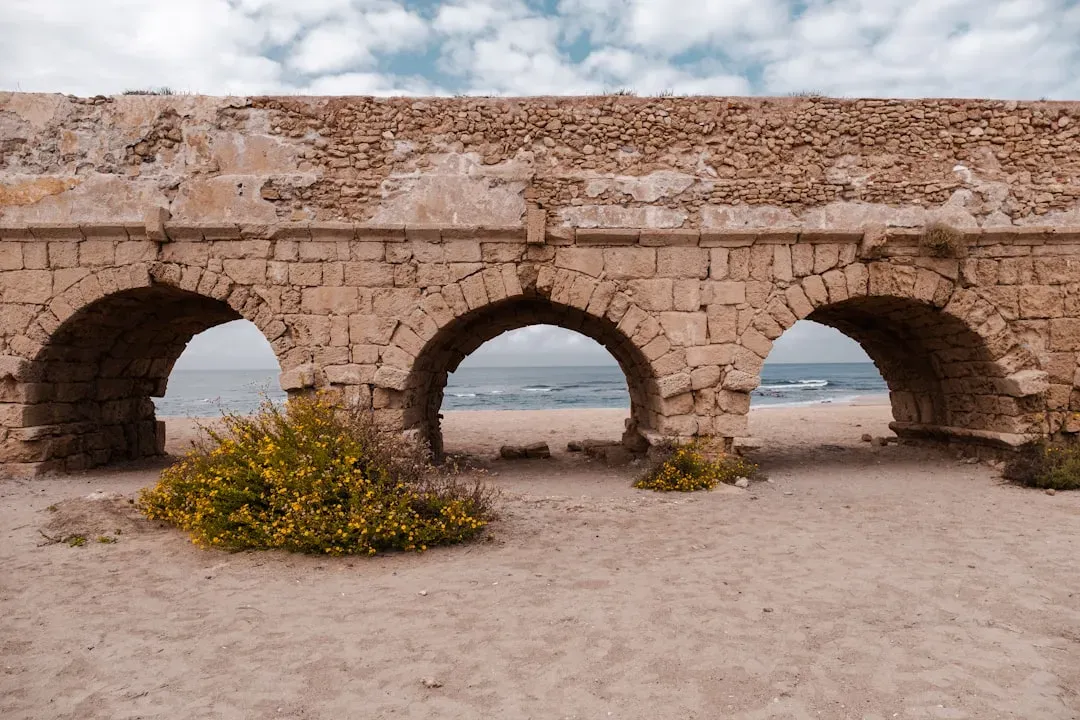
Imagine supplying a growing city with clean water when you have no pumps and no electricity. Roman engineers solved this by building aqueducts – long channels and graceful stone arches that relied almost entirely on gravity. Over dozens of miles, the slope of a channel might change only a little, yet it stayed steady enough that water flowed smoothly from distant springs into city fountains, baths, and homes.
When you walk under the towering arches of a surviving aqueduct, you’re seeing more than pretty ruins; you’re seeing a finely tuned infrastructure system. Romans surveyed landscapes, tunneled through hills, and built bridges over valleys, all while keeping that delicate downward tilt. They added settling tanks and maintenance access so the system could be cleaned and repaired. In a way, you could compare an aqueduct to a modern highway: invisible when it works, but absolutely vital, and dependent on boring, careful math that most people never see.
Angkor’s Hydraulic City: Cambodia’s Ancient Water Grid

When you think about Angkor in Cambodia, you probably picture jungle‑covered temples, but the real secret is hiding in the waterworks. The Khmer Empire built vast reservoirs, canals, and dikes to capture and distribute monsoon rainwater across a flat landscape. If you look at satellite images, you can see how the city and temples are woven into a grid of engineered water, not just plopped randomly into the forest.
For you, that means Angkor was less a cluster of temples and more a carefully balanced machine. The system helped manage floods, irrigate rice fields, and buffer the city against dry spells, turning water from a threat into a tool. It also required constant upkeep, dredging, and adjustment, which suggests specialized workers whose entire job was water management. When you realize that the city’s rise and struggles were tied to this hydraulic network, you start to see the whole place as a warning about how closely your own cities depend on invisible infrastructure.
Machu Picchu: A Mountain‑Top City That Does Not Fall Apart
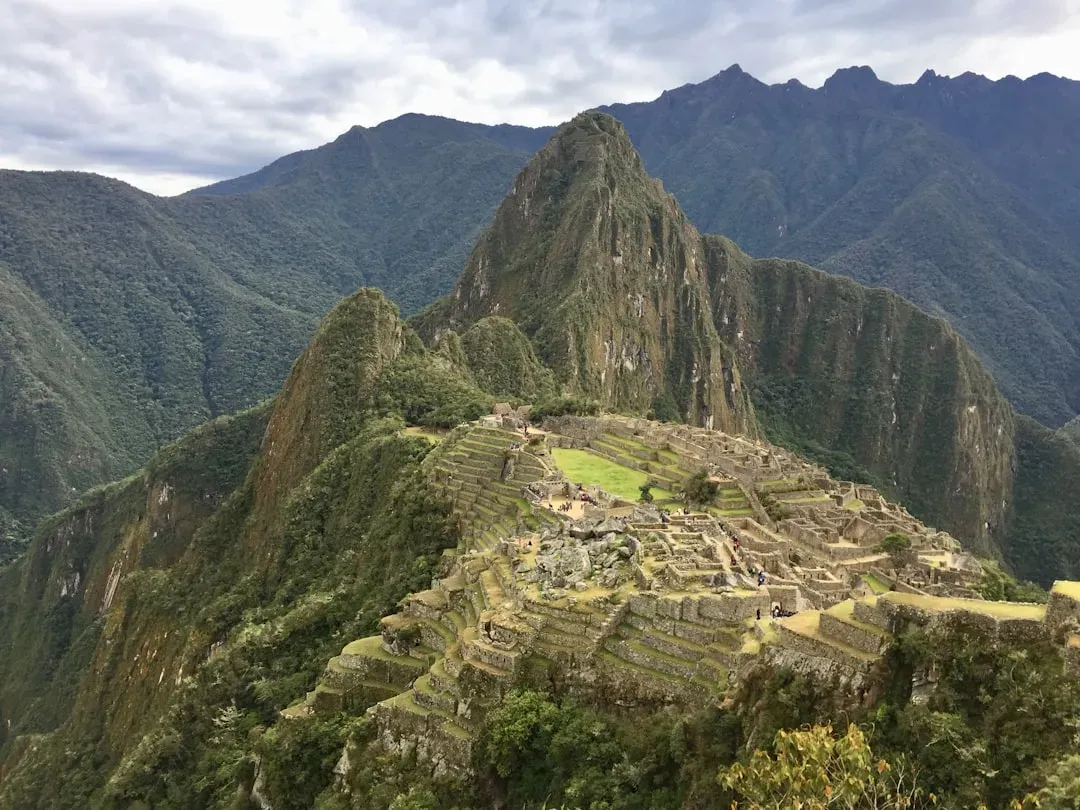
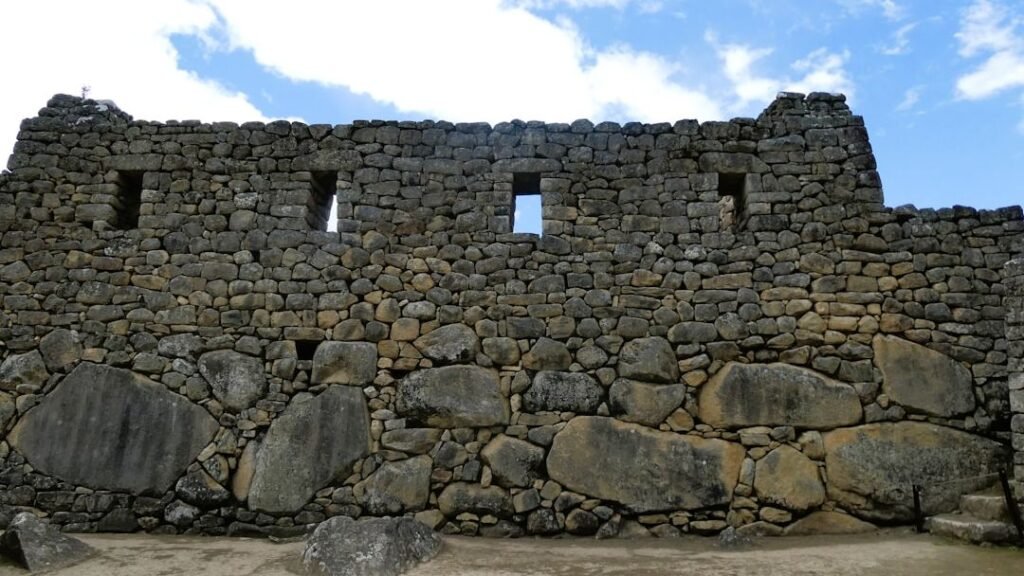
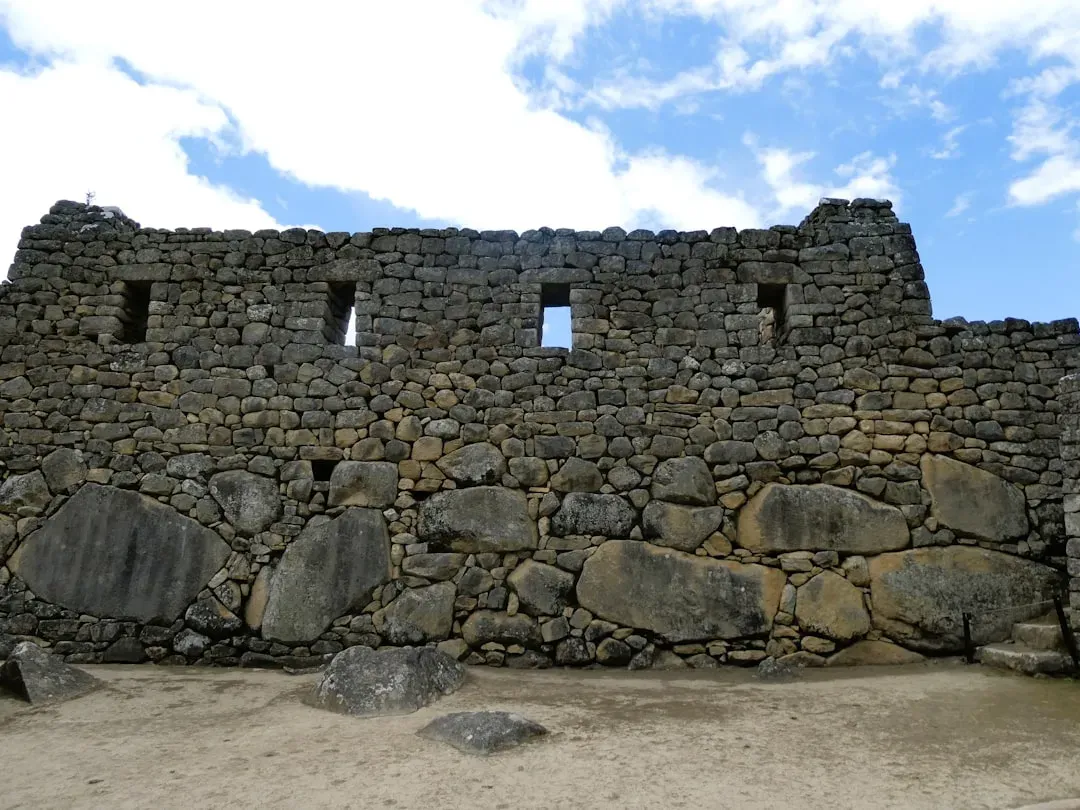
Even if you only know Machu Picchu from travel photos, you can sense how unlikely it is: a stone city perched among steep Andean ridges in Peru, built by the Inca without iron tools or wheeled vehicles. You would expect landslides, erosion, or constant collapses, yet the structures have withstood centuries of earthquakes and torrential rains. One of the keys is the Inca mastery of terracing and drainage, which turned a fragile mountaintop into a surprisingly stable platform for buildings and crops.
Look closely at the stonework and you see walls made of carefully shaped blocks that interlock like a puzzle. This precision allowed the structures to flex slightly during earthquakes instead of shattering. Beneath your feet, you would find layers of gravel and channels that help rainwater drain away rather than pool and destabilize the slopes. If you have ever built a garden on a hill and watched it wash away, the sheer foresight and testing this must have taken becomes even more impressive.
Roman Concrete: The Long‑Lasting Secret in the Mix

When a modern concrete bridge needs repair after a few decades, it can be frustrating to compare that to Roman structures still standing after many centuries. The Romans developed a concrete that, in certain environments, actually became stronger over time, especially in contact with seawater. They did this by combining lime with volcanic materials, creating a mix that formed durable crystals in the hardened concrete, particularly in marine settings.
You see this toughness in ancient harbor structures and massive domes like the Pantheon’s, whose unreinforced concrete roof still holds. For you, the intriguing part is that researchers today are studying those old recipes, hoping to adapt them into greener, longer‑lasting modern materials. There is something humbling about the idea that some of your future buildings might borrow more from a two‑thousand‑year‑old pier than from a recent experimental skyscraper. It is a reminder that innovation is not always linear; sometimes you have to look backward to move forward.
Roads, Grids, and Urban Planning from Ancient Worlds
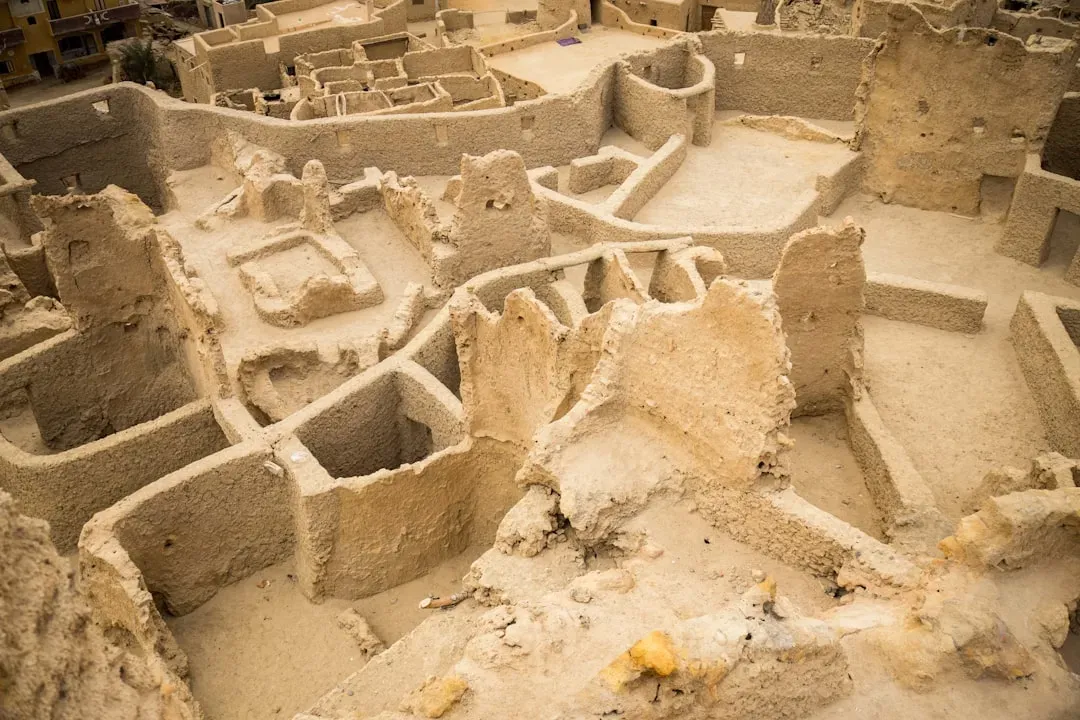
If you have ever enjoyed the convenience of a city laid out on a clear grid, you are echoing ideas that appeared long before modern zoning laws. Ancient planners in places like the Indus Valley, Mesoamerica, and the Mediterranean laid out streets, drainage channels, and public spaces with a level of foresight that might surprise you. In some Indus cities, archaeologists have found straight streets crossing at right angles, standardized brick sizes, and covered drains running beneath walkways.
That level of order did not happen by accident; it reflects a society that took sanitation, traffic flow, and shared rules seriously. You see comparable hints in Roman towns with their central forums and straight roads, and in the way some Mesoamerican cities aligned important structures with celestial events. When you zoom out, ancient cities start to look less like chaotic clusters of huts and more like deliberate experiments in how large groups of people can live together without constantly getting in each other’s way. That is a concern you still wrestle with today in every crowded urban center.
Monumental Stonework: From Stonehenge to Easter Island
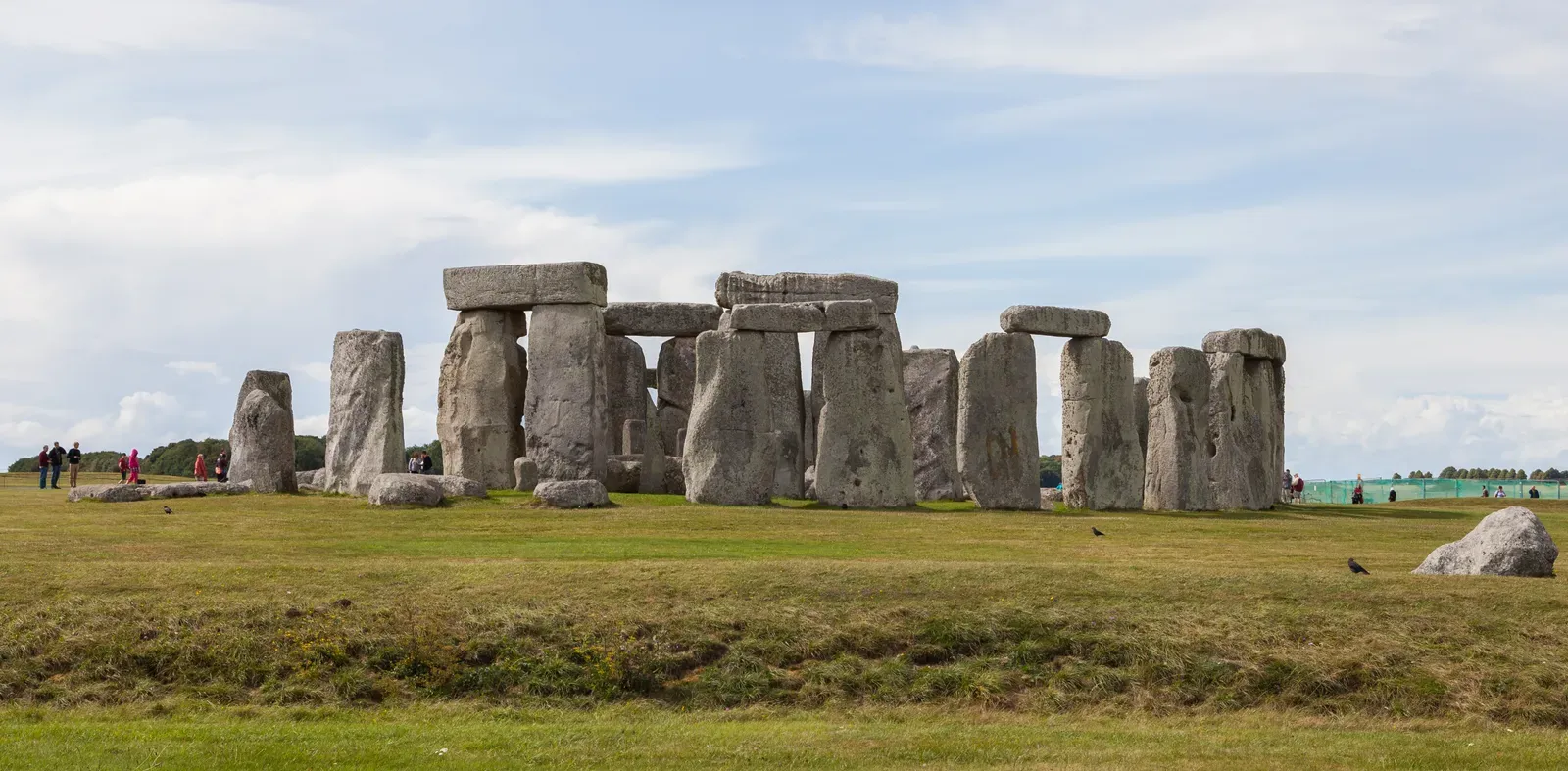
When you picture Stonehenge in England or the giant stone heads of Easter Island, it is easy to focus on the mystery and skip the raw engineering. Yet if you imagine yourself trying to move one of those stones with only simple tools, you get a different appreciation. You would need sledges, ropes, wooden rollers, teams of people, and a well‑designed plan to avoid getting crushed in the process. Experiments by modern researchers show that with enough coordination and clever tricks, groups can move and raise massive stones using surprisingly basic methods.
The layout of these monuments also reveals careful measuring and alignment. Stonehenge, for example, is oriented to key points in the solar year, which would have required repeated observation and trial to get right. On Easter Island, the placement of statues and platforms hints at social and religious priorities that guided where effort was spent. You might never know every detail of how each stone was transported or raised, but you can be sure it was not random; it was engineering driven by meaning, not just by capability.
Ancient Navigation and Maritime Engineering
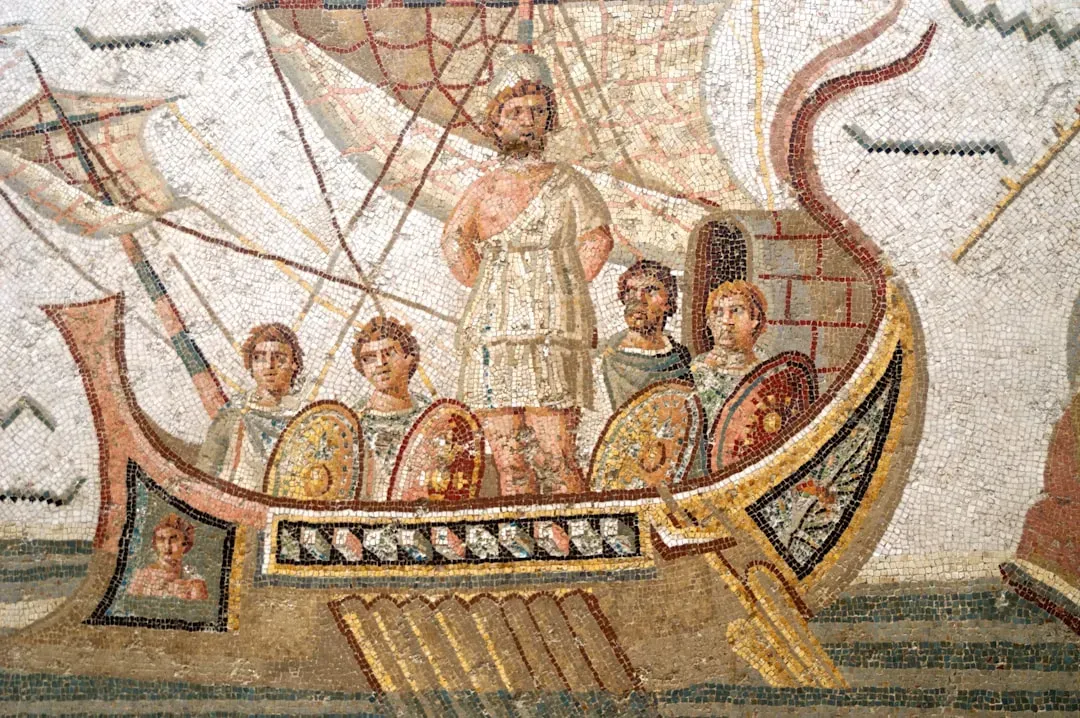
Before GPS, radar, or detailed global maps, ancient sailors still crossed vast distances of open water with a confidence that might surprise you. They used the stars, the sun, coastal landmarks, ocean swells, and even the behavior of birds to find their way. In the Pacific, seafaring cultures developed complex mental maps of wave patterns and island chains, allowing them to sail double‑hulled canoes over long routes that look intimidating even on a modern chart.
The vessels themselves were feats of engineering, balancing stability, speed, and cargo space with the materials at hand. In the Mediterranean, shipbuilders refined hull shapes and rigging to handle both war and trade, while in other regions people lashed planks and outriggers into configurations that look unfamiliar to you but made perfect sense for their seas. When you realize how many of these designs were tested over generations of trial and error, you start to see each boat as a kind of floating algorithm: an encoded solution to the problem of surviving the ocean.
Why These Feats Still Matter to You Today
It is tempting to treat ancient engineering as a distant curiosity, something you only encounter in documentaries or vacation photos. But when you pay attention, you notice how many of the same problems keep coming back: moving water where you need it, keeping buildings stable, organizing cities, and moving people safely across land and sea. The tools have changed, but the underlying questions are surprisingly familiar. In some cases, ancient solutions are being revisited because they offer durability or sustainability that modern approaches still struggle to match.
If you let yourself feel it, there is also a more personal lesson hiding here. These monuments and systems were not miracles; they were the result of careful observation, accumulated knowledge, and a stubborn refusal to give up when the first version did not work. You have access to far more tools and data than any ancient engineer could imagine, yet the mindset that built pyramids, aqueducts, and mountain cities is still available to you. The next time a problem seems impossibly big, you might ask yourself: if they could carve a city into a cliff or bend a river with hand‑cut stone, what might you be underestimating in yourself right now?