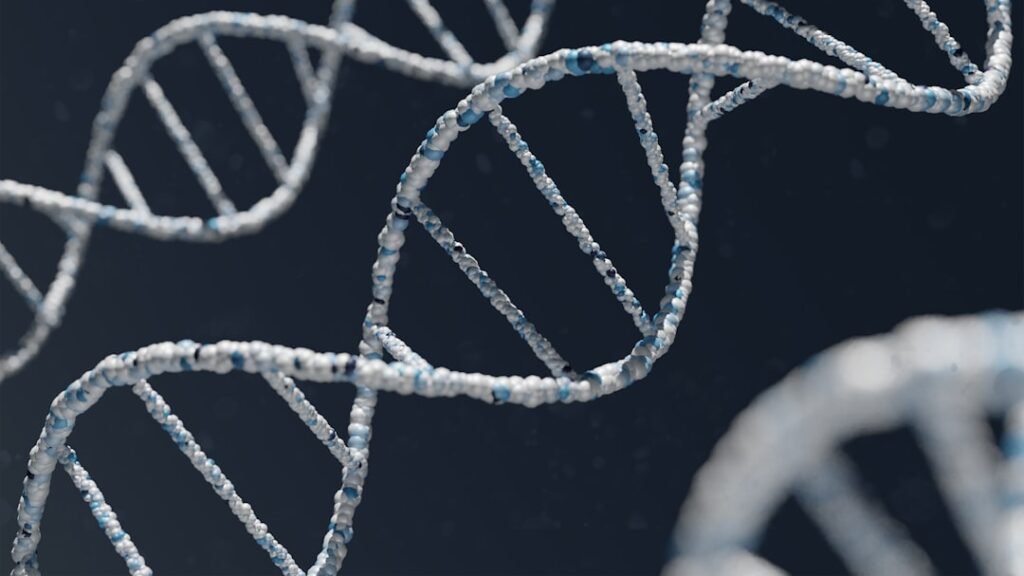

Imagine tracing your family tree back not just a few generations, not even a few thousand years, but all the way back to the very first organism that ever lived on Earth. That’s essentially what scientists are trying to do with the concept of the Last Universal Common Ancestor, often shortened to LUCA. LUCA isn’t the very first life-form, but it’s the shared ancestor from which every plant, animal, fungus, and microbe alive today ultimately descends. Whether you’re looking at a blue whale, a backyard weed, or the bacteria on your phone screen, they all point back to this one ancestral population.
What makes LUCA so fascinating is that it’s invisible to fossils and can’t be isolated in a lab; it exists as a ghost written into the genetic code of every living cell. Researchers are piecing together its story by comparing DNA and proteins from organisms across the tree of life, searching for the deepest common patterns. The surprising twist is that while scientists largely agree LUCA existed, they’re still actively debating when it lived and what kind of world it inhabited. That uncertainty is not a weakness of the idea but a sign of just how far back in time we’re trying to see.
What Scientists Mean by the Last Universal Common Ancestor
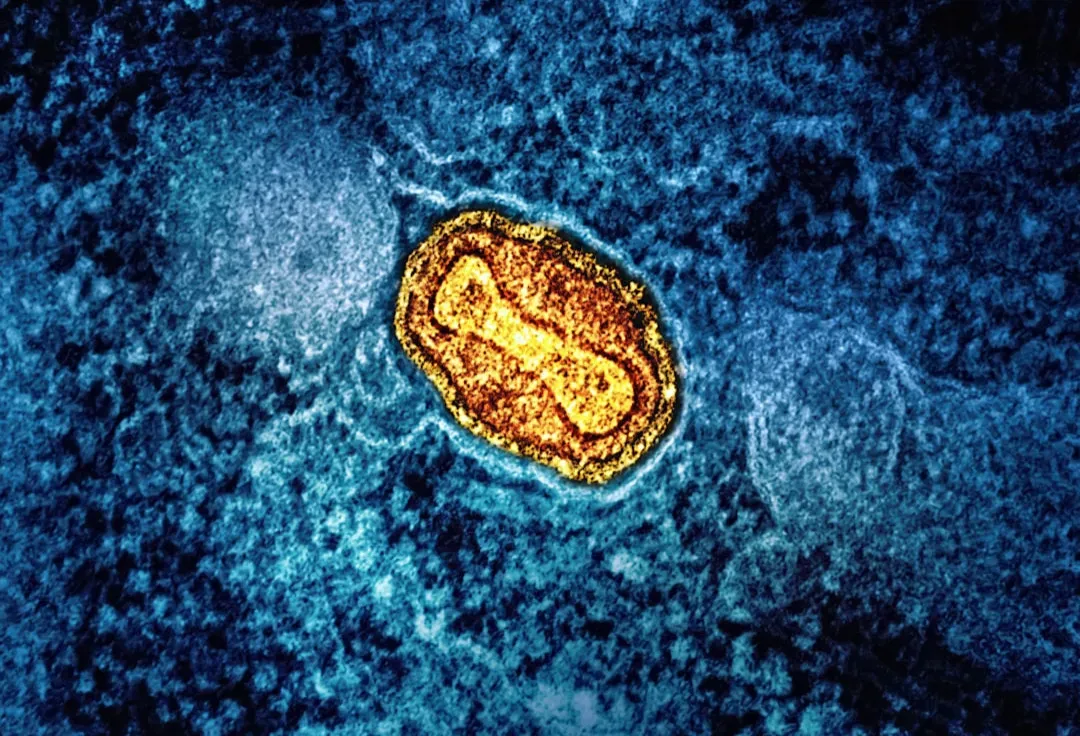
LUCA is often misunderstood as “the first cell” or a single lone microbe, but that’s not quite right. In modern evolutionary biology, it’s better thought of as an ancestral population that gave rise to all known cellular life: bacteria, archaea, and eukaryotes. Rather than one perfect, fully formed founder, LUCA represents a group of organisms sharing a core genetic toolkit that was eventually passed down to everything alive today. It sits at the deepest branching point of the tree of life that we can still reasonably reconstruct from existing genomes.
Importantly, LUCA is not a hypothesis made up from thin air; it emerges as the most logical explanation when we line up genes from across life and see which ones are universally shared. Features such as the basic genetic code, certain essential enzymes, and the machinery that translates RNA into proteins are found everywhere, from gut bacteria to oak trees. These shared features strongly suggest they were already present in LUCA. Where scientists start to diverge is in the details: how complex LUCA was, what environment it lived in, and crucially, how long after Earth formed it appeared.
Dating the Dawn of Life: Why Timelines Keep Shifting
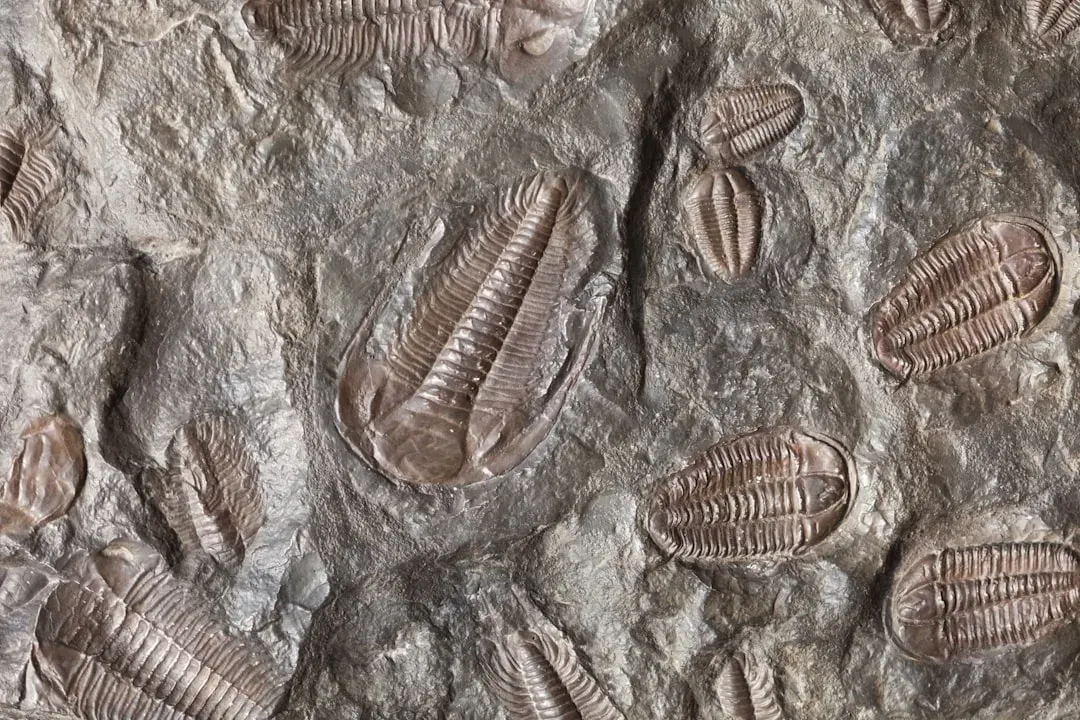
Trying to figure out when LUCA lived is a bit like trying to tell what time a party started based on a few blurry photos taken late at night. Earth is roughly about four and a half billion years old, and the oldest widely accepted microfossils and chemical signals of life are more than three and a half billion years old. Some geological evidence hints that life may have been present as early as about three point eight billion years ago, maybe even a bit earlier, but these interpretations are still debated. Each new rock sample or isotopic measurement can shift the conversation slightly forward or backward in time.
One influential line of work has suggested that LUCA itself might date back to around four point two billion years ago, which pushes life almost right up against the period when Earth was still being hammered by frequent impacts. Other researchers argue for a younger LUCA, noting that the earliest chemical traces of life do not require such an extreme timeline. Because we’re dealing with deep time and incomplete records, that spread of estimates – sometimes differing by hundreds of millions of years – is not surprising. Still, the sheer speed at which life seems to have taken hold once the planet cooled remains one of the most startling themes in this field.
Genes as Time Machines: Molecular Clocks and Their Limits
To narrow down LUCA’s age, scientists use tools called molecular clocks, which are basically statistical models that translate genetic differences into time estimates. The idea rests on a simple observation: as DNA and proteins change over generations through mutations, more distantly related organisms accumulate more differences. By comparing these differences across many species and calibrating them with known fossil ages, researchers can extrapolate when their common ancestors probably lived. In principle, this lets us rewind the tape billions of years, far beyond the oldest fossils.
The catch is that molecular clocks are only as reliable as their assumptions. Mutation rates can vary across lineages and over time, natural selection may speed up or slow down changes in specific genes, and early life might not have behaved like modern organisms at all. On top of that, simple bacterial and archaeal fossils are notoriously difficult to date with precision. As a result, estimates for when LUCA lived can span a large window, and different teams using different genes and models often reach different conclusions. It’s less like reading a precise watch and more like trying to guess the hour by how dark the sky looks through a smudged window.
A Hydrothermal Cradle? LUCA and the Deep-Sea Vent Hypothesis
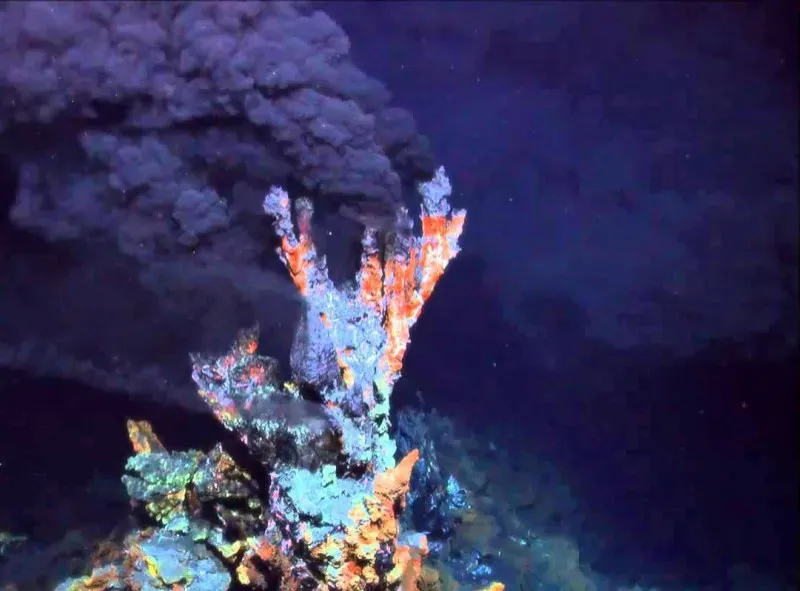
One of the most compelling ideas about LUCA’s world places it near hydrothermal vents on the ocean floor, where hot, mineral-rich fluids gush out of the crust into frigid seawater. Many of LUCA’s reconstructed genes seem to match traits found in microbes that today live in such environments, particularly in high-temperature, chemically rich settings. These organisms often use hydrogen, carbon dioxide, and sulfur compounds rather than sunlight as energy sources, hinting that LUCA might have been a similar kind of microbe. If that’s true, it paints a picture of a world where life initially thrived far from the sun, powered by chemistry instead of light.
Supporters of the vent hypothesis also point out that these environments offer natural gradients in temperature and chemistry, almost like pre-built microreactors. Such gradients could have driven early metabolic reactions before fully modern cells evolved. Still, not everyone is convinced this was LUCA’s home. Alternative scenarios focus on shallow pools, shorelines, or even land-based hot springs, where cycles of wetting and drying might have helped assemble complex molecules. The fact that we can plausibly imagine several radically different early habitats is exciting, but it also underscores how incomplete our picture still is.
Was LUCA Already Complex, or Just Barely Alive?
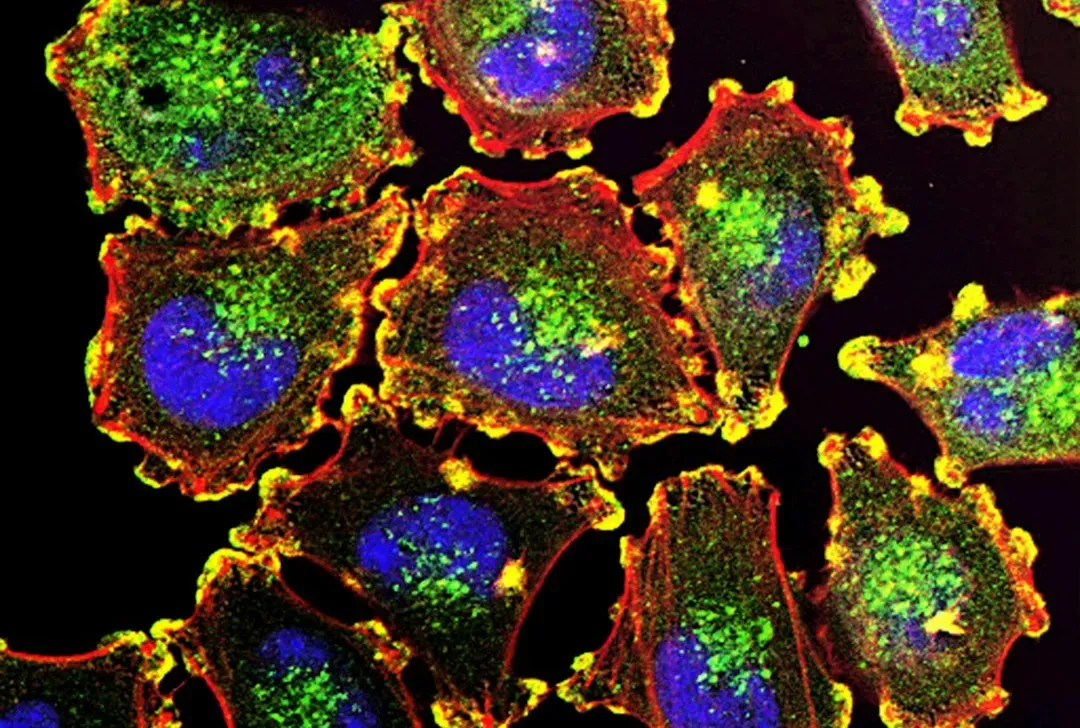
Another big debate is about how sophisticated LUCA actually was. Some reconstructions suggest it already had a reasonably complex metabolism, membranes, and the full modern system for reading and translating genetic information. That would imply that LUCA wasn’t “first life” at all, but the product of a long earlier phase of chemical and biological evolution that left few obvious traces. Under that view, by the time LUCA arrived on the scene, life had already experimented with and refined many core features we take for granted in cells today.
Other researchers argue for a more minimalist LUCA, closer to a stripped-down toolkit of essential functions and still dependent on its environment for many key ingredients. From this perspective, LUCA might have been riding a fine line between chemistry and biology, with some of its parts still in flux. The truth could lie somewhere in between: a cell capable of self-replication and metabolism, but far less independent and robust than modern microbes. Either way, the debate matters because it changes how long and winding the road from simple chemistry to Darwinian evolution must have been.
New Models Shake Up the Story of Life’s First Branches
In March 2024, a team of researchers from institutions including the University of Bristol and University College London published a high-profile study that tried to re-map the earliest branches of the tree of life. Using new methods for modeling the evolution of genes across bacteria and archaea, they suggested that some long-accepted ideas about early divergences might be off. Their work implied different dates and relationships for some of the deepest lineages, effectively nudging the timeline and structure surrounding LUCA. This kind of re-analysis shows that even bedrock concepts can be re-evaluated as tools improve.
One contentious point in these models involves how to handle horizontal gene transfer, the process where microbes swap genes like files rather than passing them only from parent to offspring. Early life seems to have engaged in far more of this gene sharing than most modern organisms do, which can blur the boundaries between lineages. If you imagine trying to reconstruct a family tree in a town where everyone constantly trades last names, you get a sense of the challenge. Different approaches to handling this gene mixing can produce very different stories about when LUCA lived and how its descendants spread across early Earth.
Why the Age of LUCA Matters to More Than Just Biologists
At first glance, debating whether LUCA lived three and a half or four point two billion years ago might feel like academic hair-splitting. But those numbers feed directly into bigger questions about how easy or hard it is for life to emerge on any planet. If life arose on Earth surprisingly soon after conditions became stable enough, that might suggest that given the right environment, biology is more or less inevitable. On the other hand, if there was a long, drawn-out prelude before LUCA, with countless false starts and dead ends, life could be much rarer and more fragile than we like to imagine.
The stakes extend to how we interpret data from Mars, icy moons like Europa and Enceladus, and exoplanets around distant stars. When telescopes or probes detect hints of water, organic molecules, or energy sources, scientists quietly compare those findings to what they think was true of early Earth. A better handle on LUCA’s age and environment turns into a sharper sense of where to look for life elsewhere and what signs to prioritize. In that way, the tiny ancestral microbes we’ll never see still guide how we design billion-dollar space missions today.
A Personal Take: Why LUCA’s Mystery is a Feature, Not a Bug
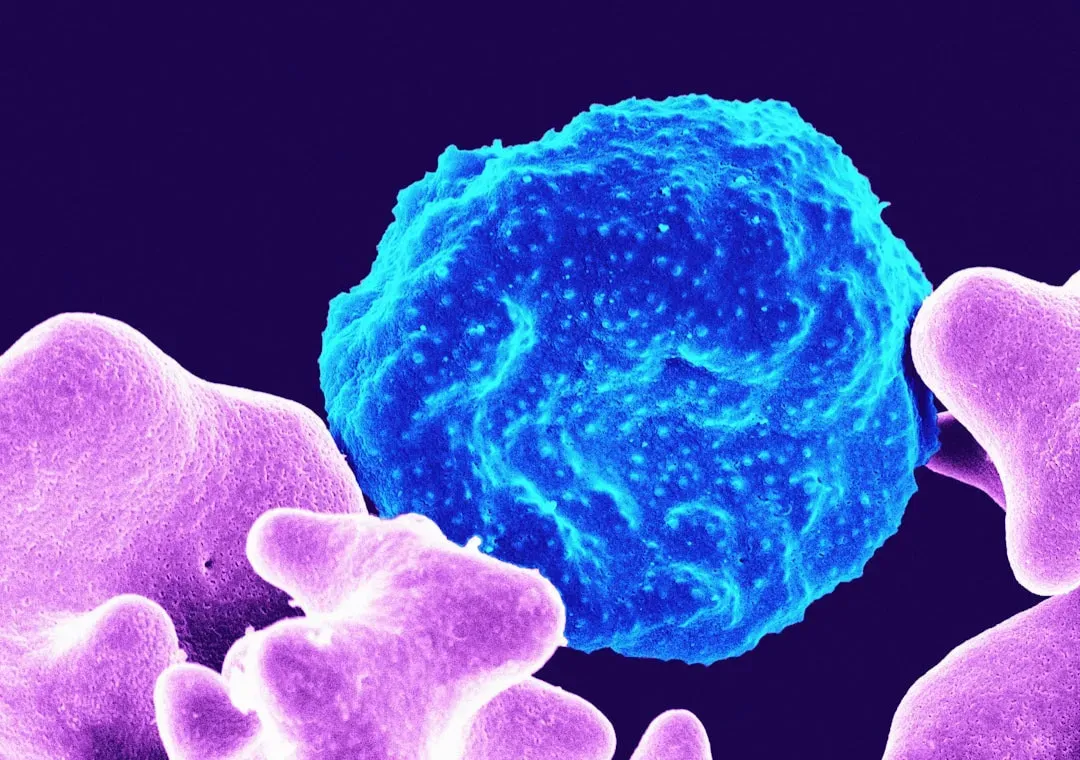
I think one of the most humbling parts of the LUCA story is that, even with all our modern tools, we’re still arguing over basic questions like “how old?” and “how complex?”. That uncertainty can be frustrating if you’re craving neat, final answers, but to me it’s a healthy reminder of the scale of the problem. We’re trying to reconstruct events from more than three and a half billion years ago, long before dinosaurs, trees, or even oxygen-rich air. The fact that we can even bracket LUCA’s age at all, and sketch a rough portrait of a hydrogen-eating microbe in some alien-looking environment, already feels almost outrageous.
My own bias leans toward LUCA being older and more complex than we once thought, partly because life seems so tenacious and resourceful whenever we actually go looking for it in extreme environments. But I’m also wary of the urge to force a tidy narrative when the data are still thin and noisy. In a way, the most honest answer right now is that LUCA is real, ancient, and still partly out of focus – and that’s okay. The mystery is what keeps deep-time biology exciting instead of static. When you look around at all the life on this planet and realize it traces back to something microscopic and half-lost in the haze of early Earth, it’s hard not to wonder: how many other worlds out there are still waiting for their first LUCA to appear?