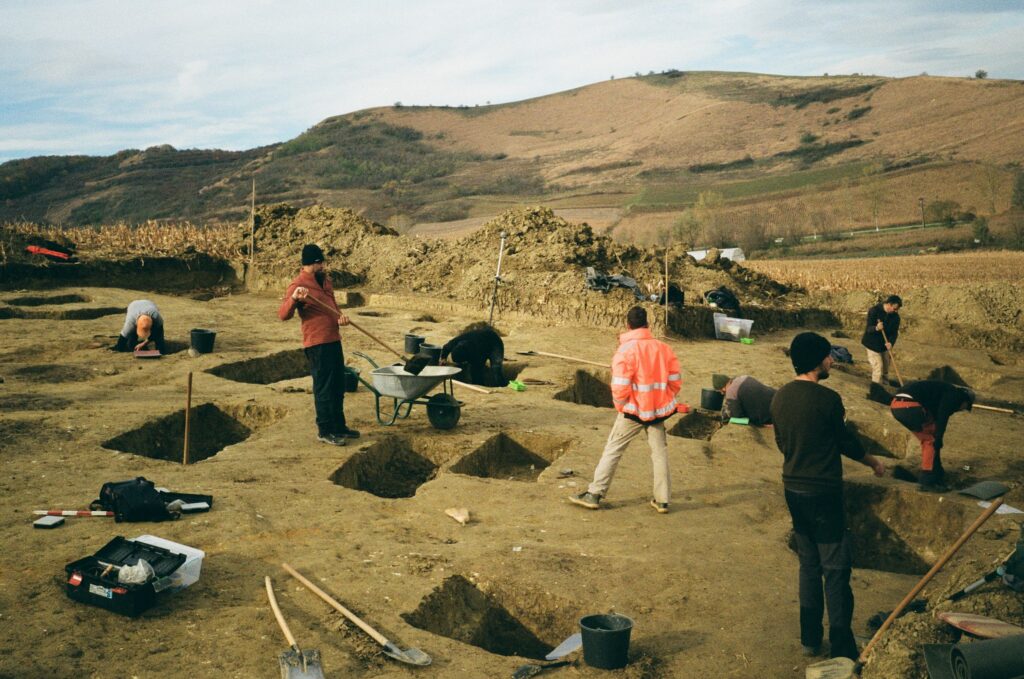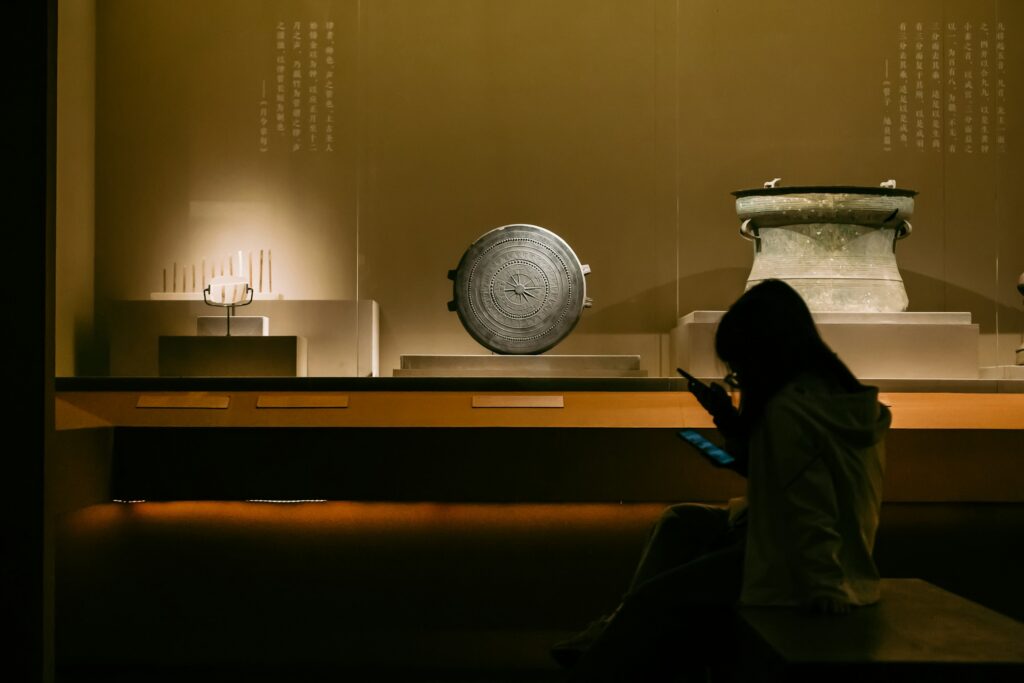

Walk into almost any major museum and you’ll see it: a small brass plaque stating a date with total confidence, like it’s a birth certificate instead of a best guess. For most of the 20th century, historians treated those numbers as gospel. Radiocarbon results got printed in textbooks, carved into museum walls, and repeated by tour guides for generations.
But quietly, behind the scenes, sharper instruments, re-tested samples, and re-examined dirt layers have forced experts into an uncomfortable confession – some of the most famous relics on Earth , and in a few cases, the error rewrites entire chapters of human history. These aren’t small tweaks. Some corrections shove a monument back thousands of years before farming even existed. Others quietly change who invented writing, who painted first, or when humans actually reached the Americas. Here are the 22 relics where the “settled” date turned out to be anything but.
#22 – The Shroud of Turin’s “Medieval” Date Is No Longer So Simple
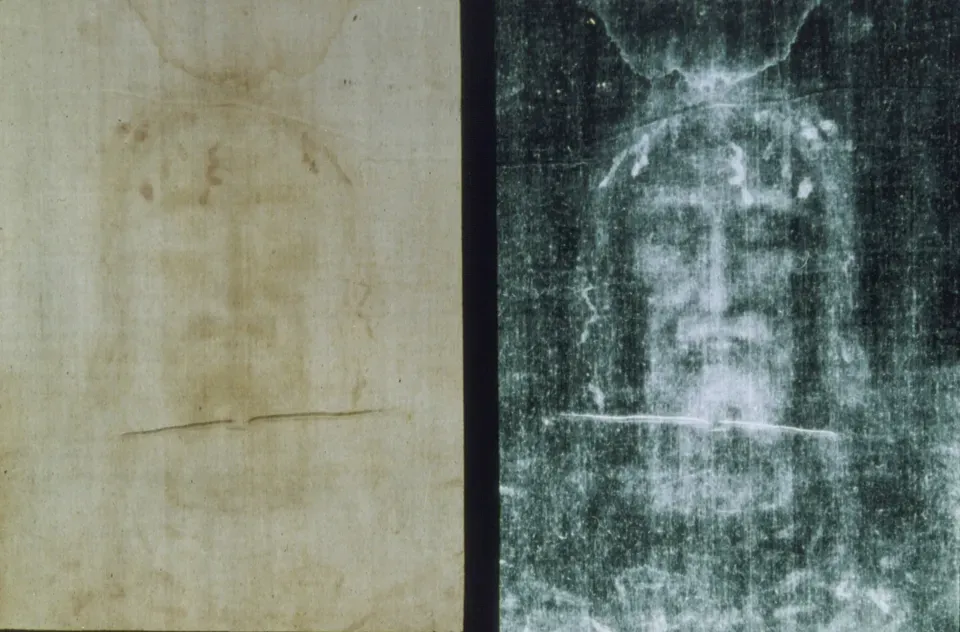
For years, the Shroud of Turin was treated as a closed case – a medieval forgery, radiocarbon-dated to somewhere between 1260 and 1390 CE. Museums repeated it, documentaries repeated it, and the story felt permanently settled.
Then textile experts pointed out that the 1988 test sampled a single corner of the cloth, an area many now believe was rewoven after fire damage centuries later. Newer analysis of the weave, contamination, and a possible bioplastic film on the fibers suggests that patch may have tested younger than the original linen ever was. Most historians still won’t call the shroud first-century, but the old smug “case closed” tone is gone, replaced by a far more careful “probably medieval, but…” That “but” is doing a lot of work.
#21 – Göbekli Tepe: The “First Temple” That Blew Up the Timeline
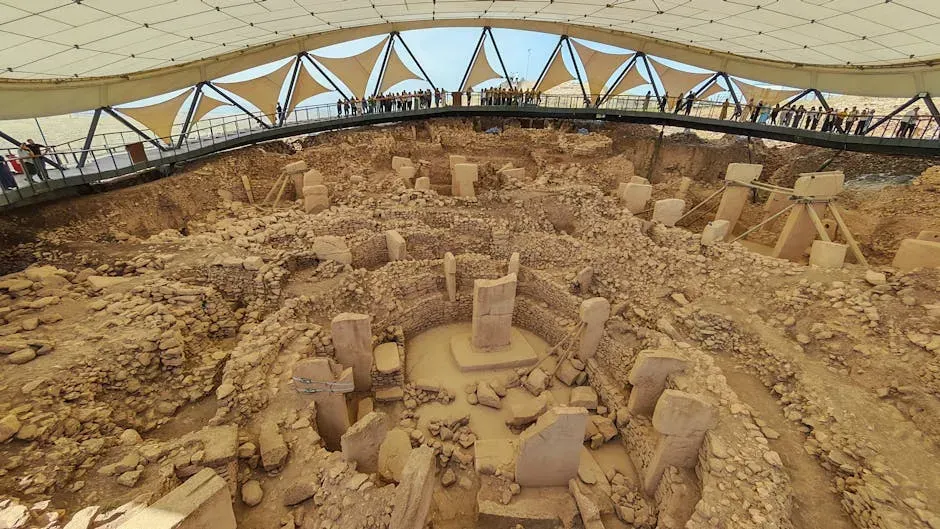
Textbooks used to insist that organized religious architecture only shows up after farming and cities take hold. Then Göbekli Tepe, buried in the hills of southeastern Türkiye, crashed straight through that rule. Early archaeologists tried to squeeze it into a tidier 6,000–7,000 BCE window to keep the old story intact.
More extensive radiocarbon testing shoved it back to roughly 9,600–8,000 BCE, older than agriculture in most of the world and older than Stonehenge by several thousand years. That means hunter-gatherers with no permanent villages were somehow organizing the labor to raise massive carved pillars. The site’s lead archaeologist put the implication bluntly.
First came the temple, then the city.
Klaus Schmidt, lead archaeologist at Göbekli Tepe
#20 – The Sphinx: From “Younger Than the Pyramids” to a Serious Debate

For most of the 20th century, you’d read that the Great Sphinx of Giza was carved around 2,500 BCE under Pharaoh Khafre, an oversized guardian matching the pyramids next door. That date was never based on scientific testing. It came from a stylistic assumption: same plateau, same dynasty, done.
Then geologists actually studied the erosion patterns cut into the limestone. Some now argue the weathering looks like heavy rainfall damage, the kind Egypt saw around 7,000–5,000 BCE, long before Khafre’s reign. Mainstream Egyptologists aren’t fully convinced, but the confident “definitely 2,500 BCE” language has quietly softened into “commonly dated to.” The Sphinx became the poster child for how dating art by its style can lock scholars into the wrong millennium.
Quick Compare
- Old theory: Carved c. 2,500 BCE under Khafre, based purely on stylistic assumption.
- New theory: Erosion patterns may point to rainfall damage from 7,000–5,000 BCE.
- Current status: Mainstream Egyptology still favors the Khafre-era date, but the debate hasn’t closed.
#19 – The Dead Sea Scrolls: “Late” Sectarian Texts That Aren’t So Late

When the Dead Sea Scrolls surfaced in the mid-20th century, scholars confidently slotted most of them into the 1st centuries BCE–CE, framing them as late Jewish sectarian writings sitting conveniently close to the birth of Christianity.
Later paleographic work and radiocarbon testing pushed several key manuscripts back by a century or more. Some texts once labeled “early Christian era” are now clearly pre-Christian. That matters because whole theories were built on the idea that the Qumran community was reacting to early Christian teachings. The corrected dates flip that script entirely, showing Christianity emerging into a world already thick with apocalyptic and messianic ideas.
#18 – Çatalhöyük’s “City Status” Came with a Time Correction
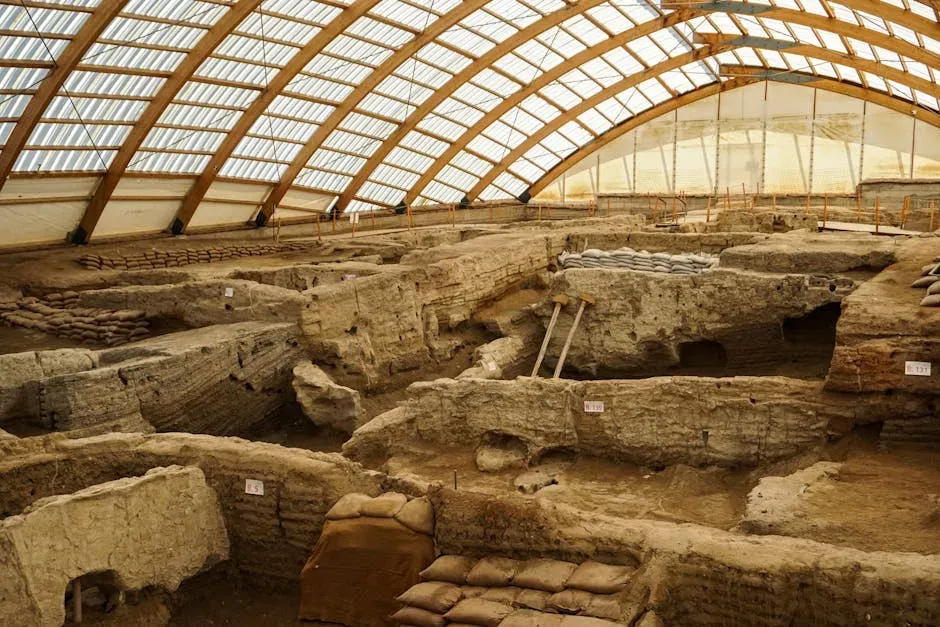
Çatalhöyük in central Türkiye has been plastered across documentaries for decades as “one of the world’s first cities,” often casually dated to around 6,000 BCE. Early excavations and thin radiocarbon samples let that number calcify long before anyone double-checked it.
More systematic carbon dating and refined stratigraphy later pushed the founding layers back to roughly 7,400 BCE, with occupation continuing toward 6,000 BCE. That correction did two awkward things at once. It made the site even older, undercutting old urbanization timelines, while also forcing scholars to stop calling it a “city” at all and start calling it a dense proto-urban settlement. We had the rough era right and the label wrong.
#17 – The Antikythera Mechanism: From “Roman Curiosity” to Earlier Greek Genius
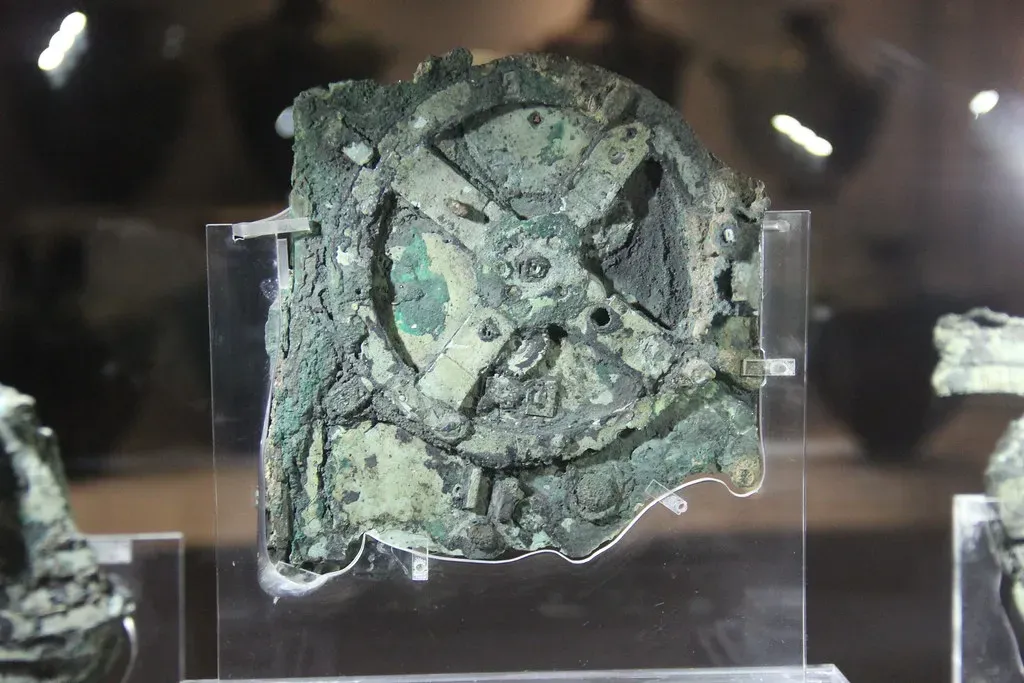
When divers pulled the Antikythera Mechanism from a Greek shipwreck in 1901, experts filed it under “Roman-era gadget,” pinning it loosely to the 1st century BCE–1st century CE.
Advanced imaging and epigraphic analysis over the last two decades pushed its design and inscriptions firmly into the late 2nd or early 1st century BCE, squarely inside Hellenistic Greek astronomical tradition rather than Roman engineering. That shift of only a few decades changes who gets the credit. It proves complex geared machinery existed in the Greek world earlier than most historians ever admitted, and it makes later “revolutionary” clocks look more like rediscoveries than breakthroughs.
#16 – Stonehenge: The “Single-Phase Monument” That Kept Getting Older
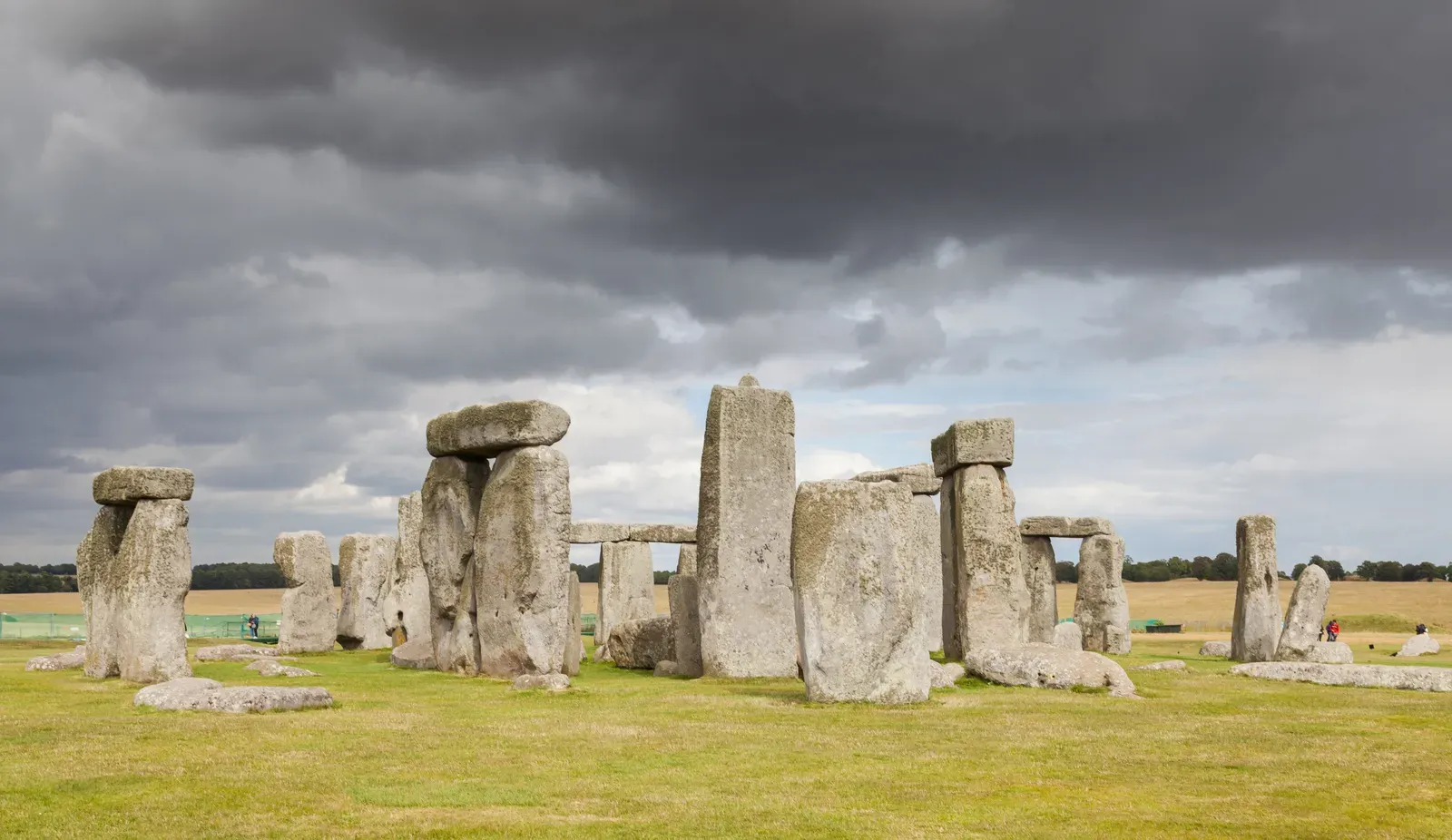
Ask most people and they’ll still tell you Stonehenge was “built around 2500 BCE.” Guidebooks repeated that single build date for generations, as if the whole thing went up in one busy summer.
Intensive re-excavation and radiocarbon campaigns since the 1990s blew that story apart. Key components now date anywhere from roughly 3,000 BCE to 2,000 BCE, with earlier earthworks and later rearrangements layered on top of each other.
- Stonehenge isn’t one monument; it’s a palimpsest of rituals and redesigns spanning a thousand years.
- That famous “2500 BCE” date is now understood as only a central phase, not the whole story.
#15 – The Vinland Map: Once “Proof” of Pre-Columbian Europe, Now a Forgery
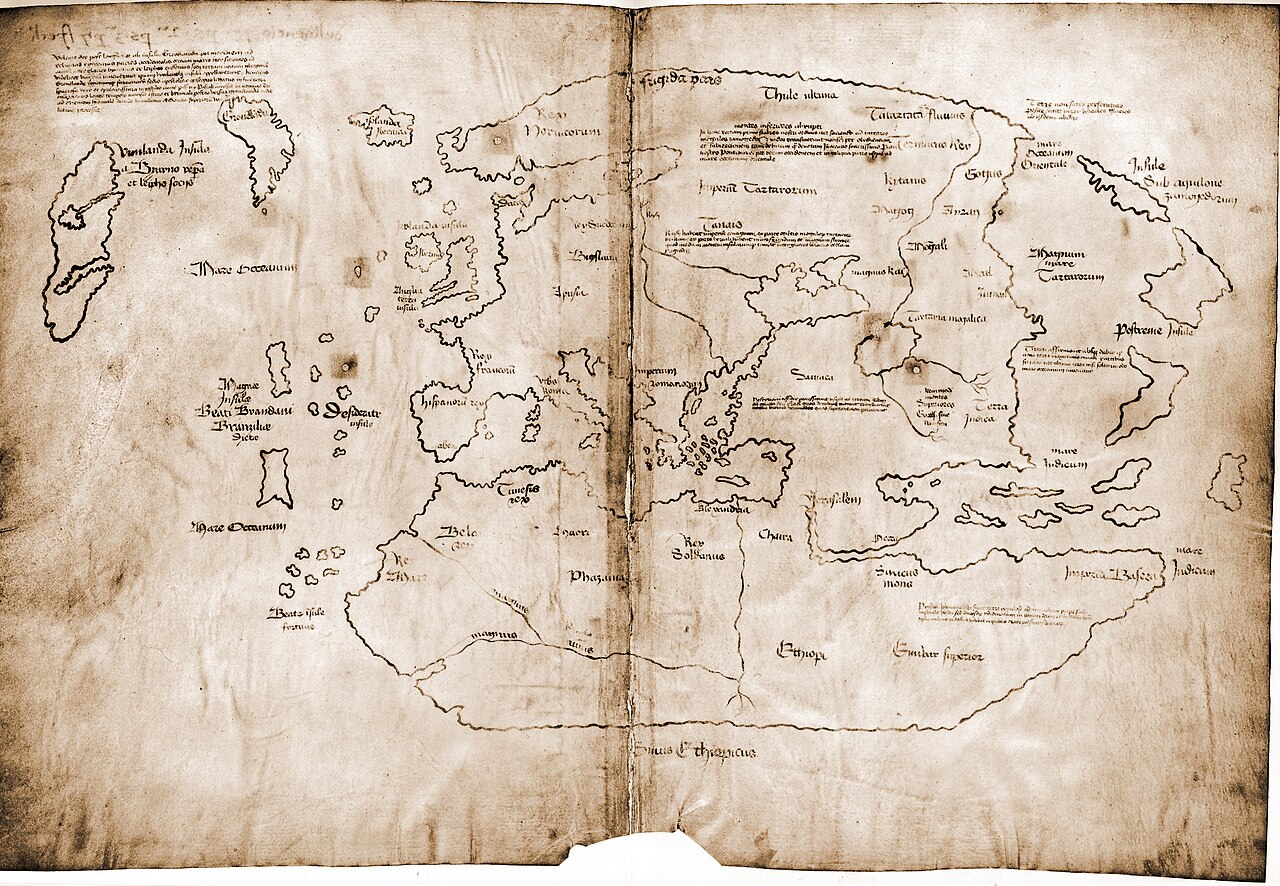
The Vinland Map exploded into public view in the 1960s, sold as a mid-15th-century depiction of North America that would prove Norse exploration long before Columbus. Historians accepted it partly because the story was too good to resist.
Then chemical testing caught up with the romance. Ink analysis revealed modern synthetic compounds, and parchment studies suggested the drawing itself was made centuries after the date claimed. The parchment may be old, but the map on it isn’t. Ironically, real archaeological evidence for Viking presence in North America already exists at L’Anse aux Meadows, which makes the fake map almost pointless – a cautionary tale about a date institutions wanted badly enough to stop questioning.
#14 – Tutankhamun’s Reign: Nudged by Astronomical and Radiocarbon Clues
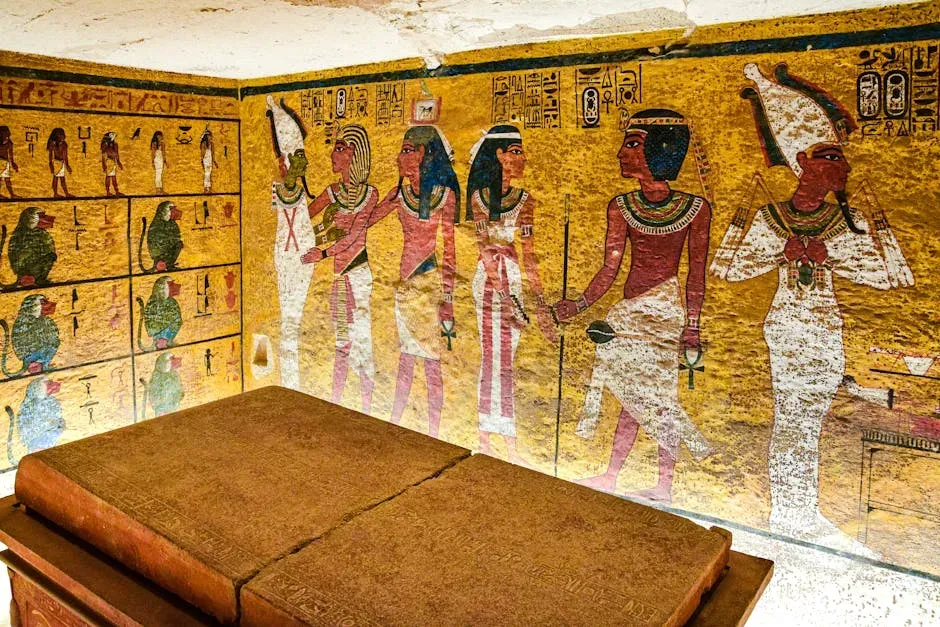
King Tut used to sit in a comfortable, fixed slot: reigning from about 1333–1323 BCE, anchored by conventional Egyptian king lists that felt beyond dispute.
Radiocarbon dating of organic material from his tomb, combined with better synchronisms to Near Eastern records and astronomical events, has since nudged his dates slightly within a narrower window than older textbooks claimed. It’s not a thousand-year error, but it reveals something more embarrassing: even the most famous pharaoh in history rested on a chronology more fragile than experts admitted out loud, shaped as much by scholarly politics over “high” versus “low” chronologies as by hard evidence.
Fast Facts
- Traditional reign: c. 1333–1323 BCE, based mainly on king lists.
- Radiocarbon testing plus astronomical synchronisms narrowed the accepted window further.
- The correction is small in years but big in implication – even Egypt’s most iconic ruler sat on shakier ground than the plaques suggested.
- The debate echoes a wider clash between “high” and “low” chronology camps in Egyptology.
#13 – The Nazca Lines: From “Timeless Mystery” to a Precise Window
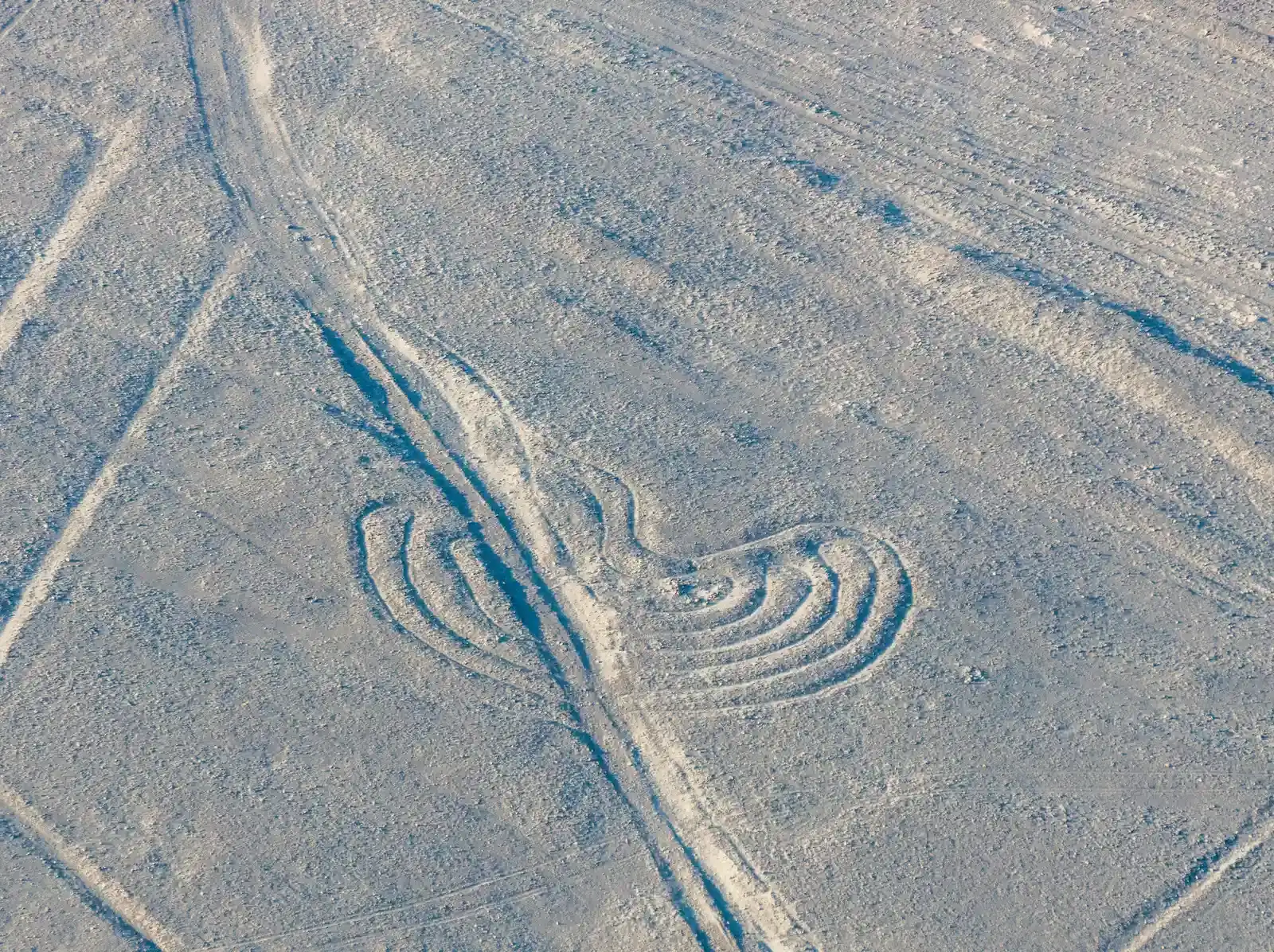
For decades, the Nazca Lines in Peru floated around popular media as vaguely “ancient,” with guesses ranging anywhere from 500 BCE to 1500 CE depending on who you asked.
Systematic radiocarbon dating of organic remains and pottery near the lines eventually tightened that fog into a real window: most major geoglyphs now date to roughly 200 BCE–600 CE, matching known Nazca culture phases.
- They are not 10,000-year-old messages built for aliens.
- They’re not Inca constructions either – they belong squarely to the Nazca themselves.
#12 – The Pyramids of Caral: Older Than the Pyramids of Egypt
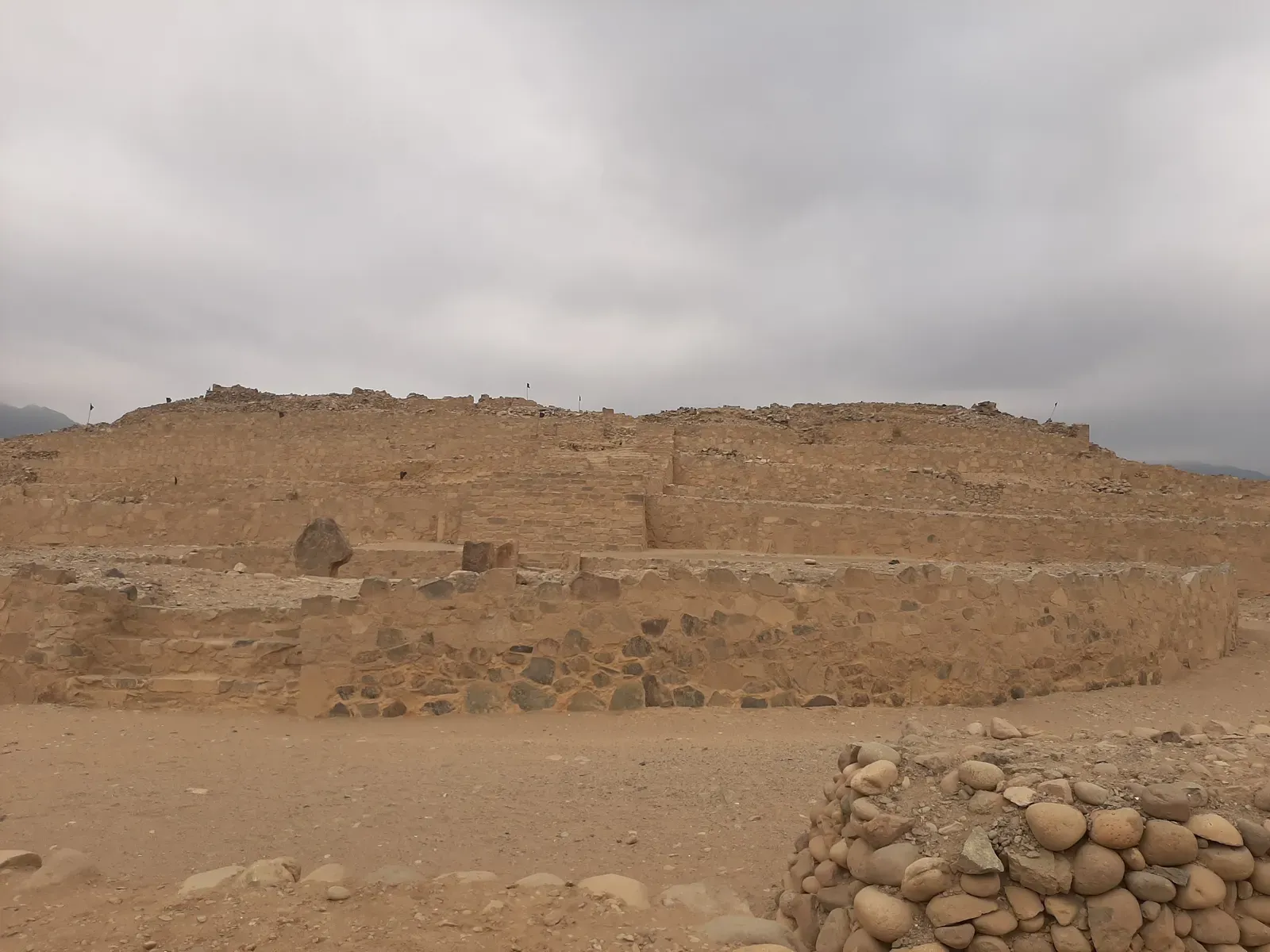
When the monumental site of Caral in Peru was first studied, early estimates tentatively placed it around 2,500–1,500 BCE, already impressive but comfortably younger than Egypt’s Old Kingdom.
Extensive radiocarbon dating of reed mats, baskets, and construction material shot that estimate back to roughly 3,000–1,800 BCE, making Caral one of the oldest urban centers in the Americas and broadly contemporary with early Egyptian pyramid building. For decades, historians had quietly ranked “true civilization” as an Old World invention first, with the Americas assumed to be playing catch-up. Caral’s corrected age shreds that assumption entirely – complex societies were blooming independently on opposite sides of the planet at the same time.
#11 – Lascaux Cave Art: From “Ice Age Calendar” to Recalibrated Dates
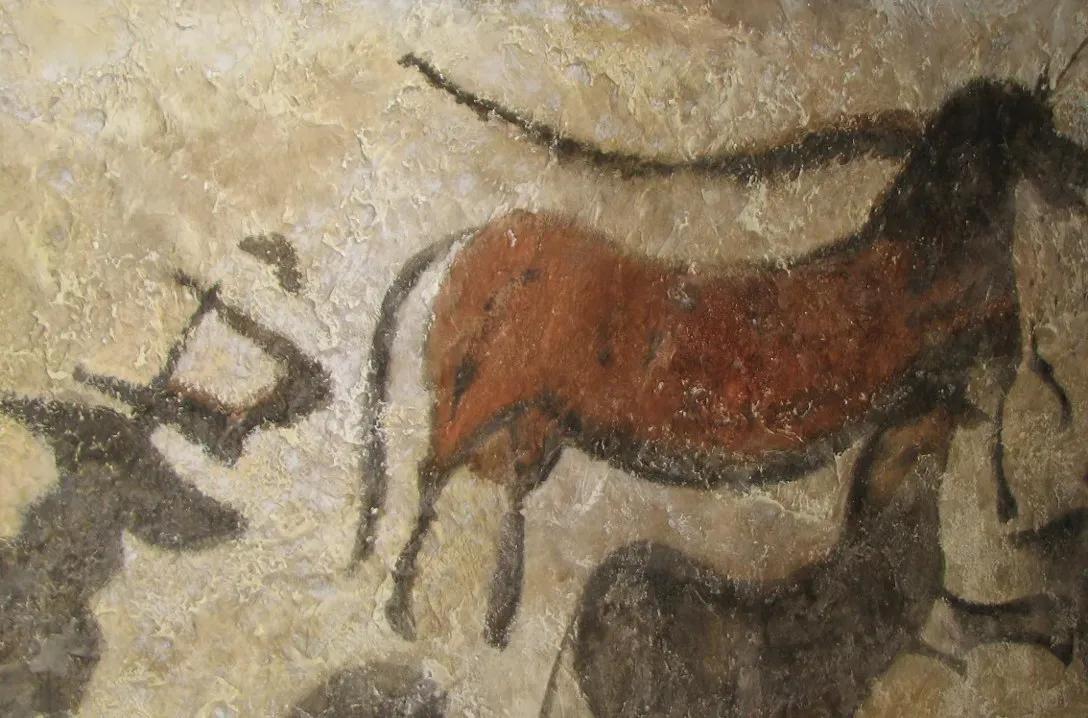
The paintings of Lascaux were always recognized as Paleolithic, but early mid-20th-century estimates floated around 15,000–17,000 years old and got repeated as settled fact for generations.
As radiocarbon methods and calibration curves improved, some of the art and associated remains were pushed closer to 20,000 years old, with growing evidence that the caves saw multiple episodes of use rather than one single burst of creativity. The old “late-flowering genius” idea – art suddenly exploding right before the Ice Age ended – no longer holds up. Sophisticated symbolic art stretched over a far longer timespan than anyone gave Ice Age humans credit for.
#10 – The “Oldest” Homo Sapiens Skulls: Jebel Irhoud Reset the Clock

For years, the Omo remains in Ethiopia, dated to around 195,000 years old, were promoted as the oldest Homo sapiens fossils on Earth. The story was simple: modern humans arose in East Africa around 200,000 years ago, full stop.
Then re-analysis and advanced dating at Jebel Irhoud in Morocco blew that timeline apart. Those fossils are now dated to roughly 300,000 years ago, pushing back the origin of our species by at least 100,000 years.
- It turns the “East Africa only” origin story into a pan-African, far messier one.
- It forces scientists to accept that our species emerged gradually across a huge stretch of the continent, not in one tidy cradle.
#9 – The Cave of El Castillo: Handprints Older Than Expected
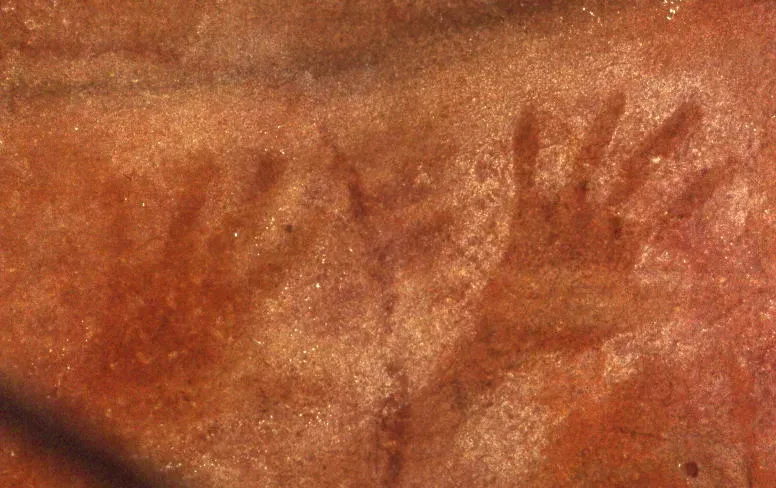
El Castillo in Spain contains red disks and stenciled hands that were assumed for years to be roughly 25,000–30,000 years old, comfortably placing them in the era when Homo sapiens were thriving across Europe.
New uranium-thorium dating of the mineral crust sitting on top of the paint yielded minimum ages of over 40,000 years, with some estimates nearing 42,000. Those dates overlap with the very last Neanderthals in Europe, and at minimum they prove symbolic cave art appeared thousands of years earlier than the old timeline allowed. A few researchers have even floated, cautiously, that some of the earliest marks might be Neanderthal-made. The cave walls never changed – our assumptions about who held the brush did.
Worth Knowing
- Uranium-thorium dating measures the mineral crust that formed on top of the paint, not the pigment itself.
- That method returns a minimum age – the true age of the art could be even older.
- The new floor: over 40,000 years, with some readings approaching 42,000.
- That window overlaps with the final years of Neanderthals in Iberia, reopening a genuinely open question about who painted first.
#8 – The “Oldest” Writing: From Sumerian Monopoly to Competing Scripts
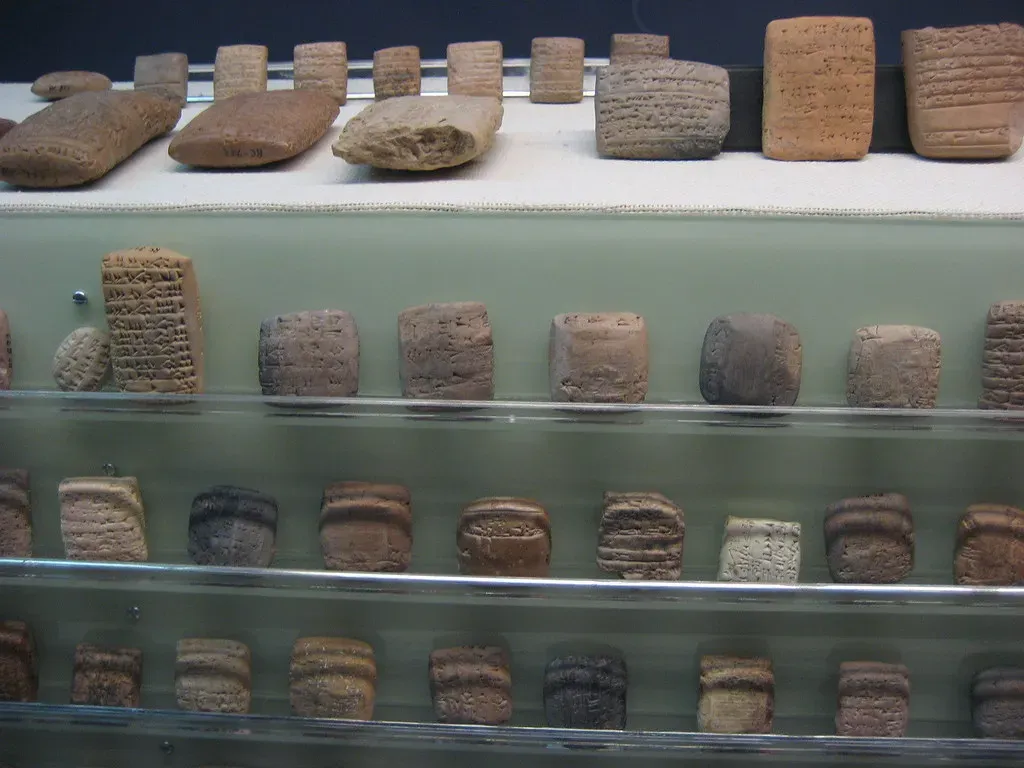
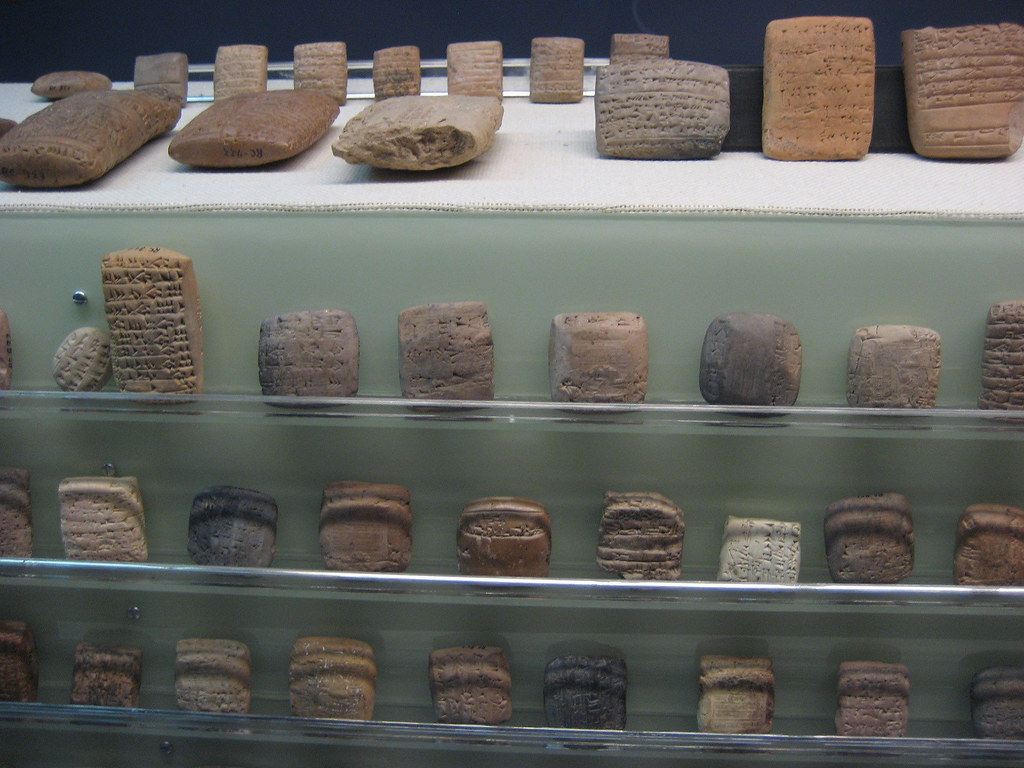
For most of the 20th century, everyone “knew” writing was invented in Sumer around 3,200 BCE. Cuneiform tablets from Uruk were treated as the uncontested champions of literacy.
Better dating of early Egyptian inscriptions and renewed study of proto-Elamite tablets complicated that story fast. Some of the earliest Egyptian hieroglyphic inscriptions now date so close to early Mesopotamian writing that calling Sumer “first” no longer holds much water. Historians quietly shifted from “writing was invented in Sumer” to the far more hedged “writing developed in Mesopotamia and Egypt around the same time,” a small sentence that erases a century-old narrative of a single cradle of literacy.
#7 – The “Peking Man” Horizon: Misdated by Stratigraphy Assumptions

Fossils from Zhoukoudian, China, popularly known as “Peking Man,” were long placed at around 400,000–500,000 years old, based mostly on geological and faunal correlations rather than direct dating of the bones themselves.
Improved dating techniques, including uranium-series methods on associated material, changed the picture completely.
- Some layers are now re-dated to around 600,000–700,000 years old – far older than assumed.
- Other material once lumped in with those layers turned out to be significantly younger.
Early excavators had mixed contexts and glued entire regional timelines to those mistakes. Scholars are still rewriting parts of East Asian human evolution because of it.
#6 – The “World’s Oldest” Wooden Structures: Piles That Got a Second Look
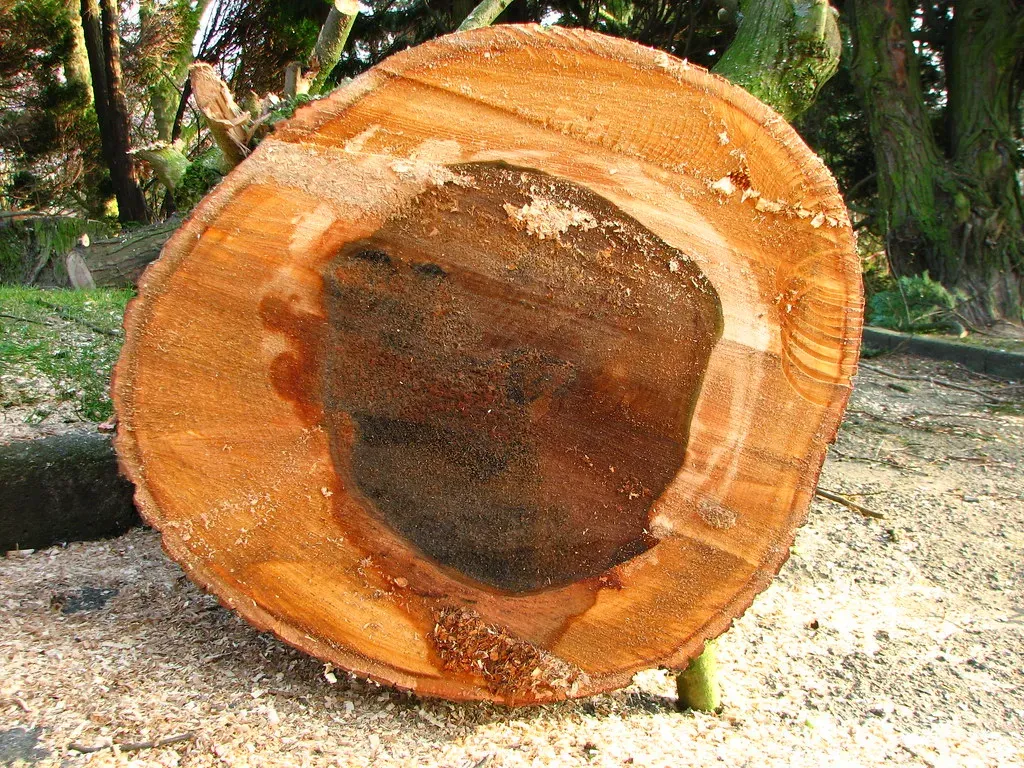
Historic pile-dwelling sites across the Alps and northern Europe were traditionally dated using rough typologies and thin tree-ring series, often rounded off to convenient centuries in the Late Neolithic or Early Bronze Age.
High-resolution dendrochronology changed that game entirely, pinning many structures down to specific years and shifting some by up to two centuries from their original assigned dates.
- Trade networks and climate events once linked to these lake villages no longer line up the same way.
- Some “pioneering” constructions turned out to have precursors historians missed because they were searching the wrong century.
#5 – The James Ossuary: An Inscription That Couldn’t Hold Its Date
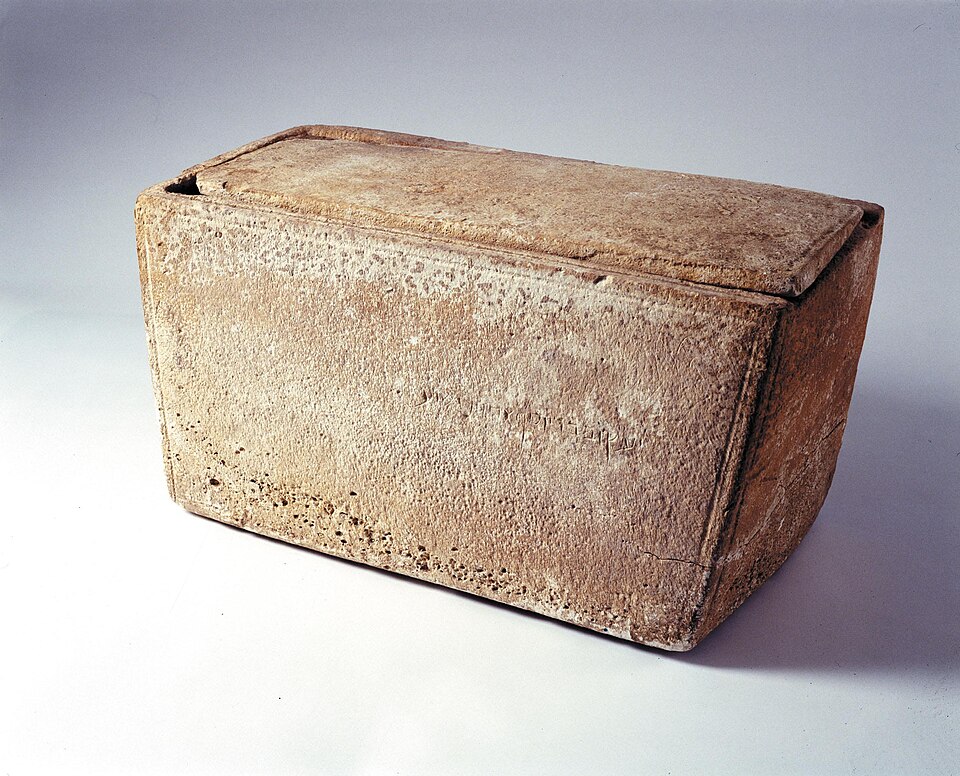
The so-called James Ossuary, inscribed with words often translated as “James, son of Joseph, brother of Jesus,” was once loudly touted as a 1st-century CE artifact with tantalizing New Testament connections. Its owners leaned hard on a broad 1st-century limestone date and presented the whole inscription as if it shared that same origin.
Later analysis suggested parts of the inscription may have been added much later, with possible modern tool marks and patina inconsistencies. The box itself can still be ancient, but the most explosive part of the text is now under a serious cloud. Market pressure and media hype froze a speculative date into the public imagination long before the science had a chance to settle, and most epigraphers now treat it with real caution.
#4 – The “First” Bronze Age Collapse: Chronology Under Revision
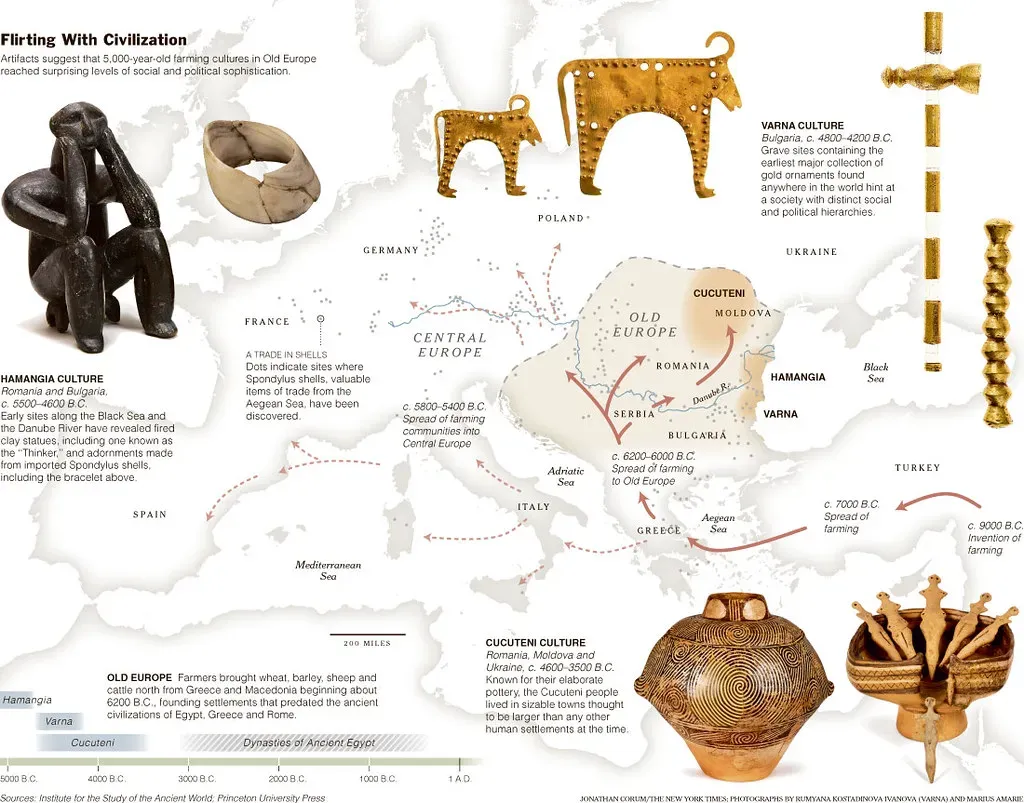
For decades, the famous Late Bronze Age collapse around 1200 BCE, when multiple Eastern Mediterranean powers faltered together, was treated as one tight, almost simultaneous event. Plenty of destruction layers got back-dated or forward-dated just to fit that dramatic cliff.
New radiocarbon programs across Cyprus, the Levant, and Anatolia have since stretched that single moment into a longer, staggered process spanning decades.
- Certain burnt palaces are now understood to have fallen earlier or later than the canonical 1200 BCE date.
- Trade goods once labeled “last-gasp luxury items” may actually belong to a period of partial recovery.
The collapse didn’t vanish, but historians were essentially compressing decades of slow decline into one misleading Hollywood-style date.
#3 – The “Oldest” Human Footprints in the Americas: White Sands’ Shock
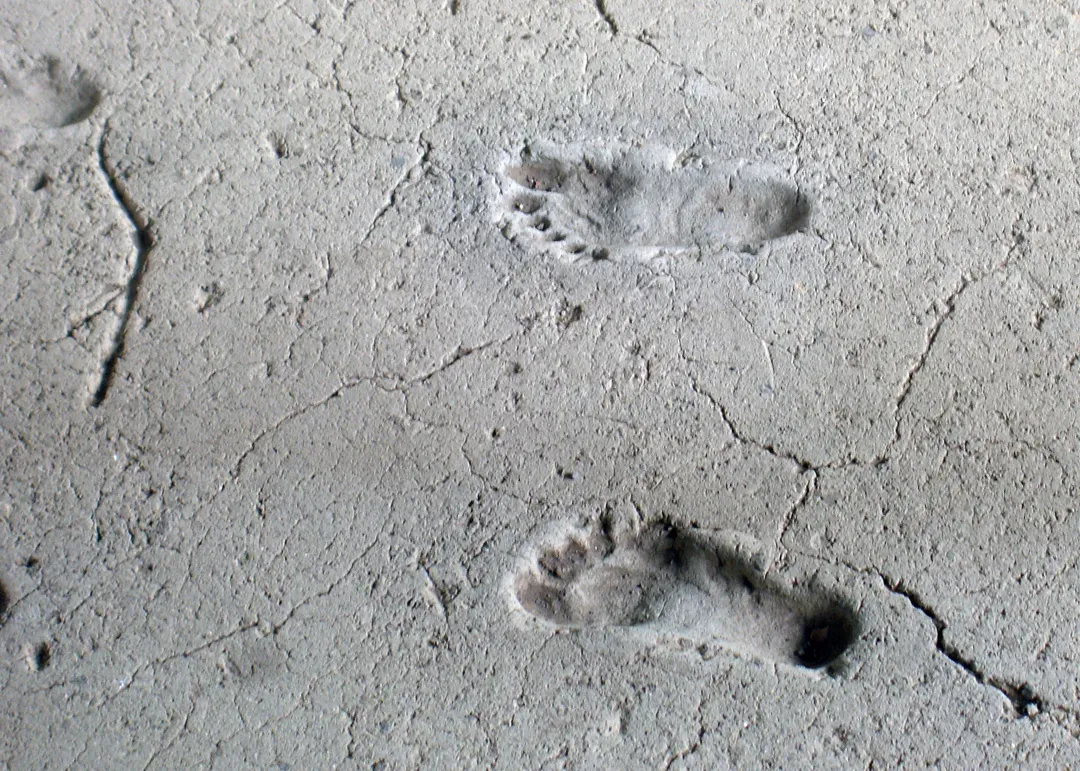
For years, the dominant story said humans first entered the Americas around 13,000 years ago, timed neatly to the Clovis culture. Older claims got dismissed almost automatically.
Then came White Sands, New Mexico, where seed and sediment dating produced ages of about 21,000–23,000 years for preserved human footprints, placing people in North America during the Last Glacial Maximum. The exact numbers are still debated, but the implication is enormous: if these dates hold, the entire Clovis-first model collapses. Historians who spent careers defending a late-entry date now have to concede they may have been off by nearly 10,000 years.
At a Glance
- Old model: Humans reached the Americas roughly 13,000 years ago, tied to Clovis tools.
- New evidence: White Sands footprints dated to about 21,000–23,000 years old.
- Dating method: Seed and sediment layers surrounding the preserved prints.
- Why it matters: Places people in North America during the Last Glacial Maximum, nearly 10,000 years earlier than the old consensus.
#2 – The “Oldest” City: Jericho’s Fortifications Were Misplaced in Time
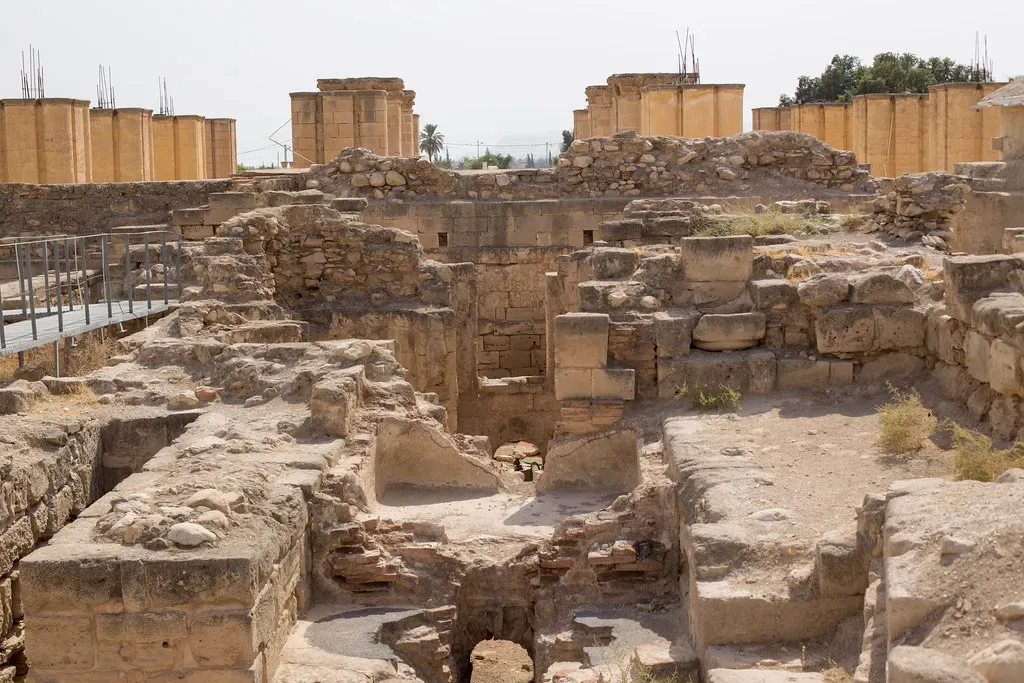
Jericho was long trumpeted as “the world’s oldest city,” its massive Neolithic walls dated to around 8,000 BCE and repeated in both scholarship and Sunday-school lore for generations.
Refined stratigraphy, additional carbon samples, and a stricter definition of what counts as a “city” revealed a messier sequence. Some of the famous walls and towers really are ancient, but not always in the phases once claimed, and occupation waxed and waned over time. Even more contentious were attempts to link specific destruction layers to biblical stories, correlations that have since been quietly abandoned because the dates no longer match. Jericho is still extraordinarily old – its marketing as the definitive “first city” just isn’t as clean as the plaques suggested.
#1 – The Thera (Santorini) Eruption: A Date That Warped Entire Civilizations

If one misdated event distorted huge chunks of Mediterranean history, it’s the Bronze Age eruption of Thera. For decades, historians placed it around 1500–1450 BCE, a date that lined up conveniently with certain Egyptian dynasties and supposed cultural “aftershocks” in Crete.
High-precision radiocarbon dating of tree rings and organic material buried under the ash pushed the eruption back closer to 1600–1620 BCE, a 100–150-year shift that shattered old narratives.
- The collapse of Minoan palaces can no longer be blamed on a single volcanic cataclysm.
- Egyptian synchronisms and entire trade chronologies had to be untangled and rebuilt from scratch.
One misdated volcano locked historians into a domino chain of wrong dates across multiple cultures. Fixing Thera’s date has been like pulling a single thread and watching half the Eastern Mediterranean timeline unravel.
The Bottom Line
Zoom out far enough and a pattern jumps off the page: these weren’t random, innocent mistakes. Relics were repeatedly dated to fit comforting stories – about “first” civilizations, single cradles of writing, tidy biblical timelines, or one heroic disaster – and then defended long after the data said otherwise.
Every correction on this list, from White Sands footprints to the Thera eruption, quietly strips away a little more of that narrative control. I’ll say the uncomfortable part out loud: the past wasn’t misdated by accident nearly as often as we’d like to believe. It was misdated because a wrong date was easier to sell than an inconvenient one. The timeline isn’t broken – it’s just far less obedient than the museum placards ever let on. So which relic do you think is still dated wrong today, and why do you think the people who’d have to admit it are in no hurry to change their minds?