
Most people assume archaeologists have a tidy label for every strange object pulled out of the dirt. The truth is messier: entire museum back rooms are stuffed with “unidentified artifacts,” and the specialists in charge of them have quietly stopped pretending they know what these things actually did.
Here’s the part that stings a little. Some of the most-shared “ancient mystery tool” posts online are built on theories that real researchers debunked years ago, or arguments that are still bitterly unresolved in the field. Once you see how shaky the evidence really is, you’ll never read another “lost ancient technology” headline the same way again.
#14 – The Antikythera Mechanism’s Missing Twin Gears
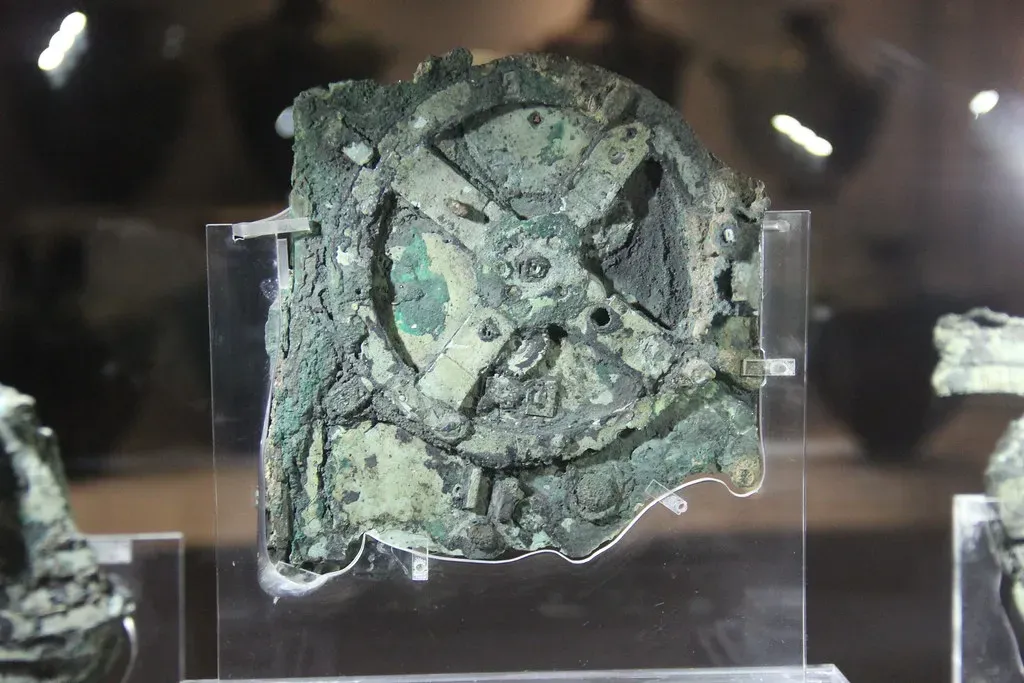
At first glance, the Antikythera mechanism looks like a corroded lump of scrap bronze. Most people now know it as the “ancient Greek computer,” and it deserves the hype – X-rays revealed dozens of interlocking gears built to track lunar cycles, eclipses, and calendar dates with startling precision.
But here’s what rarely makes the viral posts: even after a century of study, nobody fully agrees on the original gear layout or the device’s complete purpose. Some scholars think it tracked athletic games like the Olympics; others suspect entire dials are missing and lost forever. Some proposed gear counts don’t even mathematically add up, and inscriptions describe functions the surviving fragments simply can’t perform. So yes, it’s a real device – but whether it was an astronomical calculator, a teaching aid, or a rich person’s prestige toy remains genuinely unresolved.
Fast Facts
- Recovered from a shipwreck near Antikythera, Greece, in 1901
- Dated to roughly the 2nd century BC
- Contains at least 30 interlocking bronze gears
- Now housed at the National Archaeological Museum in Athens
#13 – The Nazca “Measuring Sticks” That Don’t Measure Anything
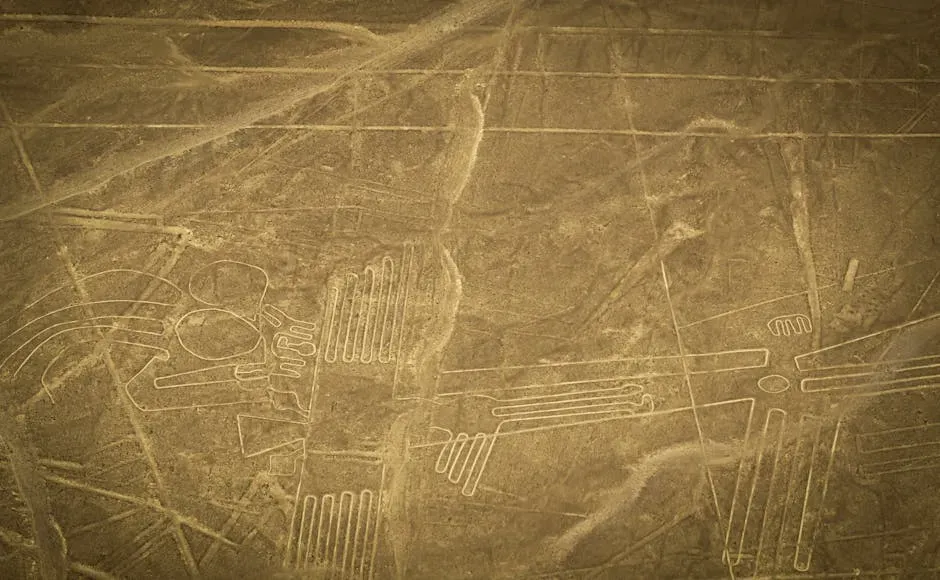
In Peru’s Nazca region, archaeologists have found bundles of long wooden stakes and smoothed stone “pucks” clustered near the famous geoglyph sites. Tour guides and internet posts love calling these “surveying tools used to design the Nazca Lines” – a tidy story that makes ancient engineers look like modern draftsmen.
The problem is that when researchers tried to reverse-engineer how the stakes would actually work, the geometry didn’t cleanly match the shapes etched into the desert floor. Radiocarbon dates show the stakes span wide time ranges that don’t line up with when specific lines were built. The “pucks” show wear, but not the consistent, directional wear you’d expect from standardized measuring gear. Even the field teams who map the lines today admit they can’t prove these objects were ever a matched tool kit – they may simply have been boundary markers or props used in processions and offerings.
#12 – The Phaistos Disc: Instruction Manual, Game Piece, or Total One-Off?
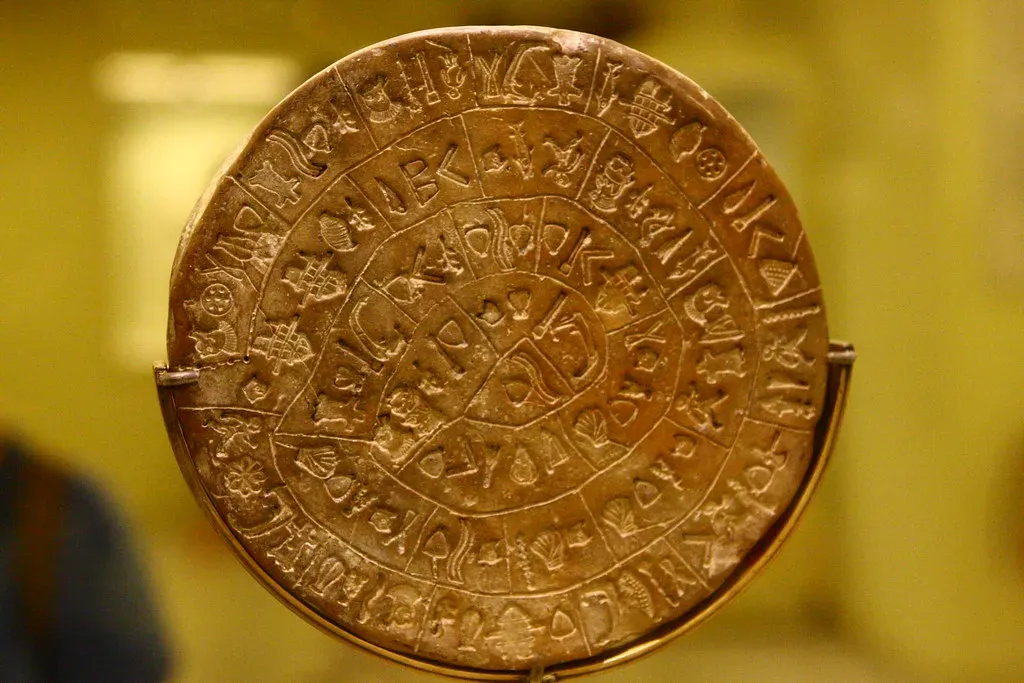
The clay Phaistos Disc from Crete looks like the perfect “ancient device” – spiral rows of stamped symbols, precise enough to pass for a Bronze Age instruction manual. The popular myth is that it’s a coded calendar or technical chart, something built to be read and used.
The scholarly reality is harsher. No one can even agree whether the script is language, notation, or purely symbolic art, let alone what the object “does.” It’s a sample size of one – no second disc has ever been found anywhere – and that single fact kills most serious theories, because a real measuring tool or calendar system should leave duplicates or related artifacts behind. Some linguists spot patterns that look like verb endings; others see something closer to a board game. There’s even a camp that believes it was a ceremonial object never meant to be “used” in any practical sense at all.
#11 – The Baghdad “Battery” That Probably Wasn’t
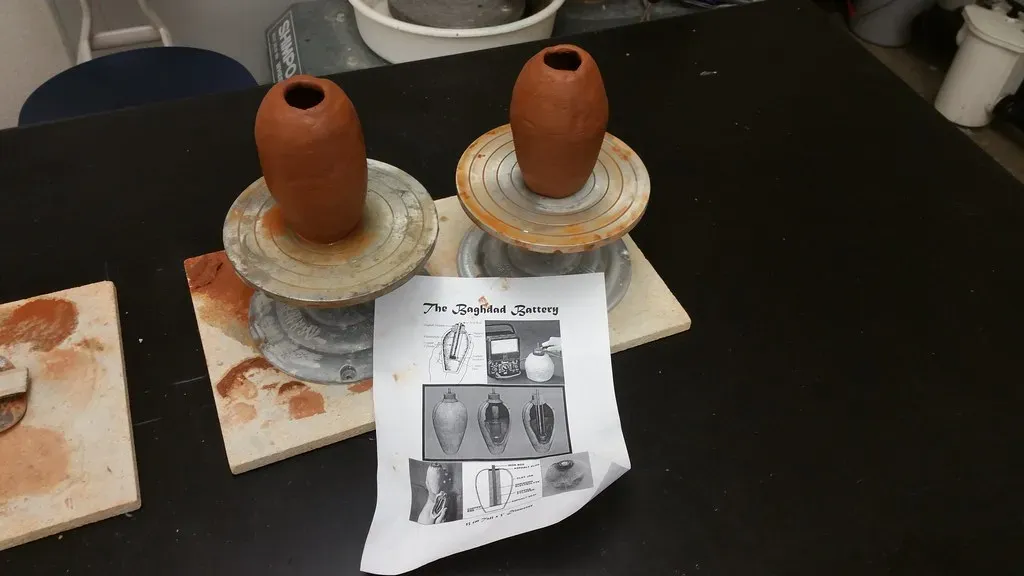
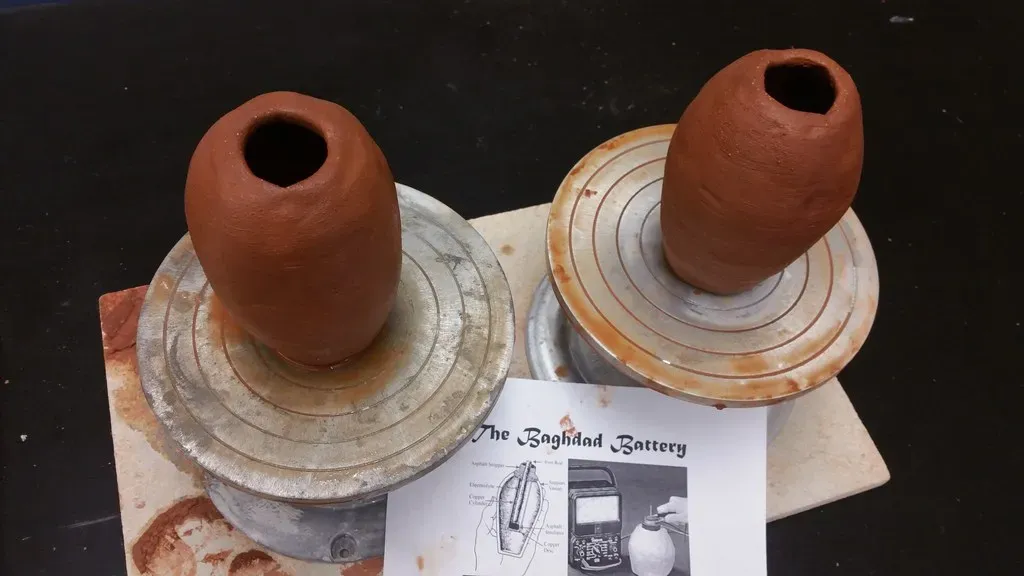
You’ve seen it on TV: a clay jar, an iron rod, a copper cylinder – “behold, the world’s first battery.” It’s one of the most repeated “ancient technology” claims of all time. But the researchers who’ve actually examined the jars are deeply divided, and the case is far weaker than the legend suggests.
There is zero direct evidence these jars were ever wired together, connected to anything, or even assembled the same way twice. Some show no clear sign they ever held acid at all; the corrosion could just as easily be centuries of burial. The “battery” theory dates back to a single 1930s experiment, not to any ancient text or workshop find. More boring but far more realistic explanations include storage containers for scrolls or sacred objects, or apothecary vessels with metal parts added later for unrelated reasons. Yes, a lab can coax a weak current out of a replica jar – but that proves what’s *possible*, not what the jar was actually *for*. Many archaeologists have quietly stopped calling it a battery at all.
#10 – The Carnac “Sound Stones” That Might Just Be Rocks

Around the famous standing stones of Carnac in France, smaller shaped rocks and shallow depressions get labeled “ancient tools” in tourist lore. Visitors are told they’re grinding stones, astronomical markers, even prehistoric “sound amplifiers” used in ritual chanting.
The frustration for researchers is simple: wear patterns are inconsistent, and there’s no clean match to any known tool type. Some smoothing looks like natural erosion, not human use. Others show pecking marks with no clear usage scars, and a few bowl-shaped hollows might have held offerings rather than ground grain. Experimental archaeologists have tried pounding grain and channeling acoustic vibrations through these features – the results are interesting, but never definitive. In official site reports, they usually land in the blandest category imaginable: “worked stones, uncertain function.”
#9 – The “Roman Dodecahedrons” That Refuse to Make Sense
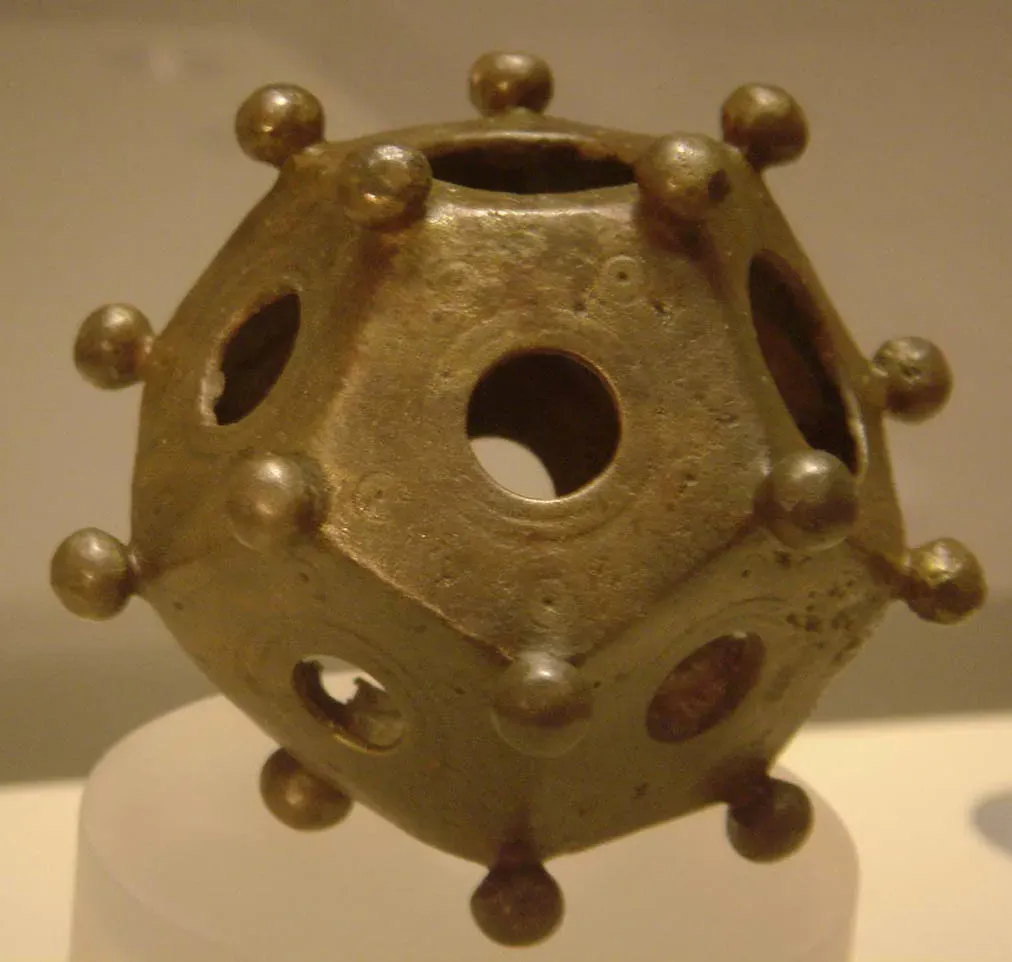
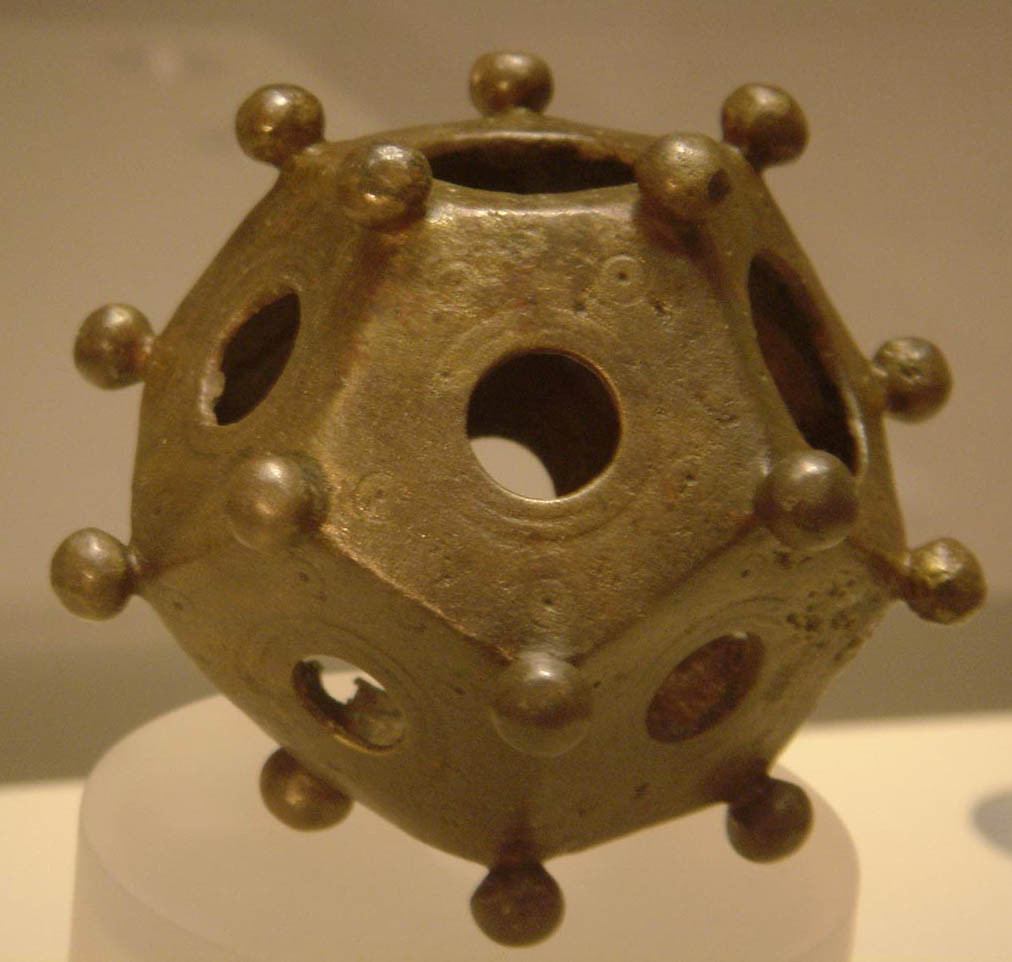
Dozens of small bronze dodecahedrons – twelve-sided objects with a hole in every face – have turned up across Roman Europe. Social media has turned them into knitting aids, range-finders, even candlestick holders. The real story behind closed doors is more humbling: no inscription, no ancient drawing, and no written description anywhere explains what they were.
Sizes vary wildly, some have knobs and some don’t, and if these were precision tools, the measurements are shockingly sloppy. Experiments have shown the objects can help size knitted gloves, estimate distance, or cast wax shapes – but “can” is not the same as “was built for.” What really bothers archaeologists is that they’re not routinely found in workshops or standardized across the empire the way real tools would be. A growing number now suspect these are ritual objects or status symbols, meaning their ambiguity might be the point.
Worth Knowing
- More than 100 have been unearthed across Roman-era Europe
- Almost none have surfaced in Italy, the heart of the empire
- No two examples share the exact same size or hole pattern
- Not a single Roman text or drawing ever mentions them
#8 – The Mysterious “Handbags” Carved Into Ancient Reliefs
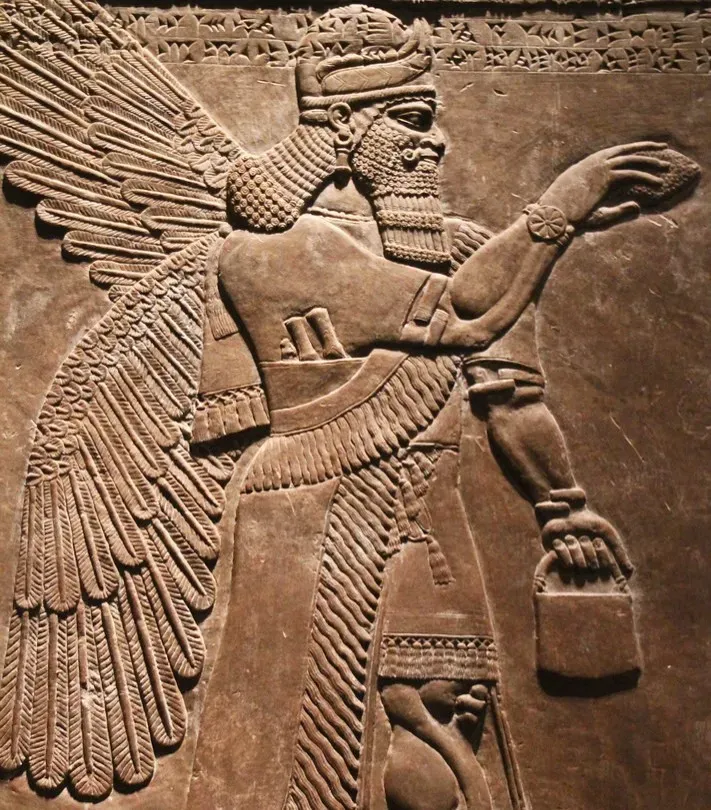
Ancient reliefs from Mesopotamia, Anatolia, and even later Mesoamerican art show gods and figures holding what look, unmistakably, like small handbags. Conspiracy corners of the internet love shouting “ancient technology” or “energy devices” at these carvings. Archaeologists have a far more sobering answer: we don’t actually know what they represent, and there’s little hope of ever testing a specific theory.
These objects appear only symbolically, never in practical everyday scenes like farming or building, and no physical “bag device” has ever been recovered that clearly matches the carvings. Some art historians see stylized buckets of sacred water; others say it’s simply a visual shorthand for “holding power” or “carrying life.” Without a real surviving artifact or an explanatory text, this is basically permanent iconographic guesswork – a famous image attached to an object that may have never physically existed as a tool at all.
#7 – The “Ancient Drill Bits” That Might Be Nothing of the Sort
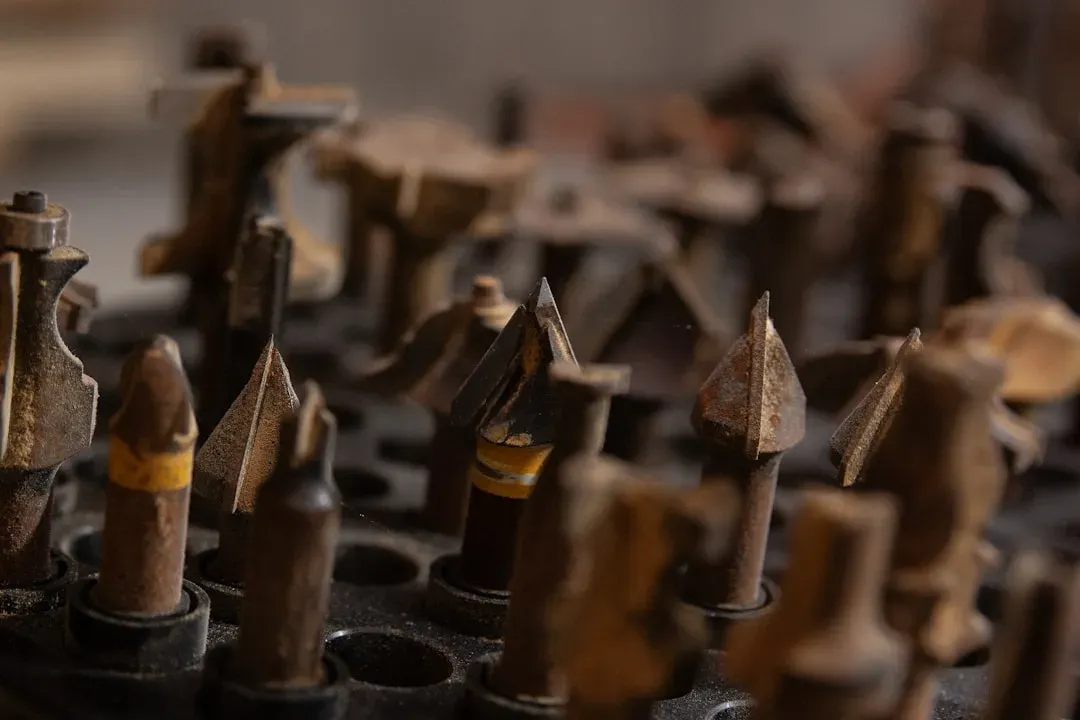
In stone-working cultures from Egyptian quarries to Indus Valley sites to Neolithic Europe, archaeologists keep finding cylindrical stone cores and odd spiral grooves. Online, these get hyped as proof of secret advanced drilling technology. The lab reality is far less exciting.
Many of these cores can be produced with simple abrasives, hand-turned tools, and sand – no lost high-speed machinery required. The real problem is that the actual drill bits themselves are almost always missing or unconvincing, and the few fragments proposed as drill tips often lack the microscopic wear you’d expect from sustained, precise use. So yes, drilling clearly happened. No, we don’t actually know what tool did it or how it was powered. That gap is exactly why serious papers now say “drilling technology” instead of naming a specific device.
#6 – The Carved Stone Discs of China’s Uncertain Frontier
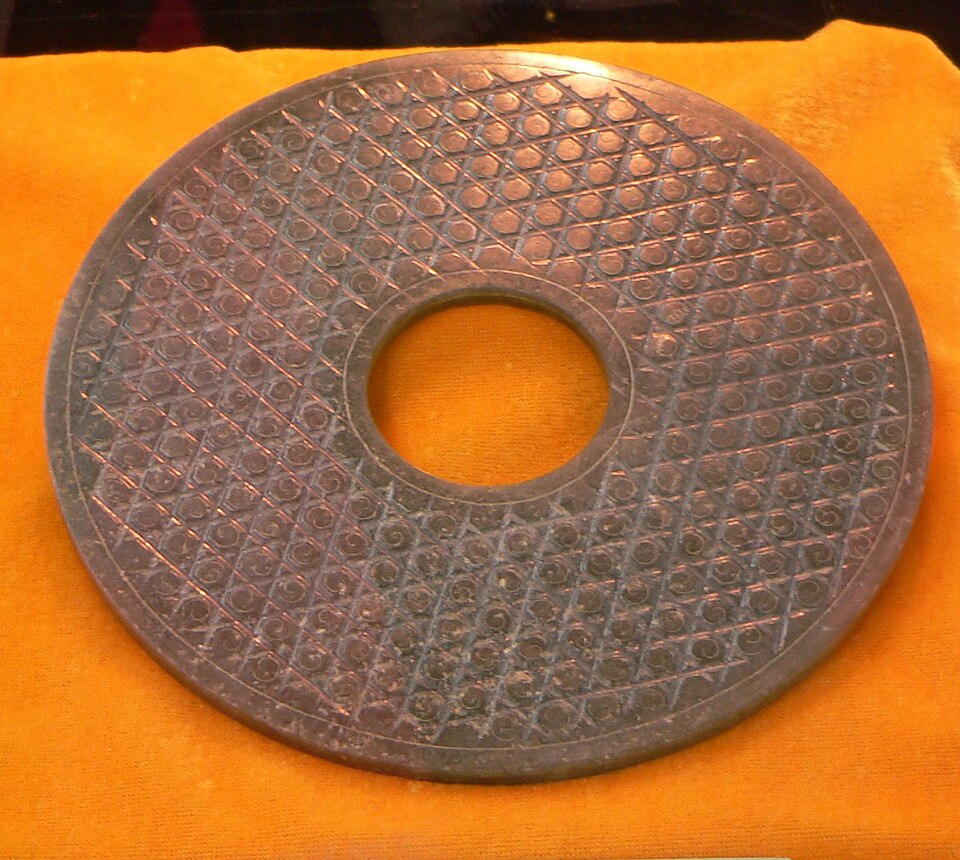
From China’s remote regions come 20th-century reports of carved stone discs with spiral grooves and strange symbols – the basis for the famous “Dropa Stones” legend. In reality, physical access to these artifacts ranges from limited to nonexistent, and the surviving museum records are patchy at best.
For the handful of authenticated discs, archaeologists can’t even agree on whether they’re tools, ritual items, or purely decorative carvings. The spiral grooves could be entirely symbolic, and any real inscriptions are too sparse and weathered to translate with confidence. Some researchers have proposed grinding stones, weights, or components in primitive spinning devices; others insist they were burial objects meant to represent the cosmos, never built to “do” anything at all. Because so much of the evidence comes from poorly documented old excavations, the odds of ever confirming a specific function are close to zero.
Quick Compare
- Grinding or milling stones – plausible, but the wear patterns don’t fully match
- Spindle whorls or weaving weights – fits some shapes, not others
- Ceremonial or burial objects – supported by burial-adjacent finds
- Purely decorative carvings – can’t be ruled out given the sparse records
#5 – The “Astronomer’s Bowls” That Don’t Line Up With the Sky
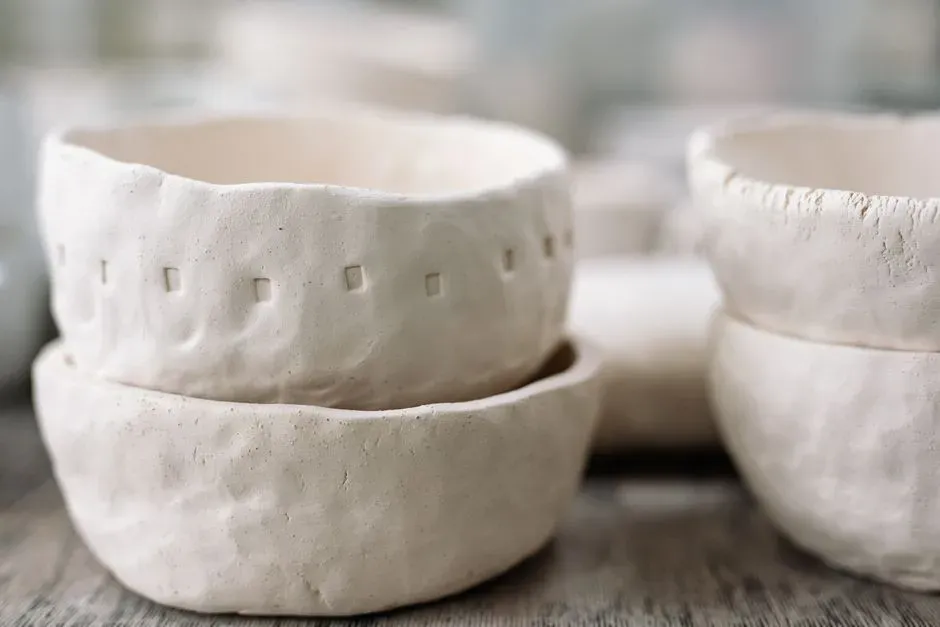
Across the Mediterranean and Near East, archaeologists keep finding stone and ceramic bowls etched with dots, lines, and concentric circles. Popular books love calling these “astronomers’ tools” or portable star charts, which sounds satisfyingly clever. When specialists actually check the math, the romance falls apart fast.
Most of these patterns don’t match real star positions or known constellations with any convincing precision. Some markings line up just as easily with counting systems, divination layouts, or game boards, and a few bowls show heavy burning or residue suggesting they held offerings rather than calculations. A handful might genuinely encode sky observations – but even then, were they teaching props, divining tools, or ritual diagrams? Without texts or consistent design rules, nobody can say for certain. In honest excavation reports, you’ll usually just find: “inscribed bowl, function uncertain.”
#4 – The “Ancient Pipe Systems” With No Buildings to Serve
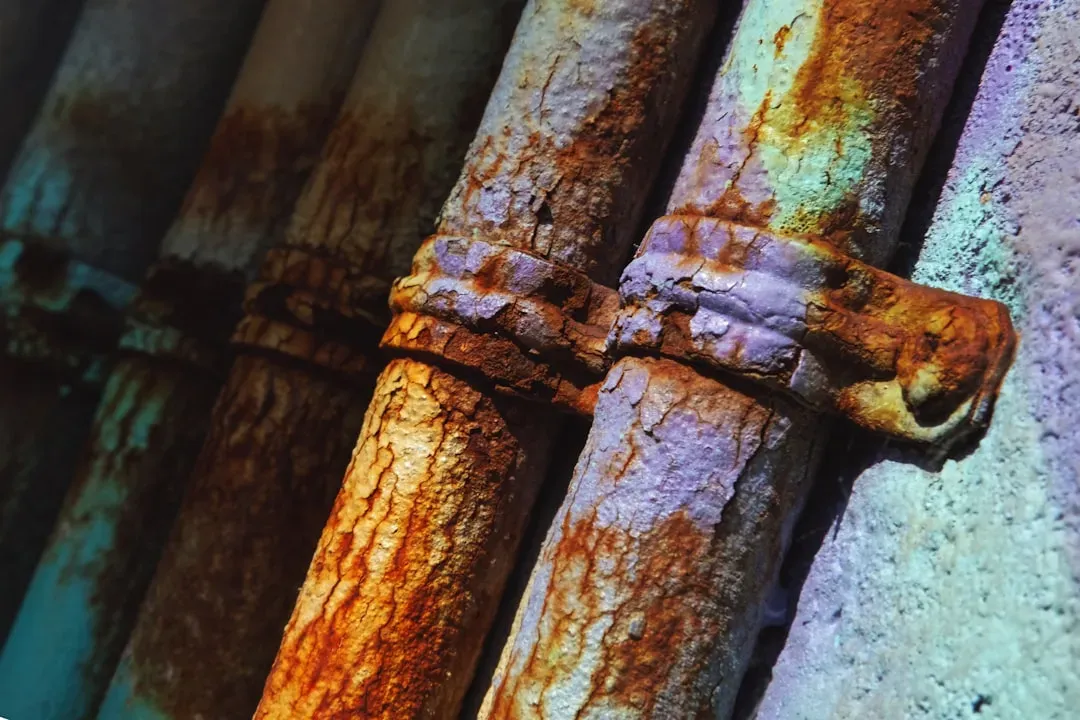
From China’s Qilian Mountains to remote Andean plateaus, strange pipe-like tubes made of stone or metal have been reported embedded in rock or running to nowhere obvious. Online, they’re instantly rebranded as “ancient plumbing” or secret industrial pipelines. Field geologists and archaeologists hit a wall almost immediately: many of these features don’t connect to any clear structure, and some may not even be man-made.
Natural mineral processes can create tube-like formations that mimic engineered pipes as they replace organic material over time. Worse, a lot of these discoveries came out of mining operations, not controlled digs, so there’s no reliable dating or stratigraphy to lean on. When pieces are clearly crafted, the more grounded explanations are drainage channels for small shrines or conduits for ritual liquids – not municipal water systems. After decades of dead ends, most professionals now quietly list them as “possible conduits, uncertain origin,” and move their attention to better-documented sites.
#3 – The Indus Valley “Seals” That Might Be Tools, or Titles
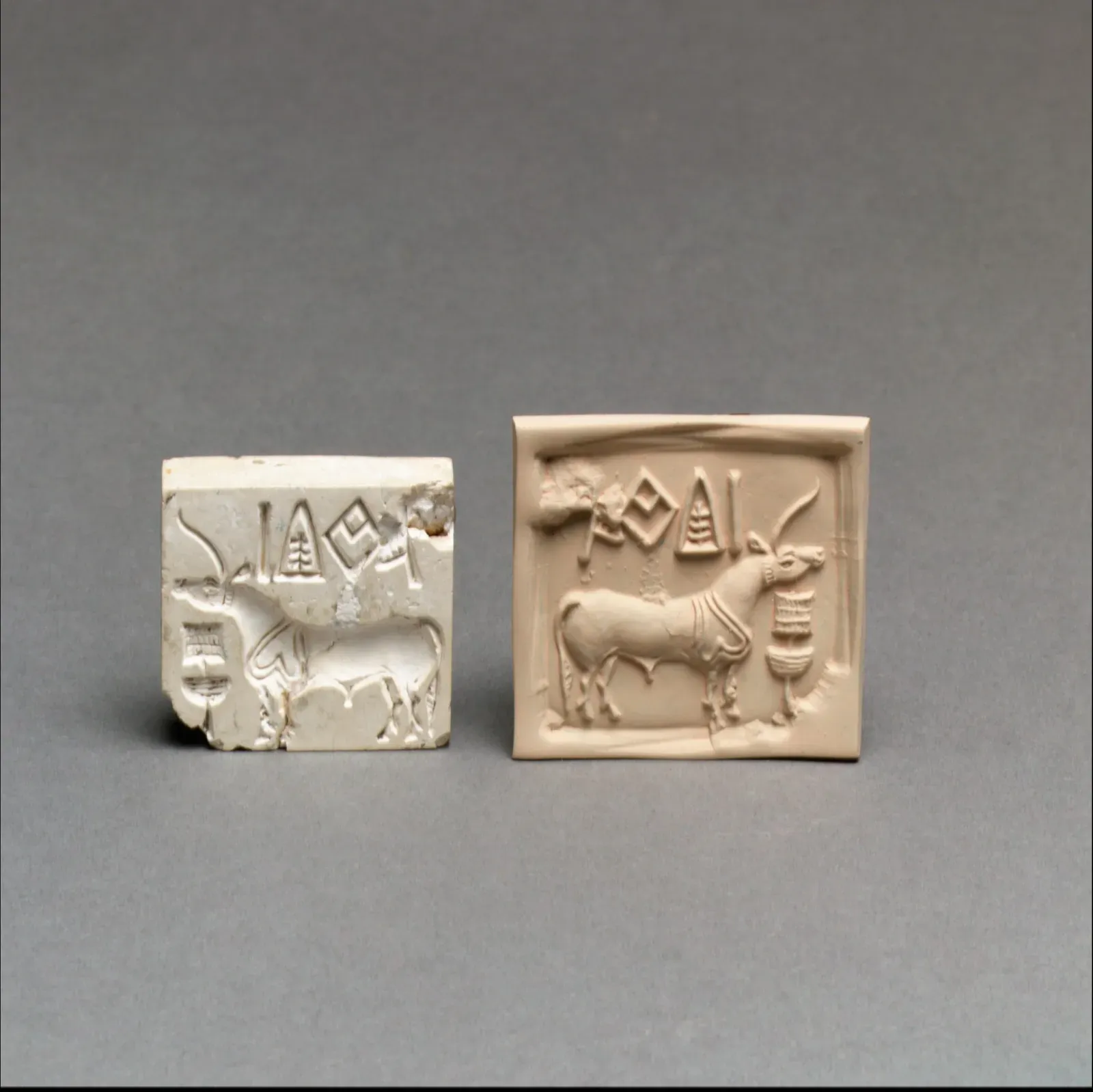
The Indus Valley Civilization left behind thousands of small carved steatite seals decorated with animals and symbols. Everyone calls them “seals,” which implies a specific working tool used to stamp goods or documents. The snag is that many show barely any wear on the carved surface, and there’s surprisingly limited evidence they were regularly pressed into wet clay for everyday trade.
Some do have sealings attached, but the pattern is uneven across sites. In elite burials, these objects show up more like personal emblems or badges of status than working tools. Some scholars now argue they functioned closer to ID cards, amulets, or ritual credentials – meaning we may have been forcing a practical, industrial label onto something that operated in a completely different cultural logic. Until the script is deciphered, if it’s even a script at all, the precise use of these objects stays effectively locked. After more than a century of trying, that’s a quiet admission of defeat.
At a Glance
- Carved mostly from steatite, a soft soapstone
- Thousands have been recovered from Indus Valley sites
- Commonly feature animals like bulls, elephants, and a mysterious “unicorn”
- The accompanying script remains undeciphered to this day
#2 – The “Celtic Mirrors” That Barely Reflect Anything
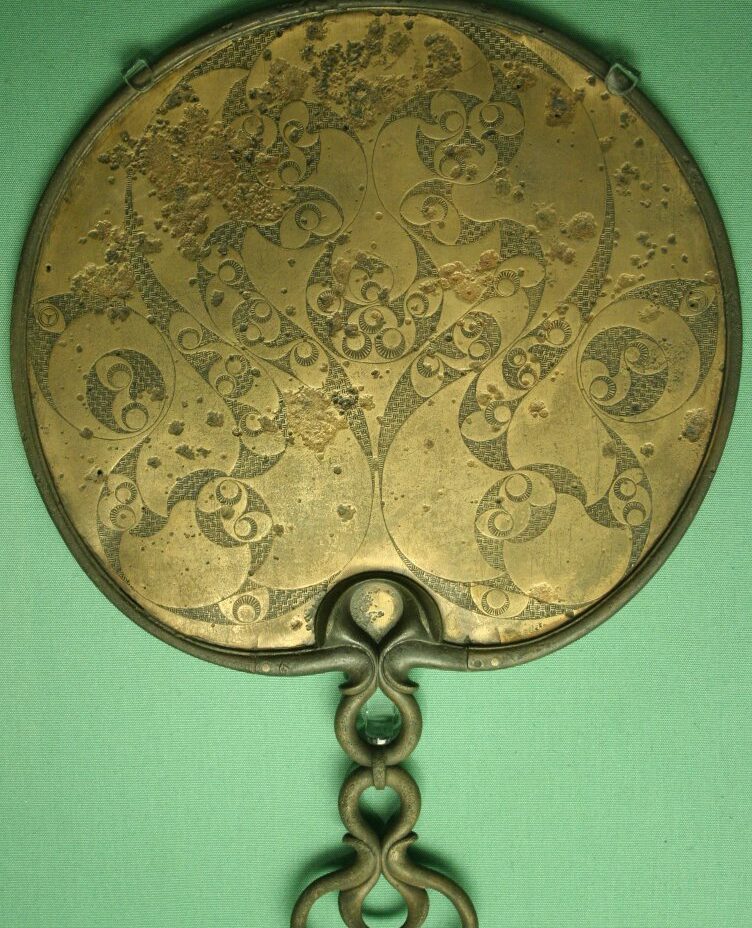
Across Iron Age Europe, especially in Britain, archaeologists have uncovered ornate bronze “mirrors” with engraved backs and polished faces. They’re cataloged as grooming tools, but anyone who’s actually seen one up close spots the problem immediately: even after careful conservation, most surviving surfaces give a poor, distorted reflection – nothing close to a practical daily mirror.
Many show almost no micro-scratching consistent with regular handling. Instead, they turn up in graves, often belonging to high-status individuals, sometimes in clearly ritual contexts. If these were truly everyday grooming tools, their archaeology looks strangely ceremonial. A growing number of researchers now think they functioned as symbolic portals or status objects, used briefly in rites rather than for routine vanity. They may have reflected faces occasionally – but their primary job may have been broadcasting prestige, with “mirror” as our best available, and still incomplete, modern label.
#1 – The London Hammer and Other “Out-of-Place” Tools That Go Nowhere
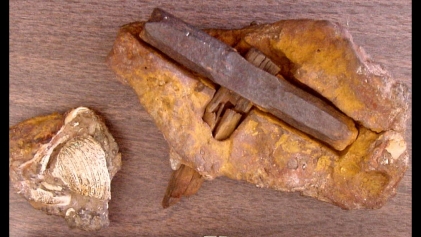
If you want maximum controversy, nothing beats the so-called London Hammer – a modern-looking hammer encased in ancient rock, cited endlessly online as proof of lost civilizations. Geologists and archaeologists who actually examined it reached an uncomfortable but blunt conclusion: the wooden handle and metal head are consistent with 19th-century manufacturing, and the surrounding rock concretion likely formed relatively recently.
In other words, the “ancient tool” isn’t ancient at all – the stone is natural, but the pairing is misleading. Dozens of similar “out-of-place artifacts” collapse under the same scrutiny: missing context, weak documentation, hearsay provenance. Professionals have essentially given up trying to “identify” these objects as ancient tools, because they’re really modern items trapped in natural concretions, or misinterpreted finds with no reliable archaeological record. They’re not mysterious devices. They’re cautionary tales about how badly people want hidden technology buried in the deep past – badly enough to mistake a hardware-store hammer for a message from a lost world.
Fast Facts
- Discovered in 1936 near London, Texas
- Found encased in a rock nodule beside a creek bed
- The wooden handle is partially carbonized, not petrified
- Mainstream geologists date the encasing rock formation to a relatively recent age, not deep antiquity
The Bottom Line
Across digs, museums, and dusty site reports, the pattern repeats itself: the more sensational an “ancient tool” sounds online, the shakier its evidence usually turns out to be. Roman dodecahedrons with no inscription, a “battery” with no wiring, star bowls that don’t match the sky – again and again, the data simply refuses to commit to a neat explanation.
Any sufficiently advanced technology is indistinguishable from magic.
Arthur C. Clarke
That line explains half the mystery-tool obsession online, but it cuts both ways. Sometimes the magic is real ambiguity science hasn’t solved yet. Other times it’s just a hammer, a jar, or a carved stone that people desperately want to be more than it is.
My honest take: the artifacts on this list that deserve real respect are the ones where experts openly admit defeat – the Phaistos Disc, the Antikythera gaps, the Indus seals. That’s science being honest about its limits. The ones that deserve skepticism, not wonder, are things like the Baghdad Battery and the London Hammer, where a catchy story outran the actual evidence decades ago and just never let go. Some artifacts were never tools in our sense at all – they were symbols, toys, offerings, or status props whose logic died along with the people who made them. Mapping their materials and dates is the easy part. Admitting we may never know their purpose? That’s not failure. That’s the most honest thing archaeology can say.