
You’d think a museum label writer’s job is easy: identify the object, slap on a date, move to the next case. Most of the time, that’s true. But quietly, in storage rooms and glass cases around the world, sit objects that have humiliated some of the sharpest specialists on the planet – people with PhDs, decades of fieldwork, and access to labs most of us will never see inside.
These aren’t hoaxes or movie props. They’re real, catalogued, physically examined artifacts that simply refuse to explain themselves. Some look like tools with no known job. Others carry symbols that match no language, culture, or technology anyone can pin down. Here’s what the specialists, the field notes, and the cold physical evidence actually say about 14 objects that still make experts shrug.
#14 – The London “Star Disk” Nobody Can Read
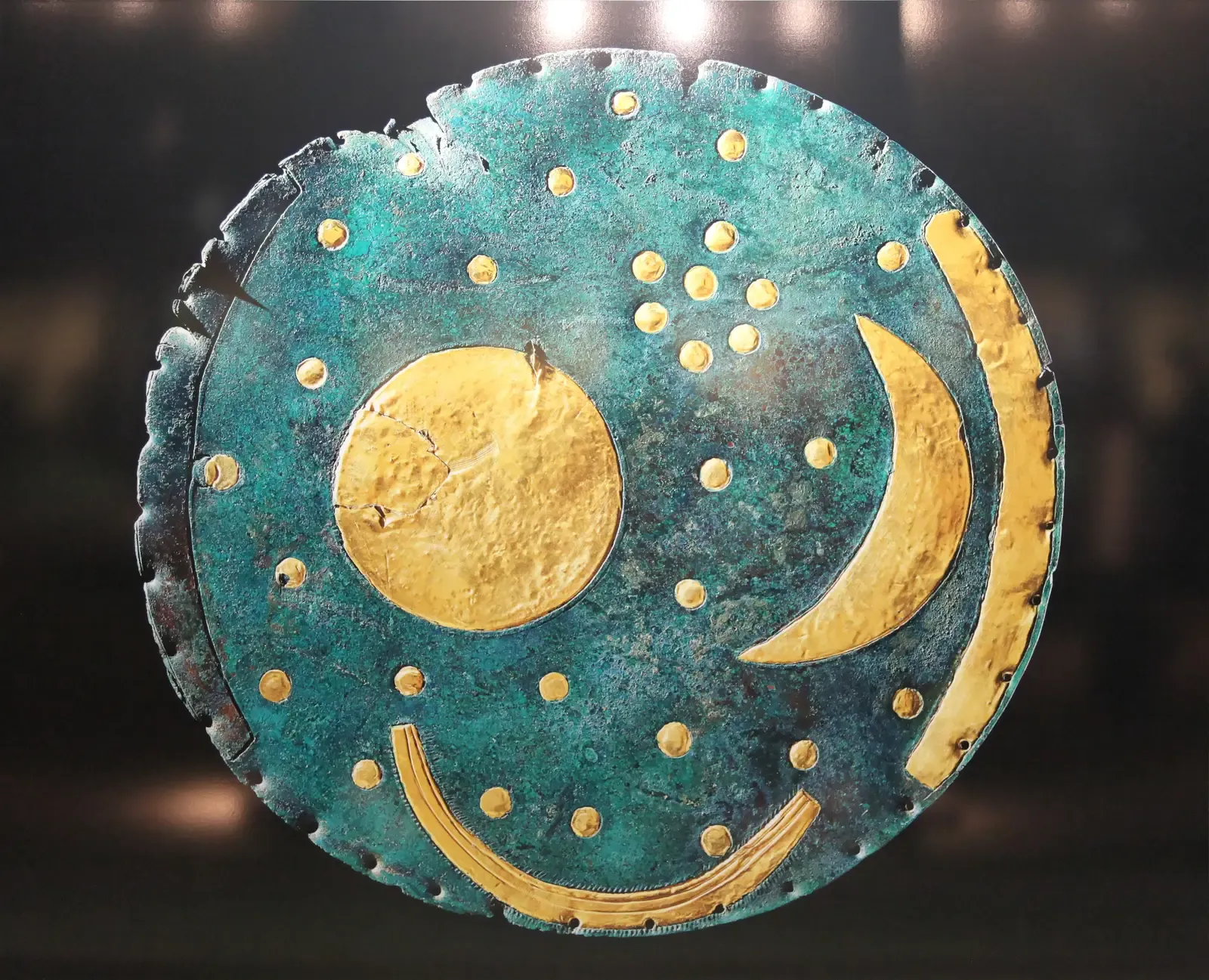
At first glance, this small bronze disk in a London collection looks like decorative scrap. But look closer and it gets strange fast. The surface is covered in tiny punched dots and radiating lines, arranged with the kind of precision you’d expect from a surveyor or astronomer – not a casual artisan.
No known script, constellation map, or numeric system matches the pattern, yet it’s clearly deliberate, not random hammering. Conservators note the uneven wear: the edges are more polished than the center, suggesting it was rotated constantly in someone’s hand. Radiographic scans even show design layers hidden beneath the visible surface, like someone reworked an earlier code and never finished explaining why.
Fast Facts
- Material: bronze disk, small enough to fit in one hand
- Surface: punched dots and radiating lines arranged with surveyor-like precision
- Wear pattern: edges more polished than the center, hinting at constant handling
- Scan result: radiographic imaging reveals a hidden, reworked design layer beneath the surface
#13 – The Glass Rods from an Unknown Laboratory
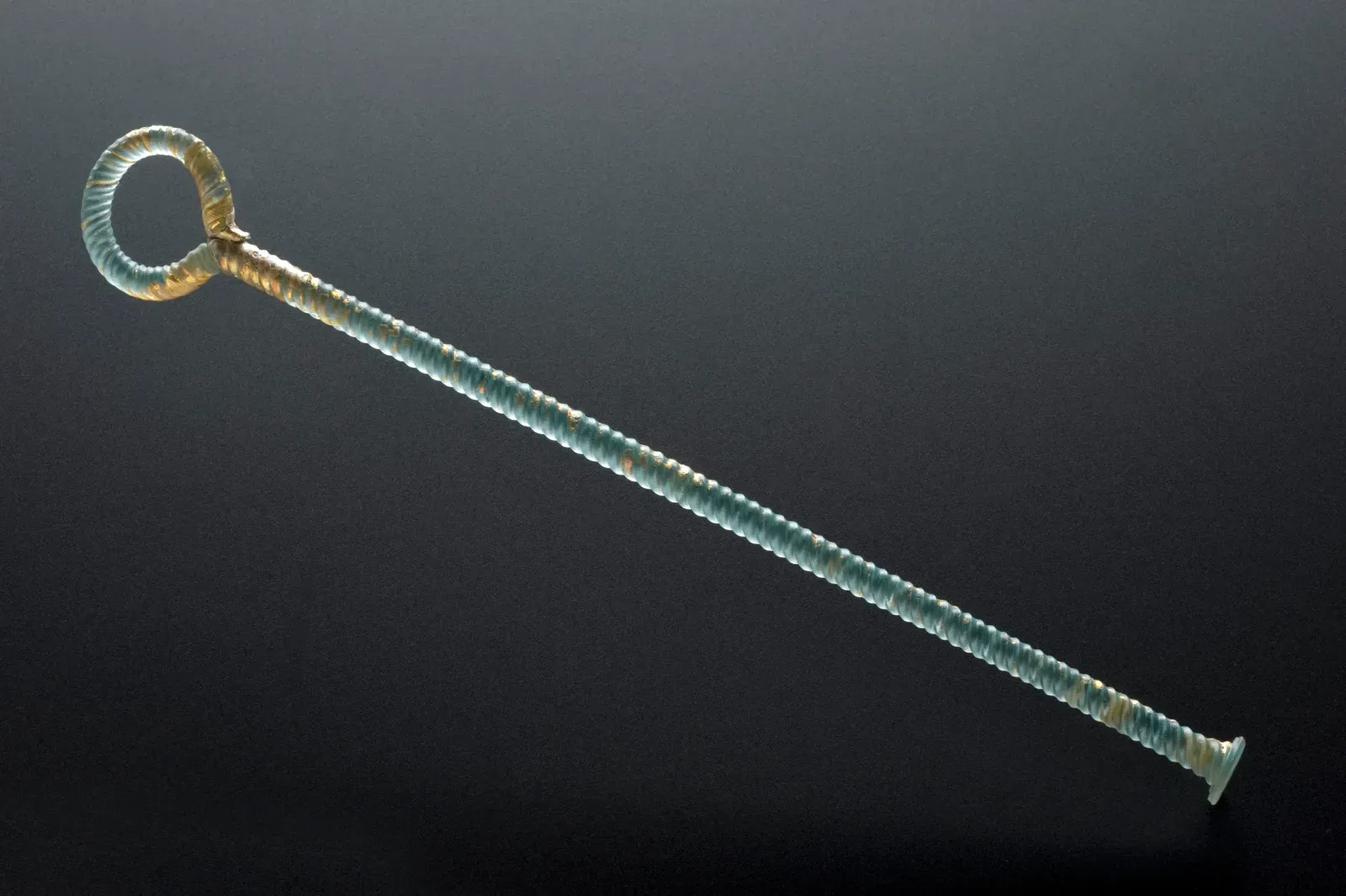
Deep in the storage of a European science museum sits a tray of crystal-clear glass rods, roughly pen-length, sealed at both ends. Inside the glass, not on the surface, faint spiral ridges twist like tiny engineered channels. No documentation exists for their arrival, their maker, or their intended use – they were simply logged as “laboratory implements, purpose unknown.”
Chemists guessed early diffusion experiments. Physicists floated an obsolete optical device. Neither theory survives contact with the evidence: under UV light, some rods fluoresce and others don’t, which means they weren’t even made as a matched set. One curator’s quiet theory is that these are failed prototypes from an inventor who never filed a patent – fragments of a lost experimental program with no surviving notebook to explain them.
#12 – The Clay Tablets with a Script That Matches Nothing
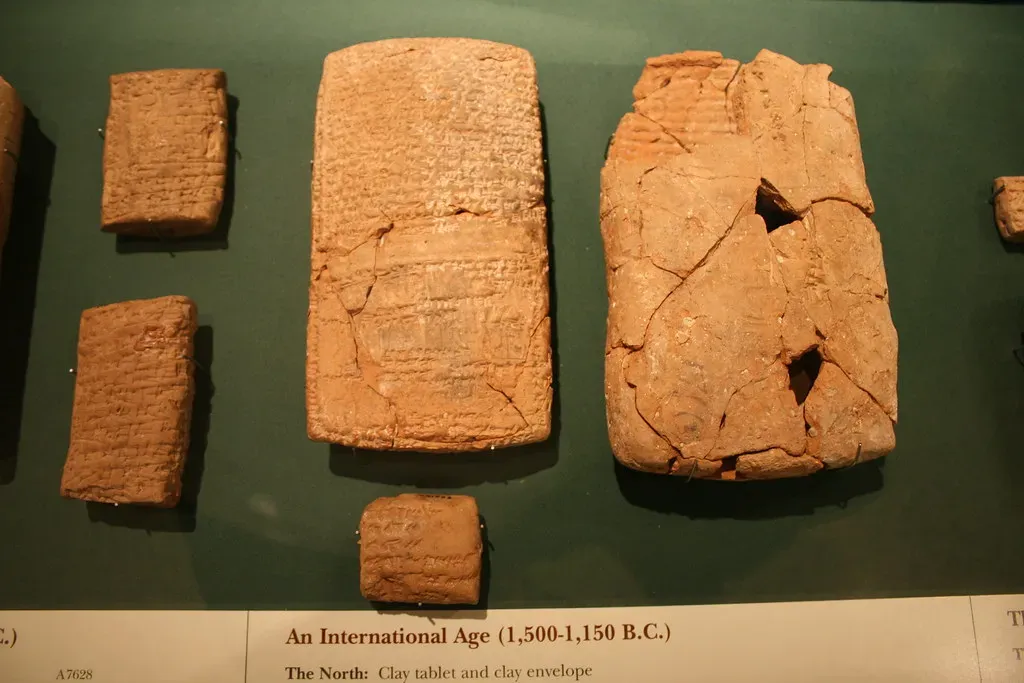
Most people think undeciphered writing begins and ends with famous names like Linear A or the Voynich Manuscript. Yet several regional museums quietly hold short clay tablets whose incised marks match no known script at all. They’re too few and too scattered for a proper decipherment campaign – just lonely fragments, usually pulled from digs without secure context.
What makes them so frustrating is that they clearly aren’t random scratches. The strokes are evenly spaced and repeated at consistent angles, sometimes clustered into what look suspiciously like words. Some epigraphers think they’re personal shorthand that never spread beyond one writer’s desk; others suspect a genuinely lost tradition. Either way, they sit in drawers labeled “script unknown,” stubbornly mute.
#11 – The Bone Tool That Fits No Known Job
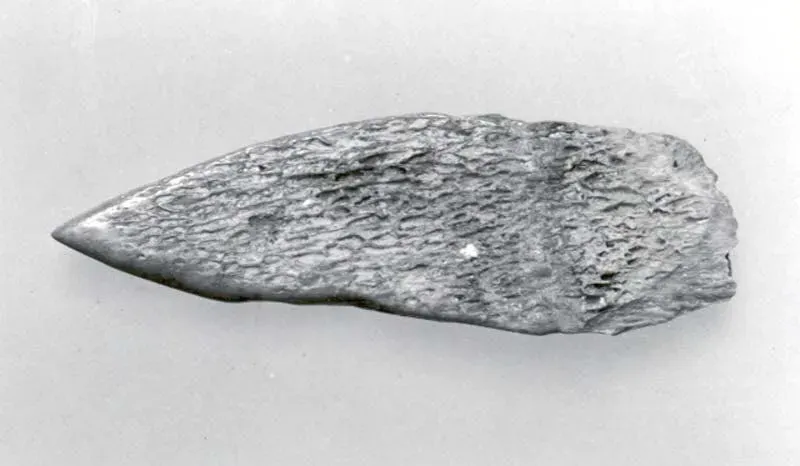
In an archaeology storeroom, a palm-sized, polished bone object poses a simple, maddening question: what was this for? It’s carved into a slightly curved paddle with three deep parallel grooves on one face and a smooth, hollowed back. No ethnographic parallel convincingly matches its exact form, despite comparisons to weaving beaters, hide scrapers, and everything in between.
Microscopic wear analysis only deepens the mystery. The grooves show micro-scratches running perpendicular to their length, hinting that fibers or sinew were dragged across them again and again – yet the edges are too rounded for effective cutting. Some specialists suspect a cordage-tensioning tool; others think it belonged to a musical instrument as a kind of primitive bridge. Nobody can explain why there are exactly three grooves, not one, not five.
#10 – The Metal “Key” That Opens Absolutely Nothing
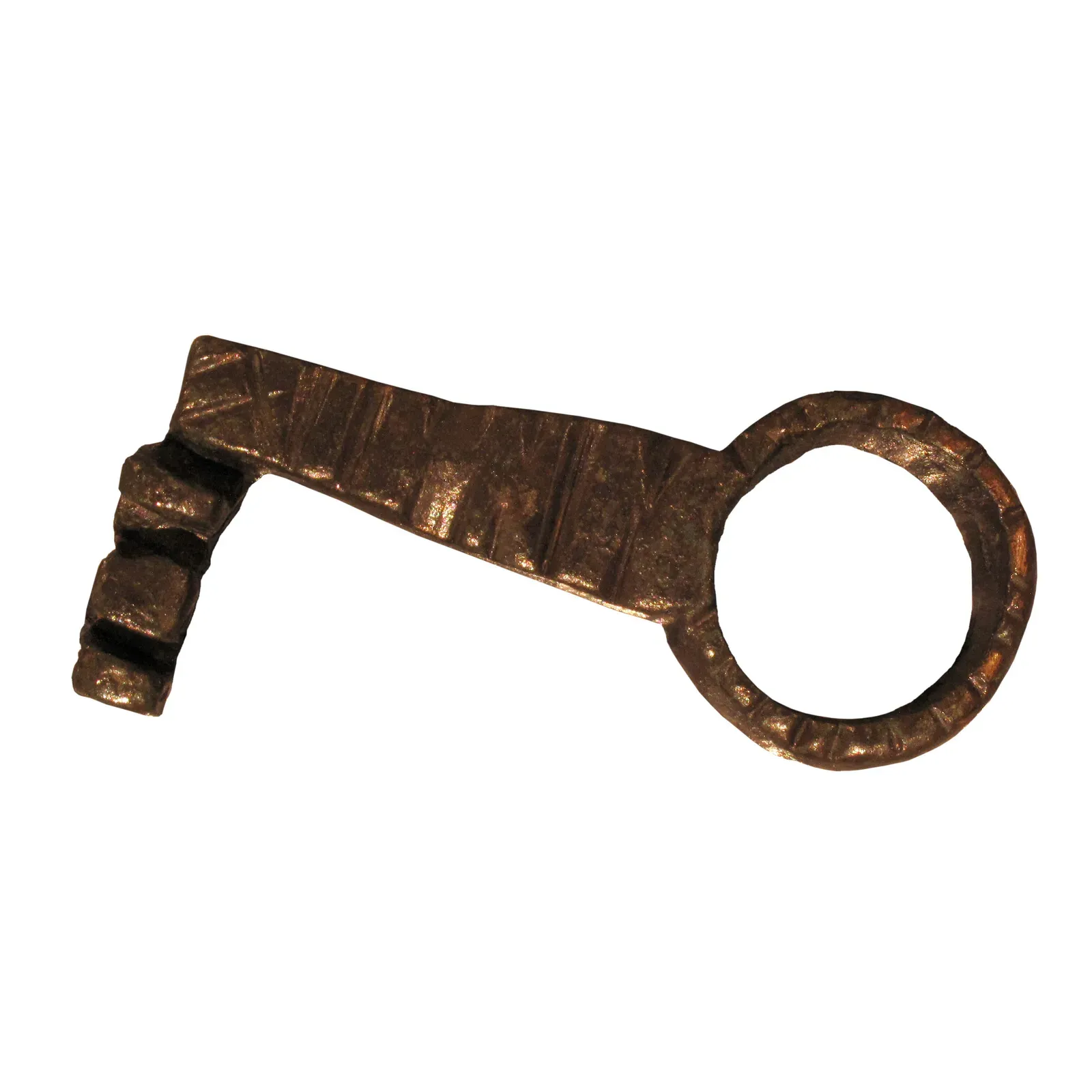
This object looks so much like a key that the label practically wrote itself. Cast in bronze, with a notched bit and a ring-shaped handle, it screams “lock mechanism” to any modern eye. Yet every attempt to match it to period lock technology has failed – its teeth don’t correspond to any known locking system from the culture where it was reportedly found.
X-rays reveal an internal cavity in the handle that no ordinary key would ever need, and corrosion patterns show it was rarely, if ever, actually turned in anything. One theory says it’s ceremonial, a symbolic key to a temple that never touched a real lock. But residue inside that hollow handle suggests it once held some organic material, now long degraded – a key that doubled as a container, and curators still argue about which purpose came first.
#9 – The Textile Fragment Woven in an Impossible Pattern
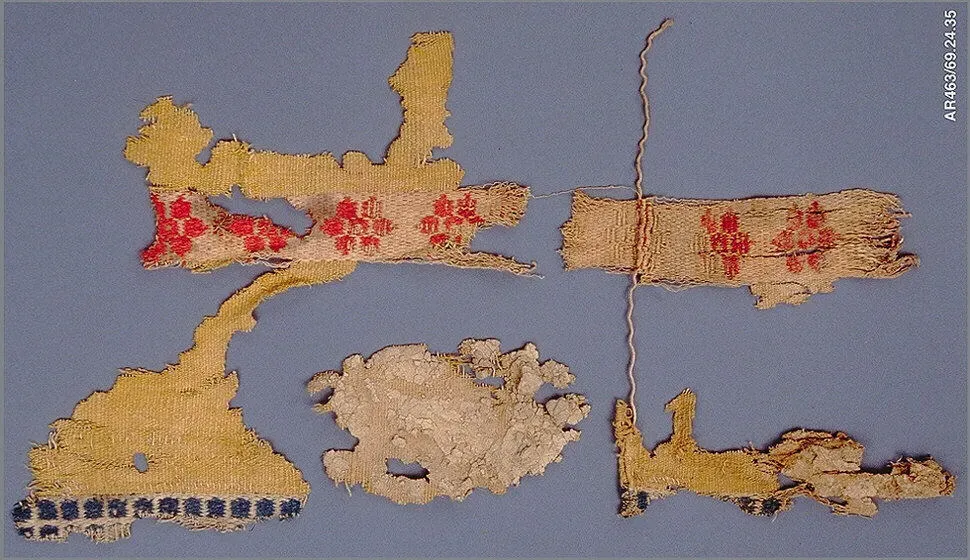
Most mysterious artifacts are hard materials – stone, metal, bone. But in one climate-controlled drawer lies a scrap of cloth that has no business existing when and where it does. Radiocarbon dating places it centuries before any comparable weaving technique from the same region, and its double-layered interlacing structure mimics methods textile historians thought appeared only much later, somewhere else entirely.
Under a microscope, the yarns show spinning and tension so regular it looks almost mechanical, as if the weaver were solving an engineering problem rather than making decoration. Was this a lone genius working centuries ahead of local practice? A traded piece from an unidentified tradition? Some curators privately wonder if the dating itself is simply wrong – a mislabeled artifact from an old, sloppy dig. Nobody wants to say that out loud, but nobody can rule it out either.
#8 – The Stone Sphere That Isn’t Just a Stone Sphere
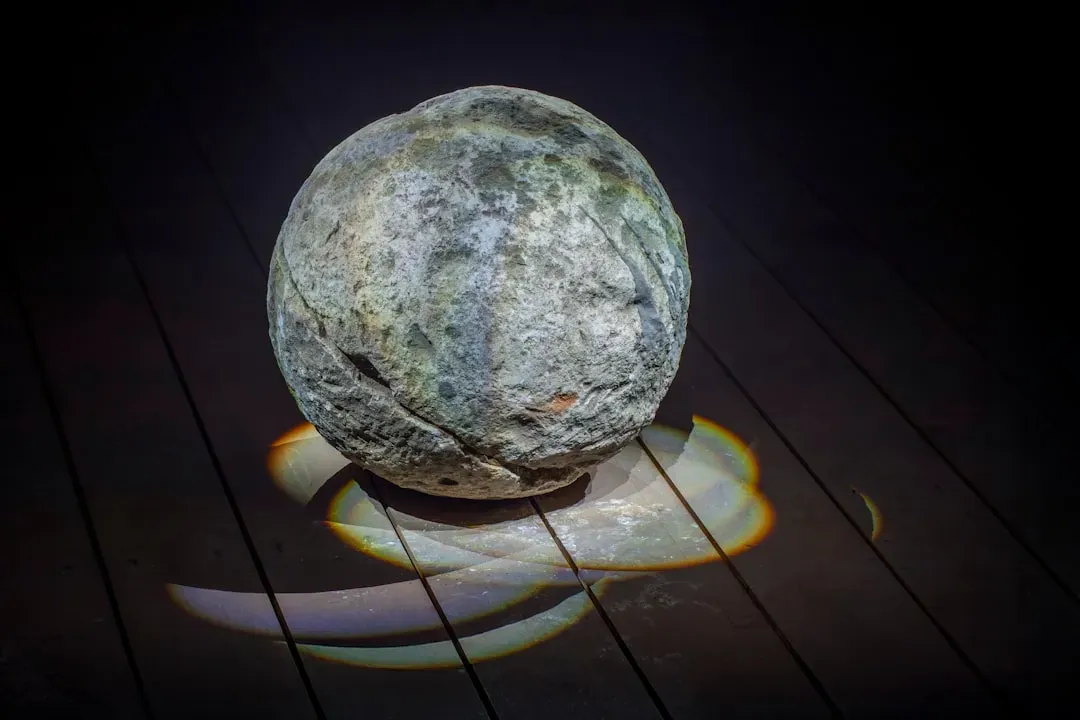
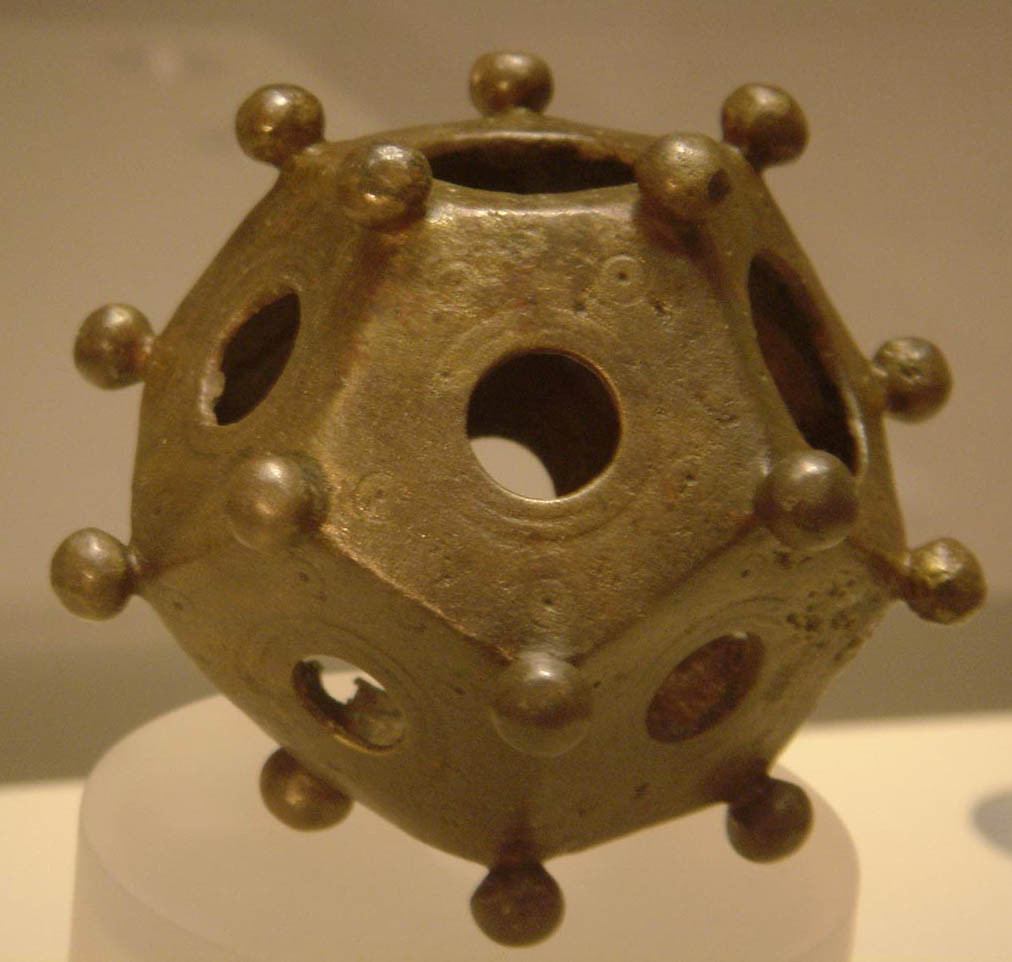
Round stones show up everywhere, but one carved sphere in a regional museum refuses the “natural pebble” explanation. It’s about the size of a grapefruit, nearly perfectly spherical, covered in shallow circular depressions and subtle ridges that are too symmetrical and evenly spaced to be accidental. It doesn’t match known gaming pieces, weights, or architectural fittings from anywhere nearby.
3D scans show the indentations follow repeating geometric relationships, almost like a primitive map of a polyhedron. Some researchers think it’s a hands-on geometry teaching tool, built long before formal mathematical texts existed in that region. Others push back hard, arguing the pattern is just ambiguous dents that humans are pattern-matching into meaning. Without any inscription to settle the argument, it functions as a kind of academic Rorschach test.
#7 – The Ceramic Vessel That Won’t Sit Flat
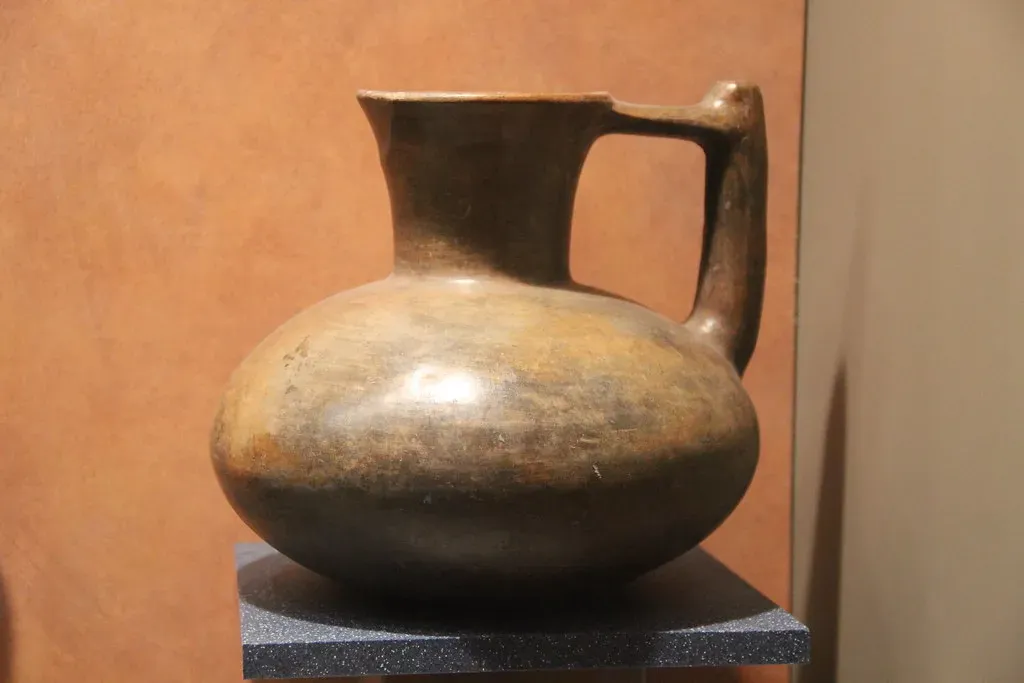
Most pots are built to stand upright. One particularly stubborn ceramic vessel refuses to cooperate. Its base is deliberately rounded with no flat resting point, and the walls spiral slightly, giving it a faint twist when nudged – yet there’s no evidence of a stand, ring, or support that would have stabilized it.
Residue analysis found traces consistent with heated liquids clinging to the interior, so this wasn’t a decorative object; someone actually used it. Some researchers think it was meant to be nestled into soft earth or sand. A smaller group suspects it was designed for controlled rocking or agitation, maybe for dyeing or fermentation. Until a clear parallel turns up, it remains figuratively – and literally – unable to stand on its own.
#6 – The Tiny Wooden Object That Survived Against the Odds
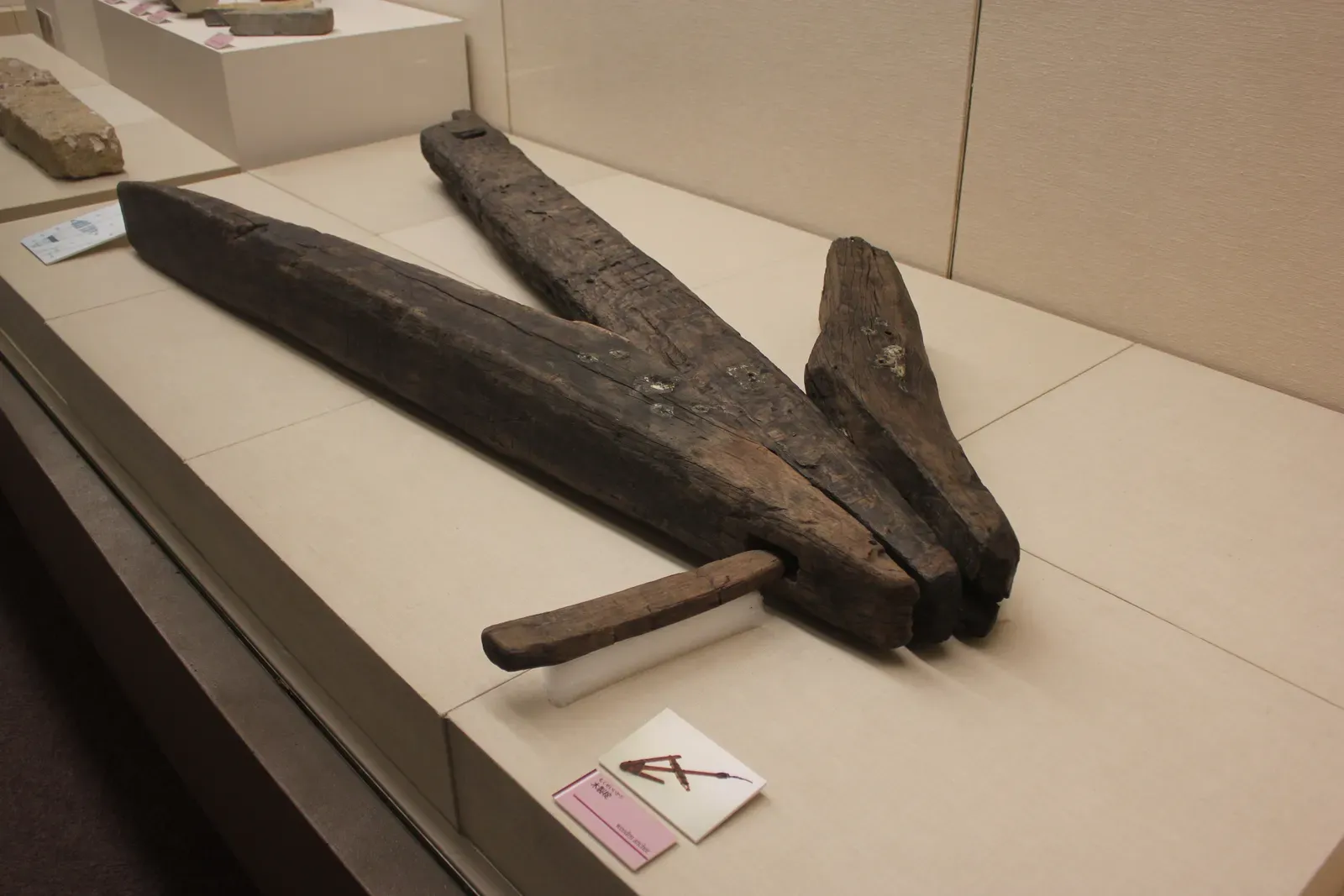
Wood almost never survives in the archaeological record unless conditions are unusually perfect, which makes this tiny, palm-sized piece remarkable on its own. Its shape only adds to the puzzle: a flattened oval with two offset holes and a carved ridge along one edge, worn from what was clearly intense, repeated handling.
The holes are too irregular and too close together for standard loom weights or spindle whorls, and the smoothed ridge suggests it pressed against something soft, maybe leather or plant fiber. One experimental archaeologist tested it as a cord-tensioner, a sewing aid, and a net-making tool – each worked “sort of,” but none explained all the wear. The likeliest answer might be the least satisfying one: it did several small jobs at once, like an ancient multitool nobody thought to write down.
#5 – The Stone Slab with Grooves That Don’t Match Any Game
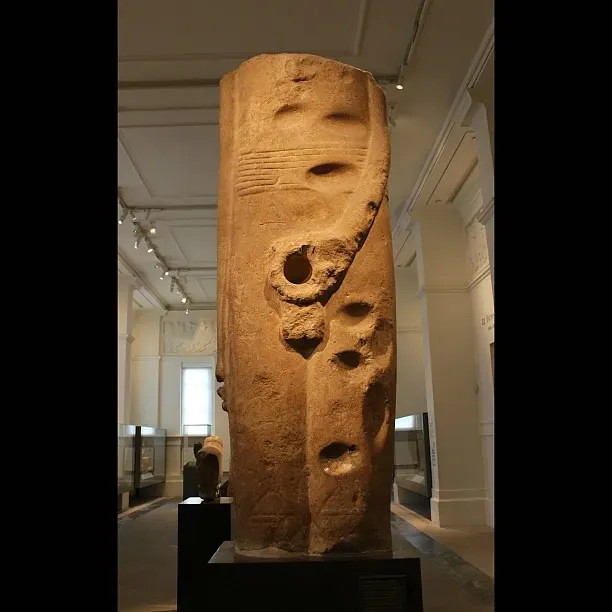
Humans have been carving game boards into stone for thousands of years, and archaeologists are good at spotting them. This slab breaks the pattern anyway. Its surface shows a grid of intersecting lines, circles, and short grooves that look game-like at first – except the layout matches no known historic game from the region, and pieces found nearby don’t line up with the markings in any consistent way.
Some researchers now suspect it wasn’t a game at all, but a counting or tracking surface for something like livestock, grain, or the passing of days. The grooves vary in depth and width, hinting at repeated use with a stylus or marker over a long stretch of time. One out-there idea suggests it was a teaching aid, letting apprentices practice different counting systems in one reusable “sandbox.” Modern viewers keep seeing a game board in it anyway, which may say more about us than about the people who carved it.
Quick Compare: Leading Theories
- Game Board: the traditional first guess, but no matching historic game exists for the region
- Counting Surface: a tracking tool for livestock, grain, or elapsed days
- Teaching Aid: a reusable “sandbox” for practicing different counting systems
#4 – The Bronze “Instrument” with No Sound
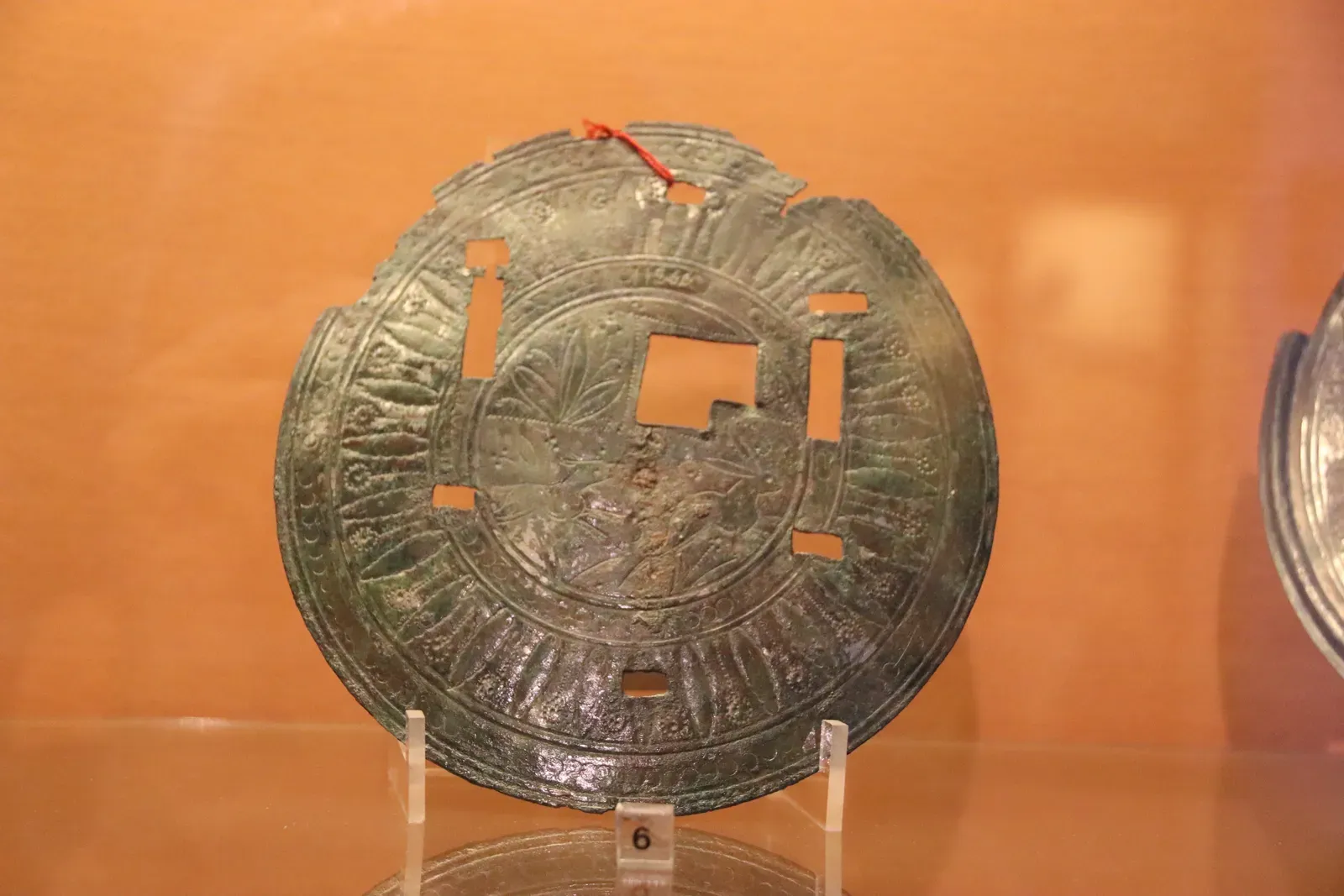
In a case labeled simply “Bronze Object, Function Unknown,” sits something that looks almost musical: a hollow central tube, branching arms, and small looped projections shaped like finger holds. Experimental musicians tried coaxing a tone out of precise replicas and got mostly dull air and rattling – nothing that resembles music from any documented instrument family.
Acoustic analysis confirms it isn’t shaped to resonate like a flute, horn, or whistle. Its internal passages have complex, abruptly changing cross-sections – terrible for producing a note, but oddly promising for controlling airflow or liquid. Some researchers now think it was part of a larger apparatus, maybe a valve or regulator, now stripped of the machine it once belonged to. Every new test rules out another guess instead of confirming one.
#3 – The Engraved Disk No Culture Claims
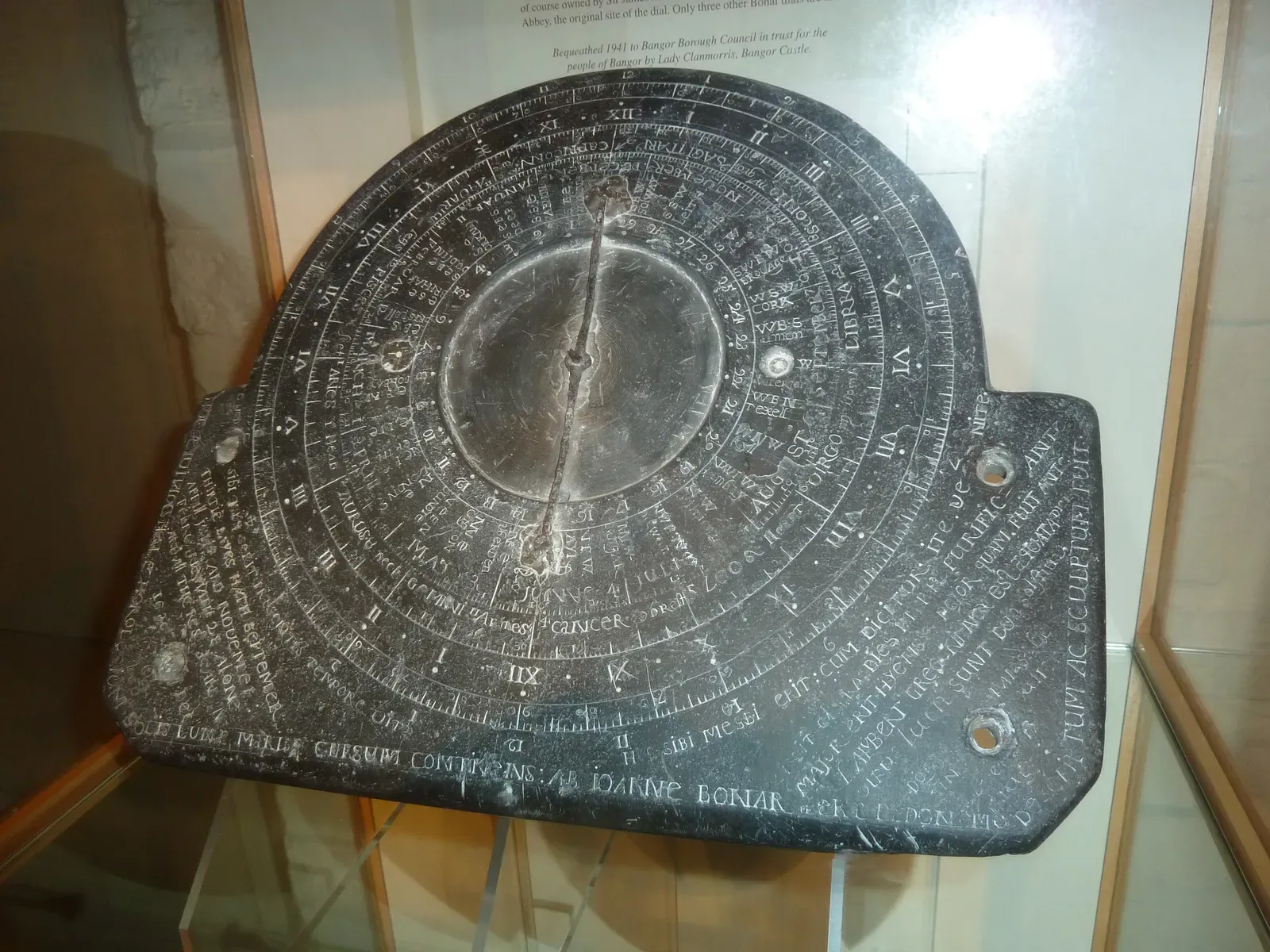
This palm-sized stone disk carries a dense tangle of engraved lines, spirals, and cross-hatched fields. Stylistically, you’d expect it to slot neatly into one known artistic tradition. It doesn’t – the motifs overlap several regional styles without fully matching any of them, leaving it stranded in a kind of cultural no-man’s-land.
Geologists confirm the stone itself is local to where it was supposedly found, which is nearly the only solid fact anyone agrees on. Attempts to read the design as a map, star chart, or cosmological diagram all collapse into the same trap: selective pattern-finding, where you can make it “look like” almost anything if you squint hard enough. A less romantic but increasingly popular theory is that this was one person’s private object – a doodle stone, a meditation focus, a mnemonic device whose meaning died with its maker.
#2 – The Composite Object That Was Clearly Important to Someone
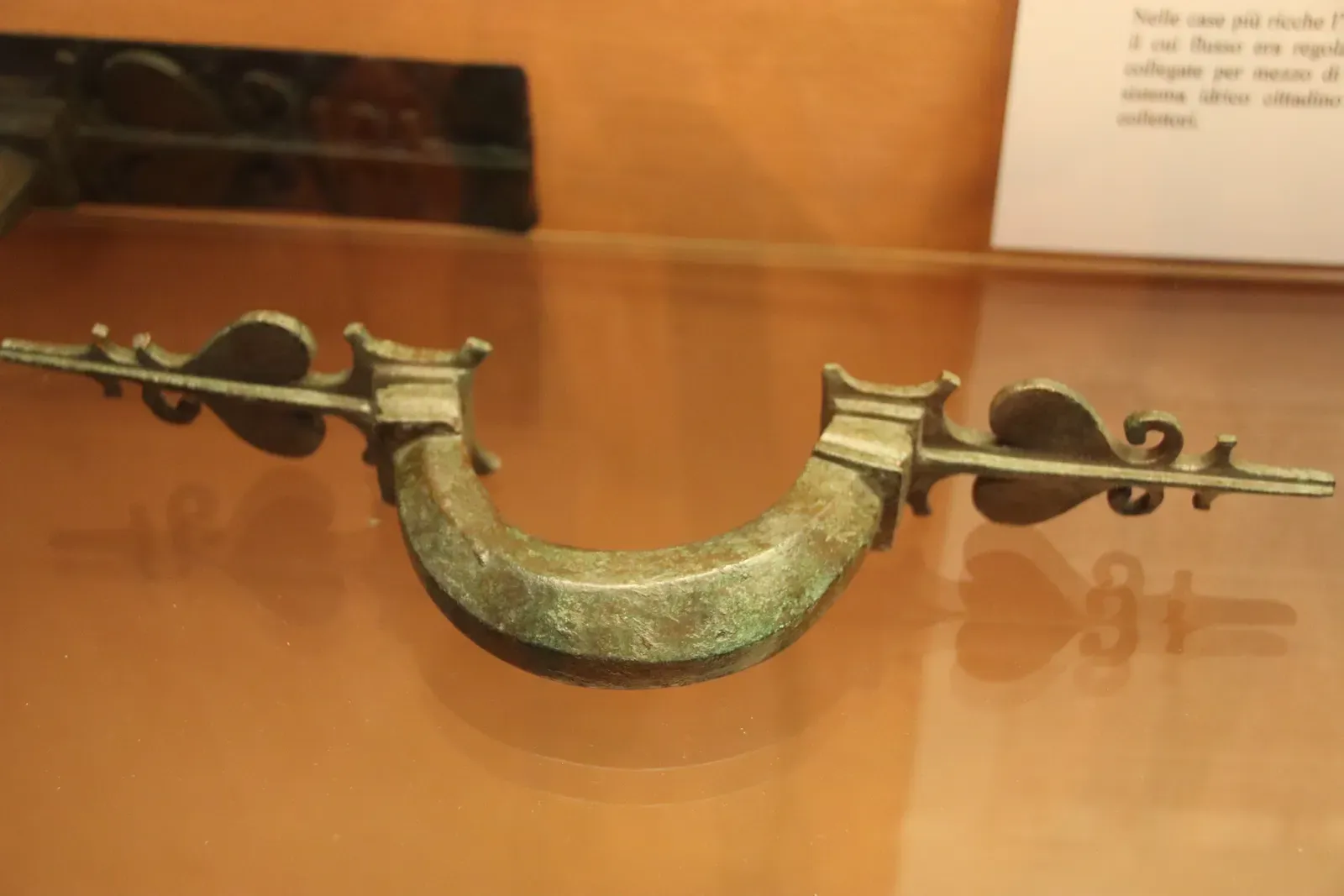
Among the most unsettling unknowns is a composite artifact: part metal, part organic material now partly decayed, bound together with obvious care. Small copper or bronze plates are riveted to what was once a wooden core, with traces of leather or textile straps still clinging to the edges. The construction is too labor-intensive for a throwaway item, yet it doesn’t resemble any known armor, tool, or ceremonial object from its own cataloged culture.
X-rays reveal hidden cavities and overlapping internal layers, proof that someone was engineering this thing deliberately, not improvising it. One theory suggests a portable “kit” that once held specialized contents, now completely gone. Another points to a highly localized ritual object tied to a practice that never spread far enough to leave a written trace. What everyone agrees on is the one thing the object can’t hide: the craftsmanship screams status. It mattered to someone. We just don’t know who, or why.
At a Glance
- Construction: copper or bronze plates riveted to a now-decayed wooden core
- Extras: remnants of leather or textile straps still attached to the edges
- Scan results: X-rays show hidden cavities and deliberately engineered internal layers
- Leading theories: a portable ritual “kit” or a highly localized ceremonial object
#1 – The Artifact That Might Be a Fake… or Rewrite a Chapter
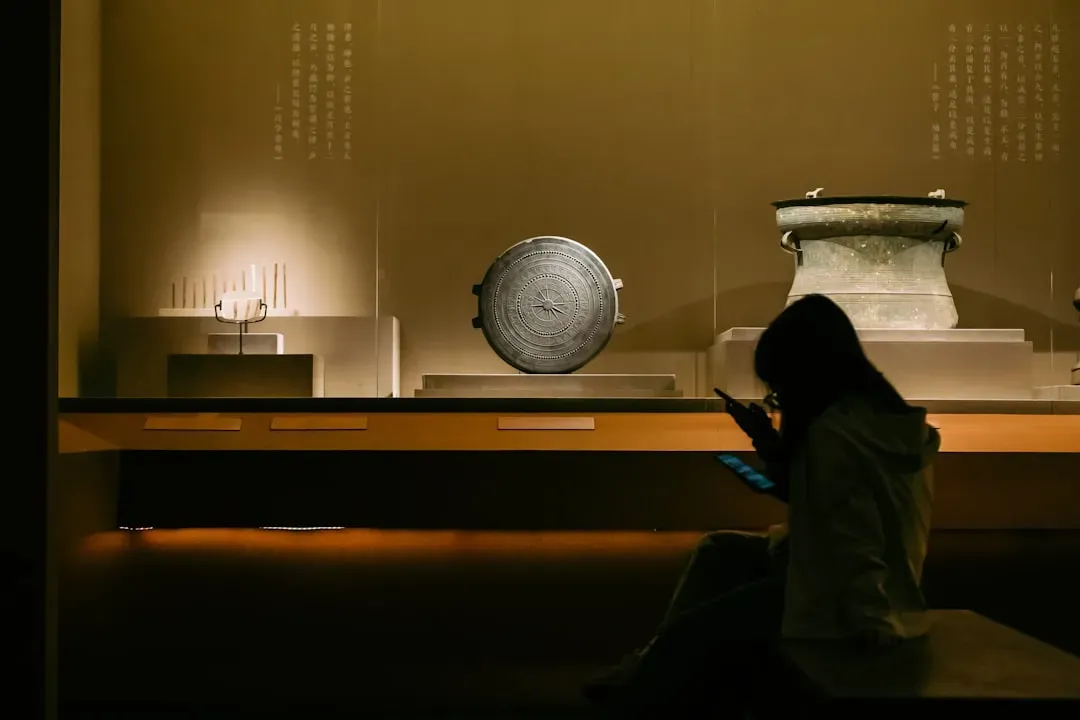
The most divisive “unidentified” museum object isn’t just mysterious – it sits on the knife-edge between clever forgery and genuinely disruptive discovery. It combines materials, say a particular alloy paired with a specific stone, that don’t usually appear together in the time and place it’s supposedly from. Scientific tests keep returning mixed results: some point to modern tampering, others reveal ancient features that no known forger has ever convincingly reproduced.
Curators are stuck in an impossible spot. Call it a fake, and they might be dismissing an object that doesn’t fit current theories of ancient trade or technology. Call it authentic, and they risk building real research on top of an elaborate modern joke. The compromise label, “attribution uncertain, object under study,” satisfies absolutely no one – and that discomfort is exactly why this object tops the list.
I would rather have questions that can’t be answered than answers that can’t be questioned.
Richard Feynman
The Bottom Line
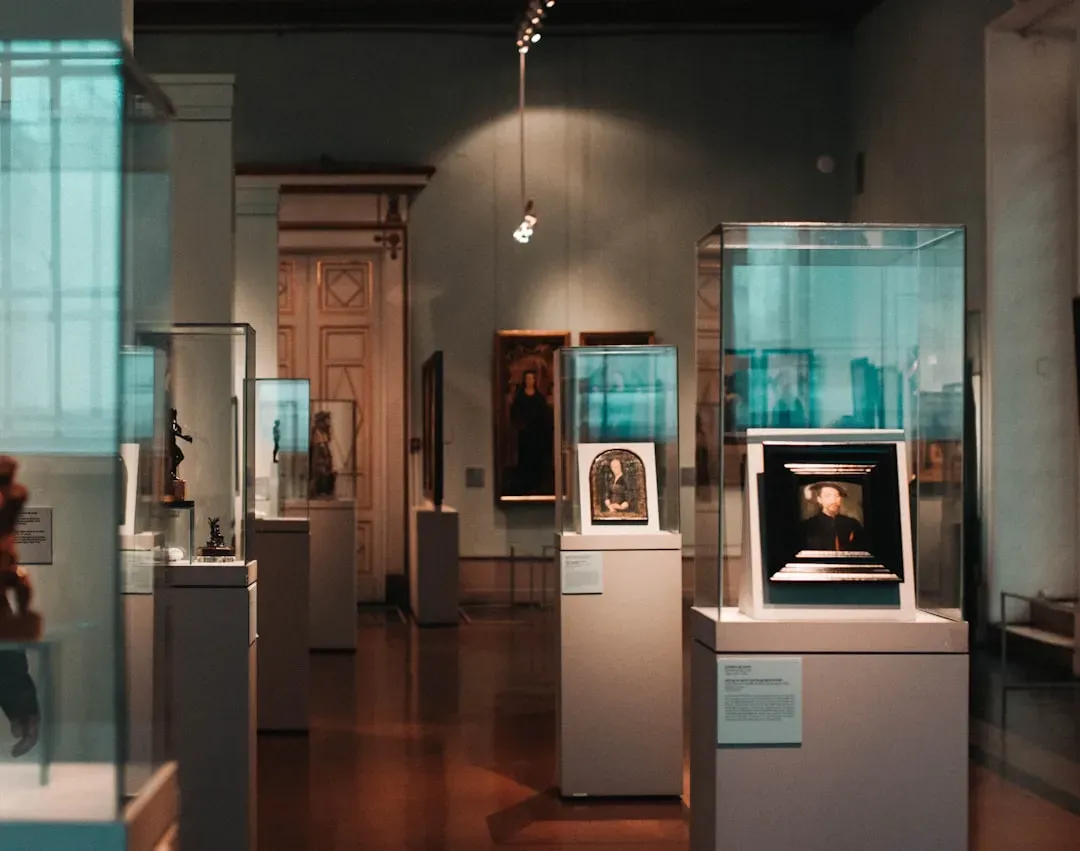
Pull back the curtain and museums stop looking like temples of certainty. They’re really warehouses of questions with a few confident answers pinned on top for show. These 14 objects prove that a surprising amount of the physical past simply refuses to explain itself, no matter how tidy the label looks in the next gallery over.
Experts argue. Tests conflict. The neat stories in glossy documentaries quietly smooth over the genuine dead ends that real researchers live with every day. That’s not a failure of archaeology or science – it’s the whole point. The unknowns are where the actual work, and the actual excitement, still lives.
Some people will insist every mystery “must” have a clean solution somewhere out there. But forcing an answer onto incomplete evidence is exactly how bad history gets written and repeated. It’s better to sit with honest uncertainty than settle for comfortable fiction. So which pulls at you more – the objects we’ve fully figured out, or the ones that still, stubbornly, refuse to talk?