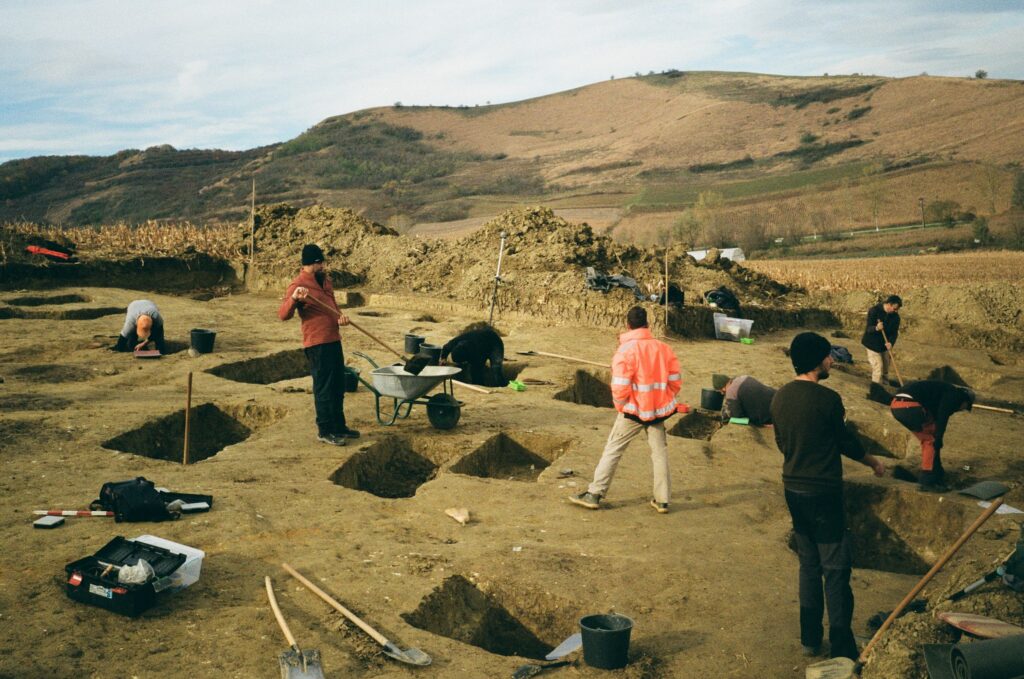

Most people assume that once a scientific report is published, it’s basically carved in stone – peer-reviewed, verified, done. But quietly, behind the triumphant headlines, a surprising number of excavation reports in archaeology, geology, and paleontology have been walked back, corrected, or outright withdrawn, because nobody else could find what the original team swore was there.
Sometimes the soil chemistry doesn’t match. Sometimes the dating collapses the second a new lab looks at it. And sometimes the “artifact” that made international news turns out to be a rock that nature shaped to look interesting. These retractions almost never trend, yet they quietly rewrite entire timelines of what we think we know about the past.
Here are 21 kinds of excavation reports that made bold claims – and then couldn’t survive the one test that actually matters in science: someone else trying to repeat it.
#21 – The “Game-Changing” Site With One-of-a-Kind Artifacts
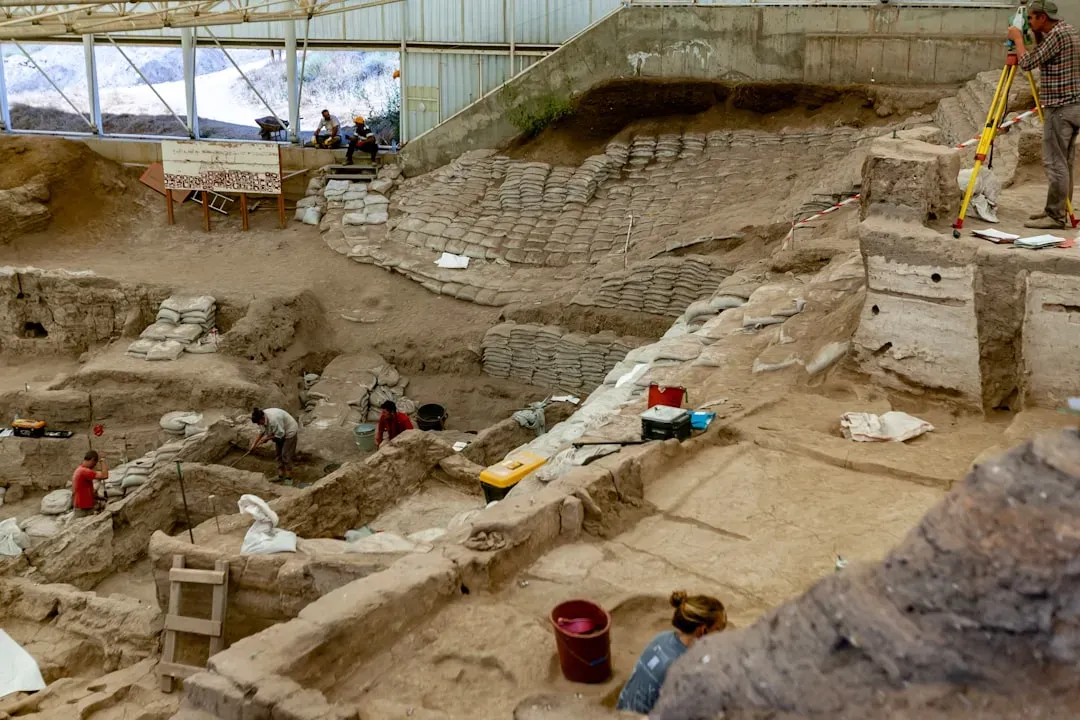
Every archaeologist’s nightmare is publishing a “revolutionary” site that nobody else can verify. In several high-profile cases, teams reported totally unique artifacts – objects that didn’t fit any known culture or technology – based on a single small trench. At first the story was irresistible: a lost people, an unknown industry, a tool type that rewrote the regional timeline.
But when independent teams opened wider areas, they found ordinary material from known periods and nothing resembling the original “game-changer.” Often the objects turned out to be geofacts – naturally broken stones that only look like tools from certain angles. Once systematic work replaced the tiny test unit, the extraordinary claim simply evaporated. Wait until you see what happened at #20 – it’s an even bigger gut-punch for the original team.
#20 – Radiocarbon Dates That Shifted by Centuries
When an excavation report claims to push a culture back hundreds or thousands of years, everyone pays attention – until the dates refuse to replicate. A familiar pattern: a project sends a handful of charcoal samples to a single lab, gets surprisingly old results, and builds an entire narrative around an “earlier than anyone thought” occupation.
Then later projects resample the same layers with contamination checks, multiple labs, and Bayesian modeling, and the dates snap right back into a conventional range. Old rootlets, bioturbation, and sediment mixing are common culprits. Once the outlier dates were re-tested, the extraordinary chronology vanished and the site quietly rejoined the regional timeline it was supposed to shatter. Number 19 turns out to be just as unsettling.
#19 – “Oldest Human Presence” Claims Based on Ambiguous Stone Fragments
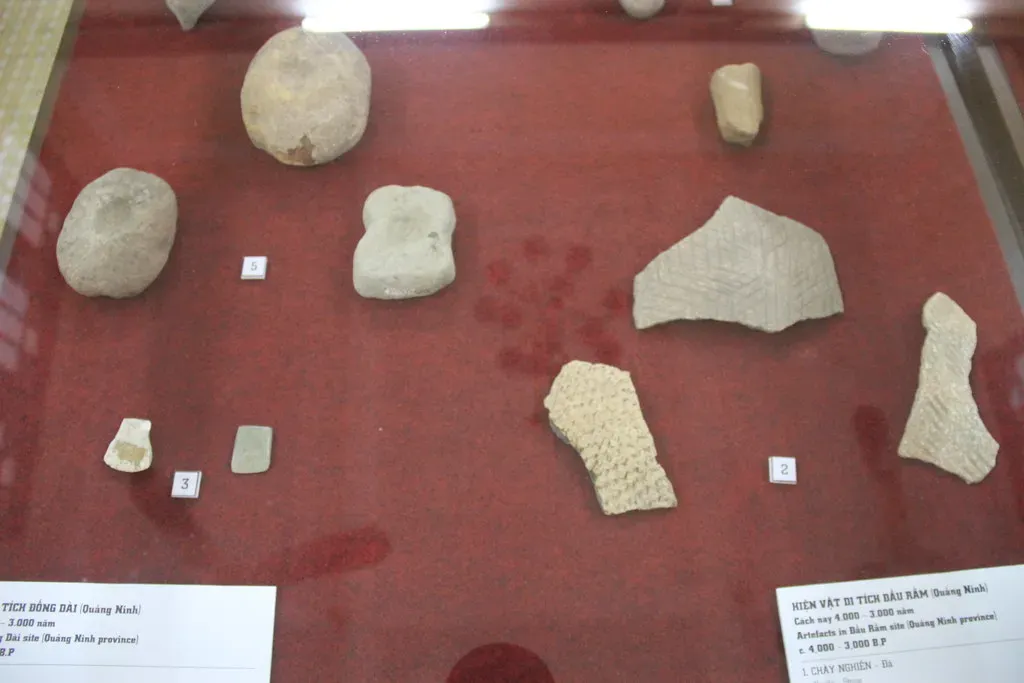
Nothing drives media coverage like “earliest humans in this region discovered here.” Some excavation reports have been withdrawn after the supposed stone tools behind those claims were re-examined under high-resolution microscopy and experimental fracture tests. What looked like deliberate craftsmanship often turned out to be random breakage from freeze-thaw cycles, river transport, or heavy machinery.
Independent analysts have even recreated near-identical “tools” by tumbling ordinary rocks in a drum – no humans required. When other teams returned to the same layers and found no refitting, no knapping debris, no hearths, the human-presence story fell apart on the spot. But #18 might be the most unsettling entry on this whole list.
#18 – Spectacular DNA Results That No Lab Could Reproduce

Ancient DNA can turn a dig report into front-page science – until it fails the replication test. A few heavily publicized projects claimed unexpected genetic lineages from skeletal remains: surprising ancestry, novel pathogens, unique population mixtures. The sequencing data initially looked solid enough to justify bold migration or disease theories.
But when independent labs re-extracted DNA from the same bones, they often found nothing like the reported signatures – or a completely different profile. In several cases, the original sequences were likely modern contamination from field workers or lab staff. When repeated attempts kept failing, journals quietly stripped out the genetic claims, leaving a far more modest story behind. Then there’s #17, where the technology itself became the problem.
#17 – “Lost Civilizations” Built on Misread Ground-Penetrating Radar
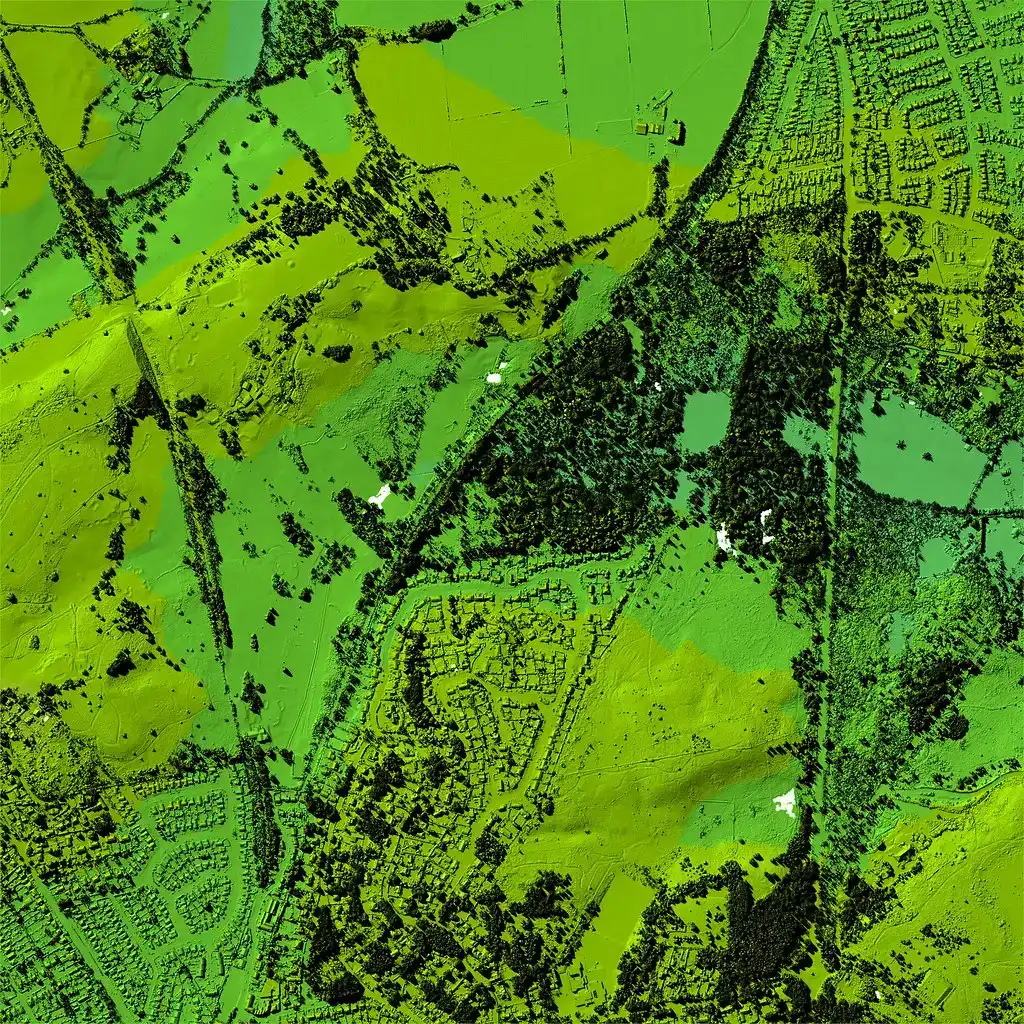
Ground-penetrating radar images look dramatic and high-tech, which makes them dangerously persuasive. Several excavation reports hyped rectilinear “structures” and “streets” based almost entirely on GPR data, with little or no ground-truthing. Headlines followed about lost towns and buried temples.
When later teams actually dug into those supposed features, they often found nothing but natural stratigraphy – layered sediment, root systems, or modern trenches and pipes. Patterns that look architectural in a 2D radar slice can just as easily be artifacts of soil moisture or operator bias. Once physical excavation contradicted the radar interpretation, the buried “city” shrank down to a handful of scattered postholes.
Fast Facts
- GPR signals can be distorted by soil moisture, dense root systems, and buried modern utility lines.
- Ground-truthing – actually digging a test trench – is considered essential before publishing GPR-based structure claims.
- Operator bias in reading radar slices is a well-known pitfall in remote-sensing archaeology.
#16 shows the exact same trap waiting in paleontology.
#16 – Extraordinary Fossil Species Named From Fragmentary Bones
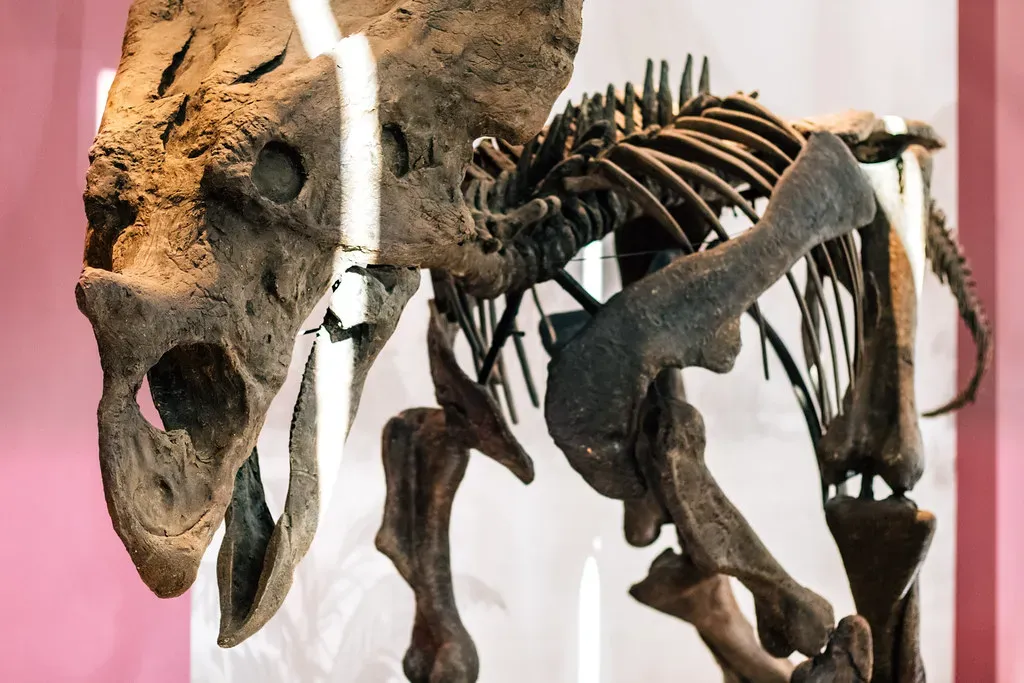
Paleontology has its own version of the unrepeatable excavation: brand-new species named from a handful of bones that no one can ever find again. Some reports announced sensational discoveries – new hominin cousins, bizarre dinosaurs, unique mammal lineages – based on scraps from a single locality.
Naming a species from limited material is sometimes unavoidable, but the trouble starts when follow-up expeditions to the same beds turn up nothing comparable, and other experts argue the bones fit within known variation of an existing species. Some of these proposed species have since been retracted, synonymized, or quietly dropped from serious discussion once their “distinctive” traits stopped looking distinctive at all. Geology isn’t immune either – see #15.
#15 – Dramatic Climate Conclusions From a Single Sediment Core
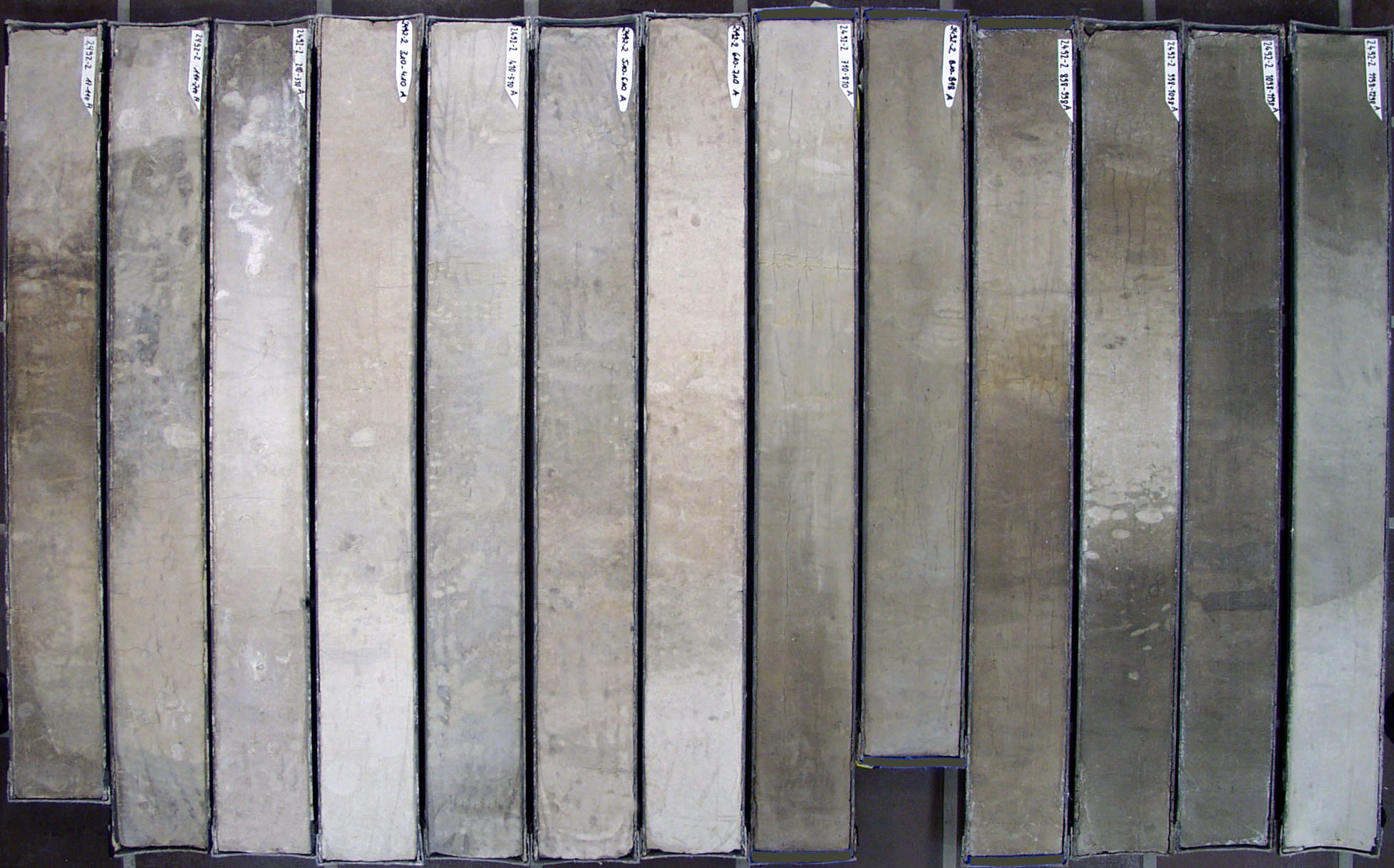
Geologists and paleoenvironmental scientists sometimes push too far with too little data. Certain excavation-adjacent studies – especially in lake basins or caves – have announced sudden regional megadroughts or catastrophic floods based on one sediment core or a single stratigraphic section. The pollen or isotope data initially looked compelling.
But when new cores were drilled nearby, the dramatic event simply didn’t show up, or appeared far weaker and stretched over a much longer timescale. This gets especially embarrassing when the original report tied its thin climate record to a societal collapse or mass migration. A few of these papers were retracted once it became clear the “signal” was local noise dressed up as global change. #14 is almost funny, in a cringe-inducing way.
#14 – “Ritual” Structures That Turned Out to Be Modern Trash or Irrigation
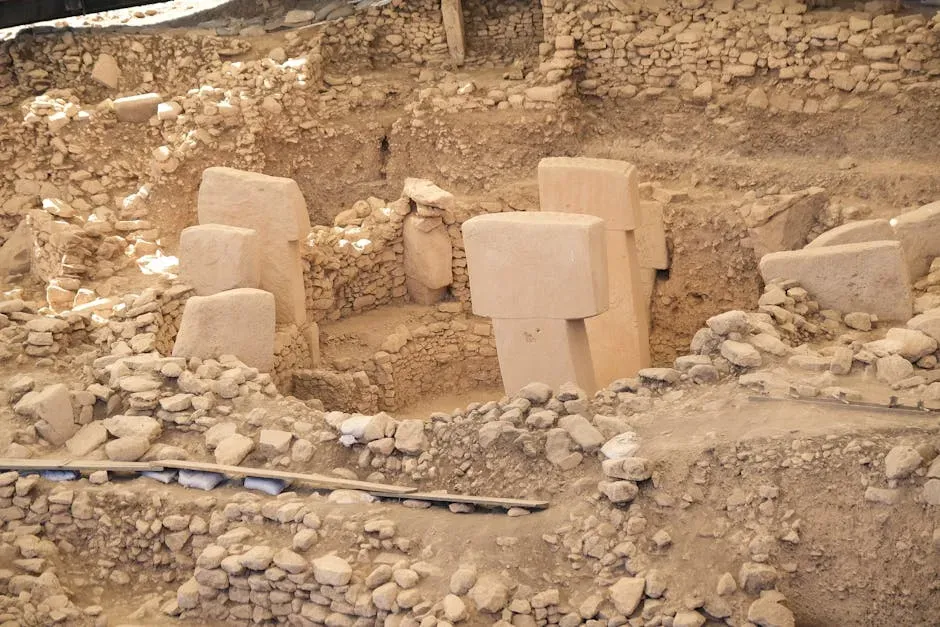
When all else fails, some excavators call unusual features “ritual.” That’s a risky move. A number of reports were later withdrawn or revised once their dramatic ceremonial complexes were reinterpreted as filled-in irrigation ditches, bulldozer cuts, septic systems, or trash pits.
Teams sometimes over-interpreted odd fill or unusual shapes as sacred, especially when it fit a popular narrative about ancient religion. Once local historians or utility maps got involved, the supposed altars turned out to be concrete pads and fence lines. In a few genuinely awkward cases, plastic and modern metal sitting right in the fill had simply been overlooked. #13 proves one single object can quietly wreck an entire report.
#13 – Dating Based on One Imported Artifact, Not the Stratigraphy
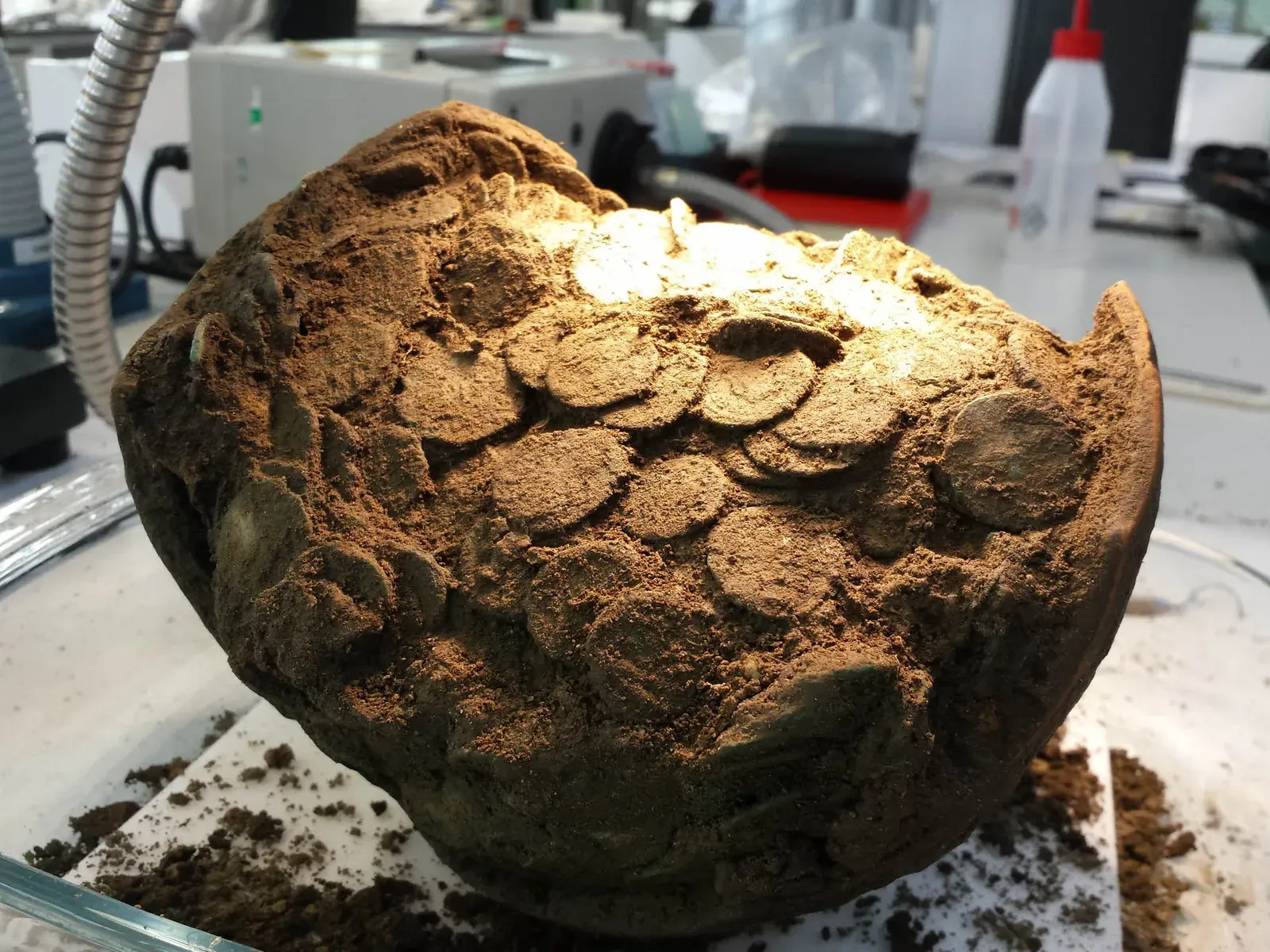
Using artifacts to date a layer works – until it doesn’t. Some reports prematurely dated an entire site off a single diagnostic object: a coin, a shard of glass, a distinctive pottery sherd, without enough attention to vertical mixing or long use-lives. A medieval coin in an early medieval layer is fine. A 19th-century coin in a prehistoric layer is a five-alarm fire.
Later excavations with tighter stratigraphic control and careful sieving showed those “anchor artifacts” were intrusive or curated imports, not original to the layer at all. Once the context was reassessed, the prestigious but fragile date lost its power completely, and journals had to acknowledge that the dating framework simply couldn’t be trusted. #12 flips the whole story from human to animal.
#12 – Human Activity That Was Actually Animal Behavior All Along
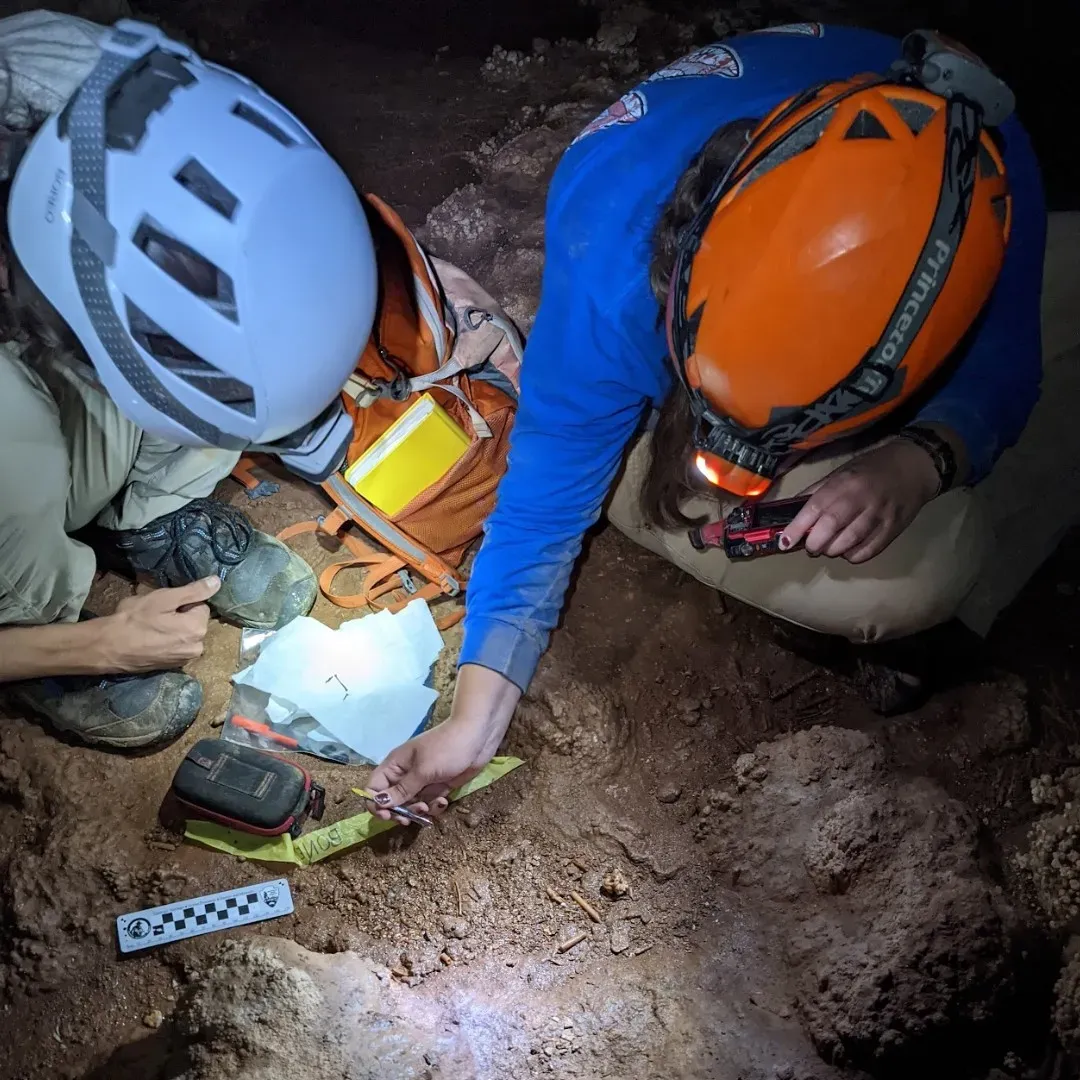
Not every pattern in the ground is human. Some heavily cited reports were walked back after taphonomic specialists re-examined bone scatters and depressions originally read as campsites or kill sites. When teeth marks and breakage patterns got a second look, they resembled carnivore denning or trampling far more than organized human butchery.
Later excavations, sometimes just a few meters away, reproduced the exact same natural patterns with zero human signature – no tools, no hearths, no structured discard.
Quick Compare
- Human butchery: repetitive, angled cut marks clustered near joints and muscle attachments.
- Carnivore damage: irregular punctures, crushing, and pitting concentrated on bone shaft ends.
- Human sites: usually include tools, hearths, or a structured discard pattern.
- Animal-modified sites: typically show no associated tools, fire evidence, or deliberate layout.
Once the non-human origin became impossible to deny, the confident human narrative collapsed into a cautionary tale about wanting a story so badly you invent the storyteller. #11 is a personal favorite kind of disaster.
#11 – Supposed “Ancient Writing” That Failed Every Replication Test
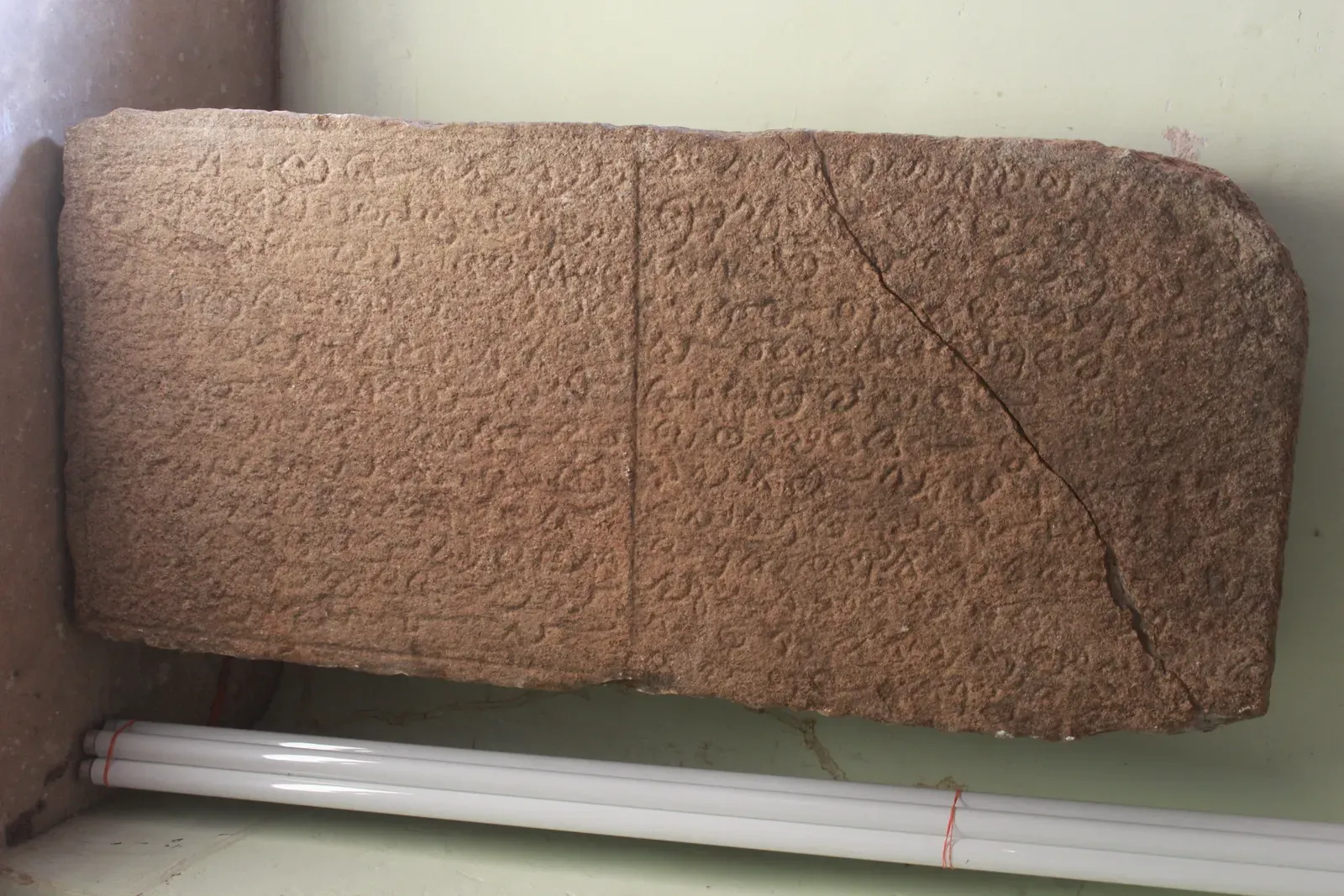
Claiming to find early writing is a guaranteed way to draw attention – and controversy. A few reports trumpeted inscriptions or proto-scripts that would radically pre-date known writing systems in their region, based on a tiny sample of ambiguous markings on portable stones or cave walls.
When epigraphers took a harder look, the markings often turned out to be random scratches, tool-sharpening grooves, or natural fissures – not a patterned script at all. Experimental archaeology even showed that similar marks could appear by accident during ordinary daily tasks. Without repeatable examples or a coherent sign inventory, the “writing” claims quietly crumbled and the reports were rescinded. #10 shows how even a careful lab can fool itself.
#10 – Chemical Residue Analyses That Over-Promised
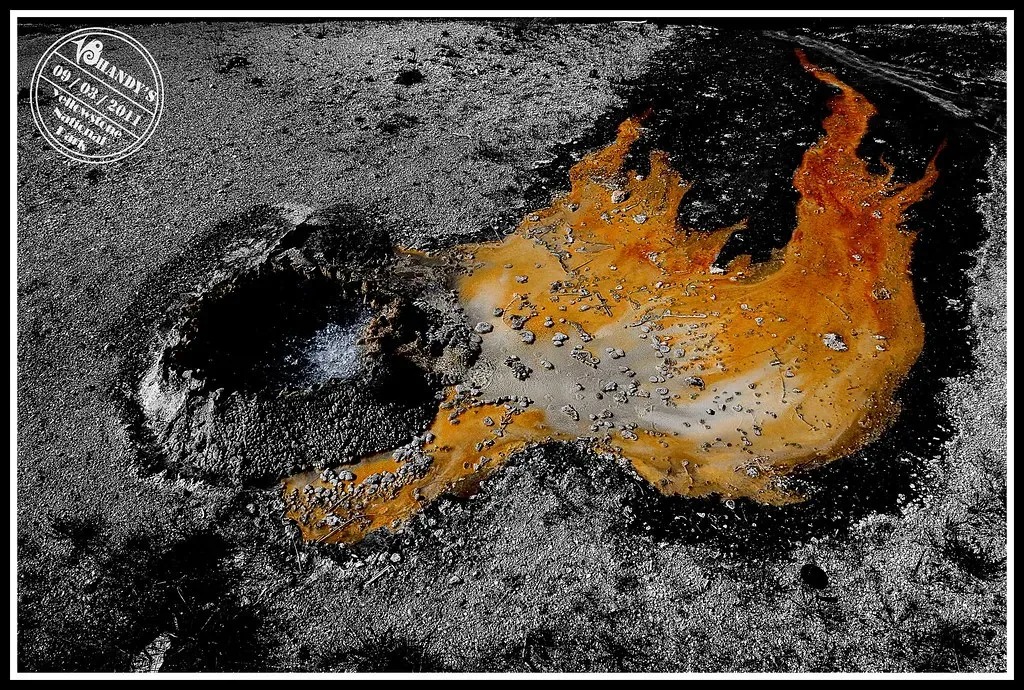
Residue analysis sounds impressively scientific – but it’s shockingly easy to over-interpret. Some reports used chemical signatures on pottery or tools to claim specific ancient foods, intoxicants, or industrial processes, pointing to biomarkers for wine, cacao, or metals and building splashy cultural stories on top of them.
But later attempts to repeat the tests on new samples, or even re-run the original samples with updated protocols, failed to reproduce the striking results. Modern contamination and non-unique markers were often the real culprits. Once stricter analytical standards were applied, the evidence for the original exotic product disappeared entirely, and the trade-network narratives had to be seriously toned down. #9 turns a single disaster story into a slow-motion mess.
#9 – “Catastrophic Destruction Layers” That Weren’t
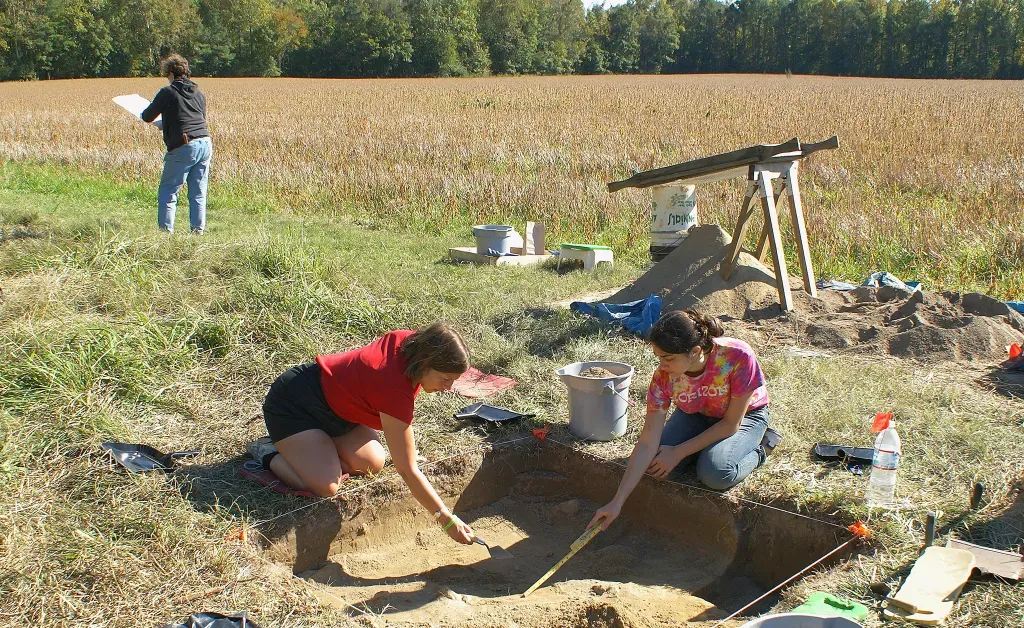
Everyone loves a disaster story – eruption, earthquake, invasion. Reality is usually messier. Several reports claimed a single, dramatic destruction horizon tied to one historical event, complete with thick ash and collapsed buildings. Media stories followed about cities wiped out in a single day.
But when follow-up work opened wider areas, the “one-off catastrophe” resolved into multiple smaller episodes spread across decades or even centuries. Gradual decay and repeated small fires fit the evidence far better than a tidy cataclysm. Faced with a chronology that refused to stay compressed, several teams had to admit they’d squeezed a long, messy process into one simplistic headline event. #8 is about being first – and being wrong.
#8 – “Earliest Use of Technology” Claims Based on One Dubious Feature
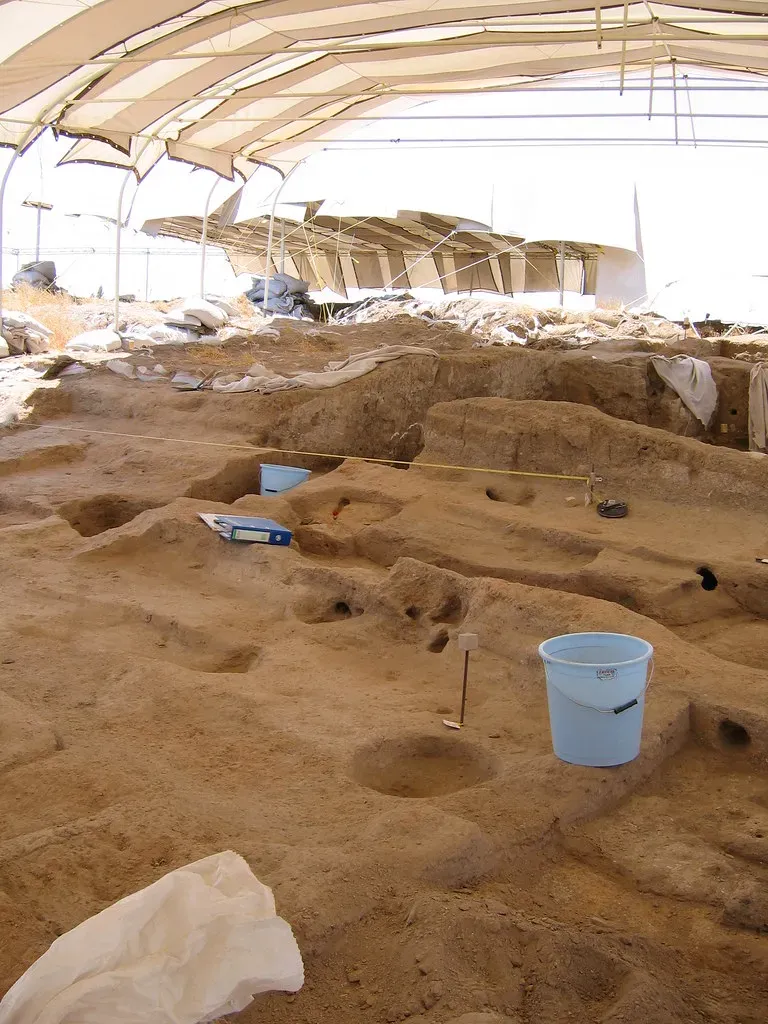
Being “the first” to use a technology is a fragile claim to make. A number of reports asserted the earliest kilns, earliest metallurgy, or earliest fortifications in an entire region based on a single feature or pit. The problem starts when later digs, sometimes at the very same site, fail to find anything matching the supposed innovation.
On re-analysis, the “kiln” often turned out to be an ordinary hearth, or the “defensive wall” a simple agricultural terrace. Without supporting tools, by-products, or repeated examples, the technological “first” looked like an over-interpreted one-off. In several cases, the bold “earliest ever” language was quietly swapped for a cautious “possible early example, unconfirmed.” #7 is where the math itself falls apart.
#7 – Statistical Patterns That Vanished Under Better Methods
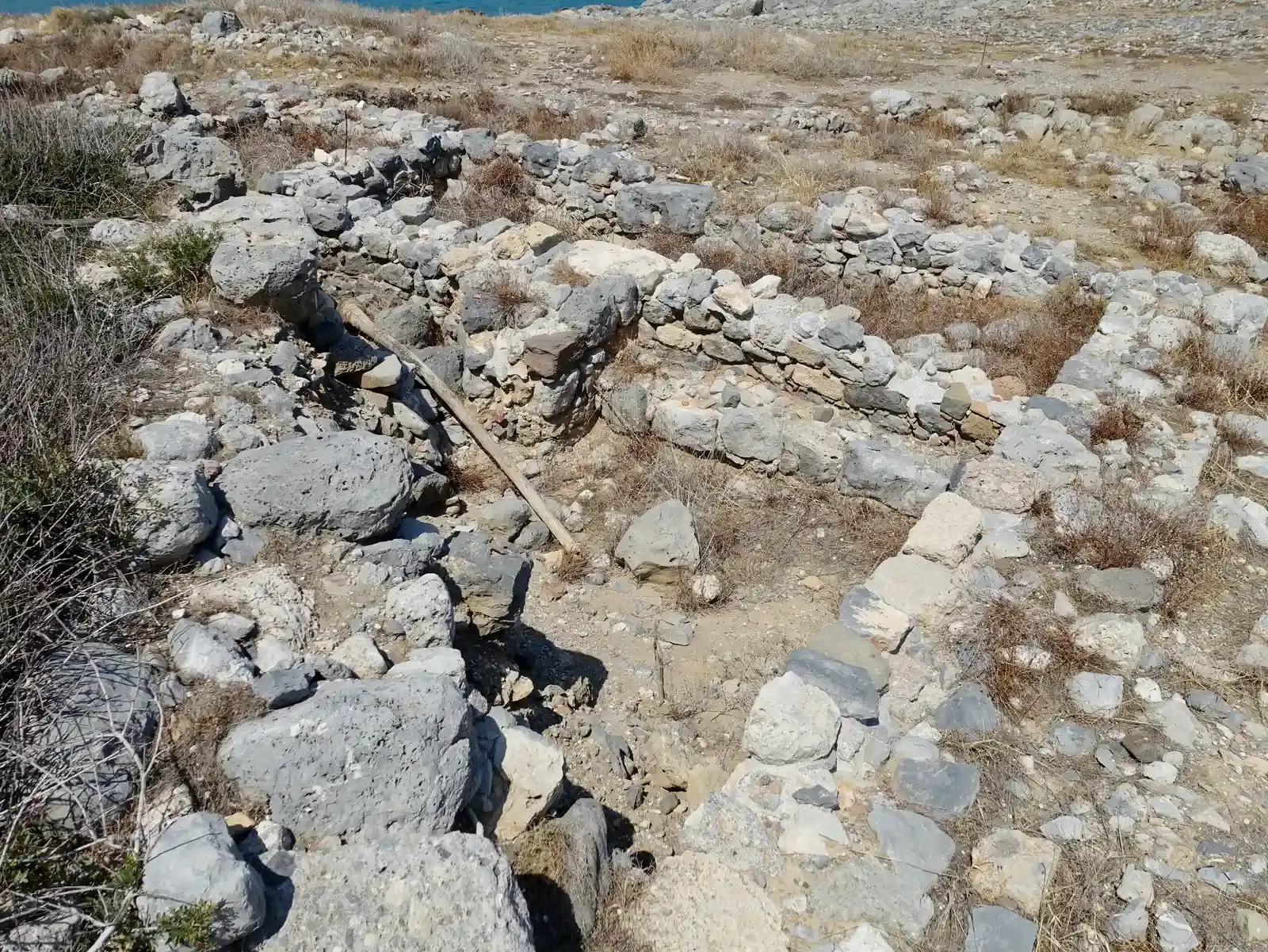
Sometimes the problem isn’t the trench – it’s the spreadsheet. A few studies used advanced statistical models to claim distinct cultural phases or trade networks based on artifact distributions, and the clusters looked convincing enough to justify entirely new social models.
But later researchers re-ran the same data with improved algorithms and larger comparative datasets, and the supposed clusters turned out to be not robust at all. In some cases, minor tweaks to the model erased whole “phases” outright.
Worth Knowing
- Overfitting happens when a model matches noise in the data rather than a genuine underlying pattern.
- Small sample sizes make artifact-distribution clusters especially prone to looking more meaningful than they are.
- Newer analyses increasingly require patterns to hold up against larger comparative datasets before publication.
As statistical standards tightened across archaeology and geoscience, a few high-profile pattern-based papers were withdrawn as a warning against overfitting thin data into a big story. #6 turns ancient plagues into modern lab error.
#6 – Ancient Pathogens That Turned Out to Be Lab or Soil Contaminants

Finding a disease in ancient remains is a headline machine – when it’s real. Some reports claimed to identify pathogen DNA for plague, tuberculosis, or leprosy in skeletal remains, driving narratives about ancient pandemics and health crises.
But repeated attempts to replicate the results with new extraction protocols frequently failed. The original signatures were often modern microbial contamination or environmental DNA from the soil itself, since ancient pathogen work sits right at the edge of detectability. When blinded samples sent to different labs couldn’t reproduce the same pathogen in the same bones, the disease claims had to be retracted, and the revised story shrank down to: interesting burials, no proven epidemic. #5 makes entire buildings disappear.
#5 – Megastructures That Disappeared Under Careful Re-Excavation
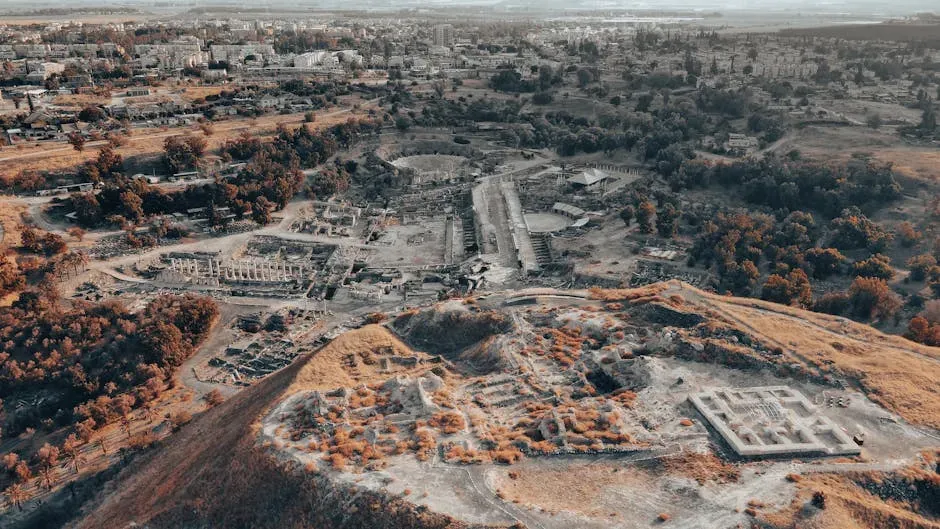
The bigger the claimed structure, the harder it should be to miss – yet some have effectively vanished. Certain reports announced massive walls, platforms, or plazas inferred from a few aligned stones or a slight elevation change, sometimes dressed up with dramatic drone imagery.
But when later teams returned with cautious trenching and geoarchaeological checks, the “megastructures” turned out to be patchy, discontinuous, or purely natural formations. It’s shockingly easy to connect the dots wrong in a complex landscape, especially when you badly want a palace to be there. A few of these grand reconstructions have been quietly withdrawn, remembered now mostly as warnings about landscape pareidolia. #4 touches the most contested question in all of archaeology.
#4 – Alleged Ultra-Early Occupation Evidence That Didn’t Survive Scrutiny
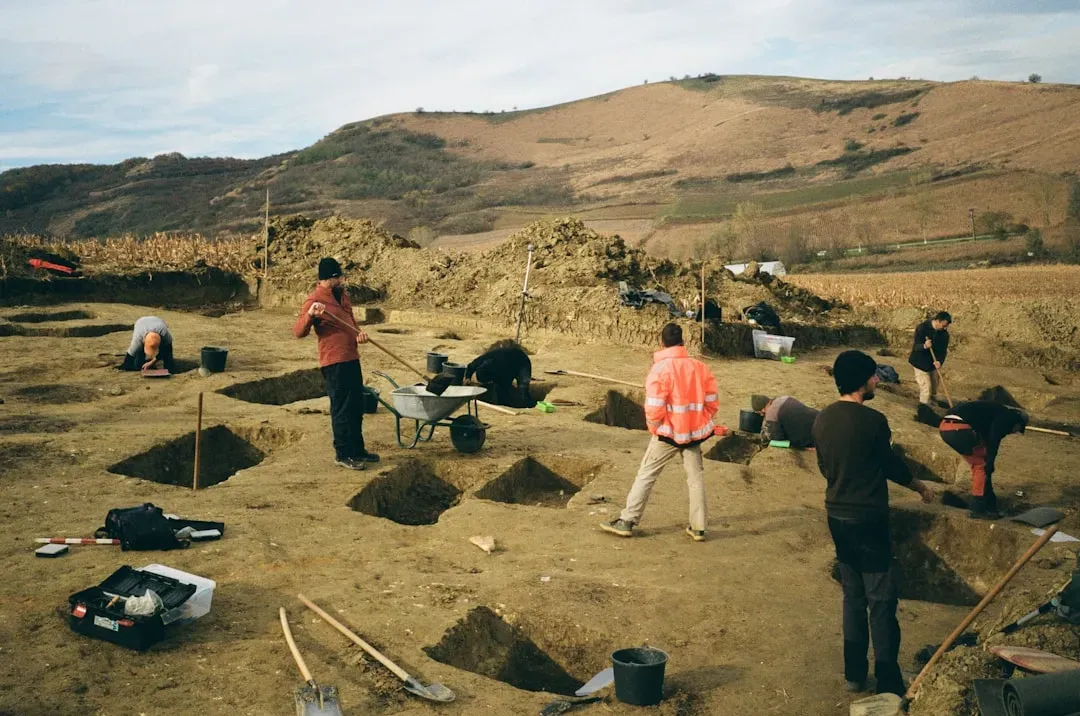
Few topics are as explosive as when humans first arrived in a region. Several reports have suggested occupations tens of thousands of years earlier than the accepted consensus, based on minimal finds deep in complex stratigraphy – broken stones, scattered bones, a few flecks of charcoal.
When independent teams revisited these sites with tighter stratigraphic control, the evidence for human presence often dissolved into natural processes or reworked deposits. New dating techniques frequently revised the age estimates sharply downward. While some early-occupation sites have genuinely survived intense scrutiny, a subset of the boldest claims were withdrawn or quietly abandoned, replaced by a far more conservative migration timeline. #3 exposes our obsession with order.
#3 – “Ancient Urban Planning” Read Into Random Alignments
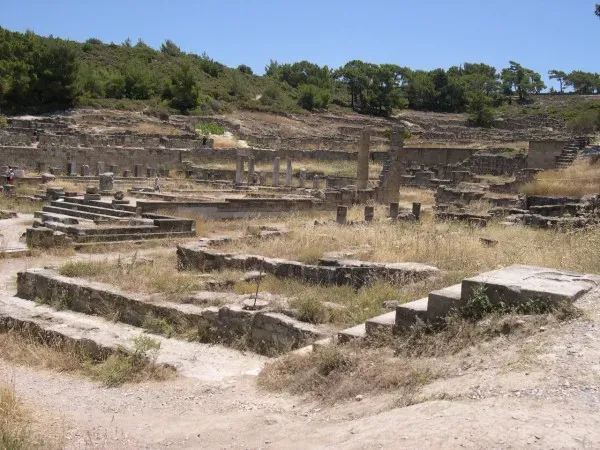
We love to see rational planning where there may be none at all. Several reports argued for highly organized street grids or cosmological alignments in ancient towns, based on a few partial trenches extrapolated into neat maps of tidy blocks and sacred orientations.
But when broader excavations and LiDAR mapping came through, the patterns often broke apart into irregular clusters and ad-hoc expansions shaped by terrain, not cosmology. Statistical tests on the orientations sometimes turned out indistinguishable from random noise once the full dataset was included. The story shifted from “sophisticated planners” to “pragmatic builders working around a hillside” – and the illusion of order quietly disappeared. #2 gets uncomfortably close to fraud.
#2 – “Fraud-Adjacent” Cases Where Key Finds Couldn’t Be Verified
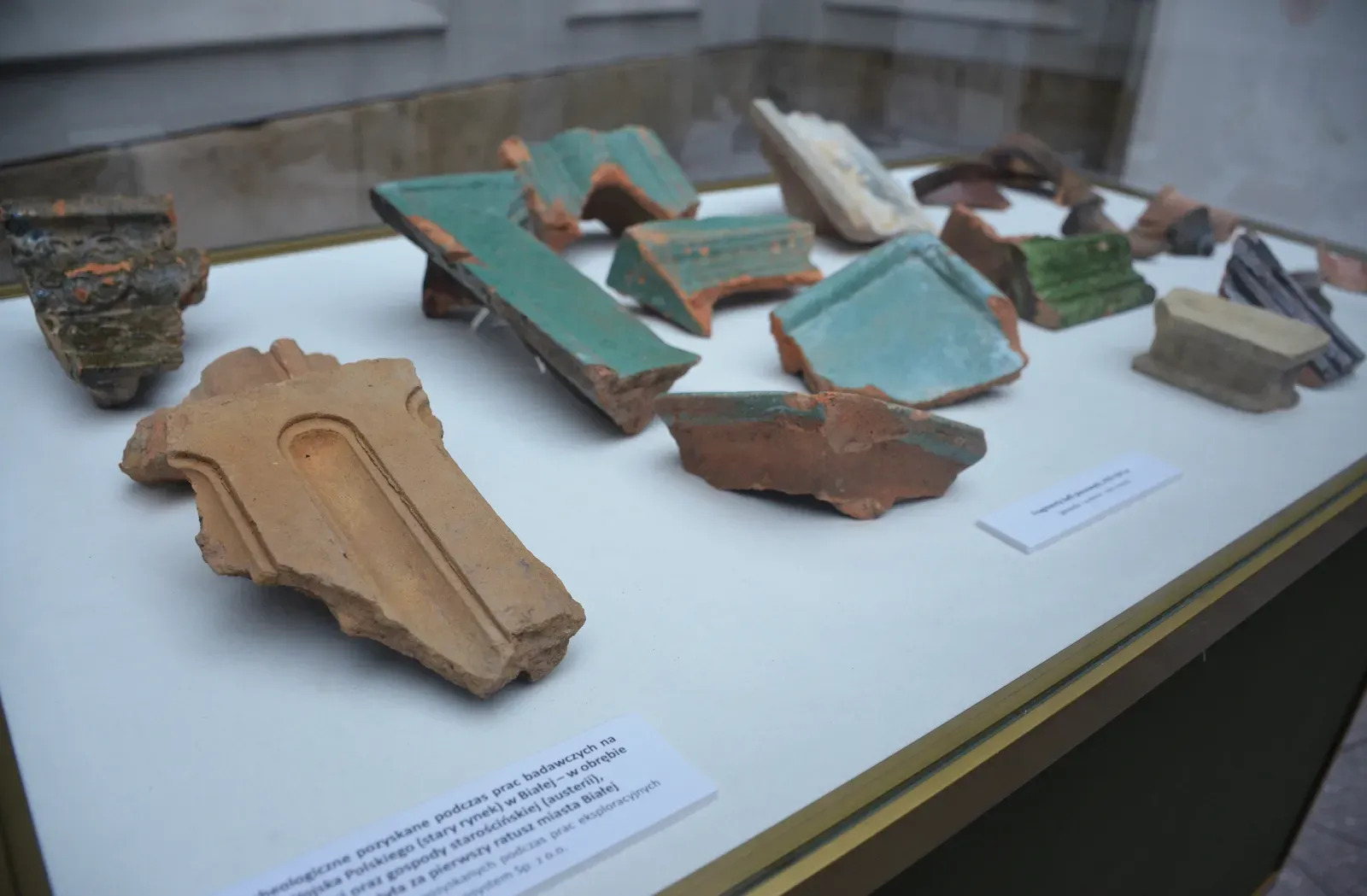
Not every problematic excavation is an outright hoax, but some come uncomfortably close. In a few notorious episodes, reports included remarkably intact artifacts or inscriptions that no other team could find parallels for, even after extensive re-excavation at the exact same site. Questions piled up about missing documentation and unusual chains of custody.
Direct proof of fabrication was sometimes lacking, but the combination of non-replicable finds and weak provenience was enough for journals to retract or heavily annotate the work. Insiders quietly call some of these cases “fraud adjacent”: the best-case scenario is extreme sloppiness, and the worst case is something much darker.
At a Glance
- Red flag: artifacts with no comparable parallels found anywhere else in the region.
- Red flag: missing or inconsistent documentation of where and how an item was actually found.
- Red flag: original finds that can no longer be located for independent testing.
- Red flag: unexplained gaps or changes in the chain of custody.
Either way, once replication fails and the paper trail falls apart, the responsible move is to stop citing it. And #1 is the one that should worry you most.
#1 – Excavation Reports Withdrawn Over Systemic Methodological Flaws
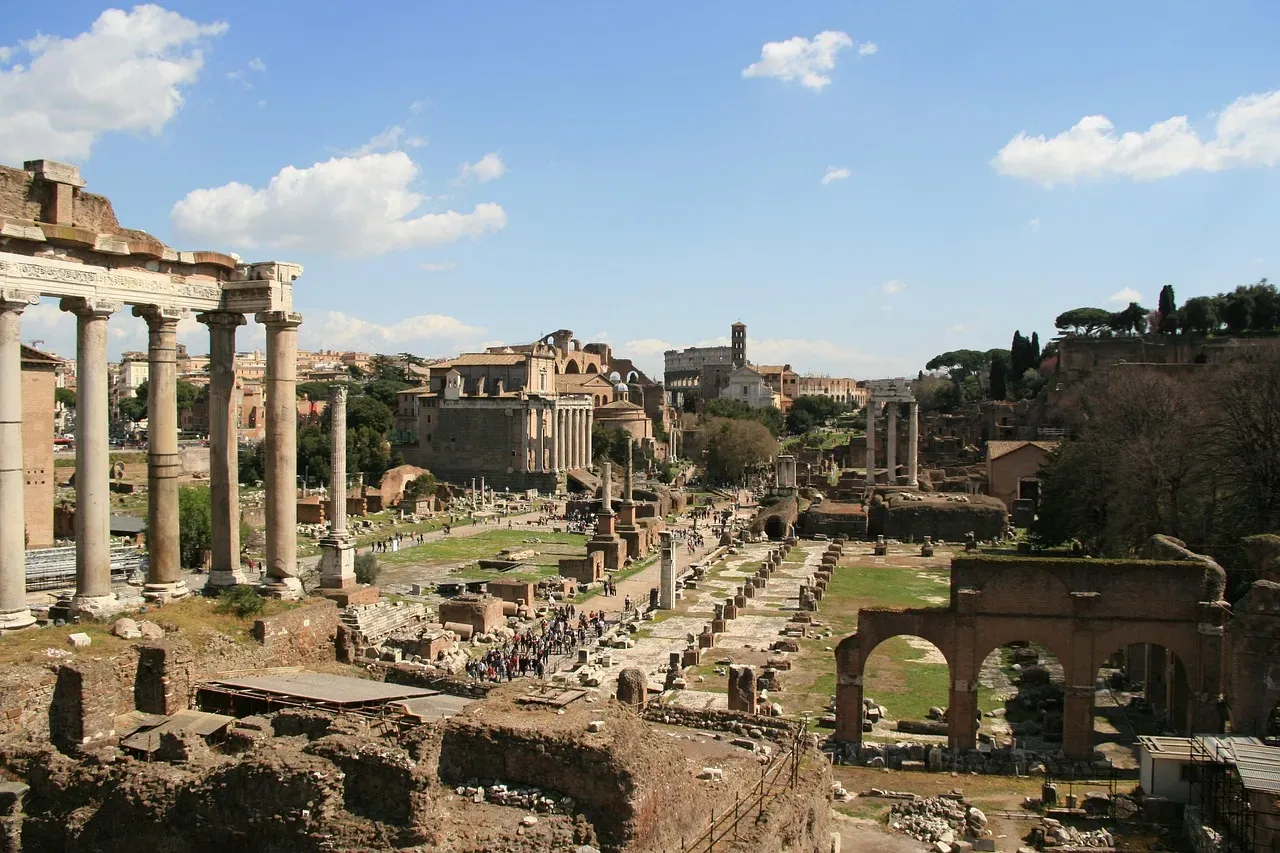
The most consequential withdrawals aren’t about one artifact – they’re about the entire way a project was run. Some reports have been pulled back after reviewers identified systemic problems: poor stratigraphic recording, missing chain-of-custody documentation, or field data that was never properly archived.
It isn’t that every individual finding was disproven; it’s that the whole evidential framework was so weak that no part of the interpretation could be trusted with confidence. When independent crews using robust protocols produced cleaner stratigraphy that flatly contradicted the original claims, the contrast was damning. These episodes sting, but they’re also pushing the field toward better standards and a culture where replication is expected, not optional.
The Bottom Line
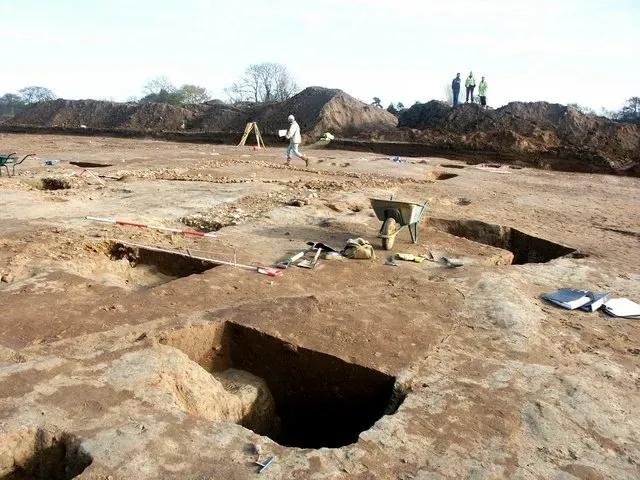
Excavation reports feel definitive the moment they’re released. The truth is blunter: a dig isn’t really “proven” until other teams can see the same thing, in the same place, using better methods than the first team had.
Extraordinary claims require extraordinary evidence.
Carl Sagan
Every entry on this list shares the same bruise: a big, irresistible narrative built on thin, fragile evidence that cracked the moment someone else tried to check it. That doesn’t mean archaeology, geology, or paleontology can’t be trusted – it means the only results worth trusting are the ones that survive re-excavation, re-dating, and re-analysis.
My honest take? The “fraud adjacent” cases get the headlines, but the systemic methodological failures are the real damage – they quietly poison textbooks and timelines for years before anyone notices. In a world that rewards the loudest first claim, the real intellectual courage is in walking a bad story back.