
Extinction is supposed to be the one label in science that doesn’t come with an asterisk. Gone is gone. Case closed. Except when you leave the museum archives and start reading fishing logs, ranger notebooks, village court records, and old family journals, “gone” starts looking a lot more like “missing, last seen decades after we said goodbye.”
Some of these accounts are almost certainly cases of mistaken identity, wishful thinking, or folklore wearing a lab coat. But others line up unsettlingly well with real biology, real habitat, and real timing. Here are 13 animals the world officially wrote off – and the local paper trails that refused to close the file.
13. The Tasmanian Tiger: The World’s Most “Dead” Animal Is Also Its Most Reported
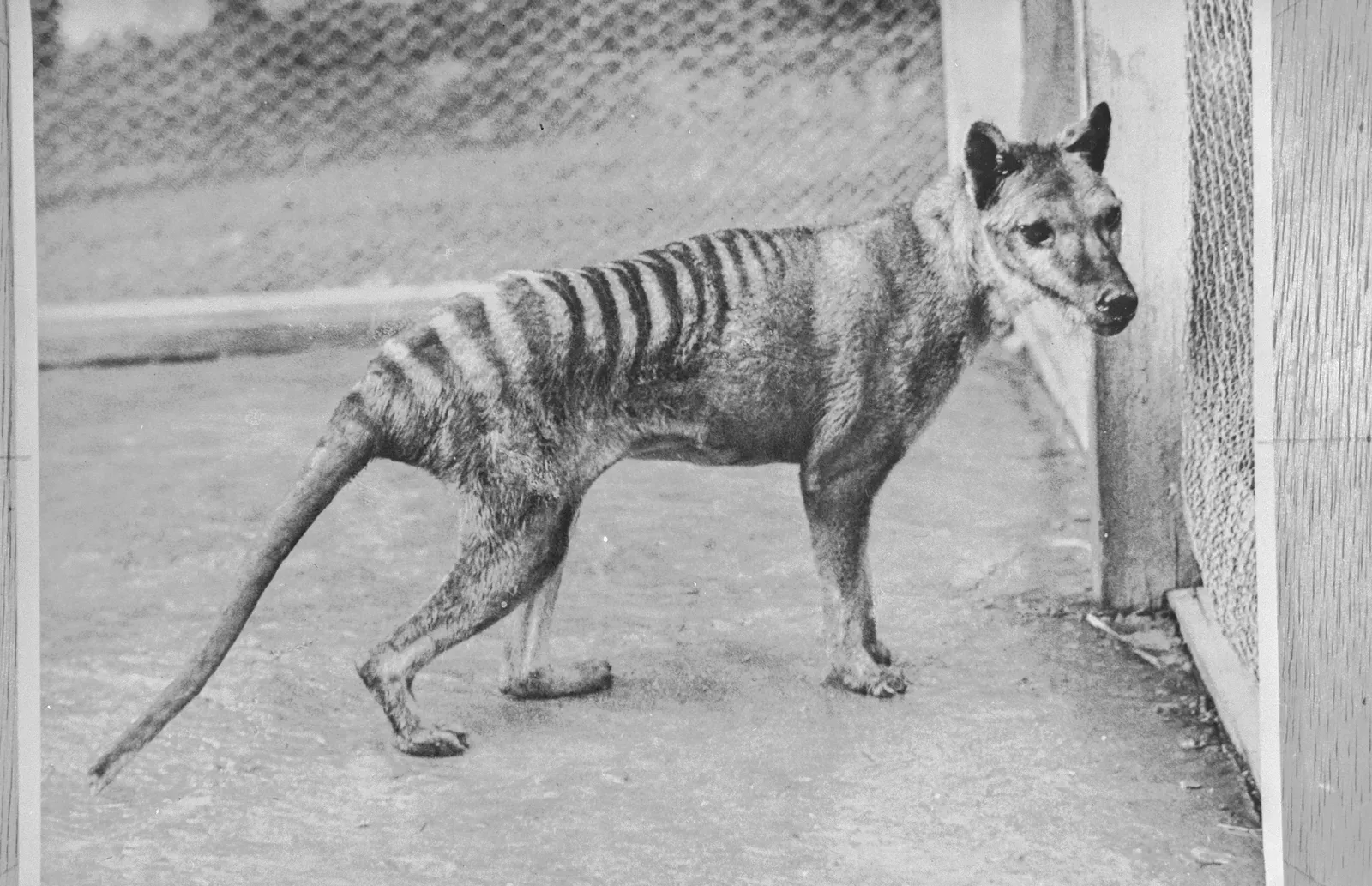
Officially, the thylacine was declared extinct in 1982, decades after the last captive one died alone in a Hobart zoo in 1936. Yet Tasmanian farmers, park rangers, and drivers in remote valleys keep filing eerily consistent reports of a dog-sized animal with a stiff, kangaroo-like tail and dark stripes banding its rump. Some of these witnesses aren’t casual tourists – they’re people who know every feral dog, wallaby, and quoll on their own land, and they insist this wasn’t any of those.
Skeptics have a fair point: no verified DNA, carcass, or clean photo has surfaced in almost a century, which is a brutal silence for a mid-sized carnivore to keep. But the sightings cluster in rugged, low-access country that almost nobody actually walks through, and even cautious biologists admit that if any “extinct” mammal could be clinging on in tiny numbers, the thylacine is the best candidate on the list.
Fast Facts
- On the night of 7 September 1936, the last Tasmanian tiger died in Hobart Zoo, sending the species extinct.
- The thylacine was officially declared extinct by the IUCN in 1982 and by the Tasmanian government in 1986.
- National Threatened Species Day was established in 1996 to commemorate the death of the last Tasmanian tiger.
- Competition from introduced species and human hunting had already confined the species to the island of Tasmania long before its official extinction date.
12. The Ivory-Billed Woodpecker: Birders Turned a Ghost Into an Obsession
![12. The Ivory-Billed Woodpecker: Birders Turned a Ghost Into an Obsession (By Original photo by Arthur A. Allen, 1935 [1], watercolored by Jerry A. Payne, USDA-ARS, CC BY 3.0 us)](https://nvmwebsites-budwg5g9avh3epea.z03.azurefd.net/dws/c23d3ff721a3ffc3301591fdfb44de5e.webp)
The ivory-billed woodpecker used to be the loudest, boldest bird in the American South – until industrial logging tore through its old-growth swamp habitat and it was largely presumed extinct by the mid-20th century. But since the early 2000s, hunters and canoe guides across Arkansas, Louisiana, and Florida have repeatedly described a huge black-and-white woodpecker with white trailing edges on its wings, a pattern that doesn’t match its common cousin, the pileated woodpecker.
There are even audio recordings of the bird’s signature “double-knock” drum, the kind of detail you don’t get from wishful thinking. Official science has largely moved on, dismissing the blurry videos and distant recordings as inconclusive. But the sheer volume of independent reports from people with nothing to gain keeps this one of the most stubborn arguments in ornithology.
11. The Chinese Paddlefish: An Extinction Declared Before the Paperwork Caught Up
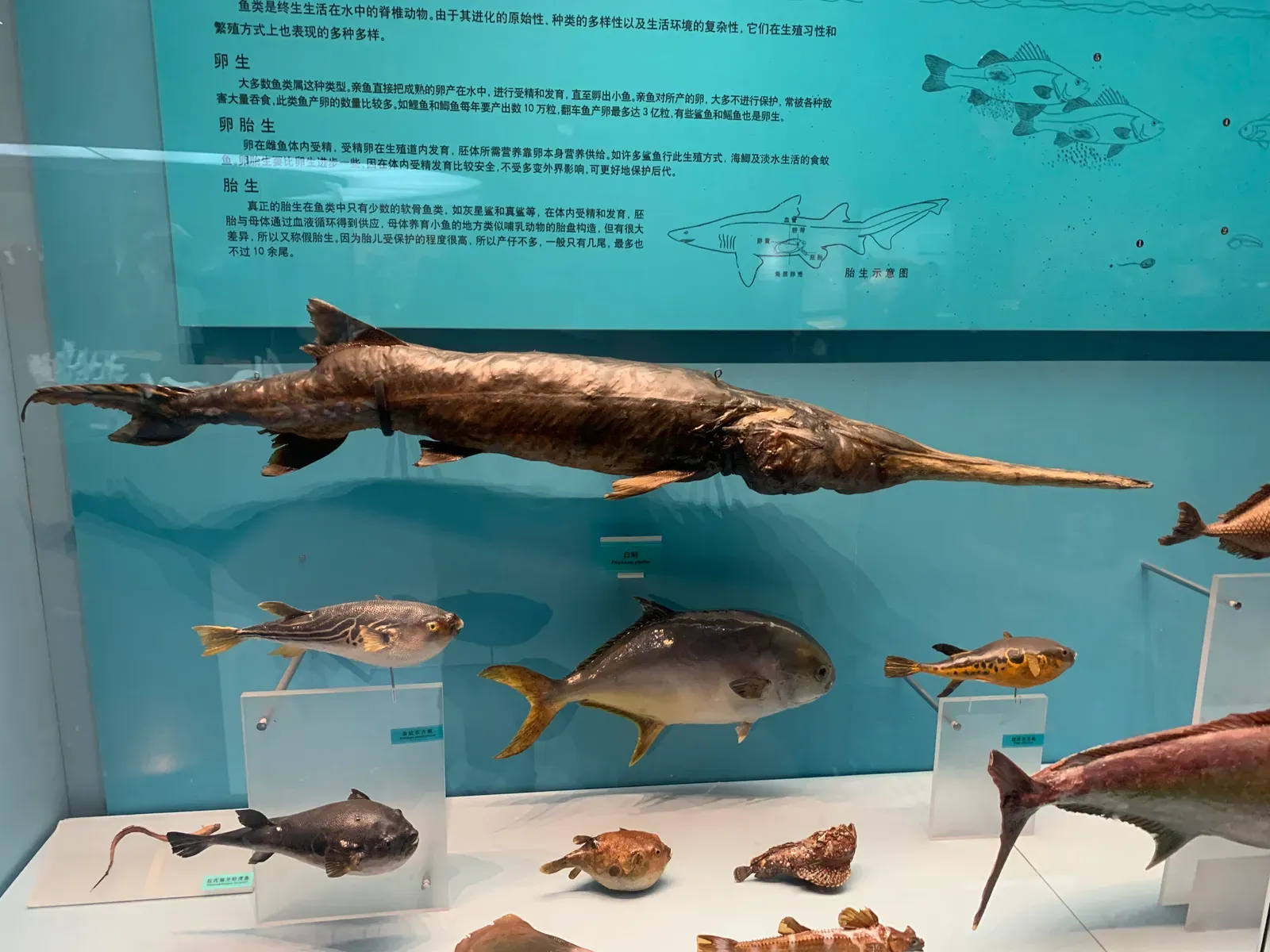
The Chinese paddlefish, once a river monster of the Yangtze with a sword-like snout, wasn’t declared extinct until 2020 – and even that felt late, given how thoroughly dams and overfishing had already shredded its migration routes. Dig through older provincial fishery records, though, and you’ll find fishers describing a long, torpedo-shaped fish with that unmistakable paddle-nose showing up in nets far later than scientists assumed possible.
Some of those catches from the 1990s and 2000s were simply eaten or tossed back before anyone realized what they’d actually caught. Most biologists chalk this up to mislabeled sturgeons or delayed anecdotes, but the timeline gap is telling: several local fishery officers only learned their “strange paddle-nose” fish was thought extinct after they’d already logged encounters with it.
10. The Baiji River Dolphin: A River Spirit That Refuses to Stay Gone
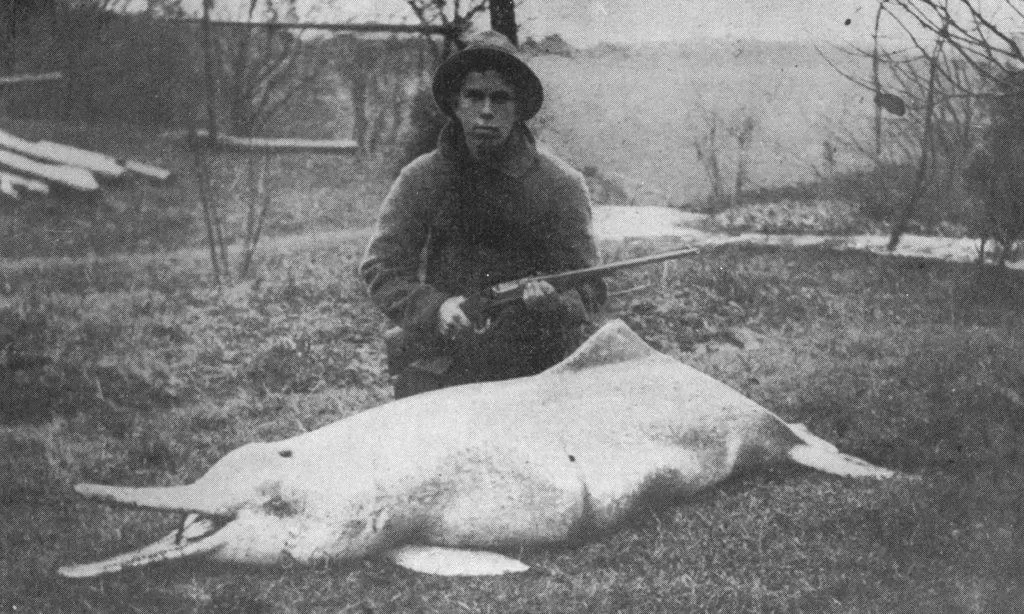
The baiji, a pale, long-snouted dolphin unique to China’s Yangtze River, was declared “functionally extinct” in 2006 after an exhaustive survey came up empty. Yet boat operators and small-town officials along quieter stretches of the river have kept reporting something different: a light-colored, beaked dolphin surfacing alone, distinct from the darker, stockier finless porpoises that still live there.
The water is muddy, the boats move fast, and generations of folklore treat the baiji as a river goddess, which makes every sighting suspect. Still, a few of the more recent claims come from shipping captains who know porpoises well and insist what they saw wasn’t one. Most marine mammal experts believe it’s too late for this species – but they also admit that declaring “extinct” across 3,900 miles of river is a statistical bet, not a guarantee.
Quick Compare
- Baiji: pale gray-blue skin, long narrow beak, small triangular dorsal fin, nearly blind and relying on sonar
- Yangtze finless porpoise: darker uniform gray, no beak at all, rounded “smiling” head, still confirmed living in the river today
- Why it matters: the two are easy to confuse at a distance or in muddy water, which is exactly why baiji reports remain hard to dismiss or confirm
9. The Caribbean Monk Seal: Fishermen Kept Seeing a Seal That “Didn’t Exist”
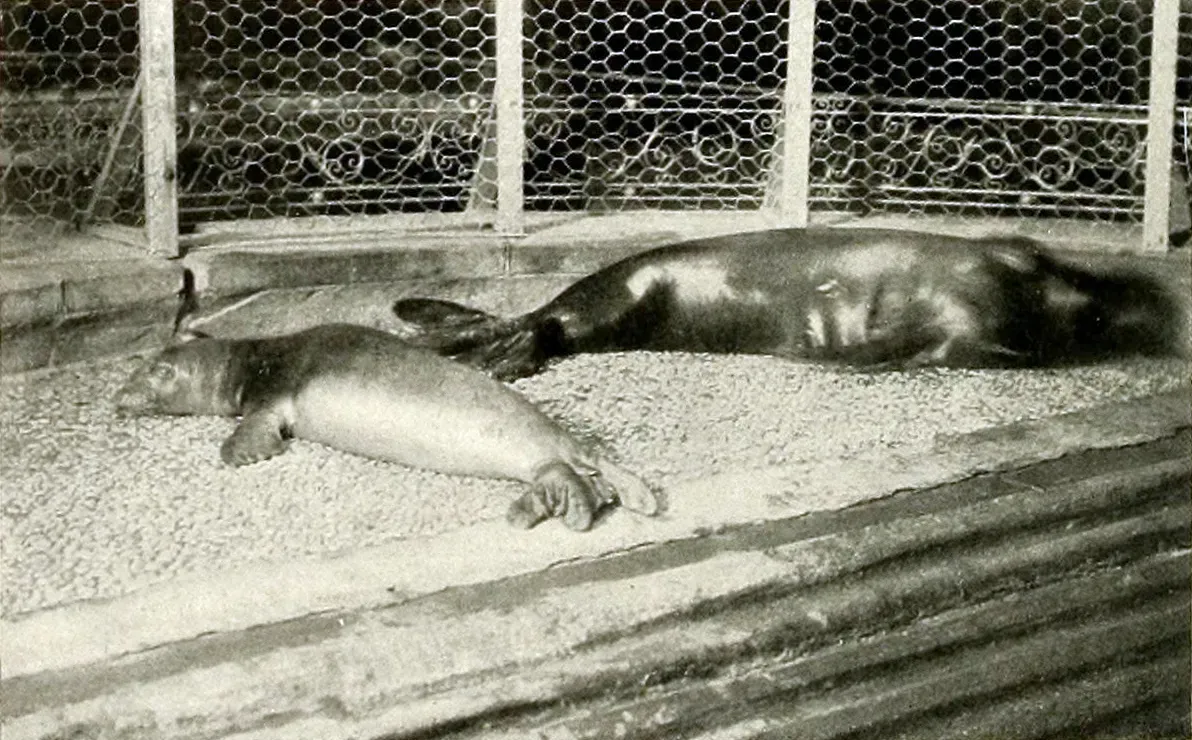
The Caribbean monk seal wasn’t officially declared extinct until 2008, more than 50 years after its last confirmed sighting – one of conservation’s earliest and most quietly embarrassing failures. Overhunted for oil and squeezed out by coastal development, it should have vanished cleanly from the record. Instead, fisheries logs and oral histories from the 1960s through the 1980s repeatedly mention a large, smooth-coated seal sunning itself on remote sandbars around the Yucatan, the Cayman area, and parts of Central America.
Some of these notes came from fisheries officers with no conservation agenda at all, just crude sketches that don’t match known harbor or gray seals. Biologists argue that any surviving population would have been impossible to hide in today’s tourist-packed Caribbean. But several islands recorded unclassified “sea wolves” decades after science had already moved on, and that mismatch never quite got explained.
8. The Japanese River Otter: Local Governments Kept Protecting an “Extinct” Animal
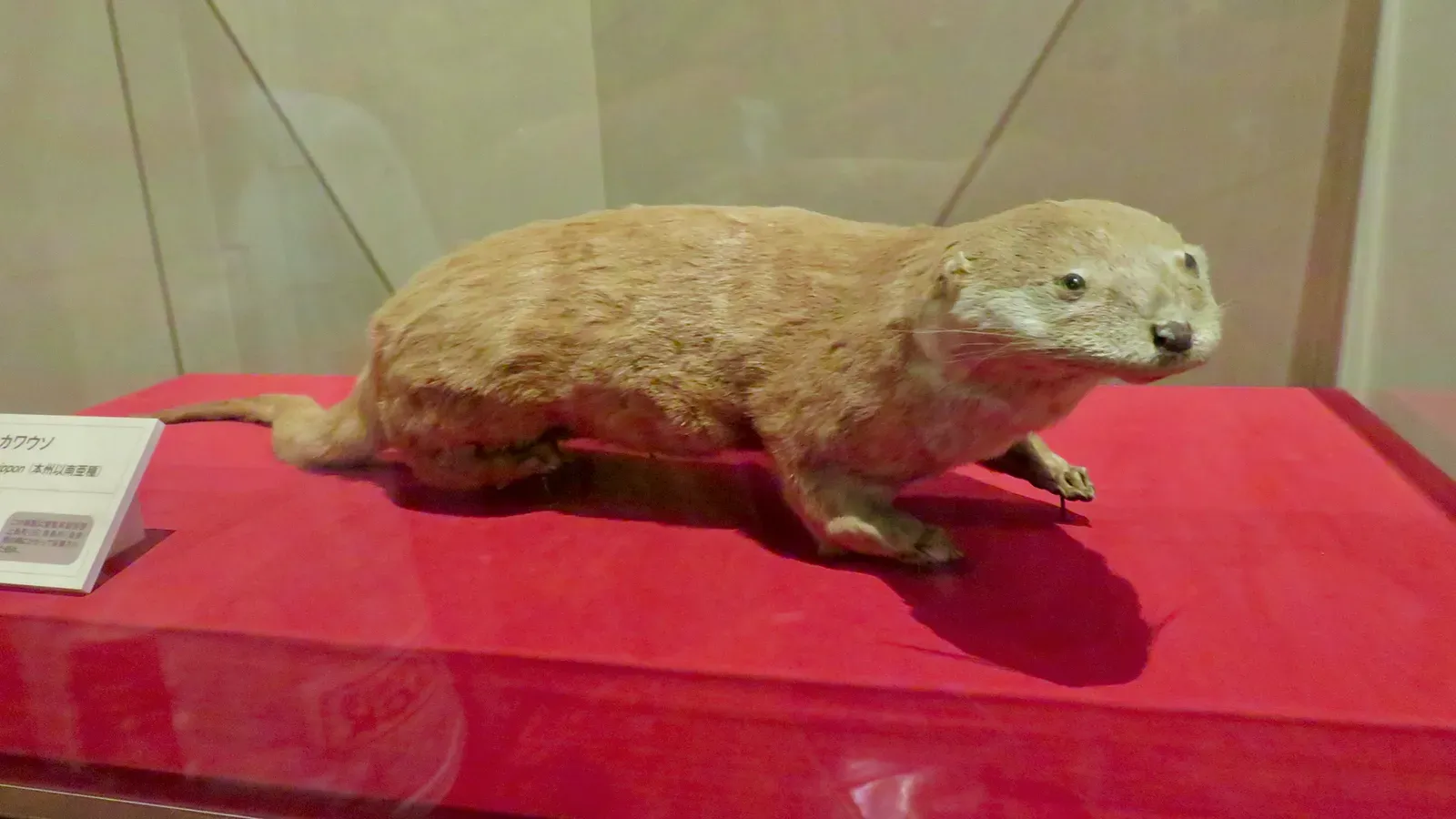
Japan didn’t officially declare its native river otter extinct until 2012, long after habitat loss and hunting had all but wiped it out. The last widely accepted specimen dates back to the 1970s. Yet regional environmental reports from Shikoku and Kyushu describe a slender, dark otter with a long tail and distinctive calls being seen well into the 1990s and early 2000s.
Investigators followed up on some of these reports and occasionally found tracks, scat, or blurry photos – never quite enough for scientific confirmation. Critics suspect feral mink or misidentified cats seen at night. But several local governments took the possibility seriously enough to keep “otter protection” language in their regulations long after the national extinction declaration, which tells you something about how little the paperwork and the local belief actually agreed.
7. The Pinta Island Tortoise: Genetic Ghosts After Lonesome George
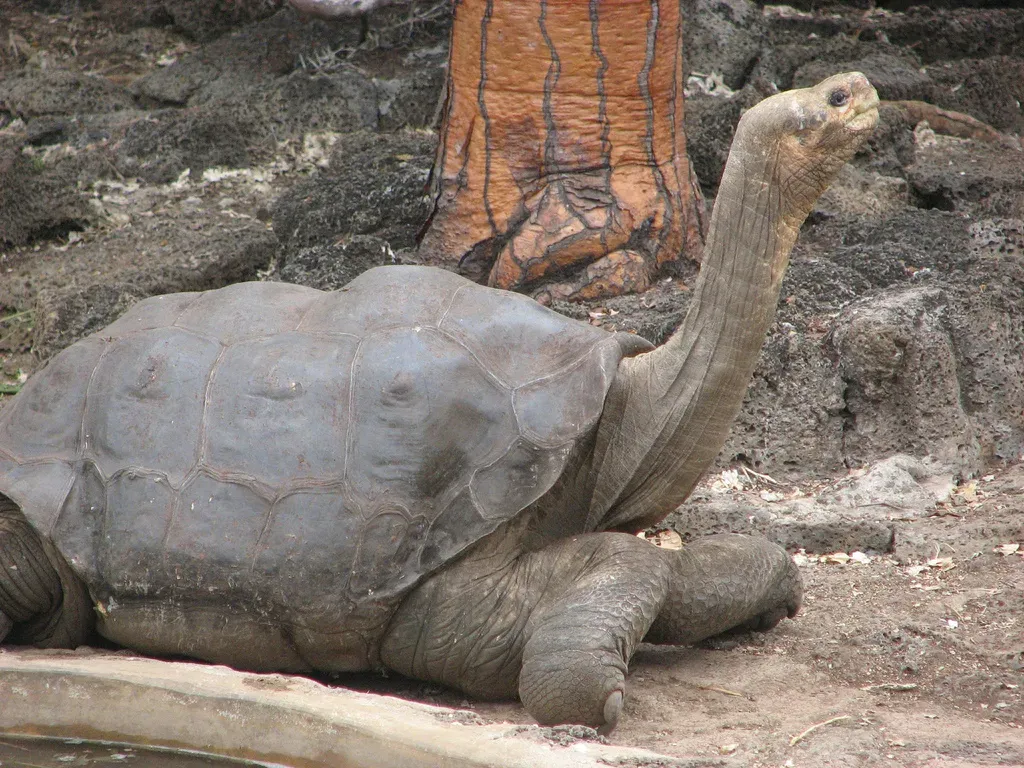
When Lonesome George, the last known Pinta Island tortoise, died in 2012, his subspecies was declared extinct – end of story, supposedly. Except local field notes from Isabela Island describe tortoises with unusual shell shapes and partial Pinta-like patterns encountered by rangers and guides. Genetic surveys later confirmed some of these individuals actually carry Pinta ancestry.
This isn’t cryptozoology, it’s just messy history: sailors once moved tortoises between islands as living food stock, scrambling bloodlines for centuries. Many herpetologists now argue we should worry less about strict subspecies labels and more about protecting these mixed-lineage giants. For locals raised on the idea that George was “the last,” running into Pinta-like tortoises after his death was less a scientific footnote and more a small, strange shock.
“He was like a member of the family to me. To me, he was everything.”
Fausto Llerena, George’s caretaker of 40 years
6. Schomburgk’s Deer: Antlers That Showed Up Decades Too Late
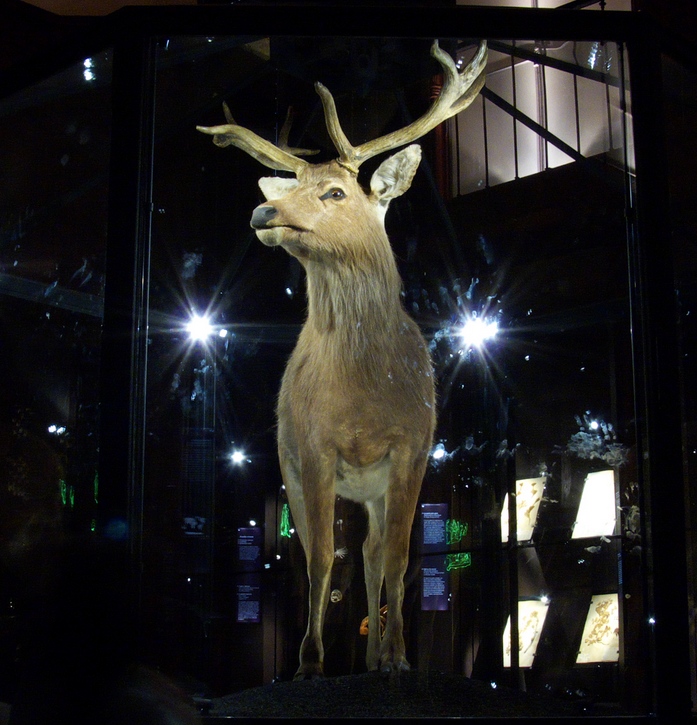
Schomburgk’s deer, native to central Thailand’s floodplains, was declared extinct after the last captive animal died in the 1930s, a casualty of rice expansion and hunting. Yet scattered provincial documents from the 1950s and 1960s briefly mention “horned marsh deer with many-tined antlers” being taken near village wetlands – decades after the species was supposedly gone.
Zoologists lean toward chalking this up to confusion with sambar deer or fuzzy village memory. But in the 1990s, a set of genuine Schomburgk’s deer antlers turned up in a private home, forcing a real re-examination of how recently the species might have survived. If the local record is even half right, science quietly back-dated an extinction by decades – which matters, because it changes how fast we think wetland conversion can erase a large mammal without anyone noticing.
5. The Javan Tiger: Still Stalking the Margins of Official Reports
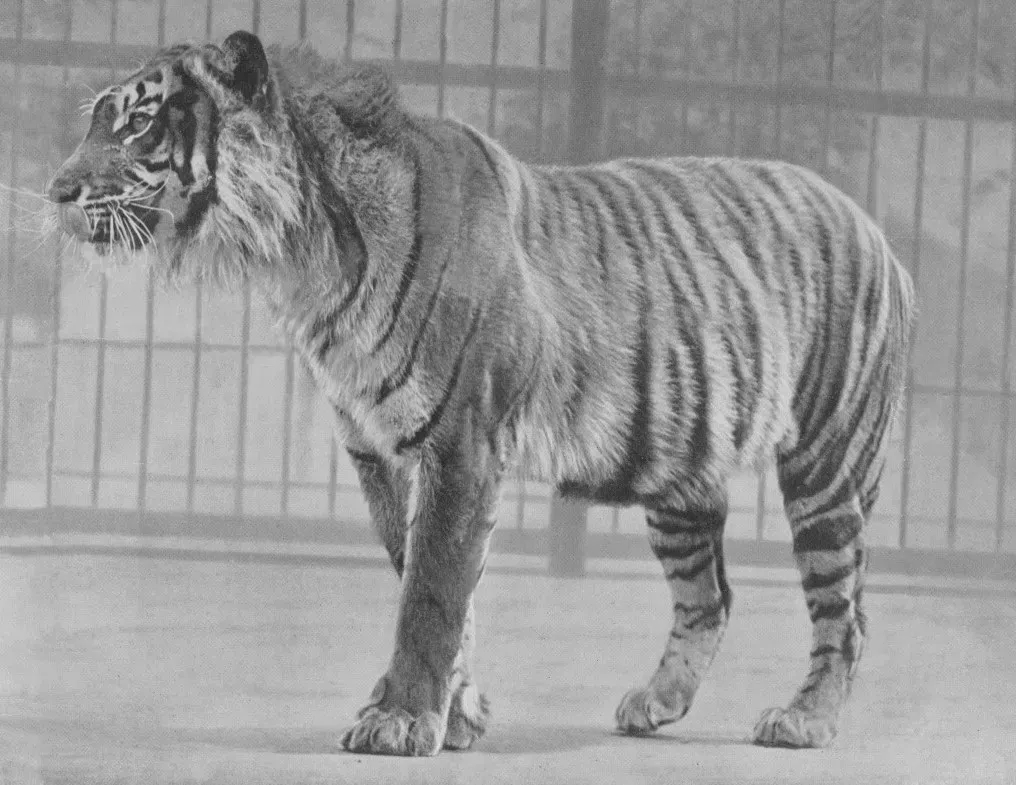
Indonesia declared the Javan tiger extinct sometime around the 1970s and 80s, after deforestation and hunting gutted its population. But forestry staff and villagers in remote parts of Java kept filing reports into the 1990s and early 2000s of a large, clearly striped cat, smaller than a Sumatran tiger, seen fleetingly in dense undergrowth.
Local newspapers ran short items on livestock kills blamed on leopards that, read closely, describe far more tiger-like behavior. Camera traps set specifically for leopards have never produced a solid tiger photo, and most conservationists put the odds of survival near zero on such a heavily populated island. Yet enough field rangers quietly admit “we can’t be 100% sure” that some experts now worry chasing this phantom population is actually pulling attention away from tigers that could still be saved.
4. The Pyrenean Ibex: The Only Animal Ever Un-Extincted, Briefly
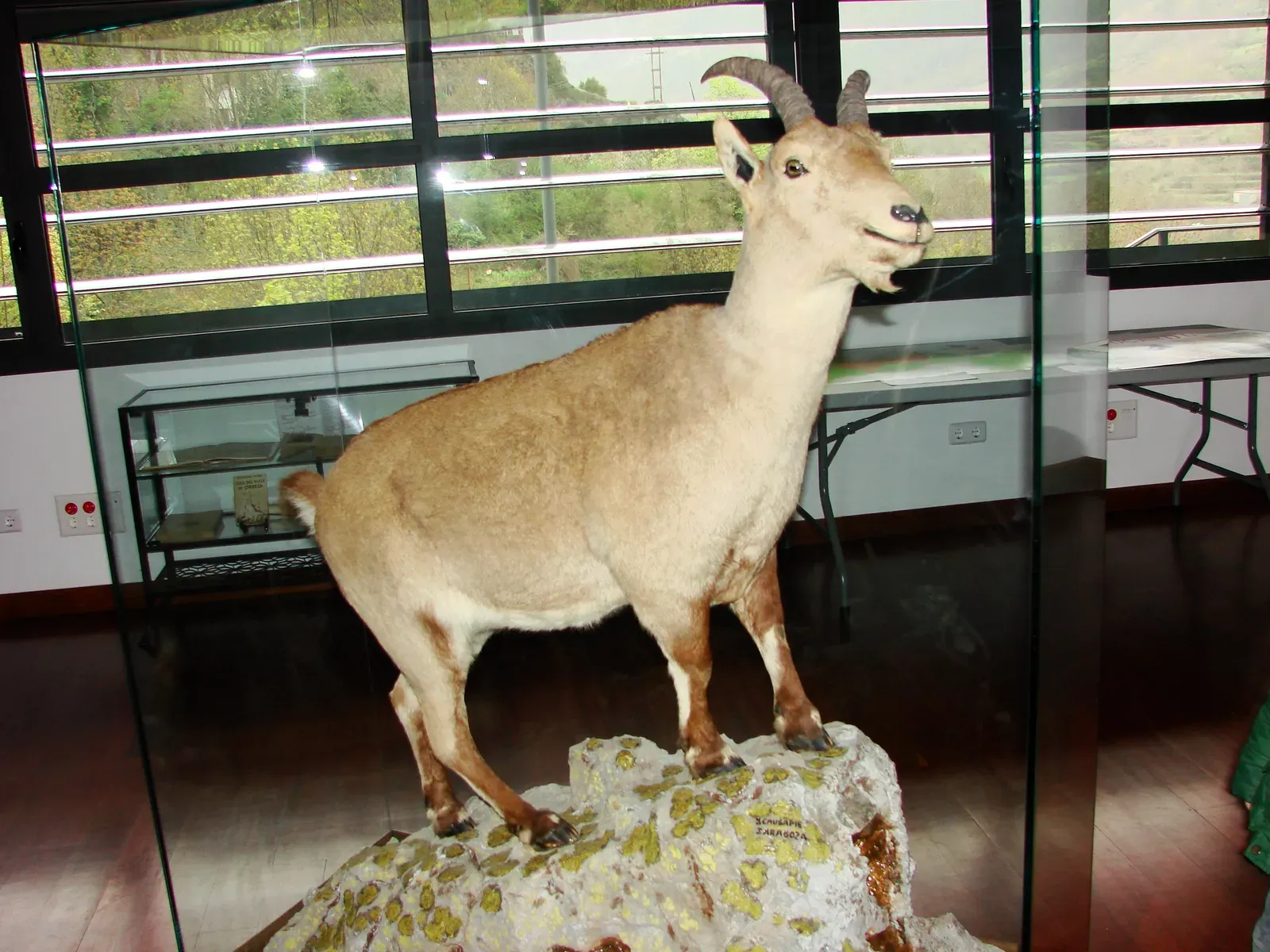
The Pyrenean ibex was declared extinct in 2000, the moment the last known female, Celia, was found dead under a fallen tree. But local records from Spanish and French mountain communities describe small bands of unusually horned wild goats surviving in rugged canyons even after official counts had already hit zero – timing that overlaps awkwardly with the species’ supposed final collapse.
Then, in 2003, scientists actually cloned Celia using preserved cells. The clone lived for just minutes before dying of lung defects, making it the first animal ever brought back from extinction, however briefly. For local shepherds, the species never really left in spirit; many still insist “bucardo blood” runs through crossbred goats grazing those same canyons today. Paperwork extinction, it turns out, doesn’t erase cultural memory nearly as fast as it erases a species.
Fast Facts
- Of 57 implantations, seven pregnancies established and one went to term.
- On 30 July 2003 a female Pyrenean ibex was delivered by caesarean section.
- She had a large solid extra lobe in one lung, could not breathe adequately, and died after several minutes.
- It remains the only case of an extinct animal being brought back to life, and it lasted less than ten minutes.
3. The Western Black Rhino: Poachers May Have Seen It Last, Not Scientists
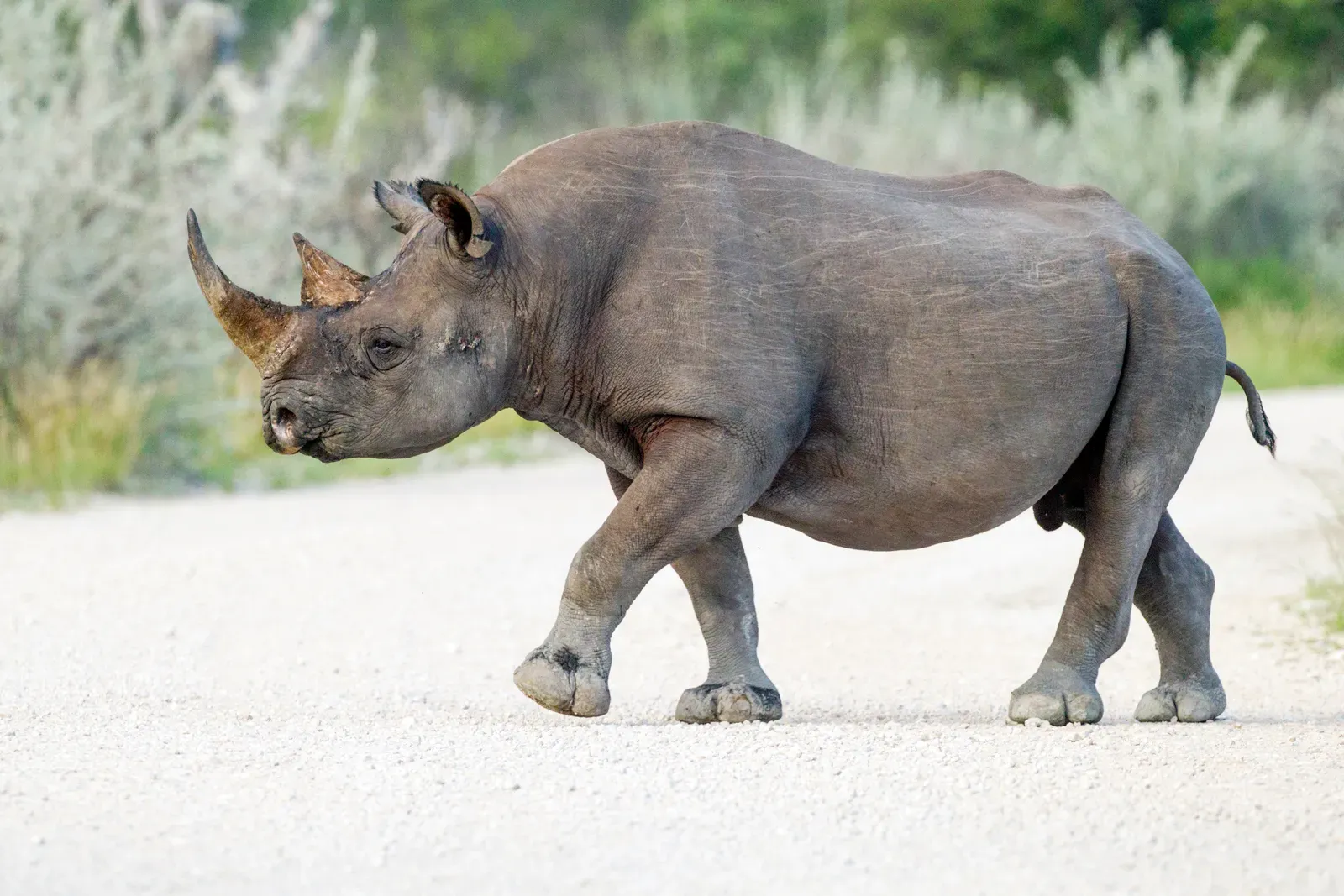
The western black rhinoceros was declared extinct in 2011 after repeated surveys across Cameroon and surrounding regions turned up nothing. But when researchers interview local communities – and, controversially, ex-poachers – they still hear about “hook-lipped” rhinos with smaller horns present in remote areas well into the 2000s, alongside unverified tracks and dung that were never conclusively analyzed.
Conservationists are split. Some think these accounts are just confused memories of 1990s-era sign. Others argue a few animals could genuinely have persisted, undetected, in conflict zones where foreign researchers simply couldn’t safely operate. Either way, the fuzziness around the exact end date carries a bitter weight: if local records are even partly right, the last realistic window to intervene had already closed by the time anyone with authority was paying attention.
2. The Yangtze Sturgeon: Odd Catches Kept Slipping Into the Ledgers
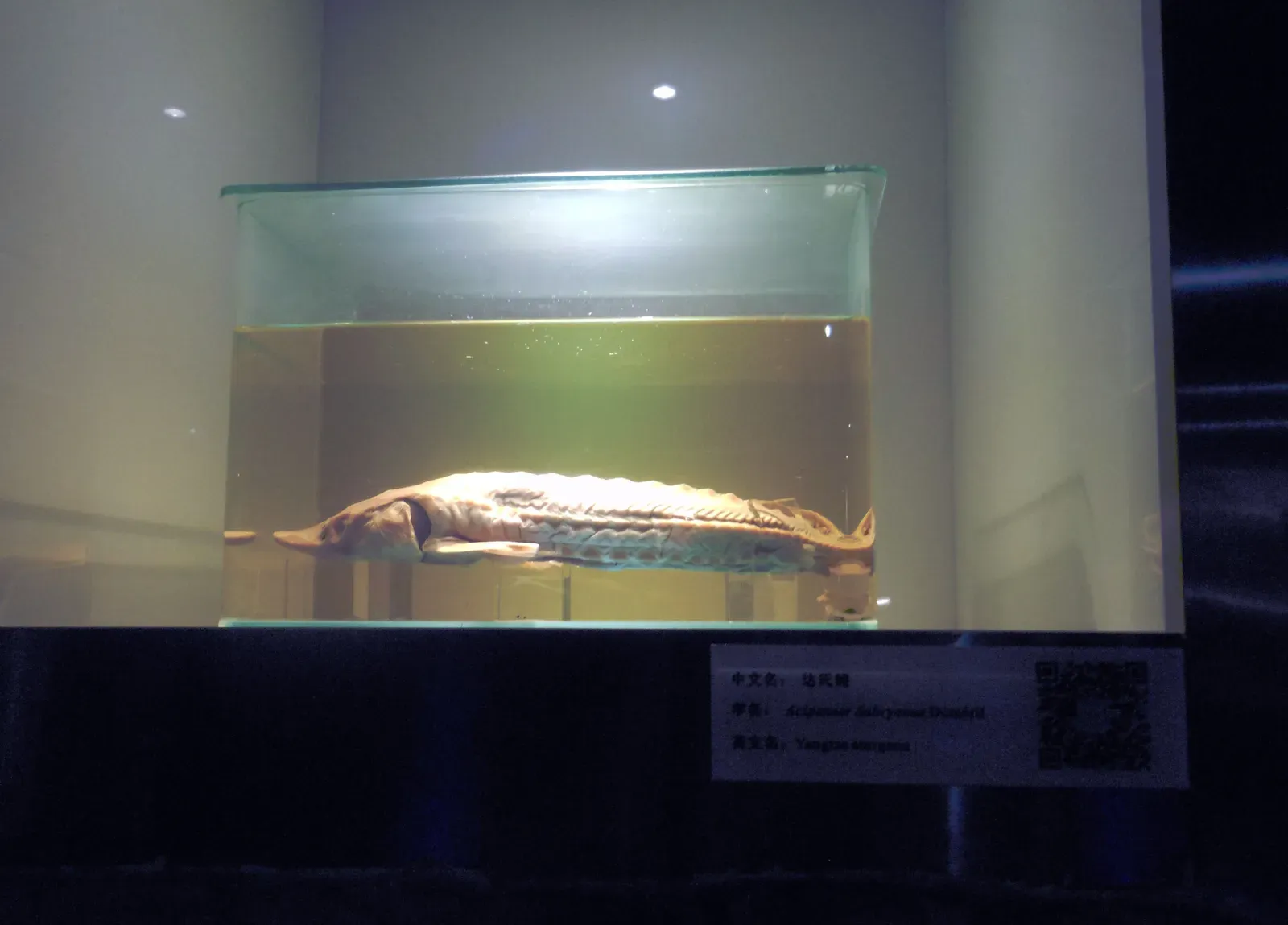
The Chinese Yangtze sturgeon has bounced between “functionally extinct” and “critically endangered” as wild populations kept crashing, with some lineages likely gone for good. Yet provincial catch records, especially from smaller tributaries, keep logging long, armored fish with bony scutes and a down-turned mouth, caught by accident well after the species was assumed nearly finished.
Most of these records are frustratingly imperfect – no photos, no samples, just handwritten notes and rough weights. Biologists suspect misidentified hybrids or farm escapees explain most of them. But the pattern repeats: official science says “almost certainly gone,” while village-level ledgers quietly log odd sturgeons with no follow-up at all. It’s a hard reminder that rivers are wildly under-surveyed compared to forests or oceans, which makes “extinct” more of an educated guess than a verdict.
1. The Dodo: How an Extinct Bird Lived On as a Ghost in Mauritius
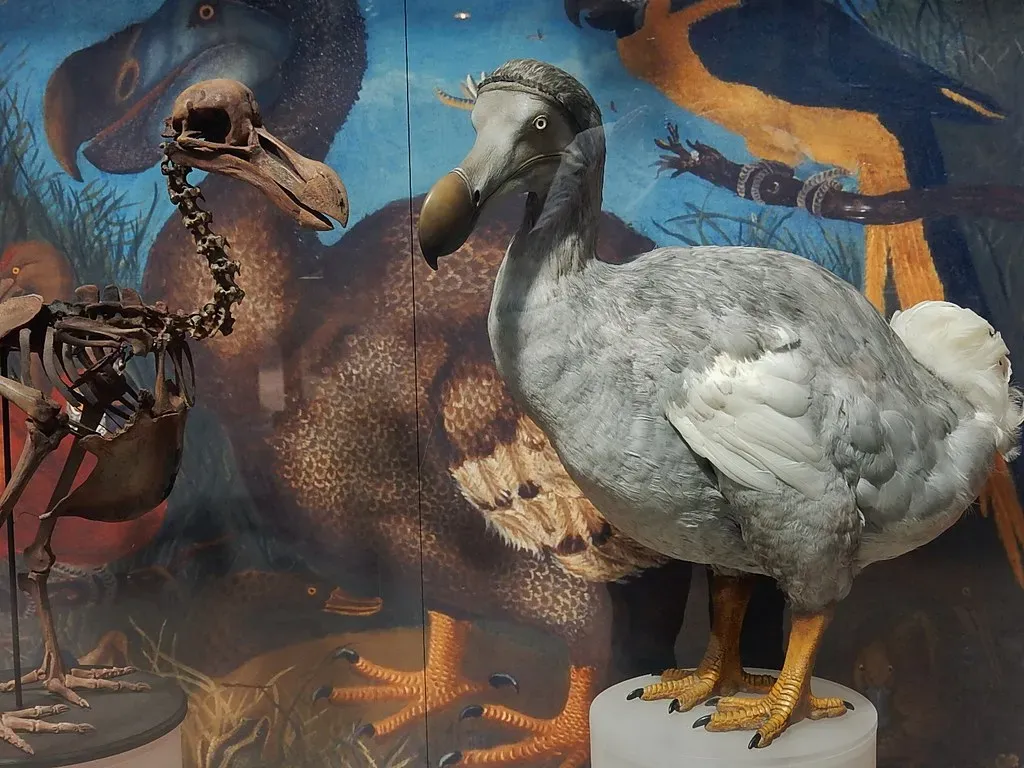
No, the dodo isn’t secretly alive out there somewhere. It’s been gone since the late 17th century, and biologically speaking, the odds of a surviving population are essentially zero. So why does it close this list? Because in Mauritius, colonial-era diaries, plantation ledgers, and local folklore kept describing “odd, heavy ground birds” for decades after naturalists had already mentally buried the species.
Some of those 18th-century notes probably referred to other native pigeons, and the naming stayed muddled for years. Here’s the uncomfortable part: in local memory, the dodo stayed “around” far longer than it existed in biological fact, drifting into children’s stories, island slang, and casual retellings by people who never saw a real one. It isn’t proof the bird survived – it’s proof of how loose and human our mental extinction timelines really are.
The Bottom Line
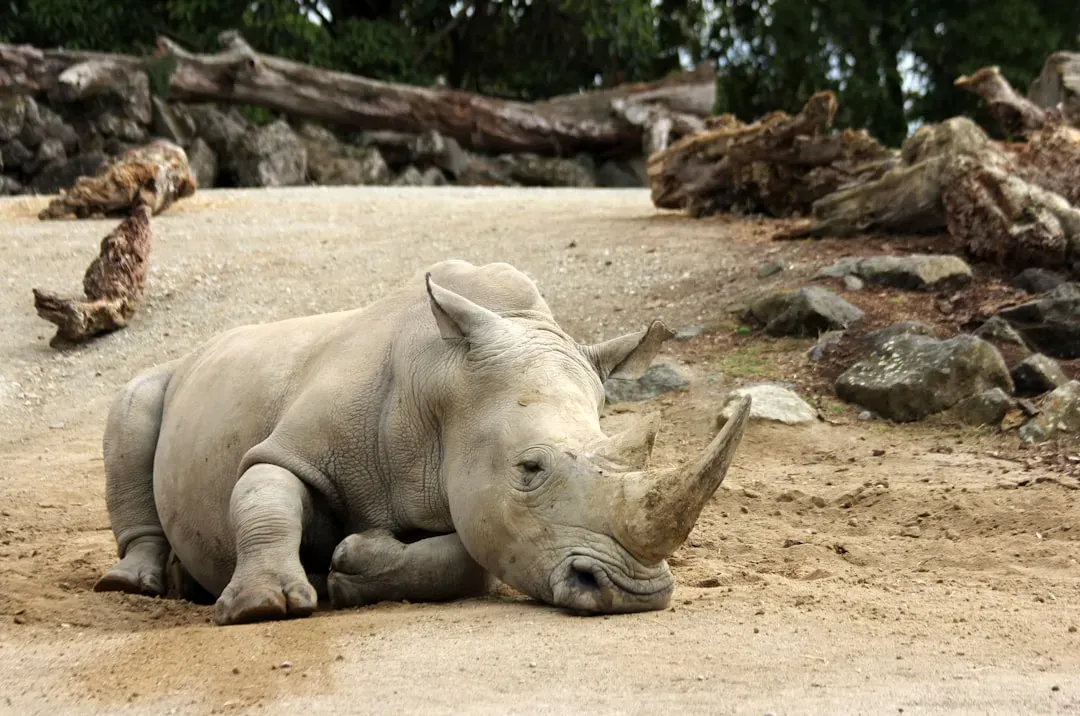
Taken together, these 13 cases don’t secretly prove a lost world of extinct animals is thriving just out of frame. They show something more uncomfortable: extinction is often declared on limited data, local records are messy but not worthless, and our confidence about the exact “last day” of a species is a lot lower than most people assume.
With the thylacine or the Javan tiger, hope probably outlives the animal itself. With the obscure sturgeons and the Caribbean monk seal, it’s genuinely plausible that tiny remnants persisted long after the textbooks had already moved on without them.
Here’s the opinionated part: pretending we “know for sure” is its own kind of mistake. Credible local reports deserve to be treated as weak but real data – not romantic gospel, and not automatic nonsense either. Because if we only believe a species exists when it’s convenient to photograph, we’ll keep showing up with help a decade too late. So which of these do you think genuinely outlasted the experts’ verdict?