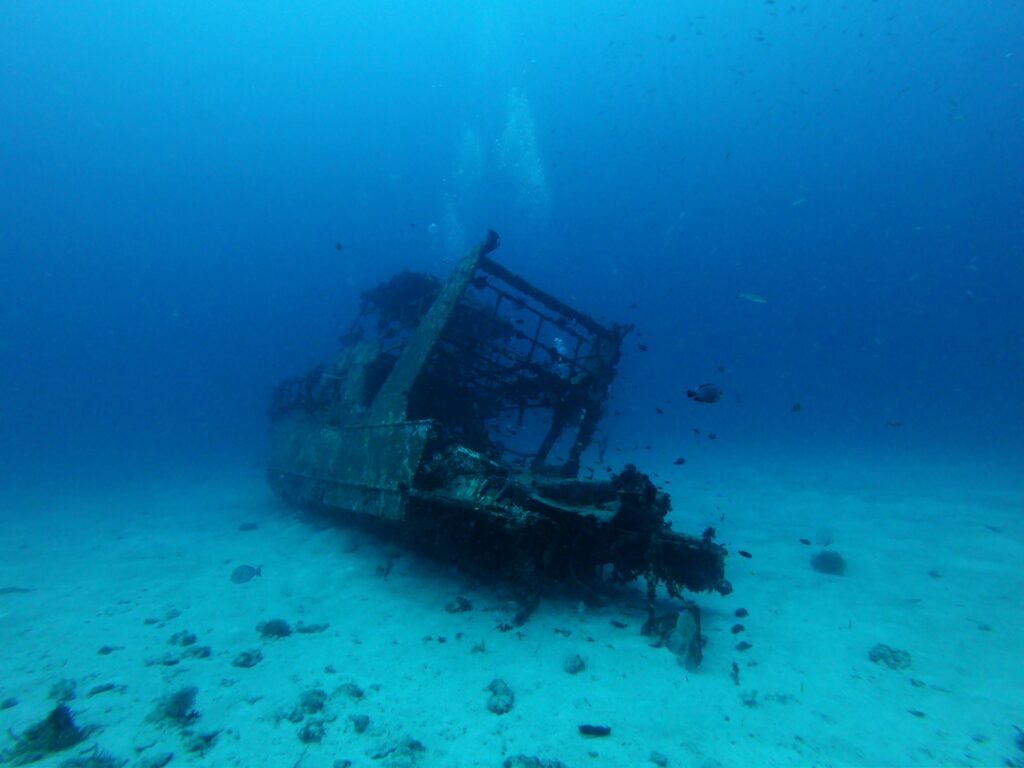

Every shipwreck documentary loves to talk about the storm, the iceberg, or the captain’s fatal mistake. What most of them skip is the part that actually keeps historians and investigators up at night: what was sitting in the cargo hold when the ship went down.
From toxic sludge disguised as scrap metal to human beings logged as freight, plenty of wrecks read less like accidents and more like confessions. Somebody, somewhere, decided this cargo was worth the risk – and the ocean eventually made them pay for it. Here are 21 real cases where what a ship was carrying turned out to be far more shocking than how it sank.
#21 – The “Ghost Fleet” of Toxic Waste Barrels
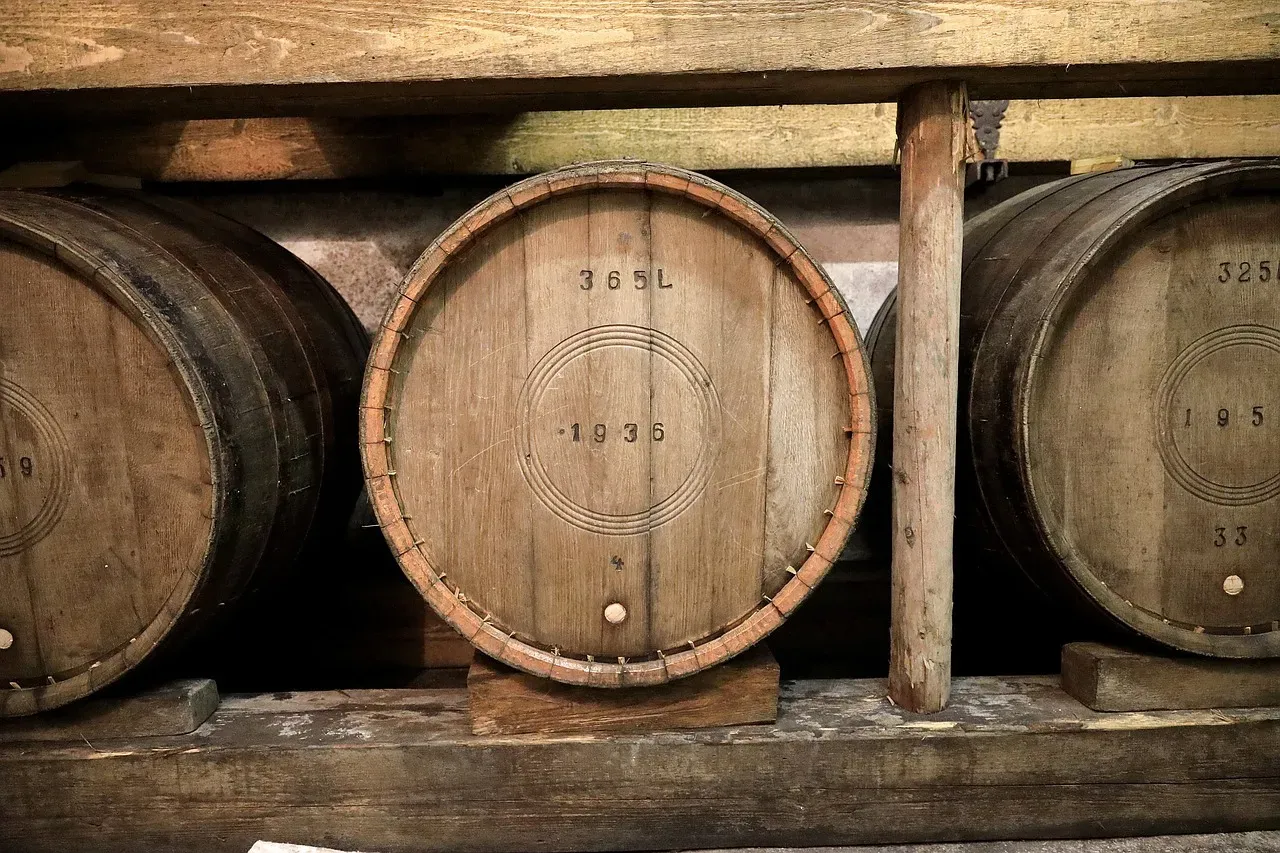
Some of the creepiest wrecks aren’t old wooden ships – they’re rusting hulks from the 1960s through the 1980s, sitting on the seabed like time capsules of industrial guilt. Investigators have identified dozens of these wrecks off industrial coastlines that were basically floating landfills, packed with drums of what was labeled “recycled material” but was really just concentrated toxic sludge.
- Corroded drums leaking unknown chemicals
- Sediment around wrecks testing far above normal toxicity levels
When a storm hit or a hull gave out, those barrels didn’t get recovered – they just sank, with no manifest, no cleanup plan, and no one racing to claim responsibility. The real scandal isn’t the accident. It’s that many of these cargoes were deliberately mislabeled as harmless so inspectors would wave them straight through.
#20 – Slave Ships Still Running After the Trade Was “Abolished”
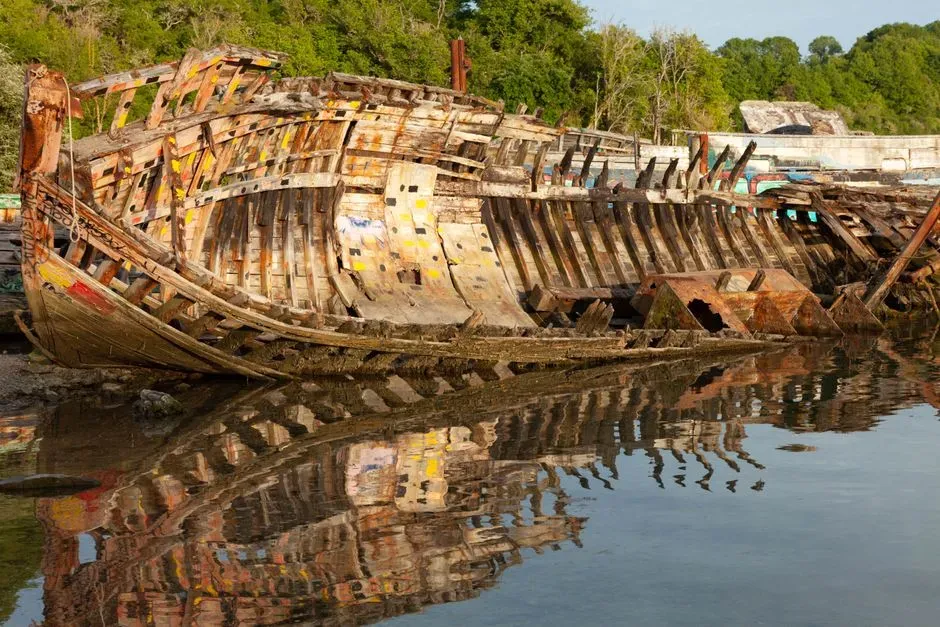
Britain banned the slave trade in 1807, other nations followed, and most history books quietly move on as if the trafficking simply stopped. It didn’t. For decades afterward, smaller, faster ships kept running illegal routes, packing enslaved people into hidden decks while their paperwork listed the cargo as “textiles,” “lumber,” or “general goods.”
- Wreck designs matching known slaver ships, with no slave cargo listed on paper
- Wrecks sitting along secretive routes between West Africa and the Americas
When these ships went down, the truth sometimes surfaced literally – hull shapes and hidden compartments built for one purpose only: cramming in as many human beings as possible per square foot, seaworthiness be damned. These vessels shouldn’t have sailed in the first place, and certainly not with human lives treated as contraband.
#19 – Radioactive Cargo Packed Like Ordinary Freight
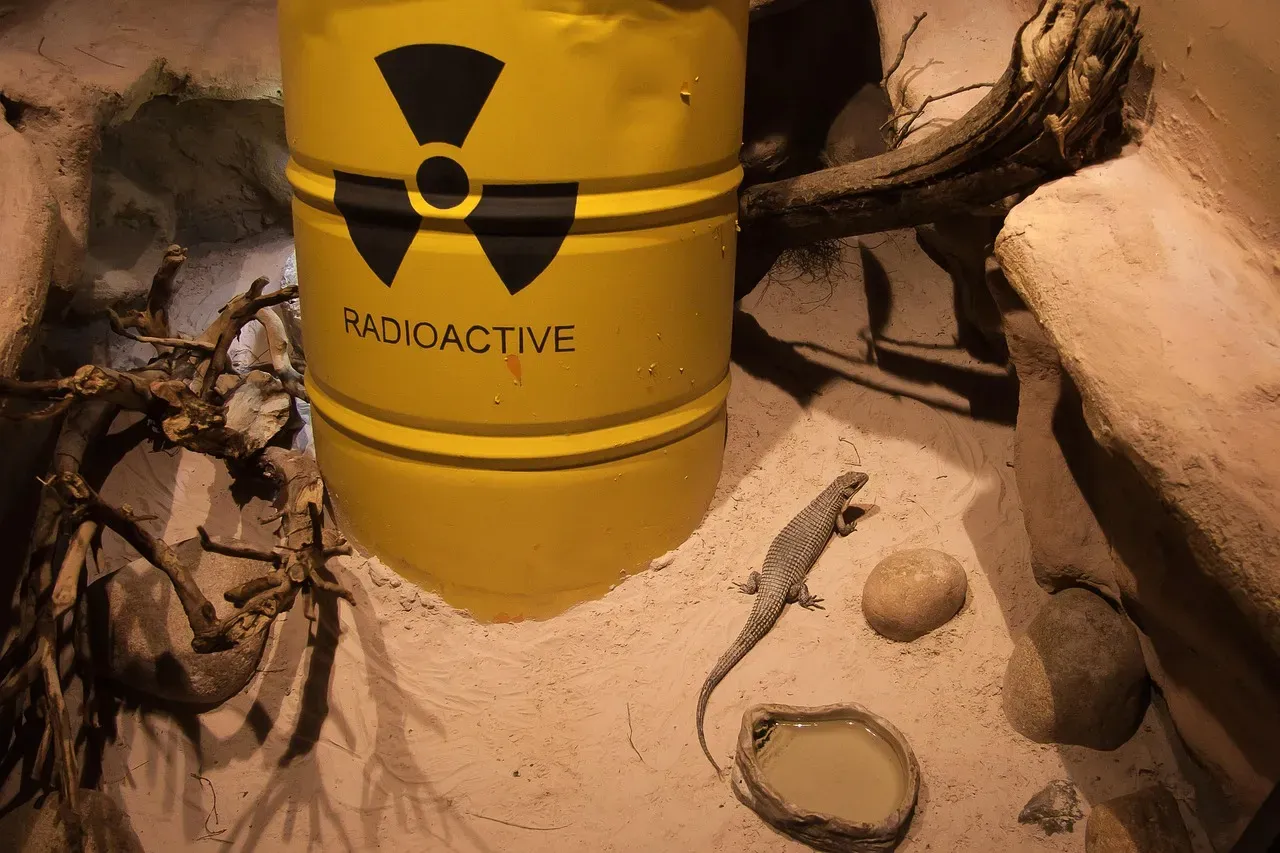
You’d assume anything radioactive travels in heavily shielded, tightly monitored containers. For much of the mid-20th century, that assumption would have been wrong. Some cargo vessels hauled low-level radioactive materials in packaging barely sturdier than an oil drum, stacked in the same holds as ordinary goods.
- Medical isotopes and industrial radioactive sources stored in standard cargo holds
- Documentation using vague terms like “special equipment” or “metal parts”
When those ships sank, officials sometimes classified the details just to avoid public panic. Now the wrecks pose an ugly dilemma: disturbing the sediment to remove the material risks releasing particles that have sat quietly bound in place for decades, but leaving it means slow leaching into the surrounding ecosystem either way.
#18 – Live Zoo Collections on Ships With No Business Carrying Them
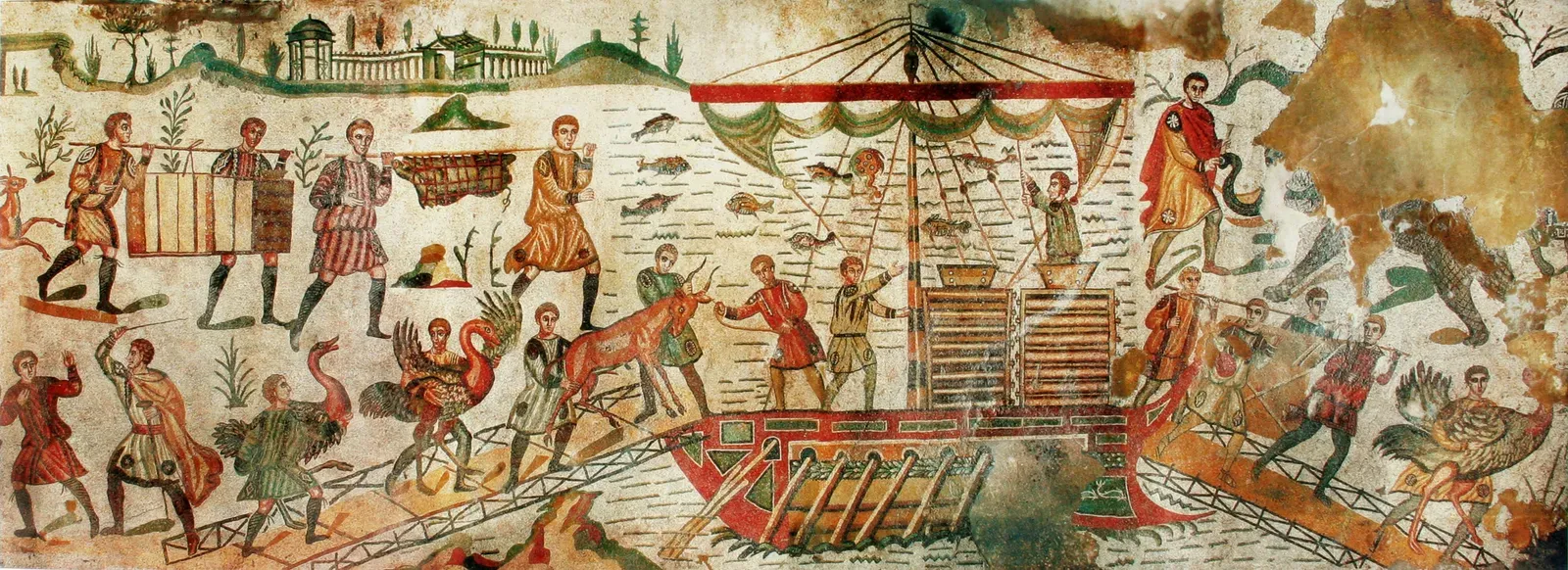
In the early 1900s, importing exotic animals by the shipload was practically a status symbol for zoos and private collectors. The catch: most of these animals were crammed onto aging cargo ships that had zero real facilities for live cargo, let alone an emergency plan if something went wrong at sea.
- Big cats and primates held in flimsy, undersized cages
- Reptiles boxed into wooden crates and stacked like ordinary luggage
When those ships sank, the manifests read like a tragic roll call of the world’s biodiversity. Stressed animals broke loose during storms more than once, throwing off the ship’s balance at the worst possible moment. Modern rules on live animal transport exist largely because of disasters exactly like these.
#17 – Ammunition Ships Quietly Docked Beside City Centers
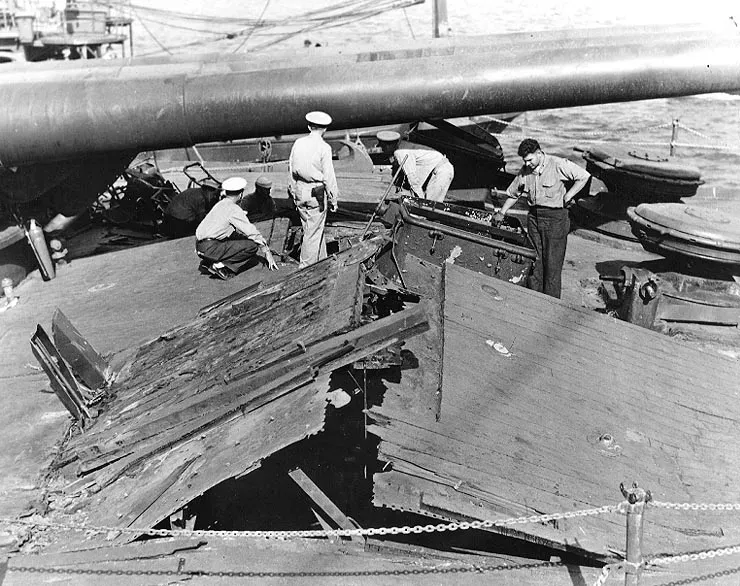
During both World Wars, and for years afterward, ordinary commercial freighters were chartered to move thousands of tons of explosives – and then tied up within sight of major downtowns, as casually as if they were hauling grain. Nobody living nearby had any idea what was moored outside their window.
- Entire waterfront districts leveled when a single ship detonated
- Shockwaves strong enough to be recorded hundreds of miles away
Fast Facts
- Halifax Explosion (1917): the munitions ship Mont-Blanc detonated in Halifax Harbour, and at least 1,782 people, largely in Halifax and Dartmouth, were killed by the blast, debris, fires, or collapsed buildings, and an estimated 9,000 others were injured.
- Texas City Disaster (1947): a fire aboard the SS Grandcamp ignited its cargo of ammonium nitrate, and the Texas City disaster was the deadliest industrial accident in U.S. history – an estimated 581 people were killed and thousands more injured.
- The Texas City blast was so powerful that the temperature inside the cargo area had risen enough to spark a massive explosion that was heard as far as 150 miles (240 km) away.
When these ships blew or sank, it wasn’t a shipwreck – it was a city-level catastrophe. Even a minor fire in a hold packed with shells and explosives could trigger a chain reaction with no warning. Today’s safety distances and separated munitions storage exist because those rules were written in blood.
#16 – Chemical Weapons Disguised as “Industrial Surplus”
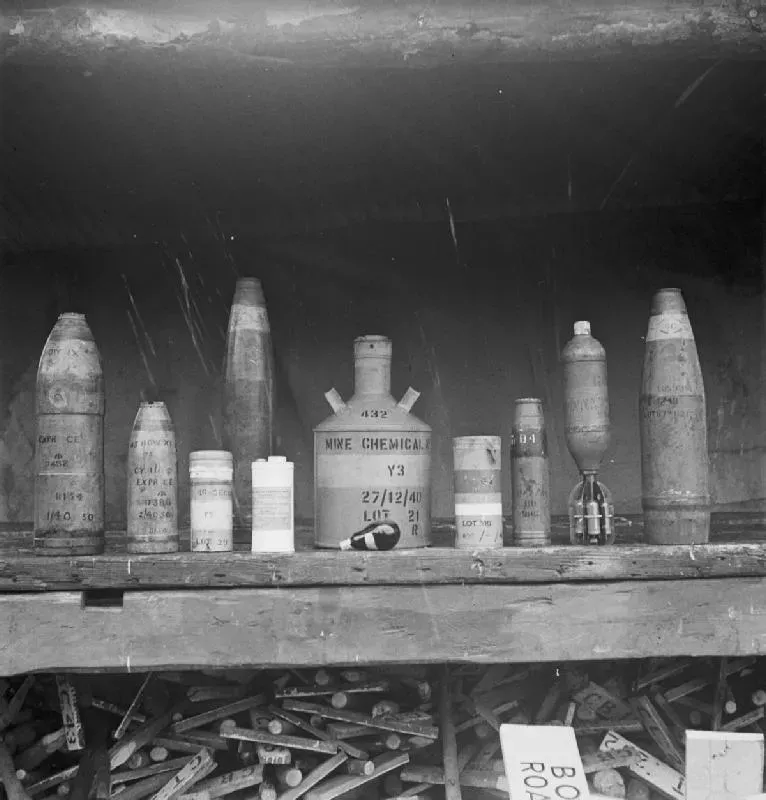
After both World Wars, militaries faced a grim logistics problem: what do you do with mountains of leftover chemical weapons? Too often, the answer was to load them onto aging ships labeled “industrial surplus” or “obsolete stores,” then dump them at sea and hope nobody asked questions.
- Aging shells filled with mustard agent and other toxins corroding on the seabed
- Fishing grounds overlapping with known dumping and wreck sites
Some of those ships never made it to their dumping coordinates and sank with their cargo still aboard. These were weapons built specifically to maim and kill, now sitting in fragile metal casings that have been degrading underwater for the better part of a century – a stopgap plan nobody ever intended to last this long.
#15 – Ivory and Rhino Horn Hidden Under “Frozen Fish”
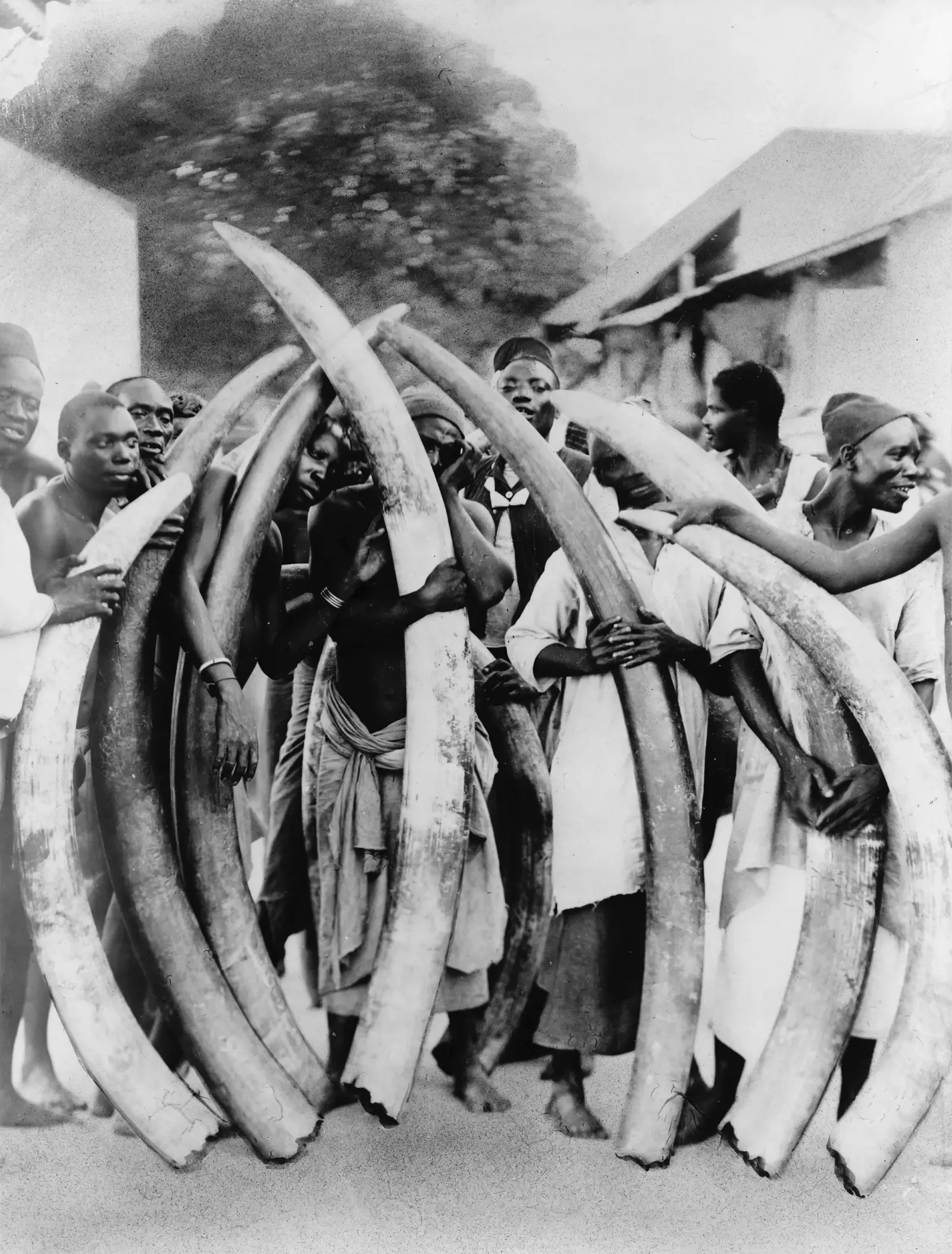
Wildlife trafficking isn’t just a smuggler-with-a-suitcase story. For decades, shipments labeled “frozen seafood” or “mixed agricultural products” have quietly moved ivory, rhino horn, pangolin scales, and other banned wildlife parts through completely normal trade routes.
- False-bottom containers mixing legal and illegal animal products
- Bills of lading vaguely listing “animal byproducts” instead of real contents
When these vessels sank – or were seized just before disaster – investigators got a rare look at how much contraband was moving through ordinary shipping lanes the whole time. The ocean essentially became a moving warehouse for extinction, and most port authorities and insurers had no idea they were facilitating it.
#14 – “Flag of Convenience” Ships Stuffed With Asbestos
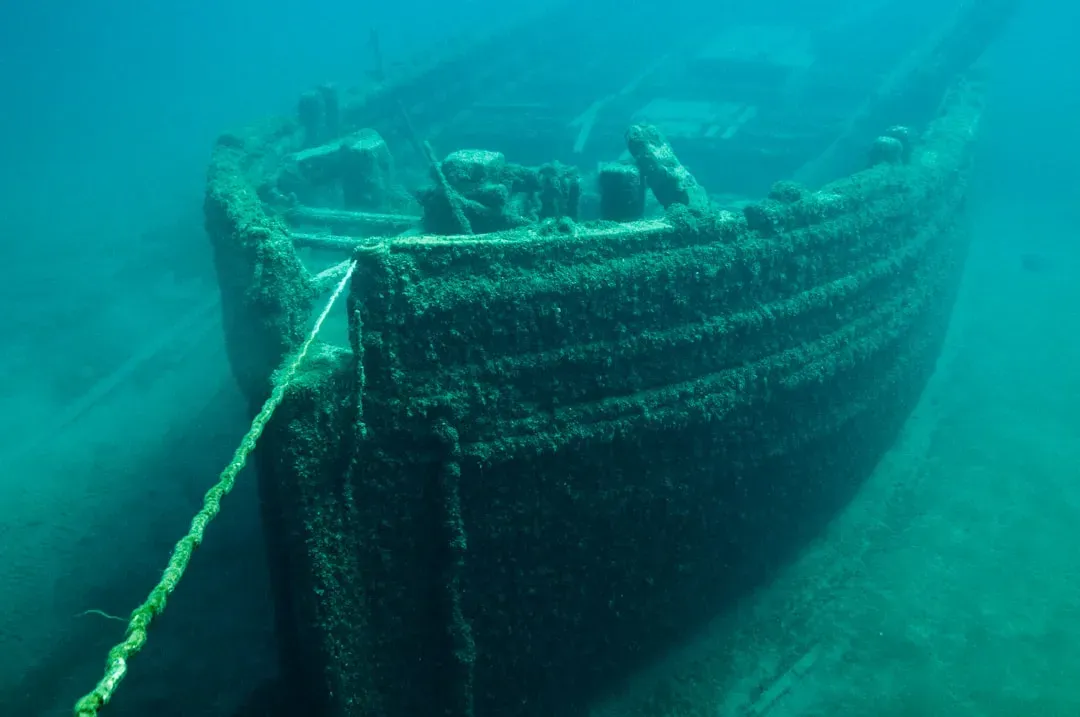
Asbestos was once sold as a miracle material: fireproof, cheap, and durable, so shipbuilders packed it into insulation, fireproofing, even floor tiles. By the late 20th century, everyone knew better – but some owners kept squeezing extra years out of asbestos-heavy ships by registering them under lenient “flags of convenience.”
- Asbestos fibers releasing as wrecks slowly break apart underwater
- Salvage crews disturbing materials without proper protective gear
In these cases, the cargo wasn’t even the worst part – the ship itself was the toxic hazard. These vessels should have gone straight to a carefully managed scrapping yard instead of back out on the cheapest available route, and now divers and coastal communities are left holding the consequences.
#13 – Passenger Liners Secretly Carrying Munitions
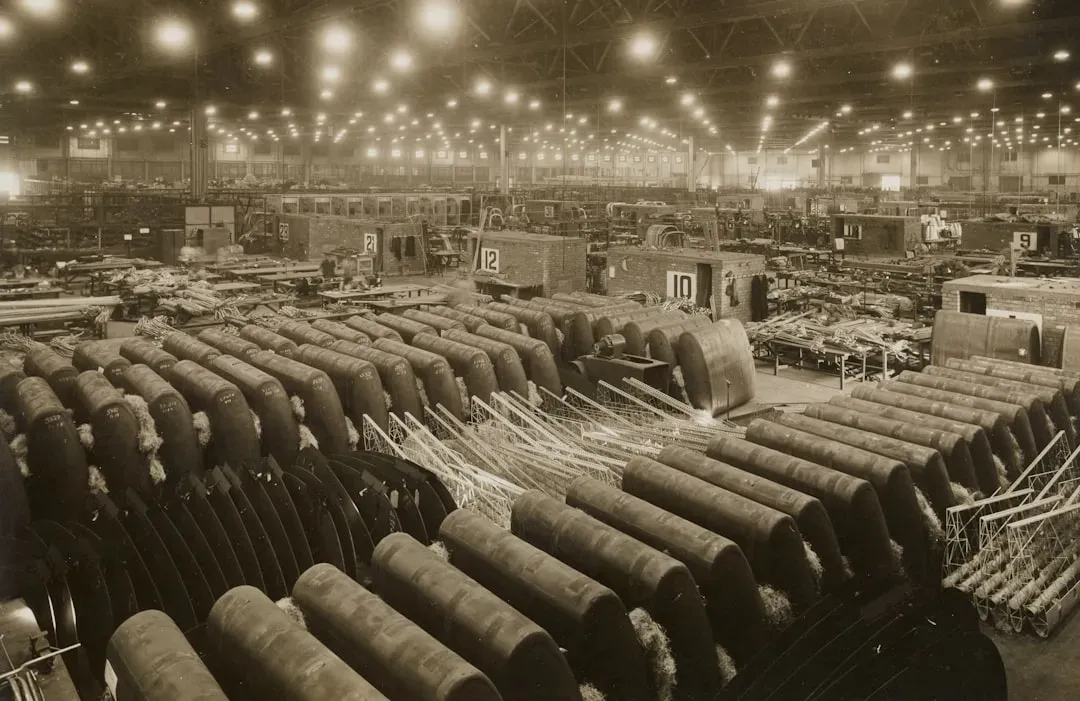
Some of history’s most controversial shipwrecks involve “civilian” liners that weren’t quite as civilian as their ticket sales suggested. In both World Wars, major liners carried small arms, ammunition, and sometimes far more serious war materiel in their holds, all while selling passage to ordinary families.
- Manifests left vague or incomplete about “defensive cargo”
- Governments downplaying the risk to avoid diplomatic fallout
When these ships sank, survivors and neutral nations felt understandably betrayed. Mixing civilians with military cargo turns a passenger liner into a legitimate wartime target – meaning some of history’s most mourned sinkings might never have happened, or at least never been so lopsidedly deadly, without that hidden freight.
#12 – Unregistered Fuel Caches for Covert Operations
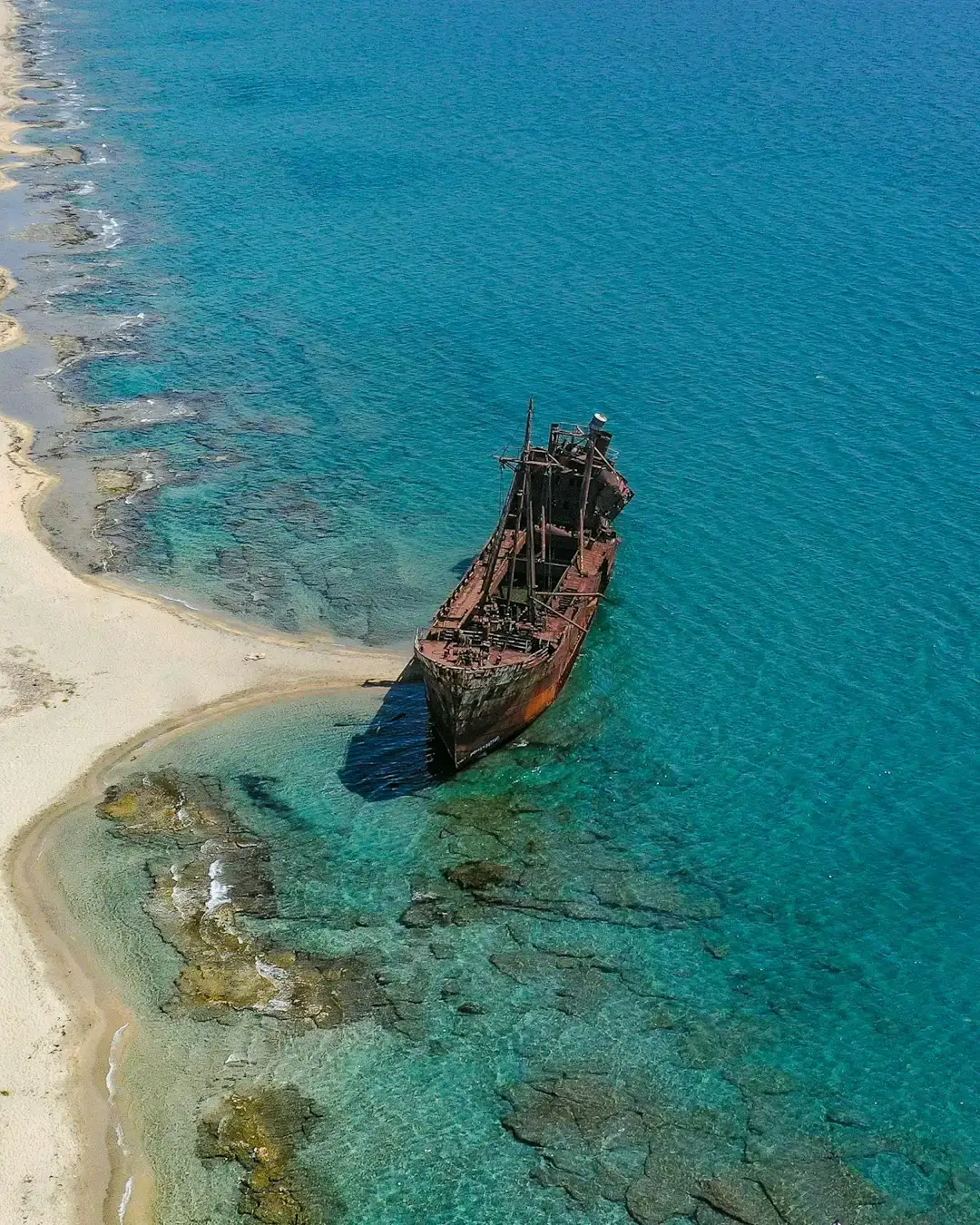
Not every ordinary-looking tanker was hauling fuel for sale. During the Cold War and beyond, some functioned as mobile gas stations for covert or sanctions-skirting operations, carrying unregistered fuel caches kept off the books so deniable missions could refuel quietly at sea.
- Tankers running with incomplete or manipulated tracking data
- Ownership chains tangled enough to make legal responsibility nearly untraceable
When these ships wrecked, cleanup turned chaotic fast, because nobody wanted to admit whose fuel it actually was. You can’t plan for a spill when the entire point of the voyage was to hide it – leaving coastal communities to absorb risks from operations they were never told existed.
#11 – Top-Heavy “Resort” Cruise Ships With Unstable Pools and Parks
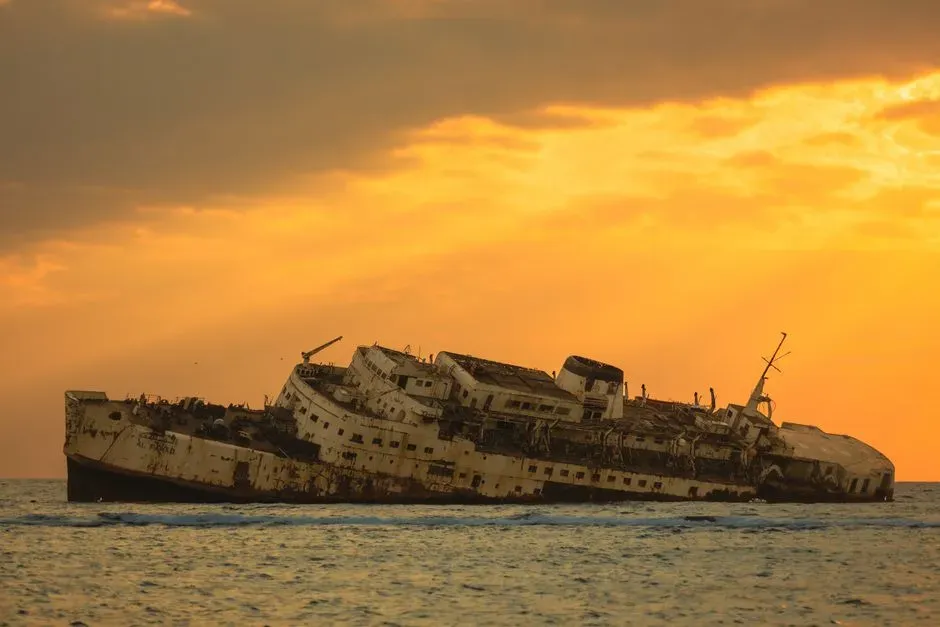
Modern cruise ships sell themselves as floating theme parks, complete with water slides, multi-deck pools, and even miniature roller coasters. Every ton of steel and water added high on a ship’s frame changes how it handles – and critics argue some lines pushed that limit by building top-heavy “resorts at sea.”
- Improvised ballast adjustments used to counteract upper-deck attractions
- Pools sloshing violently in rough weather, making the ship’s roll worse instead of better
Quick Compare
- Classic ocean liners: heaviest structures and ballast tanks kept low in the hull to help the ship right itself in rough seas.
- Modern megaships: build upward instead of outward, stacking water parks, entertainment decks, and rooftop attractions many stories above the waterline.
- The engineering trade-off: naval architects must recalculate a ship’s stability margin, known as metacentric height, every single time weight gets added above the design waterline.
Outright capsizes are rare, but the near-misses are telling. Naval architects have quietly admitted that some of these amenity decks should never have been stacked that high without far more conservative safety margins – meaning the “cargo” wasn’t containers at all, but thousands of unsuspecting passengers riding on a structural gamble.
#10 – “Research Equipment” That Looked a Lot Like Spy Gear

A handful of Cold War-era wrecks carried cargo listed as “oceanographic equipment” or “scientific instruments” – yet the actual hardware looked more like something out of a surveillance thriller. Towed listening arrays, specialized buoys, and cable systems with obvious military uses, all loaded under vague research charters.
- Gear built for long-range listening rather than basic ocean science
- Power and data systems far beyond anything a civilian project would need
When these ships sank, salvage crews sometimes found tech that flatly didn’t match the paperwork. Blurring the line between civilian research and espionage put crews and neutral waters into a dangerous gray zone – if intercepted, they’d have been written off as unlucky scientists, when in reality they were hauling classified hardware under painfully thin cover.
#9 – Migrants Treated as Cargo in Rusted Bulk Carriers
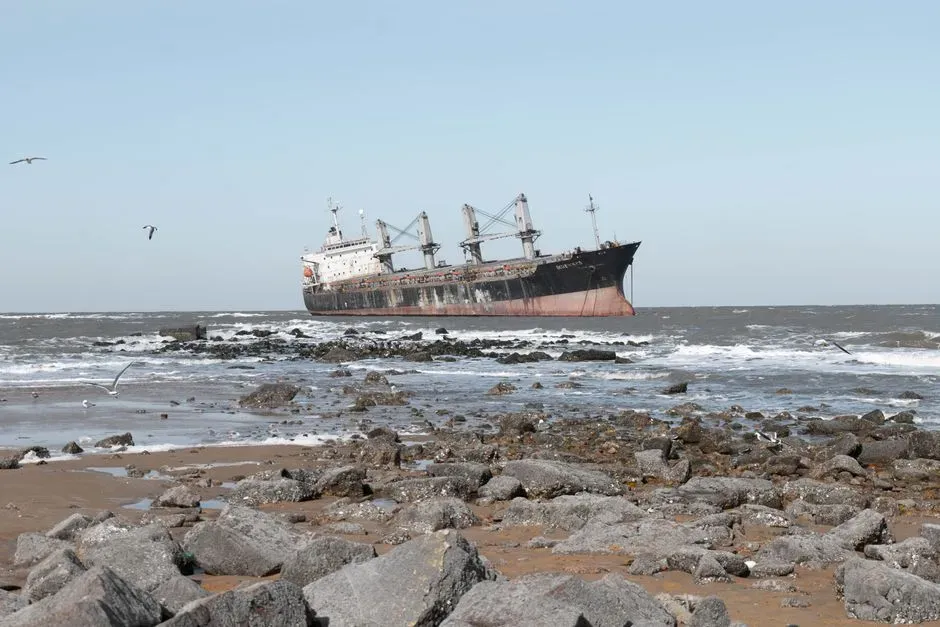
Public attention on migration disasters usually focuses on small, overcrowded boats. But some smugglers have packed hundreds of desperate people into old bulk carriers and freighters that were never certified to carry passengers at all – vessels barely seaworthy even when empty.
- People locked in interior holds with no way out in an emergency
- Almost no life jackets provided despite voyages lasting days or weeks
Worth Knowing
- The Missing Migrants Project, run by the International Organization for Migration, has recorded roughly Mediterranean 35,307 deaths on Mediterranean crossings alone since 2014.
- Globally, Missing Migrants Project has recorded the deaths of 81246 people since 2014 across every migration route it tracks, not just the Mediterranean.
- Many of these voyages leave no wreck at all to investigate – the people are simply never found, and the boat is never seen again.
When these ships wreck, the testimonies and bodies recovered reveal exactly how bad conditions were. These are human beings moved like clandestine cargo – cheap, hidden, and disposable to the people profiting from the voyage – and some of the deadliest wrecks of the past few decades fall into exactly this category.
#8 – Smuggled Cash and Gold Bypassing Entire Banking Systems
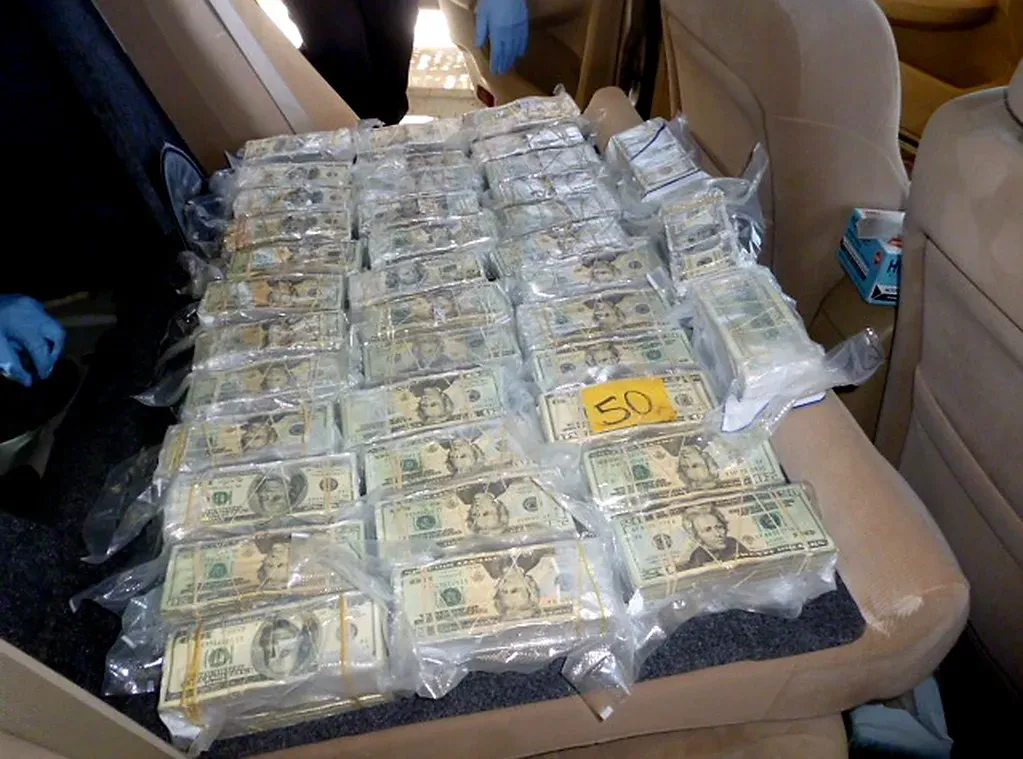
Picture shipboard treasure and you probably imagine an old Spanish galleon. In reality, modern freighters have been caught hauling duffel bags of cash, gold bars, and even pallets of banknotes meant to dodge sanctions, taxes, or currency controls entirely.
- “Diplomatic” crates conveniently exempt from inspection
- Cargo insured for suspiciously low amounts compared to its rumored real value
When a few of these ships sank, salvage rumors exploded – followed by very quiet recoveries or equally quiet denials. Moving physical wealth by sea lets powerful actors operate completely outside the normal financial system, and the wrecks themselves often become contested sites the moment multiple governments realize what might be sitting on the bottom.
#7 – Contaminated Food Shipped Overseas Anyway

Food recalls feel like a modern invention, but shipping unsafe food overseas is an old trick – it’s just gotten bigger in scale. In documented cases, grain, meat, and dairy known to be contaminated or spoiled was still loaded and sent abroad, with exporters betting it would become someone else’s problem on arrival.
- Grain with toxin levels above domestic limits, sold “for export only”
- Meat stored outside safe temperatures, then re-frozen and shipped anyway
When those ships wrecked, investigators sometimes found the truth waiting in soggy paperwork. Technically, this cargo was “legal” once it cleared minimal inspection – but ethically, it never should have left quarantine, and some researchers suspect tainted shipments like these quietly contributed to outbreaks that were never traced back to their real source.
#6 – Aging Oil Tankers Sailing Years Past Their Expiration Date
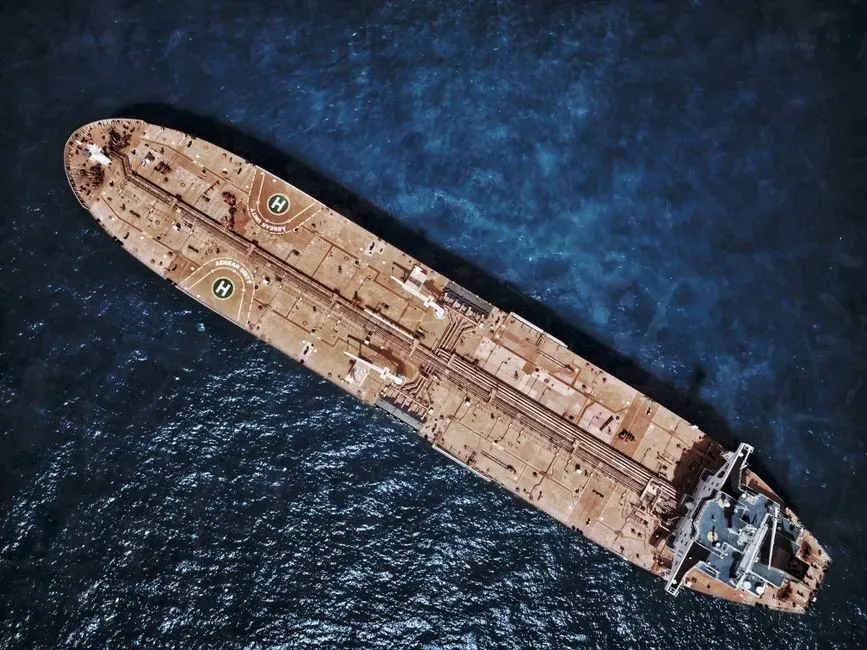
Plenty of infamous oil spills involve tankers that honestly should have been scrapped years earlier. To squeeze out a few more profitable runs, owners registered aging ships under lenient flags, patched the bare minimum, and sent them back out loaded with millions of barrels of crude.
- Steel plates thinned dangerously by years of corrosion
- Leak-detection and safety systems left bypassed or barely maintained
When these worn-out ships finally failed – usually from corrosion or structural fatigue – the “accident” was practically scheduled in advance. Oil is a perfectly legitimate cargo; putting it on a hull nobody could actually trust wasn’t. Every catastrophic spill in this category is really a story about a cost-cutting decision the ocean ended up paying for.
#5 – “General Cargo” That Was Actually Weapons Bound for Embargoed Zones
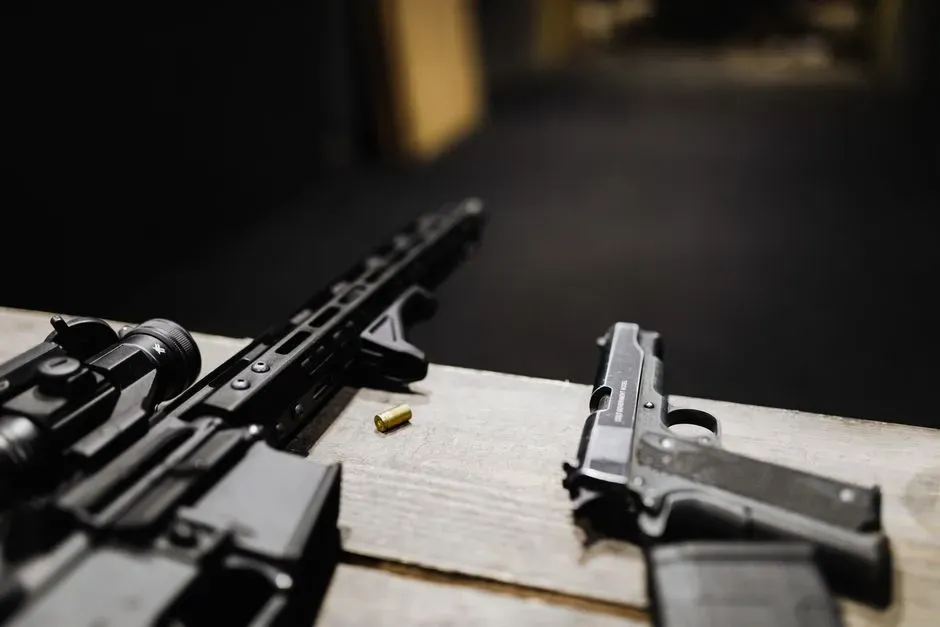
Some wrecks near conflict zones tell two completely different stories depending on whether you trust the paperwork or the hold. Manifests listed “machinery parts” or “agricultural equipment,” while the actual cargo turned out to be tanks, artillery pieces, small arms, and missiles headed straight into an arms embargo.
- Serial numbers on weapons systems filed off or deliberately obscured
- Crates labeled in ways that never matched their true contents or origin
When these ships sank in storms or collisions, divers sometimes surfaced unmistakably military hardware. This isn’t just a paperwork problem – illicit arms shipments prolong wars and fuel atrocities. A wreck like this isn’t maritime bad luck; it’s physical evidence of a geopolitical crime frozen at the bottom of the ocean.
#4 – Experimental GM Organisms Shipped Without Real Containment
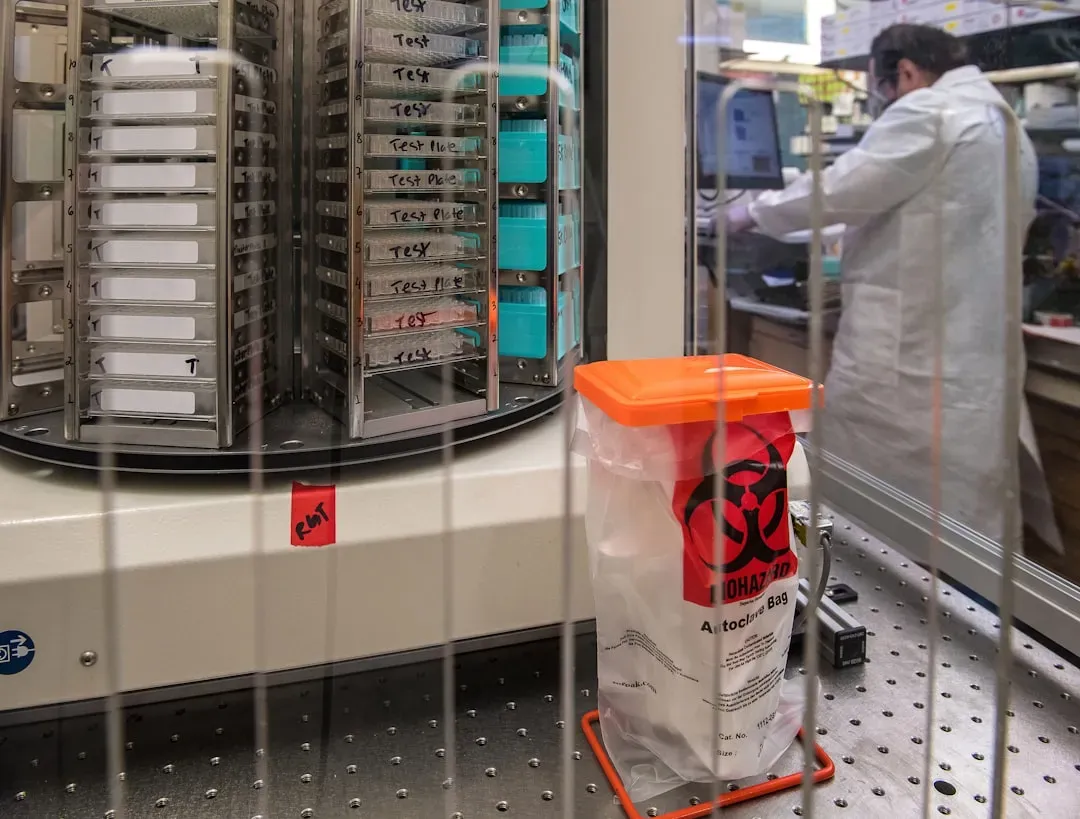
Most genetically modified organisms today are tightly regulated, but a handful of wrecks and near-misses tell an uneasy earlier chapter: experimental plants, insects, or lab-grown microorganisms shipped in bulk before anyone fully understood the long-term risk. Trial crop seeds, novel lab strains – moved overseas on the assumption that “low risk” meant “no risk.”
- Shipping containers never rated for immersion or long seawater exposure
- Shipments that skipped robust environmental review due to trade pressure
Not all GM cargo is dangerous – the real problem is rushing ahead of the safety protocols meant to catch mistakes. If a ship carrying untested biological material sinks near a sensitive ecosystem, there’s no clean way to predict or reverse whatever escapes. Some experts argue certain experimental loads simply shouldn’t leave a controlled facility, by sea or by any other route.
#3 – Undocumented Human Remains and Stolen Artifacts
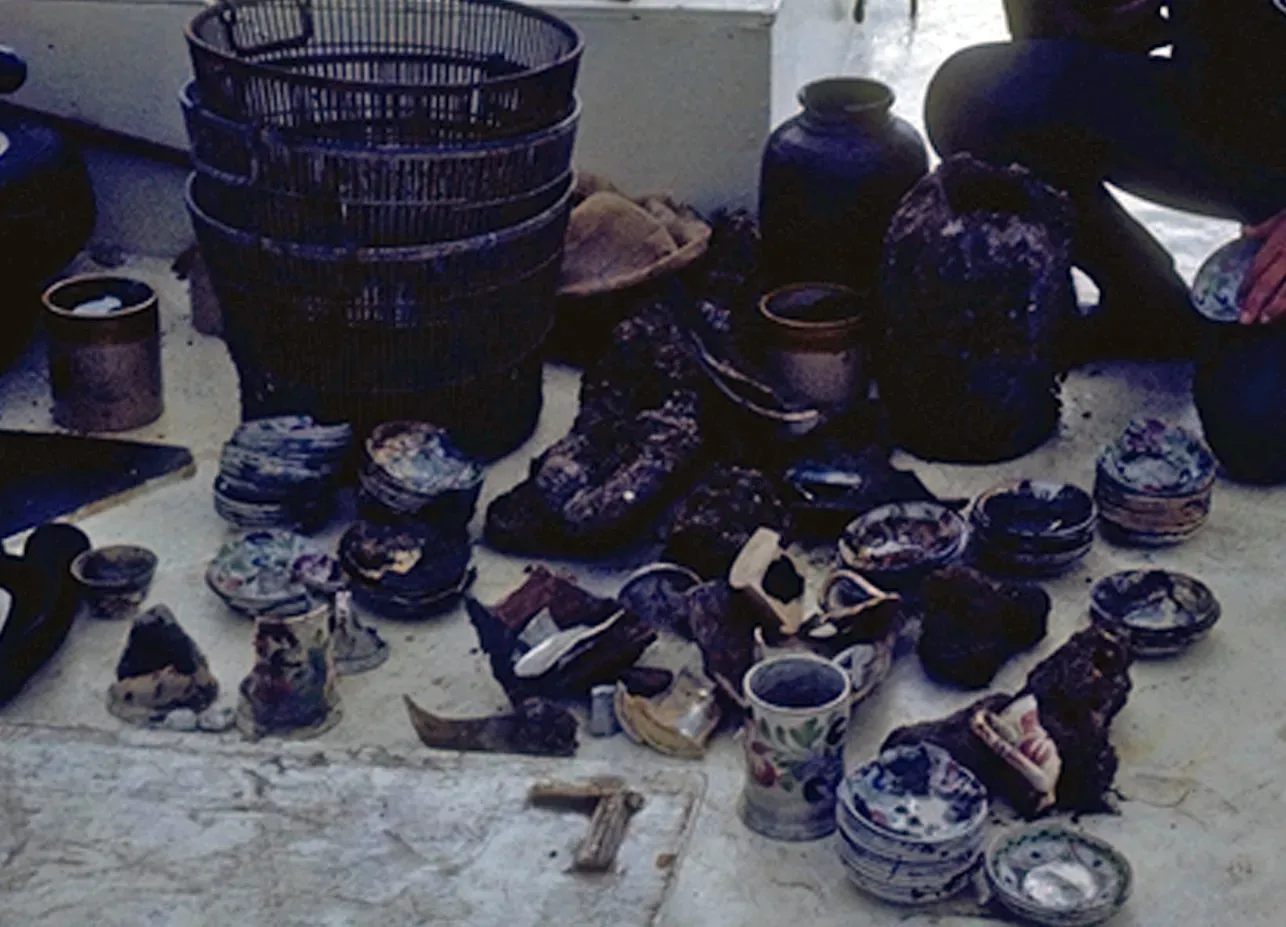
Grave robbery didn’t stay on land. Some ships have gone down carrying stolen cultural artifacts and even human remains, packed in crates with deliberately euphemistic labels for private collectors or shady institutions willing to look the other way.
- Bills of lading listing “stone carvings” with no origin whatsoever
- Insurance paperwork treating priceless items as generic “antique goods”
When archaeologists later explored these wrecks, they found sarcophagi, religious icons, and human bones that clearly never had legitimate export permission. Whole communities lost ancestors and heritage to illegal trade, only for those items to rot in seawater instead of resting where they belonged – and the legal battles over who owns these wrecks are still raging in courts today.
#2 – Disguised Nuclear Material for Unsanctioned Programs
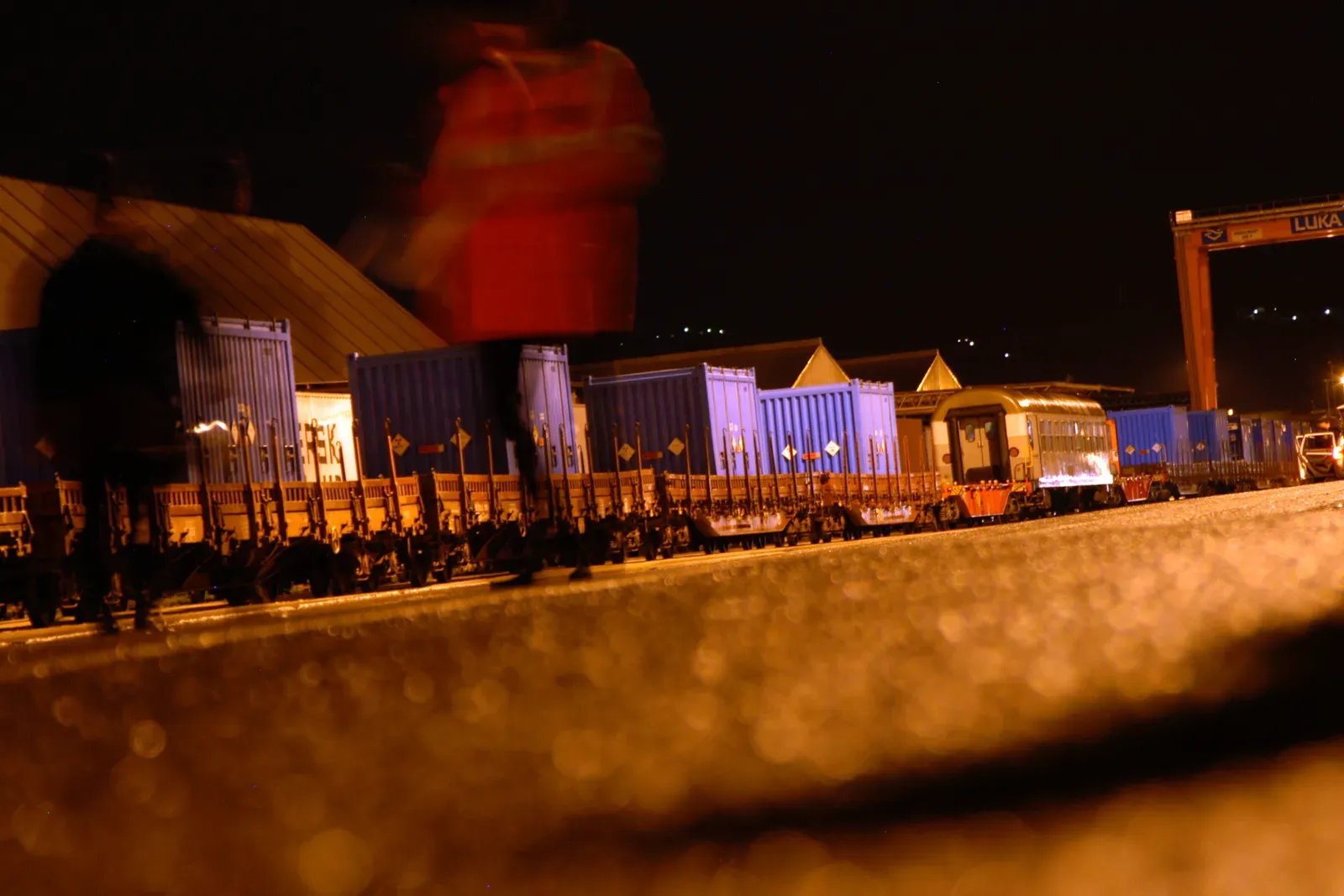
The most chilling cargo a ship can carry isn’t gold or guns – it’s nuclear-related material headed somewhere it was never supposed to go. A small number of intercepted or suspicious shipments have involved dual-use nuclear items: specialized metals, enrichment components, or undeclared radioactive sources meant for programs dodging international oversight.
- Manifests using vague technical jargon instead of precise nuclear terminology
- Ownership structures built specifically to keep major players at arm’s length
When something goes wrong at sea with cargo like this, everyone involved suddenly develops amnesia. Even in small quantities, the stakes are enormous – a single successful shipment can accelerate a weapons program or unravel years of non-proliferation work that took decades to build.
#1 – People Who Never Knew They Were the Real Cargo
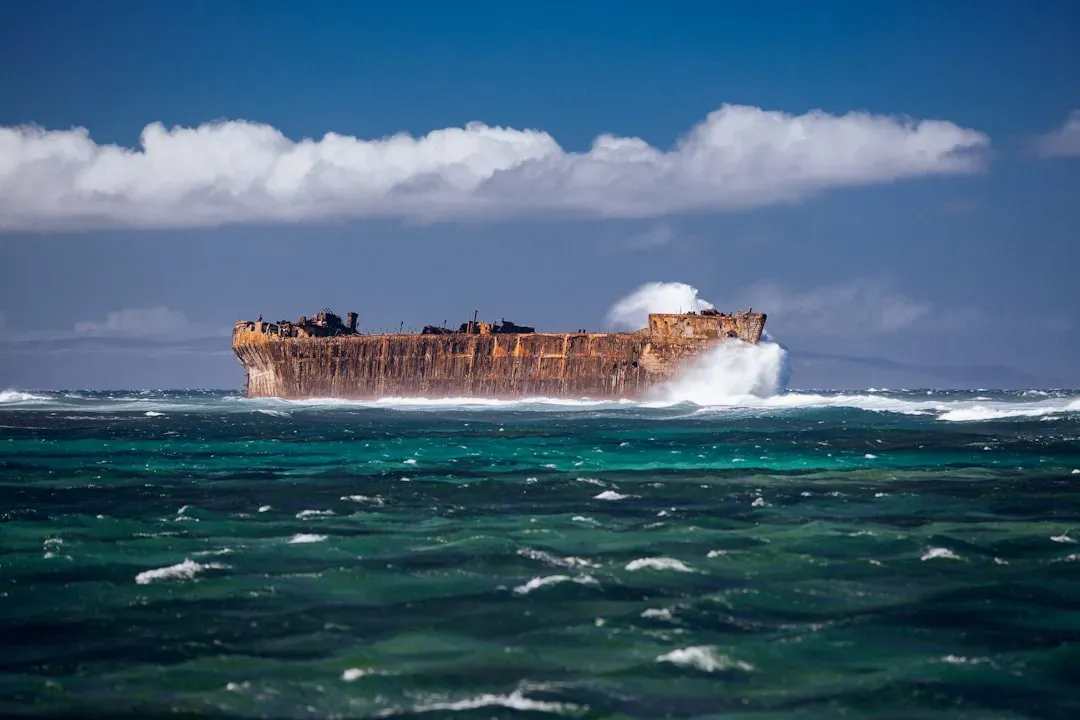
The most disturbing shipwrecks on this entire list aren’t about barrels, crates, or containers at all. They’re about voyages where the true cargo was people – workers, soldiers, migrants – treated as expendable line items on somebody else’s balance sheet.
- Lifeboats and life jackets provided for only a fraction of everyone aboard
- Owners and authorities knowingly ignoring capacity limits and weather warnings
At a Glance
- MV Doña Paz (1987): although the Doña Paz was only registered to carry 1,518 passengers, off-the-books ticket sales and poor record-keeping meant that almost three times that number were likely on board, and a 1999 government report estimated the total death toll at 4,385 people.
- Titanic (1912): Titanic is the most famous shipwreck for over 100 years, but its death toll was only one third of the world’s deadliest shipping accident – the Doña Paz.
- Only 24 survivors: only 24 people survived from the 58 crew and estimated 4,342 passengers on board the Doña Paz.
Overcrowded troopships, under-equipped labor transports, and chaotic evacuation vessels have repeatedly sailed with far more souls aboard than they could safely carry, just to save time or money. When they went down, the official statements always talked about tragedy and fate. The unspoken truth is harsher: the dead were packed in because someone decided their lives were cheaper than running an extra voyage.
The Bottom Line
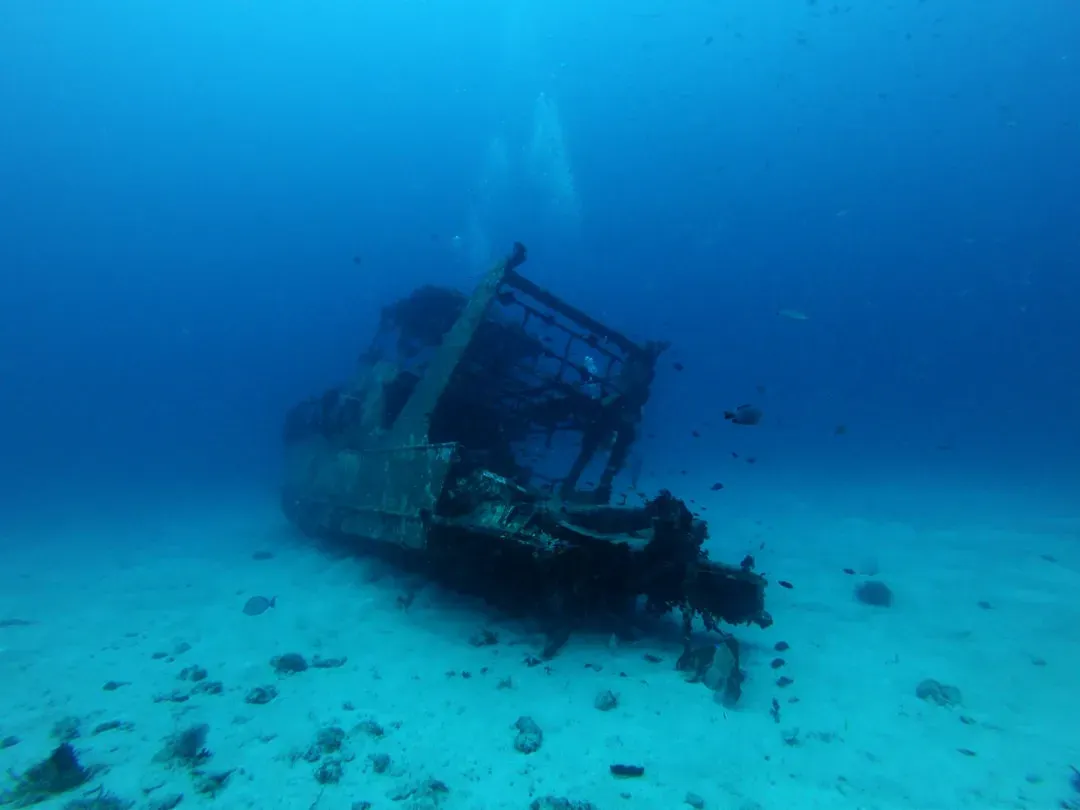
Look closely enough at shipwrecks and you stop seeing “acts of God” and start seeing acts of calculated risk. Toxic waste, chemical weapons, illegal wildlife, hidden weapons, human beings crammed into rusted hulls – the pattern repeats itself with uncomfortable consistency: cargo that never should have left dry land, riding on ships that were never fit to carry it.
What’s most unsettling isn’t the history – it’s the timeline. This isn’t just old galleons and forgotten wars. Some of these stories involve tankers, freighters, and cruise ships still sailing routes today. Regulations have improved since the worst of these cases, sure, but the loopholes are still wide enough to sail a supertanker through, and somebody, somewhere, is still betting that nobody checks the hold closely enough.
If there’s one lesson worth keeping from all 21 of these wrecks, it’s this: the ocean doesn’t ask permission before exposing bad decisions – it just waits. And if history is any guide, it’s still waiting on a few more.