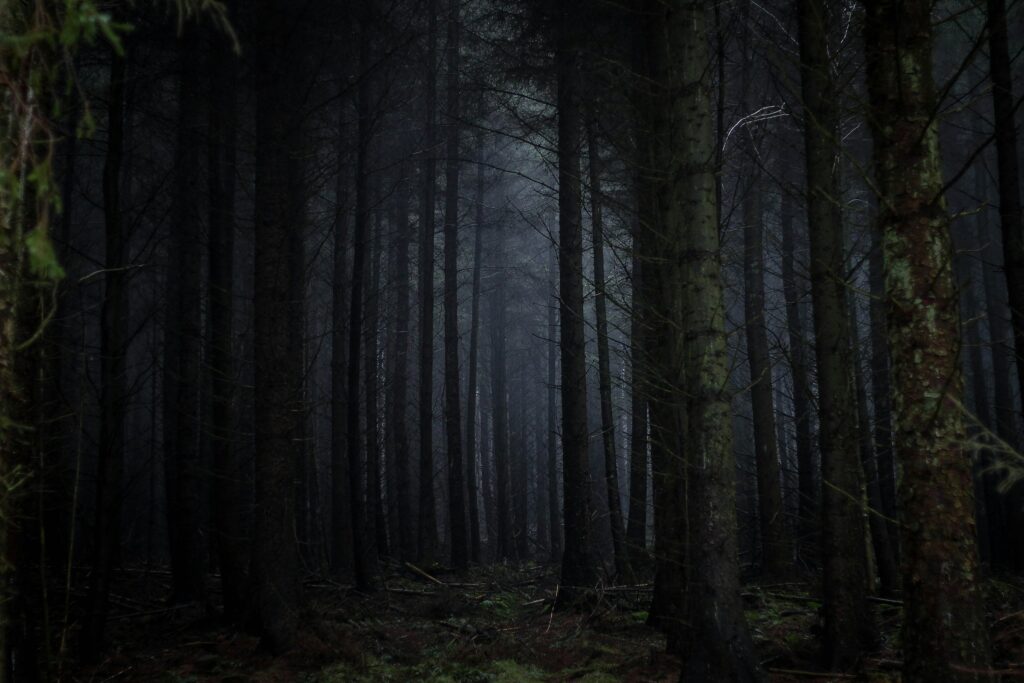

You step off the lit road and into the trees, and suddenly everything feels different. The air seems thicker, every sound is sharper, and even if you know there are just deer and wind around you, your heart beats like you are being watched. This reaction is not you being dramatic or childish; you are brushing up against fears that have been wired into human minds for a very long time.
When you walk through a dark forest, you are not only moving through space, you are also walking backward through time, into conditions your distant ancestors knew all too well. No streetlights, no walls, no easy escape, just darkness and the unknown. That ancient world is still stored somewhere inside you, and in the trees at night, it wakes up.
The Ancient Brain That Still Lives Inside You
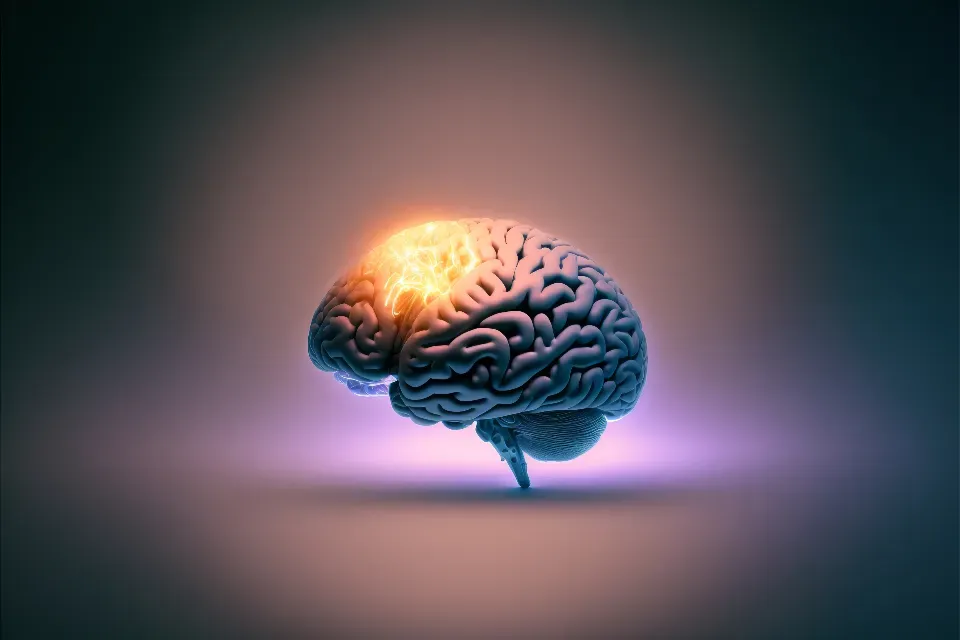
When you step into a dark forest, the part of your brain that reacts first is not the calm, rational voice that plans your week and answers emails. It is the older, deeper part that evolved to keep you alive when you had no house, no phone, and no police to call. This inner system treats the forest like enemy territory, full of possible threats you cannot see yet.
You feel this as a flood of alertness: your breathing changes, your muscles tense, and you may suddenly feel very small and exposed. You might tell yourself that there is nothing to fear, but your body behaves as if it remembers a time when a rustle in the bushes could be a predator and not just a squirrel. In that sense, the dark forest turns you into a time traveler, forced to operate with a brain that was built for survival, not comfort.
Darkness, Vision, and Why Your Imagination Goes Wild
Humans rely heavily on sight, and darkness quietly strips that away from you. In a forest at night, your vision shrinks to a narrow cone, and everything beyond that feels like a blank page that anything could step onto. Your mind hates empty spaces, so it fills them, often with the worst possibilities it can imagine.
Every shadow becomes a shape, every moving branch could be a figure, and you may find yourself staring at one spot, convinced something is standing there. You are not just being silly; your brain is trying to predict danger with incomplete information. For most of human history, assuming the worst in the dark was safer than shrugging it off, and you still carry that survival bias every time the light fades and the trees close in.
How Your Body’s Alarm System Hijacks a Quiet Walk
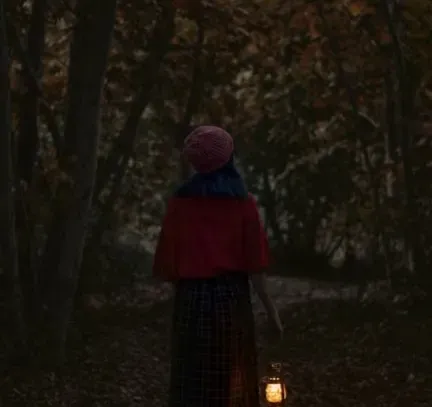
In a dark forest, your nervous system quietly flips from relaxed mode into high alert, even if you went in just for a calming night walk. Your heart can start to pound faster, your breathing can go shallow, and your senses feel oddly sharpened, as if your whole body is leaning forward, listening. You might not consciously feel afraid at first, but your body is preparing you to run, fight, or freeze.
This is your built‑in alarm system, a chain of reactions that helped your ancestors survive real, physical threats like predators and hostile strangers. The forest at night mimics those conditions so well that your body reacts as if history is repeating itself. You may step onto the path thinking about your day, and a few minutes later realize you have become quietly convinced that something might be behind you, even though you have seen nothing at all.
The Forest as a Stage for Your Deepest Archetypal Fears
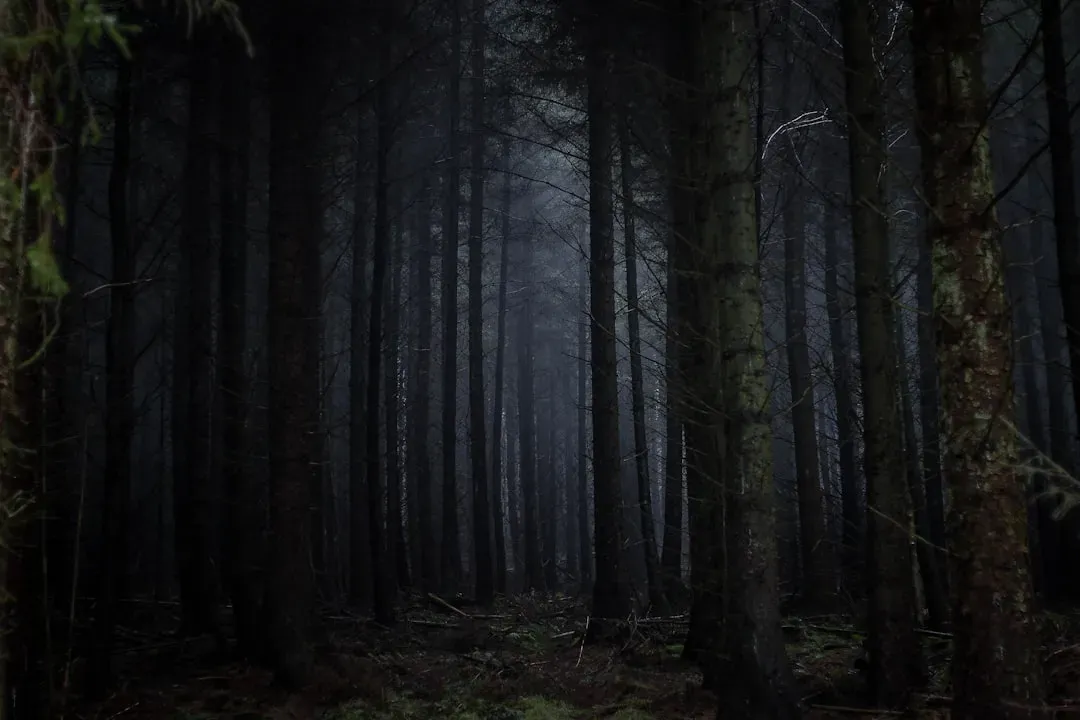
Even if you have never had a bad experience in the woods, stories about dark forests have surrounded you since childhood. Fairy tales, myths, and legends often use the forest as a symbol of the unknown, a place where rules break down and strange things happen. When you walk among the trees at night, you are stepping into the same setting that has held humanity’s nightmares and moral lessons for centuries.
Your mind remembers this symbolism, even if you do not think about it consciously. The dark forest becomes more than just trees; it turns into a stage where your oldest inner characters show up: the monster, the trickster, the lost wanderer, the invisible watcher. You may not see anything unnatural, but the mood of those stories clings to the branches and shadows, and you feel it in the way your skin prickles and your thoughts grow uneasy.
Being Watched: The Primal Terror of Invisible Eyes
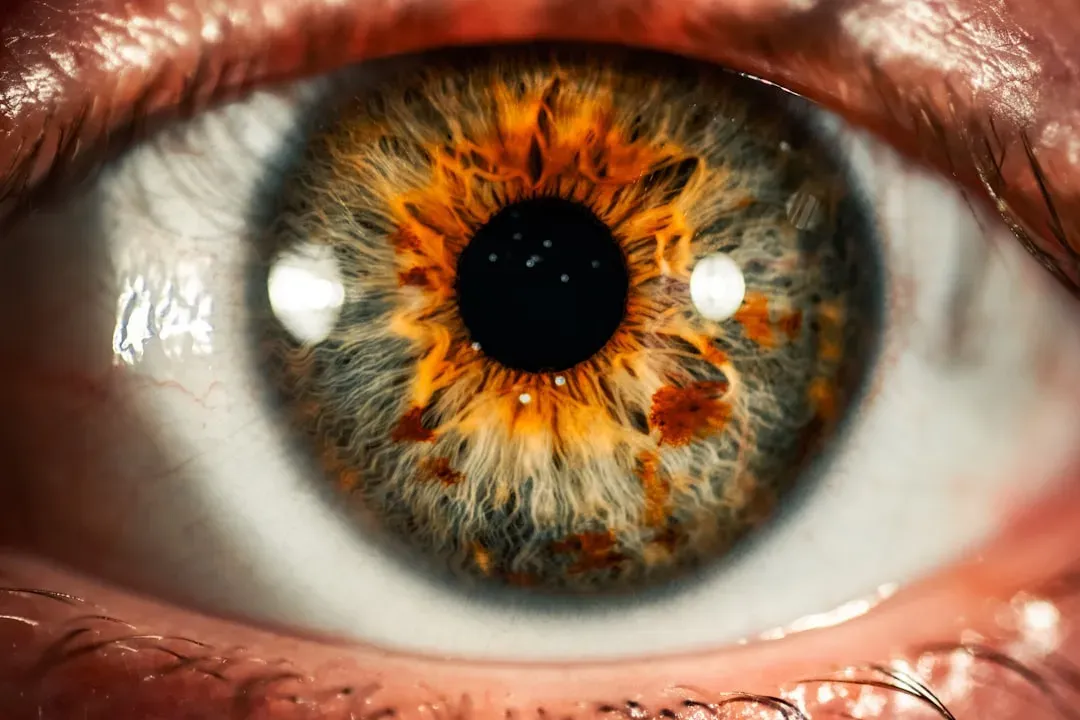
One of the most unsettling sensations you can feel in a dark forest is the sense that you are being watched. You turn around, scan the trees, and see nothing, but the feeling does not quite go away. This reaction taps into a very old survival need: to detect other beings before they detect you, especially if they might harm you.
Your brain has become very good at catching small signs that someone else might be nearby – a broken twig, a sudden silence, a shift in the wind – and then turning those hints into a feeling. In a forest at night, those clues are fuzzy and half‑hidden, so your mind fills in the gaps with the possibility of eyes in the dark. You may know that statistically it is probably just animals and insects around you, but your older instincts refuse to fully accept that comfortable conclusion.
Predators, Prey, and the Echo of the Food Chain
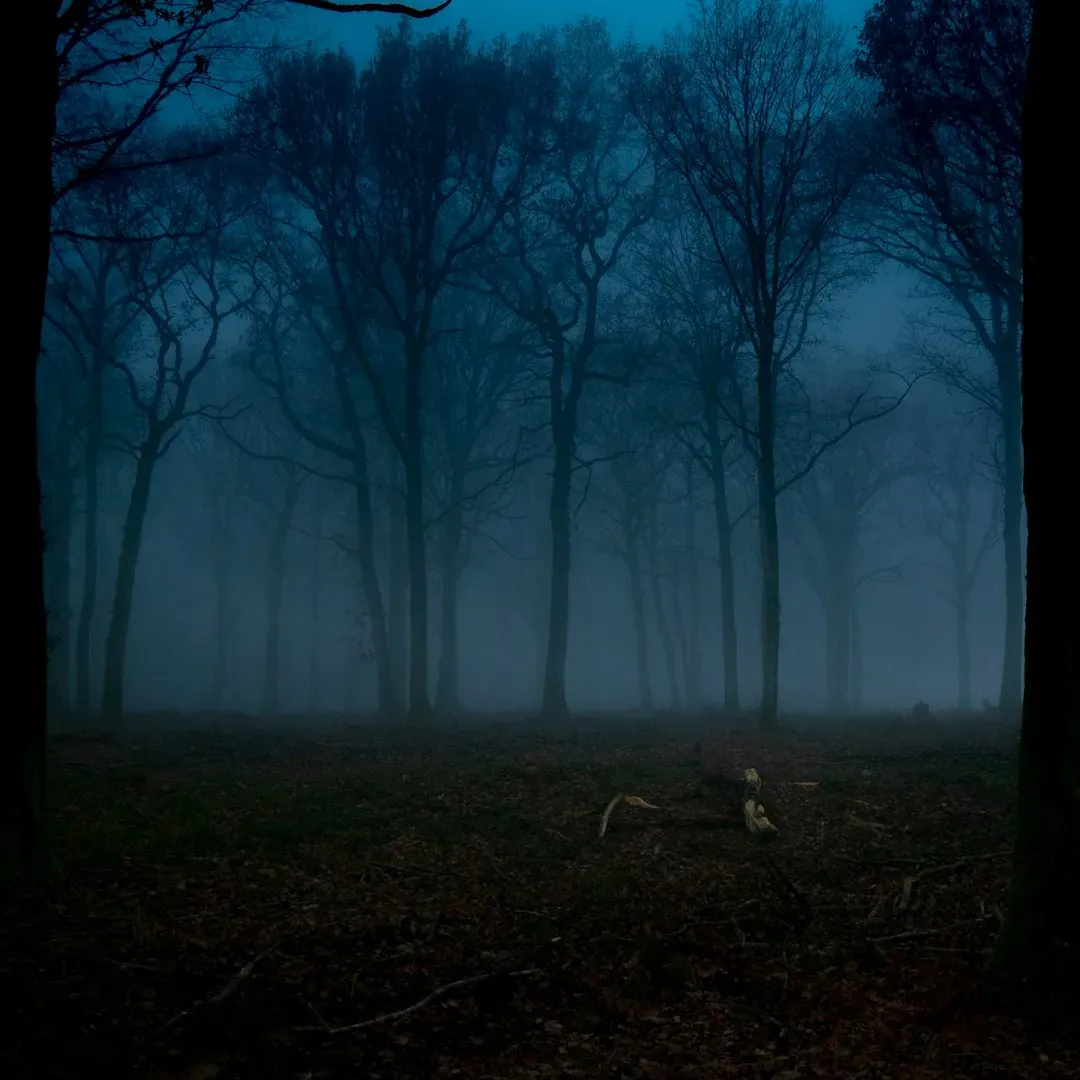
For most of human history, you would not have been at the top of the food chain when the sun went down. Large predators, hostile groups, and dangerous animals were not abstract ideas; they were part of everyday risk. Walking through a dark forest today quietly reminds your body of that older role, not as a protected citizen, but as a vulnerable creature among many others.
Even if the most dangerous thing in your nearest woods now is a raccoon, your instincts were shaped in harsher environments. The rustling you hear might logically be nothing serious, but your inner system still considers the possibility of something bigger and more dangerous. In that moment, you are not just a modern person out for exercise; you are also the distant descendant of people who survived by assuming the worst whenever they could not see what was out there.
Isolation, Silence, and the Fear of Being Completely Alone
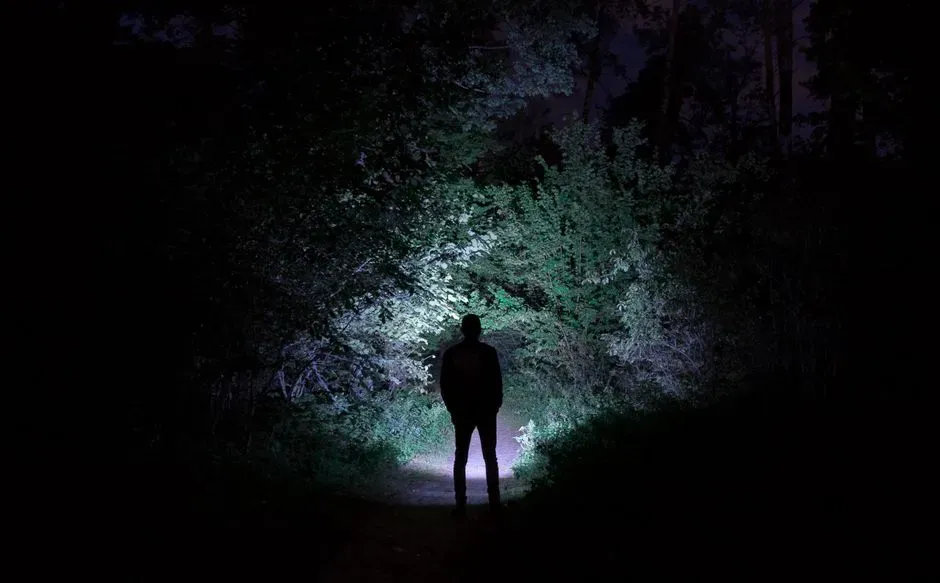
Dark forests do not only scare you with what might be hiding; they also confront you with the feeling of being truly alone. When you leave behind streetlights, houses, and traffic noise, you step into a kind of silence and isolation that most modern life protects you from. Suddenly there is no crowd, no quick help, no instant way to call for rescue that feels guaranteed.
This isolation touches a very old vulnerability in you, the awareness that as a single human in the wild, you are fragile. You might feel a mix of awe and unease, like the forest is both beautiful and slightly indifferent to your presence. In that space, your thoughts can turn dark easily, and you may find forgotten worries and half‑buried fears rising up, as if the quiet gives them permission to speak louder.
Why Facing the Dark Forest Can Actually Strengthen You
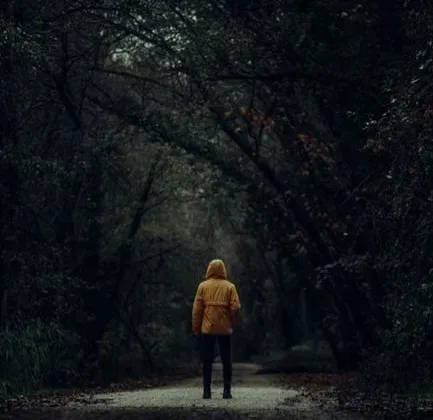
As unsettling as a night walk in the woods can feel, there is also something strangely powerful about facing it. When you push yourself to keep going, listen carefully, and notice your fear without running from it, you are learning to live with parts of yourself you usually avoid. You start to see that you can be scared and still move forward, and that realization can spill over into the rest of your life.
You may come out of the forest with your heart still beating fast, but also with a quiet pride that you did not turn back at the first crack of a twig. Over time, these experiences can teach you that your ancient fears do not have to control you, even though they will always be there. The forest becomes less of a haunted place and more of a mirror, showing you both your fragility and your resilience at the same time.
Conclusion: Walking With Your Oldest Fears, Not Against Them
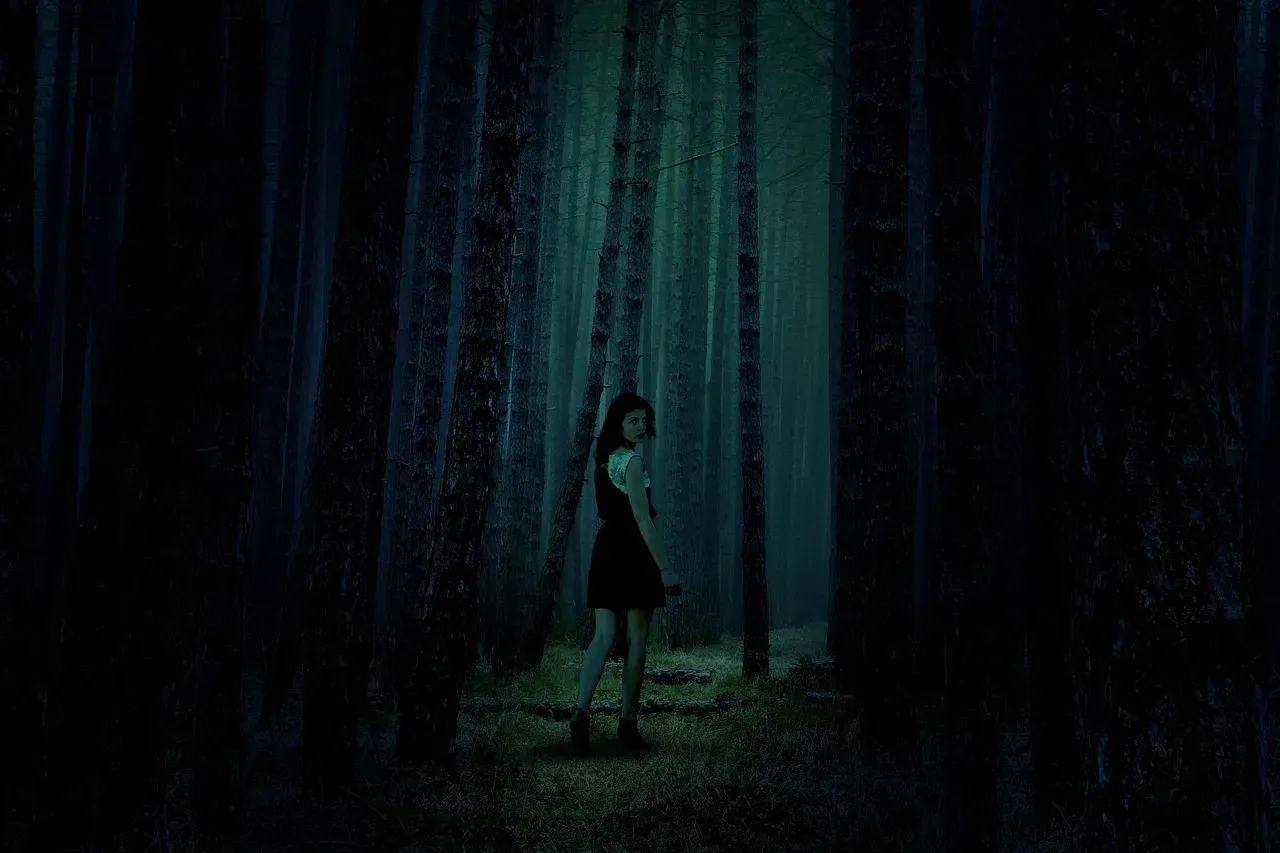
When you walk through a dark forest, you are not just spooking yourself for no reason; you are entering a setting that presses every ancient survival button you have. Darkness narrows your senses, the unknown stretches your imagination, and silence reminds you how small and exposed one person can feel. All of this pulls up fears that were shaped long before cities, screens, or electric light existed.
If you let yourself really notice what happens inside you out there – the quickened breath, the racing thoughts, the urge to hurry – you can start to understand just how deep your instincts run. You are not weak for feeling afraid; you are simply human, carrying a very old inheritance through very modern shoes. The next time you step onto a shadowy path between the trees, you might ask yourself: are you just walking into the forest, or is something far older also waking up and walking with you?