
Most people assume museum curators are the last line of defense against fakes – trained experts with X-ray machines, carbon-dating labs, and decades of scholarship standing between the public and a forgery. Turns out that defense has failed spectacularly, again and again, sometimes for over a hundred years at a stretch.
From gold death masks to gemstone skulls, some of the most famous “ancient” objects on Earth were quietly debated, defended, and displayed as authentic long after serious doubts first surfaced. Here’s what forensic science, stubborn skeptics, and modern spectroscopy actually revealed once someone finally looked closely enough – and why it took institutions so painfully long to admit it.
#11 – The Getty Kouros: A $9 Million Statue Nobody Can Prove Is Real
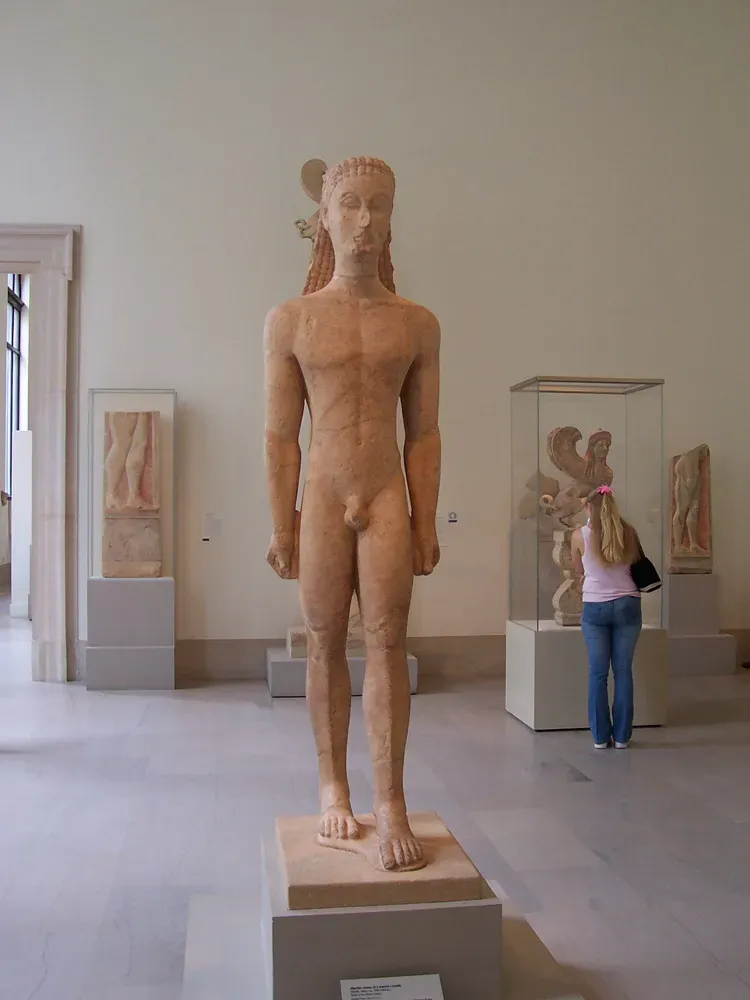
In 1983, a Swiss dealer offered the J. Paul Getty Museum a marble kouros – a statue of an idealized Greek youth. Curators spent fourteen months testing its authenticity and legal history before finally handing over somewhere between seven and nine million dollars. That should have been the end of the story.
Instead, it kicked off a controversy that has now dragged on for more than four decades with no resolution in sight. A letter supposedly written by German scholar Ernst Langlotz in 1952, claiming the statue came from an old Swiss collection, turned out to be a forgery – it used a postal code that didn’t exist until the 1970s. Then in 1990, a scholar discovered a fake kouros torso carved from the exact same block of marble, apparently produced in a Rome workshop just a few years before the Getty’s purchase. Today the statue sits in storage, its label reading, almost apologetically, “Greek, about 530 B.C., or modern forgery.” That kind of institutional hedging is nothing compared to what happened with #10.
Fast Facts
- Acquired in 1983 for roughly $7–9 million after 14 months of vetting
- A key provenance letter was exposed as fake because of an anachronistic postal code
- A matching forged torso from the same marble block surfaced in 1990
- Current museum label still reads “Greek, about 530 B.C., or modern forgery”
#10 – Piltdown Man: The “Missing Link” That Was Actually a Prank

In 1912, amateur archaeologist Charles Dawson claimed he’d found a big-brained, ape-jawed skull in a gravel pit outside a small English village. Scientists didn’t just accept it – they built entire careers on the idea that it was the missing evolutionary link between apes and humans.
This fake fooled the scientific establishment for over 40 years before anyone seriously questioned it. The unraveling didn’t come until 1953, when fluorine-dating tests revealed the skull was genuinely ancient – but the jawbone was recent, almost certainly from an orangutan. A 2016 genetic re-investigation confirmed the fraud used a single orangutan specimen paired with at least two different human skulls. What’s wilder is that the culprit was never definitively caught, and the mystery still gets debated by historians of science today. But that scandal is small potatoes next to #9.
#9 – The Metropolitan Museum’s Etruscan Warriors: Giants Built From Modern Clay
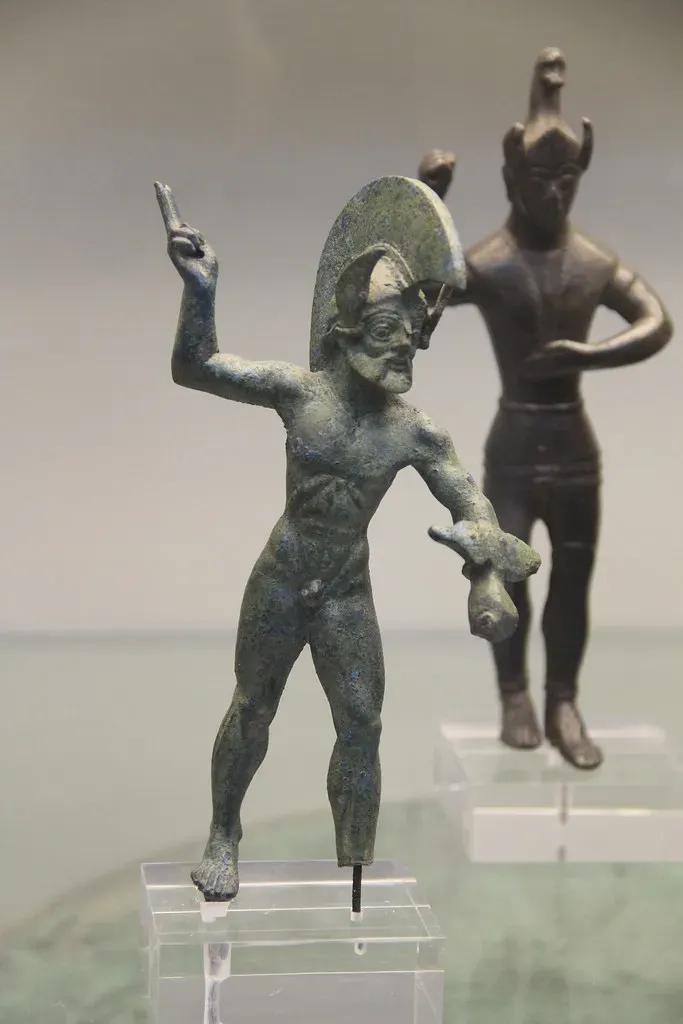
The Metropolitan Museum of Art acquired three oversized terracotta warrior statues in pieces during the early twentieth century, marketing them as rare survivors of a lost Italian civilization. Museum visitors marveled at their imposing scale for decades, never questioning why complete, life-sized Etruscan sculpture – almost unheard of anywhere else – had conveniently turned up all at once.
The truth surfaced only after chemists tested the glaze and found a manganese compound ancient Etruscan potters simply never had access to. Investigators traced the forgeries to a family of Italian craftsmen who’d been quietly supplying wealthy American collectors with fabricated “antiquities” for years. The Met pulled the warriors from display once the fraud was confirmed, a quiet retreat that still embarrasses the institution. Critics argue museums rarely publicize these takedowns because admitting the mistake damages donor confidence more than the forgery itself ever did – a pattern that repeats itself with #8.
#8 – The Vinland Map: Yale’s “Oldest Map of America” Wasn’t Even Old
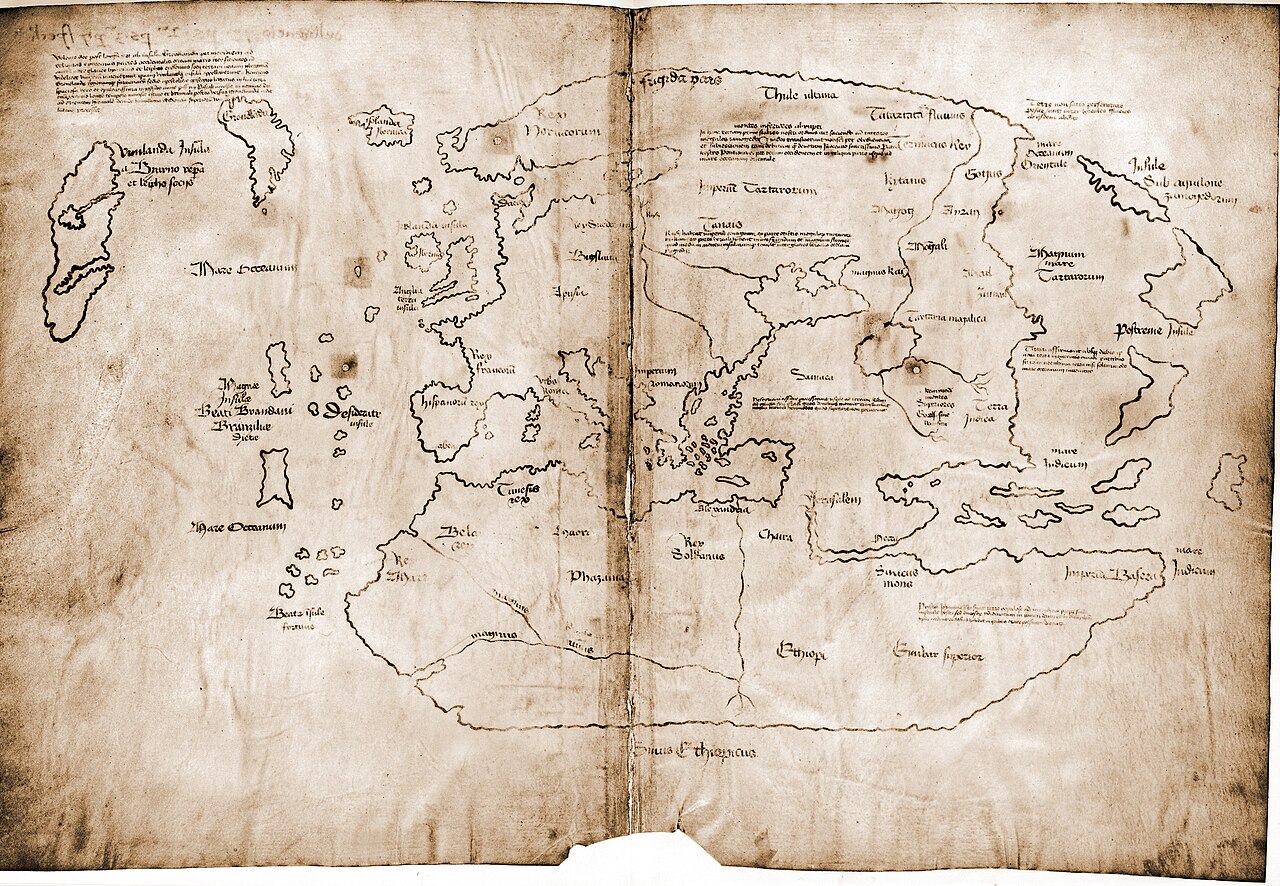
In 1965, Yale University unveiled a map it called the most important cartographic discovery of the century – supposedly compiled around 1440, roughly 50 years before Columbus ever sailed west. It made the front page of the New York Times.
The problem? Researchers at McCrone Associates ran their own tests and declared it a forgery in 1973, less than a decade after its big debut. Institutional pride kept the fight alive anyway, and the battle over its authenticity dragged on for another 48 years.
It went on and on, like a tennis match over 20 years or more.
Smithsonian curator
It wasn’t until 2021 that a definitive study using X-ray fluorescence and Raman microspectroscopy found modern synthetic pigment and modern ink woven throughout the parchment, finally ending the scientific dispute. Here’s an unpopular opinion: Yale’s decades-long refusal to fully retire the map probably did more damage to public trust in expert consensus than the forgery itself ever did. Speaking of objects that outlasted skepticism, wait until you see #7.
#7 – The Crystal Skulls: Mystical Aztec Relics Made in a German Gem Shop
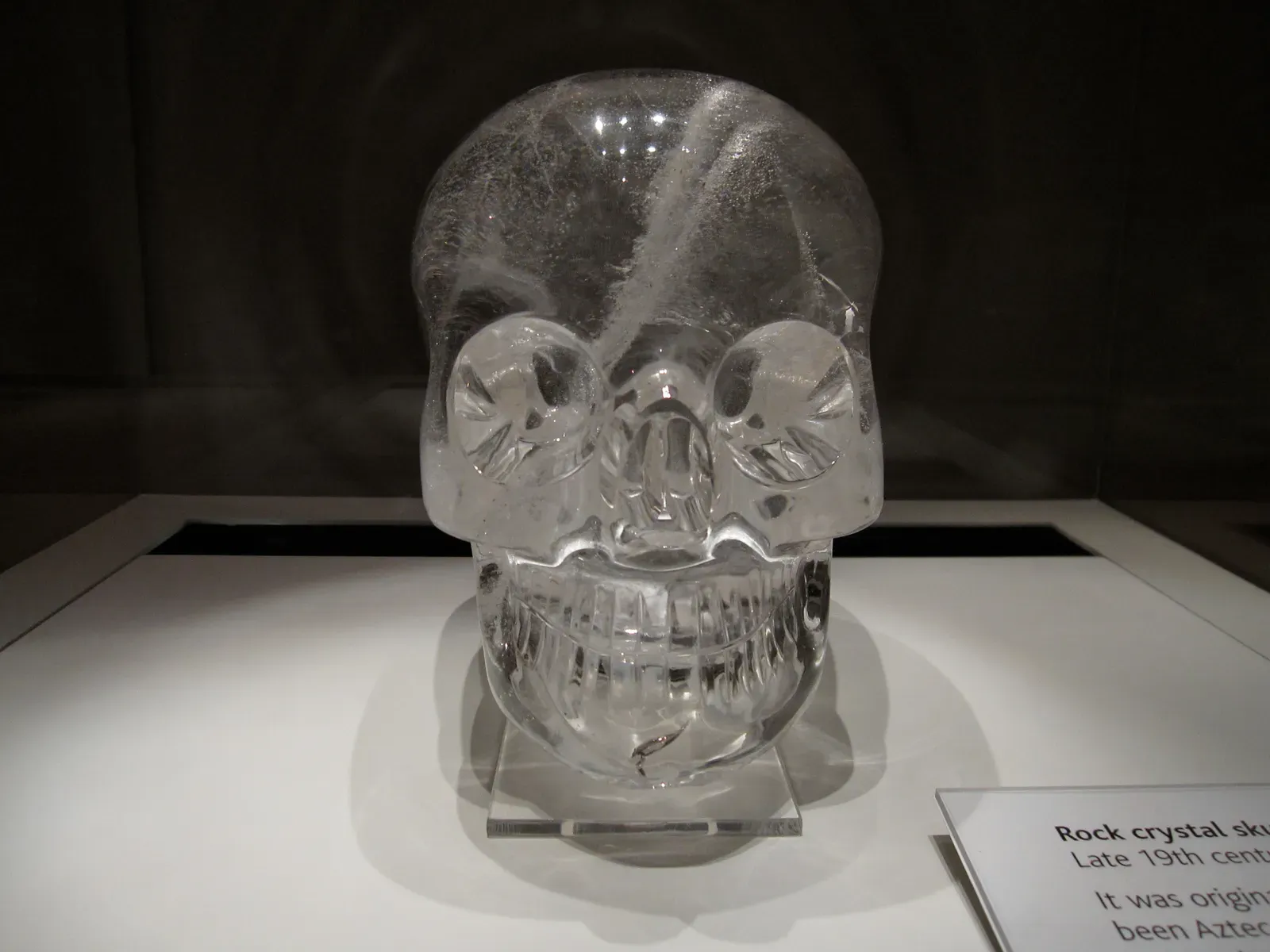
Crystal skulls began circulating through European collections in the mid-1800s, sold by dealers who swore they were pre-Columbian treasures. Historians and archaeologists side-eyed them for nearly a century, yet the skulls stayed in museum collections, displayed as genuine relics of Aztec or Mixtec spiritual life.
Almost 100 years passed before anyone ran a serious forensic test. When researchers finally did, the results were damning: under magnification, the skulls showed tool marks from a synthetic abrasive that didn’t exist until the mid-20th century’s stone-carving workshops. Evidence now points to manufacture in Germany starting in the 1850s, likely tied to gemstone workshops feeding Europe’s appetite for “exotic” curiosities. It’s a sharp reminder that a beautiful object and an ancient one are not the same thing – a lesson that hits even harder in #6.
#6 – The Antikythera Mechanism: A “Simple” Gear Box That Was Secretly a Supercomputer
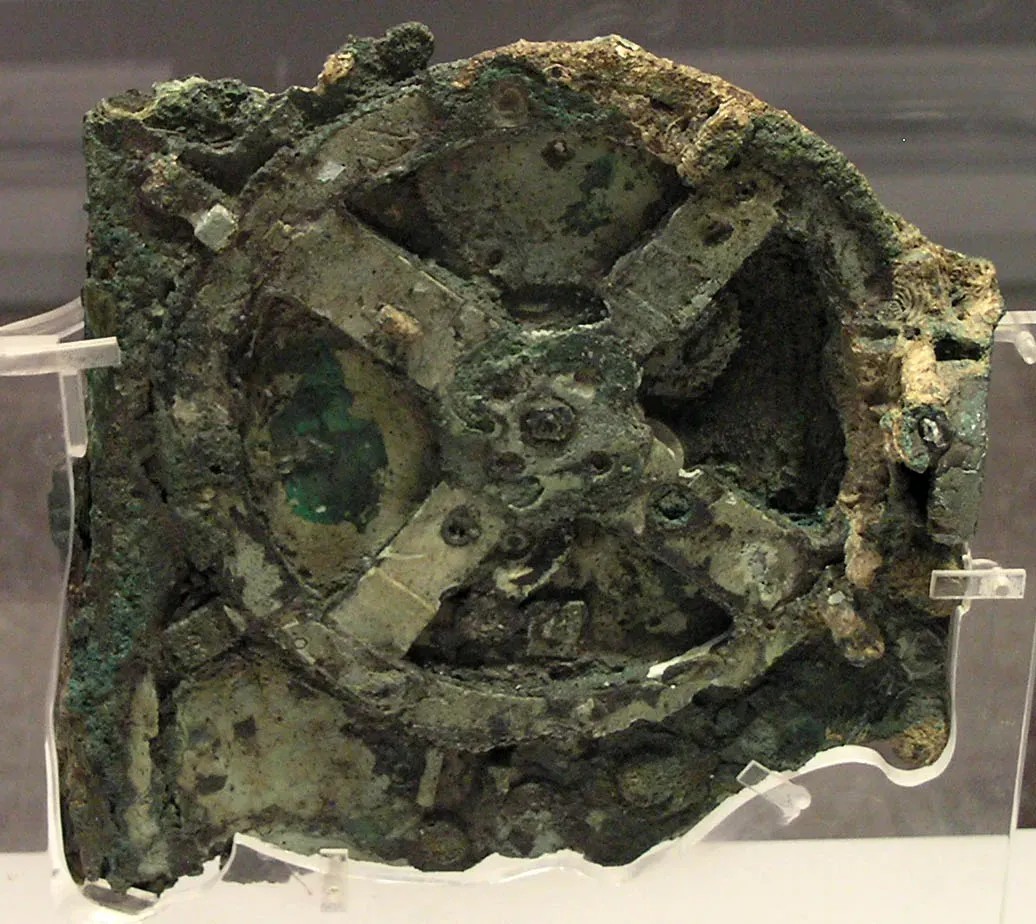
Sponge divers pulled a corroded lump of bronze from a Roman-era shipwreck off a Greek island in 1901. Early researchers assumed it was some kind of astronomical clock or basic gear mechanism, nothing more, and it sat largely misunderstood in a museum case for over a hundred years.
Everything changed once high-resolution X-ray and CT scanning became available in the 2000s. Scans revealed an astonishingly intricate system of interlocking bronze gears capable of predicting eclipses, tracking the moon’s irregular orbit, and even timing the ancient Olympic games. It wasn’t a curiosity at all – it was arguably the world’s first analog computer, roughly 1,400 years ahead of anything else known from antiquity. Nothing with that level of mechanical sophistication reappeared in Europe until medieval clockmaking, which makes it one of the biggest “we had no idea” moments on this entire list – right alongside #5.
Why It Stands Out
- Recovered from a shipwreck in 1901 but misunderstood for over a century
- 2000s CT scans revealed dozens of interlocking bronze gears hidden inside the corrosion
- Could predict eclipses, track lunar cycles, and time the ancient Olympic games
- No comparable mechanical complexity resurfaced in Europe until medieval clockmaking, roughly 1,400 years later
#5 – Priam’s Treasure: The “Trojan War” Gold That Was a Thousand Years Too Old
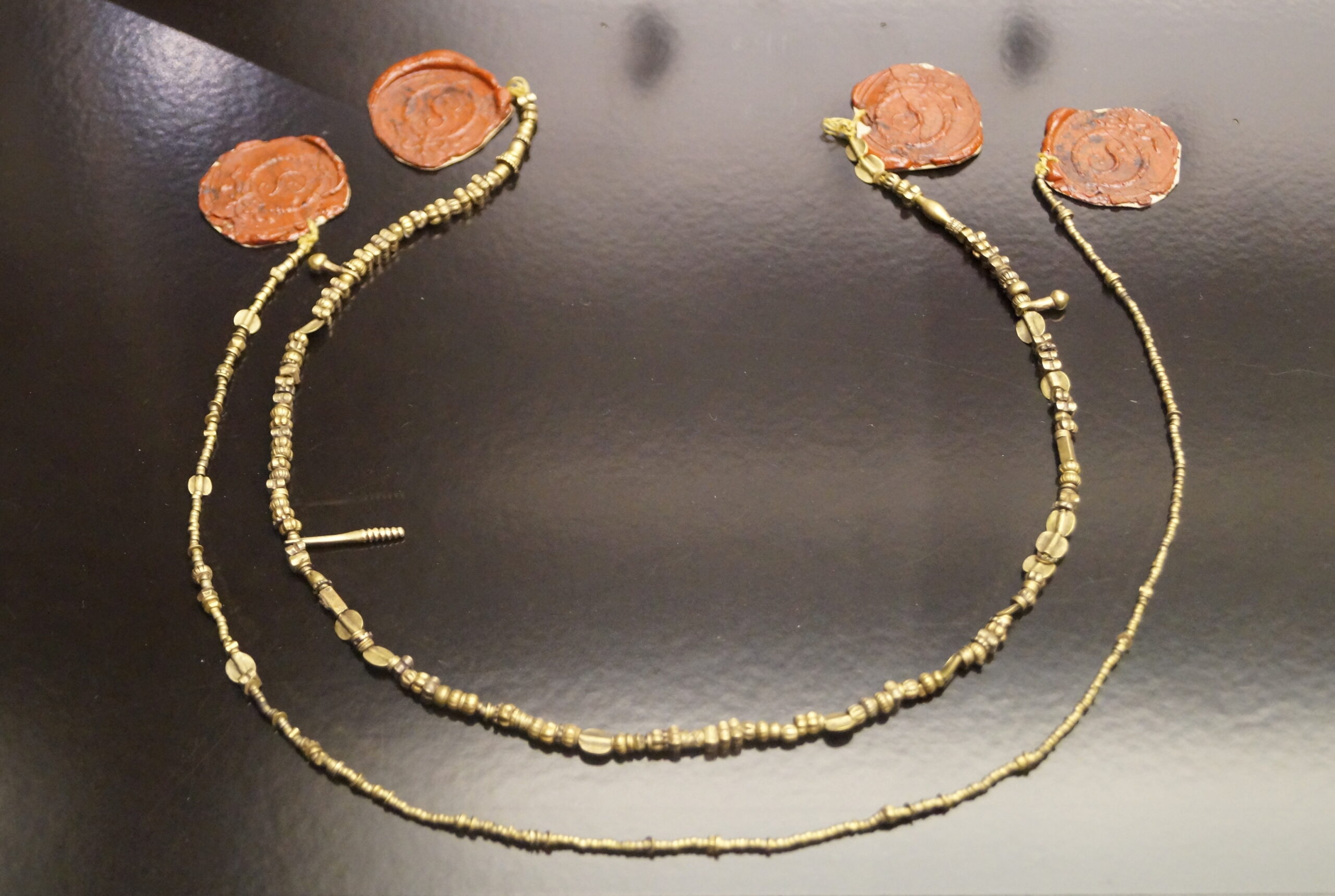
In 1873, Heinrich Schliemann excavated a hoard of gold jewelry, weapons, and ornaments at Hisarlik in modern Turkey and immediately declared it the personal treasure of Homer’s King Priam. Newspapers and museums ran with the story, and for decades this became the accepted narrative of a real historical Troy matching the epic almost exactly.
Later, more careful stratigraphic excavation exposed the flaw: the layer where Schliemann found the gold actually predated the presumed Trojan War era by close to a thousand years. The treasure belonged to a completely different, much older Bronze Age settlement. As if that weren’t enough drama, the hoard itself vanished from a Berlin bunker during World War II, only resurfacing decades later in a Moscow museum vault once Russian authorities finally admitted possession. Skeptics still argue Schliemann’s showmanship mattered more to him than accuracy ever did – a suspicion that follows him straight into #4.
#4 – The Mask of Agamemnon: Homer’s King, or a 19th-Century Sculptor’s Fantasy?
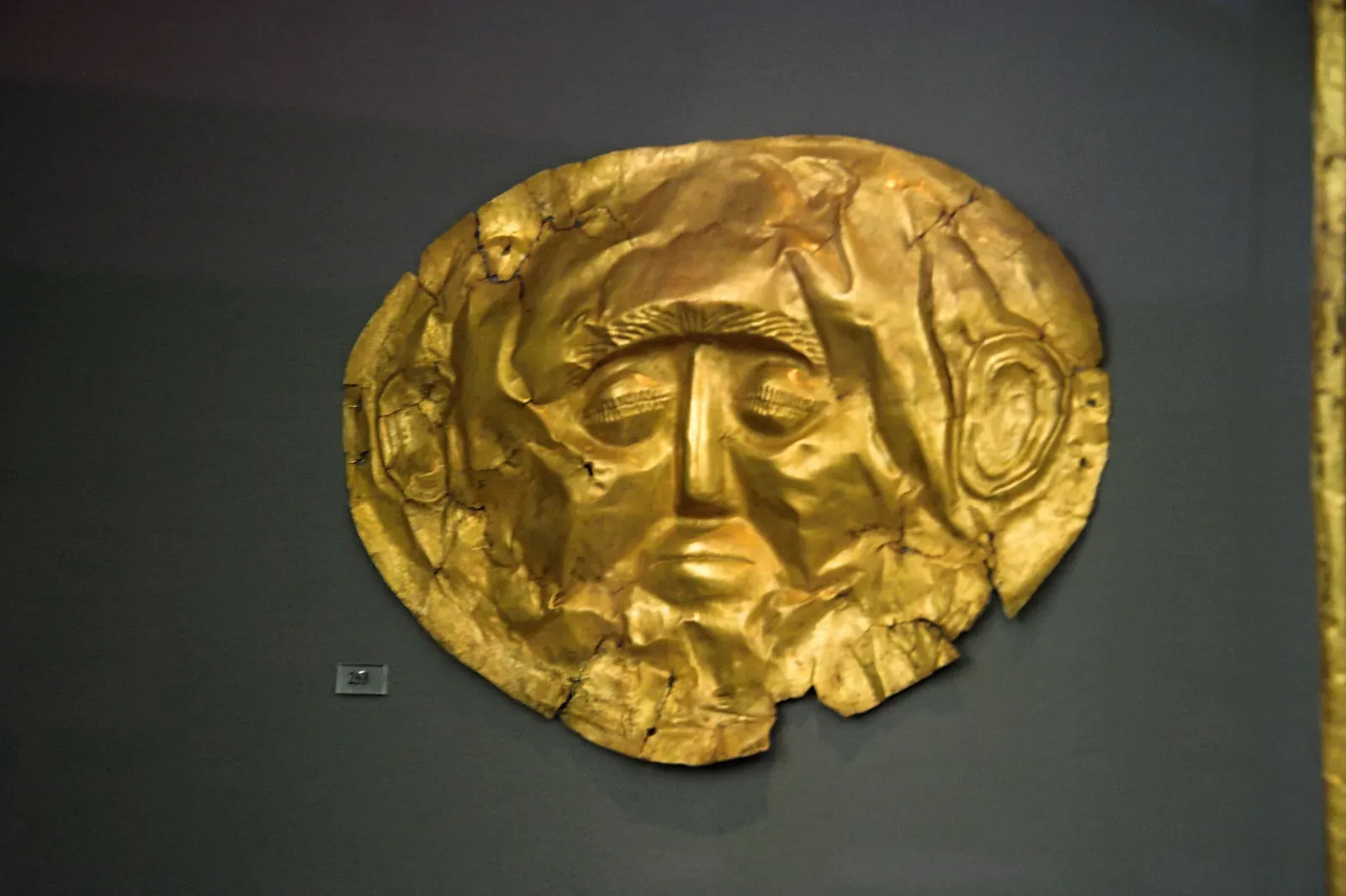
Schliemann struck again in 1876, unearthing a gleaming gold funeral mask at Mycenae and immediately connecting it to the mythical King Agamemnon. For nearly a century, it stood unchallenged as one of archaeology’s most iconic finds, sometimes called the “Mona Lisa of prehistory.”
Then, decades later, scholars William Calder III and David Traill formally questioned its authenticity, and the controversy still hasn’t been settled. Critics point to the mask’s unusually crisp, three-dimensional detailing, so different from other Mycenaean death masks found nearby, fueling suspicion Schliemann may have “improved” his find. Defenders counter that the mask is genuine but predates the Trojan War era by 300 to 400 years – real, just not Agamemnon’s. Either way, the excavation has been the subject of controversy for over a hundred years, and #3 pulls off an even stranger twist.
#3 – The Fibula Praenestina: The Oldest Latin Inscription That Almost Wasn’t
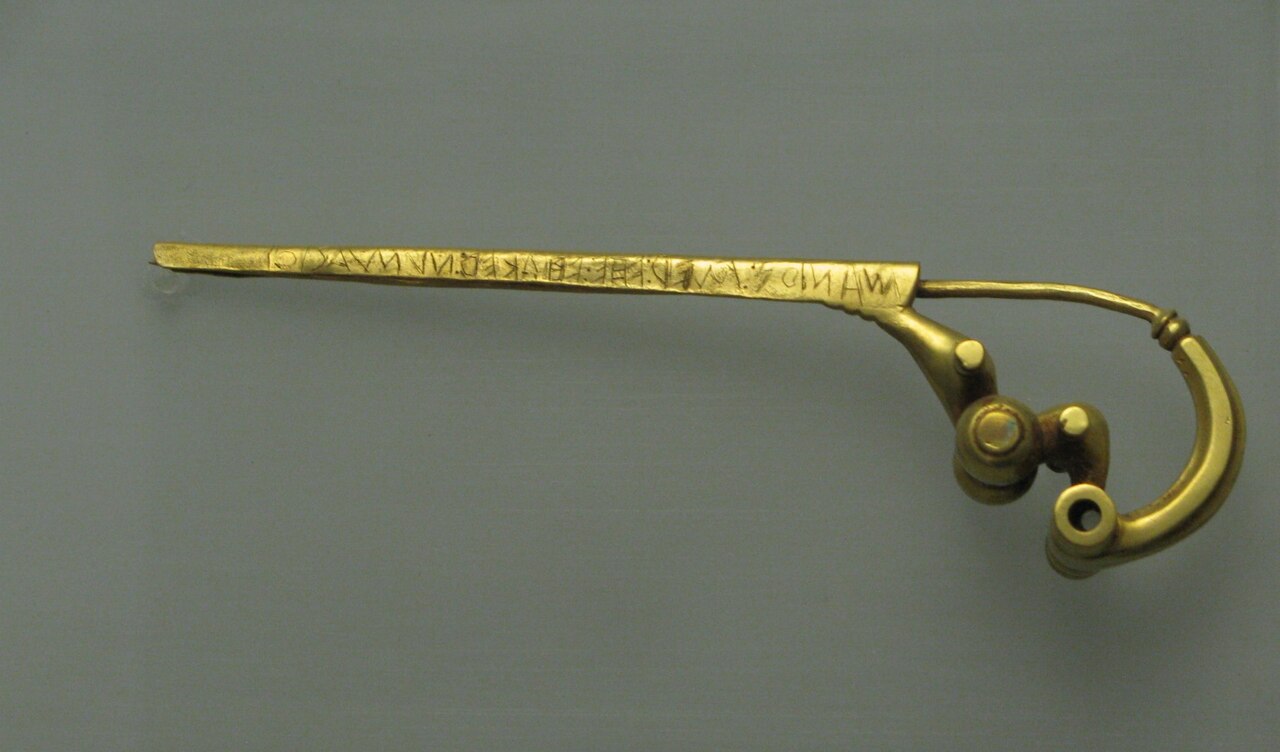
The Praeneste Fibula, a small gold brooch, surfaced in the late 19th century bearing a scratched inscription that, if genuine, would push the earliest known Latin writing back centuries earlier than any other text. Almost immediately, prominent classicist Wolfgang Helbig came under suspicion of orchestrating an elaborate fake, and the accusation stuck hard.
Generations of Latin scholars simply refused to cite the inscription, treating it as tainted evidence rather than a genuine linguistic treasure. The debate wasn’t resolved until researchers applied electron microscopy and spectroscopic analysis to the brooch’s corrosion patterns – patterns that are essentially impossible to fake convincingly. The results strongly supported ancient manufacture, exonerating the object after generations of academic exile. It’s the rare entry on this list where the object was wrongly accused of being fake, and it cost linguistics an entire century of solid evidence. #2 flips the script again, in the opposite direction.
Worth Knowing
- May bear the oldest known inscription in the Latin language
- Classicist Wolfgang Helbig was accused of forging it in the 19th century
- Generations of scholars refused to cite it as reliable evidence
- Electron microscopy and spectroscopy of its corrosion eventually confirmed authenticity
#2 – The Kensington Runestone: A Minnesota Farm Rock That Rewrote Viking History
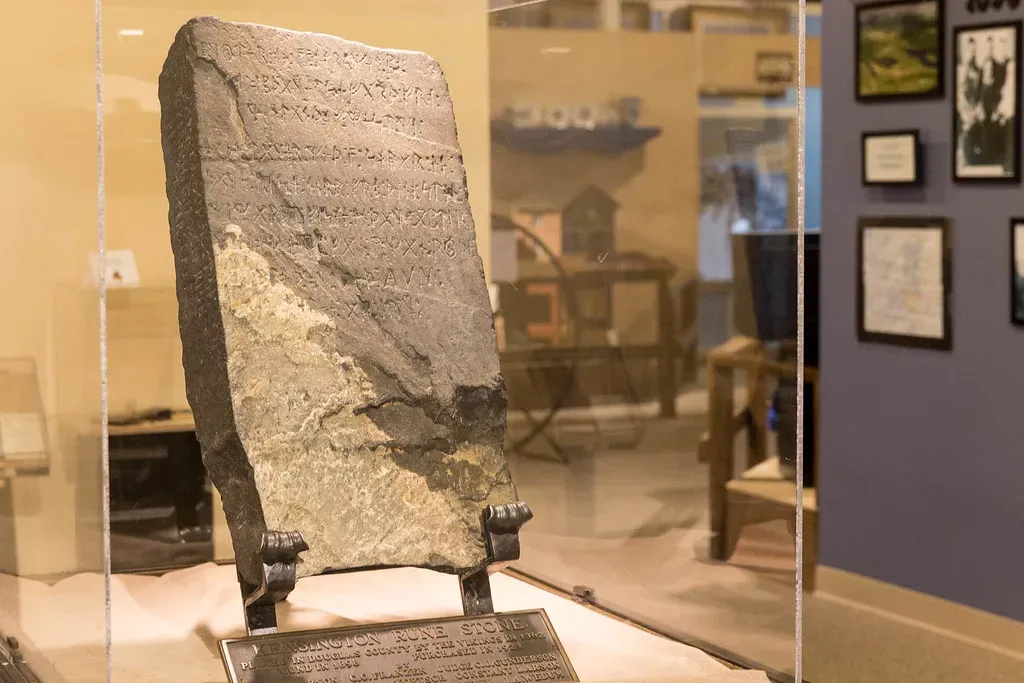
In 1898, Swedish immigrant farmer Olof Öhman claimed to have plowed up a carved runestone proving Vikings had traveled deep into the American interior – conveniently, right around where Scandinavian settlers were then building their own communities. Mainstream runologists doubted it almost immediately, but that didn’t stop it from becoming a cultural sensation.
Claims about the stone have persisted for decades, and honestly, they’re still going strong more than 125 years later. Linguistic analysis eventually identified runic forms and grammatical quirks that simply didn’t exist in genuine 14th-century Scandinavian writing, pointing firmly to a 19th-century origin. Historians now classify it alongside other 19th-century hoaxes, yet the stone remains a beloved tourist attraction and a point of fierce local pride in Minnesota. Even after every serious runic scholar debunked it, true believers still treat skepticism as elitist gatekeeping rather than sound linguistics – and that stubbornness has nothing on our final entry.
#1 – The Shroud of Turin: The Burial Cloth That Fooled the Faithful for Centuries
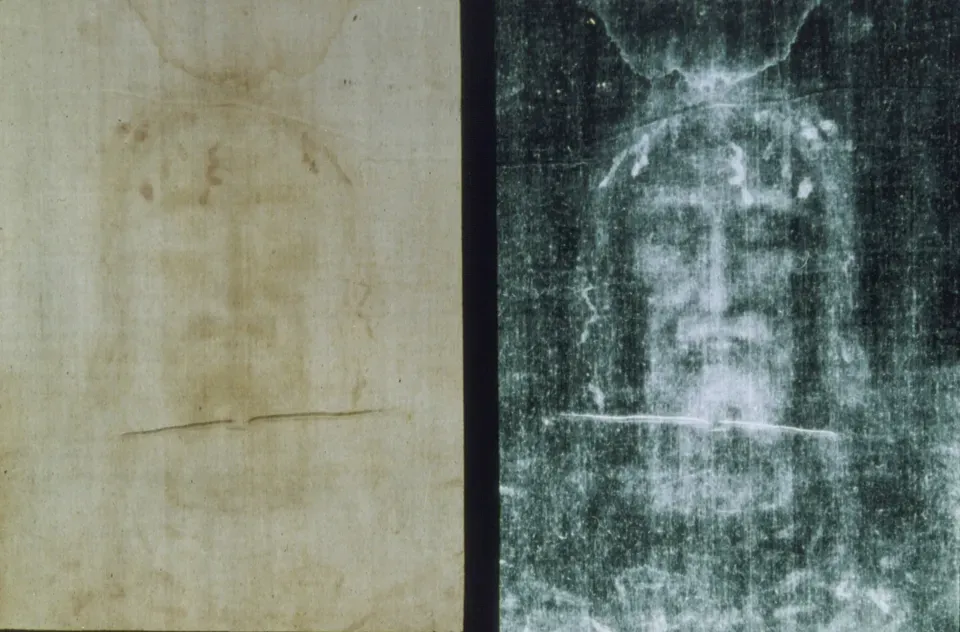
No object on this list fooled more people for longer than a strip of linen venerated as Christ’s actual burial shroud for the better part of seven centuries. Historical records place its first documented appearance in France in the 1350s, where it was already drawing pilgrims who believed it bore the miraculous imprint of a crucified man.
For generations, the Catholic Church neither fully endorsed nor rejected it, letting veneration continue while formal authentication stayed conveniently unresolved. Belief in its authenticity lasted essentially unchallenged by hard science for over 600 years. That finally changed in 1988, when three independent laboratories using radiocarbon dating all placed the linen in the medieval period, roughly 1260 to 1390 – centuries after the crucifixion it supposedly documented. Remarkably, the debate didn’t die there; some researchers have since questioned the sampling methods, and devout believers continue defending the shroud’s authenticity to this day. Whether that’s faith or denial depends entirely on who you ask.
At a Glance
- First documented appearance: France, 1350s
- Venerated as authentic for roughly 600 years before facing scientific testing
- 1988 radiocarbon dating placed the linen between 1260 and 1390
- Debate over sampling methods still continues among believers today
The Bottom Line
What ties all eleven of these objects together isn’t clever forgery – it’s institutional reluctance to question a good story once it’s already been told to the public. Museums, universities, and even the Catholic Church all had financial and reputational incentives to keep doubt quiet, sometimes for a hundred years or more.
Modern spectroscopy, CT scanning, and fluorine dating didn’t just debunk fakes; they exposed how easily expertise calcifies into stubbornness. The real lesson here isn’t about ancient forgers – it’s about how long institutions will defend a mistake once they’ve built a reputation on it. Which of these surprised you the most? Drop your pick in the comments.