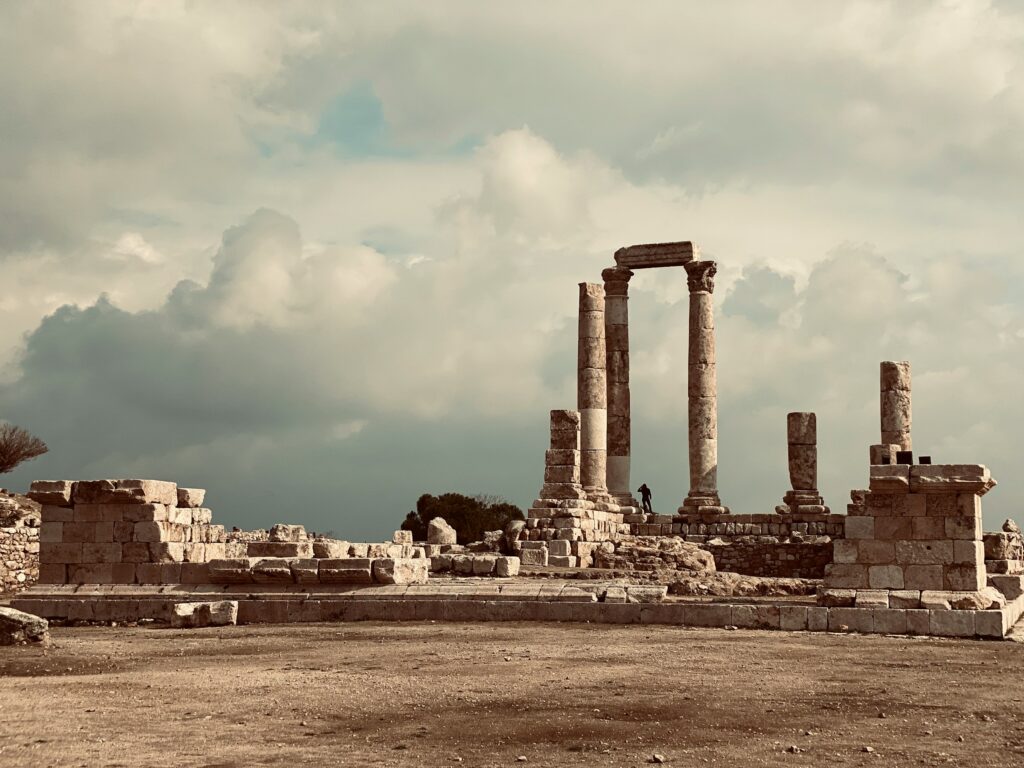

Ask most engineers whether modern technology could out-build the ancient world, and you’ll get a fast, confident yes. Ask the same question privately, after they’ve spent a few hours crawling around a 2,000-year-old harbor pier or running lab tests on a sword fragment, and the answer gets a lot more uncomfortable.
This isn’t ancient-aliens folklore. It’s a rundown of eleven real cases where materials scientists, structural engineers, and archaeologists have run the tests, built the replicas, and quietly arrived at the same unsettling conclusion: we can explain how it was done, but we can’t yet do it again with the same precision, durability, or efficiency.
11. Roman Concrete That Gets Stronger in Seawater
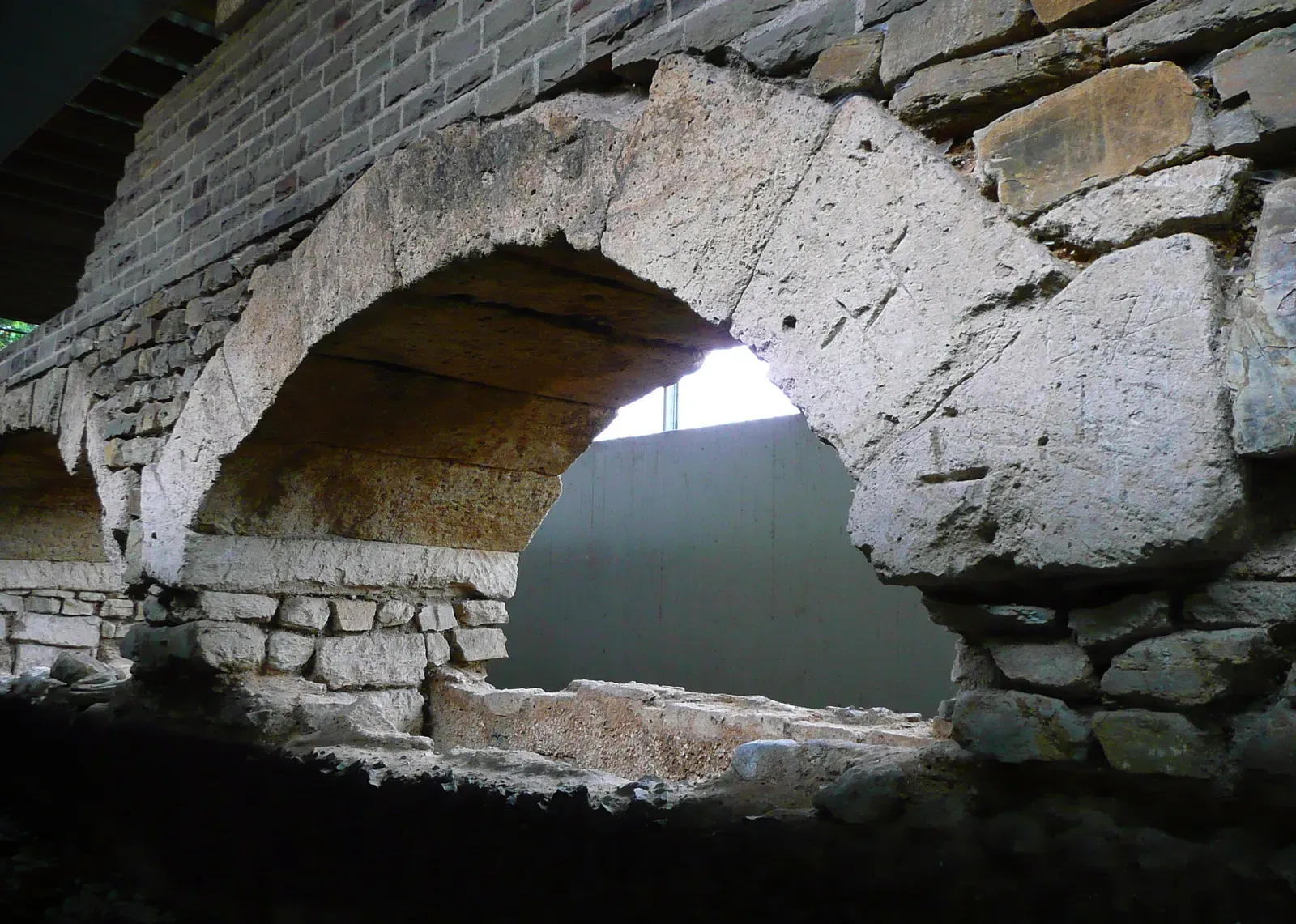
Modern engineers can raise a skyscraper in eighteen months, but hand them a bucket of lime, volcanic ash, and seawater and ask them to match a 2,000-year-old Roman harbor pier, and the confidence disappears fast. Roman maritime concrete didn’t just survive the ocean, it actually grew stronger from decades of being pounded by it. Today’s Portland cement, poured with far more precision and quality control, often starts deteriorating within a matter of decades.
Researchers studying these piers found something that sounds almost alive happening inside the material: rare mineral crystals forming inside tiny cracks and effectively sealing the concrete shut as seawater seeps in. We can identify these crystals under a microscope. We can explain the chemistry. What we still can’t do is mass-produce a modern equivalent at scale with the same self-healing behavior and near-zero maintenance.
- Crystals forming inside the concrete that self-heal cracks
- Ancient sourcing and curing methods we only vaguely infer from ruins and old texts
For an industry that spends billions every year patching seawalls and bridges, that’s not a fun curiosity. That’s a genuinely expensive blind spot.
10. The Perfect Stone Fitting of Inca Masonry
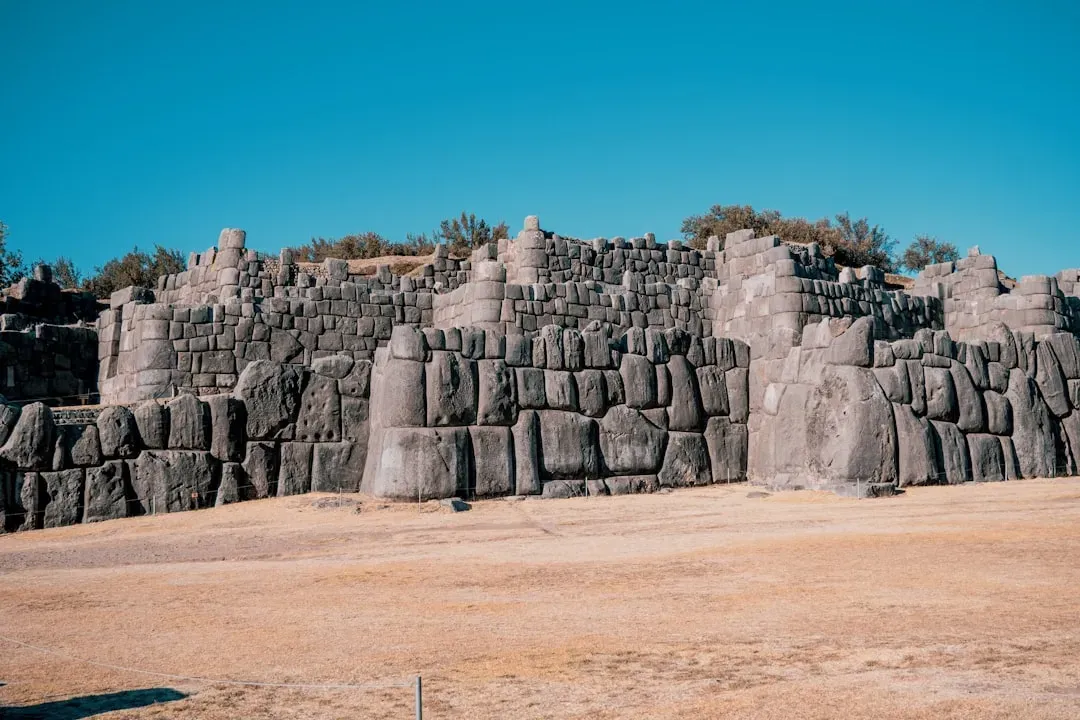
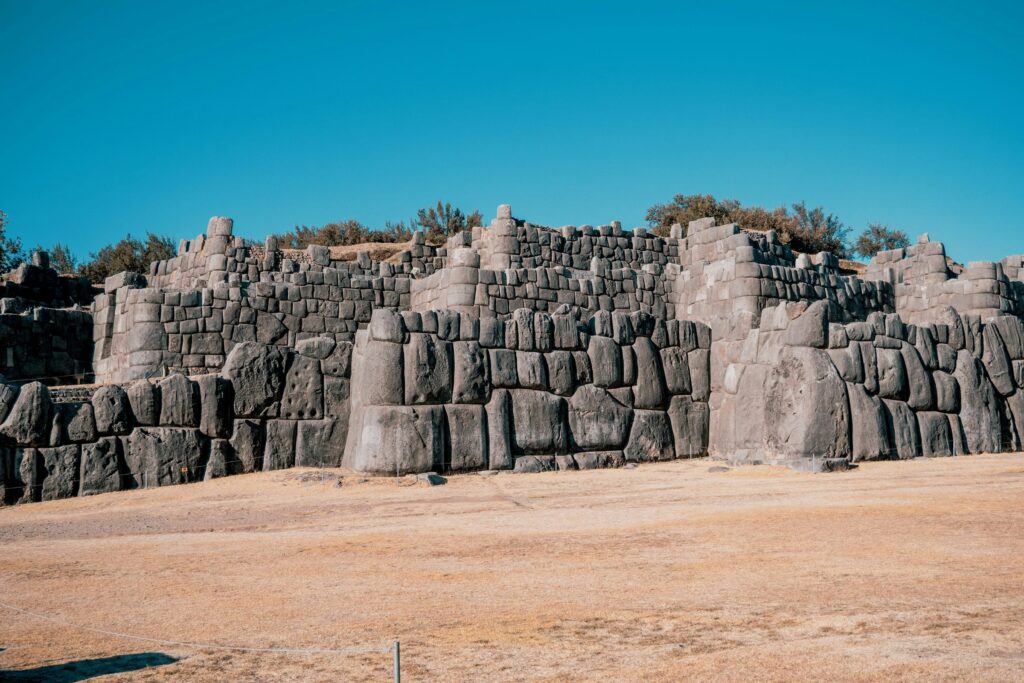
In a world of laser measurers and CNC machines, you’d assume fitting stones together is a solved problem. Then you stand in front of an Inca wall in Cusco or Sacsayhuamán and try to slide a razor blade into the joints between stones that weigh several tons each. You can’t. It doesn’t fit. And these walls have outlasted earthquakes that flattened supposedly modern buildings nearby.
We have solid hypotheses: repeated carving and test-fitting, patient abrasion with sand and water, and a working understanding of how stones move during a quake. What we’ve never done is replicate it at full scale, city-block by city-block, using no mortar, wildly irregular polygonal stones, and the same long-term seismic resilience.
- No mortar, ever
- Irregular polygonal stones fitted with millimeter precision
- Centuries of earthquake resistance with zero structural failure
Computer models say we could theoretically design something similar. Construction firms say the labor and cost would be brutal, and even then, they might not hit that precision. Knowing the theory and possessing the craft are clearly two very different things.
9. The Ultra-Precise Stonework of Giza and Other Megaliths
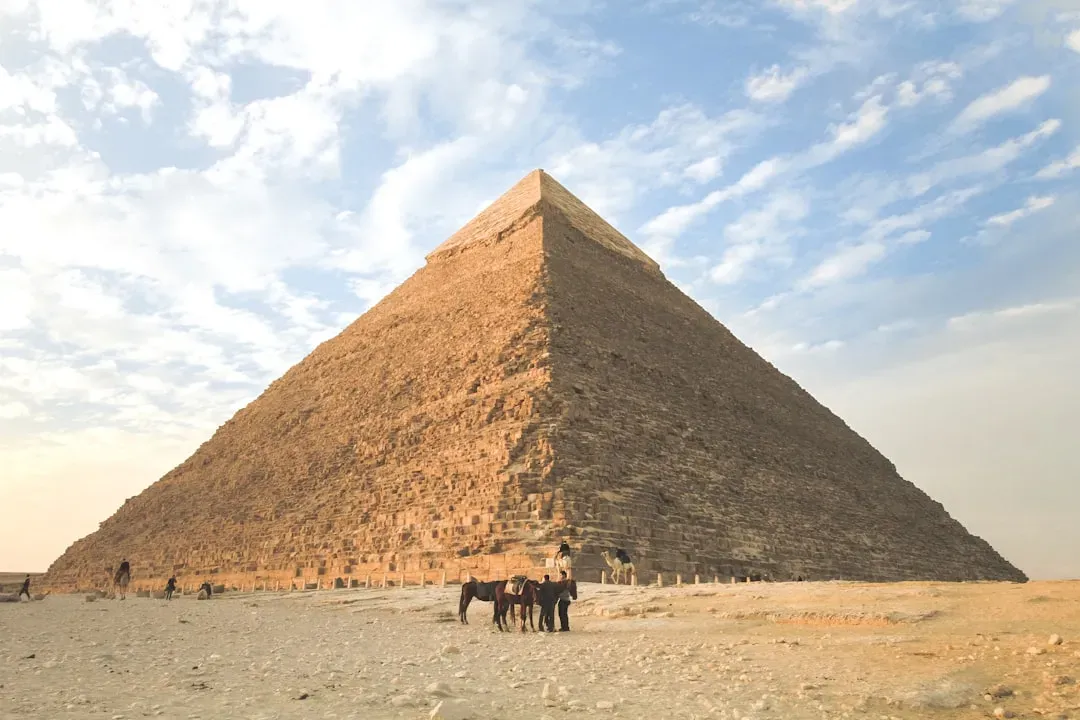
Most people assume the mystery of the pyramids is how anyone moved such enormous stones. Engineers will tell you that’s actually the easy part. Enough people, ramps, and time solve that problem. The real headache is how accurately those stones were cut and placed in the first place, using nothing but copper tools and stone hammers.
Some casing stones and interior blocks in Old Kingdom Egypt show tolerances of just millimeters across several meters of surface. Modern diamond saws and industrial machining can absolutely beat that precision on a single block. Matching it across hundreds of thousands of blocks, with consistent joint quality and near-perfect alignment to the cardinal directions, using only period-accurate tools, is a different story entirely.
- Hundreds of thousands of blocks cut to consistent tolerances
- Precise alignment to cardinal directions and internal passageways
- No modern quality-control pipeline, just trained hands and patience
Experimental archaeology can recreate small pieces of the process. Nobody has recreated the full logistical and quality-control system behind it, and that’s before anyone even touches the lost pigments and finishing techniques that once covered the stone.
Fast Facts
- The Great Pyramid of Giza contains about 2.3 million stone blocks, each averaging around 2.5 tons
- The heaviest granite blocks weigh up to 80 tons and were hauled from quarries 900 kilometers away in Aswan
- The finished structure rose 146 meters, making it the tallest building on Earth for nearly 4,000 years
- Completed in roughly 20 years, the project needed a new block placed about every two minutes, every day, for two decades
8. Damascus Steel’s Legendary Combination of Hardness and Flexibility

Everyone has heard the legend: medieval blades from the Middle East that could bend without snapping and still hold a razor edge through brutal use. Modern metallurgy can produce steel that’s harder, tougher, and far more uniform than anything from the medieval period. What it hasn’t done is fully reverse-engineer the original Damascus pattern-welding process that created those distinctive “watered” blades.
We’ve pieced together clues: high-carbon steel from specific ores, repeated forging, slow cooling, and trace impurities like vanadium that likely shaped the microstructure. Modern “Damascus-style” blades look the part, but when materials scientists compare their microstructure to surviving artifacts under a microscope, the match falls apart. They’re educated reconstructions, not true reproductions.
Quick Compare
- Ancient blades: hand-forged over days from wootz-style high-carbon steel, prized for bending without shattering
- Modern high-end steel: engineered in hours with computer-controlled furnaces and far more uniform grain structure
- Ancient blades: distinctive banded “watered” surface pattern tied to trace impurities in the original ore
- Modern reproductions: visually similar pattern, but the underlying microstructure still doesn’t fully match
Could a modern alloy outperform an original Damascus blade in raw strength? Easily. Could anyone recreate the exact ancient recipe, forge, and heat-treat cycle that produced that specific mix of flexibility and edge retention? Not reliably, and definitely not at the scale a medieval workshop once managed by hand.
7. Greek Fire: The Naval Weapon We Still Can’t Formulate

Secret weapons aren’t new, but Greek Fire is the medieval one engineers still argue about. Byzantine sources describe a liquid incendiary that burned even on water, sprayed from ships and handheld projectors that terrified enemy fleets for centuries. The formula was a closely guarded state secret, and when the empire fell, the recipe went with it.
Modern chemists have proposed plenty of candidates: petroleum blends, pitch, sulfur, resin, even early napalm-style gels. We can absolutely make something that behaves like Greek Fire. What nobody can say with confidence is “this exact composition and delivery device matches the historical battlefield accounts,” because every reconstruction leans on partial descriptions and ignores the safety and logistics limits the Byzantines actually worked within.
- Every modern version relies on incomplete, fragmentary descriptions
- None account for how the era’s ships and crews handled the risk
For a civilization that used this weapon decisively for hundreds of years, that’s a startling amount of applied chemistry we simply let disappear.
6. The Acoustic Engineering of Ancient Amphitheaters
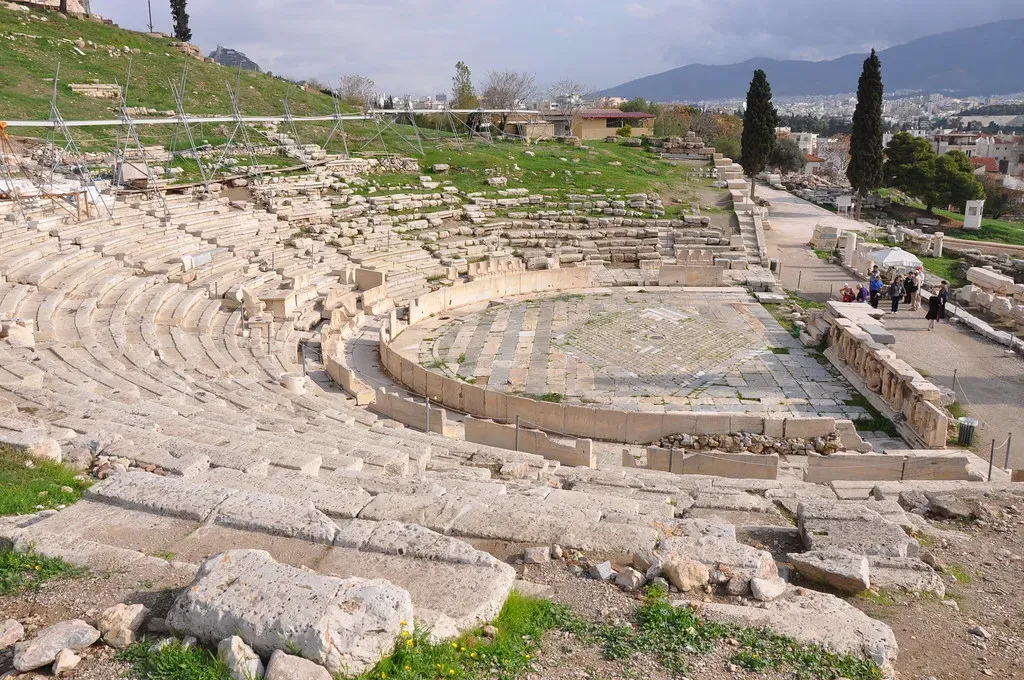
Most people assume acoustics is a modern problem solved with foam panels and software. Then they visit Epidauros in Greece, where a performer can whisper on stage and be heard clearly in the very back row, thousands of seats away, with zero electronics involved. Modern engineers can simulate sound fields and design excellent concert halls on a computer. What they haven’t done is recreate that level of performance using only the crude geometric rules and hand tools the ancients had.
We understand pieces of it: stepped seating, reflective surfaces, careful shaping of the stage building behind the performer. But field tests keep turning up subtler effects, like how the specific stone type and its surface roughness change the sound, or directional reflections that a simple “it’s shaped like a bowl” explanation completely misses.
- Subtle acoustic effects tied to stone type and surface texture
- Directional sound reflection that simple bowl-shape theories can’t fully explain
We can design an amphitheater today that sounds just as good, using heavy simulation and modern measurement tools. We still can’t prove we’ve recovered the full trial-and-error toolkit Greek and Roman builders actually used to get there by hand.
Worth Knowing
- The theater at Epidauros seats up to 14,000 people with no electronic amplification
- Georgia Tech researchers found the limestone seating rows act as a natural acoustic filter, muting low-frequency crowd noise while bouncing higher-frequency speech back toward the audience
- Small sounds like a coin dropping or paper tearing are said to carry clearly to the very last row
- Built in the 4th century BCE, the theater still hosts a live performance festival today
5. Viking and Medieval Solar Navigation Without Modern Instruments
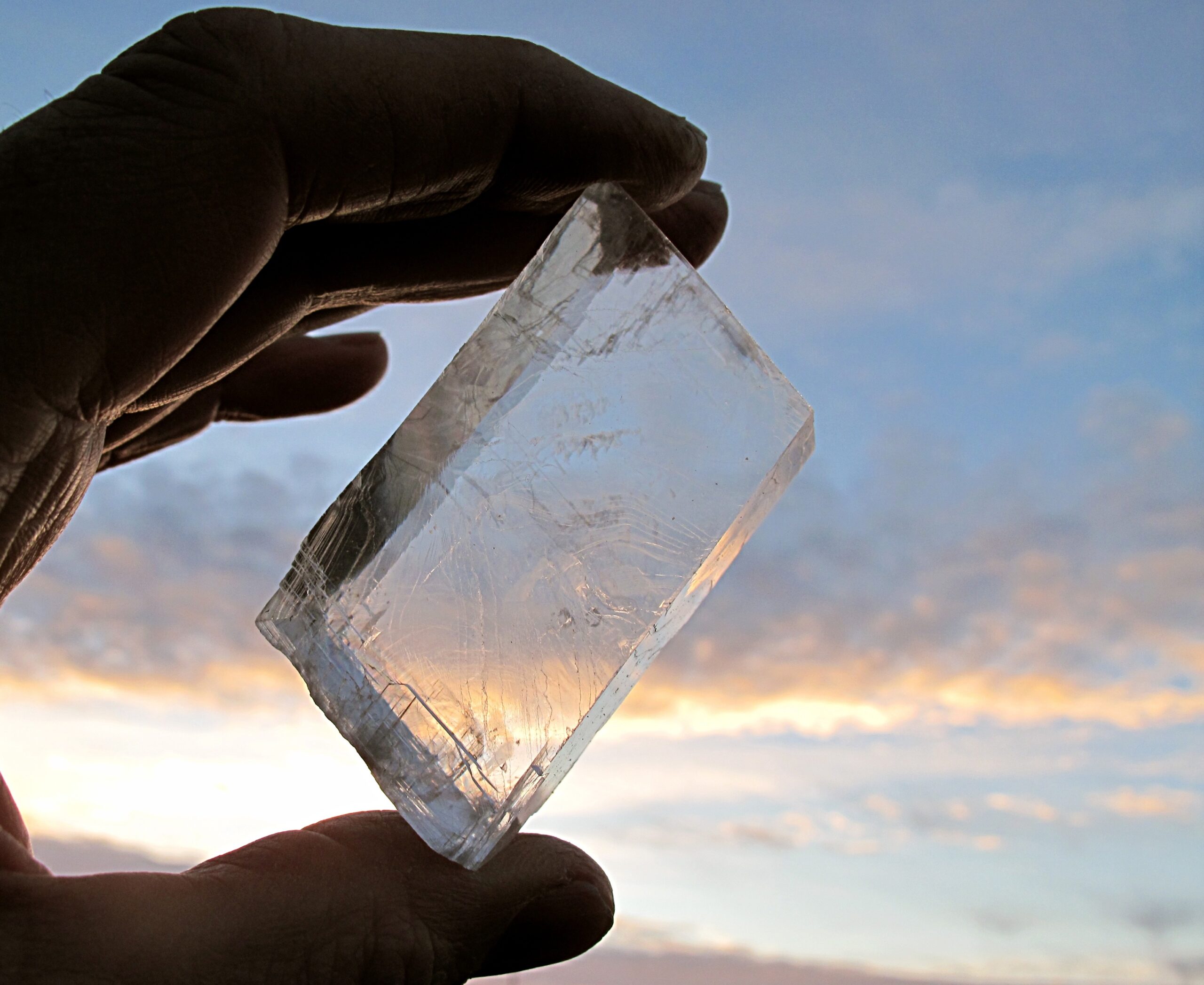
Engineers love instruments: gyroscopes, GPS, star trackers. Vikings allegedly crossed the North Atlantic with none of that and still reliably hit tiny islands in open ocean. The controversial “sunstone” theory suggests they used polarizing crystals to locate the sun’s position even through thick cloud and fog, combined with an intensely trained mental model of currents, winds, and wave patterns.
Modern sailors in small trials have managed to mimic pieces of this technique, but never the full system, and never at real-world risk with no backup. We have artifacts like the Uunartoq “sun compass” and scattered saga references, but nothing close to a complete, validated protocol you could hand a modern sailor and trust to get them across the Atlantic without a single electronic device.
- Physical finds like the Uunartoq sun compass
- Fragmentary saga accounts describing the practice
- No complete, testable navigation system that survives intact
That gap is the real engineering test of any technique: can you hand it to someone else and have it work. So far, it can’t, and much of that lived, experiential skill looks permanently lost.
4. The Durability Tricks of Ancient Road Builders
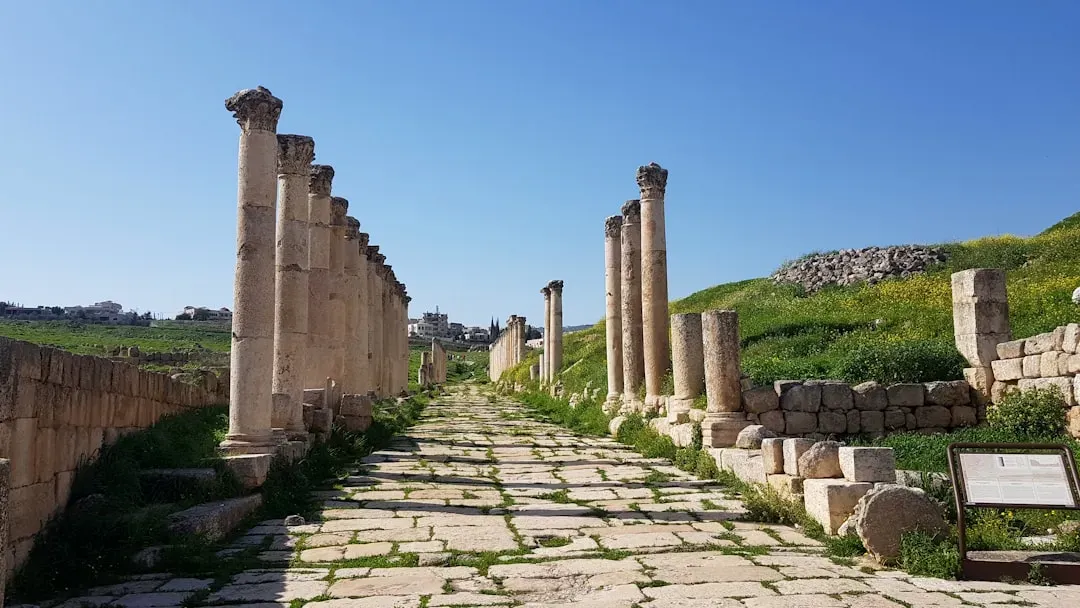
Everyone complains about potholes. Then you look at Roman roads, Inca mountain routes, and certain ancient Asian roadways that have held their basic structure for centuries, sometimes millennia, under weather and foot traffic that would wreck a modern street. Modern civil engineering can design extremely durable pavement on paper. In practice, we routinely build roads that need major rework every ten to twenty years, even with far better materials and machinery.
Ancient road builders leaned on layered foundations of differently graded stone, careful drainage and camber, and materials chosen specifically for the local climate and terrain. We can reconstruct short stretches of this today, but not as a default, cost-effective national standard. More awkward still, some of these “simple” ancient stone-paved sections continue to outperform nearby, heavily engineered modern roads.
- Layered foundations using differently graded stone
- Deliberate drainage and camber built into the design
- Materials chosen specifically for local climate and terrain
The missing piece isn’t the engineering knowledge. It’s the combination of knowledge, priorities, and a long-term maintenance culture, and that combination hasn’t survived into modern practice.
3. The Long-Lived Brilliance of Ancient Pigments and Dyes
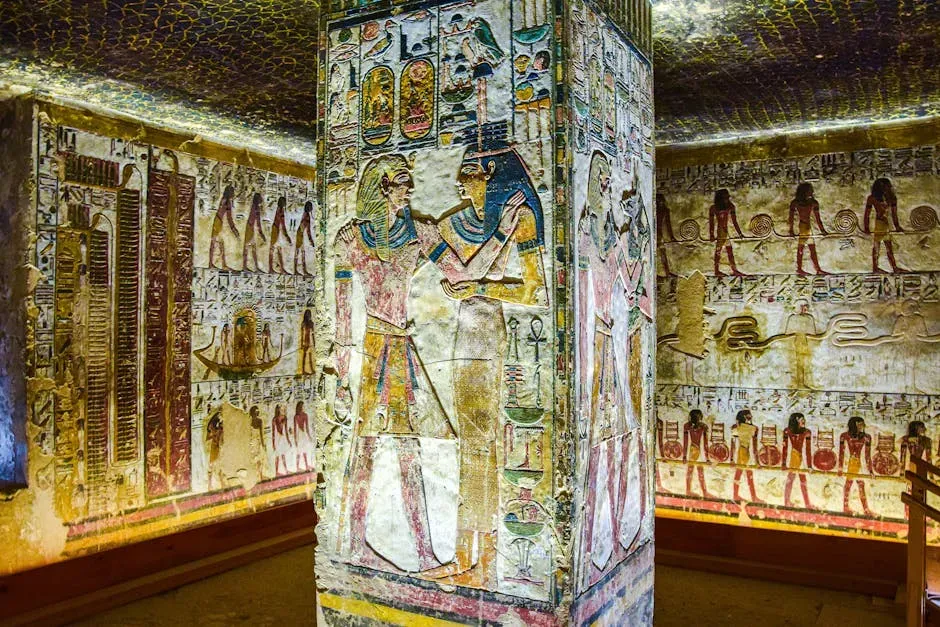
Most people assume fading is inevitable, that sunlight and time always win eventually. Yet some Egyptian tomb paintings, Roman frescoes, and Asian murals still show astonishingly vivid color after thousands of years, while modern outdoor paint can visibly fade within a couple of decades. Conservation scientists can identify many of the raw ingredients, minerals like cinnabar, azurite, and Egyptian blue, along with organic binders, but the full process from quarry to finished mural remains partly a mystery.
We can copy individual pigments fairly well. What we rarely match is the exact particle size and distribution, how the specific binders age over centuries, or the layered application techniques that affect how light scatters off the surface. When labs try to reproduce certain murals, the replicas tend to age differently, look slightly “off” to the eye, or lack the same long-term color stability.
- Exact particle sizes and distributions in the original pigments
- How specific ancient binders behave over centuries of aging
- Multi-layer application techniques that shape how light scatters
We understand enough chemistry to admire the result. We don’t yet have a turnkey recipe to reproduce that same colorfastness affordably at scale.
2. Ancient Megalith Transport and Placement at Full Real-World Scale
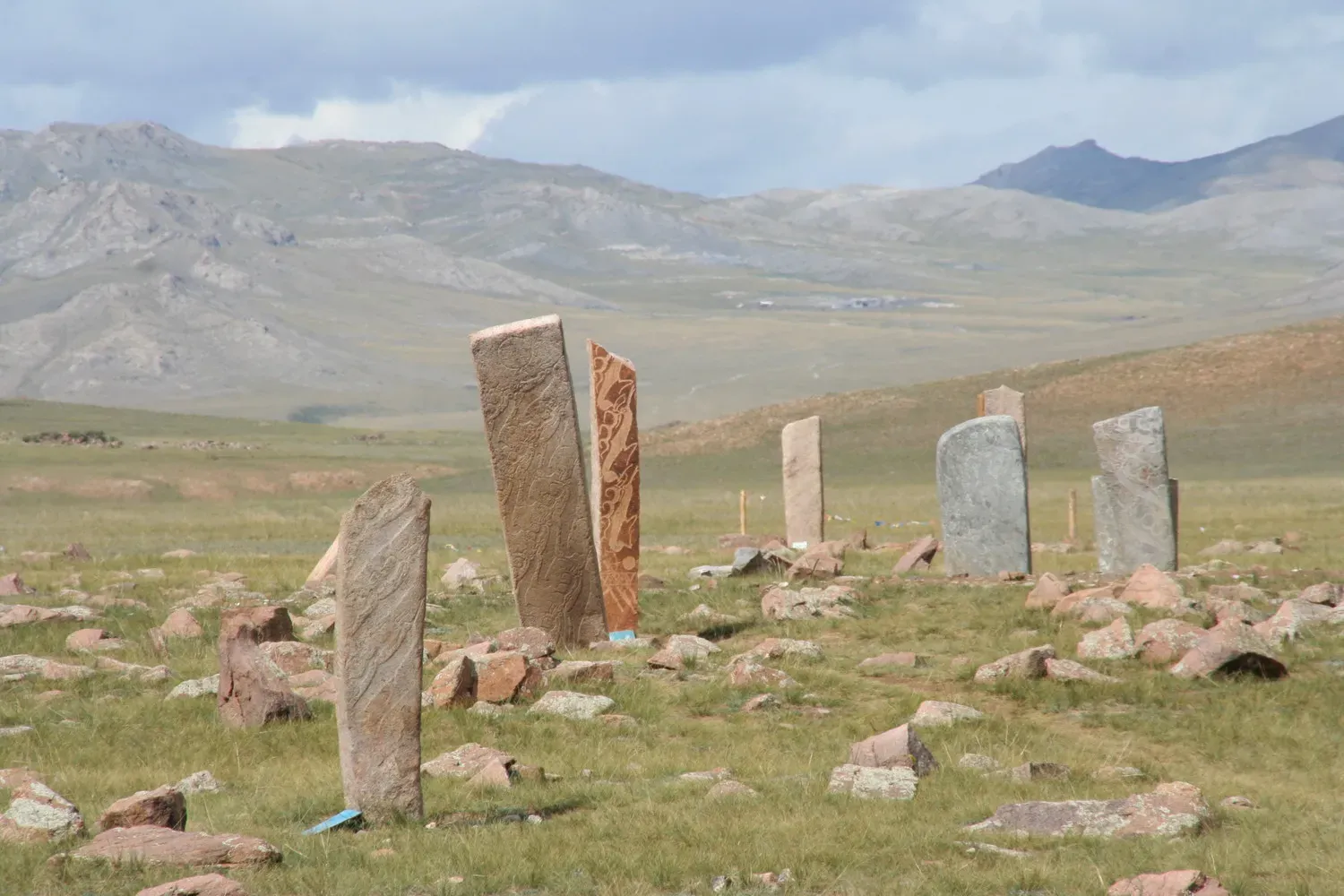
Yes, we know people can move big rocks using ropes, rollers, and sleds. That part is textbook physics. But there’s a real difference between proving a method works in a small demonstration and showing it was practical for the tens of thousands of multi-ton blocks used at Baalbek, in various Egyptian temples, and across European stone circles. Modern engineers can explain the physics involved. Ask them to reproduce the same operation with period-accurate tools and logistics, and almost nobody volunteers.
Experimental archaeology typically moves a handful of stones using modern safety gear and volunteer labor, working in ideal conditions with none of the harsh seasonal windows or genuine failure risk the original builders faced. What we can’t reproduce is the entire logistical system behind it: the planning, the tool maintenance, the trained teams, and the risk tolerance sustained over decades, not days.
- Modern demonstrations use safety gear and volunteers, not real risk
- Original projects ran for decades under harsh seasonal constraints
- The integrated, field-tested playbook simply hasn’t survived
We know the individual pieces of the puzzle. The complete, tested system that actually built these sites is effectively gone.
1. The Self-Correcting, Multi-Century Building Cultures Themselves

Here’s the uncomfortable secret: the most important “ancient technique” we can’t reproduce isn’t a single material or tool at all. It’s the culture-scale engineering ecosystem that let ordinary builders learn, refine, and pass down complex methods over centuries. Gothic cathedrals weren’t isolated miracles. They were the end product of generations of trial and error in stone, geometry, and structural intuition, including plenty of early failures that barely made it into the historical record.
What we’ve actually lost is deep, embodied craft knowledge distributed across thousands of workers, backed by feedback loops that played out over generations rather than fiscal quarters. We can model almost anything on a computer today. What we can’t easily resurrect is a world where a stonemason’s gut feeling about how an arch “feels” is backed by three hundred years of lived, inherited experimentation.
- Craft knowledge held collectively across generations of workers
- Feedback loops measured in centuries, not fiscal quarters
- An unbroken chain of masters and apprentices, now largely severed
That kind of living technique doesn’t survive once the chain of masters and apprentices breaks, and in most of the world, that chain has already broken.
The Bottom Line
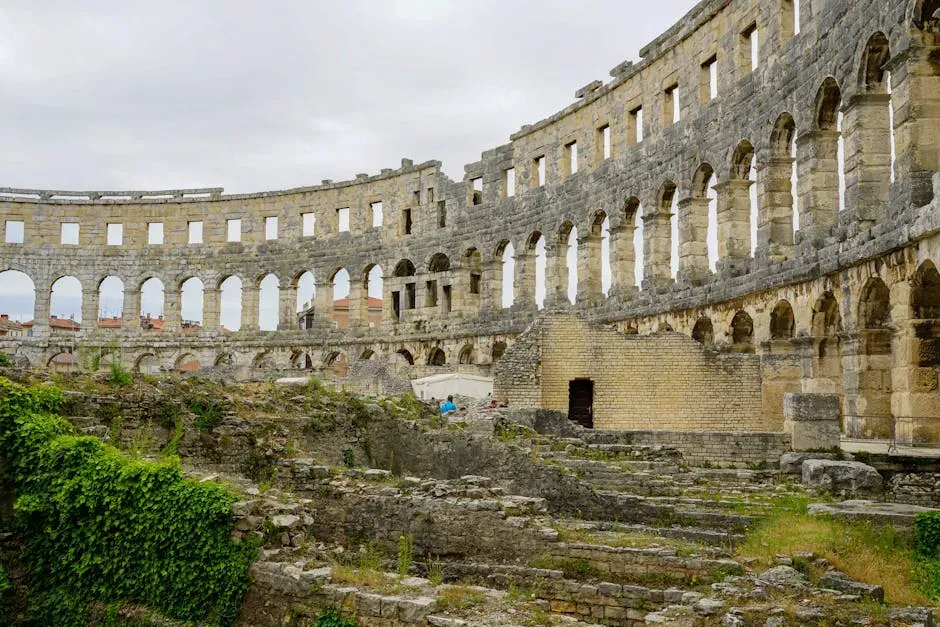
Modern engineers hate admitting it, but the record speaks for itself: we haven’t outgrown the ancients so much as moved sideways. We traded some genuinely robust, long-horizon techniques, Roman concrete, Inca stone fitting, Byzantine incendiaries, for methods that prioritize speed, standardization, and cost. In a lab or a CAD model, we can often match or beat ancient performance. In the messy reality of budgets, politics, and supply chains, we quietly fall short of what pre-industrial builders pulled off with hand tools and stubborn patience.
At a Glance
- Self-healing seawater concrete that’s still outperforming modern equivalents after 2,000 years
- Mortar-free Inca stonework with centuries of earthquake resistance and zero structural failure
- A naval weapon formula so guarded it vanished along with the empire that used it
- The real “lost technology” isn’t a secret gadget, it’s patient, multi-generational craft knowledge
The real “lost technology” here isn’t a secret formula or a forgotten machine. It’s the willingness to build for centuries instead of decades, and that’s a mindset, not a mystery. Whether we ever get it back is a fair question to argue about. Do you think it’s worth the higher costs and slower timelines, or is the age of thousand-year structures simply gone for good? If we missed one that belongs on this list, say so in the comments.