
Most people assume the world’s most famous museum pieces are settled science — discovered once, authenticated once, and never questioned again. That assumption is wrong, and the truth behind the glass is a lot messier than any placard admits.
Provenance is being torn apart. Lab results are ending careers. Once-celebrated “masterpieces” have become so radioactive that top specialists simply refuse to put their name near them anymore. Insurance underwriters are nervous, museums are suddenly evasive with their wording, and the old rule of “trust the label” has quietly stopped working.
So what exactly are the objects nobody wants their signature attached to? Here are the 14 categories of museum treasures that specialists now dodge, whisper about, or flat-out decline to authenticate — and the very specific reasons why.
#14 Bronze Age “Treasure Hoards” With Perfectly Convenient Stories
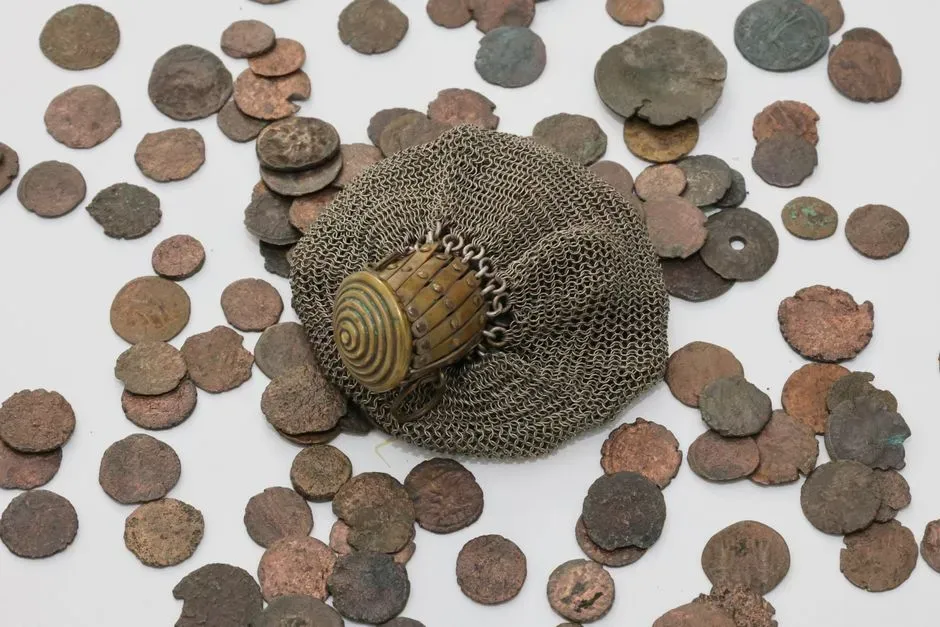
Specialists are now openly wary of those neat, photogenic Bronze Age hoards that show up right when a collector needs a headline. The problem isn’t just fakes; it’s the stories attached to them. A surprising number of “hoards” appear with no verifiable excavation record, no witnesses, and paperwork that starts at a dealer’s desk.
Real archaeology doesn’t work that cleanly. Genuine hoards tend to be messy, incomplete, and tied to soil layers that can actually be studied. When everything is complete, pristine, and weirdly cinematic, red flags go up fast — and even metal composition tests can be gamed using recycled ancient bronze.
- Lack documented, supervised excavation
- Surface through the same tiny circle of middlemen
Conservation scientists and serious Bronze Age experts have quietly started declining to authenticate hoards that fit this pattern. They’ll describe the metal, the style, maybe even the likely region — but they stop right before the word “authentic.”
#13 “Newly Discovered” Old Master Drawings That Appear in Bulk
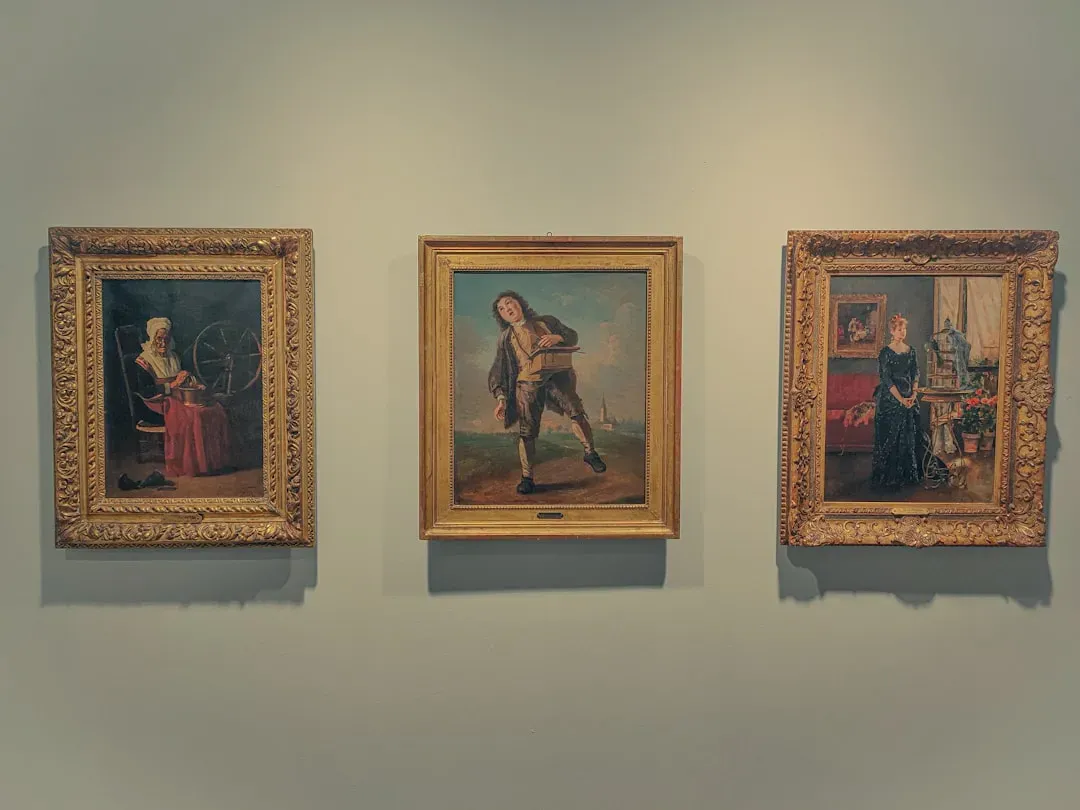
Most people don’t realize how allergic drawing specialists have become to large, sudden “finds” of Old Master works. A single lost sketch turning up? Maybe. A folder of 50 “unknown” Rembrandt or Leonardo drawings appearing from nowhere is now a running joke in the trade.
Modern inkjet printers, aged papers, and clever distressing can fool the untrained eye. Forgery rings have learned that lower-value works on paper attract far less scrutiny than oil paintings, so they flood the market with “studies,” “attributed to,” and “circle of” stamps and hope someone bites.
- Fiber analysis of the sheet itself
- Iron-gall ink chemistry and aging patterns
Top paper conservators now insist on both before they’ll even discuss attribution. Many simply won’t go on record if the provenance starts with “from a private European collection” — they know that once their name is on it, it’s their reputation on the line.
#12 “Celtic” Gold Torcs With No Excavation Record
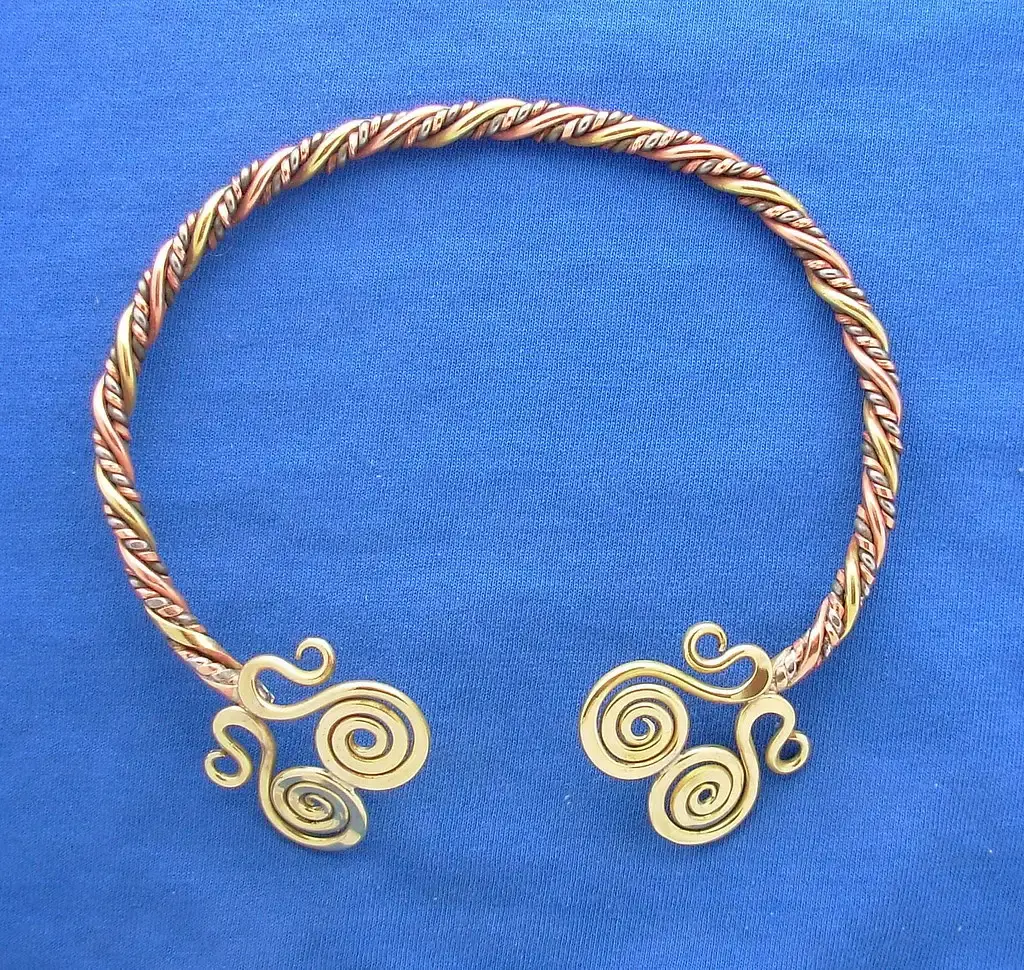
Celtic gold always sells, and that’s exactly why the best many of these glittering neck rings. Torcs are high-status objects, and genuine ones are rare — yet the market seems to keep producing a suspicious number of “new” examples. Too many show machining marks, modern solder, or alloy compositions that don’t match any known Iron Age deposits.
The detail that trips up forgers is trace chemistry. Ancient gold is seldom pure, and its trace elements act like a fingerprint for specific mines. When those fingerprints don’t match, serious experts walk away. Archaeologists are also skeptical of perfect, unbent torcs supposedly “found in plowed fields,” since real finds are usually distorted by centuries of pressure and stained irregularly by corrosion.
- Distorted by centuries of pressure
- Corroded or mineral-stained in irregular ways
Fast Facts
- The European Iron Age spans roughly 800 BCE to the early first century CE.
- Genuine torcs are typically alloys of gold, silver, and copper — not pure gold.
- Documented torc hoards remain exceedingly rare compared to how often “new” examples surface on the market.
Because of this, some leading Celtic art specialists have moved from cautious to categorical: if it doesn’t come from a documented dig or a pre-war collection, they simply won’t call it authentic at all.
#11 “Maya” Lintels and Stelae That Tour the Art Fair Circuit
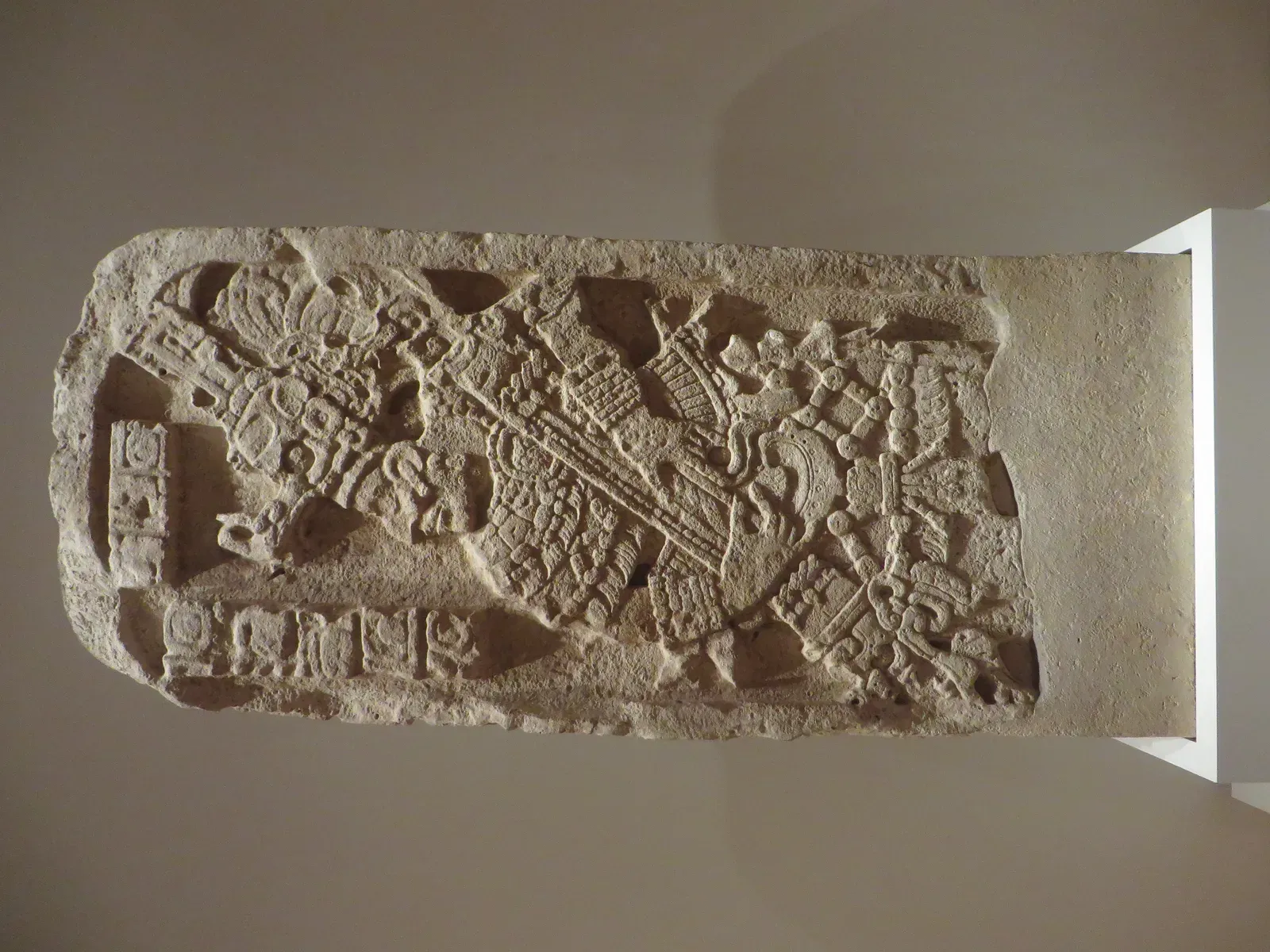
For years, carved Maya lintels and stelae were blue-chip status symbols. Now they’re a minefield. Looting in Mesoamerica has been industrial for decades, and forgers have gotten fluent in style. Many pieces thought genuine in the 1960s-1980s now show tool marks from steel chisels, and even rotary tools, under magnification.
The inscriptions often mash together real glyphs pulled straight from reference books, forming nonsense texts that only trained epigraphers can decode. When those epigraphers started talking, the market quietly panicked.
- Provide a stylistic description, but no yes/no verdict
- Insist on full archaeological context before commentary
Some Mayanists flatly refuse to authenticate any carved Maya stone that surfaced after strict export laws took effect. The risk of legitimizing laundered loot — or outright fakes — is simply too high. Museums, in turn, are quietly rewriting labels from “Maya, 7th century” to “In the style of Maya.”
#10 – “Viking” Weapons That Magically Look Battle-Ready
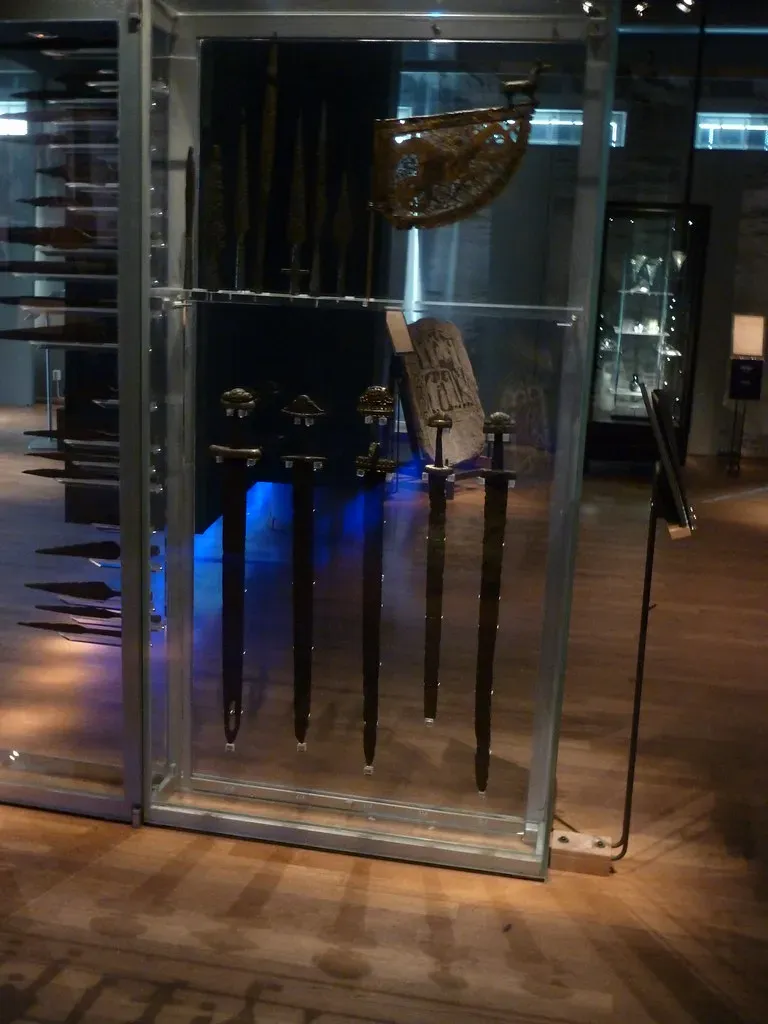
If a “Viking sword” looks like it came off a movie set instead of out of the ground, specialists are already suspicious. Real Viking-age weapons are corroded, warped, and often incomplete. Yet collectors love heroic, photogenic blades, and that demand has created a cottage industry of modern smiths aging swords, axes, and spearheads just enough to fool non-experts.
The trick is burying or chemically treating modern steel in soil or acid baths to simulate centuries of corrosion. X-rays, however, frequently reveal modern welding seams and homogeneous industrial steel underneath the fake patina.
- No excavation or pre-1950 documentation? No authentication.
- “Restaurant-ready” condition is now a red flag, not a selling point.
Some specialists will privately call a fake a fake — but they won’t put that in writing for fear of lawsuits. So they simply decline to opine at all, and the piece sits in limbo.
#9 “Pharaonic” Stone Statues That Appear on the Market in Pairs
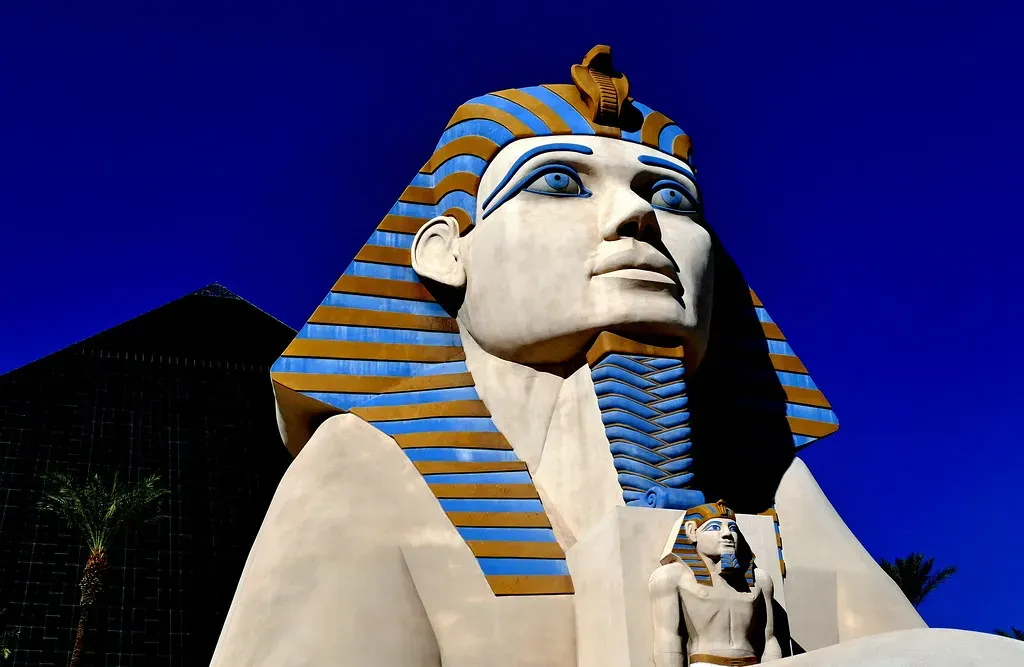
Egyptian sculpture is one of the most copied categories in existence, and the patterns have become embarrassingly obvious. Authentic large stone statues from pharaonic Egypt are usually unique commissions, often damaged or re-carved over centuries. Yet the market is littered with nearly identical “bookend” sphinxes and seated figures. When two or three “ancient” statues share the same chisel rhythm, proportions, and even micro-chips, experts see workshop repetition, not antiquity.
Under magnification, modern abrasives and power tools show up in places where hand-carving should dominate. That single detail can quietly unravel a six-figure sale.
- Weathering patterns inside inscriptions and between legs and arms
- Residues of modern waxes, stains, and polishing compounds
Because litigation and political pressure swirl around Egyptian artifacts, many senior specialists simply refuse to authenticate any large stone statuary that surfaced after the 1970s without excavation records. They’d rather walk away than become the next expert burned by a “too good to be true” pharaoh.
#8 “Pre-Columbian” Ceramics That Smell Like the 1970s
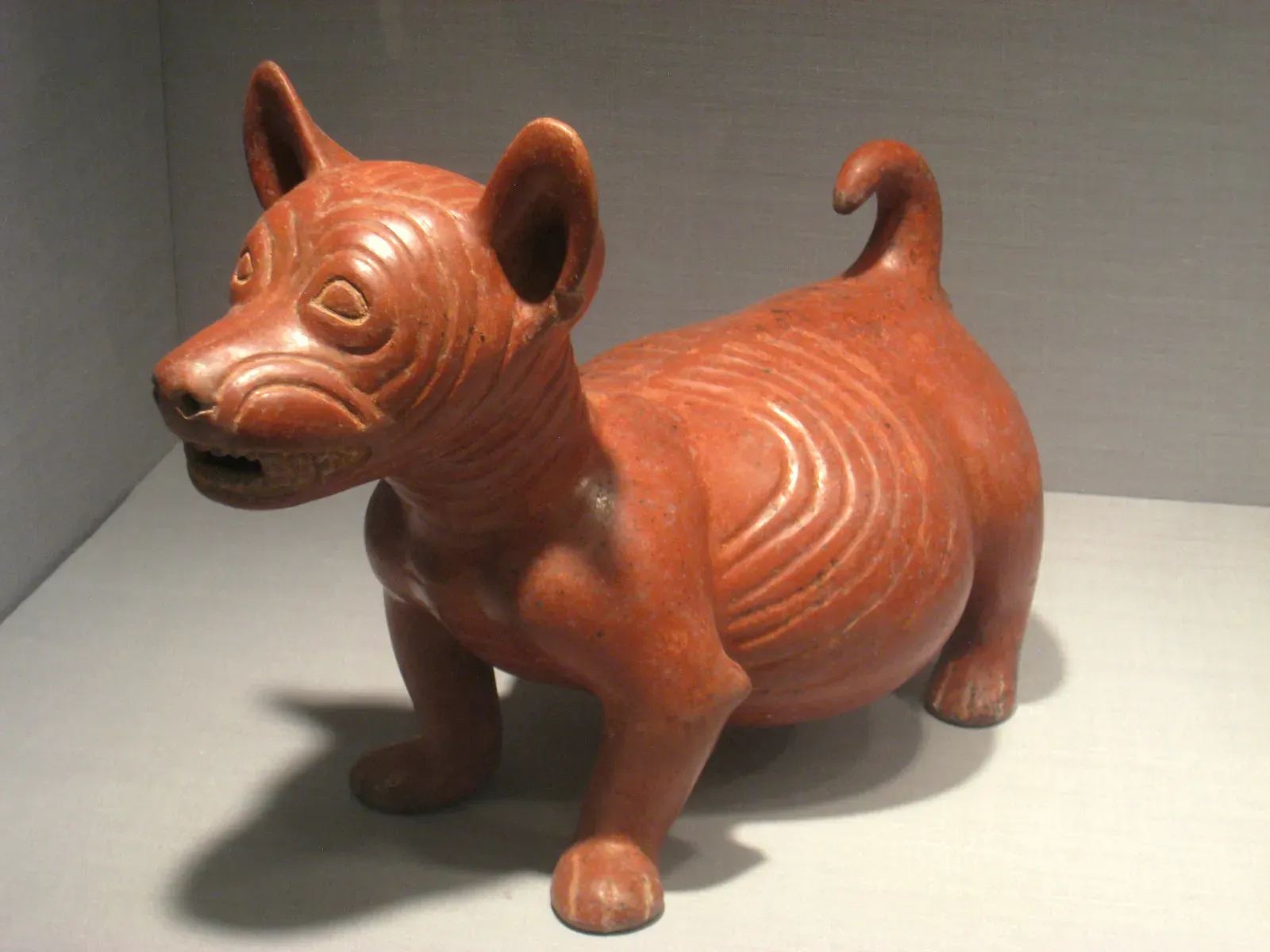
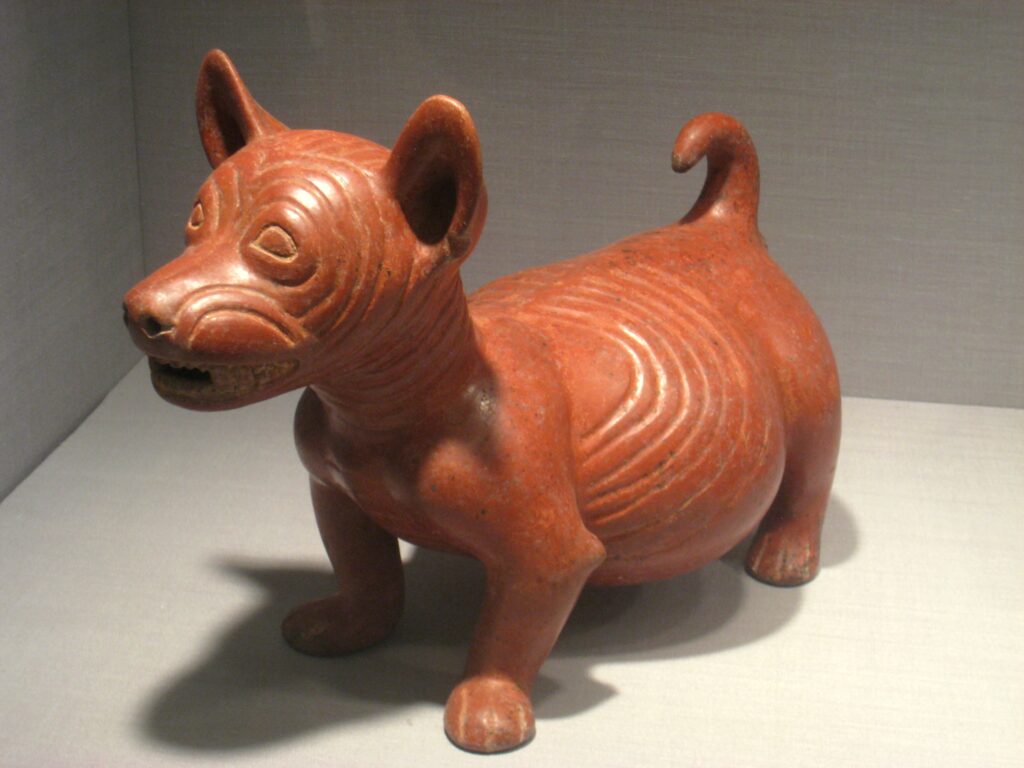
Walk through any secondary museum storage room and you’ll find shelves of “Pre-Columbian” pots that nobody wants to talk about. From the 1950s to the 1980s, tens of thousands of faked Moche, Nazca, and “Colima” pieces flooded North American and European markets. Many were so well done stylistically that even seasoned curators bought them, only to discover later that the clay chemistry and firing profiles screamed modern.
Thermoluminescence testing was supposed to help, but forgers learned to mix powdered ancient ceramics into their clay to confuse the results. It’s a cat-and-mouse game the labs are still losing in some cases.
- Any “orphan” ceramic with no pre-1970 ownership trail
- Pieces from workshops, dealers, and regions now infamous in the trade
Worth Knowing
- Thermoluminescence dating became a standard authentication tool in the 1960s and 1970s.
- Forgery waves targeting Moche, Nazca, and Colima styles peaked between the 1950s and 1980s.
- Some fakes were produced faster than labs could develop reliable countermeasures.
Today, leading Pre-Columbian specialists often refuse outright to authenticate objects that fit this profile. Instead they talk about “didactic value” and classify pieces as “unprovenanced” rather than risk the word “authentic.” Collectors hate the ambiguity, but archaeologists argue it’s overdue.
#7 Medieval Relics and Reliquaries With Miraculous New Provenance
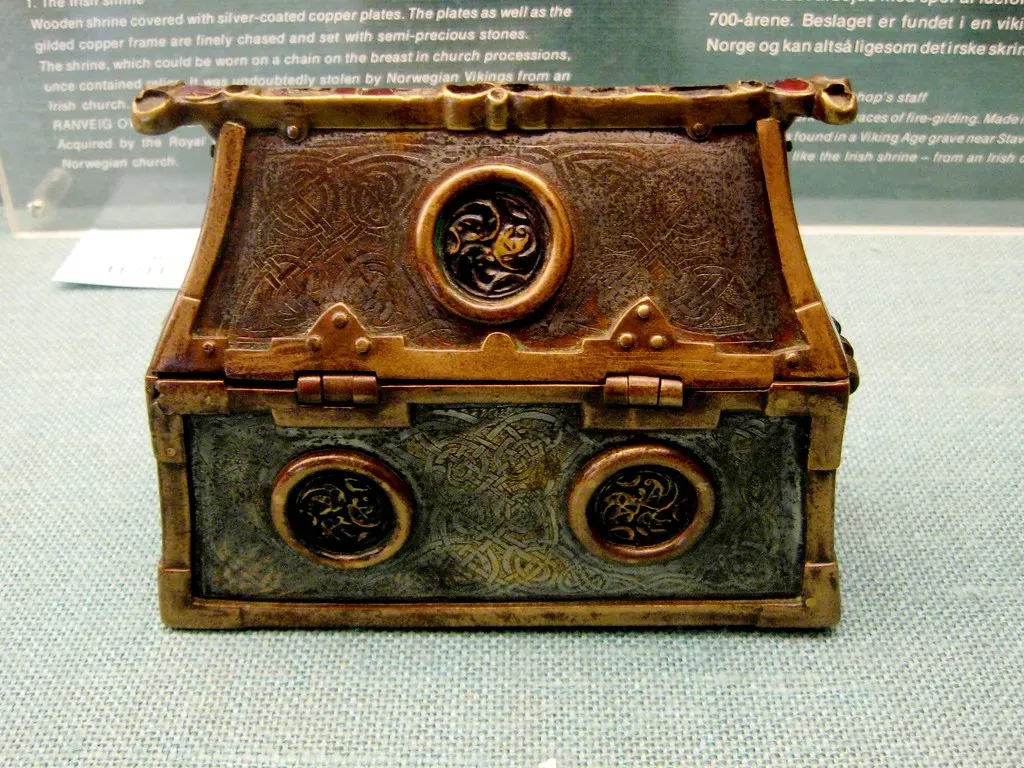
Relics once enjoyed almost automatic belief. That era is over. DNA tests, radiocarbon dating, and basic common sense have demolished claims that half of Europe owns a splinter of the True Cross or multiple heads of the same saint. Curators now know that medieval reliquaries were often re-filled, swapped, or “enhanced” for political or fundraising reasons.
The containers can be authentic medieval metalwork while the contents inside are much younger — or not even human. That split has forced scholars to separate two very different questions.
- Object authentication (the reliquary) is possible and scientific.
- Relic authentication (the contents) is often impossible and theological.
Most serious scholars refuse to “authenticate” the relics themselves. At best, they’ll date the bones and describe them neutrally. This frustrates pilgrims and certain donors, but it protects museums from endorsing what is, in many cases, devotional myth rather than history.
#6 “Newly Found” Impressionist Paintings That Fit Too Perfectly
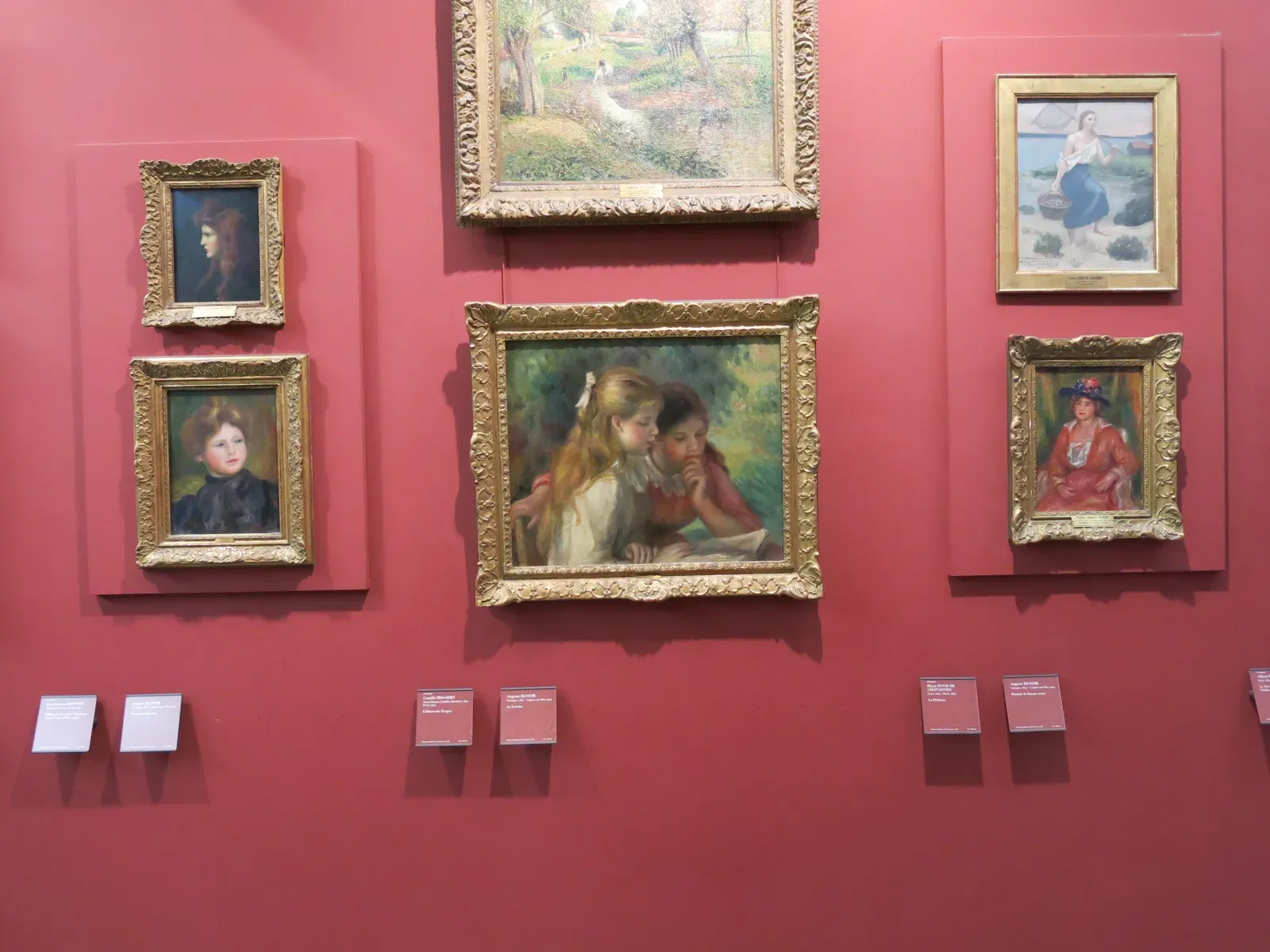
The market is hungry for fresh Impressionists, and forgers have noticed. Everyone wants a lost Monet, Renoir, or Pissarro. Yet the genuine works are heavily documented, photographed, and catalogued for decades. When a “new” painting suddenly appears that checks every stylistic box but has zero solid paper trail before, say, 1990, Impressionist specialists now go ice-cold.
Pigment analysis, canvas thread counts, and even stretcher construction get examined against known studio habits, and any anomaly is enough to kill confidence completely.
- They prefer to exclude a borderline work rather than risk including a forgery.
- They often give non-committal responses or simply decline review.
That refusal to authenticate angers owners, but the reality is harsh: some “perfect” Impressionists are clever marriages of period materials and modern brushwork. The forgers only need to succeed occasionally to make a fortune.
#5 “Ancient” Chinese Bronzes From the Wild 1990s Market
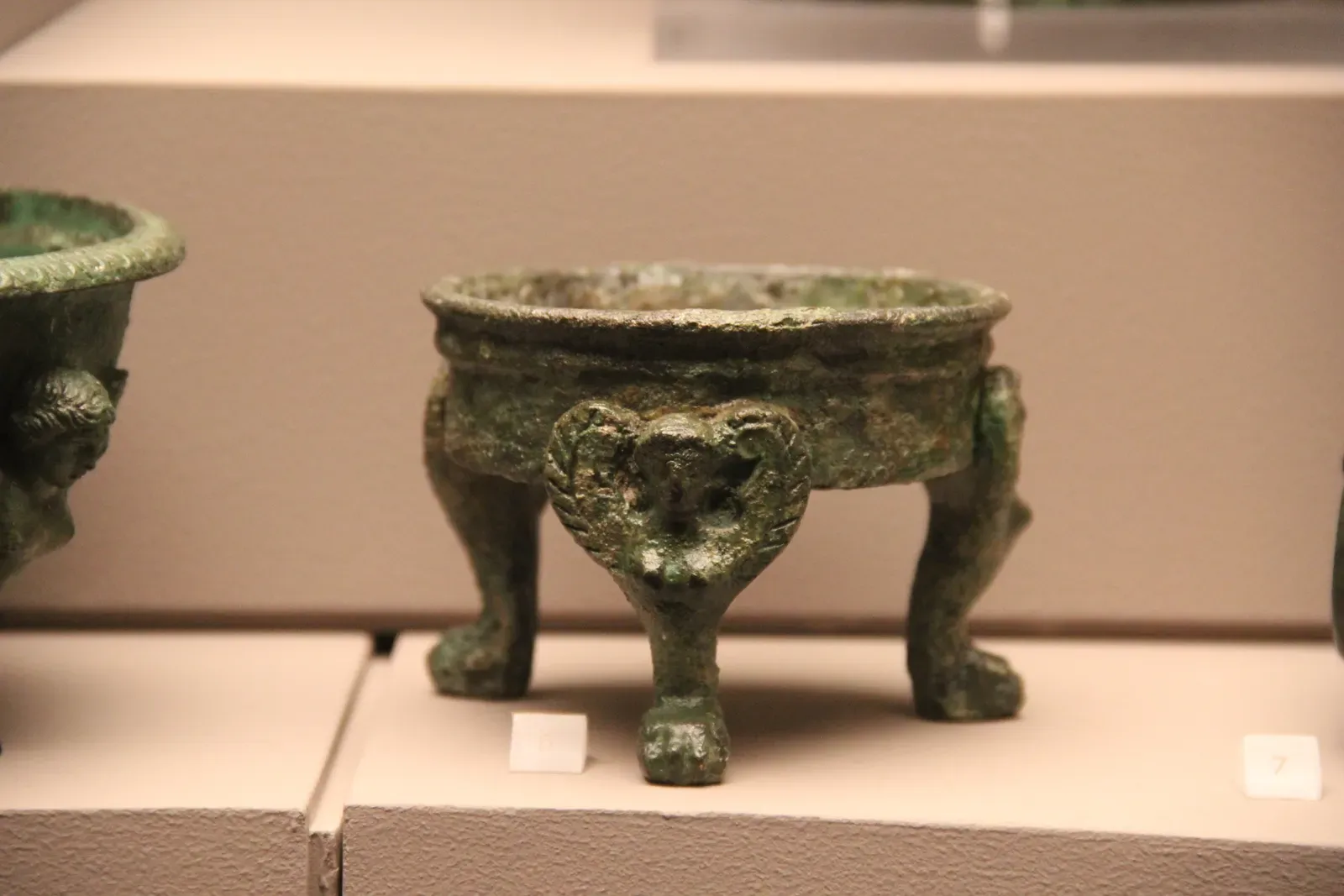
Chinese bronzes are now one of the most contentious areas in museum collections. The late 20th-century boom in Chinese art prices unleashed a tsunami of fakes, many produced in sophisticated workshops with access to old metal. Some modern bronzes even pass basic metallurgical screening because they’re cast from recycled ancient scrap.
What gives them away is usually micro-detail: the way corrosion creeps into recesses, the layering of patina, or casting flaws inconsistent with period technology.
Quick Compare
- Genuine bronze: irregular corrosion, layered patina, casting flaws consistent with ancient methods.
- Suspect bronze: uniform corrosion, thin surface patina, and casting precision too clean for the claimed era.
- Give “definitive” authentication on any piece lacking pre-1949 provenance
- Go on the record in catalogues for bronzes from certain dealer networks
Top sinologists and bronze specialists increasingly refuse to do either. Instead, they use hedged phrases like “possibly later” or “of uncertain date.” Collectors call this cowardice; in reality, it’s damage control after decades of burned reputations. More than one museum now keeps suspect bronzes off display entirely.
#4 “Ancient” Manuscripts That Appear Just in Time for Auction
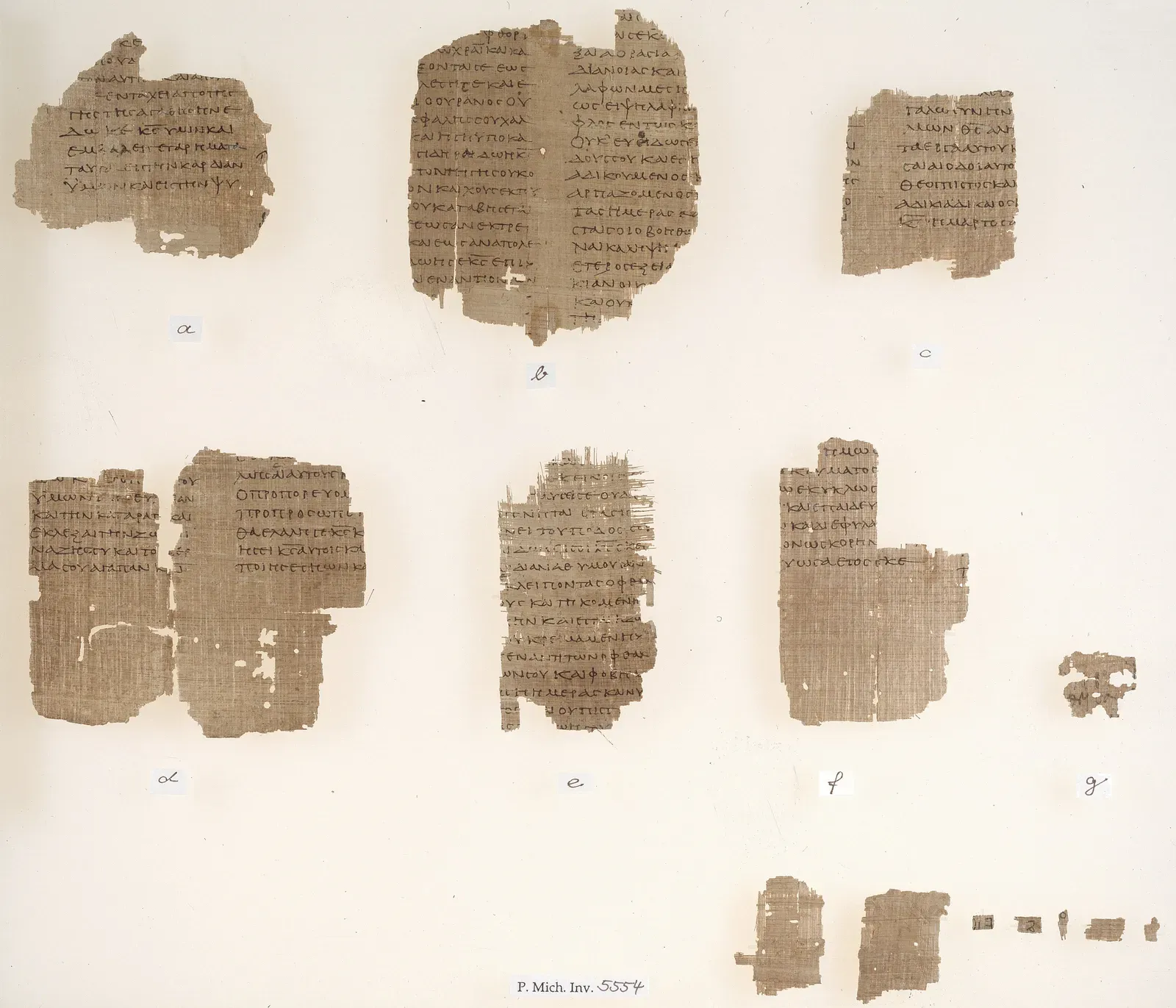
When a sensational ancient text surfaces right before a major sale, papyrologists now reach for the brakes, not the champagne. The last decade exposed how fragile manuscript authentication can be. Fragments of biblical and classical texts appeared with glamorous backstories but no solid pre-war collecting history. Ink analysis, fiber studies, and in some cases radiocarbon dating suggested that at least some of these “ancients” might be modern creations on old papyrus.
Curators and scholars caught in the crossfire saw careers and entire collections questioned overnight.
- Authenticate any high-profile fragment without full access to the physical piece
- Endorse items whose provenance begins in “anonymous Swiss collections”
As a result, many manuscript specialists now refuse to do either. They insist on slow, methodical study, which does not fit the auction calendar. When pressured for quick opinions, the most experienced scholars simply decline to comment. In the manuscript world, “no opinion” has quietly become code for “this could blow up.”
#3 “Previously Unknown” Works by Recently Fashionable Artists
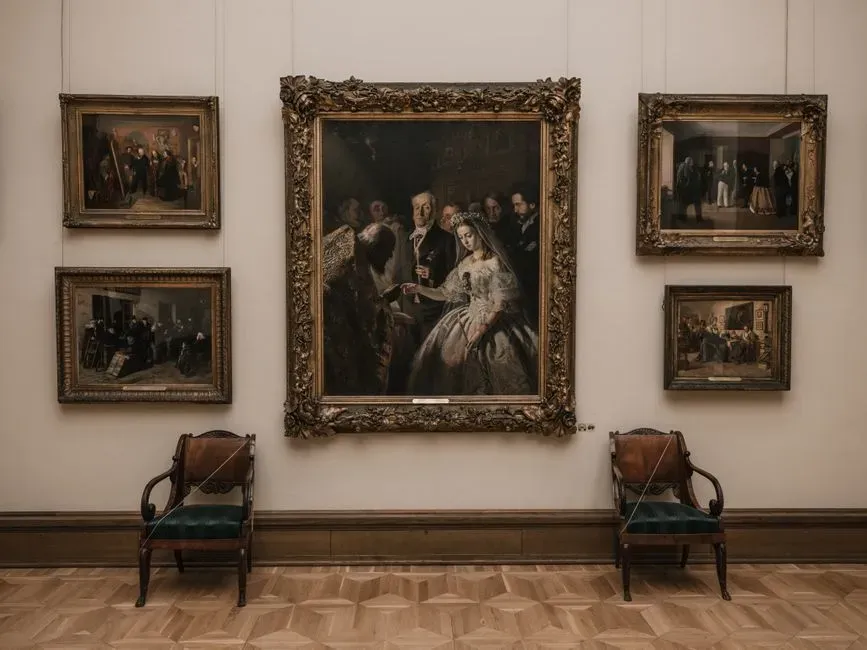
The hottest contemporary and modern names are now the riskiest to touch. When an artist’s market explodes — think post-war abstraction, certain street artists, or mid-century designers — mysterious “early works” and “studio experiments” suddenly surface. Authentication boards have been sued, threatened, and harassed into shutting down after they branded popular works as fake.
The legal and financial stakes became so extreme that many artist estates now refuse to authenticate anything for the open market at all.
- Provide at most a “certificate of inclusion” if a work is already in their catalogue
- Decline to opine on pieces that would meaningfully move prices
This creates a strange limbo: museums and collectors are left with works that look right, feel right, but will never get a rubber stamp. Some insiders quietly argue that this limbo is worse than a clear “fake” verdict — but at least it keeps specialists out of court.
#2 High-Profile “Reattributions” That Conveniently Upgrade the Label
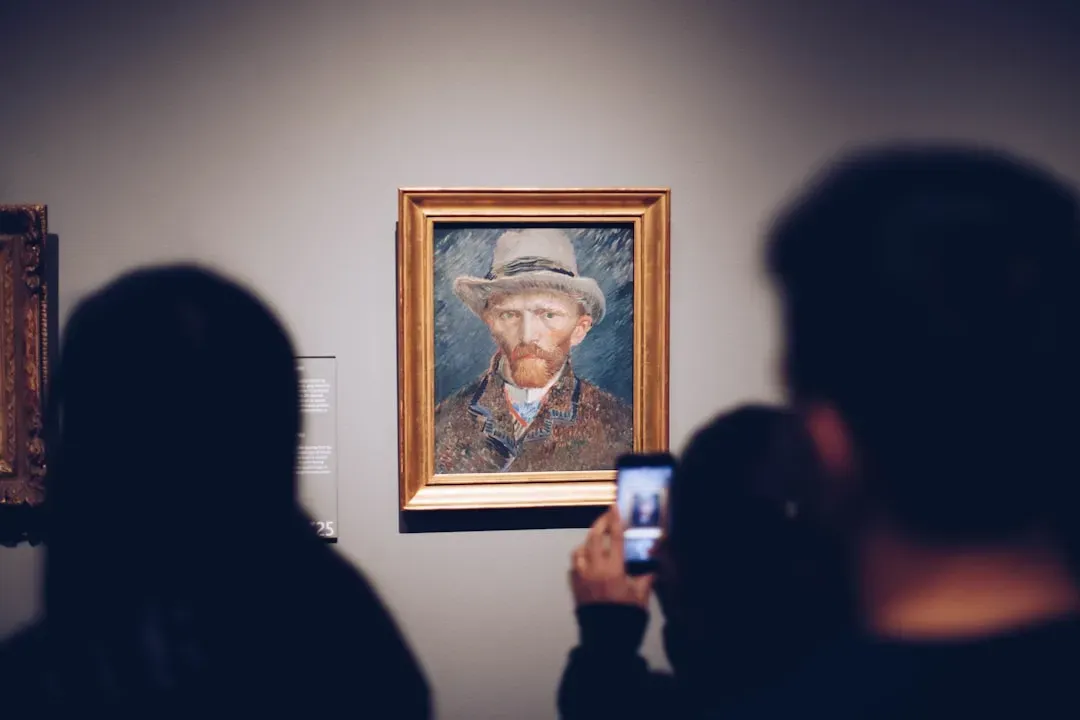
One of the dirtiest open secrets in museums: sometimes objects mysteriously climb the attribution ladder. A “studio of,” “follower of,” or “school of” work can multiply in value if re-branded as an autograph masterpiece. Over the last few decades, some aggressive scholars and dealers built reputations on dramatic reattributions — only for subsequent research and technical studies to cast doubt. Now, many senior curators flatly refuse to authenticate any work that seems to exist mainly to upgrade a catalog entry or auction estimate.
They’ve seen this movie before, and they know exactly how it ends.
- Paintings with thin or circular provenance suddenly “discovered” as major works
- Attributions that rely on one scholar’s eye against both documentation and lab data
Why It Stands Out
- Reattribution disputes have triggered some of the largest defamation lawsuits in the art world.
- A single upgraded label can multiply a work’s market value overnight.
- Technical studies increasingly outweigh a single expert’s stylistic judgment.
Rather than endorse or oppose, a growing number of experts stay silent or use ultra-cautious language. This infuriates owners who want a clear yes, but the field has learned the hard way that bold reattributions age badly.
#1 Famous “Problem Pieces” Already Exposed in Past Forgery Scandals
At the very top of the “we won’t touch this” list are objects already tainted by scandal. These are the paintings, sculptures, and artifacts that featured prominently in major forgery cases — sometimes hanging in respected museums for years before being outed by forensic work or whistleblowers. Once a piece has been linked publicly to a known forger, laundering it back into respectability via “fresh” authentication is professional suicide for any specialist.
The scientific record, court documents, and press coverage never really disappear. They follow the object like a shadow, no matter how much time passes.
- They refuse private “second opinions” designed to rehabilitate notorious works.
- They decline to appear in court or arbitration to argue that “maybe” the piece is real after all.
These “problem pieces” often end up in legal limbo — too notorious to show, too contested to sell, and too embarrassing to publicly deaccession. Insiders know their names; outsiders just see vague labels or quiet disappearances from galleries.
The Bottom Line

Under the surface gloss of museum galleries, the authentication world has turned brutally cautious. Specialists have been burned by forged bronzes, heroic “Viking” swords, miraculous manuscripts, and rebranded masterpieces that collapsed under basic lab testing.
The new default is skepticism, not romance. If a treasure’s story starts in a dealer’s backroom instead of an excavation trench, the smartest experts now keep their distance — or their mouths shut.
That frustrates collectors and even some visitors, but I’d argue it’s a necessary correction, not cowardice. Refusing to authenticate has quietly become a kind of professional hygiene. The label on the wall might look confident, but behind it, more often than not, is a lot of strategic silence.
Which of these categories do you think museums should be most honest about — and what would you actually do if your favorite “masterpiece” turned out to be a maybe?