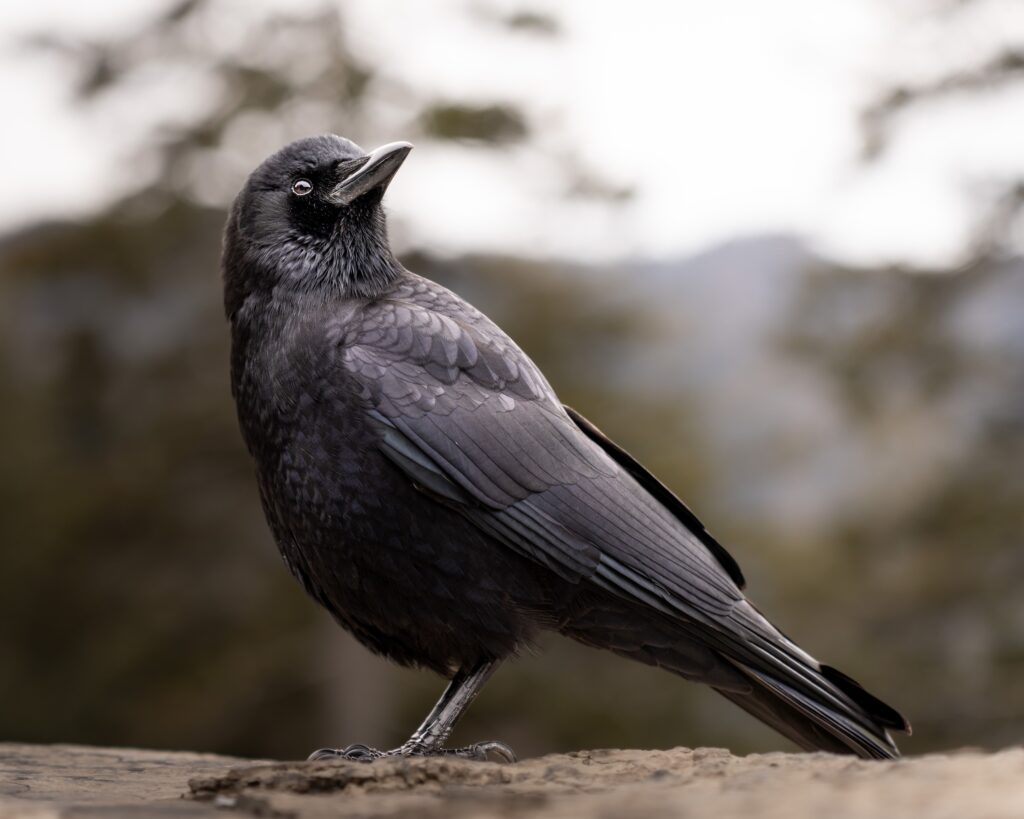

If you have ever watched a crow tilt its head and stare back at you, you might feel a strange sense that someone is looking at you, not just something. As researchers keep pushing the limits of what animals can do, crows keep breaking the rules you were probably taught about what separates you from the rest of the animal world. The more you look at them, the more unsettling it becomes: these birds are not just clever, they are edging into abilities that used to be described as uniquely human.
In the last couple of decades, experiments with crows, ravens, and other corvids have shown that they recognize themselves in mirrors, solve complex, multi-step puzzles, and even appear to plan for future needs they do not have in the present. Those are not just fun party tricks of animal cognition. For a long time, they were held up as the gold standard for human-like consciousness. When you realize a crow with a brain the size of a walnut is passing some of the same tests used on primates and young children, you have to start asking uncomfortable questions about what consciousness actually is.
You Share a Key Test of Self-Awareness With a Crow
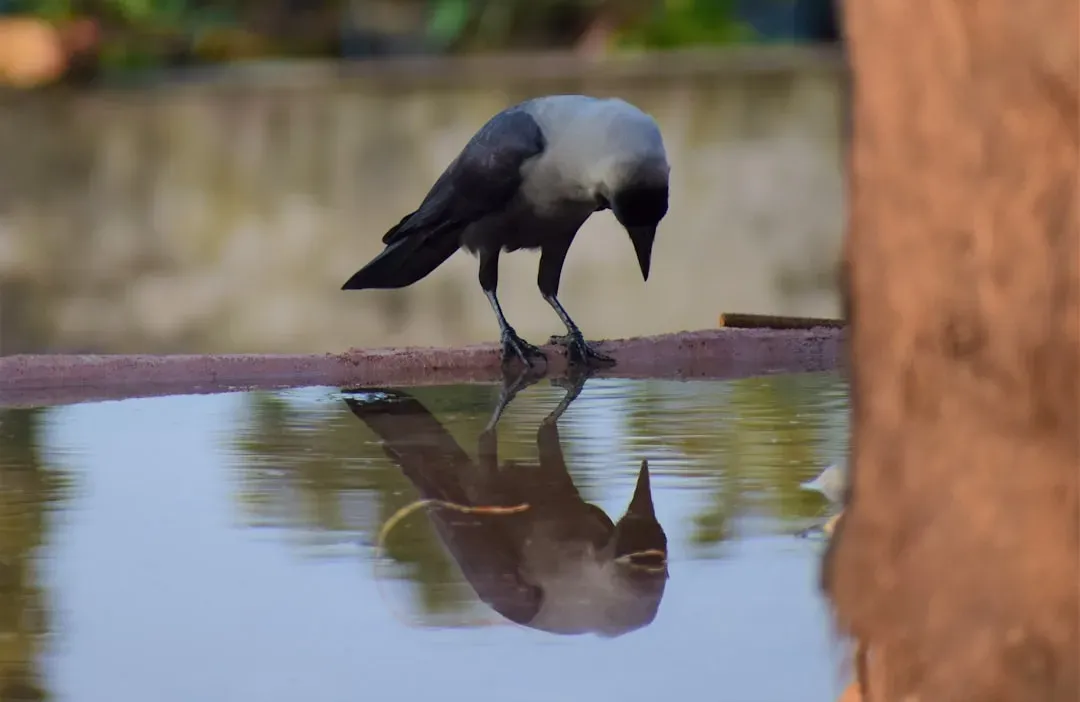
You probably take it for granted that when you look in a mirror, you know you are looking at yourself. For decades, scientists treated that mirror self-recognition test as one of the cleanest indicators of self-awareness, something that helped draw a sharp line between humans, great apes, and everything else. Then along came corvids, especially magpies and crows, calmly stepping over that line like it was never really there.
In mirror tests adapted for birds, some corvids have used a reflection to investigate a mark or sticker placed on parts of their body they could not normally see, changing their behavior only when a mirror is present. When you see a crow using a mirror as information about its own body rather than as just another bird, you are looking at the same basic capacity researchers once called a defining feature of human-level consciousness. That does not mean the crow’s inner life matches yours, but it does mean that the old claim that only big-brained primates can do this has quietly crumbled.
You Watch a Crow Solve Puzzles That Would Stall Many Adults
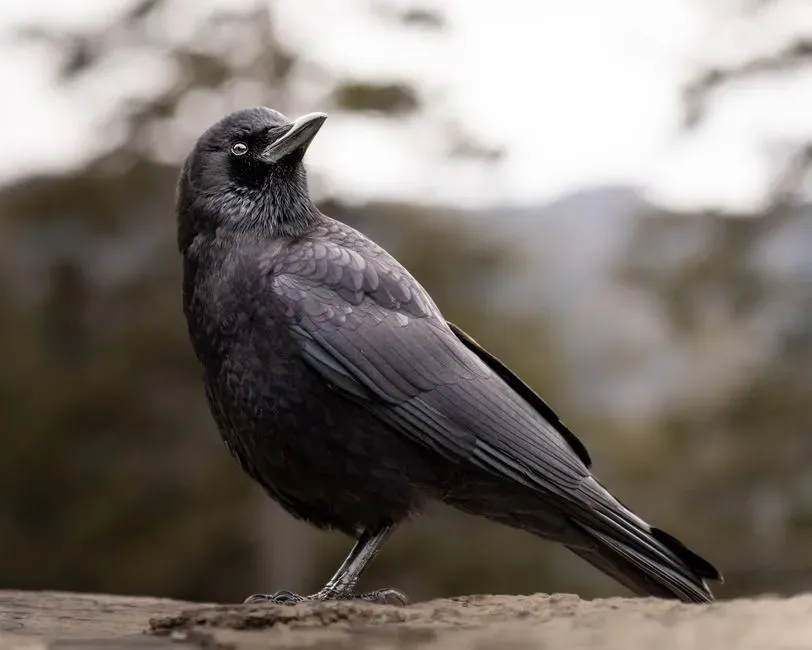
Imagine you are handed a strange contraption with tubes, levers, stones, and bits of food hidden behind barriers. To get the reward, you have to pull one piece to get another tool, then use that tool on a different part of the setup, and then repeat that several times in the right order. Many people would hesitate, experiment randomly, or give up. Crows, in controlled tests, have worked through exactly that kind of multi-step puzzle with a cool, methodical style that feels disturbingly familiar.
In famous experiments, individual crows have used one tool to obtain a second, more suitable tool, then used that to access food, chaining together several steps in the correct sequence without obvious trial-and-error. When you watch footage of a crow calmly dropping stones into a water-filled tube to raise the water level and bring floating food within reach, you are looking at something very close to the sort of causal reasoning that used to be claimed as the special property of your species. The difference is that the crow never got the memo about staying in its intellectual lane.
You Are Not the Only One Who Seems to Plan for Tomorrow
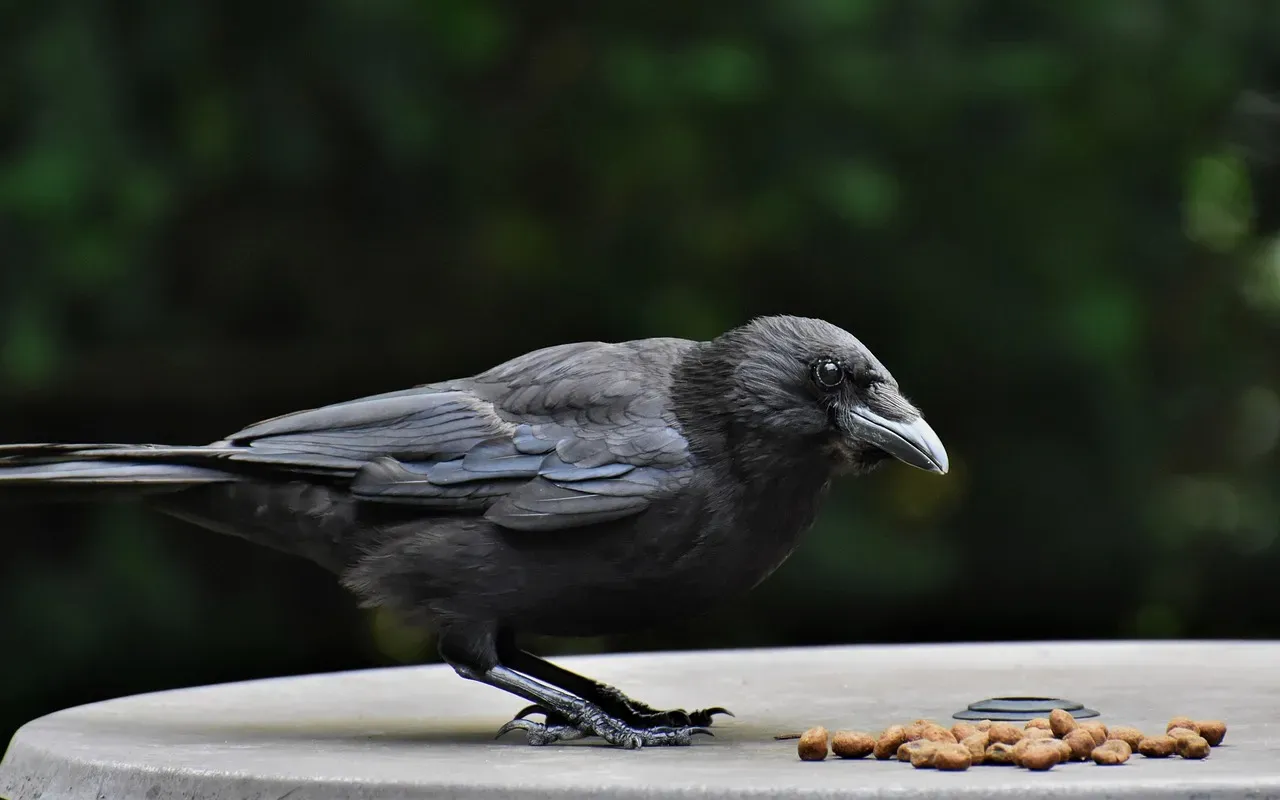
If you plan your meals for next week, book travel months ahead, or stash money in a savings account, you are relying on a mental ability called mental time travel: picturing your future self and acting now to help that future version of you. For a long time, researchers insisted that kind of flexible, forward-looking planning belonged to humans alone. Then evidence from corvids started to suggest that at least some birds behave as if they, too, can prepare for a tomorrow they have not yet experienced.
In controlled studies, some corvids have cached food in places where they later tend to be hungry, chosen tools in the present that they will only be able to use in a different setting in the future, and avoided storing perishable food where it would spoil before they could return. When you see that, you are not just looking at instinctive hoarding. You are looking at animals acting as if they understand a future need and are willing to accept a smaller benefit now for a larger benefit later, which should sound uncomfortably similar to your own daily compromises.
You Share Deep Cognitive Patterns With a Brain Built Completely Differently
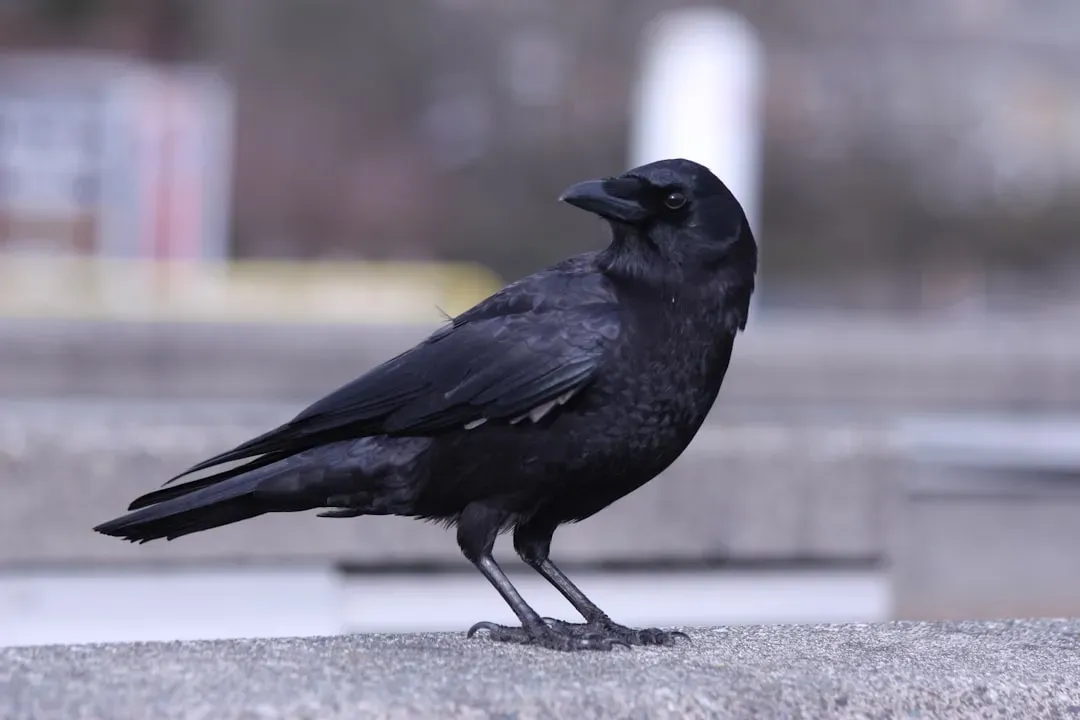
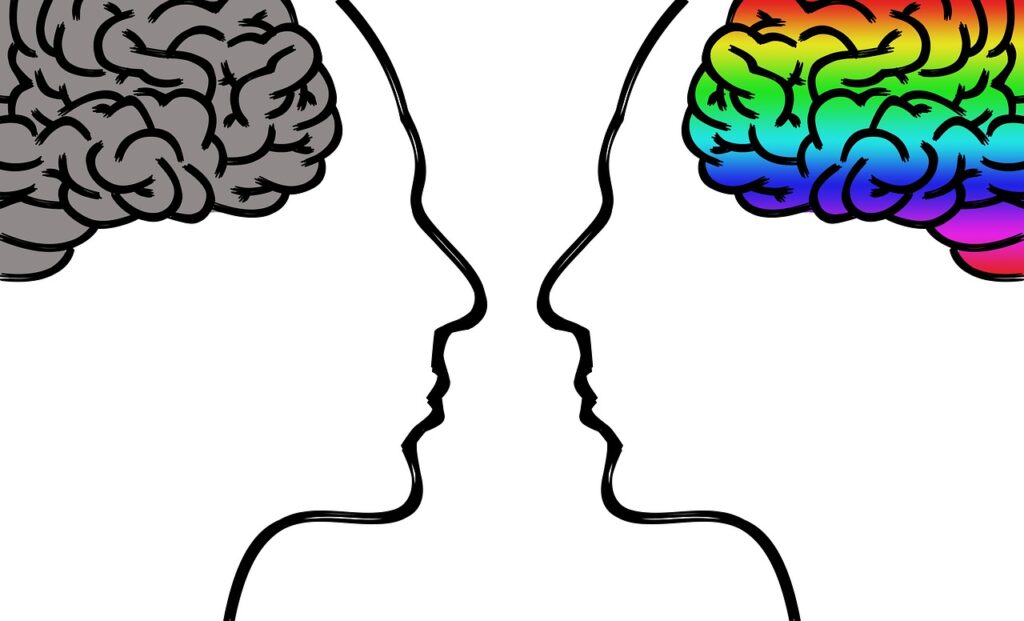
You might assume that if another creature ever approached your cognitive territory, it would need a brain shaped roughly like yours: big, layered, and packed with a neocortex. Corvids throw that comfortable assumption out the window. Their brains are small and structured differently, yet they still manage to support problem-solving, flexible learning, and self-related processing that echo human abilities in surprising ways.
When researchers look closely, they find dense clusters of neurons in bird brains, with key areas functionally similar to the prefrontal regions you use for planning and decision-making. So when you watch a crow pause, inspect a situation, then choose between several options, you are watching a radically different biological machine arrive at something like the same mental endpoint. That forces you to confront an unsettling possibility: consciousness and sophisticated cognition might not be rare, fragile flukes but robust solutions that evolution can reach through multiple routes.
You Are No Longer at the Center of the Consciousness Story
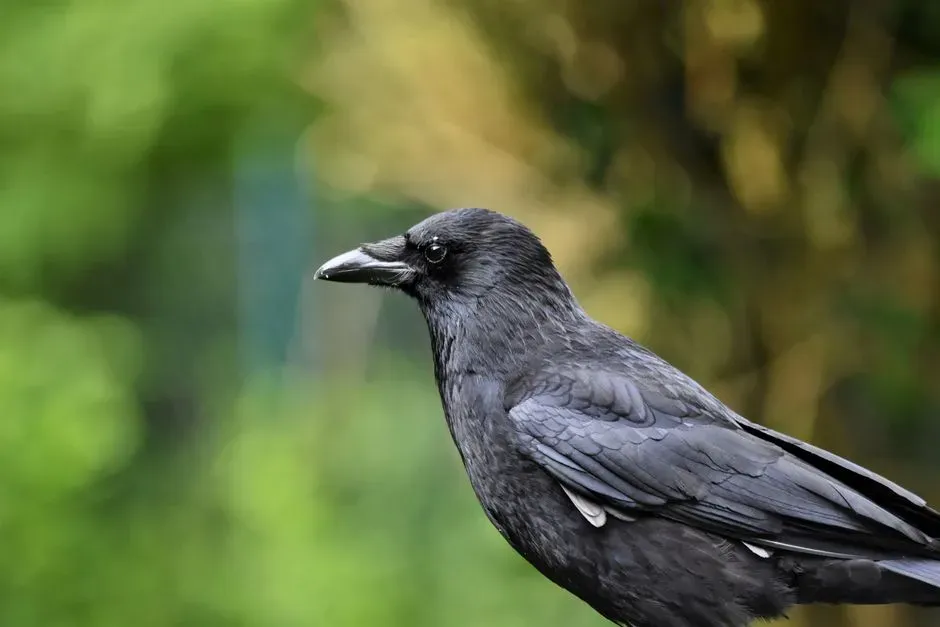
For a long time, the hierarchy was simple: humans at the top, great apes and maybe dolphins somewhere underneath, and birds far below as feathered reaction machines. You probably grew up with children’s books, shows, and classroom charts that reinforced that ladder, making it feel like simple common sense. Corvid research slices right through that picture, replacing the neat stairway with something more like a tangled forest of overlapping intelligences.
When you see that a crow can recognize individual human faces, remember who treated it well or badly, teach its young about dangerous people, and solve multi-stage tasks on par with human children in some experiments, the story shifts. You are no longer the single shining point of consciousness towering over a dull animal world. Instead, you find yourself on a crowded stage where very different species share pieces of what you once called uniquely human, and that can be both humbling and strangely reassuring.
You Have to Rethink What “Human-Level Consciousness” Even Means
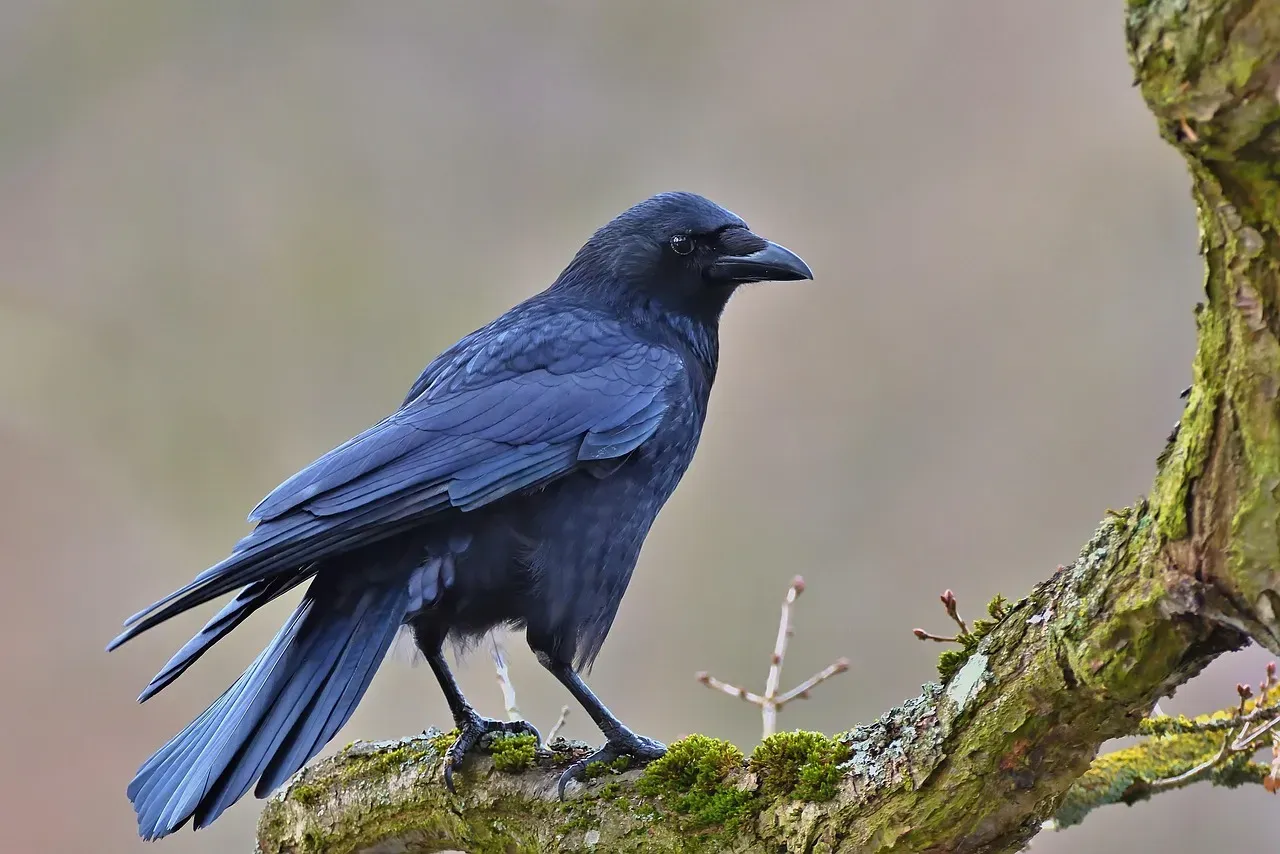
Once abilities like mirror self-recognition, multi-step tool use, and flexible future planning were taken as near-definitive proof of human-like consciousness. If something else showed those capacities, you were supposed to treat it as a serious candidate for an inner life somewhat like yours. Now that crows and other corvids have blithely ticked off those boxes, you are stuck with a hard choice: either you grant them a richer mental life than you previously imagined, or you admit that your old tests were never as definitive as you claimed.
That realization forces you to sharpen your thinking. Instead of saying that any creature passing a mirror test must be conscious in a human way, you are pushed to ask more precise questions: what kind of self is being recognized, what kind of future is being represented, what level of understanding sits behind a sequence of actions? When you let go of the comforting shortcut that one or two tests prove everything, you start to see consciousness as a spectrum of overlapping capacities, and crows end up standing right beside you on quite a few of those steps.
You Face Practical and Moral Questions You Can No Longer Dodge
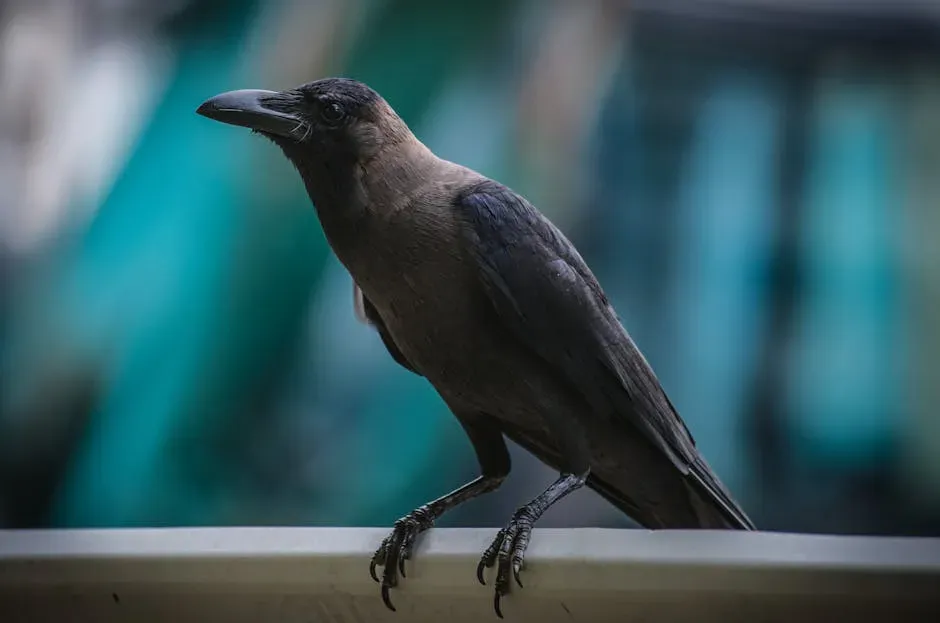
Once you admit that crows are not just feathered automatons but beings capable of complex thought, memory, and perhaps a form of self-awareness, you cannot keep interacting with them as if they were background scenery. The way you design cities, manage waste, or control so-called nuisance bird populations stops being just an engineering problem and starts to look like a moral one. If a crow remembers faces, learns from trauma, and anticipates threats, your actions toward it have deeper consequences than you might like to admit.
On a more personal level, every time you toss food scraps, watch a crow inspect a crosswalk, or see a small group quietly observing you from a rooftop, you are part of a relationship between species that is more mutual than you might think. You are not the only one tracking patterns, forming expectations, and adjusting behavior. When you recognize that, it becomes harder to treat other minds as disposable. You start asking yourself whether you want to live in a world where intelligence in a different shape is ignored just because it does not look like you.
Conclusion: You Are Not Alone in the Mental Universe
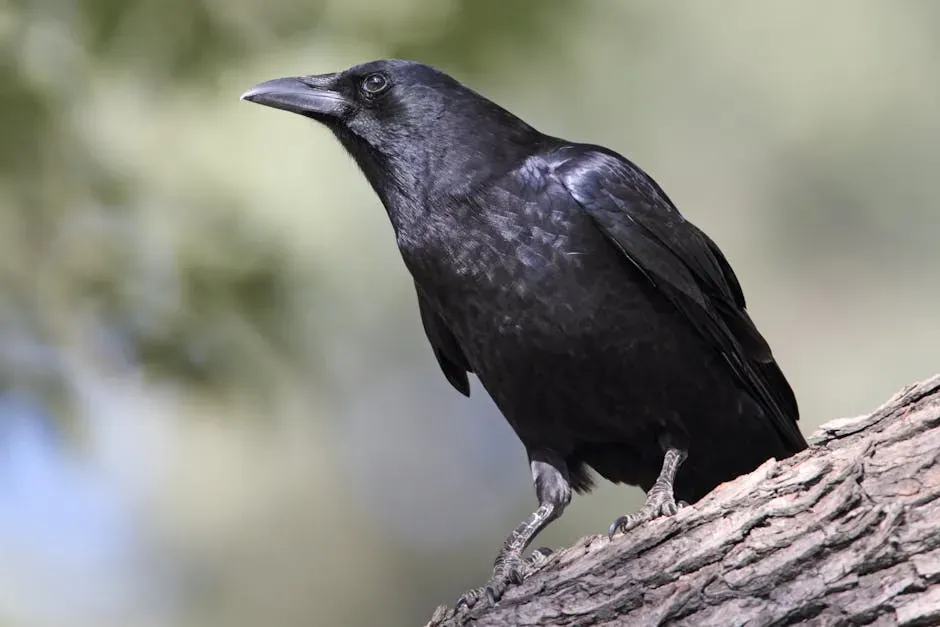
When you pull all these threads together – mirror self-recognition, multi-step problem solving, apparent planning for the future, and brains that arrive at similar functions along totally different paths – you are left with a simple but unsettling message: your kind of mind is not the only game in town. Crows stand as living proof that evolution can sculpt complex, flexible cognition in small, feathered packages that share your skies and sometimes your sidewalks. Once you really absorb that, it becomes very hard to keep pretending that consciousness draws a clean, bright circle around your species alone.
You do not need to romanticize crows or pretend they are tiny humans with wings to appreciate what they reveal about the nature of minds. You only have to watch them with the same curiosity they use on you, and admit what the evidence is quietly shouting: intelligence and self-related awareness are less about size and species and more about patterns that can emerge wherever the conditions are right. The next time a crow locks eyes with you, you might wonder, just for a moment, who is really doing the observing – and whether you ever imagined that a bird could change how you see your own mind.