
You probably like to think of big scientific breakthroughs as single, dramatic eureka moments. One lone genius, one lab, one late night, one sudden flash of insight. But when you look a bit closer, you see something much stranger and more fascinating: the same ideas often appear in different places almost at the same time, as if the world itself is ready for them and just needs a few people to write them down. You’re not watching one genius beat everyone else; you’re watching a pattern in how knowledge matures. In fact, once you start paying attention, you notice a recurring theme: researchers in different countries, sometimes with no contact at all, quietly working away and landing on almost exactly the same discovery in the very same year. It feels unfair and magical at once. As you go through these nine stories, you’ll see how often timing, tools, and shared questions push people toward the same answers, and it might change how you think about originality, competition, and your own ideas.
1. Calculus: When Newton and Leibniz Took Different Roads to the Same Summit
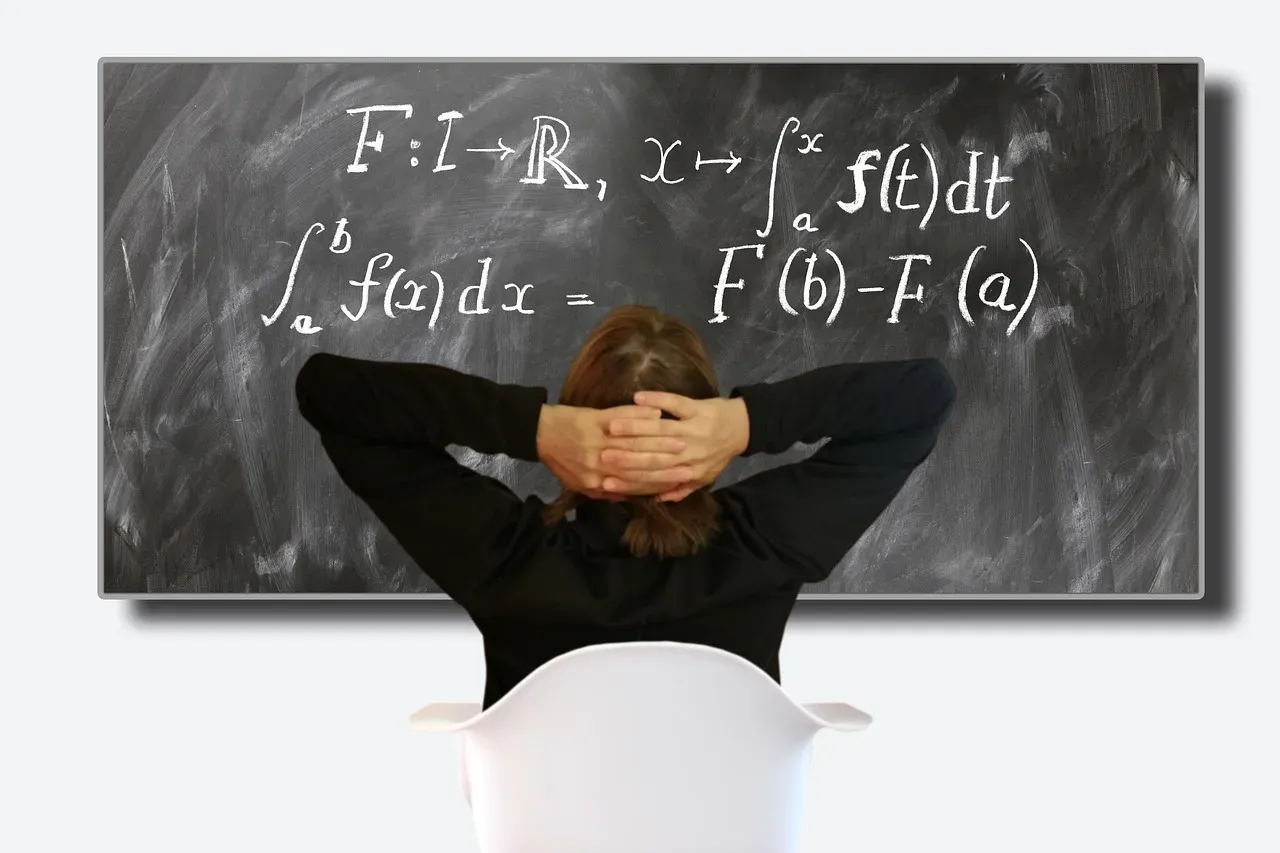
If you’ve ever wrestled with derivatives and integrals, you’ve been living in the shadow of a double discovery. In the late seventeenth century, you had Isaac Newton in England and Gottfried Wilhelm Leibniz in what is now Germany, both building the foundations of calculus. They weren’t corresponding, they weren’t collaborating, and yet, within just a few years of each other, they each developed a powerful new mathematical language for describing change and motion. From your perspective today, it’s almost eerie. You see Newton approaching calculus through physics, obsessing over planetary motion and falling bodies, while Leibniz comes at it through pure mathematics, stressing notation and general rules. You’d probably prefer Leibniz’s symbols if you open a textbook today, but you still feel Newton’s influence in how you connect calculus to the real world. Same decade, different countries, two paths up the same mountain – showing you that big ideas are often less about a single hero, and more about a world that’s finally ready to think in a new way.
2. Natural Selection: Darwin and Wallace Racing the Clock of Evolution
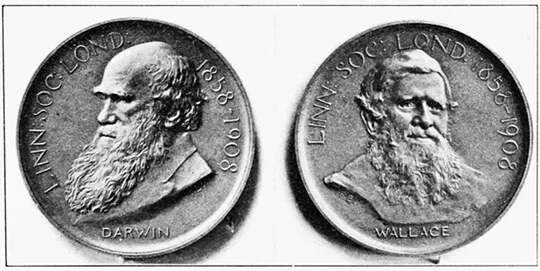
When you think of evolution, you almost automatically think of Charles Darwin. But if you zoom in on the year 1858, you suddenly find yourself in a quieter, more uncomfortable drama: a young naturalist named Alfred Russel Wallace, working in Southeast Asia, writing down almost the same core idea of natural selection that Darwin had been privately shaping for decades in England. You can imagine how your stomach would drop if you’d been sitting on a revolutionary theory and then received a letter from someone else spelling it out. The wild part is that neither man stole from the other. You have two people collecting specimens, watching nature up close, and asking the same burning question: how do new species arise? In an age of global exploration, expanding collections, and fresh geological insights, you would have been surrounded by clues pushing you toward evolution. When both their ideas were presented together in London, it sent a simple message that still hits you today: some discoveries are simply ripe, and if you don’t make them, someone else will – even on the other side of the world.
3. Oxygen: Lavoisier, Priestley, and Scheele All Chasing the Invisible

You breathe it constantly, but oxygen’s story is tangled and oddly crowded. In the 1770s, in different parts of Europe, multiple chemists were teasing apart the mystery of “air.” In England, Joseph Priestley heated compounds and collected a strange gas that made candles burn brighter and mice more lively. In Sweden, Carl Wilhelm Scheele had produced a similar gas slightly earlier but published later. In France, Antoine Lavoisier stepped in, reinterpreting those results and building the modern concept of oxygen and combustion. If you were a chemist then, you’d be surrounded by new glassware, better balances, and growing awareness that “air” wasn’t a single thing. It’s not surprising that several people nearly stumbled on the same insight at once. What really stands out to you is how interpretation matters: Priestley thought of the gas through old phlogiston theory, while Lavoisier used the same type of experiments to demolish that idea and launch modern chemistry. The core discovery emerged more than once, but the story you’re taught depends on who gave the clearest explanation, not just who lit the first flame.
4. The Telephone: Bell and Gray Trying to Speak Across Wires
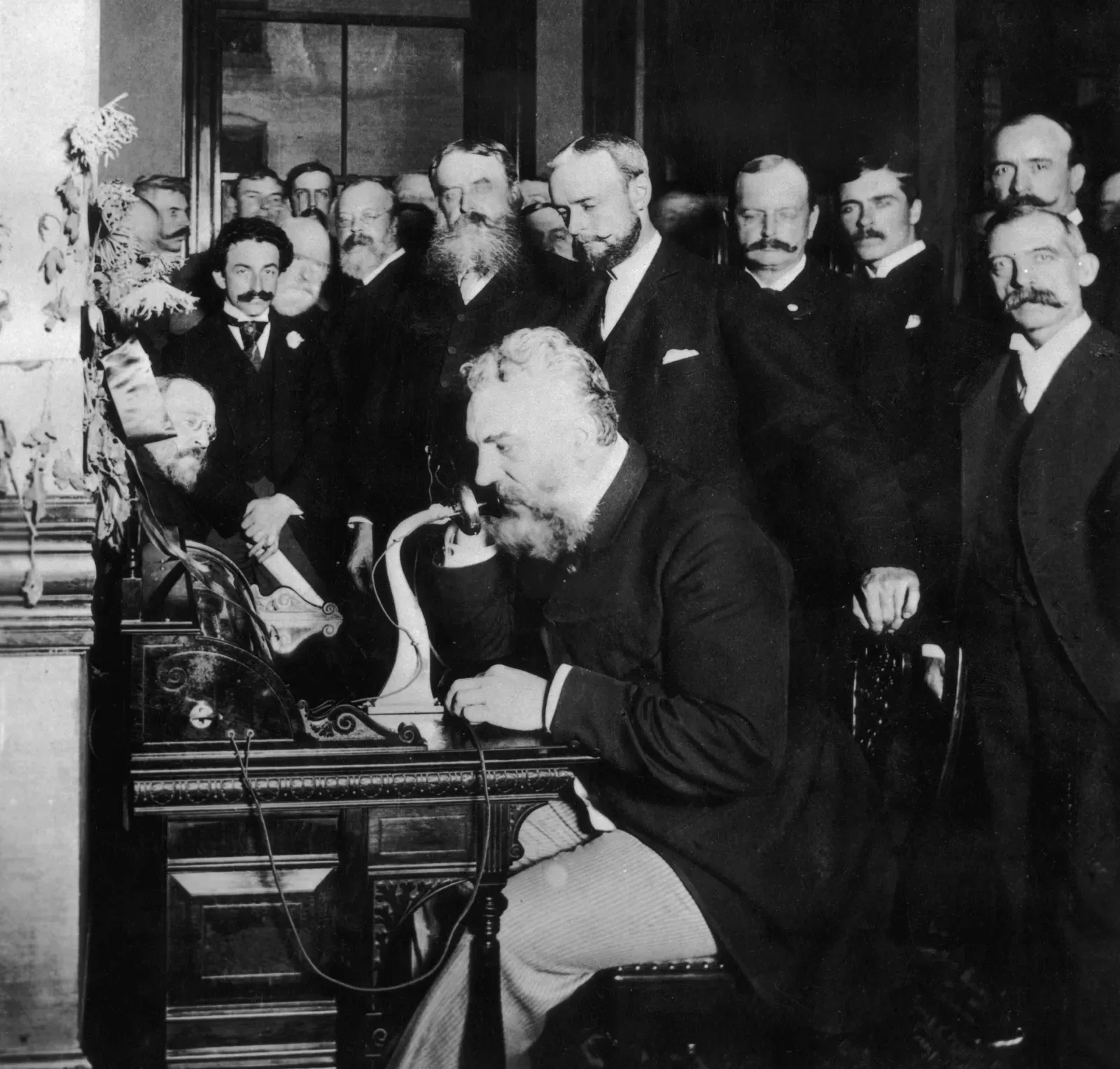
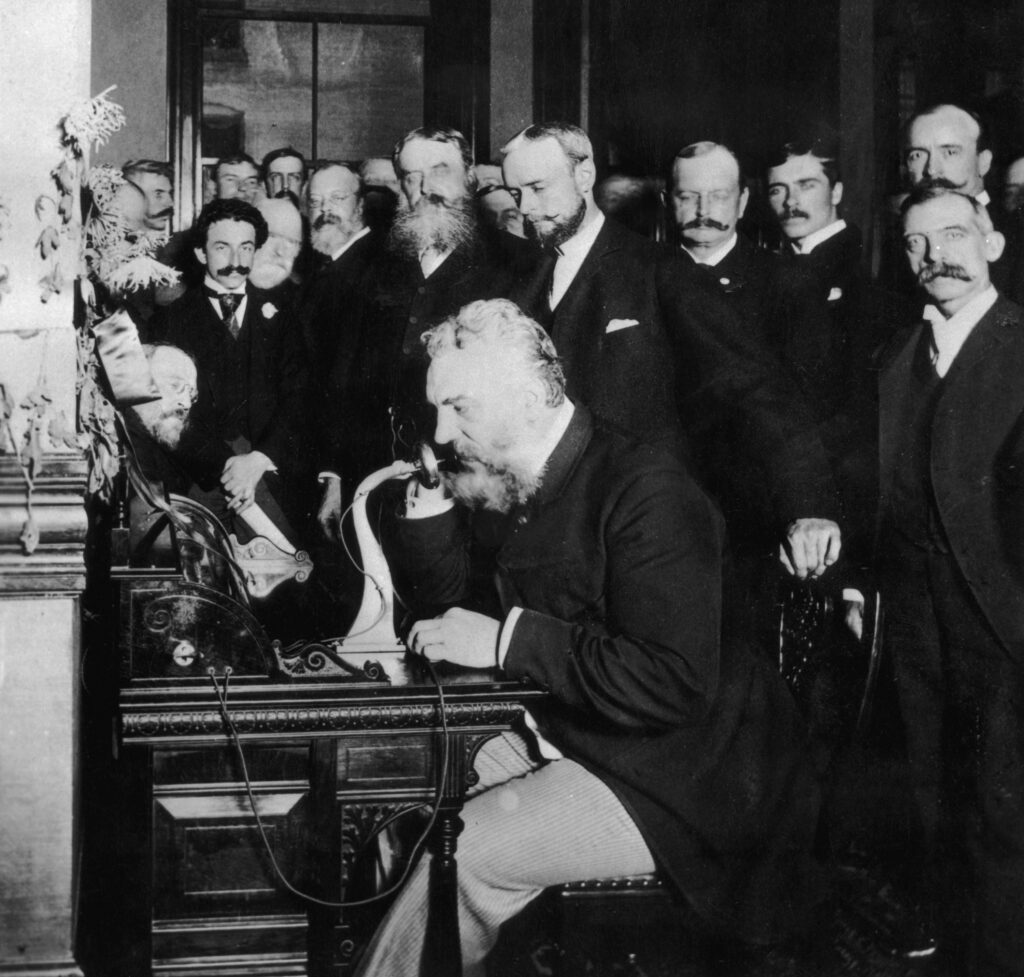
Imagine you’ve been obsessing over the idea of sending human voice over a wire. You’re experimenting, filing sketches, scraping together funding. Then, in 1876, Alexander Graham Bell in the United States and Elisha Gray, also in the U.S. but working in different circles and influenced by telegraph innovations from Europe, file documents on voice-transmission devices almost on the same day. While they weren’t in different countries, their work built directly on a web of international telegraph research, and they ended up turning a shared global technical pressure into nearly identical solutions. From your point of view now, it looks like a legal drama: patents, disputes, and arguments over who was first by hours or days. But if you zoom out, you notice how much the world had been nudging both men toward that same idea. Telegraph networks were sprawling, electrical understanding was improving, and business demand for better communication was intense. If you were a clever, technically minded person plugging into those currents in almost any industrialized country at that time, you’d feel the same itch: what if you could make wires talk, not just click?
5. The Periodic Table: Mendeleev and Meyer Arranging Nature’s Puzzle
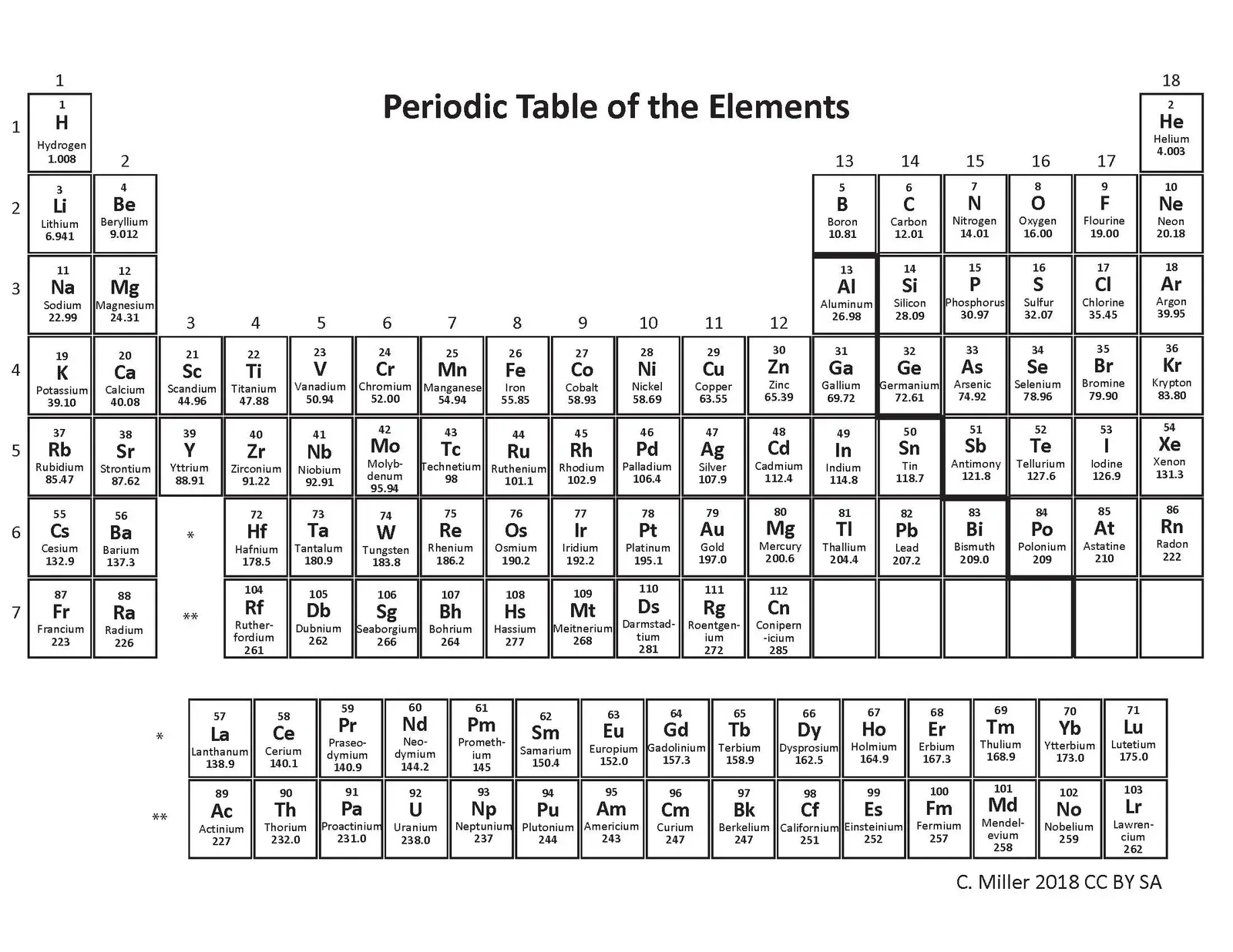
By the mid-nineteenth century, if you were a chemist, your world was overflowing with new elements and messy data. Atomic weights were being measured with increasing accuracy, and you probably had notebooks full of confusing similarities and odd patterns. In that atmosphere, Dmitri Mendeleev in Russia and Julius Lothar Meyer in Germany independently built versions of what you now know as the periodic table. Both noticed that when you list elements by increasing atomic weight, their properties repeat in a regular way. What feels impressive to you is not just that they saw a pattern, but that they were willing to trust it enough to leave gaps. Mendeleev in particular used his table to predict elements that had not even been discovered yet, betting that they would one day appear and fit perfectly into the scheme. Meyer had many of the same observations, arranged in a slightly different format, showing you that the mental leap was ready to be made in more than one lab. When you look at the periodic table today, you’re really looking at the convergence of multiple minds orbiting the same invisible structure of nature at the same historical moment.
6. The Law of Conservation of Energy: Mayer and Joule Feeling the Heat

Today, you take it for granted that energy is conserved – that it can change form, but the total amount stays the same. In the nineteenth century, that idea was still foggy, and you might have treated heat, work, and motion as separate and mysterious. In different parts of Europe, two men helped crack this puzzle around the same time: Julius Robert Mayer in Germany and James Prescott Joule in England. Mayer, a physician, noticed how blood color and heat were connected to energy use in the body; Joule, experimenting in a workshop setting, measured how mechanical work turned into heat in water. From your perspective, they were both wrestling with the same new tools and industrial realities: better thermometers, steam engines, pressure to improve efficiency. If you had been watching steam engines waste heat, you’d probably suspect some hidden book-keeping was going on between motion and warmth. Mayer’s insight was more conceptual and biological; Joule’s was more experimental and precise. Together, their work shows you how ideas can crystallize in different countries for different reasons, yet converge on the same unshakable principle that underlies every engine, battery, and power grid you rely on today.
7. Non-Euclidean Geometry: Bolyai and Lobachevsky Breaking the Straight Line

For centuries, you would have been taught that Euclid’s geometry – the geometry of flat space, straight lines, and familiar triangles – was simply how space had to be. Then, in the early nineteenth century, something quietly revolutionary happened. In Hungary, János Bolyai, and in the Russian Empire, Nikolai Lobachevsky, both started to explore geometries where Euclid’s parallel postulate no longer held. They discovered consistent, “curved” geometries that seemed alien but mathematically sound. If you’d grown up trusting Euclid as unquestionable truth, this would have felt like science fiction. Yet both men, working in different academic cultures, pushed past the same roadblock, driven by the same frustration: what if that one suspicious Euclidean axiom wasn’t a law of nature, just an assumption? Their work took a while to be recognized, but it eventually became central to physics. When you hear about curved spacetime in relativity, you’re really hearing echoes of these parallel, independent breakthroughs that showed you space could be stranger than your schoolbook diagrams suggested.
8. The Path to DNA’s Double Helix: Chargaff and Franklin Providing the Clues
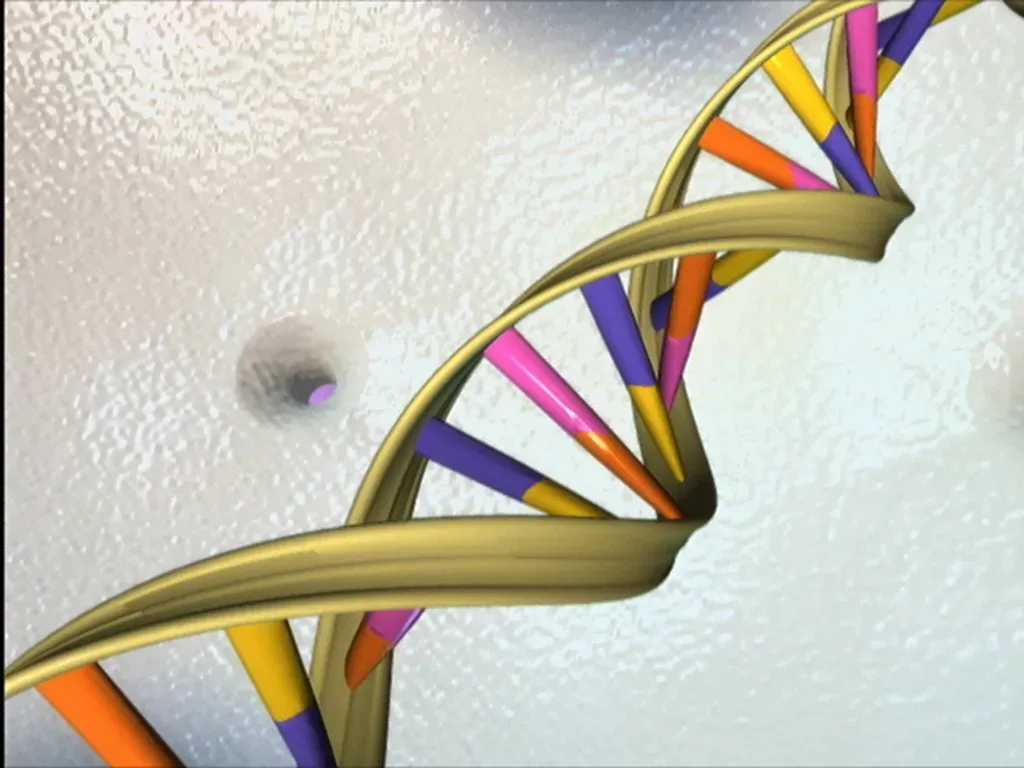
You probably know the image of the DNA double helix, but you might not realize how many independent pieces had to come together at roughly the same time – and how several of those pieces were uncovered by people working in different countries with little direct coordination. In Austria and later the United States, Erwin Chargaff measured the proportions of bases in DNA from different organisms and noticed a striking regularity: certain pairs always matched in amount. In the United Kingdom, Rosalind Franklin used X-ray diffraction to capture patterns that hinted strongly at a helical structure. From your vantage point, these were parallel tracks converging on the same answer to the question of how genetic information is stored and copied. Chargaff’s rules and Franklin’s images were built on a wider international wave of biochemical and physical tools that finally made the problem solvable. Even though you usually hear about a single group presenting the final model, you’re really seeing the climax of a story in which multiple researchers, in different labs and countries, were being pulled toward the same structural truth by better instruments and sharper questions.
9. CRISPR as a Genome-Editing Tool: Doudna’s Team and Charpentier’s Team Catching the Same Opportunity
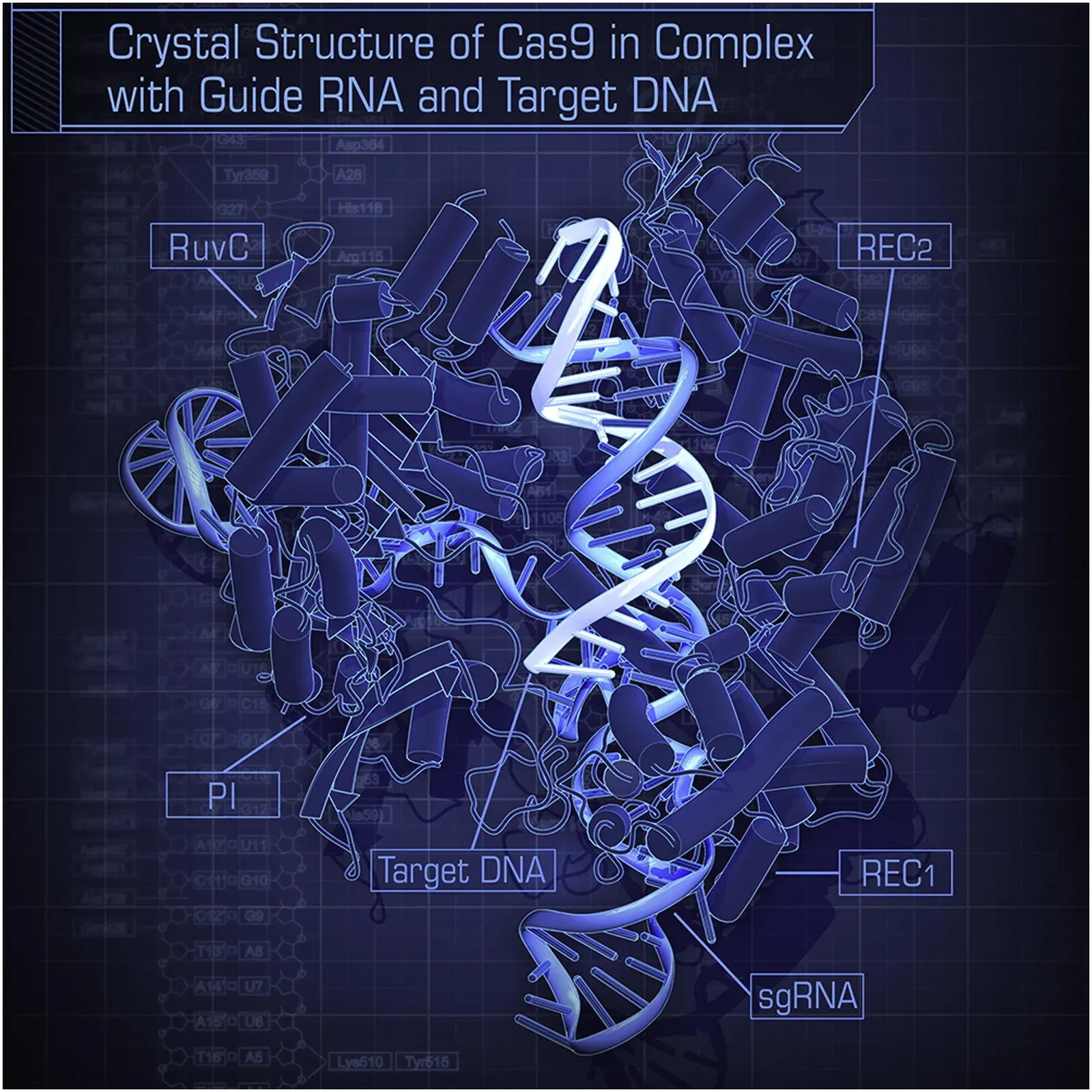
In the early 2010s, if you were working in molecular biology, you might have heard murmurs about strange repeating sequences in bacterial DNA called CRISPR. Different groups around the world were starting to suspect they formed part of a primitive immune system. In the United States and in Europe, separate teams, including researchers led by Jennifer Doudna and Emmanuelle Charpentier, were independently exploring how a bacterial protein called Cas9 could be guided by RNA to cut DNA at precise locations. Very quickly, the idea of turning this into a programmable genome-editing tool burst into view. From your perspective now, it looks almost inevitable that somebody would have turned CRISPR into a molecular scalpel once enough details were known. High-throughput sequencing, better bioinformatics, and a global community obsessed with gene editing all pointed in the same direction. What stands out to you is how fast those independent efforts converged into a shared toolkit that any lab on Earth can now use, letting you imagine editing genes as routinely as editing text. It’s another reminder that once the pieces are on the table, multiple minds around the world will start assembling the same picture at nearly the same time.
Conclusion: What Simultaneous Discoveries Really Say About Your Ideas
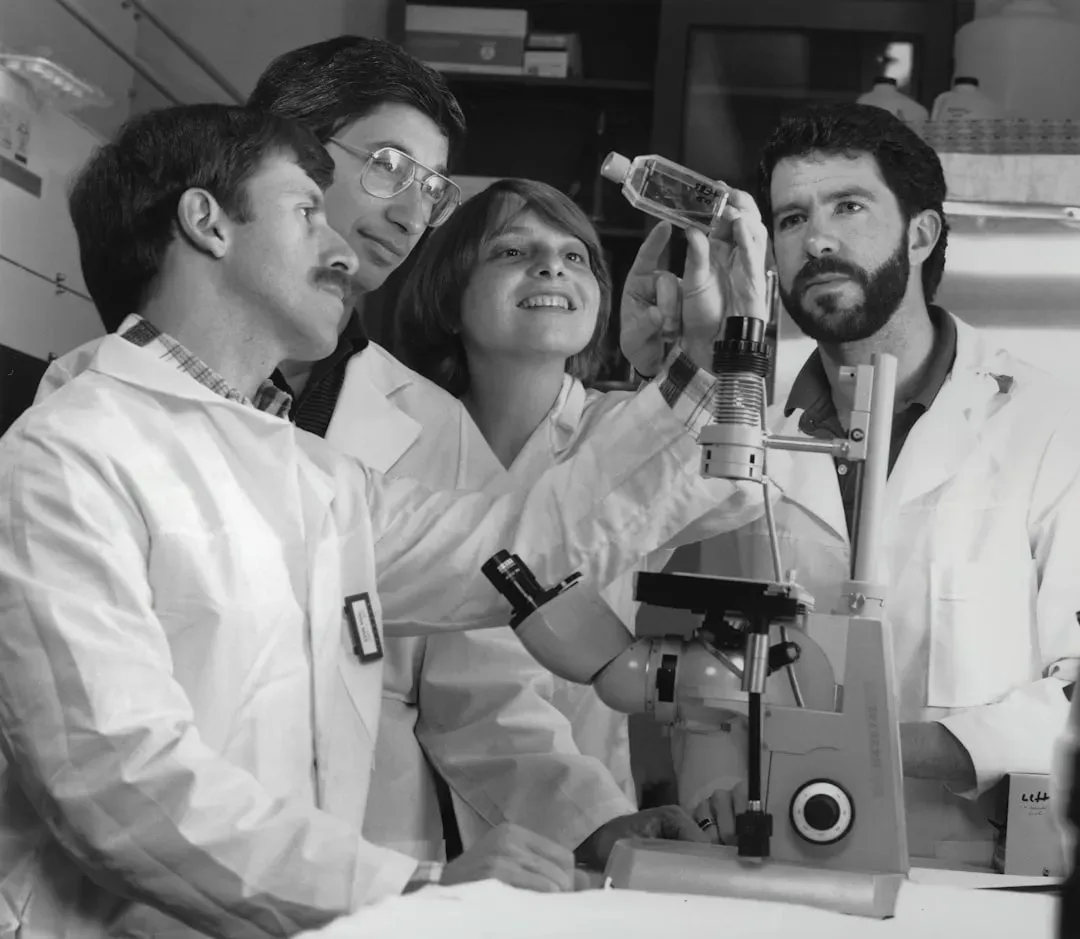
When you step back from these nine stories, a pattern jumps out at you: big discoveries rarely belong to just one mind, one country, or one dramatic moment. Instead, you see shared tools, shared questions, and shared pressures quietly pushing different people toward the same answers, often in the same year. It’s not that originality disappears; it’s that originality lives inside a crowded, noisy world where many others feel the same intellectual tension you do and tug at the same loose threads. If you’ve ever hesitated to pursue an idea because you were afraid someone else might be working on it too, these cases should give you a different perspective. Independent discoveries show you that being “first” is only one part of the story; being clear, rigorous, generous with credit, and bold in interpretation matter just as much. The next time you feel that itch that something important is just within reach, maybe you should assume someone on the other side of the planet feels it too – and let that push you to act now instead of waiting. If the world is ripe for a new idea, why shouldn’t you be one of the people who writes it down?