
You like to think you’re making rational choices, but a lot of what you do comes from something deeper and older than logic. Across the planet, from tiny island communities to megacities, people who have never met, never shared a language, and never swapped a single meme still end up doing the same strangely familiar things. You grieve in similar ways, tell similar types of stories, form similar social bonds, and even stare at the sky and ask the same impossible questions. Evolutionary biology explains a massive amount of this, but there are still instincts that feel oddly resistant to simple adaptive stories. You can gesture at “survival value,” but when you look closely, some of these patterns seem more mysterious than textbooks usually admit. In this article, you’ll walk through eleven of those cross-cultural instincts – things humans everywhere do – where the science is still wrestling with the full “why” and “how.”
The Instinct to Seek Meaning Beyond Survival

If you look honestly at your own life, you’ll notice that survival and comfort are not enough. Once your basic needs are covered, you start chasing something harder to define: a sense that your life matters, that it fits into a story larger than yourself. You ask questions about purpose, justice, destiny, and “what it all means,” even when those questions bring you discomfort instead of safety. That restless hunger for meaning shows up in every known culture, and it does not always line up neatly with reproductive success. You can argue that this instinct piggybacks on other evolved traits like social bonding and pattern recognition, but that still leaves a puzzle: why does your brain insist on meaning even when it leads to sacrifice, doubt, or conflict? People will give up status, risk their lives, or choose fewer offspring because of a moral or spiritual conviction that feels more important than genes. Evolution can partly explain the machinery that lets you form beliefs, but it still struggles to fully account for your stubborn refusal to live as if you’re just a survival machine.
The Drive to Create Art With No Obvious Utility

Everywhere you look – ancient caves, desert rock, city walls, smartphones – you find art. You doodle, hum, decorate your space, and feel strangely moved by colors, rhythms, and forms that don’t obviously help you survive. From body painting to symphonies, every culture you know has poured time and energy into art, sometimes at huge cost, with no clear material payoff. You’re not content to just build shelter; you want the shelter to look and feel like something. Some scientists suggest that art is a costly signal of intelligence or a tool for social bonding, and those ideas probably capture part of the story. But if you’ve ever cried over a piece of music or felt goosebumps looking at a painting, you know there’s more going on in you than sexual selection or tribe cohesion. Your brain responds to beauty as if it were a need of its own, not just an ornament on top of survival. That deep, persistent urge to make and to be moved by art still resists a clean, complete evolutionary explanation.
The Urge to Tell Stories and Live Inside Them

You don’t just remember events; you turn them into stories. You give your past a beginning, middle, and end. You explain your present as a chapter and your future as a plot twist waiting to happen. Every culture on Earth tells myths, legends, gossip, jokes, and personal narratives. You naturally think in characters, motives, and arcs, even when life is messier than any script. Evolutionary theories point out that stories help you share information, teach lessons, and build group identity, which all sound sensible. Still, that doesn’t fully explain why you feel such a strong pull toward narrative coherence, even when reality refuses to cooperate. You’ll twist facts, overlook contradictions, and cling to a storyline because living without a story feels more threatening than living with a flawed one. Your storytelling instinct shapes how you remember, judge, and decide, and science is still working out why your brain is so deeply wired for tales instead of just raw data.
The Instinct for Moral Judgement and Outrage

Across cultures, you have a sense that some things are simply wrong, even if they don’t affect you directly. You feel outrage when you see cruelty, lies, or betrayal, and you often care about justice for strangers you will never meet. People everywhere develop systems of right and wrong, praise and blame, reward and punishment. You don’t just react to harm; you pass moral judgments that feel almost instinctive. Evolution can explain some of this through cooperation and group survival, since punishing cheaters and protecting allies makes sense for communities. But your moral instincts often reach far beyond tight-knit groups, extending to animals, distant populations, and even future generations. You might choose honesty when lying would benefit you, or defend a principle that puts you at risk. That deep moral pull, especially when it runs against narrow self-interest, shows that there is still more to understand about why you are so driven to care about fairness in the first place.
The Ritual Instinct: Repeated Acts That Feel Sacred

If you pay attention, you’ll see rituals everywhere: handshakes, weddings, funerals, graduations, holiday meals, chants at sports events, daily routines you treat almost like ceremonies. Every known culture develops repeated, rule-bound actions that feel more meaningful than their surface details. You stand, kneel, sing, touch, or move in specific patterns at specific times, and doing it “wrong” can feel surprisingly disturbing. Some evolutionary explanations say rituals help you coordinate groups, signal loyalty, or reduce anxiety by creating predictability. Those reasons all make sense, but they don’t quite capture why certain repeated actions feel sacred to you, while almost identical actions in a different setting feel empty. You experience rituals as if they plug directly into an emotional circuit that words can’t fully reach. That felt sense of sanctity, connected to specific patterns of movement and timing, remains one of the more mysterious features of your mind.
The Universal Sense of the Sacred and the Supernatural
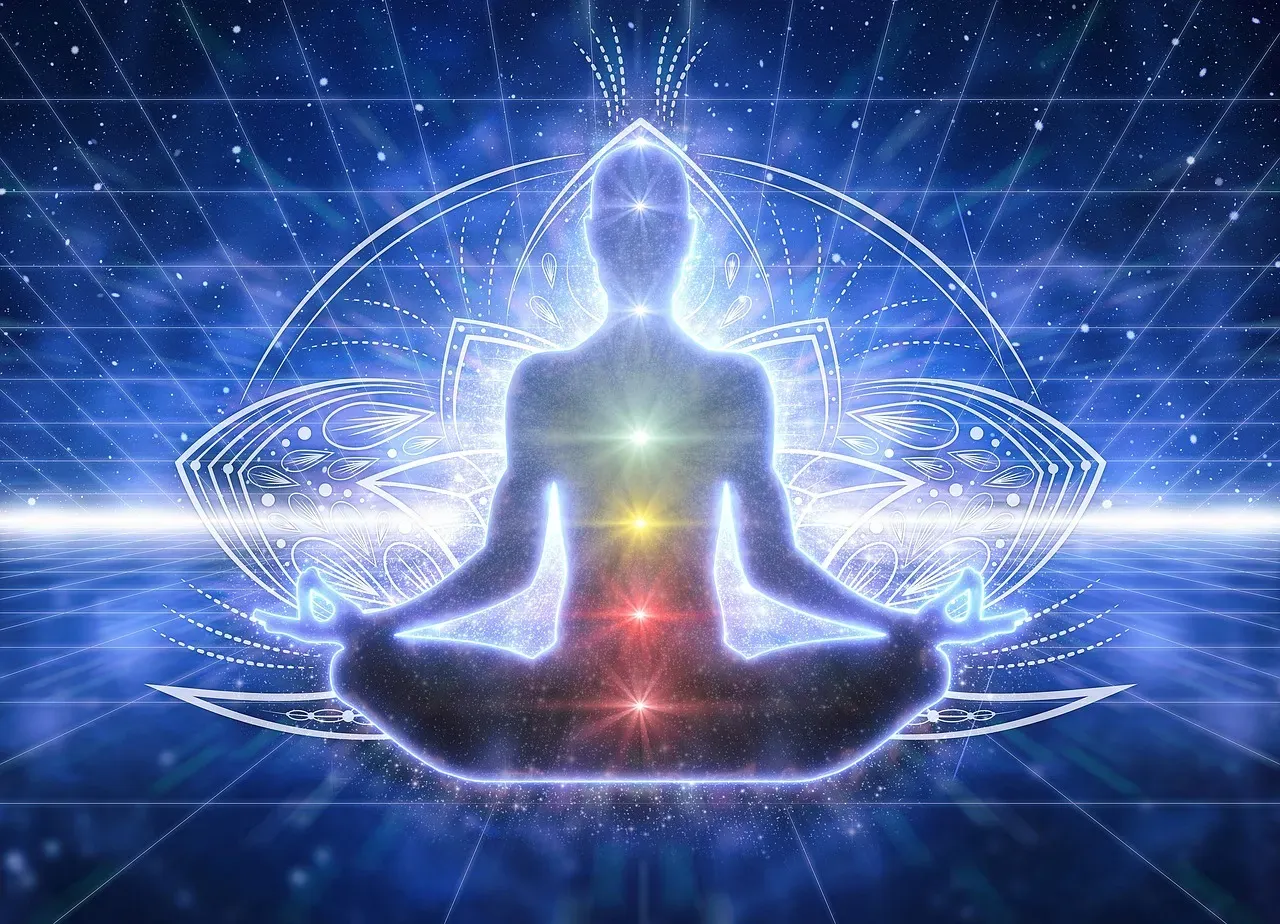
Whether or not you consider yourself religious, you probably feel that some things are “bigger than you” in a way that’s hard to ignore. Across every documented culture, people perceive sacred spaces, supernatural agents, or unseen forces that shape life. You instinctively look for intention behind events, sense “presences” when you’re alone, or talk to lost loved ones in your head as if they might hear. That spiritual reflex shows up even in societies that call themselves secular. Researchers have suggested that your tendency to detect agency, even when it’s not there, made your ancestors more cautious and more likely to survive. It may be better, from a survival angle, to mistake the wind for a predator than the other way around. Still, that explanation barely scratches the surface of your complex spiritual experiences, elaborate metaphysical ideas, and willingness to sacrifice for beliefs that cannot be measured. The nearly universal human pull toward the sacred remains only partially mapped by evolutionary stories.
The Instinct to Play, Even as an Adult

You are wired to play. As a child, you turn everything into a game: sticks become swords, chairs become mountains, and a cardboard box becomes a spaceship. What’s surprising is that you don’t fully grow out of it. Adults across cultures engage in playful competition, humor, role-play, and imaginative exploration, even when no clear practical benefit is obvious. You crave play the way you crave rest. Biologists often point out that play helps young animals learn skills, practice social roles, and build coordination, which is likely part of the story for humans too. But you keep playing long after you’ve mastered the basics needed to survive. You invent complex sports, strategy games, and comedic performances that require enormous time, energy, and resources. The emotional weight of play in your life – how it affects your creativity, resilience, and sense of self – still feels larger than the tidy evolutionary explanations currently on offer.
The Deep Pull of Music and Rhythm
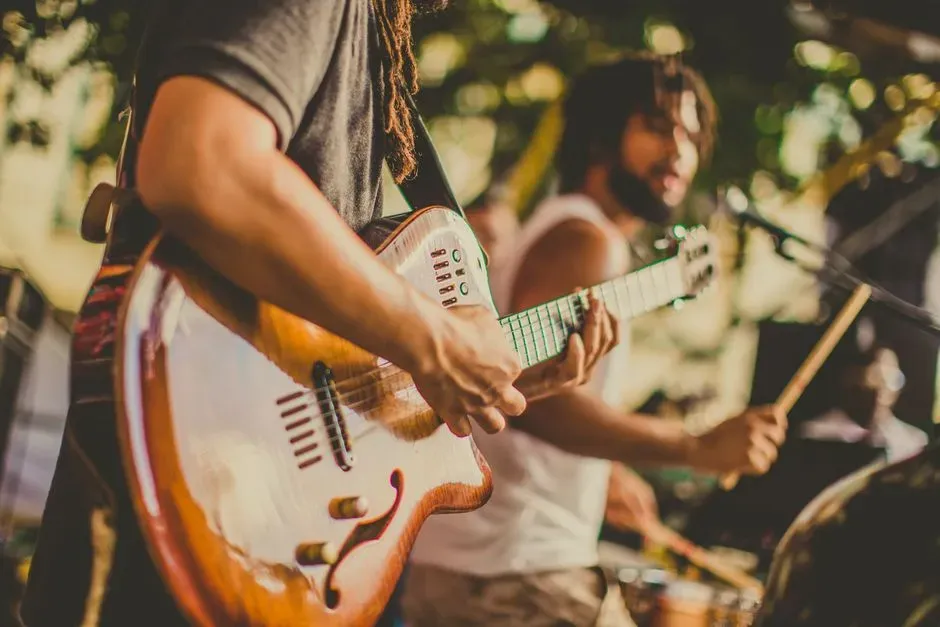
You can’t easily explain why a particular melody makes your chest tighten or why a certain beat makes your body move before you decide to dance. Every culture on Earth has music, often woven into rituals, work, love, and war. Even infants who cannot walk yet respond to rhythm, and people who share no language at all can still connect through a shared song. Music hits you in a way that feels both ancient and immediate. Some theories suggest that music evolved as a social glue, synchronizing group behavior and strengthening bonds. Others see it as a byproduct of language or auditory pattern detection. Yet, none of these fully explain why you experience such intense emotion from sequences of sound that have no direct survival content. You can be transported in seconds by a few notes, moved to tears, or pushed into a state of fierce motivation. That powerful, universal reaction to organized sound remains one of the most intriguing open questions about the human brain.
The Instinct to Care for the Vulnerable Beyond Your Genes

You are not just programmed to care for your own offspring. Around the world, you see people adopting children, protecting unrelated elders, rescuing animals, and showing compassion to strangers in crisis. You feel a gut-level response when you see a baby cry, an injured person fall, or a frightened animal whimper, even when helping them costs you time, resources, or personal safety. That protective instinct stretches far beyond narrow genetic self-interest. Evolutionary theories talk about kin selection and reciprocal altruism, which explain why helping relatives or allies can pay off in the long run. But your compassion often leaps past those boundaries. You donate anonymously, support causes that don’t benefit you directly, or intervene to help someone you will never see again. That broad, sometimes impractical empathy suggests that there is still more to understand about how your mind weighs connection, value, and vulnerability.
The Drive to Form Symbolic Identities and Wear Them

You don’t just live; you represent yourself. Everywhere on Earth, people adopt symbols – clothing, colors, flags, jewelry, hairstyles, tattoos, digital avatars – to signal who they are, what they value, and which groups they belong to. You are rarely content to be just a biological individual. You want to be seen as a member of something: a family, a tribe, a profession, a fandom, a movement. Some of this clearly supports survival by organizing large groups and clarifying alliances, but the details can get oddly intense. You might argue fiercely over logos on shirts, fight over symbols on a flag, or feel real heartbreak if you’re forced to abandon a group identity that no longer fits. Your instinct to live through symbols – things that stand for other things in your mind – is more elaborate than anything seen in other animals. Evolutionary biology is still unpacking how your symbolic brain got so powerful and why wearing an identity can sometimes matter more to you than staying safe.
The Universal Fear and Fascination With Death
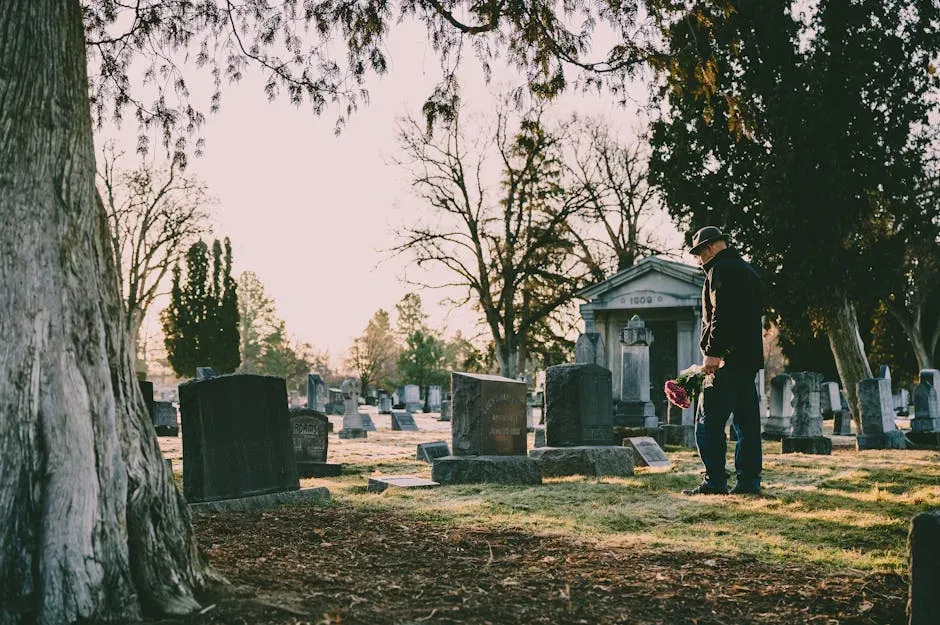
You know you’re going to die, and that knowledge shapes your life in ways you rarely stop to examine. Every culture has developed beliefs, rituals, and stories around death and what may or may not come after. You grieve in patterned ways, treat bodies with care, and mark graves or memorials, even when it has no obvious survival advantage. You don’t just try to avoid death; you spend a lot of time organizing your thoughts and feelings around it. Evolutionary explanations can point to why you fear danger and why avoiding death is adaptive. They do not, however, fully explain your complex emotional landscape around mortality: the need for meaning in suffering, the elaborate funeral customs, the ongoing inner conversations you have with people who are gone. You are pulled to remember, honor, and symbolically continue relationships past the point when biology has anything left to say. That deep, cross-cultural obsession with death’s meaning is still only partially understood.
The Longing for Transcendence and Altered States

In every known culture, people seek ways to step outside their normal state of mind. You meditate, chant, dance to exhaustion, fast, breathe in specific patterns, or use substances to alter consciousness. You are not satisfied with just waking, eating, working, and sleeping. Some part of you wants to feel lifted, dissolved, expanded, or connected to something beyond the everyday self. That longing is as human as hunger. Scientists can map brain changes during these states and offer theories about stress relief, creativity, and social bonding, but the intensity of your drive for transcendence is still surprising. People will take real risks, endure pain, or break norms to reach certain states of mind that feel spiritually or personally vital. You often describe these moments as more real than ordinary life, even when they defy logical explanation. That instinctive pull toward states beyond ordinary awareness remains one of the more mysterious aspects of being human.
Conclusion: Living With Instincts That Reach Beyond Simple Survival

When you zoom out and look at these instincts together – meaning-seeking, art-making, storytelling, moral outrage, ritual, spirituality, play, music, compassion, symbolic identity, death awareness, and the craving for transcendence – you start to see a pattern. You are not just built to survive and reproduce; you are built to interpret, to feel deeply, and to connect yourself to realities you can’t fully measure. Evolutionary biology gives you powerful tools to understand how you got here, but it has not yet unpacked every layer of why you are like this. Living with that mystery can actually be freeing. You can appreciate the science that explains your body and brain while also acknowledging that some of your deepest instincts still stretch beyond current models. Instead of forcing everything into a neat story, you can stay curious about why you’re moved by music, haunted by mortality, devoted to symbols, and drawn to meaning. As you keep exploring what it really means to be human, which of these instincts surprises you most when you notice it at work in your own life?