
You probably think you have a decent sense of where the limits of the human body are: how cold is too cold, how long you can go without oxygen, how much trauma anyone could realistically survive. Then you start reading medical case reports and realize those limits are far blurrier than you were ever taught. Every so often, a patient shows up in the literature who simply should not be alive, at least not according to what textbooks said at the time. These stories are not urban legends whispered online; they are written up formally, with lab values, scans, and surgeons’ notes. When you look at them as a whole, you start to see two themes: how astonishingly tough your body can be, and how fast doctors have had to update their beliefs about what is “impossible.” As you read, try imagining yourself in each situation: what your body would be going through, and what it means that someone actually walked away from it.
You Survive a Core Body Temperature Low Enough to Stop Your Heart Cold

If you ever thought of hypothermia as just “feeling really cold,” imagine your core temperature sinking into the low twenties Celsius, cold enough that your heart gives up and your brain’s electrical activity nearly flatlines. In several documented cases, people pulled from ice, snow, or freezing water had body temperatures considered incompatible with life, yet were rewarmed and eventually woke up. In those moments, your metabolism slows so much that your brain’s demand for oxygen drops to a fraction of normal, buying you precious time every textbook once said you did not have. When doctors encounter you in that state, the old saying in emergency medicine becomes painfully literal: “You’re not dead until you’re warm and dead.” You might arrive with no detectable pulse, fixed pupils, and a monitor tracing that looks like electrical chaos or nothing at all, and still not be truly gone. Using heart-lung bypass or modern rewarming techniques, your care team can gradually bring your temperature back up, watching as your heart rhythm returns and, sometimes days later, your consciousness follows. If you ever doubted that cold can both kill and protect you, these cases will change your mind.
You Walk Away From Drowning After Far Longer Than Anyone Thought Possible

You grow up hearing that four to six minutes without oxygen is the hard cutoff before your brain is irreversibly damaged. Then you read case reports of people, often children, submerged in icy water for far longer than that and still recovering with good brain function. When you picture yourself in that situation, it feels hopeless: lungs full of water, heart eventually stopping, rescuers pulling you out with the clock already far past what is supposed to be survivable. What changes everything is the combination of very cold water and very fast, aggressive resuscitation once you are found. If your body cools quickly, especially if you are small, your brain’s metabolism can shut down before massive damage sets in, a bit like pressing pause on the worst part of the process. Doctors may spend hours doing CPR and using machines to oxygenate and circulate your blood while gradually rewarming you. The idea that you could be brought back to a meaningful life after what looks like certain drowning used to sound like fantasy; now it is just a rare but very real part of the medical literature.
You Survive a Bullet or Iron Bar Traveling Straight Through Your Brain
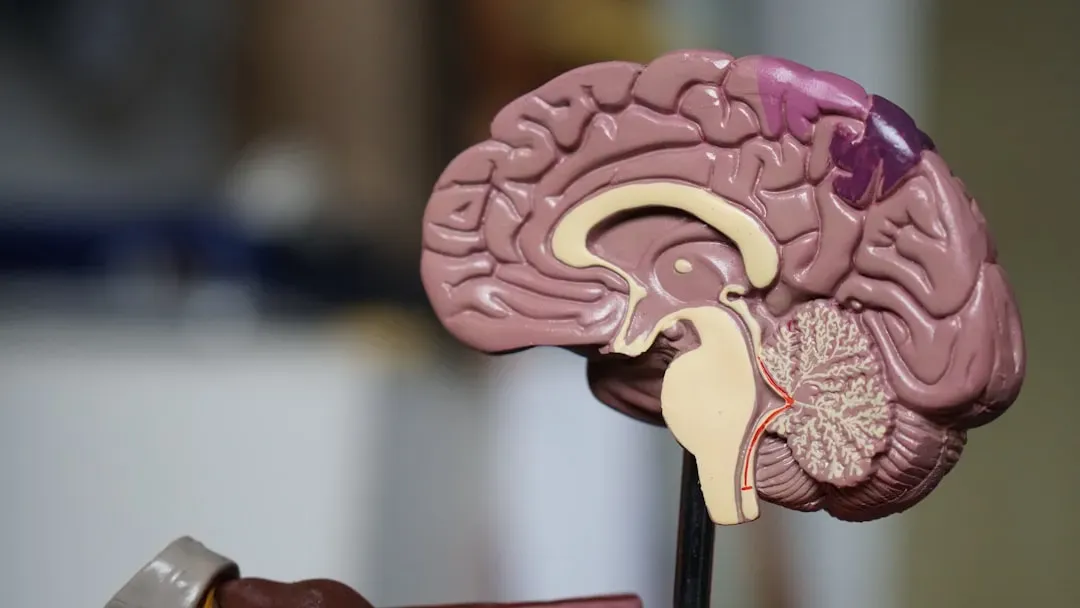
If someone told you that a metal rod blasted through your skull and exited on the other side, you would probably assume that was the end of your story. Yet there are patients documented with rods, rebar, and high-velocity projectiles that passed through their brains who not only survived but remained surprisingly functional. The shocking part is not just the survival; it is the fact that your brain, while incredibly fragile in some ways, can sometimes reroute around even catastrophic damage. In these cases, part of your luck comes down to anatomy and physics: which areas were hit, how fast the object moved, and how much tissue it destroyed on the way. If the injury threads through non-eloquent areas of your brain and you get rapid surgical care to control bleeding and infection, you can wake up with a different personality, some disabilities, or seizures – and still be very much alive and aware. Reading these reports, you realize your brain is less like a single delicate chip and more like a densely wired city, where some neighborhoods can be devastated and yet the whole system still keeps the lights on.
You Live Through a Fall From a Height That Should Have Destroyed Every Organ

Think for a moment about what it would feel like for your body to hit the ground after falling from an apartment tower, a bridge, or a cliff hundreds of feet high. Basic physics tells you that the speed you reach and the forces involved should tear organs, shatter bones, and rupture blood vessels beyond anything surgeons can fix. Yet scattered through trauma journals are reports of people who fell from truly extreme heights and survived, sometimes even walking again afterward. What saves you in these stories is a strange mix of random chance and split-second details: the way you land, the surface you hit, and how quickly you reach a trauma center capable of massive, coordinated surgery. You might crash onto snow, branches, or a deformable roof that spreads out the impact instead of stopping you like a brick wall. Then, if your rescuers stabilize your spine, control bleeding, and rush you straight to an operating room, your body’s own repair systems can slowly knit together what seemed hopeless. You start to realize that even gravity’s worst cannot always overpower the sheer, stubborn resilience built into you.
You Survive With Practically No Blood Pressure and Almost No Circulation
Imagine your heart failing so badly that your blood pressure is barely measurable, or your pulse is only a faint flutter somewhere deep in your chest. Under normal conditions, that kind of collapse would quickly starve your organs of oxygen and push you past the point of no return. Yet intensive care reports describe patients who arrived in that state and were kept alive with mechanical circulatory support until their hearts or other organs recovered enough to function again. In those scenarios, your survival hinges on rapid recognition and technology that essentially takes over your circulation for you. Devices like ECMO (a form of heart-lung bypass) and advanced ventricular assist pumps can pull your blood out of your body, oxygenate it, and push it back in under controlled pressure while your own heart rests. To you, all of that would be invisible – you would lie sedated, unaware that machines were temporarily doing what your circulatory system could not – but the end result is that your brain and organs keep getting what they need. When you finally wake up, it would feel as if you had skipped the worst chapter of your own story.
You Cling to Life After Massive Organ Loss or Removal
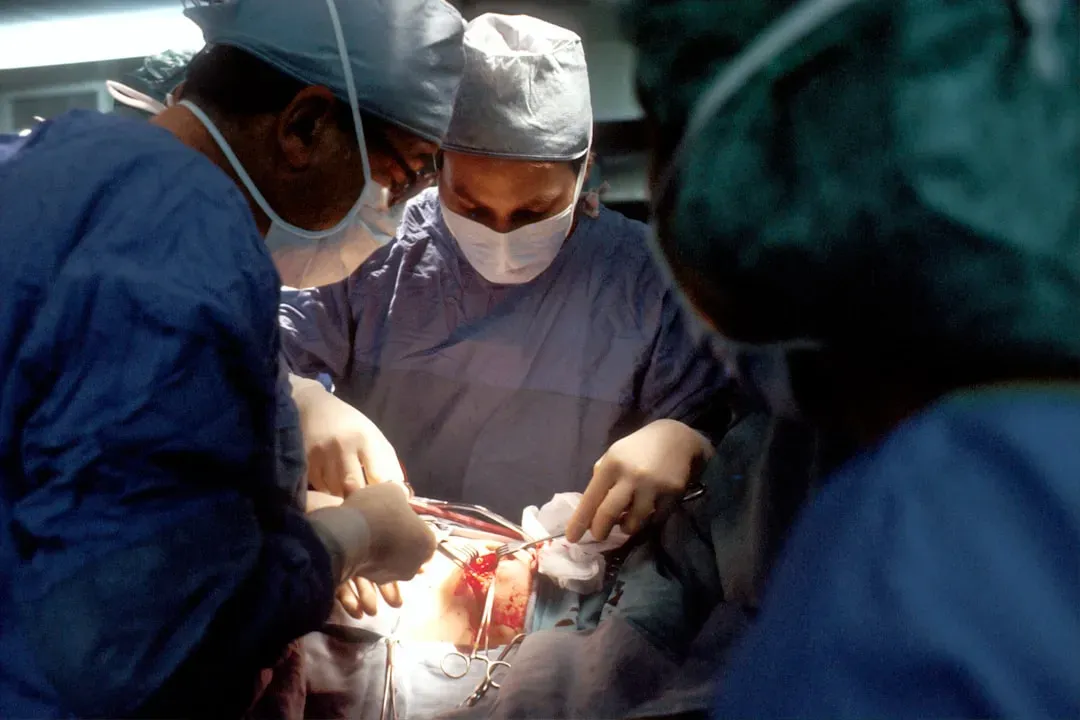
If someone told you that most of your intestines had to be removed, or that you were living with only a thin slice of liver or one lung, you might assume that long-term survival or a decent quality of life was out of the question. Still, surgeons have documented cases where patients lost enormous portions of vital organs and yet adapted in ways that looked impossible from the outside. Your body, it turns out, is remarkably good at reconfiguring itself to work with what is left. In short-bowel cases, for instance, the remaining intestine can actually grow in functional capacity, absorbing more nutrients over time as you rely on specialized nutrition and careful medical support. After major liver resections or living-donor transplants, your liver cells can regenerate enough volume and function to keep your metabolism steady. Even losing an entire lung can be survivable if the remaining one is healthy, slowly expanding its ability to oxygenate your blood. When you picture living like that, it sounds terrifying, but the medical record shows that you can adapt far more than your instincts would suggest.
You Recover From a Heart That Was Stopped on Purpose for Surgery
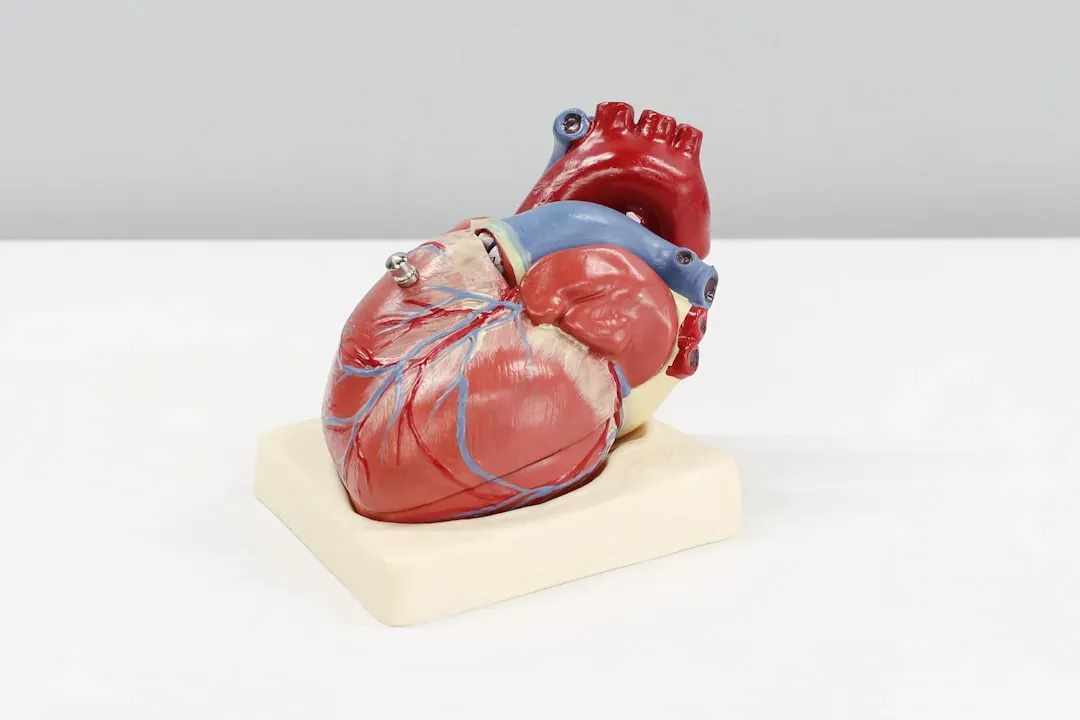
Stopping your heart and draining the blood away from your brain sounds like the exact opposite of survival, yet this is something surgeons have done deliberately in extremely high-risk operations. In certain aneurysm repairs or complex cardiac surgeries, your care team may cool your body, stop your heart, and reduce or even completely halt blood flow to your brain for a carefully controlled period. On paper, staying alive through that should not make sense, but dozens of patients have done exactly that and woken up neurologically intact. The trick, from your perspective, is a kind of controlled flirtation with the edge of human tolerance. By cooling you deeply, the surgical team slows your brain’s metabolism so much that it can endure minutes of no blood flow without catastrophic injury. Machines take over circulation for other parts of your body while the surgeons work on otherwise inoperable structures. When they gradually rewarm you, restart your heart, and restore circulation, the odds are still risky, but no longer truly “impossible.” If you have ever wondered how far medicine is willing to push the limits, these operations give you a very direct answer.
You Survive Brain States That Look Indistinguishable From Death
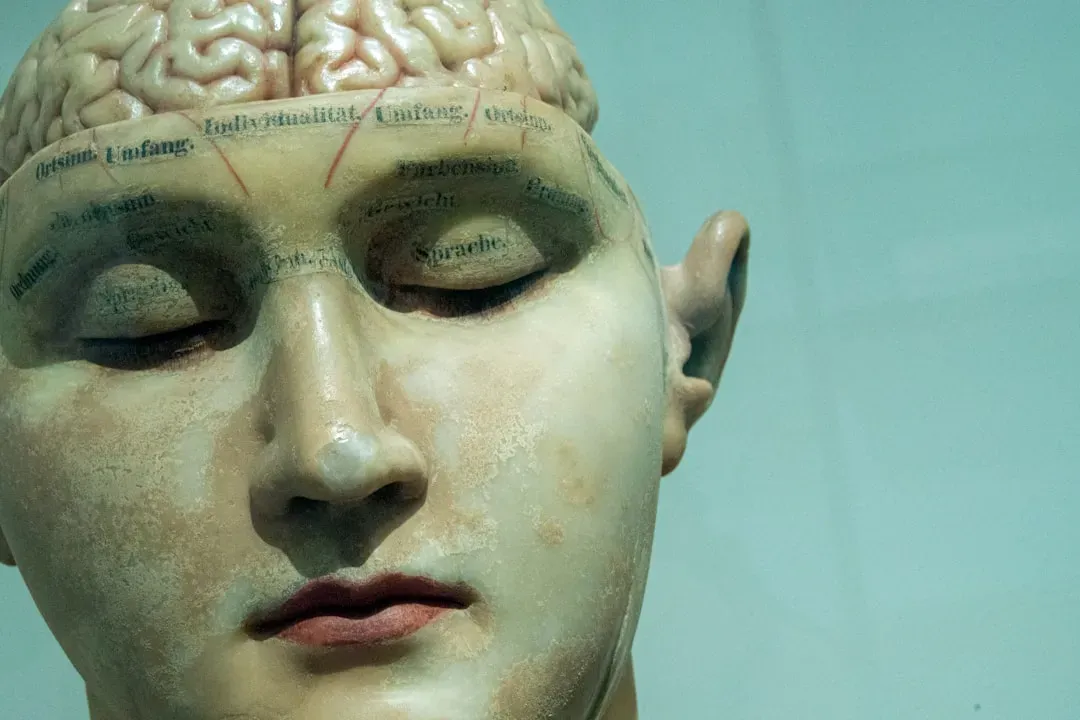
There are patients in the literature who reached a point where their electroencephalogram – the line tracing brain activity – collapsed into something that looked flat or near-flat, a pattern once taken as the final say on death. You might imagine that once the brain’s electrical signals fade like that, there is no way back. Yet in rare, carefully documented situations, deep anesthesia, drug intoxication, or extreme metabolic suppression has pushed your brain into an almost silent state that later reversed. For you, that would mean lying motionless while monitors show readings that would terrify anyone standing at the foot of your bed, and yet some faint spark of potential is still there. Once the underlying cause is treated – clearing the drugs, correcting the chemistry, rewarming your body – your brain can gradually restart its complex patterns. When you eventually open your eyes, you would have no memory of how close you came to the edge, but your case would quietly challenge how confidently anyone can claim to know exactly where life ends and death begins.
What These “Impossible” Survivals Really Say About You
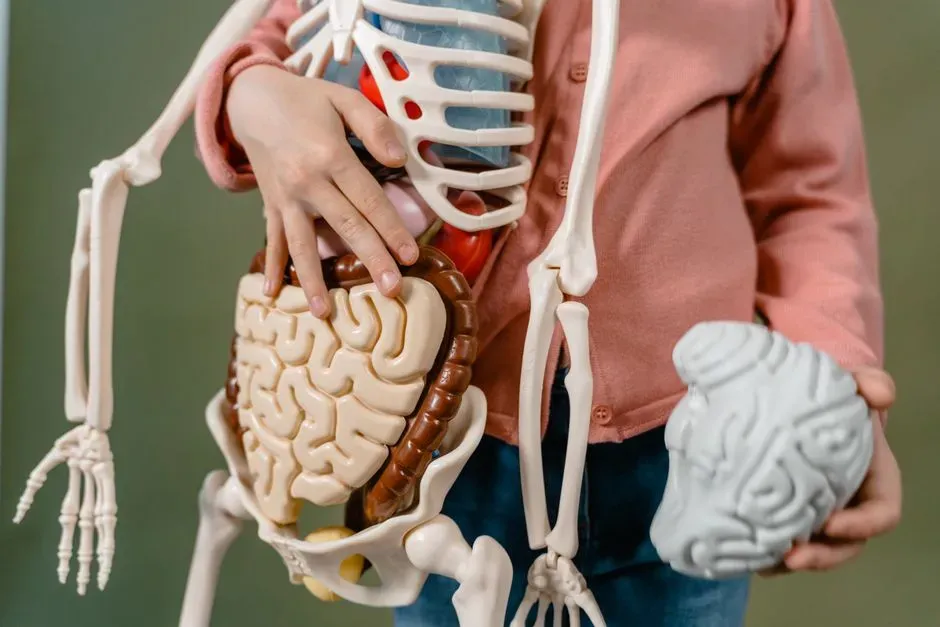
Looking across these cases, you start to realize that your body is not a fragile machine that fails at the first serious insult; it is a layered, redundant system built to survive chaos. Extreme cold, crushing impacts, profound blood loss, and even periods without circulation have all been pushed further than older physiology rules said they could go. At the same time, these stories are not invitations to recklessness: for every dramatic survival you read about, there are many more tragedies that never made it into a journal. What you can take from them is a different kind of respect – for your own biology and for the teams willing to fight for you even when the situation looks hopeless. The next time you hear someone say that surviving a certain temperature, a particular fall, or a specific period without oxygen is flatly impossible, you will know that the truth is messier, and sometimes far more hopeful. It leaves you with a haunting thought: if the boundaries of the “impossible” keep shifting, how many more limits of the human body have you not even come close to seeing yet?