
You move through a world that looks wild and chaotic, yet hidden under feathers, seashells, tree branches, and even cracking mud are quiet, repeating numbers. You see them almost every day without realizing it: spirals, branching ratios, strange repeating angles that turn up in a sunflower and an insect’s eye at the same time. None of these things share a designer or a blueprint, yet they somehow lean on the same mathematics. Once you start noticing this, it’s a little unsettling and a lot addictive. Why should a volcano’s lava dome, a honeybee’s comb, and a soap bubble film all obey the same geometric rules? You’re looking at patterns that appear across unrelated species and even lifeless materials, with no direct common cause you can point to. You can’t always explain the “why” in full, but you can absolutely learn to see the “what” and the “how” with new eyes.
1. The Golden Ratio Spirals in Shells, Galaxies, and Pinecones
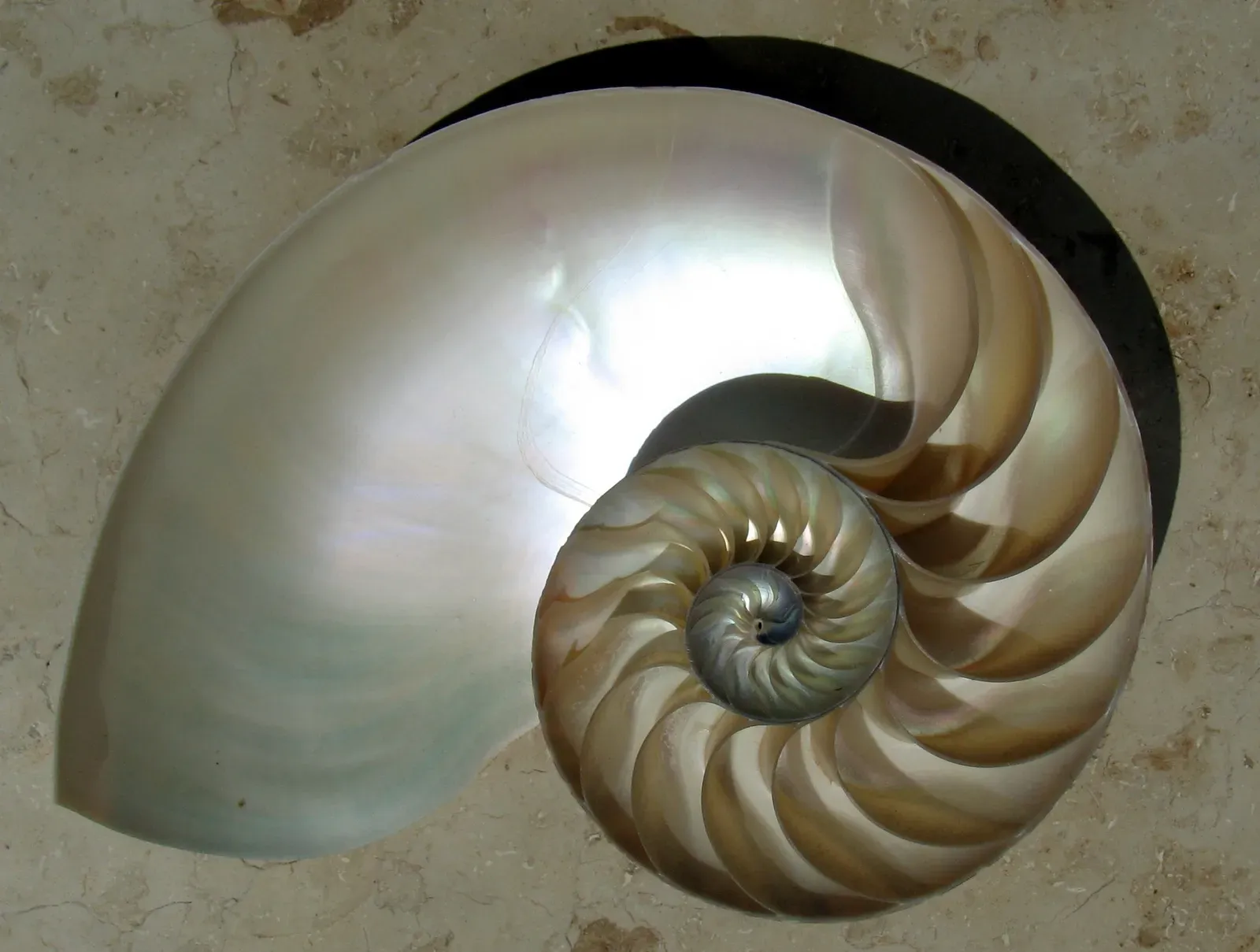
You’ve probably seen those graceful spirals in nautilus shells and been told they follow the golden ratio, a number a little greater than one and a half that shows up in many growth patterns. You find similar spirals in sunflower heads, pinecones, hurricanes, and even the arms of some galaxies far beyond your own planet. These organisms and structures aren’t copying each other, yet they keep landing on the same kind of logarithmic spiral that grows wider but never changes its shape. When you look closely, what you’re really seeing is a smart way of packing new growth without crowding out what is already there. As more seeds, scales, or chambers are added, they follow a simple turning rule that spreads them evenly around a center. That rule often nudges the spiral toward angles related to the golden ratio. You are not looking at a mystical code, but at a practical solution that totally different systems rediscover again and again.
2. Fibonacci-Like Seed Arrangements in Plants and Other Growth Patterns
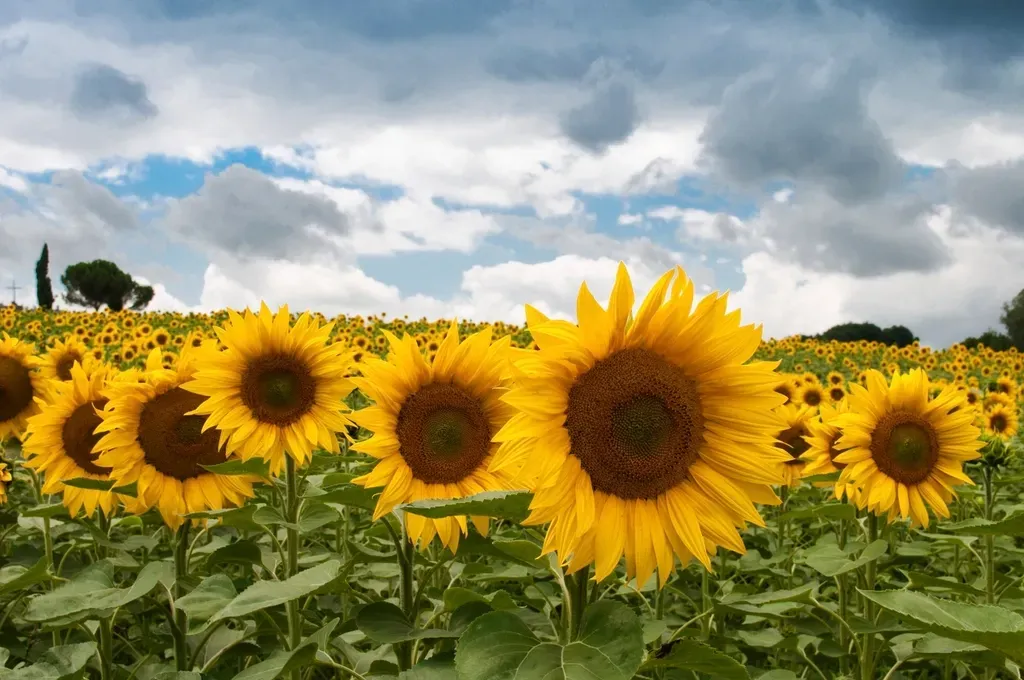
When you stare at the face of a sunflower, you notice spirals curling in two directions, and if you count them, one number often equals the sum of the previous two, like eight, thirteen, or twenty-one. You see similar counts in pinecones, pineapples, and many daisies. These sequences resemble the famous Fibonacci series, where each number is built from the two before it, and they keep turning up wherever living things try to pack repeated units around a point. You can think of it like arranging chairs in a circular room without blocking anyone’s view. The angle that spreads seeds or leaves most evenly around a stem tends to be tied to this kind of sequence. You even see echoes of these stepwise growth patterns in branching blood vessels, insect egg-laying strategies, and some crystal growth models. You’re bumping into the same basic mathematics of spacing in different guises, without a single gardener planning it.
3. Fractal Branching in Trees, Lungs, Rivers, and Lightning
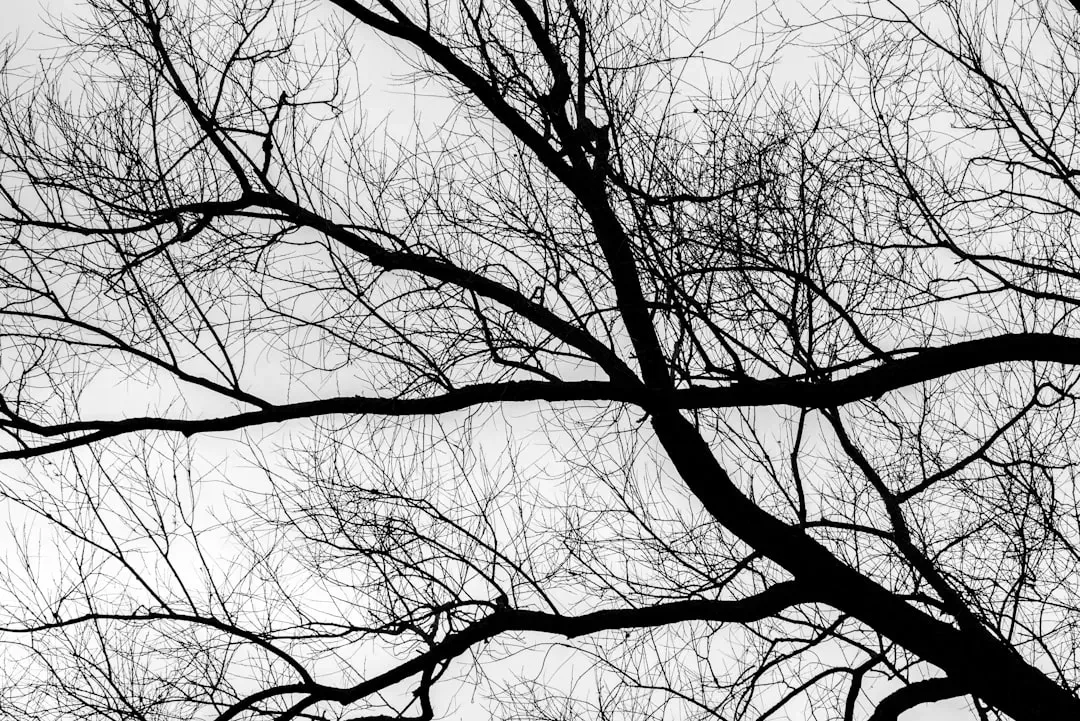
If you zoom out on a tree, you see a trunk that splits into branches, then into smaller twigs, and then into even finer offshoots, all echoing the same basic shape. Now compare that to a river system from above, your own lung airways on a scan, or the flash of lightning in a stormy sky. You’re looking at fractal-like branching, where a pattern repeats at smaller and smaller scales, even when the material and the forces involved are completely different. This branching helps you solve the same problem in multiple contexts: how to move something – water, air, electricity, or nutrients – from one big source to many tiny destinations. A repeatedly splitting tree of channels lets you cover a large area with minimal “plumbing.” Trees and lungs need to trade gases efficiently, rivers need to drain landscapes, lightning needs to find conductive paths, and they all independently settle on similar branching ratios and angles because those work.
4. Hexagonal Packing in Honeycombs, Bubbles, Basalt Columns, and Turtle Shells
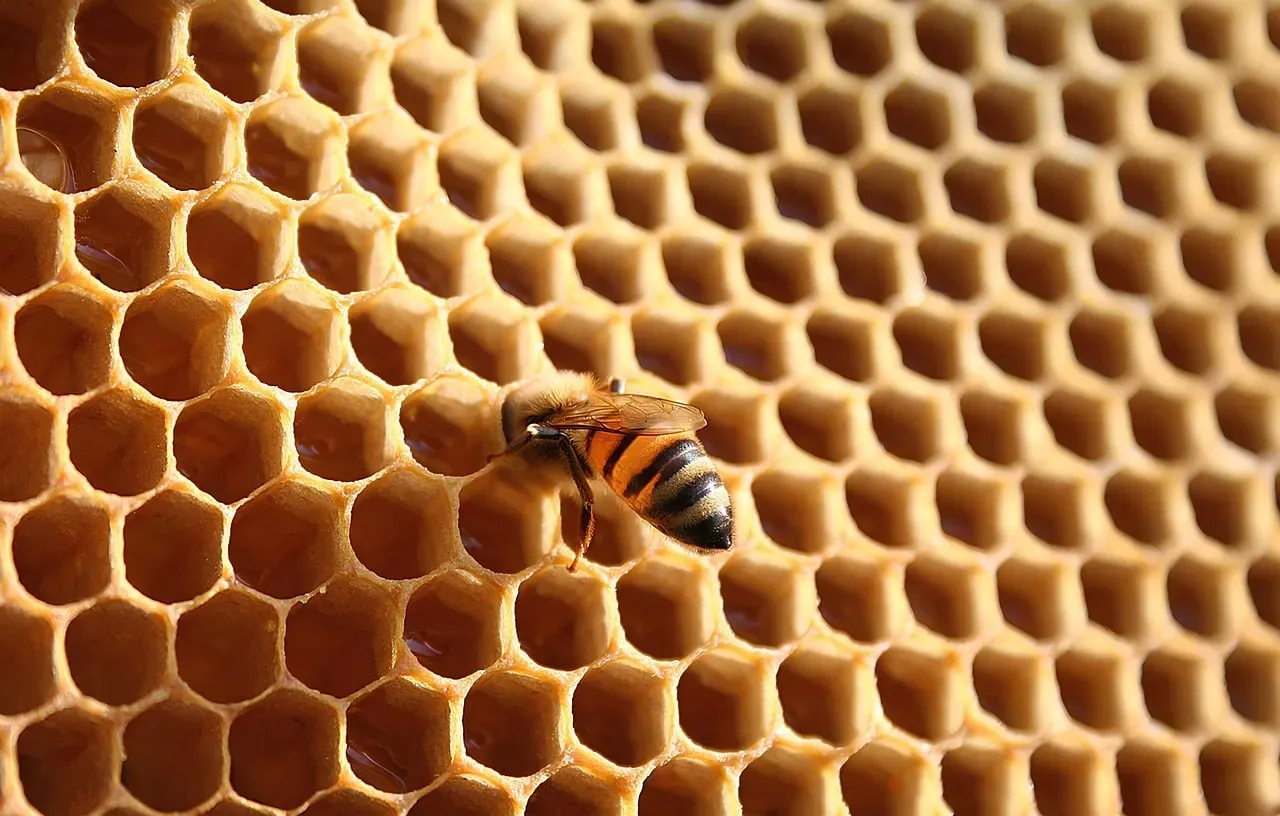
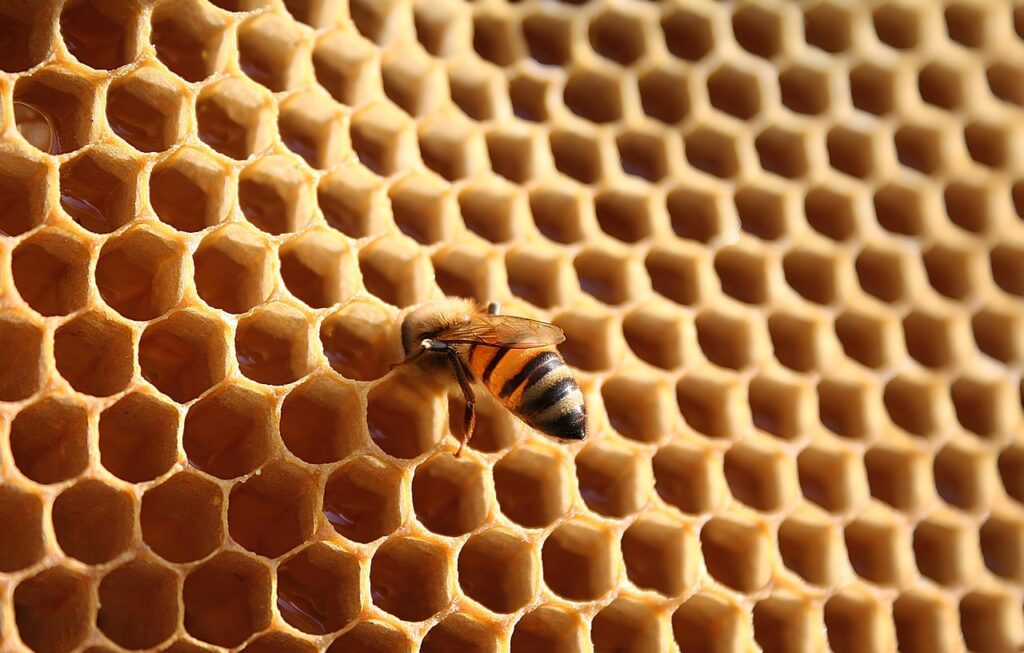
When you look at a perfect honeycomb, you see bees using hexagons to store honey and brood with stunning efficiency. But similar hexagonal tiling appears in dried mud, soap bubble foams, and those striking basalt columns you find in certain volcanic landscapes. You even see it in the scale pattern on some turtle shells. None of these systems share ancestry or behavior, yet they all favor roughly six-sided cells. What you are witnessing is the geometry of packing equal units without leaving gaps and without wasting boundary material. Among all regular shapes that tile a flat surface with equal cells, hexagons give you a sweet spot between minimal perimeter and maximal enclosed area. Whether you are a bee saving wax, a lava field cooling and cracking, or a cluster of bubbles relaxing into the lowest-energy shape, you are nudged toward the same hexagonal layout.
5. Spiral Phyllotaxis in Leaves, Cacti, and Marine Shells
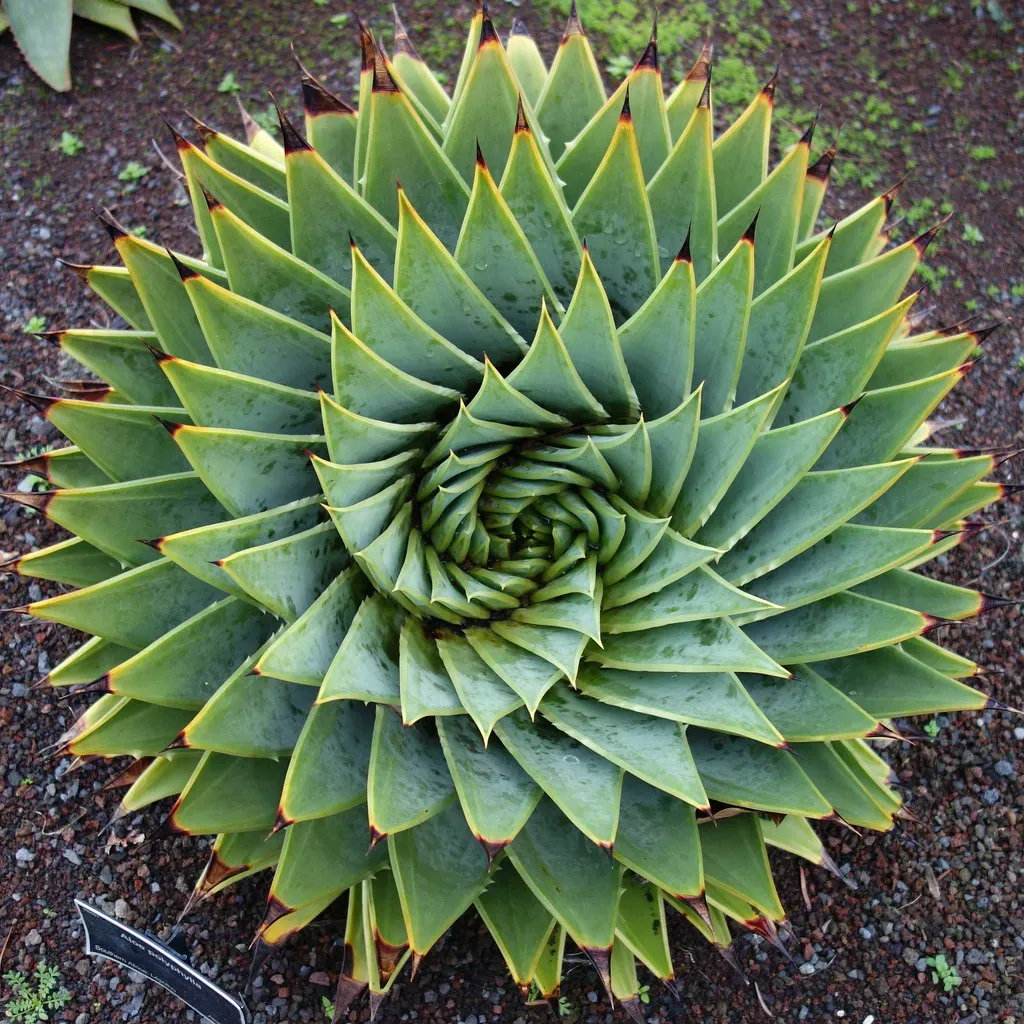
When you glance at certain plants from above – like an artichoke, aloe, or some cacti – you see leaves or spines arranged in spirals radiating from the center. This layout, called phyllotaxis, often follows specific divergence angles that keep new leaves from shading older ones. You encounter similar patterns in the way some seashells build new ridges and in certain microscopic algae that grow silica shells with spiral ribs. Even though plants, marine shells, and tiny algae have utterly different biochemistry and evolutionary histories, they face the same simple constraint: new growth has to fit around old growth without colliding or wasting space. A constant angle of emergence, often related to those golden-ratio spirals, gives you that spacing. You can think of it like rotating a stamp around a circle by the same awkward angle each time so the impressions never line up too perfectly and clash.
6. Power Laws in Earthquakes, City Sizes, and Animal Populations
You’ve probably heard that small earthquakes happen all the time while truly massive quakes are rare, and that this pattern follows a simple power law. Now compare that to the distribution of city sizes, where you have a few huge metropolitan areas, a moderate number of mid-sized towns, and countless small villages. You even see similar distributions in the sizes of animal groups, like fish schools or bird flocks, across very different species. In a power-law distribution, events do not cluster neatly around an average; instead, you get many small ones and a tiny handful of giants. You find this in landslides, forest fires, financial market moves, and some patterns of gene expression. You are watching systems that self-organize near critical points, where little nudges can sometimes trigger huge cascades. The materials, organisms, and rules differ, yet the statistics they produce look eerily alike.
7. Symmetry and Repetition in Snowflakes, Flowers, and Viruses
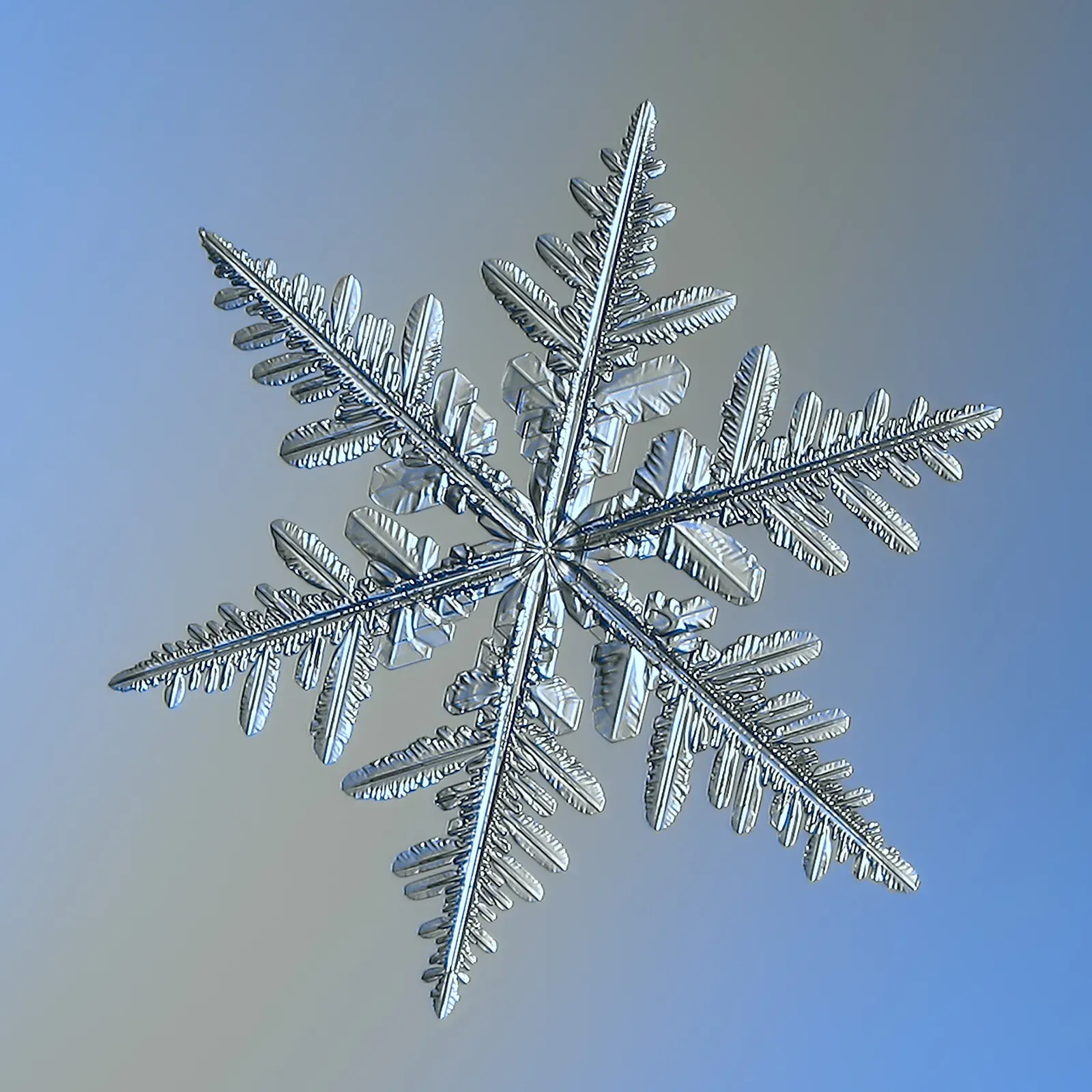
When a snowflake lands on your sleeve, you’re seeing a sixfold symmetry that repeats across arms, each one echoing the others with tiny variations. You find similar symmetry in many flowers, starfish, sea urchins, and the microscopic shells of some plankton. Viruses, which aren’t even fully alive by most definitions, often build themselves from repeated protein subunits into highly symmetric icosahedral shells. Symmetry shows up because it is an efficient way to build complex structures from simple parts. If you reuse the same building blocks and place them using repeated rotations or reflections, you get stable, balanced shapes with minimal instruction. You do not need a flower, a crystal of ice, and a virus to talk to each other for this to happen. Each one is just following local rules – grow here, attach there – and those rules naturally favor balanced, repeatable layouts.
8. Wave Interference Patterns in Animal Coats, Sand Ripples, and Chemical Reactions
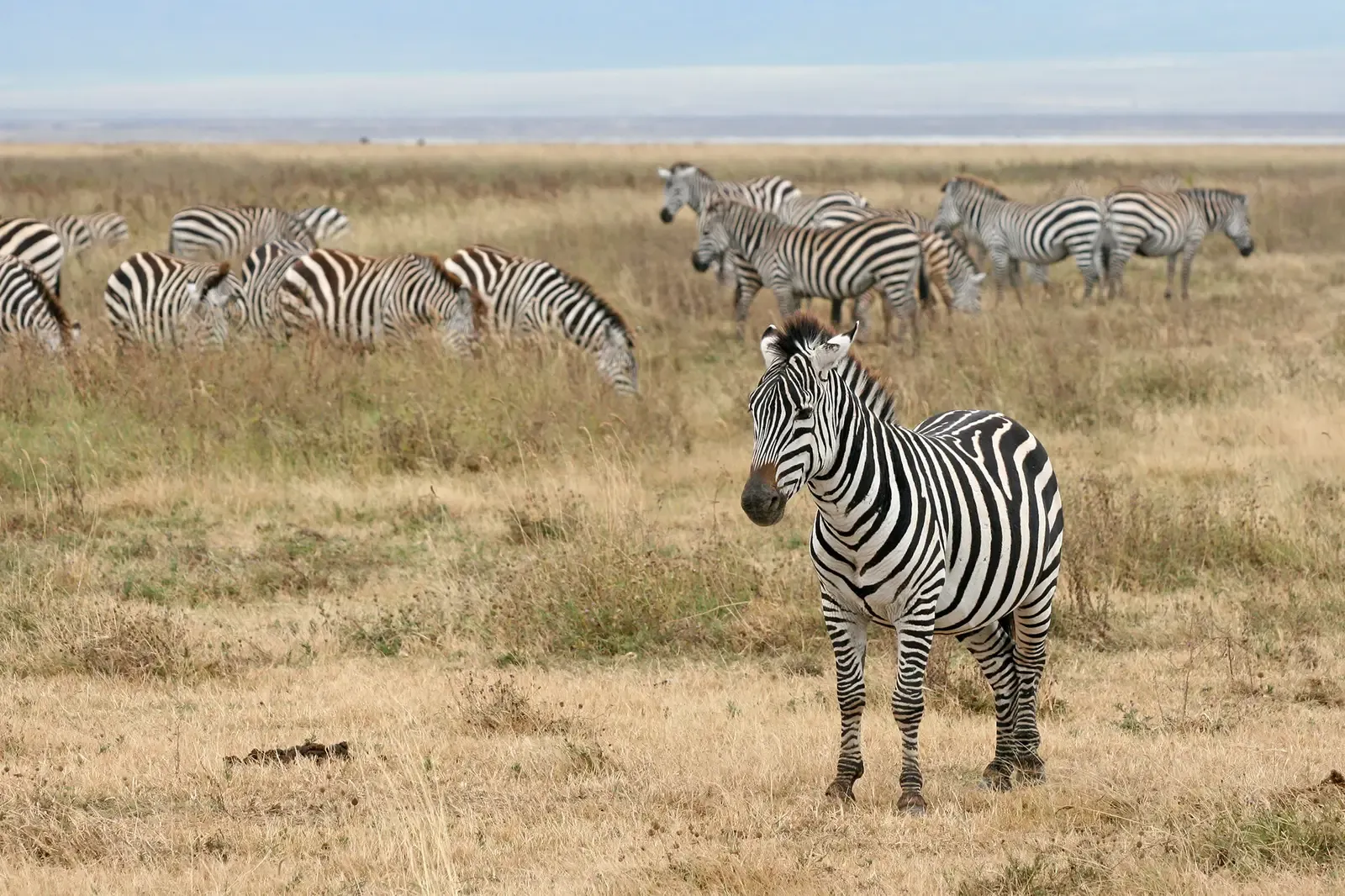
When you look at a zebra’s stripes, a leopard’s rosettes, or the waves on a tropical fish, you’re seeing patterns that researchers can model using simple reaction–diffusion equations. Those equations describe chemicals spreading and reacting in space, creating spots, stripes, and labyrinth-like mazes. You also see wave-like interference in sand ripples formed by wind or water, where repeating ridges appear without any central planner. You can even create similar traveling and standing waves in controlled chemical systems where color fronts move and collide. Whether the medium is skin pigment, shifting sand, or reacting molecules, you often get repeating bands and spots when competing processes spread at different speeds. You can treat it like overlapping waves in a pond: where they reinforce, you get a stripe or a ridge; where they cancel, you get a gap. Different substrates, same math.
9. Optimal Transport Networks in Leaf Veins, Fungal Mycelium, and Human Infrastructure
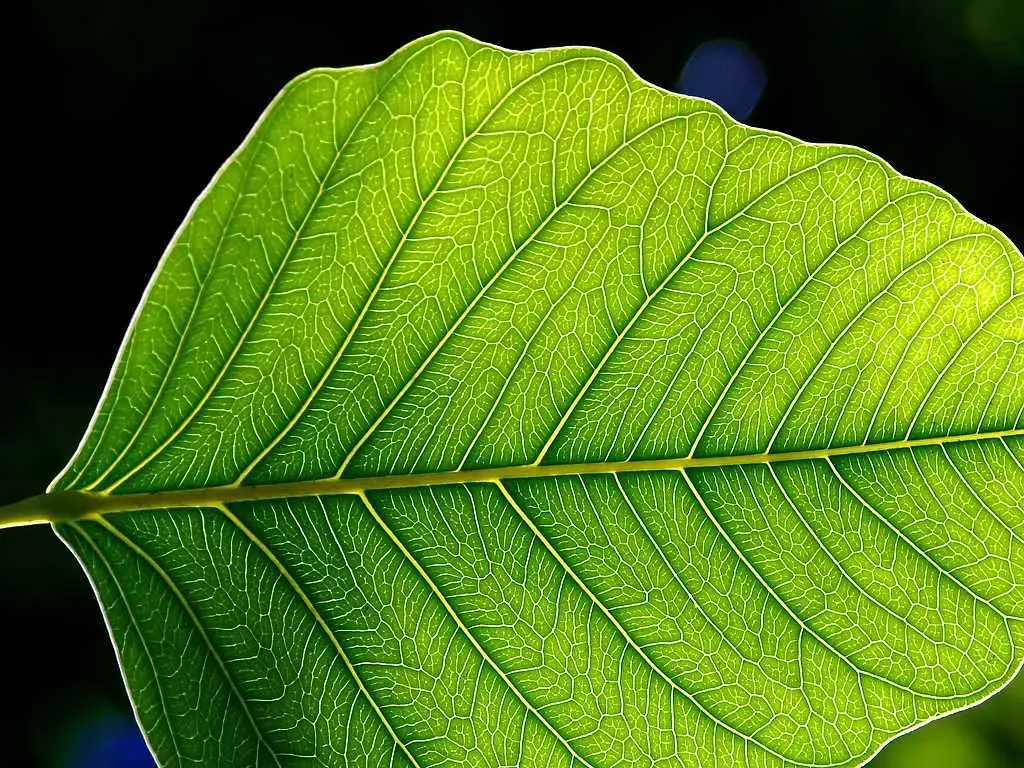
When you flip a leaf to the light, you see a web of veins carrying water and nutrients from the stem to the edges. Underground, fungal mycelium creates similarly intricate networks to channel resources across soil, and invasive plant roots can form comparable webs. At a completely different scale, if you look at road networks or power grids from above, they also form branching, looping solutions to the problem of moving things efficiently. You are watching different systems converging toward network layouts that balance cost, reliability, and efficiency. Too few branches and everything has to travel far; too many, and you waste material. You often end up with networks that obey similar optimization rules and share features like hierarchies of main “arteries” and smaller side paths. No one designed them together, but the math of minimizing effort under constraints pushes them in the same direction.
10. Self-Similar Cracks in Drying Mud, Glass, and Painted Surfaces
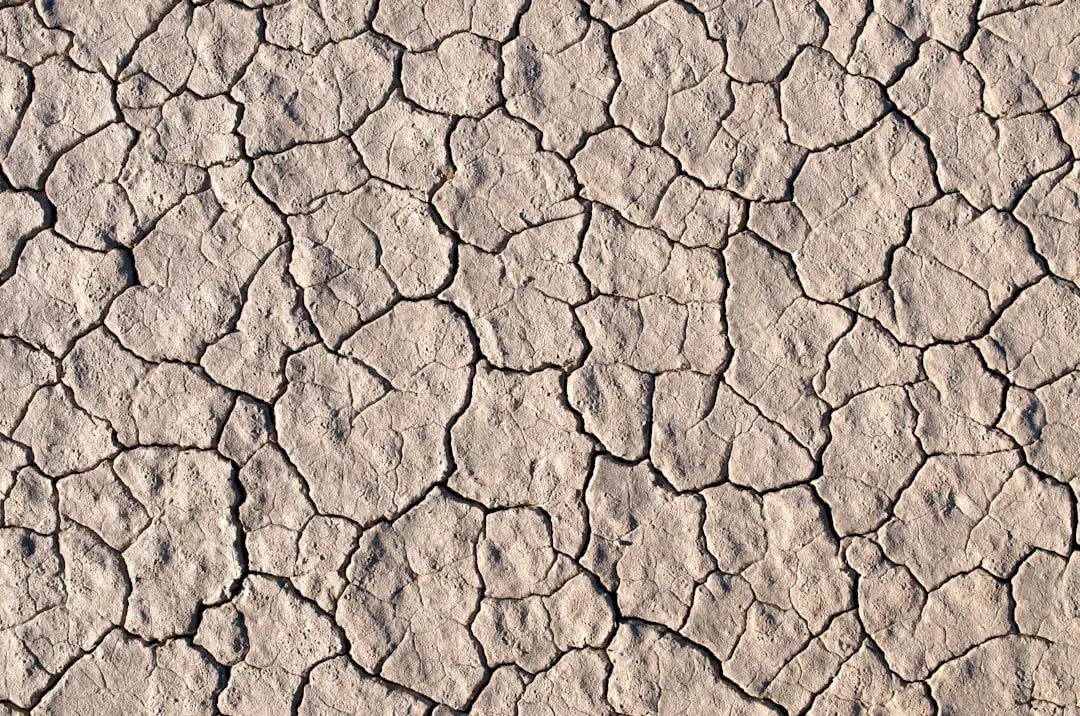
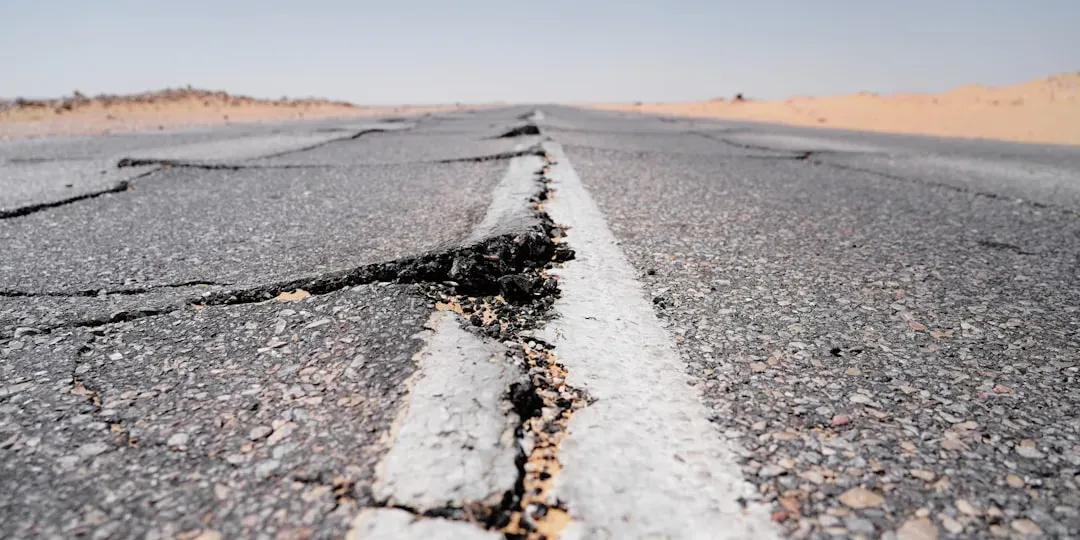
If you walk across a dried lakebed, you see polygonal crack networks that break the surface into irregular blocks. When glass is struck or a layer of paint dries unevenly, you often get a similar branching, self-similar crack pattern. The shapes are not identical, but the statistics of how cracks branch, terminate, or join carry familiar signatures from one material to another. You can think of the surface as a sheet under stress that can release its tension by splitting. Once a crack forms, it redirects stress to its tip, encouraging further branching and propagation. That feedback between stress distribution and fracture growth leads you back to comparable patterns whether your sheet is mud, ceramic glaze, or the brittle layer on a baked dessert. You’re seeing the geometry of failure, replayed in different costumes.
11. Logistic Curves in Population Growth, Tumors, and Technology Adoption

When a species settles into a new environment with plenty of resources, its numbers often grow quickly and then slow down as it approaches some carrying capacity. If you plot that over time, you get an S-shaped logistic curve. You find surprisingly similar curves in the growth of tumors, where cells expand rapidly and then face resource limits, and in how people adopt new technologies, from smartphones to social media platforms. You are watching systems where growth is first unleashed, then gradually throttled by competition and limits. The early stage looks exponential, like it will explode forever, but reality pushes back. Even though cancer cells, deer in a forest, and new apps on your phone are wildly different phenomena, they often end up tracing out comparable S-curves because the underlying logic is the same: fast start, rising resistance, eventual plateau.
12. Scale-Free Connectivity in the Internet, Social Networks, and Some Biological Systems
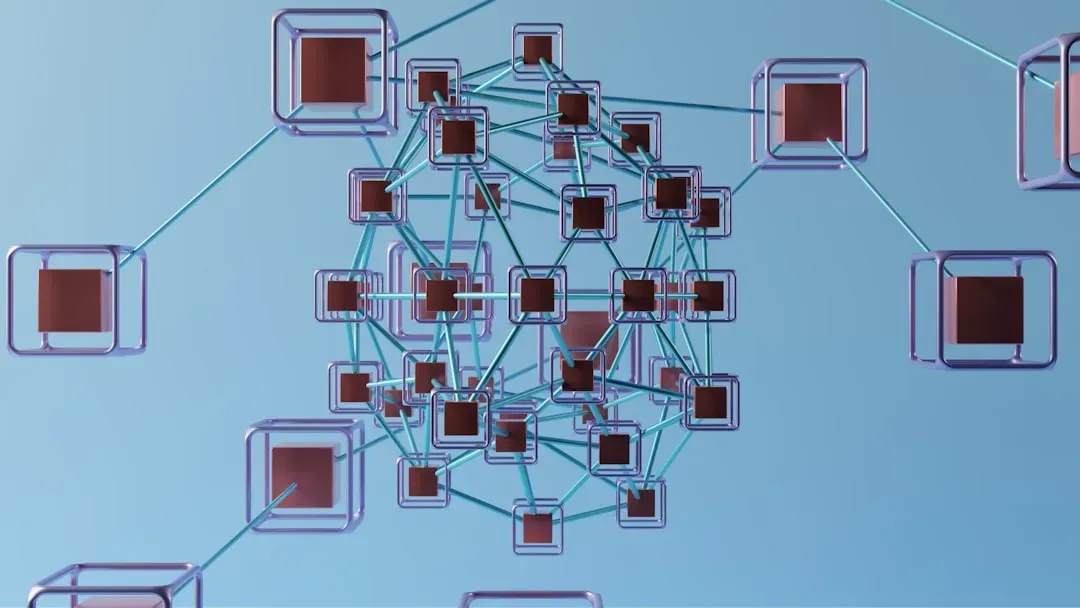
When you map out the connections between websites or the links in a social network, you notice that most nodes have only a few links, while a small number of hubs have an enormous number. You see a similar pattern in some protein interaction networks inside cells and in certain neural networks in brains. These are called scale-free networks, and their degree distribution follows a power law rather than clustering around a single typical value. You can picture it as a party where most people know a handful of others, but a couple of social butterflies know almost everyone. Processes where new links are more likely to connect to already well-connected nodes tend to generate this structure. Whether you are dealing with routers, friendships, or biochemical interactions, that simple bias – preferential attachment – can give you the same architecture without any shared purpose or origin.
Conclusion: One Silent Language, Many Different Voices
Once you start spotting these patterns, your world stops looking random and starts feeling quietly choreographed, even though no single choreographer is in charge. Shells, storms, crystals, forests, your lungs, and the online communities you move through all seem to be whispering in the same mathematical language, arriving at similar shapes and distributions from wildly different starting points. You’re not looking at a hidden conspiracy, but at the limited toolkit of efficient solutions that physics, geometry, and chance keep putting back on the table. For you, the real thrill is not that everything can be explained neatly, but that you can see more clearly. Each time you notice a hexagon in a rock formation or a branching tree in a lightning bolt, you’re catching nature reusing a favorite trick in a new setting. It leaves you with an open question rather than a closed answer: if you go looking tomorrow – with eyes tuned for spirals, branches, and waves – how many more silent echoes of the same mathematics will you spot?