
You grow up thinking your body is this perfectly optimized machine, where every part has a clear job and a clear reason to exist. Then you discover there are pieces of you that scientists still argue about, shrug over, or politely call “vestigial” because no one agrees what they actually do. It is a bit like opening the hood of a car and finding mystery wires that no mechanic wants to remove… just in case.
In this article, you’re going to walk through eight of those mysteries. For each structure, you’ll see what researchers actually know, what they only suspect, and where the evidence is thin or conflicting. You will not get simple answers, but you will get a clearer sense of how science really works in the messy middle: cautious, skeptical, and often divided. And you might come away looking at your own body with a lot more curiosity.
The Appendix: Dangerous Leftover or Immune Backup System?
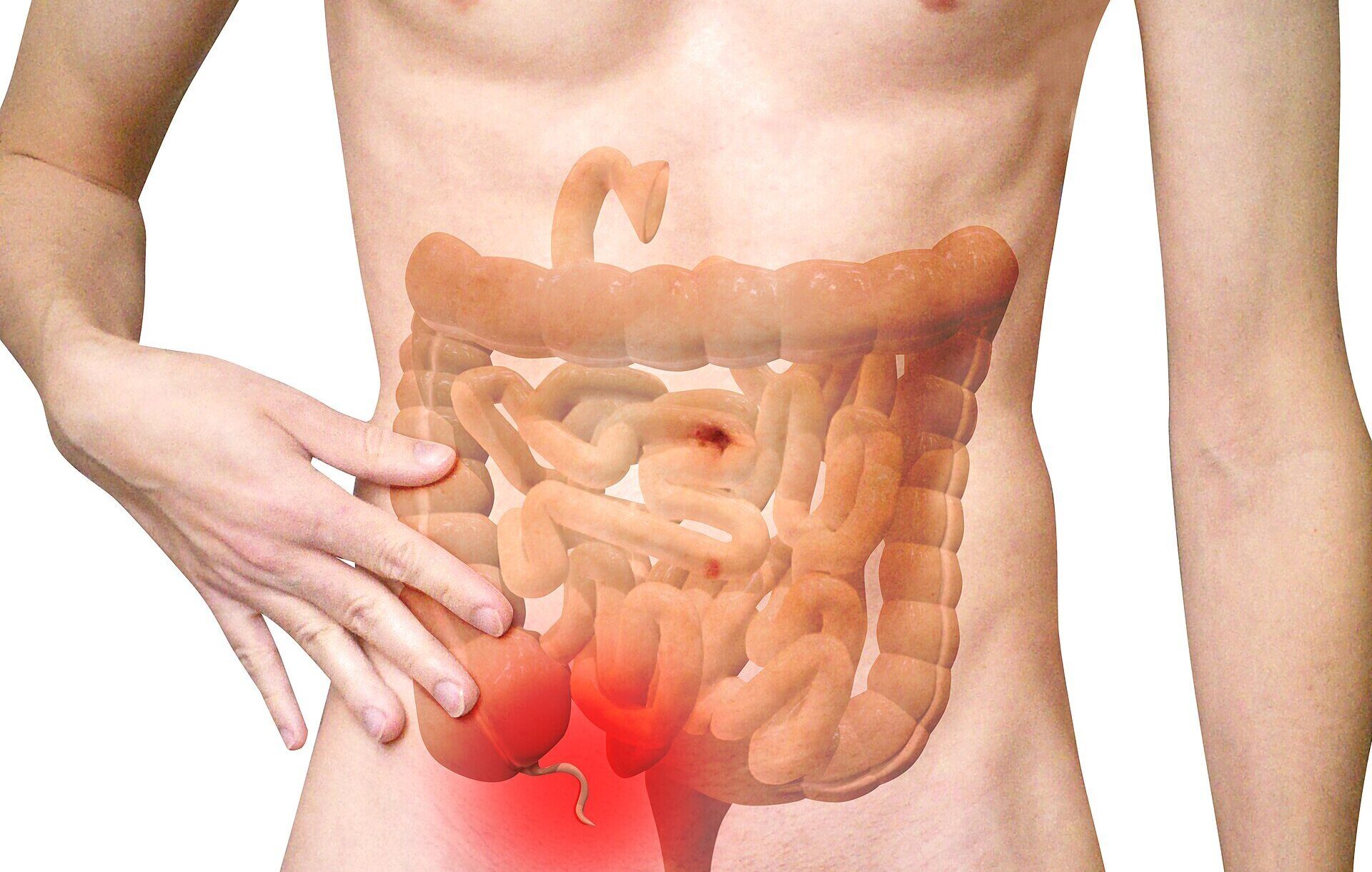
The appendix is probably the most famous “useless” organ you have, a tiny wormlike pouch hanging off your large intestine that most people only think about when it gets inflamed and has to be cut out. You might have heard that it is a leftover from plant-eating ancestors, as if your body forgot to remove a tiny obsolete tool from its toolkit. That idea is still around, but it is not the whole story.
One competing theory is that your appendix works like a safe house for good gut bacteria, helping you repopulate your intestines after severe infections or diarrhea. Another line of thinking places it in your immune system, especially early in life, as a training ground where immune cells meet gut microbes and learn what to tolerate. The hard part is that you can live perfectly well without it, which tells you it is not essential in modern conditions, but that does not prove it never helps. You are left with something that might be a helpful backup feature, a historical leftover, or both at once.
The Coccyx (Tailbone): Useless Tail Remnant or Core Stabilizer?
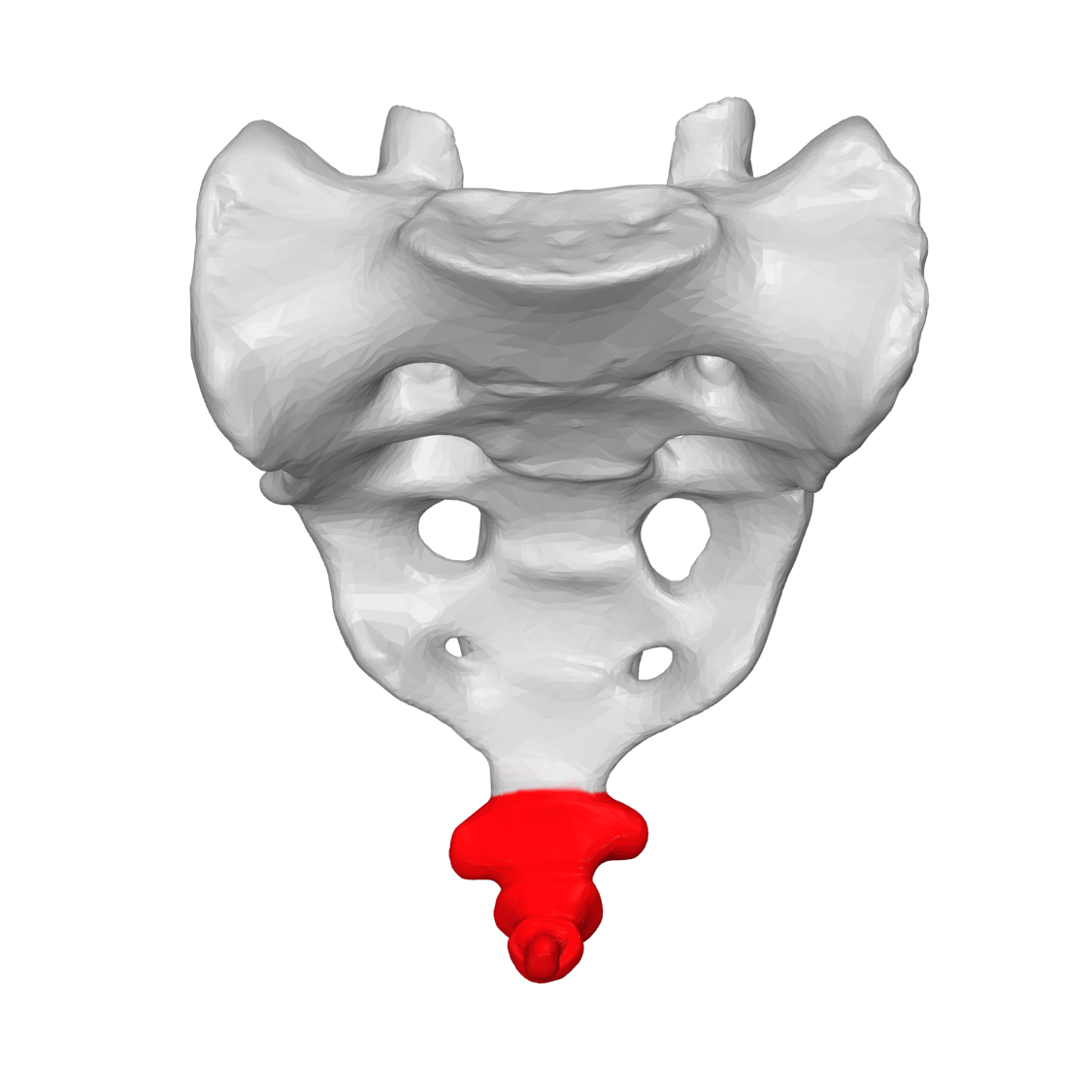
At the base of your spine, you have the coccyx, a little triangle of fused bones that looks suspiciously like the stump of a tail. The classic story is simple: your ancestors had tails, you no longer do, and this is the skeletal remnant that evolution did not fully erase. From that angle, the coccyx is mostly a historical footprint, like a faint fossil you are still carrying around.
But when you look more closely, you see a different picture: several muscles, ligaments, and tendons that support your pelvic floor actually attach to your coccyx. Some researchers argue that it helps stabilize you when you sit, supports the muscles that control bowel movements, and contributes to the structure at the bottom of your spine. The puzzle is that many people do fine even after injuring or surgically removing the coccyx, though the recovery can be painful. So you are left with a structure that is almost certainly a former tail, but may still play a minor but real mechanical role in how you sit, stand, and support the organs in your pelvis.
Body Hair (Especially on Arms and Legs): Decorative Relic or Subtle Sensor?
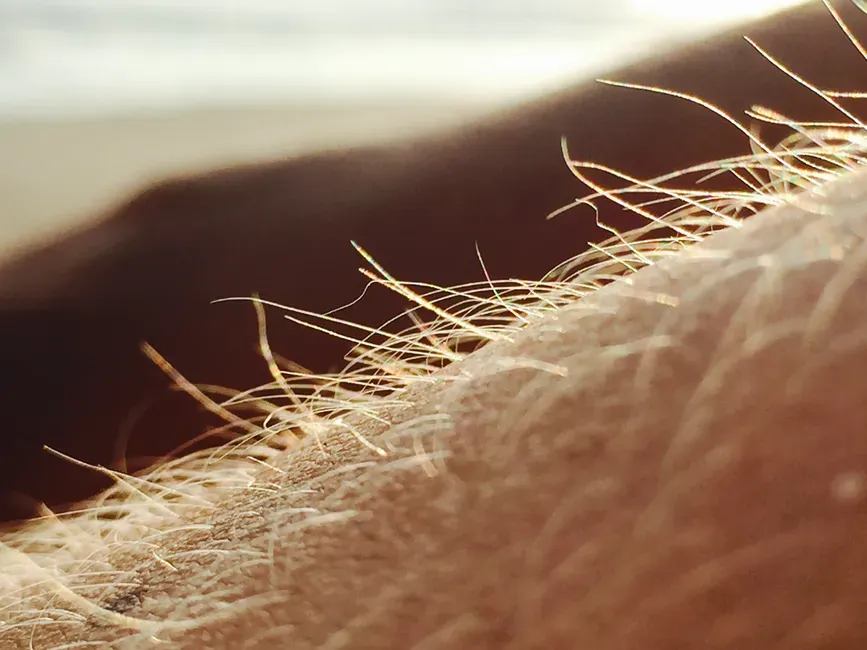
Look at the fine hair on your arms or legs and it is hard not to wonder what it is for. You do not rely on it for warmth the way other mammals do, and it is nowhere near as thick as the fur that your distant relatives had. One popular view is that most of this hair is simply an evolutionary leftover, with no important modern purpose besides maybe trapping a little heat or sweat.
Yet there is another angle: your hairs are wired with tiny nerve endings at their base, turning them into mini motion detectors. When air moves, an insect lands, or something brushes your skin, those hairs bend and your nerves fire, sometimes before you are consciously aware. That has led to theories that your body hair helps you detect parasites, subtle changes in airflow, or the approach of danger. There is also the messy reality of social and sexual signaling: hair patterns and density are tied to hormones and may play a role in how others perceive you, even if that role is hard to measure. You end up with hair that might be part-sensor, part-thermostat, part-badge of biology, and part historical baggage.
The Palmaris Longus Tendon: Vanishing Muscle or Grip Booster?
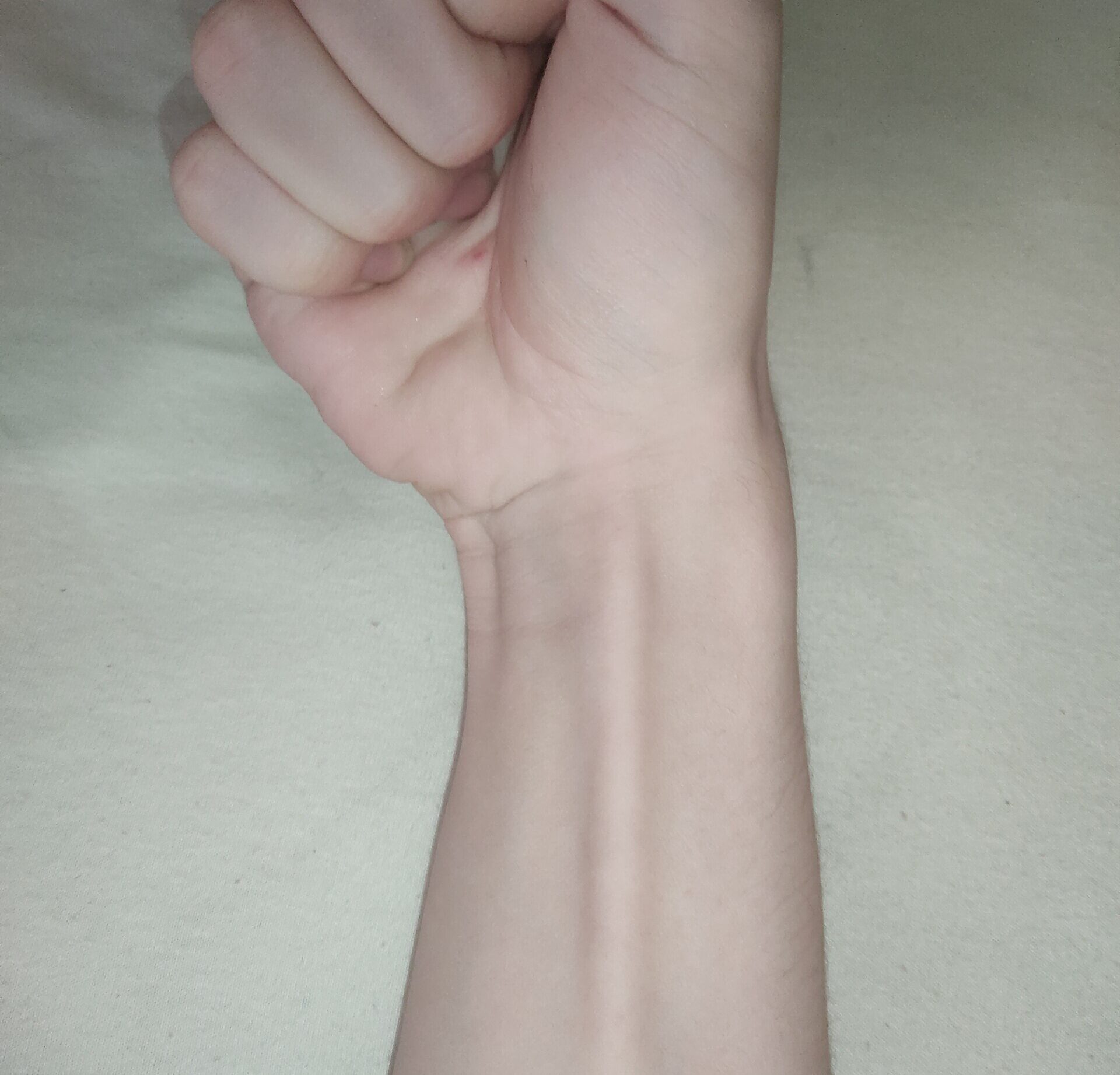
If you press your thumb and little finger together and flex your wrist, you might see a slender tendon pop out in the middle of your forearm. Or you might not see anything at all. That disappearing act belongs to the palmaris longus, a muscle that some people have in both arms, some in just one, and some not at all. Its absence usually causes no obvious weakness, which is why surgeons often harvest it for tendon grafts without worrying about long-term loss of function.
One school of thought says this muscle is simply fading away, a relic from when your ancestors relied more heavily on powerful, sustained gripping or climbing. Another theory suggests it still contributes subtly to wrist flexion and grip strength, but that its role is minor enough that other muscles easily compensate when it is missing. Because everyday life does not usually push your grip to the limits of survival, modern studies have a hard time proving a meaningful difference. You are left with the odd situation of a muscle that might still help, but apparently not enough for its loss to matter for most people.
The Plica Semilunaris of the Eye: Tiny Third Eyelid or Just Scar Tissue?
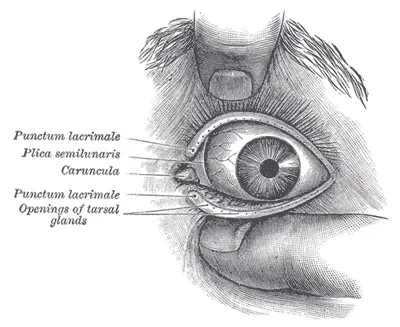
If you look carefully at the inner corner of your eye, you will notice a small crescent-shaped fold of tissue. That is the plica semilunaris, and in many other animals this same area forms a fully functional third eyelid that can sweep across the eye to protect and moisten it. In you, though, it is only a little fold, which has led many anatomists to treat it as a vestige of that lost structure.
Some researchers argue it still plays minor roles: allowing your eye to move more freely toward the nose, helping tear drainage, or simply providing extra flexibility in the conjunctiva. Others see it as mostly a structural leftover that no longer has a distinct, testable function on its own. What you do not have is strong evidence that removing just this fold would cause a specific problem, and without that, its status stays blurry. Is it a shrunken third eyelid, a small bit of useful slack in your eye tissues, or both at once? Science, so far, does not give you a firm answer.
The Auricular Muscles of the Ear: Ghosts of an Ear-Wiggling Past?
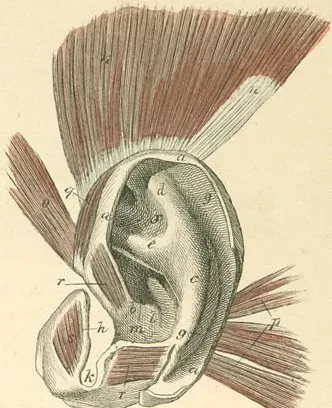
Try to wiggle your ears. If you can, you belong to a small group who can still control the auricular muscles around your outer ear. If you cannot, those thin muscles are still there; you just cannot tap into them in any meaningful way. When you compare yourself with many mammals that can swivel their ears toward sounds, it is easy to see these human muscles as abandoned hardware from a past where ear movement really mattered.
There is a competing possibility that these muscles might still be doing something too subtle for you to notice, perhaps stabilizing the ear slightly when you chew or change facial expressions. Some experiments have shown tiny, unconscious activations of these muscles when people pay attention to sounds in certain directions, hinting that your brain might still be wired to use them as part of audio attention. But the effect is weak, and your ears barely move. In everyday life, they feel like a ghost feature: present, wired in, but mostly dormant, a half-forgotten skill left over from ancestors who depended more heavily on sharp, directional hearing.
The Plantaris Muscle in the Leg: Redundant String or Fine-Tuner of Movement?
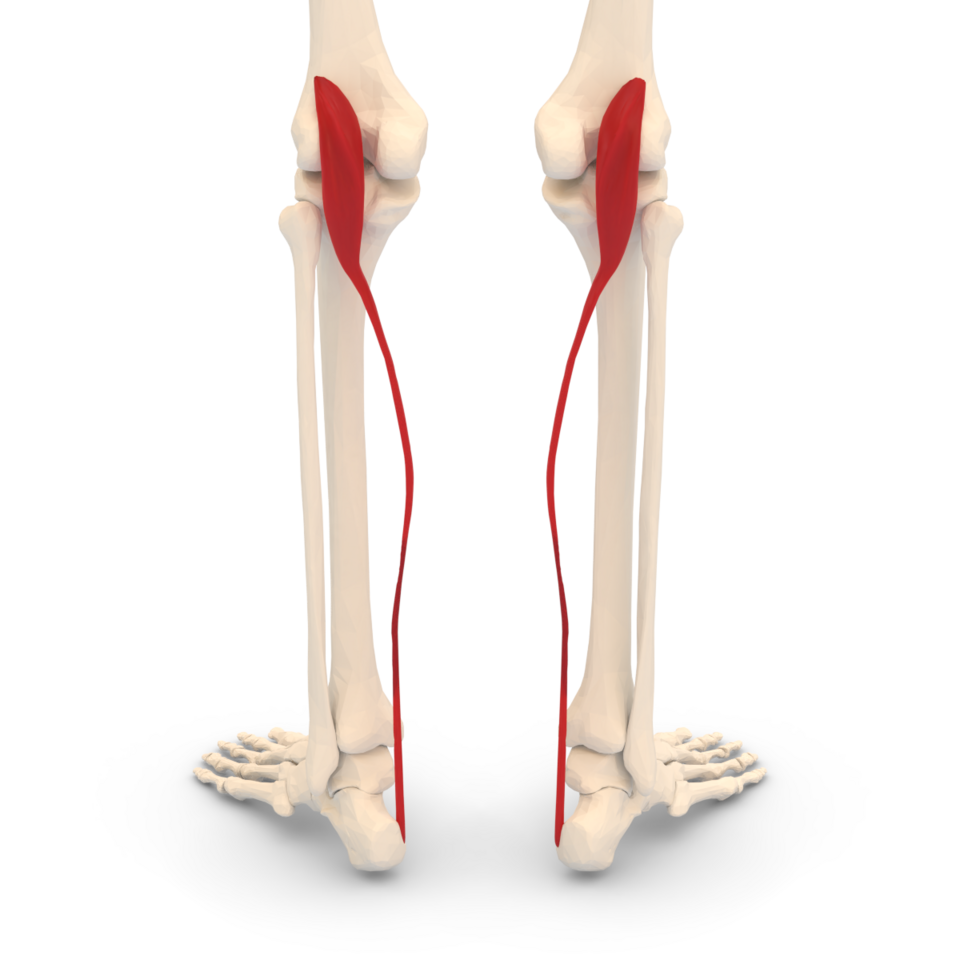
Running down the back of your lower leg, you may or may not have the plantaris muscle, a thin, stringlike muscle with a long tendon. Like the palmaris longus in your arm, it can be completely absent in one or both legs, and many people never notice. Surgeons also like to use its tendon for grafts, because losing it usually does not create obvious disability, which has fueled the idea that it is vestigial and practically useless.
On the other hand, some studies suggest that when present, the plantaris may assist with fine control of ankle and knee movement, or help sense tension and position through its stretch-sensitive nerve endings. Other researchers have pointed out that in certain animals, a comparable muscle plays a more prominent mechanical role in locomotion. In you, that role seems to have shrunk, or at least become redundant with larger, stronger muscles like the gastrocnemius and soleus. So you may be walking around with a little “extra” muscle that quietly adds nuance – or with no plantaris at all and never miss it.
Wisdom Teeth: Obsolete Chewing Tools or Evolution Still in Progress?
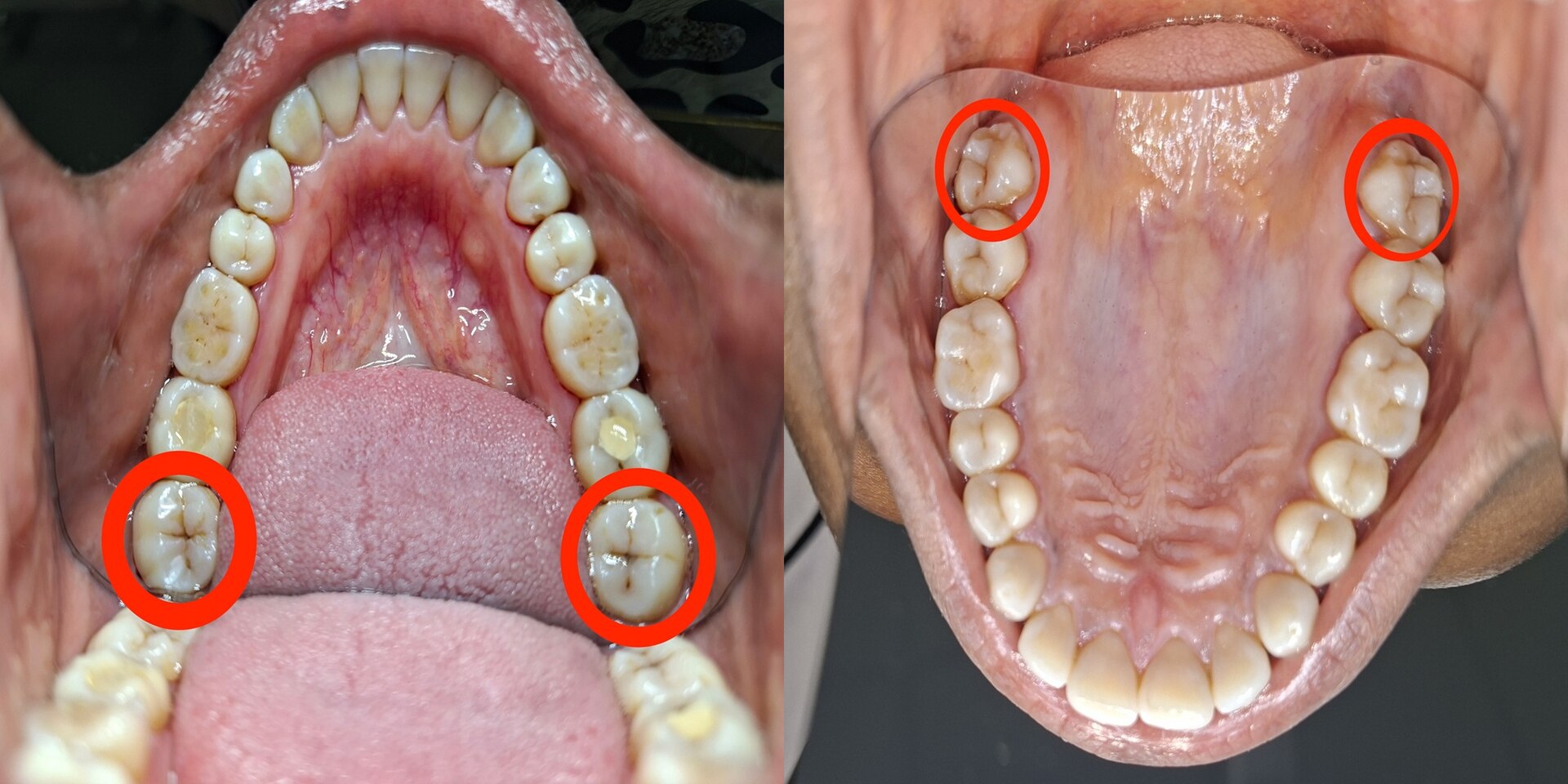
Your third molars, better known as wisdom teeth, have a reputation for causing trouble: impaction, infections, crowding, pain, and expensive surgeries. The leading explanation is that your jaw has become smaller over evolutionary time, while your tooth pattern has not fully caught up. With softer diets and modern food preparation, you simply do not need the extra chewing surface, but the genetic blueprint for those teeth is still around.
Another hypothesis frames wisdom teeth as once-useful backup grinders for a time when your ancestors’ teeth wore down quickly from tough, gritty food. In that world, extra molars erupting later in life could have been a real advantage. Today, with better dental care and less abrasive diets, that usefulness has faded, and the problems now often outweigh the benefits. There is also evidence that in some populations, third molars fail to develop more often than in others, which may hint that human evolution is still slowly phasing them out. As long as they keep appearing in many mouths, though, you are stuck balancing their potential function against their all-too-common complications.
Conclusion: Living in a Body Full of Open Questions
When you step back and look at all these structures together, a pattern emerges: your body is not a perfectly redesigned machine but a living archive. You carry features that may have had clear roles in the past, roles that have faded, shifted, or become redundant in the world you live in now. Some parts, like the appendix or coccyx, probably blend history with a modest modern function; others, like ear muscles or the plica in your eye, seem more like whispers of abilities your ancestors once relied on.
The biggest lesson for you is not that these structures are definitively useless, but that science is often working with partial clues, conflicting studies, and functions that may only show up under rare conditions. Instead of neat answers, you get careful theories and honest uncertainty. The next time you feel your tiny forearm tendon pop, notice a stray body hair stand on end, or remember your missing wisdom teeth, you can see those details as invitations to wonder rather than design flaws. In a way, your own body is a mystery story still being written – how many other “pointless” parts do you think might be quietly doing something you have not discovered yet?