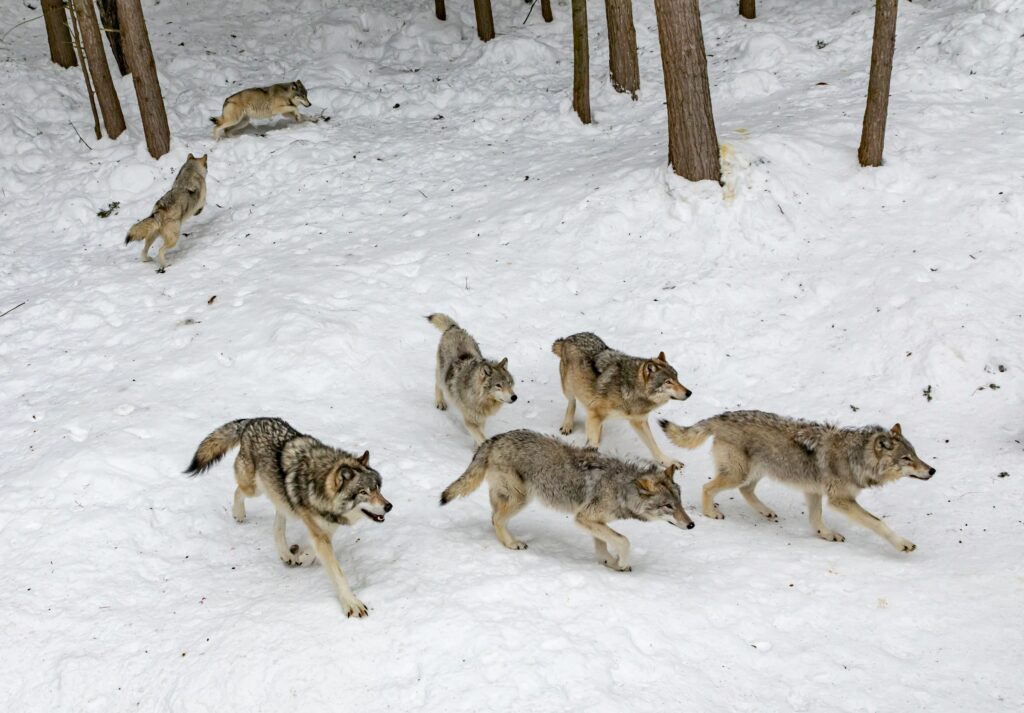

Humans like to believe we’re special, standing apart from the rest of nature. Yet, the more scientists study wolves, the more it looks like we’ve been walking alongside them – psychologically, socially, even spiritually – for a very long time. Our lives diverged in countless ways, but the underlying path is strangely similar, as if we evolved as parallel experiments in social survival. This isn’t some mystical, feel‑good idea about spirit animals. It’s grounded in biology, behavior, and history. From how we raise young and form families, to how we cooperate, fight, grieve, and adapt to changing worlds, wolves mirror us far more than most people realize. Once you see the overlaps, it becomes hard not to feel like looking at wolves is, in a way, looking straight into a wild version of ourselves.
The Hidden Family Resemblance: Packs and Human Clans
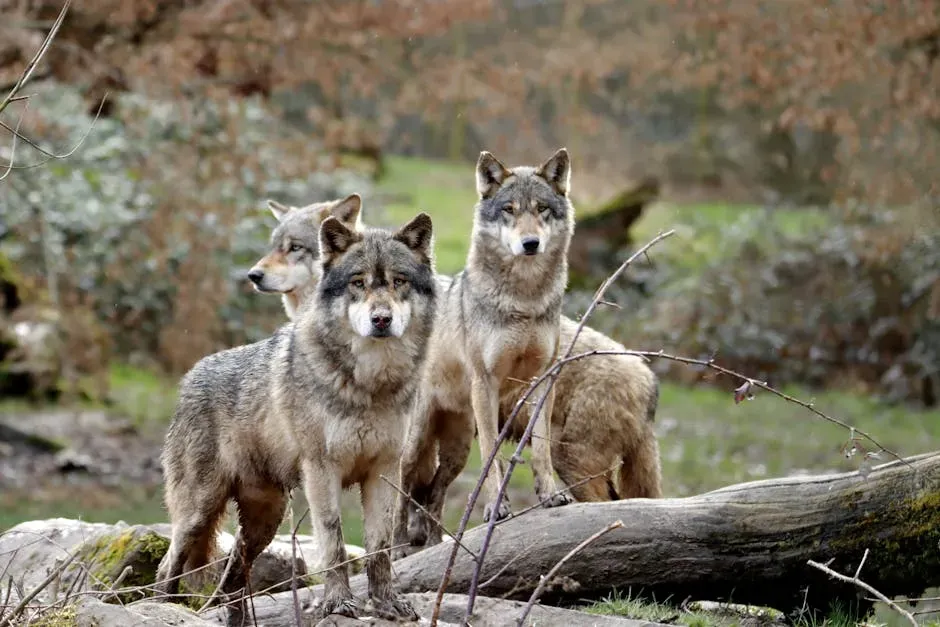
At first glance, a wolf pack looks like a loose gang of predators. Look closer and you find something much more familiar: a tight‑knit family, usually centered on a breeding pair and multiple generations of offspring. These packs defend shared territory, support each other in hunts, and divide roles in surprisingly flexible ways, echoing how human families cooperate for food, shelter, and safety. In many traditional human societies, extended families or clans live together, share work, and protect common resources. Wolves do a similar thing, but with fur and sharper teeth. There is often a leading pair, older siblings who help care for younger ones, and complex relationships that shift over time. It’s not a perfect mirror of human kinship, but the basic blueprint – family as the core survival unit – is the same.
Cooperation as a Survival Strategy, Not a Moral Choice
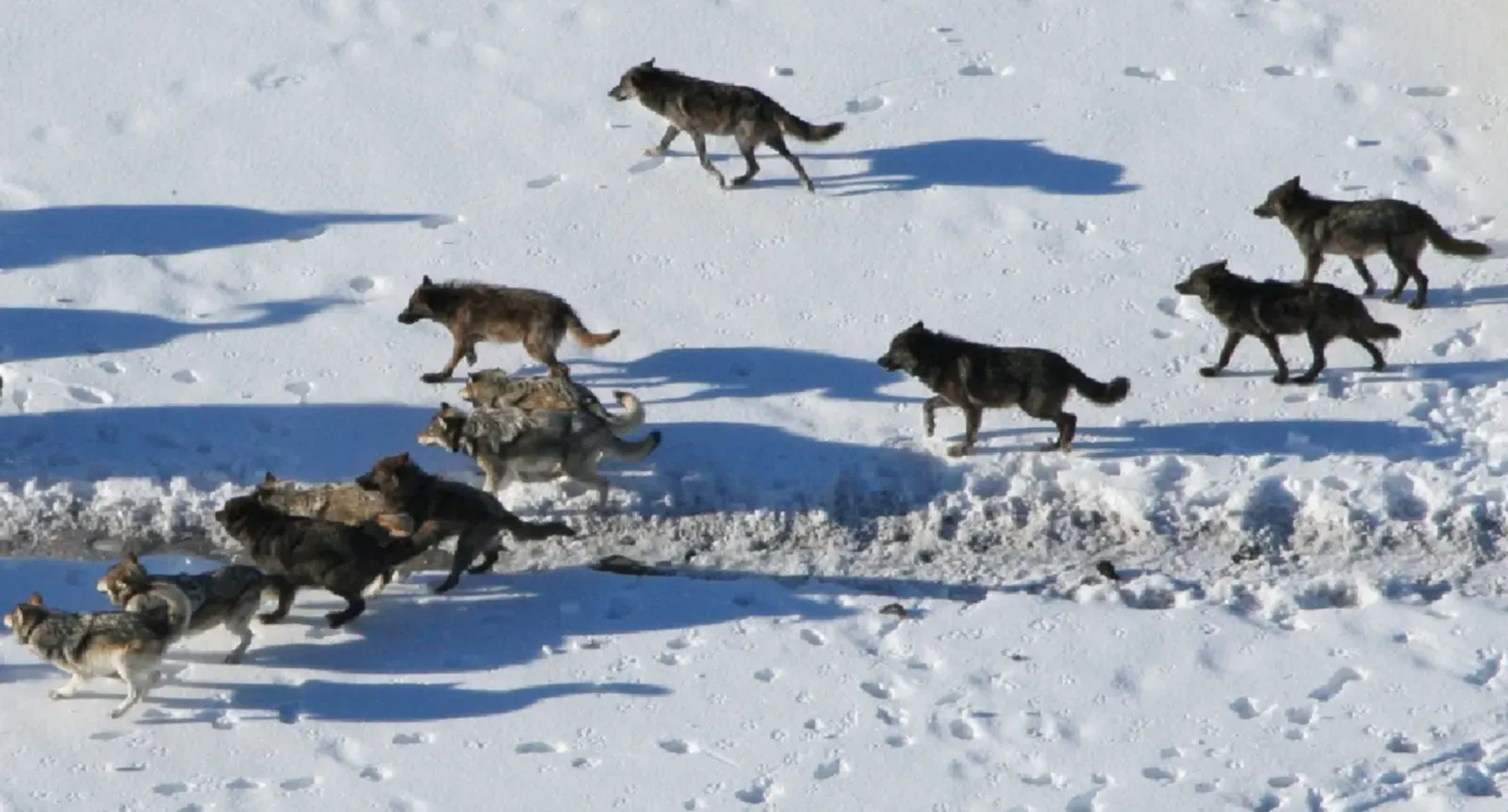
We like to label humans as moral beings who choose to cooperate because it’s “right,” but at a biological level, cooperation is first and foremost a survival tool. Wolves embody this. A lone wolf can survive for a while, but a coordinated pack can bring down large prey, defend larger territories, and raise more pups successfully. Cooperation literally changes what is possible. Humans evolved along a similar route. Our ability to work in teams – to hunt, gather, farm, build, and now engineer global systems – comes from the same deep logic: together we can do what alone we never could. Wolves remind us that cooperation isn’t some noble exception in nature. It’s a brutally effective strategy, honed by evolution, that both species leaned into so hard that our entire lives revolve around it.
Communication, Emotion, and the Language Beyond Words
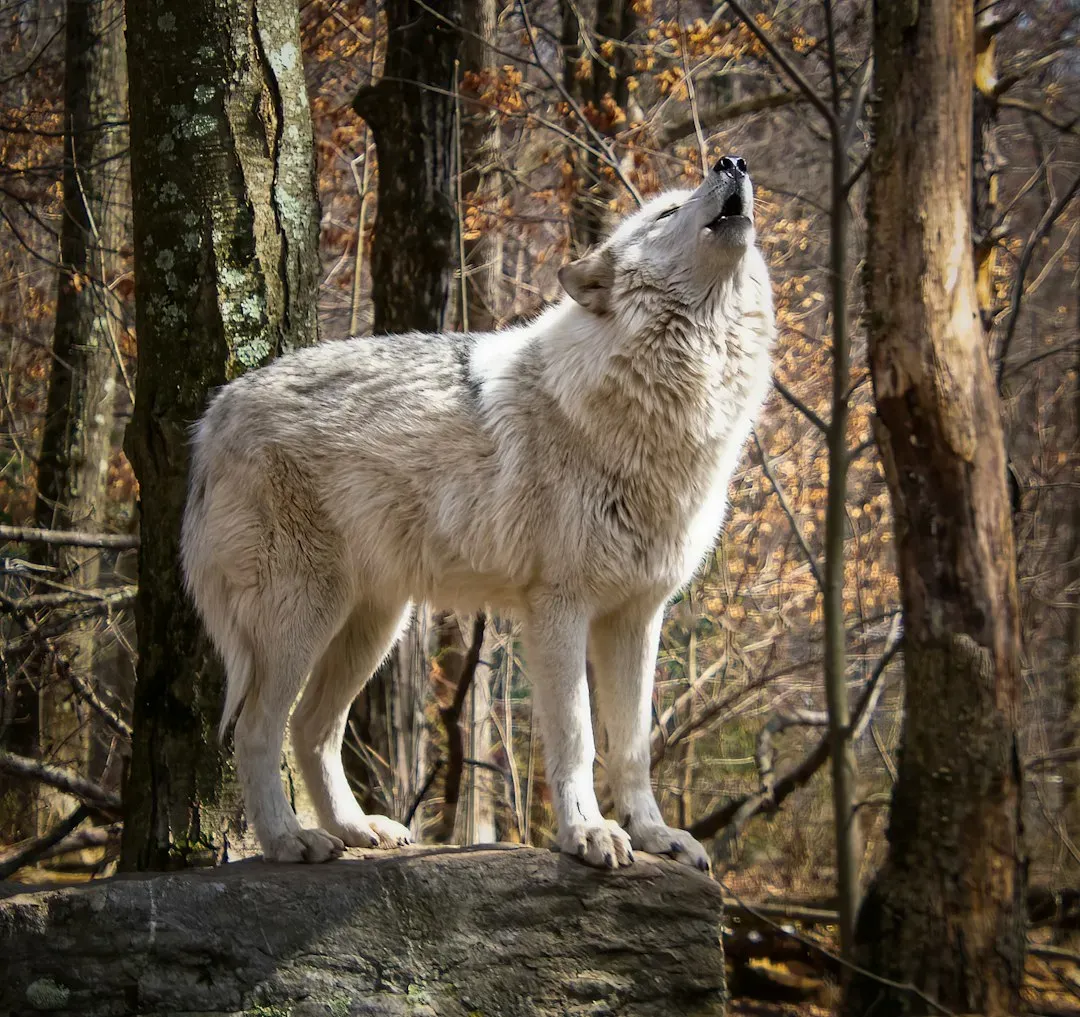
Watch a wolf pack for a while and you start to realize their communication is rich and layered: body posture, ear position, tail height, subtle touches, eye contact, vocalizations from soft whines to iconic howls. None of it is random. It coordinates movement, soothes tension, signals play, warns of danger, and keeps the social fabric from tearing apart. Humans do the same dance with different costumes. We rely heavily on spoken language, but our posture, tone of voice, eye movements, and physical distance say as much as our words. Wolves remind us that meaningful communication did not begin with language; it began with bodies sending signals, managing emotions, and reinforcing bonds. The path we share is one where feelings are not abstract – they are constantly negotiated in real time, through the ways we move and respond to one another.
Leadership, Status, and the Myth of the “Alpha”
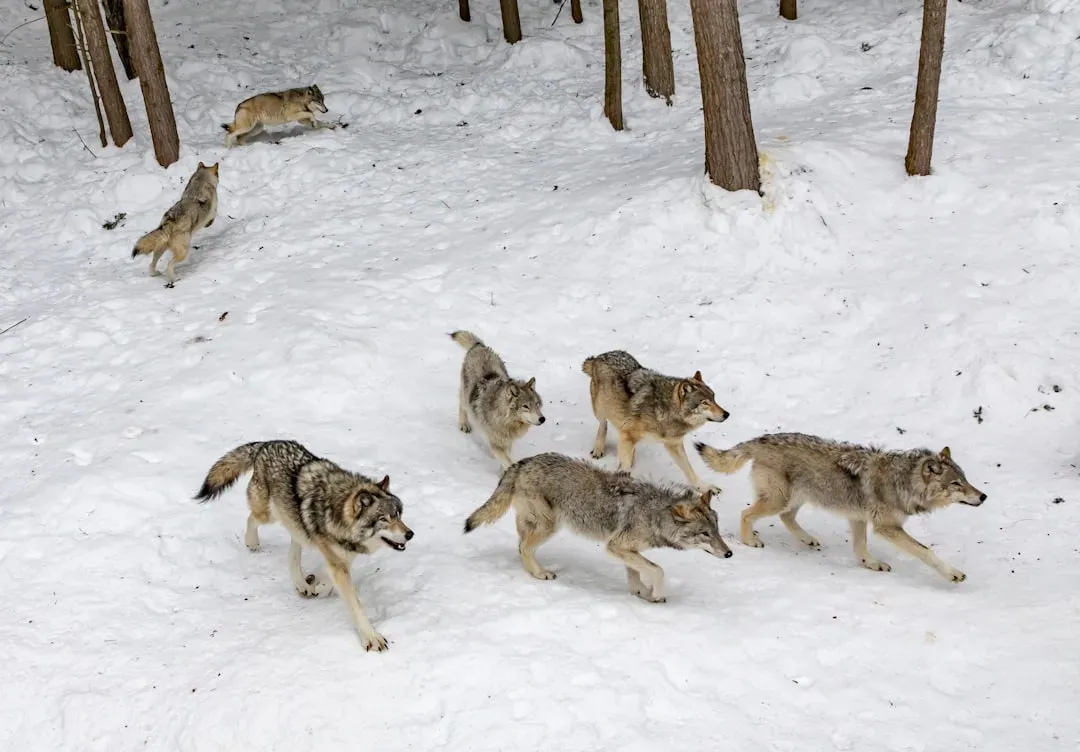
Many people still picture wolf packs as ruled by a hyper‑dominant “alpha” crushing everyone else. Modern field research paints a softer, more relational picture: most packs are led by a breeding pair that resemble parents more than tyrants. Leadership is often about experience, calm, and coordination rather than constant aggression. Sound familiar? Humans obsess over status, titles, and hierarchy, but in functional groups – families, teams, small communities – effective leadership tends to look like what we see in stable wolf packs: guiding rather than bullying, holding the group together, negotiating conflicts, and making good calls about risk and resource use. The shared path here is uncomfortable: both species can slide into power abuse, but both thrive most when leadership is rooted in competence and care, not fear.
Shared Rhythms of Play, Learning, and Growing Up
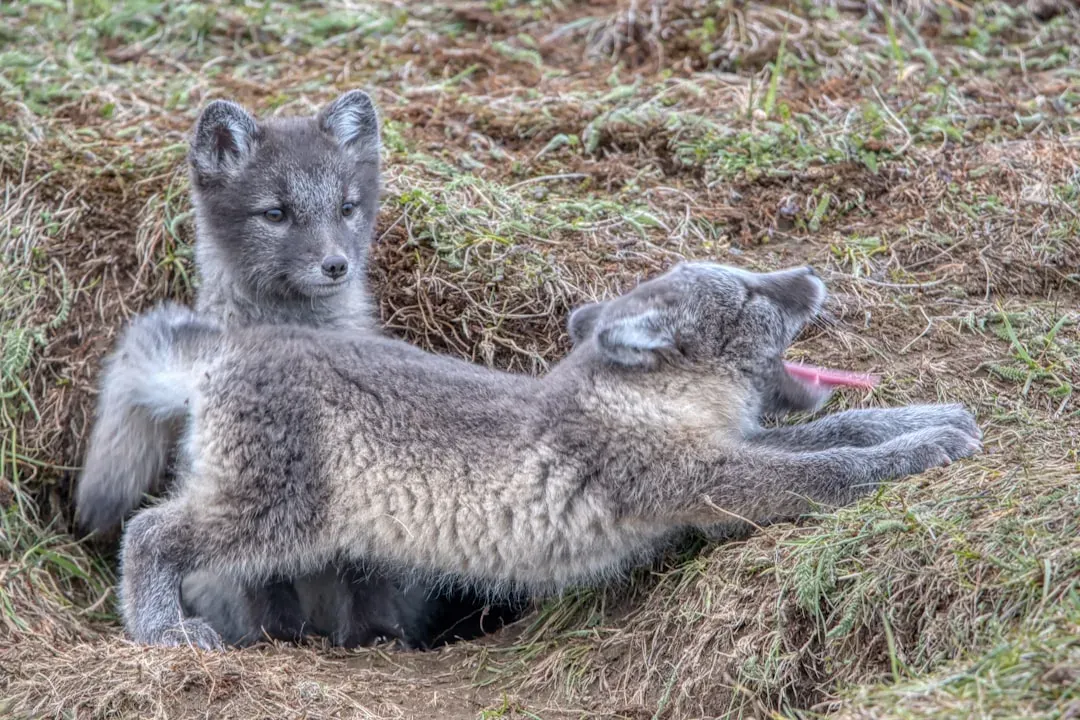
If you’ve ever watched wolf pups play, it feels almost shockingly human. They chase, wrestle, pounce, steal, fake retreat, and test boundaries, all while older wolves tolerate a great deal of chaos. This play isn’t pointless; it trains motor skills, builds social bonds, and teaches unspoken rules about what is acceptable and what crosses a line. Human children do exactly the same through games, roughhousing, and pretend battles. In wolf packs and human families alike, adults who allow safe, structured play are essentially investing in resilience. They’re letting the next generation rehearse real‑world challenges in a softer, lower‑stakes environment. The road we share here is simple and profound: we both use play as an invisible classroom for survival.
Grief, Attachment, and the Emotional Cost of Bonding
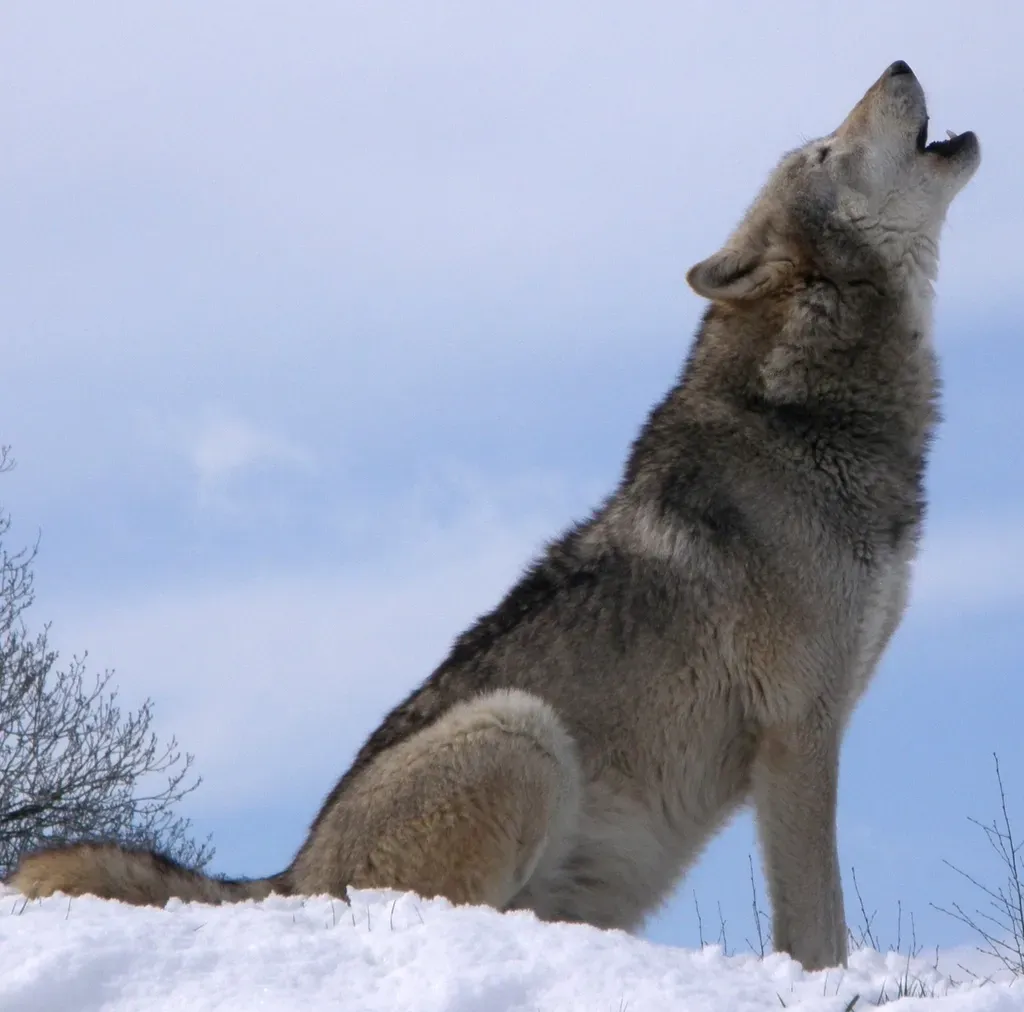
When a key member of a wolf pack dies or disappears, the rest often show behavior that looks eerily like mourning: lethargy, reduced play, changes in howling patterns, searching behavior, even a long‑term decline in hunting success. Their lives are arranged around tight bonds, so when a thread is cut, the entire social web ripples with stress. Humans experience this on an even more elaborate emotional scale, but the underlying reality is similar: deep attachment has a cost. We pay with grief when we lose what we love. Wolves reveal that intense social bonding, for all its pain, is still worth it from an evolutionary standpoint. The path we share is one where love is not a soft luxury; it is a high‑risk, high‑reward strategy that makes us stronger together, yet breaks us when it’s torn apart.
Adaptation in a Human‑Dominated World
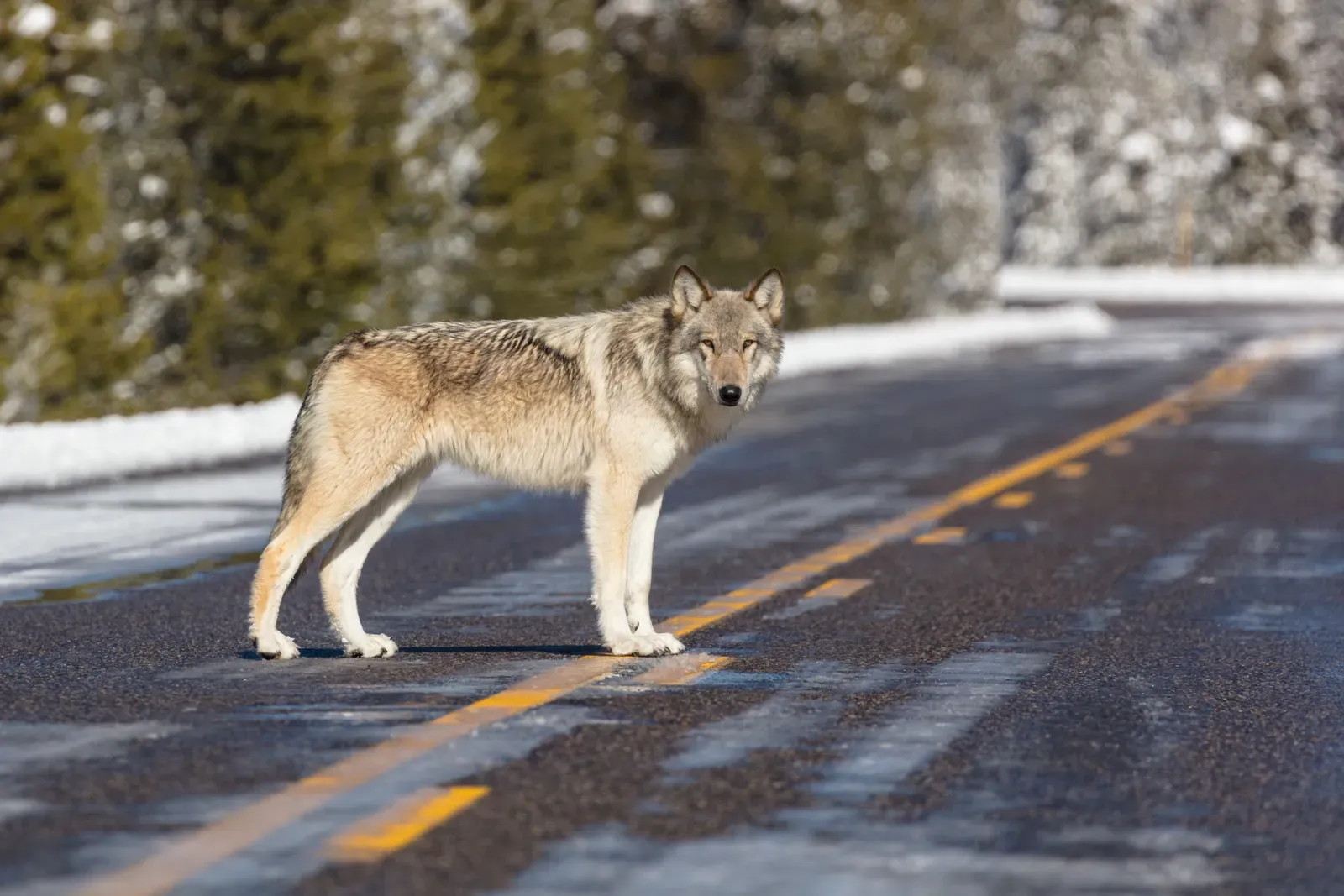
Both wolves and humans have become experts at adapting to shifting landscapes and climate patterns, but we sit on opposite sides of the power equation. Humans are now the main force reshaping the planet, while wolves are forced to adjust or vanish. Yet, even under pressure, wolves show remarkable flexibility: changing prey, altering territory sizes, moving more at night, or even learning to navigate near roads and human settlements. In a way, wolves are being tested by the very species that once partnered with their close cousins, dogs. Our shared path here is uneasy: humans expanded by mastering cooperation and technology, while wolves struggle to keep using cooperation to survive inside that human‑made world. To me, this is where the parallel cuts the deepest – we’re watching another social, intelligent species fight to hold its place in a story we are rapidly rewriting.
Why This Shared Path Should Change How We See Ourselves
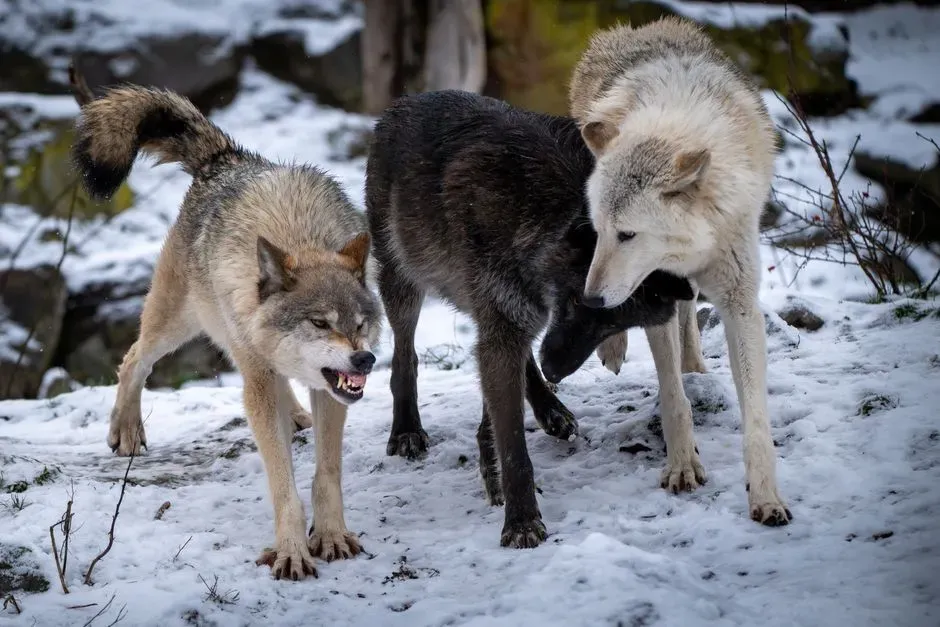
I think the most unsettling part of realizing how much we share with wolves is that it strips away some of our favorite illusions. We are not the lone rational heroes of the planet, shaping a passive world beneath us. We are one more social mammal that succeeded by doing what wolves do: forming tight families, communicating constantly, cooperating intensely, and defending what we care about. If anything, wolves serve as a mirror we have been trying not to look into. When we see their loyalty, their conflicts, their grief, and their resilience, we are seeing a wild version of our own strengths and flaws. That should make us proud, but also a bit uneasy. If we walk such a similar path, what does it say about us when we push them off the trail instead of choosing to walk alongside them?