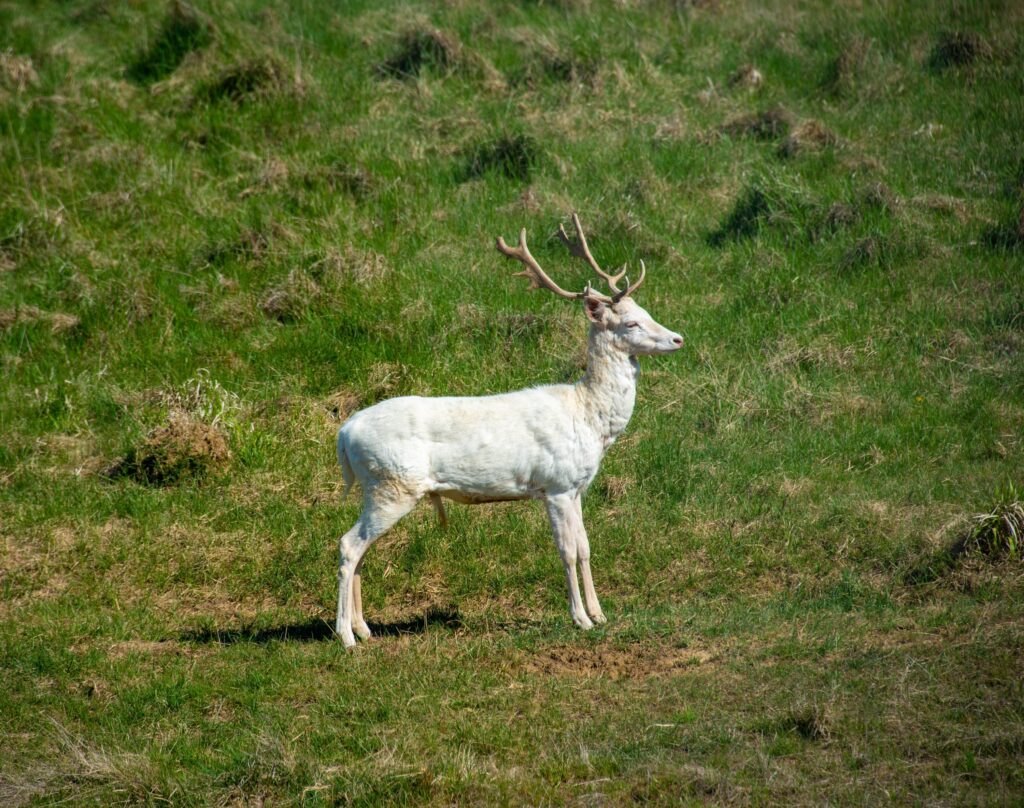

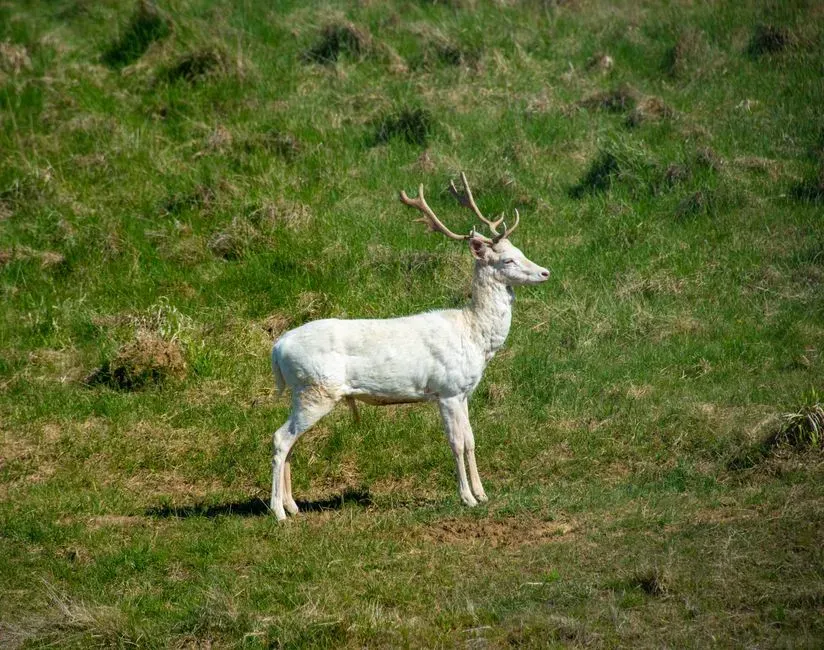
Every hunter has a story about the one that got away. But among Cherokee hunters, there is a stranger, quieter story: the one you are not supposed to take at all. A white deer slipping through the trees at dawn looks almost unreal, like a ghost stitched into the forest. It is beautiful, yes, but for many Cherokee people, it is also a sign that you are stepping into sacred territory and need to think very carefully about your next move.
In a world where everything gets turned into content or a trophy, the idea that some animals are simply not meant to be chased feels almost rebellious. When a Cherokee hunter sees a white deer, it is not just a moment of excitement; it can be a moment of moral decision, of spiritual weight, even of fear. Is this a blessing, a warning, or a test of character? The answer depends on who you ask, but the question itself reveals something deep about how Cherokee tradition sees the land, the animals, and the people moving among them.
A White Deer Is Never Just “Rare”
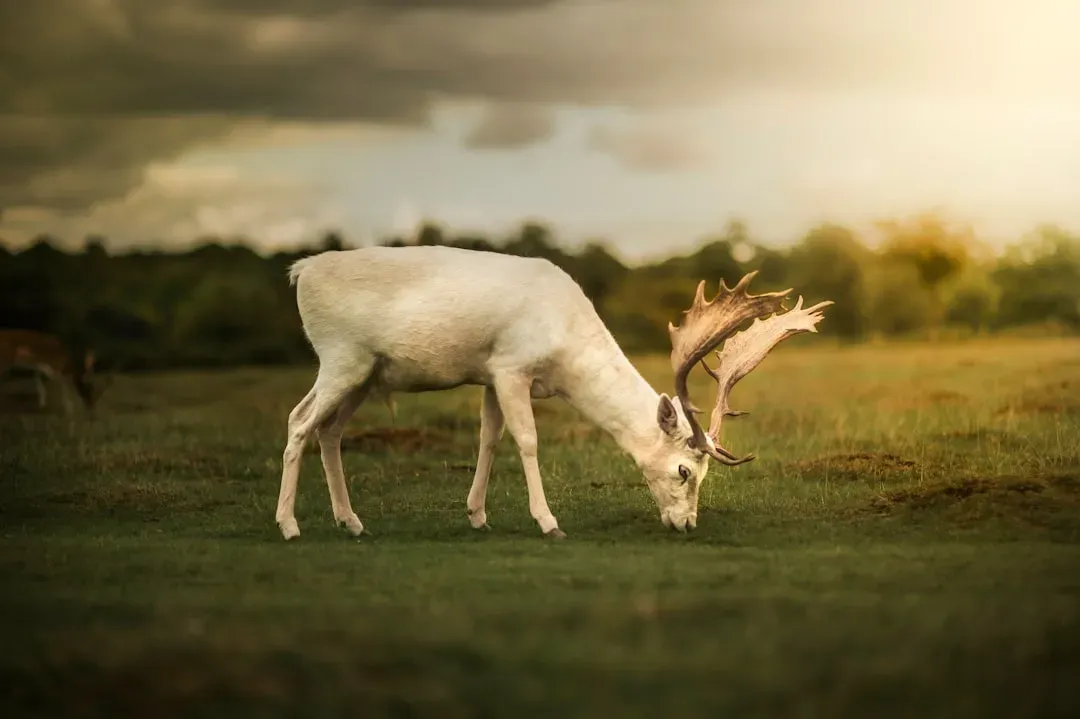
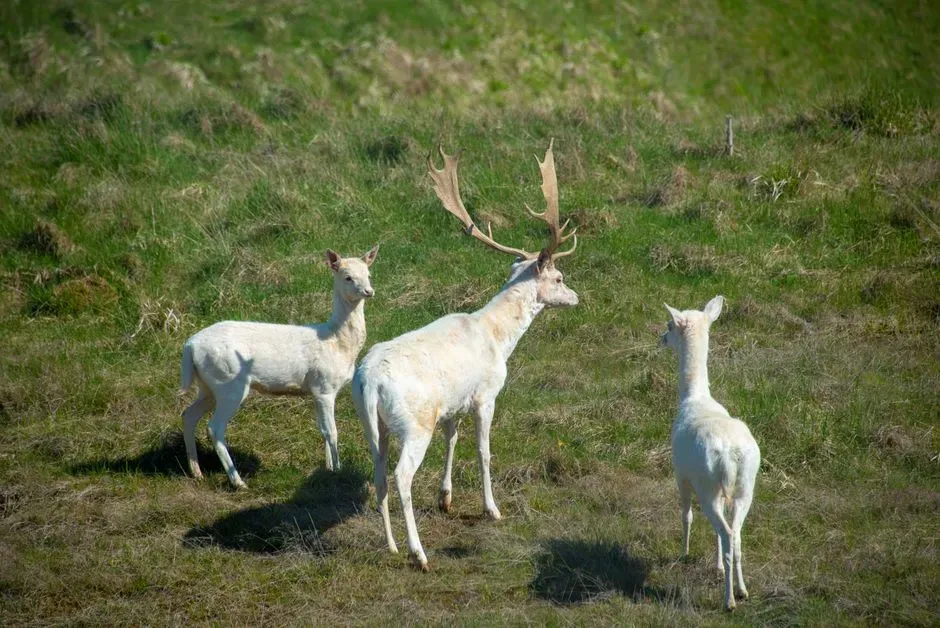
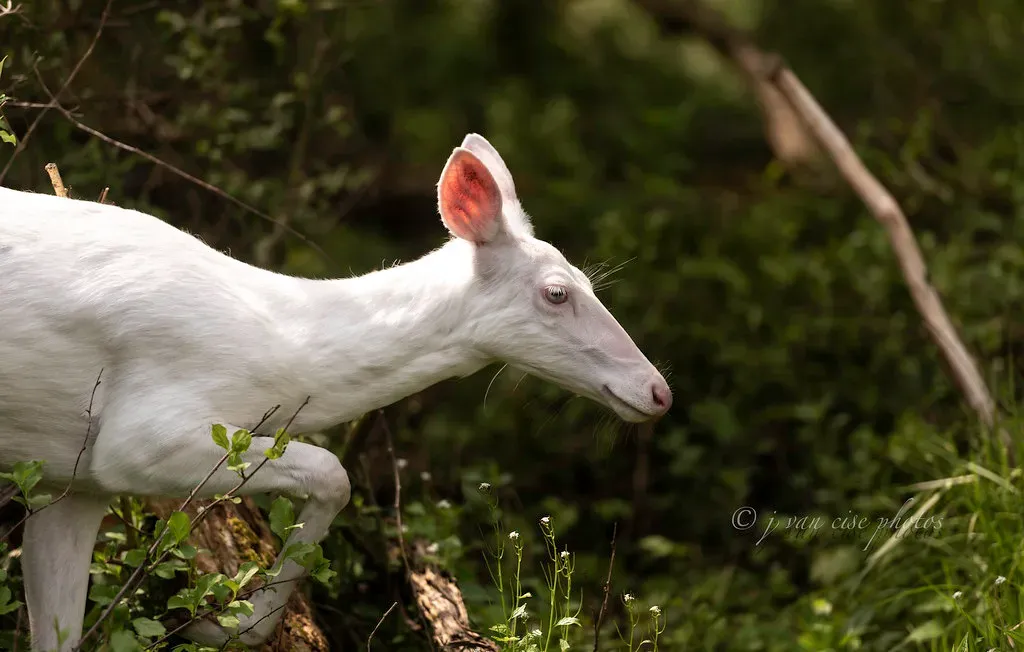
For a biologist, a white deer usually falls into two categories: an albino, lacking pigment, or a piebald or leucistic deer, with partial loss of color. From that lens, it is a fascinating genetic anomaly, the kind of thing that makes a wildlife researcher excited to pull out a camera and a notebook. You can talk about recessive genes, survival odds, and how such a visible animal even manages to grow old in the wild.
For a Cherokee hunter, that same animal is something completely different. It is not only a genetic outlier; it is a spiritual outlier, the kind of being that steps out of the normal order of things. You can understand the science and still feel your stomach drop when you see it, the way you might feel if you walked into a quiet church by accident at midnight. The white body against dark woods does not just stand out visually; it cuts through your conscience and makes it hard to pretend this is a regular hunt.
Messenger, Omen, Or Test? The Spiritual Weight
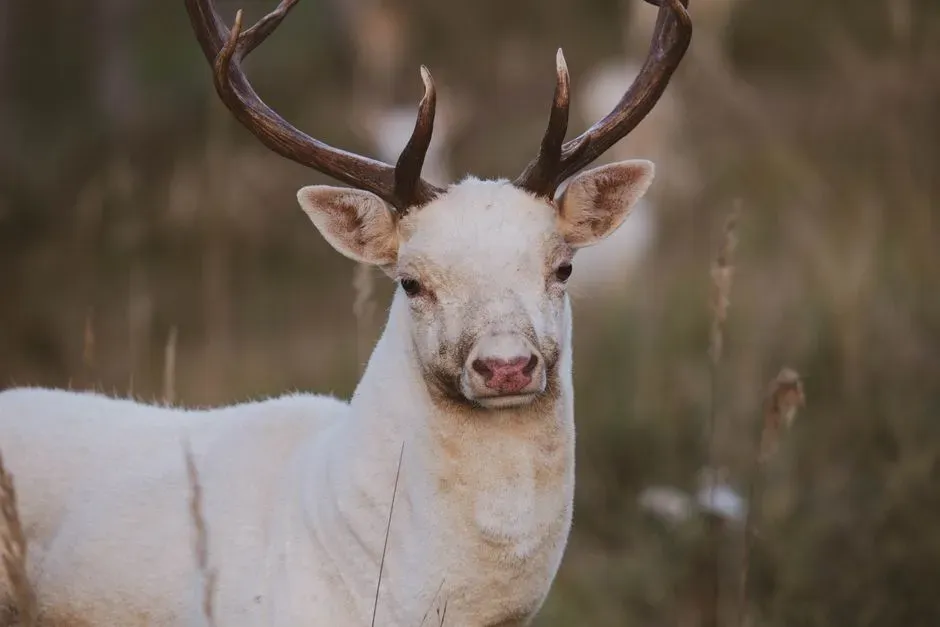
Within Cherokee tradition, animals are not background scenery, and they are definitely not props. They are relatives, teachers, and sometimes messengers. A white deer can be seen as a kind of spiritual flag, signaling that the world around you is not just physical in that moment. Instead of thinking, “What a lucky shot,” many Cherokee hunters are raised to think, “What is this trying to tell me?”
Different families and elders may emphasize different meanings. Some will warn that killing such an animal invites trouble, the way ignoring a serious dream might unsettle your mind for days. Others may lean toward seeing it as a message to slow down, to reconsider your choices, or to recognize that you have stepped into a moment that is more sacred than practical. In that sense, the white deer is less a prize and more a test of whether you are listening.
Why Most Cherokee Hunters Will Not Pull The Trigger
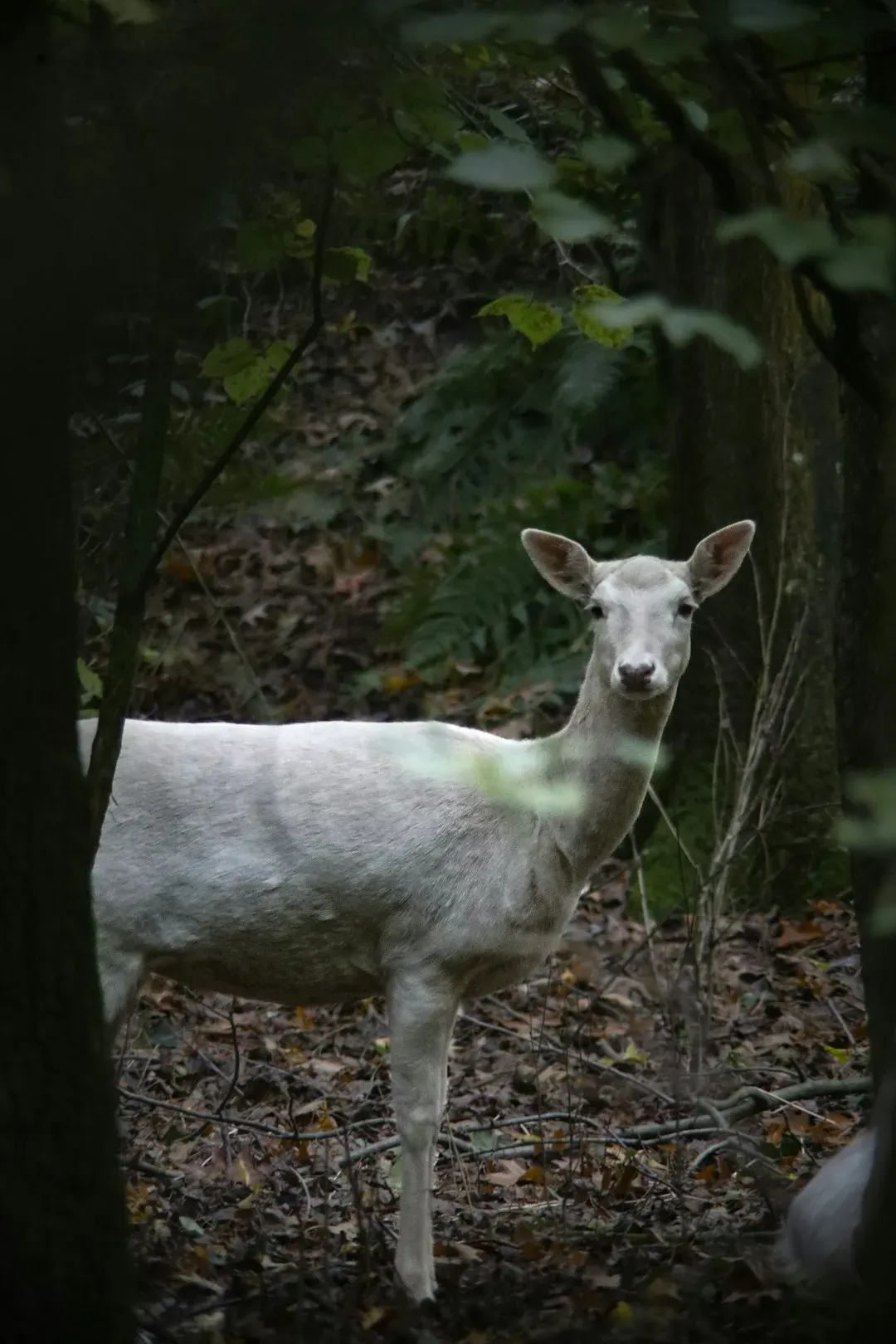
In many Cherokee communities, the default reaction to a white deer is simple: you leave it alone. Even hunters who are skilled, confident, and deeply comfortable taking life for food may hesitate or refuse when faced with that flash of white. It is not about superstition in a childish sense; it is about respect and caution toward something that carries more meaning than meat or antlers.
There is also a social layer here. In tight-knit communities, how you treat a white deer can say a lot about your character. Taking the shot when you have been taught all your life that such an animal is special can be seen as arrogant, or as a sign that you value bragging rights over tradition. Choosing not to shoot, on the other hand, is a quiet way of saying you know some lines should not be crossed, even when nobody else is watching from the tree line.
Ancient Stories Still Echo In Modern Hunts
Cherokee oral traditions are full of stories where animals and humans interact in ways that shape the rules of the world. The idea that an unusual animal carries a message is not a random superstition; it is rooted in a long history of seeing the forest as alive with personality and intention. When elders talk about special signs, they are not reciting fantasy; they are passing along a way of paying attention.
White animals appear in more than one Indigenous tradition as significant, and among Cherokee people, the pattern fits into a broader worldview: uncommon appearances often mark turning points. Hunters raised on these stories do not think of the white deer as a plain biological fluke. They see it as part of a story that began before they were born and will continue after they are gone, a story where how you act when no one is grading you still matters.
Balancing Biology, Tradition, And Modern Law
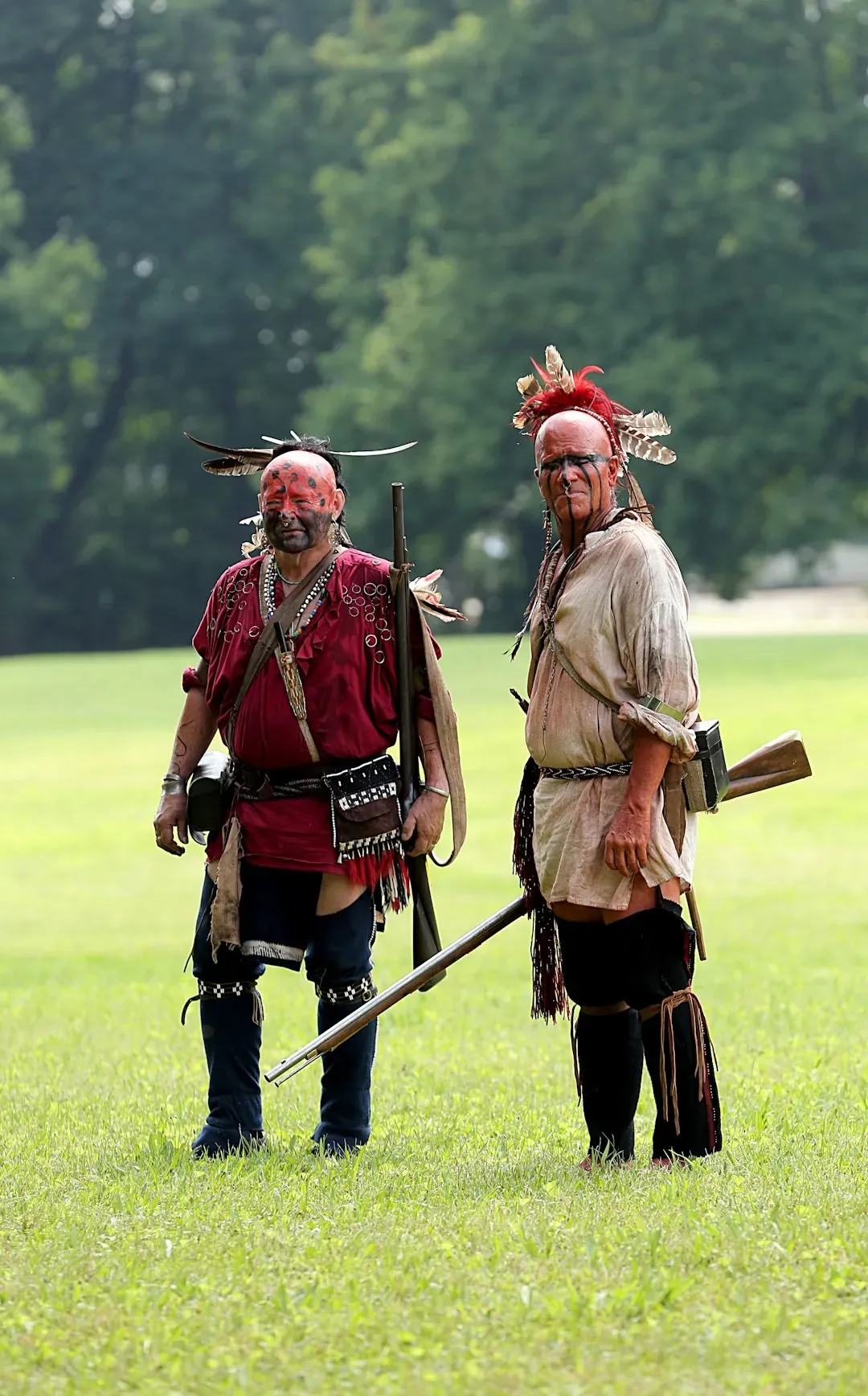
In today’s world, Cherokee hunters do not live in isolation from state wildlife regulations or modern science. A white deer might be perfectly legal to harvest in some areas, and biologists might argue that protecting or killing it has minimal impact on the overall population. From that angle, it is just another deer that happens to stand out in photos. The law might say you can shoot; tradition might say you really should not.
This tension creates a kind of double vision. A hunter can understand the legal rights and modern data and still choose restraint out of respect for spiritual and cultural teachings. That choice is not about rejecting science; it is about insisting that numbers and charts do not have the final say on what is sacred. In a way, the white deer stands at the intersection of three worlds: the world of tradition, the world of science, and the world of bureaucracy, and Cherokee hunters often have to navigate all three at once.
Ethical Hunting And The White Deer As A Moral Mirror
Even outside Cherokee communities, more people are talking about ethical hunting, about fair chase, respect for the animal, and taking only what you need. For Cherokee hunters, those ideas are not new trends; they are embedded in older teachings. The white deer simply puts everything under a harsher light, like turning on a spotlight in a dim room. You cannot easily pretend this is just another target when your own culture keeps whispering that it is more than that.
In that sense, seeing a white deer can act as a mirror. It reflects back your motives: are you hunting because you need food, because you love the practice, or because you want something extreme to post online? If the urge to pull the trigger spikes just because this deer is rare, that reaction can feel uncomfortably revealing. For many Cherokee hunters, walking away from that temptation is one of the clearest ways to prove – to themselves more than anyone – that their values run deeper than adrenaline.
Personal Reactions: Awe, Fear, And A Quiet Kind Of Pride
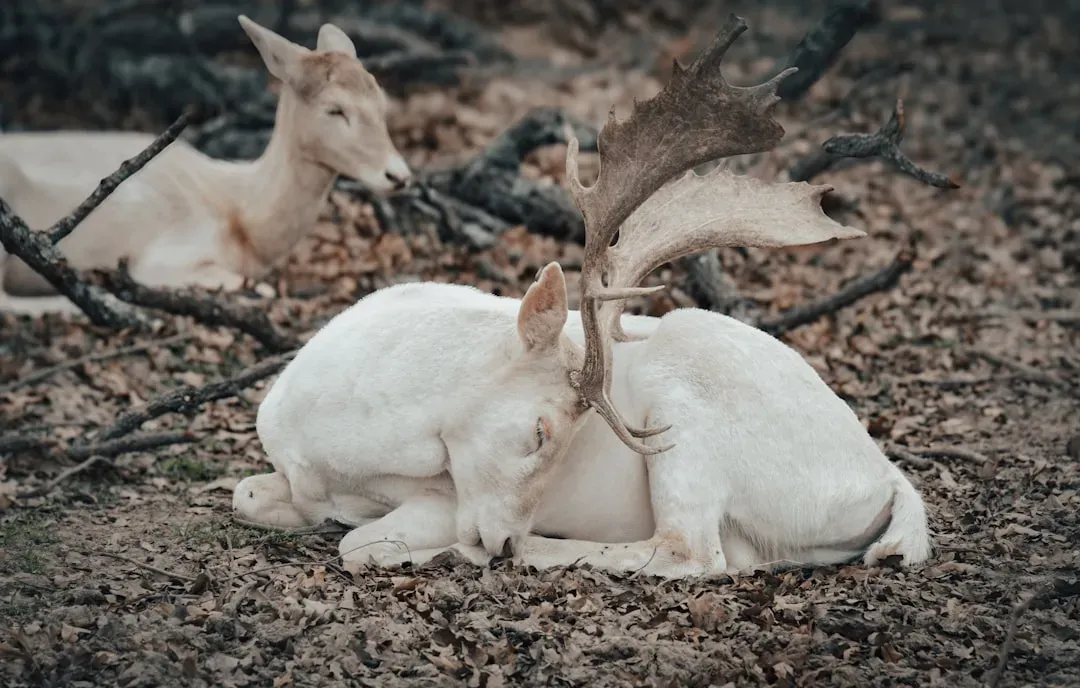
The first time someone sees a white deer, the most honest reaction is usually simple shock. It does not look real at first; it looks like something from a dream or an old story spilling into real life. I remember the first time I saw a pure white animal in the wild – not a deer, but a bird – and my brain stalled for a second, scrambling to decide if I was actually awake. That same feeling, magnified by generations of teaching, hits Cherokee hunters hard in those rare moments.
There is often a mix of awe, a trace of fear, and, if they choose not to shoot, a quiet kind of pride. Pride not in owning something, but in letting it go. In a culture that constantly tells us to capture, document, and possess every beautiful thing we see, simply letting a white deer vanish back into the trees is almost radical. It is a way of saying that some encounters are meant to shape your memory, not your wall.
Conclusion: The White Deer As A Line We Choose Not To Cross
When you strip it down, the meaning of a white deer to a Cherokee hunter is not about luck or trophies; it is about limits. It is a living reminder that not everything rare is meant to be taken, and not every opportunity needs to be seized. In my view, that stance is not old-fashioned; it is painfully, beautifully modern. In a time when almost nothing is off-limits, holding one creature as untouchable feels like drawing a protective circle around something deeper than ourselves.
I think the white deer forces us to ask an uncomfortable question: are we capable of reverence without ownership? Cherokee hunters who choose to lower the rifle or bow in that moment are making a bold statement that some lines are worth keeping, even when they cost you a story, a photo, or a mount. That choice will not make sense to everyone, but maybe that is the point. If the sacred always felt convenient, would it still be sacred at all?