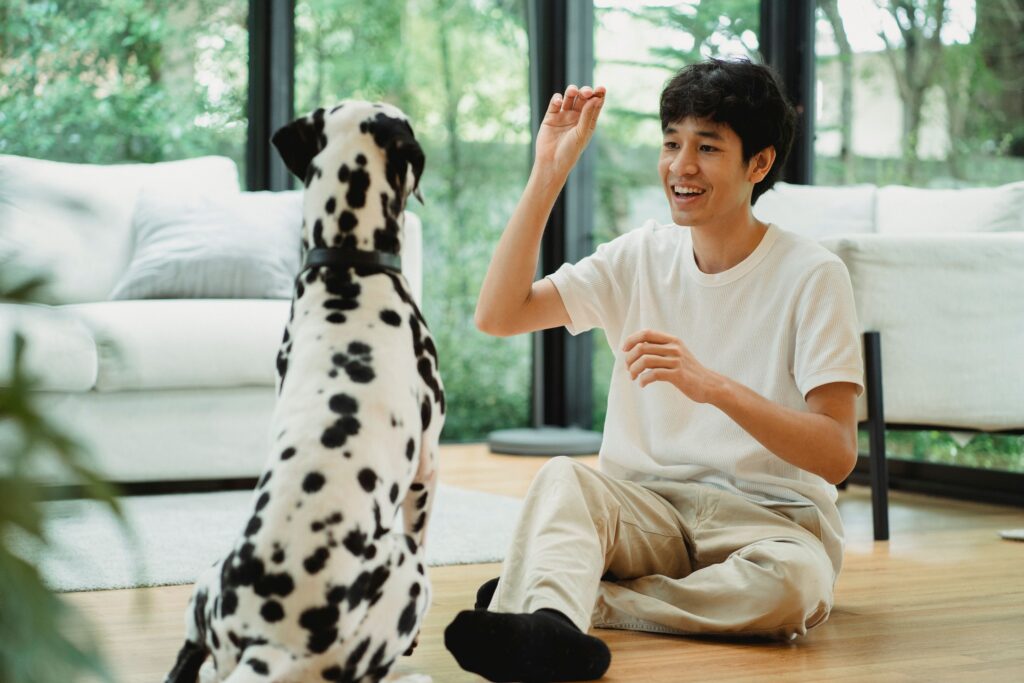

You know that bone-deep exhaustion where you’re lying in bed at midnight, your eyes burning, and your dog is still zooming around like it’s brunch o’clock? That was you yesterday. You love your dog to pieces, but the constant pacing, whining, and random toy drops on your chest at 2 a.m. are making you question your life choices. You’ve tried “more walks,” fancier food, even calming music, and somehow your dog still has enough energy to power a small village. Then you stumble on a simple idea that sounds almost too good to be true: a focused, five-minute “tire out” trick that targets your dog’s brain and body at the same time. Not a marathon, not a new gadget, just a short, intense routine. You try it out of sheer desperation, and suddenly your dog is snoring next to your bed… and for the first time in ages, you actually sleep through the night. Here’s exactly how you can do the same thing – without turning into your dog’s full-time entertainer.
Why Your Dog Is Still Wired After Long Walks
You might be walking your dog plenty and still wondering why they behave like a caffeinated toddler at midnight. The missing piece is that physical exercise alone doesn’t always touch your dog’s mental energy, which can be just as powerful as the zoomies. When your dog’s brain is bored, they’ll create their own “fun” by barking, pacing, chewing, or nosing you while you’re trying to sleep. Think of it like this: if you jogged slowly for an hour while scrolling your phone, you’d still feel restless enough to stay up doom-scrolling in bed. But if you spent ten focused minutes learning something new and challenging, you’d feel surprisingly drained – in a good way. Your dog works the same way. The five-minute tire-out trick works because it combines quick bursts of movement with real mental work, hitting both of your dog’s energy tanks at the same time.
The 5-Minute ‘Tire Out’ Trick in a Nutshell
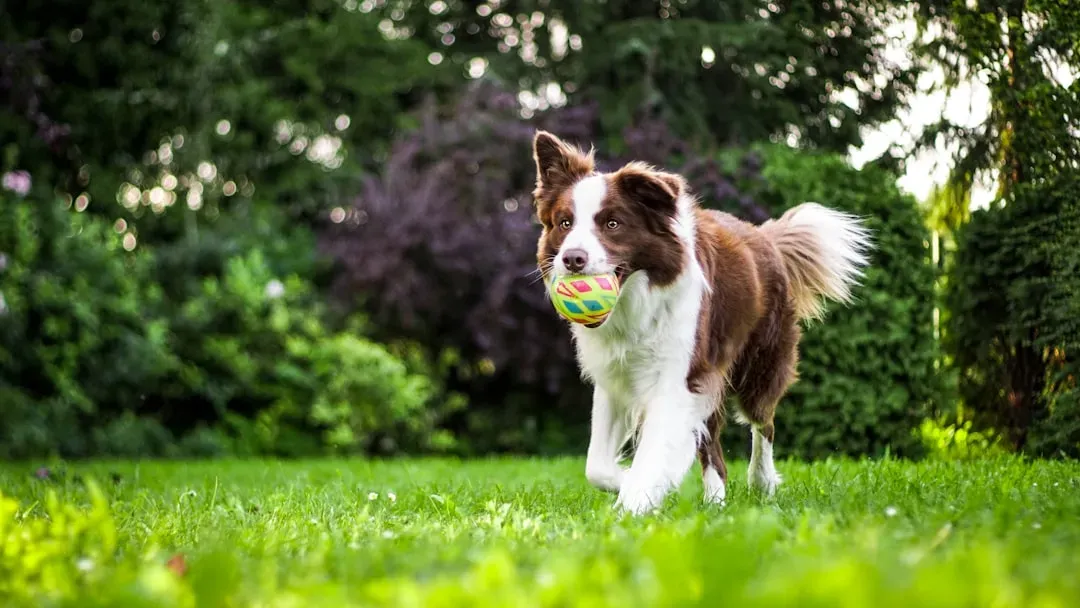
The core of the trick is to stack a few high-focus mini-activities back-to-back, with almost no downtime. You’re not trying to make your dog run until they collapse; you’re trying to make them think, react, and listen in rapid bursts. That combo burns energy much faster than another lazy lap around the block. The whole thing takes roughly about five minutes, but it feels like a full workout to your dog. Here’s the basic flow: one minute of fast, controlled movement (like quick fetch or tug), one minute of basic obedience (like sit, down, stay, come), one minute of nose work (like hiding treats), one minute of impulse control (like “wait” games), and one final minute of a calmer task (like slow treat searching or a gentle chew). It’s simple, but when you run those minutes back-to-back with your full attention, your dog’s brain goes from “party time” to “bedtime” surprisingly fast.
Step 1: One Minute of Fast, Controlled Movement
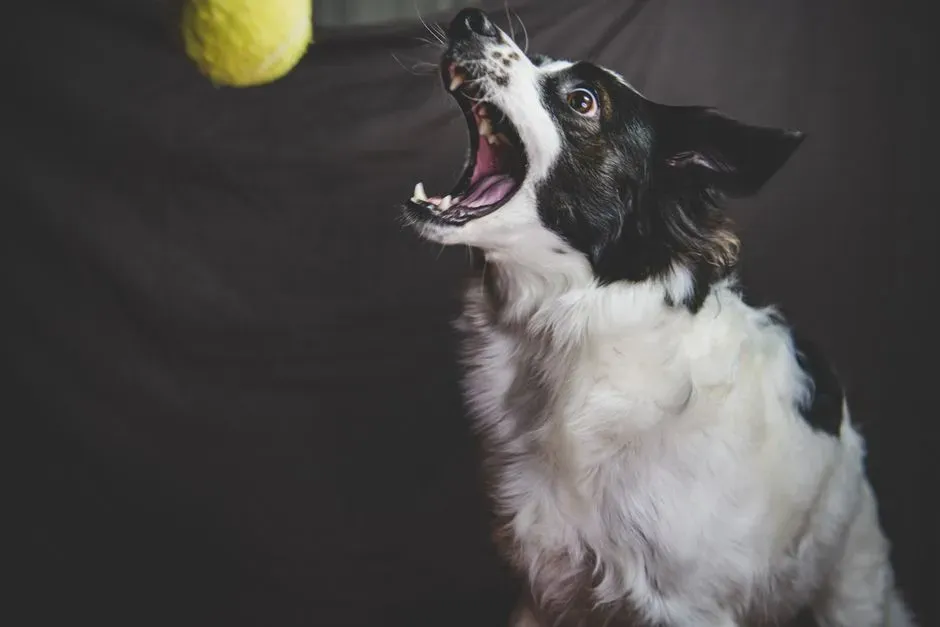
You start with something that lets your dog move quickly but with rules, not chaos. A tight game of fetch down a hallway, a short tug session with clear start-and-stop cues, or rapid-fire “chase the toy” where you occasionally ask for a sit before you throw again. The key word here is controlled, not wild, so your dog is moving but also listening. That combination starts tapping into both muscles and mind. Keep it genuinely short – about a minute, not ten. You want your dog a little amped, not fully wound up. Think of it like flipping the “on” switch before you ask for focus. If your dog is older, flat-faced, or has joint issues, keep it gentler: slower tosses, shorter distances, or a tug toy on the ground instead of big jumping. The goal is quick bursts, not exhaustion or risk.
Step 2: One Minute of Simple Obedience Under Mild Pressure

Next, you pivot straight into basic obedience – stuff your dog already kind of knows, like sit, down, stay, watch me, or come. This minute is all about rapid, clear repetitions with rewards, not drilling your dog like a soldier. You might ask for sit, reward, then down, reward, then a short stay, then release, and repeat. Your dog is coming off that movement spike, so their brain is in “go” mode, and you’re channeling that into listening. You’ll notice this part feels surprisingly intense for your dog because they’re switching gears from excitement to self-control in seconds. That switch is what tires them out mentally. Keep your cues upbeat and your rewards quick, like small treats or a happy “yes” and a pat. If your dog gets overwhelmed or stuck, simplify it. You’re not testing their IQ; you’re just giving their brain a focused puzzle to chew on.
Step 3: One Minute of Nose Work to Switch On the Sniffer
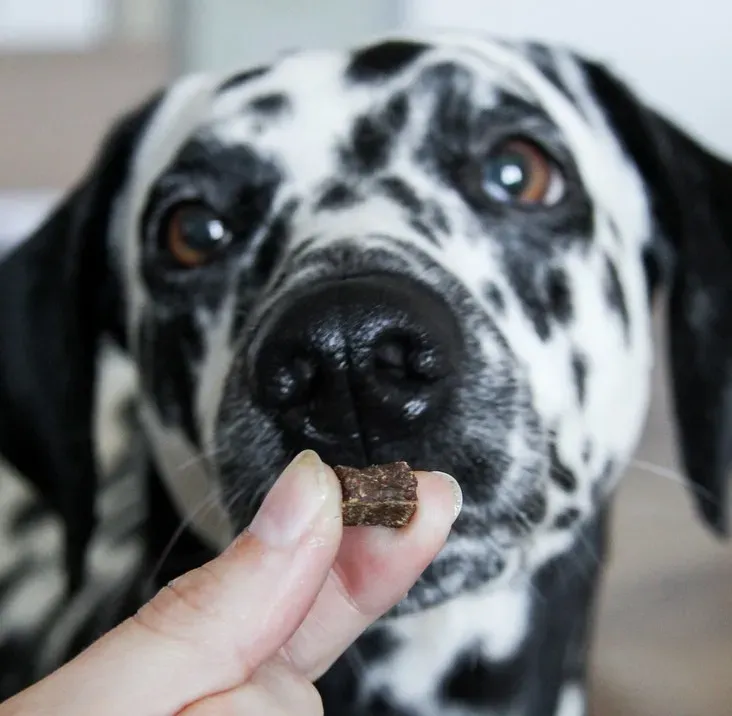
Now you let your dog tap into their superpower: their nose. Take a few small treats, show them one, then scatter or hide them around a small, safe area – behind chair legs, under a corner of a mat, in a snuffle mat, or around a room. Then encourage your dog to “find it” and let them work on locating every single piece. Scent work is like sudoku for dogs: surprisingly tiring in very little time. If you live in a small place, this still works beautifully. You can hide treats in a single room or even use a folded towel, small boxes, or muffin tins as hiding spots. You’re not trying to stump your dog forever; you just want them sniffing, searching, and thinking. A minute or so of focused nose work takes the edge off in a way a long, distracted walk simply doesn’t.
Step 4: One Minute of Impulse Control Games
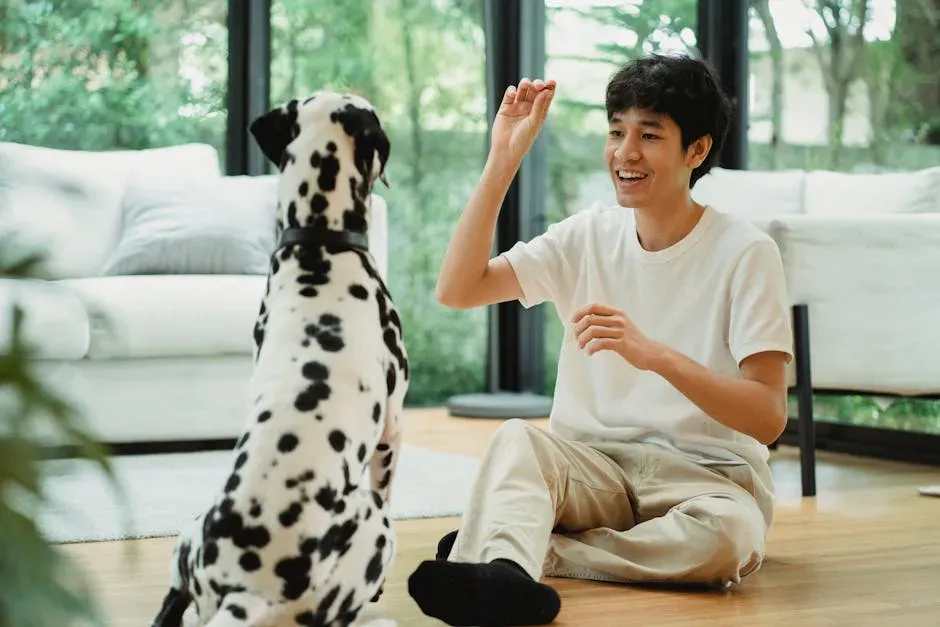
Once your dog’s nose has done some work, you move into impulse control, which is where a lot of the magic happens for restless, pushy, or anxious dogs. Simple games like asking your dog to wait while you hold a treat in your open hand, then only letting them take it when you give a cue, force them to hit the brakes mentally. You can also play the classic “door game,” where you touch the doorknob and your dog only gets the door opened when they sit calmly. Another easy one: toss a treat, but only release your dog to go get it after a second or two of stillness. These games might look boring from the outside, but to your dog, they’re intensely challenging because you’re asking them to override their first impulse. That kind of self-control work is deeply fatiguing in a way that no amount of backyard zoomies can match.
Step 5: One Final Minute of Calm Foraging or Chewing
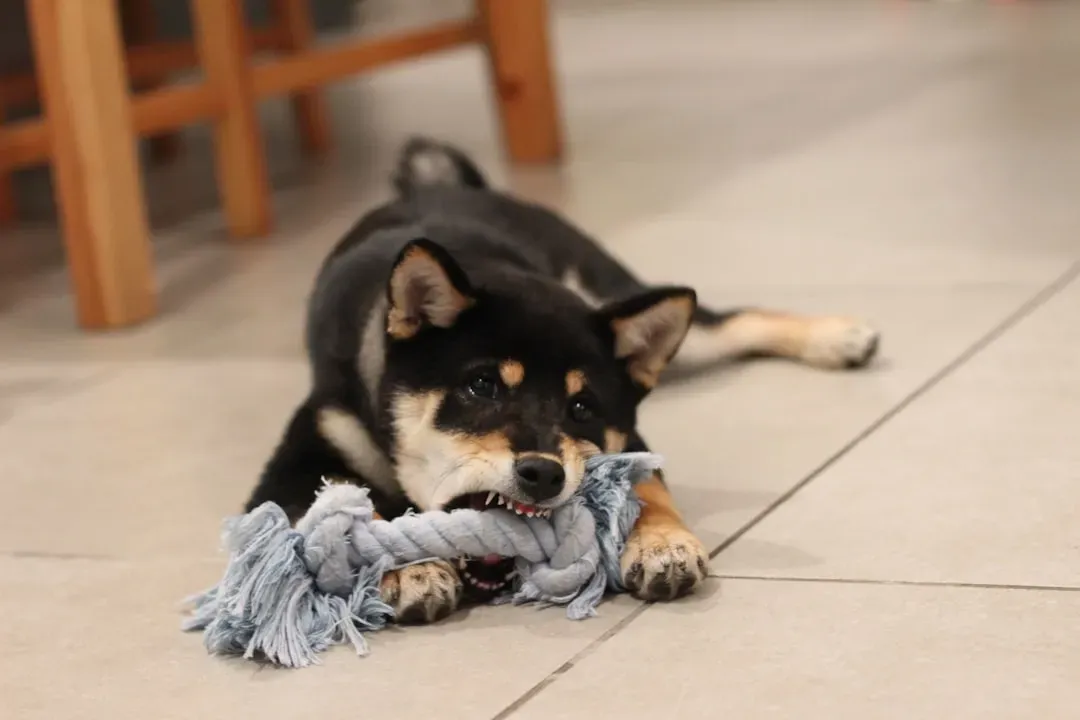
You don’t want to end on a hyped-up note. The final minute is a transition into calm, where your dog can still work a little, but in a soothing, repetitive way. This could be a stuffed Kong, a lick mat, a rolled-up towel with treats inside, or even a scatter of kibble in a cardboard box they can gently dig through. The idea is quiet engagement, not high-speed excitement. This last step helps your dog’s nervous system slide into a more relaxed state instead of snapping off suddenly. It’s like ending a workout with slow stretches instead of slamming your laptop shut mid-meeting. Once your dog is settled with a chew or foraging task, you’ll often see those telltale signs of relaxation: sighs, slower movements, and eventually, full-on flops and snores.
When to Use the Trick for Maximum Sleep

Timing matters. If you do this routine right before bed, some dogs will crash beautifully, while others might stay lightly alert for a bit before they fully settle. A sweet spot for many dogs is roughly about thirty to sixty minutes before you want to sleep. That gives them time to come down from the mental workout, drink some water, and nest in their favorite spot. You can also use a shorter version earlier in the evening if your dog tends to get wild around a specific time, like that classic “witching hour” right after dinner. The goal is to prevent that late-night energy spike from ever happening. Over a few days, you’ll start noticing patterns: your dog might start zoning out sooner, choosing to rest on their own, and waking you up less during the night.
Signs It’s Working (And How to Adjust Safely)
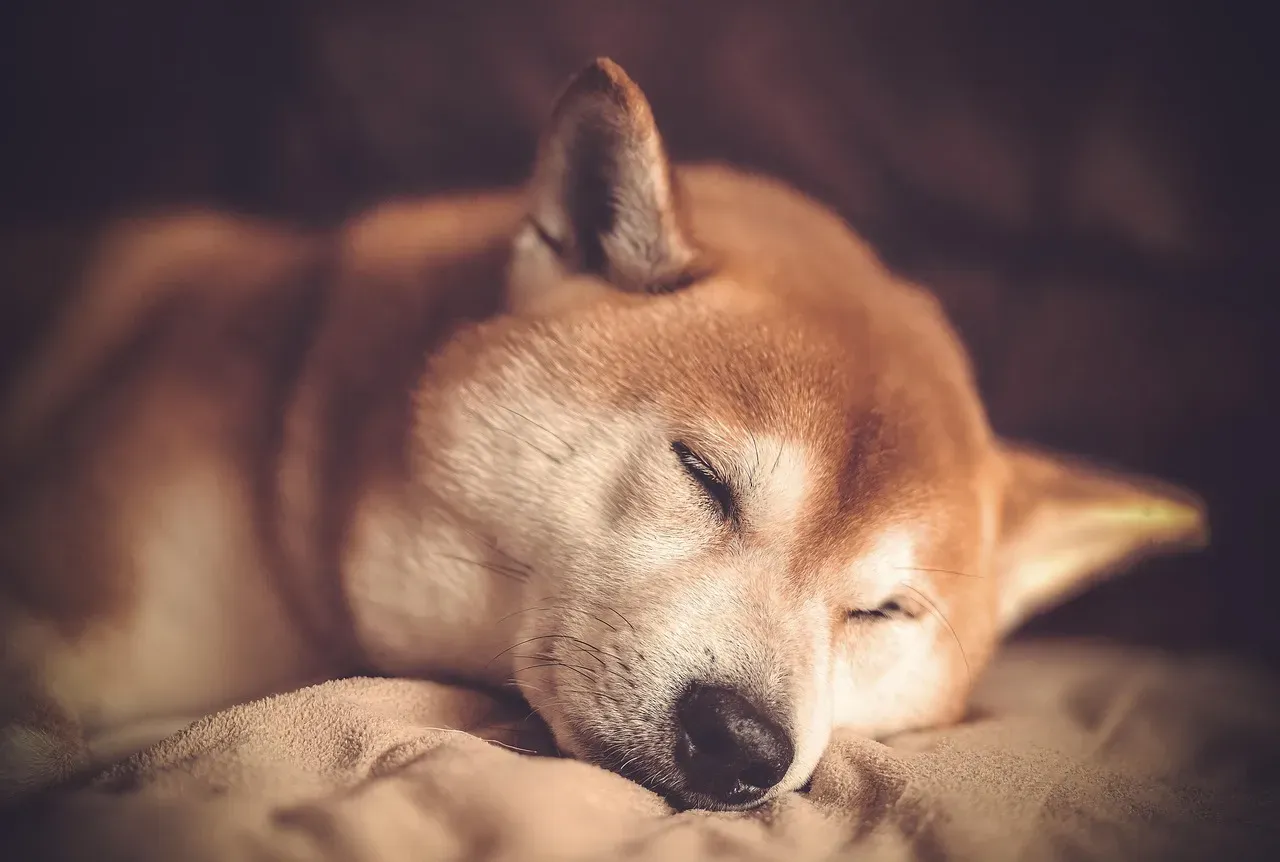
You’ll know the five-minute tire-out trick is working when your dog starts settling faster after the routine and sleeping more deeply, especially during the first few hours of the night. You might see fewer restlessness cues like pacing, random barking at nothing, or repeated demands for attention. Instead, your dog curls up, sighs, and stays put. You, in turn, wake up realizing you didn’t get nudged awake at 3 a.m. for the first time in what feels like forever. If your dog seems overstimulated afterward – panting heavily, jumping more, or unable to relax – you probably need to dial back the intensity or shorten the active parts. For brachycephalic breeds, seniors, or dogs with health issues, keep the physical parts shorter and gentler and lean more into nose work and foraging. When in doubt, check with your vet or a certified trainer, especially if your dog has medical or behavioral complexities. The trick should feel like a structured game, not a boot camp.
Conclusion: From Desperation to Deep Sleep
When you’re running on fumes and your dog is bouncing off the walls, it’s easy to feel like you’re failing both yourself and your pet. But you’re not dealing with a “bad” dog; you’re dealing with a smart, under-challenged brain in a furry body. A short, intentional five-minute routine can flip the script from chaos and shame to calm and relief, without requiring a whole lifestyle overhaul or expensive gear. The beauty of this tire-out trick is how adaptable it is: you can tweak the activities, shorten or stretch the minutes, and fit it into even the busiest evenings. With a little consistency, you’re not just grabbing a single full night of sleep – you’re building a new normal where both you and your dog can finally rest. So the next time you see those wild eyes at bedtime, will you reach for frustration… or for your five-minute plan?