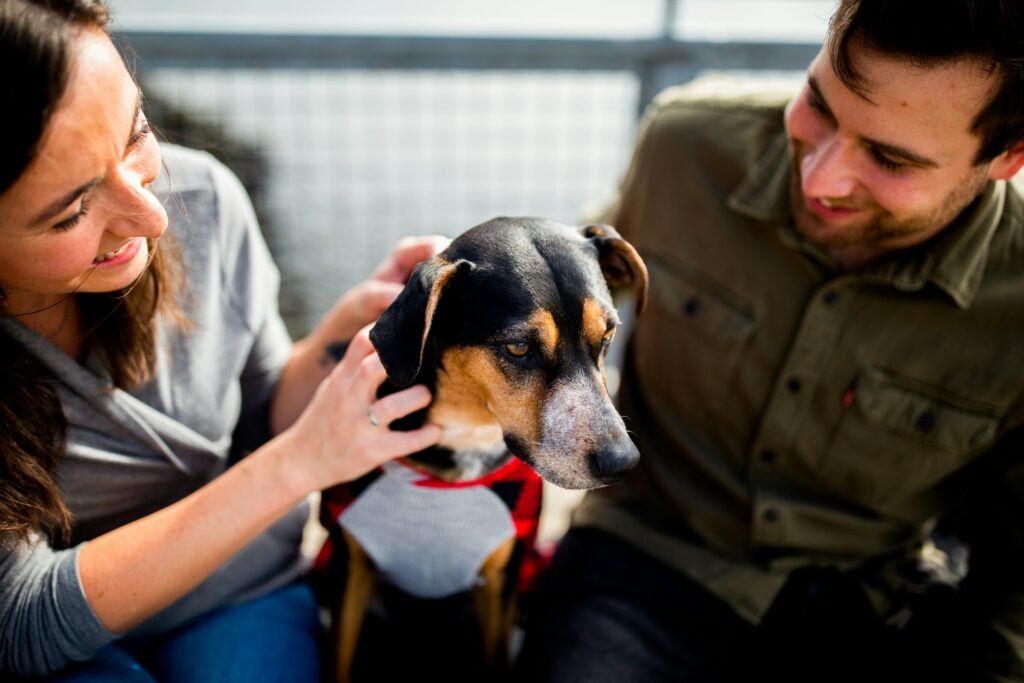

You’ve probably heard people say that dogs can always tell when someone is bad. Maybe you’ve even watched your own dog growl at one person but happily wag at another and wondered if they knew something you didn’t. That idea is strangely comforting and a little scary at the same time: what if your furry best friend is your secret lie detector? When you actually start testing this belief, though, things get a lot more complicated than a simple yes-or-no answer. You find yourself questioning your own judgment, your dog’s reactions, and even what “bad person” really means in the first place. That’s where this story and guide really begins – at the messy, fascinating intersection of emotion, instinct, and science.
Why You Want to Believe Your Dog Can Sense Evil
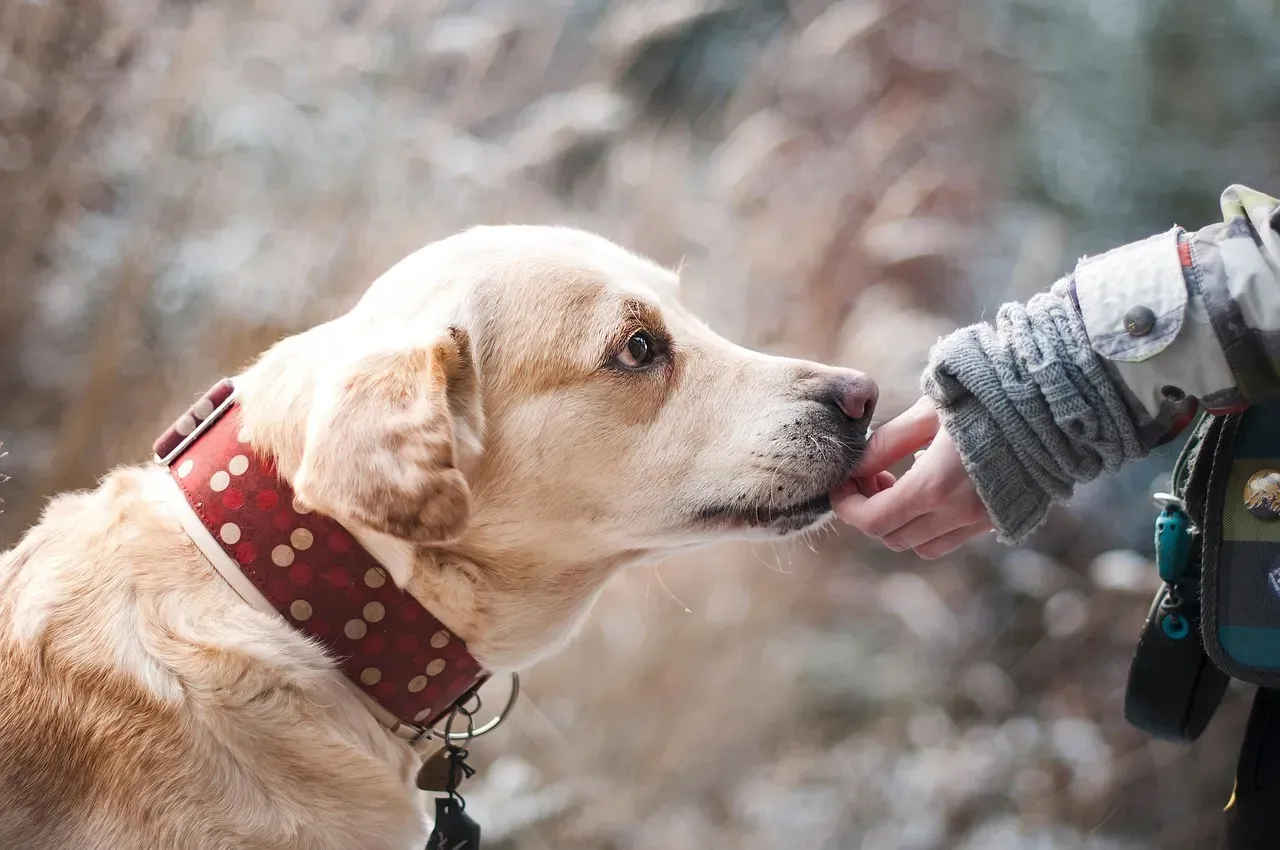
At a deep level, you want your dog to be more than just a pet; you want them to be a guardian, a teammate, almost a little four‑legged psychic watching out for you. When your dog barks at someone you already feel uneasy about, it feels like proof that your instincts are right and you’re not overreacting. It is incredibly validating to think your dog “just knows” when a person is dangerous, dishonest, or cruel. On top of that, there’s something soothing about imagining that the world is less random than it really is. If your dog can sniff out the bad apples, then maybe awful surprises – like betrayal, abuse, or manipulation – are avoidable as long as you pay attention to the furball at your feet. It gives you a sense of control in a world that often feels anything but controllable.
What Science Actually Says About Dogs and “Bad People”
When you look at actual research, you quickly see that dogs are brilliant at reading behavior, but not at magically detecting who is a terrible human being on the inside. Studies suggest dogs are especially sensitive to how people act in the moment, like whether someone is kind, generous, rude, or threatening in their tone and body language. They seem to remember who treated them or their person well and who did not, and they adjust how they respond next time. However, that’s about behavior they can observe, not some hidden moral truth. A dog can pick up that someone is shouting, moving aggressively, or acting tense and unpredictable, but they can’t scan a person’s soul and label them “bad.” If a genuinely dangerous person acts calm, speaks softly, and moves slowly, your dog might relax, at least at first. That’s uncomfortable to hear, but it keeps you grounded in reality instead of relying on a comforting myth.
How Your Dog Really Reads People: Subtle Cues You Miss
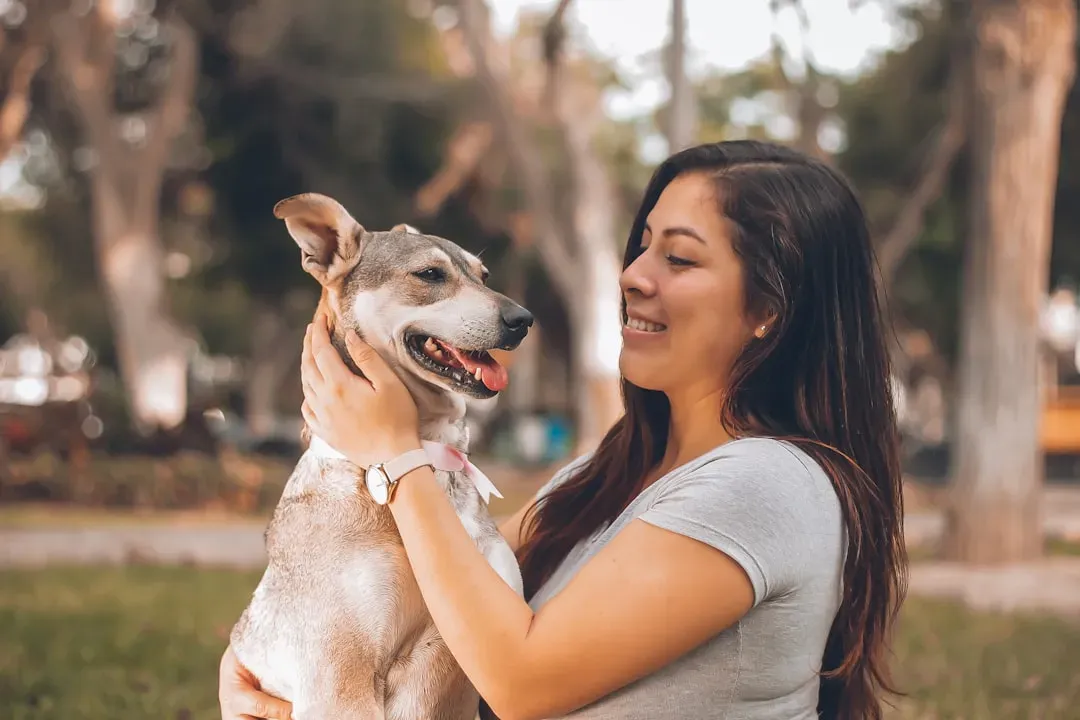
Your dog is constantly reading a silent language that you barely notice: tiny shifts in posture, the angle of a person’s shoulders, how quickly they approach, and the micro‑expressions that flicker across their face. You might only feel a vague unease, but your dog experiences a full sensory blast of sweat, breathing, muscle tension, and tone changes. To your dog, a stiff walk and a nervous laugh are as loud as someone shouting. On top of that, your dog is tracking your reactions even more closely than theirs. If your voice tightens, your breathing changes, or your hand clenches on the leash, your dog often reacts to that before they react to the stranger. In many situations, what looks like your dog “sensing evil” is actually your dog responding to your own anxiety and the visible tension in the room.
The Myth vs. Reality: Testing Your Dog’s Social Intuition
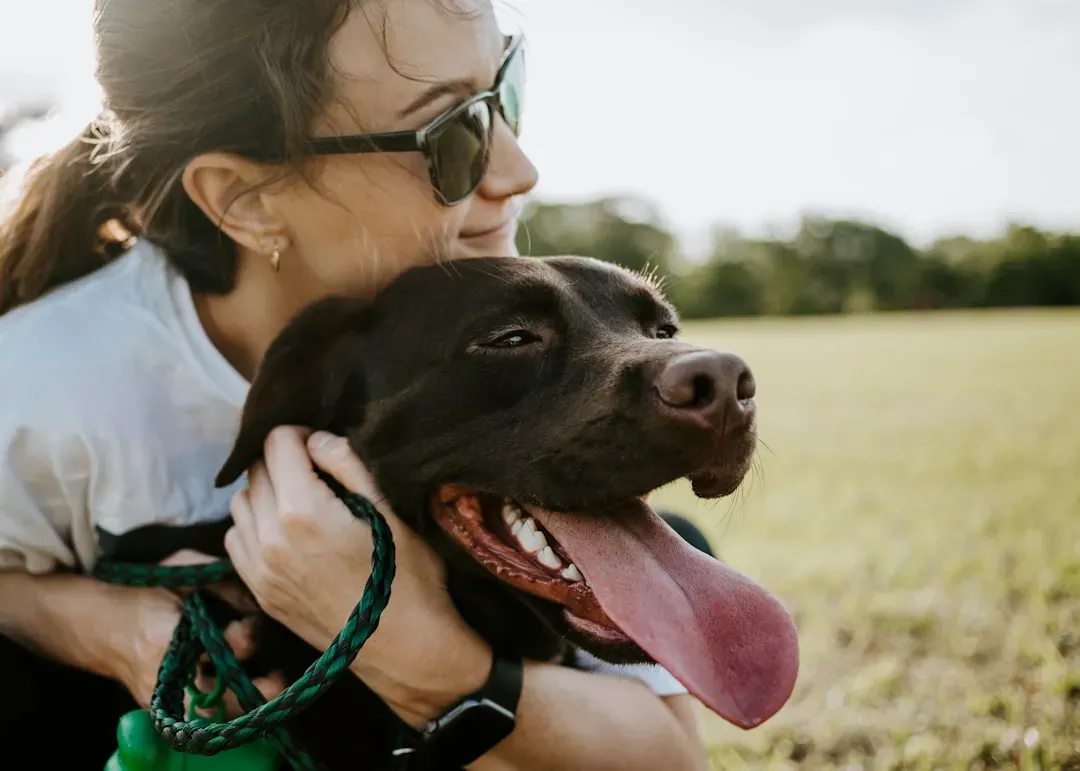
If you actually “test” your dog, you’ll probably notice something surprising: your dog isn’t labeling people as good or bad, they’re just classifying them as safe, scary, exciting, or confusing. For example, your dog might growl at a tall person in a hood but happily trot over to a quiet, smiling stranger, regardless of who is actually trustworthy. To your dog, the hood and the looming body might scream danger, while the calm presence feels inviting. You can see this in action if you expose your dog to different kinds of people in a controlled way. Someone moving quickly and waving their arms might alarm your dog, even if the person is harmless and friendly. Another person standing still, speaking softly, and offering a treat might be welcomed, even if you know they once treated someone badly in the past. That gap between your knowledge and your dog’s perception is exactly where the myth breaks down.
Red Flags Your Dog Can Actually Help You Notice
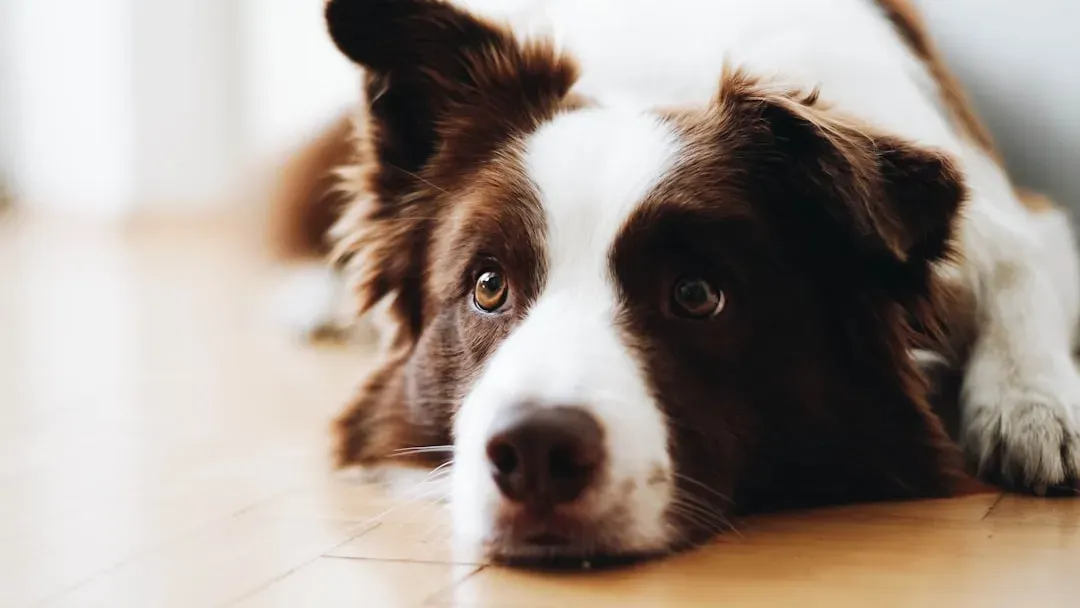
Even though your dog can’t see into someone’s moral core, there are real warning signs they can help you spot. If your dog is usually relaxed but suddenly becomes tense, hides behind you, or refuses to approach someone who’s acting pushy, that’s worth paying attention to. They may be reacting to things like a hard stare, unsteady movements, or an odd smell that you subconsciously notice but dismiss. You might also see patterns over time. Maybe your dog consistently avoids people who invade their space, ignore your boundaries, or handle them roughly. Those are not signs of supernatural intuition, but they do highlight something important: your dog is excellent at spotting disrespect and unpredictability in the moment, and that can mirror deeper character issues. At the very least, it nudges you to slow down and observe more carefully before trusting someone fully.
When Your Dog Gets It “Wrong” (and What That Really Means)
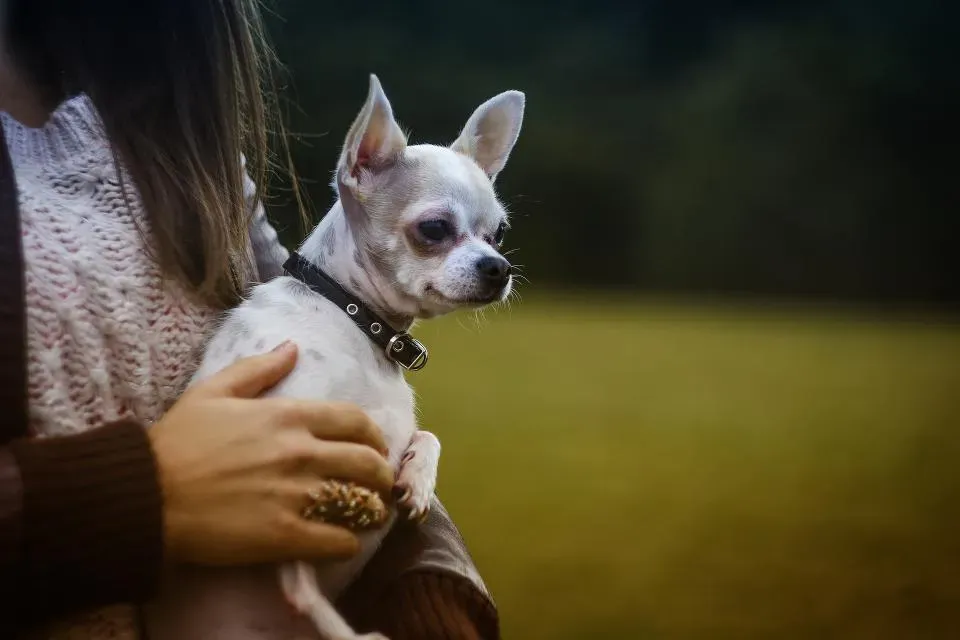
There will be times when your dog reacts negatively to someone perfectly kind, or warmly to someone you know has a questionable past. Maybe your dog barks at the delivery driver who has done nothing wrong, or loves the neighbor who gossips or manipulates others. In those moments, it is tempting to either dismiss your dog entirely or trust them blindly, but both extremes miss the point. What those mismatches really reveal is that your dog is judging behavior, appearance, and energy, not character history or invisible intentions. Loud voices, strong perfume, wobbly movements, or big hats can all set a dog off, even if there is no threat at all. Meanwhile, a calm, softly‑spoken person with poor boundaries might sail right under your dog’s radar. Your dog’s reactions matter, but they are just one input, not the final verdict.
Using Your Dog’s Reactions as a Social Gut Check

Where your dog really shines is as a mirror for your own instincts. When your dog tenses up at the same person who makes your stomach twist, that double signal can be a powerful cue to step back, gather more information, and take things slowly. It doesn’t prove the person is dangerous, but it gives you permission to respect your unease without feeling dramatic or irrational. On the flip side, if your dog adores someone you were on the fence about, it can gently nudge you to re‑examine your assumptions. Maybe you were judging their appearance, or maybe your first impression was clouded by stress. You still keep your boundaries, but you let yourself update your opinion with new data, and your dog is part of that data set. It becomes less about your dog as a moral judge and more about building a fuller social picture.
How to Responsibly “Test” the Myth Without Putting Anyone at Risk
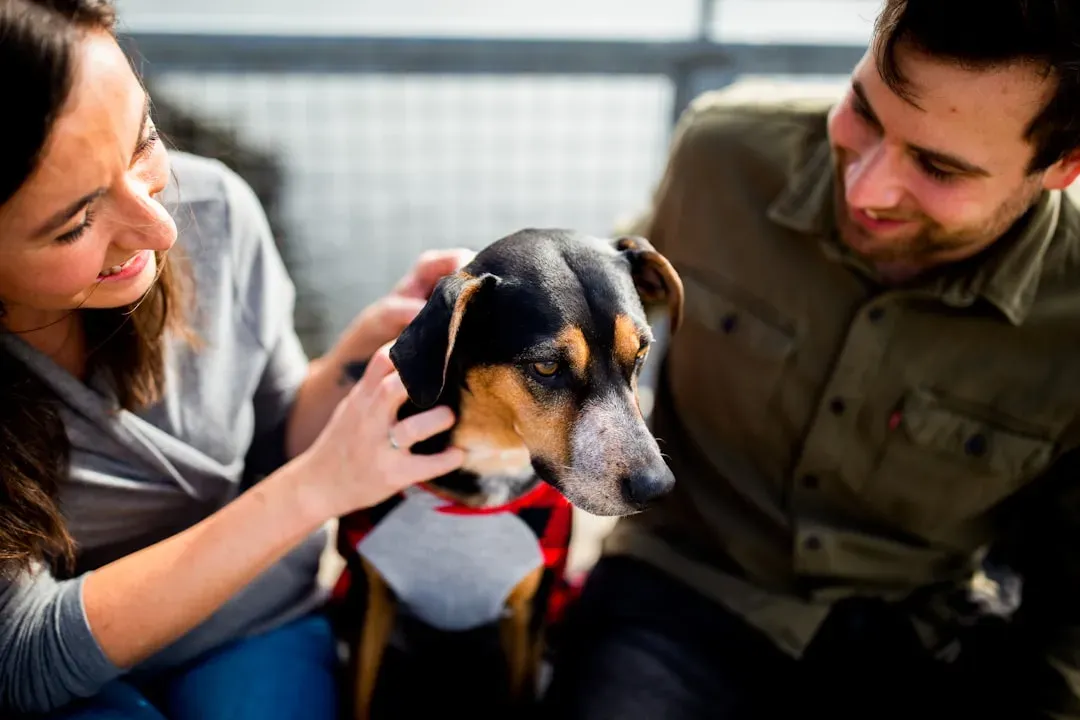
If you’re curious about how your dog responds to different people, you can absolutely explore that – just do it safely and kindly. You might pay attention to how your dog reacts when friends come over, when you meet someone new, or when strangers stop you on walks. Notice if your dog leans in, stays neutral, or pulls away, and compare that with your own impressions and the person’s behavior. What you should avoid is using your dog as an excuse to brand someone as bad or dangerous without solid evidence. It’s one thing to say, “My dog is uneasy, so I’m going to keep my distance for now,” and another to decide, “My dog growled, so that person must be evil.” The first protects your safety and respects your instincts; the second can slide into unfair judgment and paranoia. Use your dog’s intuition as a conversation starter in your head, not a courtroom verdict.
Building Your Own Social Intuition Alongside Your Dog

Your dog’s reactions can actually help you sharpen your own sense of people. When you see your dog notice someone’s tension before you do, it reminds you to tune into subtle cues like posture, eye contact, and tone. You start asking yourself better questions: Does this person respect my space? Do I feel more calm or more small around them? Are their words and actions matching up over time? Over time, you stop looking for a magic shortcut – whether from your dog or from any single trick – and start trusting the slower, messier process of watching how people behave again and again. Your dog becomes part of that process, like a furry little sensor that picks up real‑time signals you might miss. But you remain the one responsible for the final call, and strangely, that responsibility can feel empowering rather than frightening.
Conclusion: The Chilling Truth About Your Dog and “Bad People”
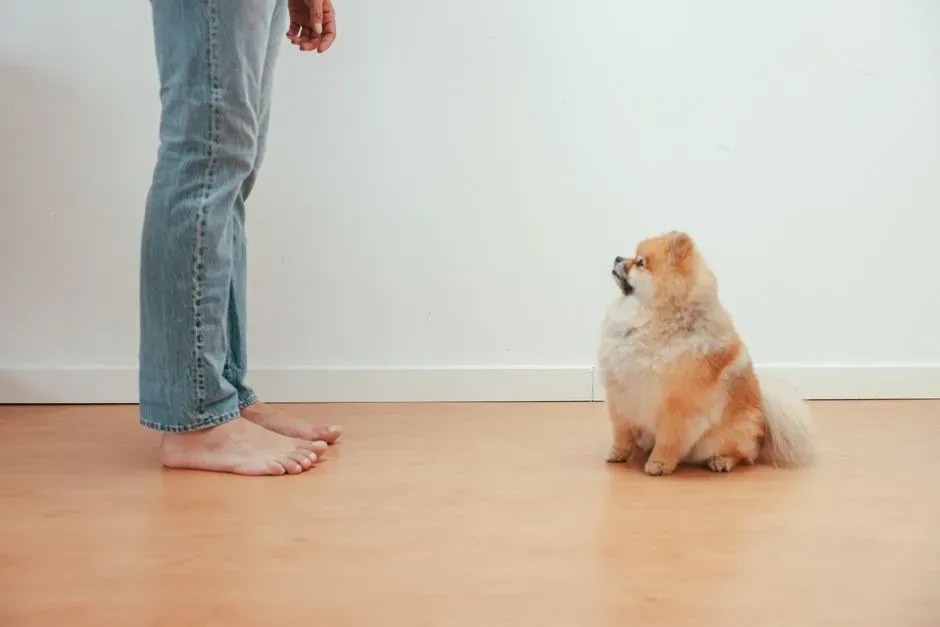
When you really test the idea that your dog can spot bad people, the chilling part is not that your dog is some supernatural judge – it is that no one is. There is no perfect radar, no foolproof instinct, no animal or device that can guarantee you will never be hurt, lied to, or betrayed. Your dog can help, but they cannot save you from every human flaw or hidden danger, and accepting that is both sobering and freeing. What your dog does offer is something quieter but still powerful: a living, breathing reminder to pay attention, trust your senses, and respect your unease without shame. They nudge you to slow down, look closer, and notice how people make you and your dog feel over time, not just in a single dramatic moment. In the end, the real myth worth dropping is that you can outsource your judgment entirely – because your dog’s intuition is strongest when it walks side by side with your own. Did you expect the truth to look more like partnership than prophecy?