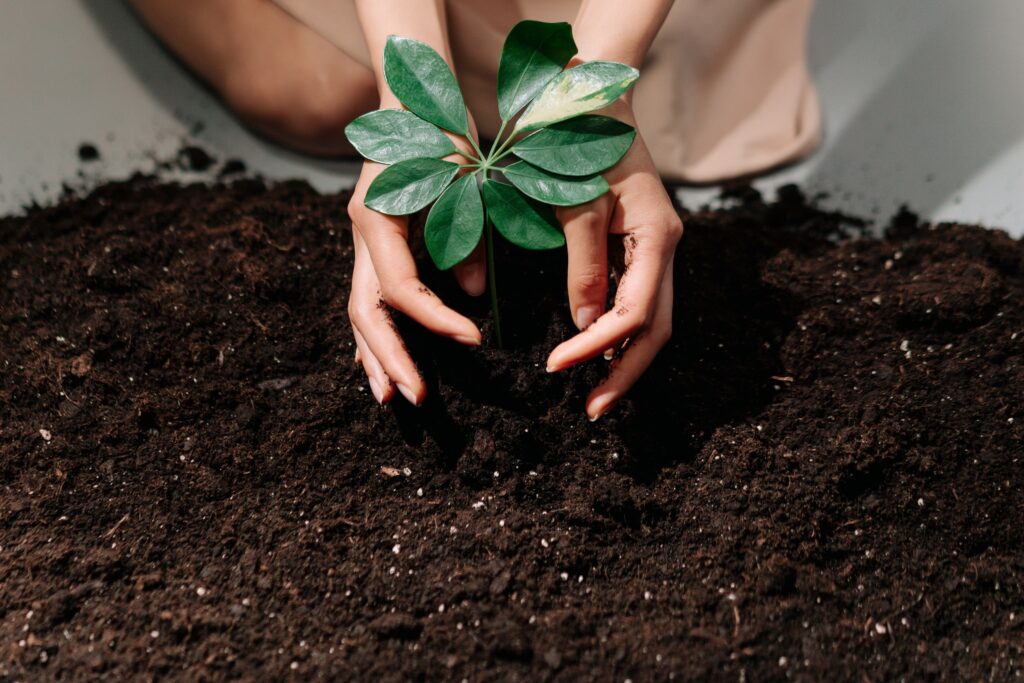
You know that oddly peaceful feeling you get when your hands are in the dirt and the sun is on your back? It turns out that it’s not just in your head in a vague, poetic way – it’s literally in your brain chemistry. When you garden, you’re not only growing tomatoes or roses; you’re also exposing yourself to living microbes in the soil that may nudge your brain toward a calmer, more content state. One particular soil bacterium, Mycobacterium vaccae, has captured the attention of neuroscientists because of its surprising link to serotonin, the brain chemical that helps regulate mood, sleep, and a general sense of well‑being. You’re not taking a pill, you’re not sitting in a clinic, and yet, simply by working outside in the soil, you might be tapping into a natural mood-support system your ancestors have been using for thousands of years without knowing it.
The Surprising Brain Chemistry Hiding in Your Garden Soil
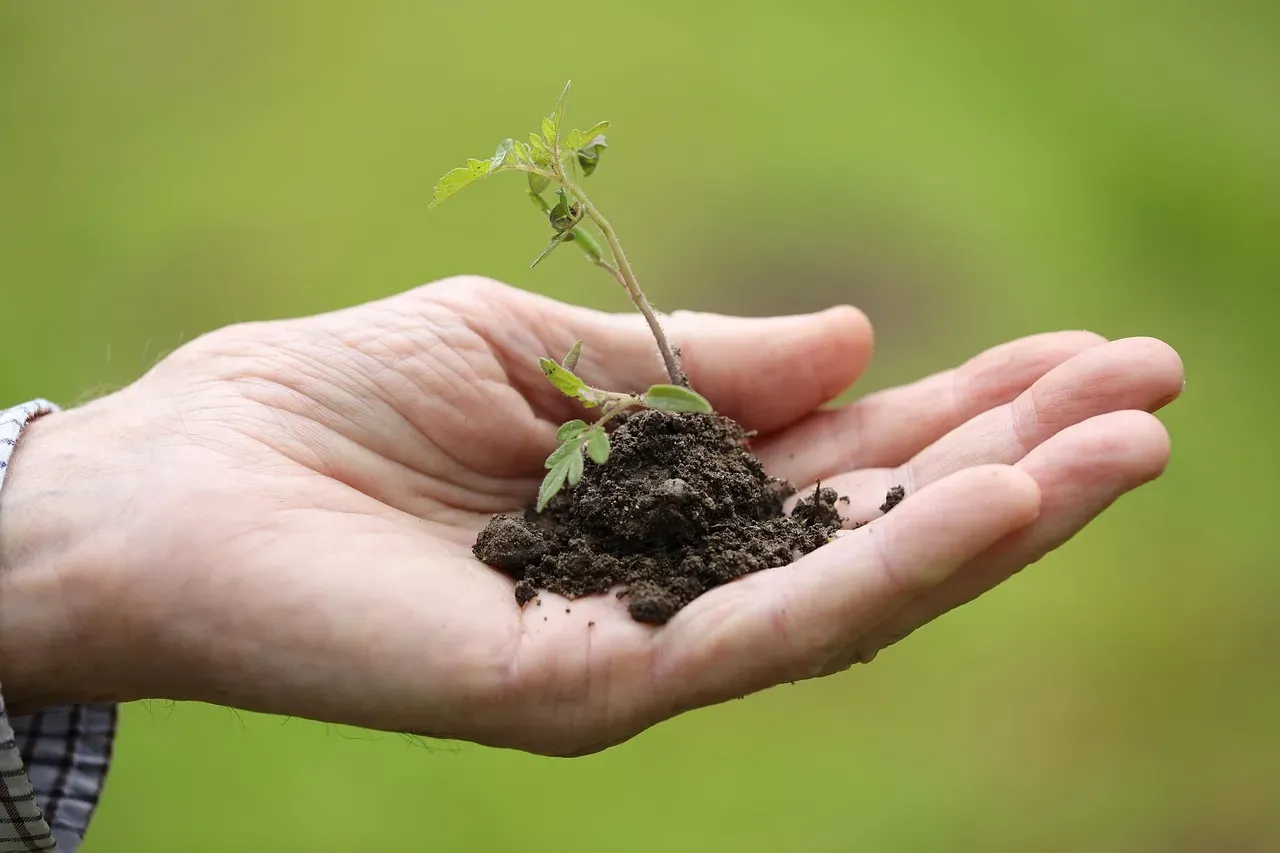
It might feel a bit strange to think that a tiny soil bacterium could change how you feel emotionally, but that’s exactly what research on Mycobacterium vaccae has been exploring. When you work with soil – digging, planting, weeding – you’re likely inhaling small particles and getting them on your skin, which is one of the ways your body can encounter this microbe. Instead of being a threat, this bacterium appears to act more like an ally, nudging parts of your nervous and immune systems toward balance. In animal studies, exposure to M. vaccae has been linked to changes in brain regions tied to mood regulation and to increased levels of serotonin-related activity. Of course, you’re not a lab rat, and life is more complicated than a controlled experiment, but these findings suggest that your time in the garden might be doing more than providing fresh air and exercise. You may literally be breathing in and touching a microscopic partner that supports a calmer, more resilient mind.
How Mycobacterium vaccae May Raise Your Serotonin Levels

When you come into contact with M. vaccae, your immune system pays attention first. Instead of setting off a full-blown alarm, this microbe tends to encourage a more regulated immune response, which can indirectly influence your brain. Chronic inflammation is associated with low mood and fatigue, so when immune activity becomes more balanced, your brain is more likely to produce and use serotonin in a healthier way. Scientists think that signals from your immune cells travel to your brain through both chemical messengers in your blood and nerve pathways connecting your body and brain. These signals can affect how neurons fire in mood-related areas, such as the prefrontal cortex and limbic system. In simple terms, when your body interprets M. vaccae as a friendly visitor rather than an enemy, your brain responds by easing tension and supporting neurotransmitters like serotonin that help you feel more grounded and emotionally steady.
Why the Mood Boost Can Feel Faster Than You’d Expect
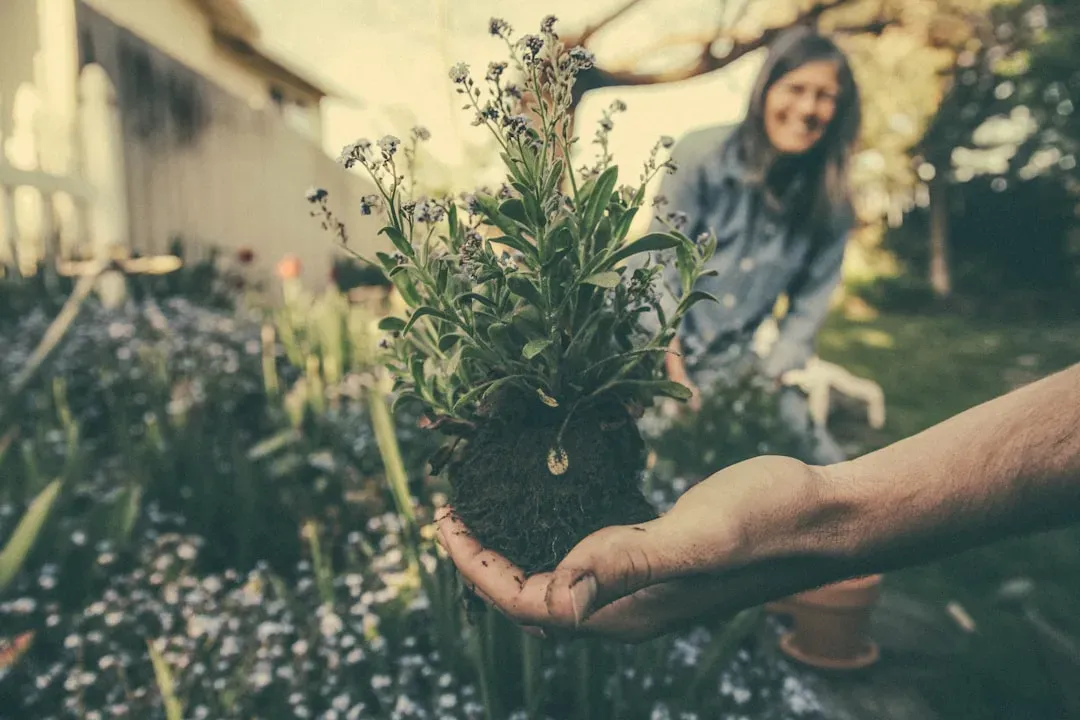
You might assume that anything that helps your mood has to take weeks to kick in, like many prescription antidepressants that slowly change your brain chemistry over time. Gardening can feel different. You may notice yourself feeling more relaxed, more present, or a little lighter emotionally even after one good session in the garden. Some of that shift comes from movement, fresh air, and stepping away from screens, but microbes like M. vaccae are probably part of that quick lift too. Your sensory system and your immune system are both capable of sending rapid signals to your brain, often within minutes to hours, not days. When you inhale soil particles or get them onto small cuts or scratches in your skin, your body starts processing that information right away. That is why, after a stressful day, half an hour of digging, planting, or even just turning compost can feel like someone turned the volume down on your worries quicker than you thought possible.
No Documented Side Effects: Where the Evidence Actually Stands
Compared to many mood-related medications, soil exposure through gardening comes with a refreshingly simple safety profile. So far, studies looking at M. vaccae and similar environmental microbes have not identified harmful side effects when people encounter them in ordinary, everyday ways, such as contact with soil or controlled exposure in research settings. You are basically engaging with the same microbial world humans evolved with, rather than introducing a new synthetic compound into your body. That said, it’s important to stay honest about what we know and what we don’t. The research on M. vaccae and mood is still developing, and most detailed work has been done in animals or in small human studies. You should not treat gardening or soil contact like a medical cure, and it’s not a replacement for treatment if you live with a serious mental health condition. But as a low-risk, natural habit that supports well‑being and gives you access to beneficial soil microbes, it stands out as one of the gentlest tools you can use.
How to Actually “Dose” Yourself: Practical Ways to Get Soil on Your Side
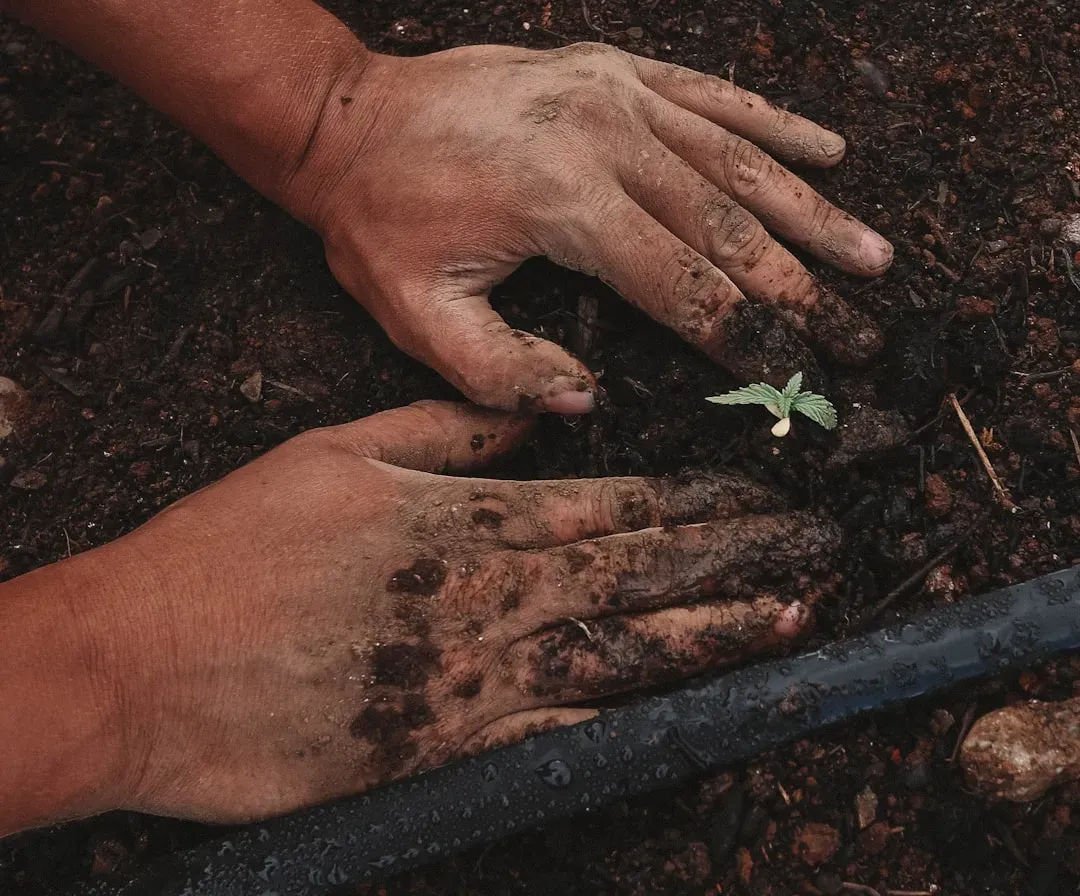
To give yourself the best chance of benefitting from soil microbes, you need regular, hands-on contact with real soil. That means spending time digging, planting, or harvesting rather than only standing on the patio and admiring your pots from a distance. When you garden gloveless sometimes, disturb soil, and breathe in the earthy smell, you’re creating conditions that let your body meet microbes like M. vaccae in a very natural way. If you prefer gloves for heavy tasks, you can still spend parts of your gardening time with bare hands for that direct contact. You also do not need a huge backyard to try this. A small raised bed, a few deep pots on a balcony, or a community garden plot can all bring you into contact with living soil. Avoid heavily sterilized potting mixes if you want richer microbial exposure; look instead for mixes with compost or use a blend of garden soil and organic matter when that’s safe and allowed. Think of it as creating your own tiny ecosystem where plants, microbes, and your nervous system all get something out of the deal.
Beyond Serotonin: Other Ways Gardening Calms Your Nervous System
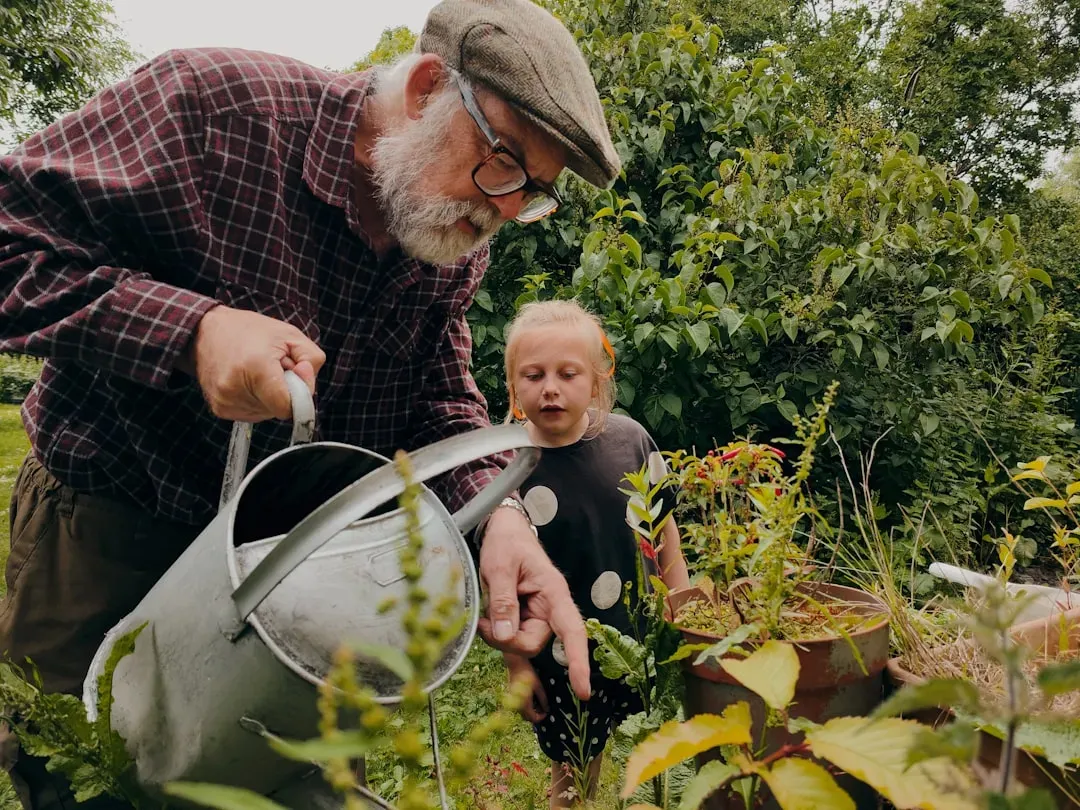
Even though M. vaccae gets the spotlight, your mood shift in the garden is never just about one bacterium. When you garden, you move your body in a gentle, functional way that raises your heart rate just enough to help with stress without feeling like a workout you have to push through. This kind of movement can trigger the release of endorphins and support better sleep later, both of which indirectly boost how your serotonin system functions. On top of that, you’re getting a break from constant digital stimulation and stepping into a slower, more sensory world. You feel textures, notice shades of green, hear birds or insects, and maybe smell herbs or flowers. All of that sensory richness nudges your nervous system into a more relaxed, parasympathetic state, which is the mode your body uses for rest, digestion, and repair. When your brain spends more time in that calmer state, it naturally uses its mood chemicals, including serotonin, in a more balanced way.
How Often You Need to Garden to Notice a Difference
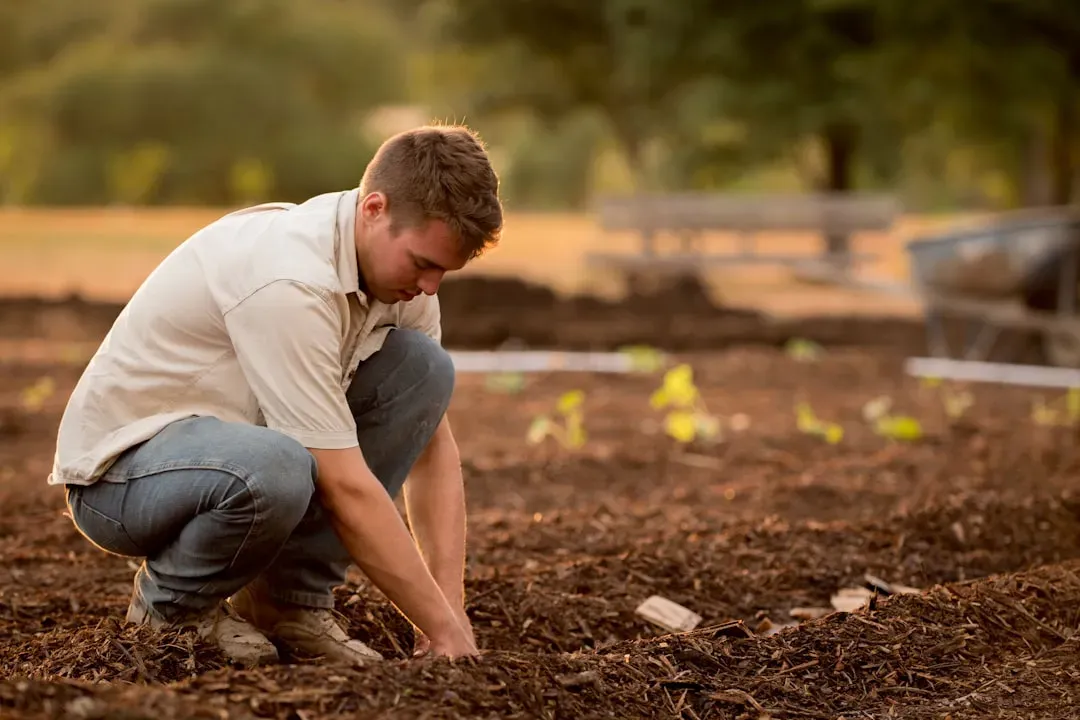
You don’t need to quit your job and become a full‑time farmer to feel the emotional benefits of gardening and soil contact. Spending time in the garden a few times a week – say, twenty to forty minutes at a stretch – can be enough for many people to sense a shift. Some notice that on the days they get out into the soil, their worries feel quieter, their patience is longer, and their sleep feels more satisfying at night. The important part is consistency, not perfection. Think of gardening like brushing your mind as well as your teeth: a simple daily or near-daily habit that keeps things from building up. You might choose to water and do light tasks on weekdays and save bigger jobs like planting or weeding for weekends. Over time, you’ll probably start to notice patterns – such as feeling more irritable if weather or travel keeps you away from the garden for a while – and that’s your personal evidence that your brain appreciates that microbe-rich soil time.
Staying Safe While You Let Nature Help Your Mind
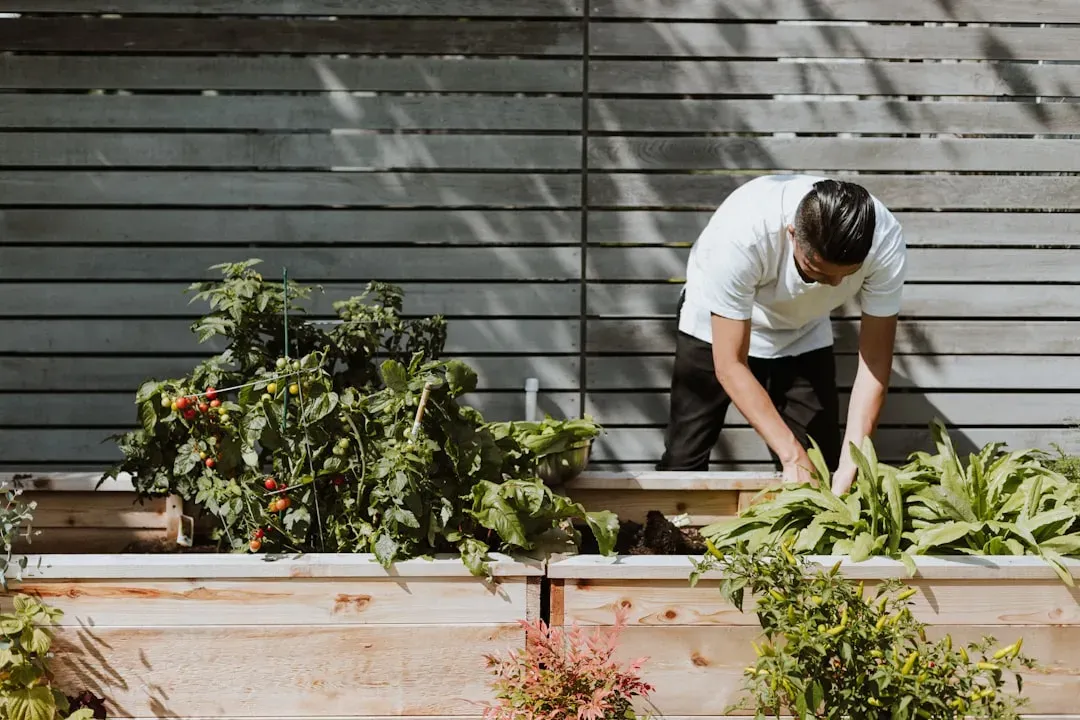
While beneficial microbes like M. vaccae are part of the story, you still want to treat soil with respect. If you have a severely weakened immune system, are pregnant, or have specific medical conditions, it’s wise to talk with a healthcare professional about any extra precautions you should take around soil and compost. For most people, simple common-sense steps – washing hands after gardening, covering open wounds, and wearing shoes – are more than enough to stay safe while still getting microbial exposure. You can also pay attention to the quality of the soil you use. Avoid areas that might be contaminated with heavy metals, old industrial waste, or large amounts of pet waste. If you’re urban gardening, using raised beds with clean soil and compost can give you a safer, controlled environment that still supports a diverse microbial community. That way, you can relax and enjoy the mental health benefits of gardening without worrying about what else might be lurking beneath your feet.
Why Gardening Feels So Emotionally Meaningful (Beyond the Science)
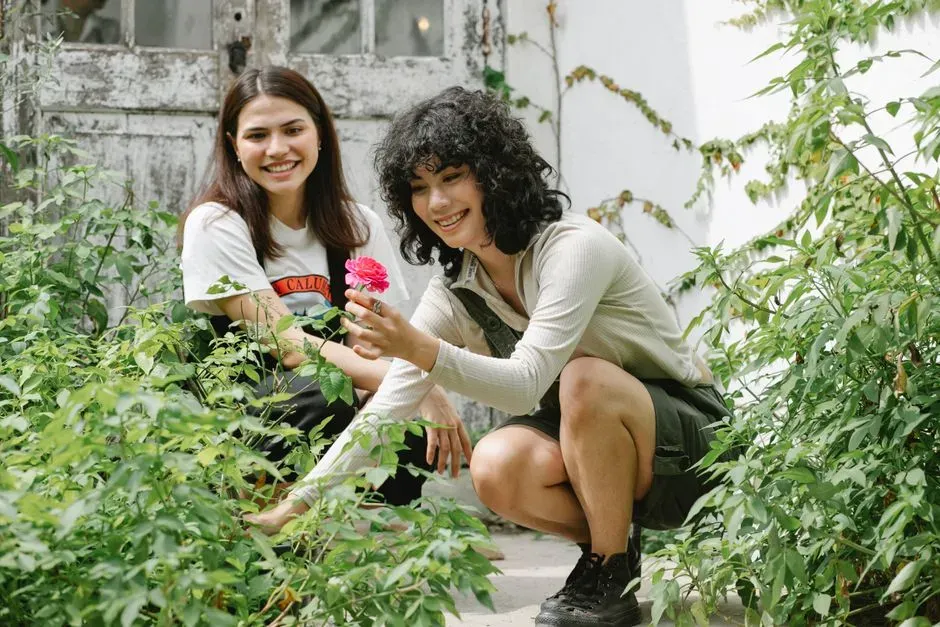
On a personal level, what often surprises you is how emotionally attached you can become to the plants you grow. You start out thinking you’re just trying to grow some herbs to save money, and suddenly you find yourself checking on your basil like it’s a small pet. Watching something grow because you showed up, watered it, and tended the soil gives you a quiet sense of purpose that is hard to find in a mostly digital world. That feeling is its own kind of medicine. Gardening also pulls you into a slower rhythm that doesn’t care about notifications or deadlines. Seeds germinate when they are ready, not when your calendar says so. Plants wilt if you ignore them too long and flourish if you pay attention regularly, mirroring the way your own mind and body respond to daily care. When you combine that emotional grounding with the invisible help of microbes like M. vaccae, you get a powerful, simple practice that supports both your heart and your brain.
Conclusion: Let the Dirt Do Some of the Work
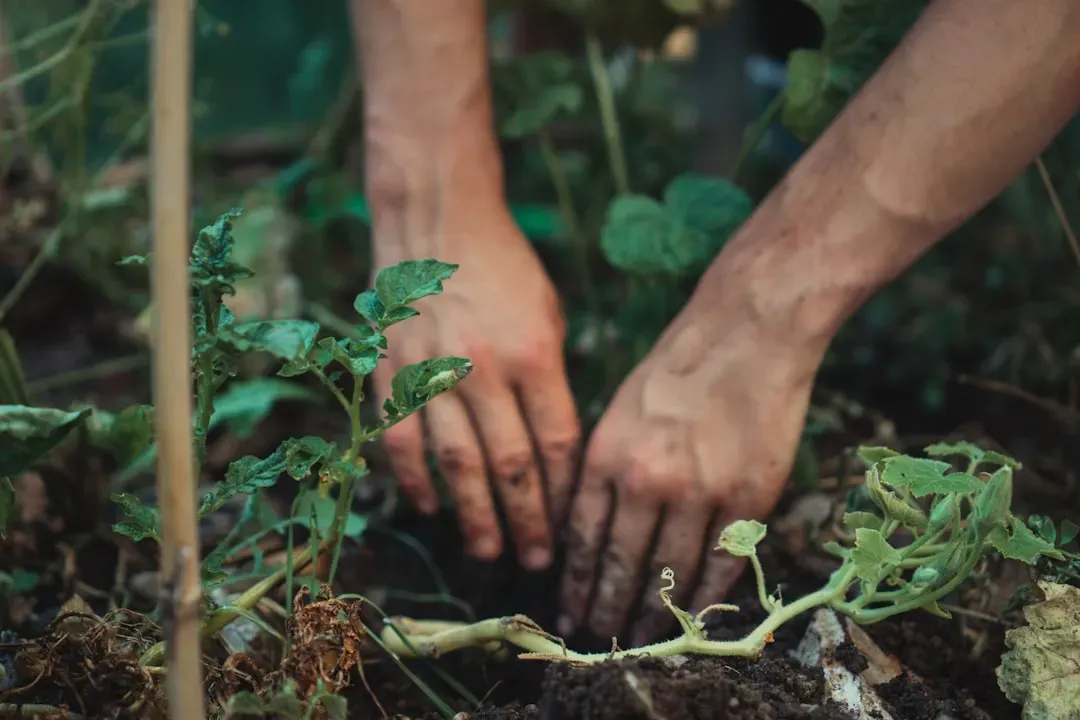
When you step into a garden, you’re stepping into an ancient partnership between humans, plants, and microbes. Mycobacterium vaccae is one small but fascinating part of that story, hinting at why your mood can lift so quickly when you get your hands in real soil and why no significant side effects have been documented in ordinary, everyday contact. You’re not hacking your brain with a gadget; you’re giving it something it evolved to expect. If you start treating gardening as a regular mental health ritual instead of a low-priority hobby, you may notice that your patience stretches, your sleep deepens, and your inner world feels a little less crowded. You’ll still have hard days, and gardening is not a cure‑all, but it can become a remarkably reliable ally. The next time your mind feels heavy, would you rather open another app – or open the back door and let the dirt help you out?