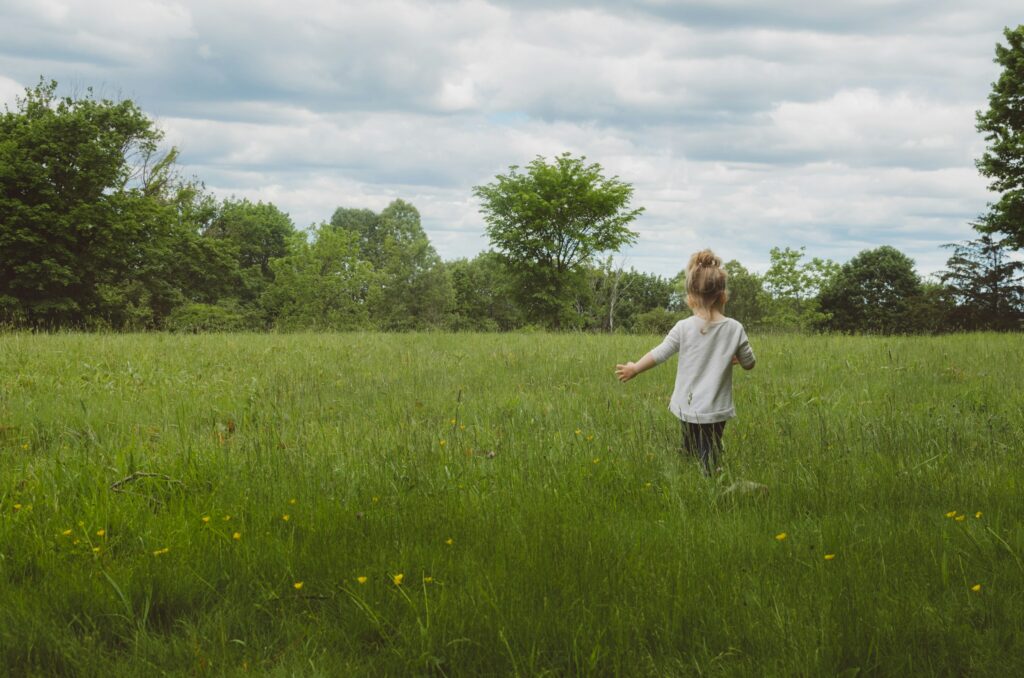
Think back to your own childhood for a second. Were you the kid climbing trees, digging in the dirt, and disappearing into the backyard for hours, or were you mostly inside, surrounded by screens and walls? That simple difference, as it turns out, is not just about lifestyle or nostalgia. Modern psychology and neuroscience are increasingly suggesting that the kind of environment children move through every day can literally shape how their brains develop attention, creativity, and emotional balance.
What is especially striking is not just that nature is “good” and indoor life is “bad” – reality is more nuanced than that. The emerging picture is that regular, unstructured play in natural spaces gives the developing brain a kind of workout it simply does not get from four walls and curated, adult-designed activities. The result is not a magic, nature-made superchild, but consistent patterns: better sustained attention, more flexible thinking, and calmer emotional regulation compared with children who grow up almost entirely indoors. The gap is not instant and dramatic, but it widens quietly over years, like two paths that start side by side and slowly drift apart.
The Surprising Way Nature Shapes a Child’s Attention
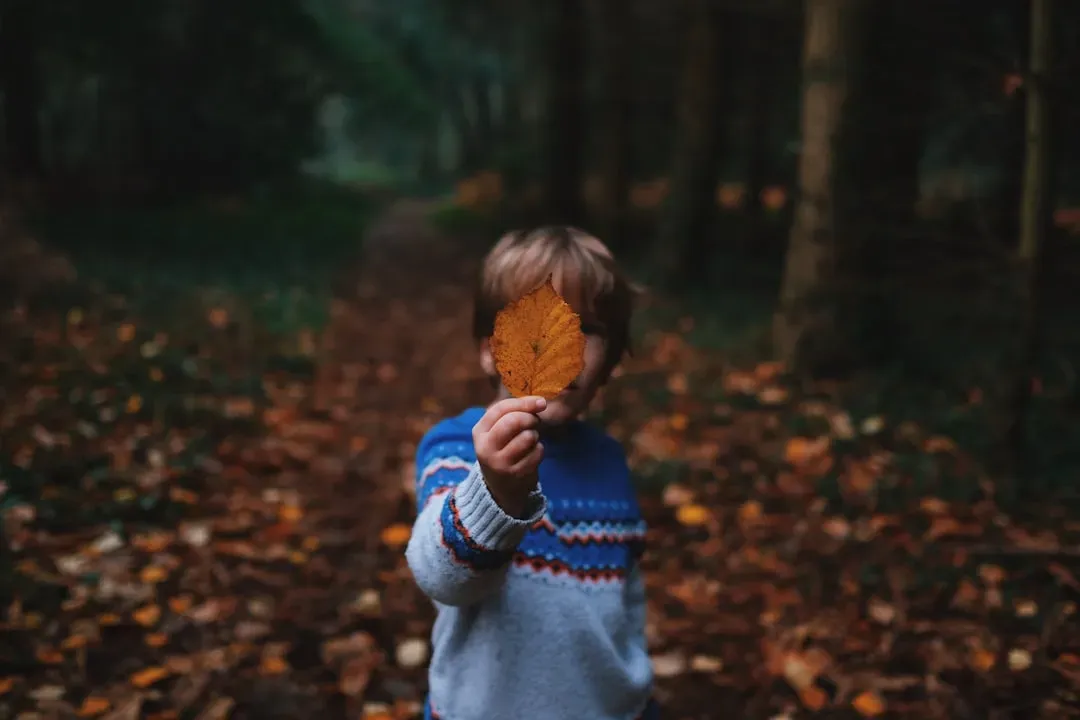
One of the most fascinating patterns researchers see is how time in nature affects attention. Natural environments are full of gentle, interesting stimuli: rustling leaves, shifting light, distant birds, moving clouds. These pull on a child’s attention softly, rather than yanking it around with loud sounds, flashing colors, or constant alerts like digital media does. Over time, this kind of “soft fascination” helps replenish the brain’s ability to concentrate on tasks that require sustained focus, such as reading or problem-solving in school.
Children raised almost entirely indoors, especially in highly stimulating digital or noisy environments, tend to have their attention constantly pulled in fast, intense bursts. It is like training a muscle only with sprints and never with steady exercise. They may become great at rapidly shifting focus but struggle more with staying with something boring or difficult. Kids who regularly explore nature, even if it is just a messy backyard or a local park, are more often practicing looking, noticing, and sticking with what they are doing. Over months and years, that shows up as a different pattern of attention: less mental fatigue, more patience, and a better ability to filter distractions when they need to.
Unstructured Outdoor Play and the Architecture of the Developing Brain

When kids play freely outdoors, with no set rules, no constant adult instructions, and no predesigned script, they are doing a kind of self-directed brain training. They decide what to explore, what to build, what to risk, and how far to push themselves. This calls on brain networks involved in planning, problem-solving, and self-monitoring in a very real, embodied way. It is one thing to solve a puzzle on a tablet; it is another to figure out how to cross a stream without getting soaked or build a fort that does not collapse on your head.
In developmental neuroscience, we know that the brain wires itself most intensely in response to what it is repeatedly asked to do. Children who spend much of their time indoors in structured, adult-led settings are often following instructions and performing pre-set tasks. Their brains learn to wait for directions, look for cues from adults, and stay within clear boundaries. Kids who roam in nature, even in safe, supervised ways, practice initiation instead of compliance. Over time, this contributes to denser and more efficient connections among regions involved in executive function – skills like planning, shifting strategies, and holding goals in mind. They literally rehearse independence in their nervous system.
Creativity Flourishes Where There Are Sticks, Mud, and No Instructions
There is something almost magical about watching a child turn a stick into a magic wand, a sword, a fishing rod, and a microphone within ten minutes. Natural environments are full of objects that do not come with a label or a single intended use. A rock can be a plate, a treasure, or a character in a story. This kind of open-ended material forces the brain to generate meanings and possibilities rather than simply recognize them. That is the core of creativity: not reacting to what is given, but imagining alternatives.
By contrast, a lot of indoor play – especially with branded toys or digital games – is highly specified. Every object “knows” what it is: the plastic kitchen is for pretend cooking, the superhero figure has a backstory, the game has levels, scores, and a right way to win. Children can absolutely be creative indoors, but they are more often operating inside someone else’s design. Regular natural play changes that ratio. It shifts a child from consumer to creator, asking their brain to supply the narrative, the rules, and the roles. Over time, kids who regularly do this tend to be more comfortable with ambiguity and more willing to try unusual ideas, both hallmarks of creative thinking.
Emotional Regulation: Why Dirt and Trees Can Calm a Stormy Mind
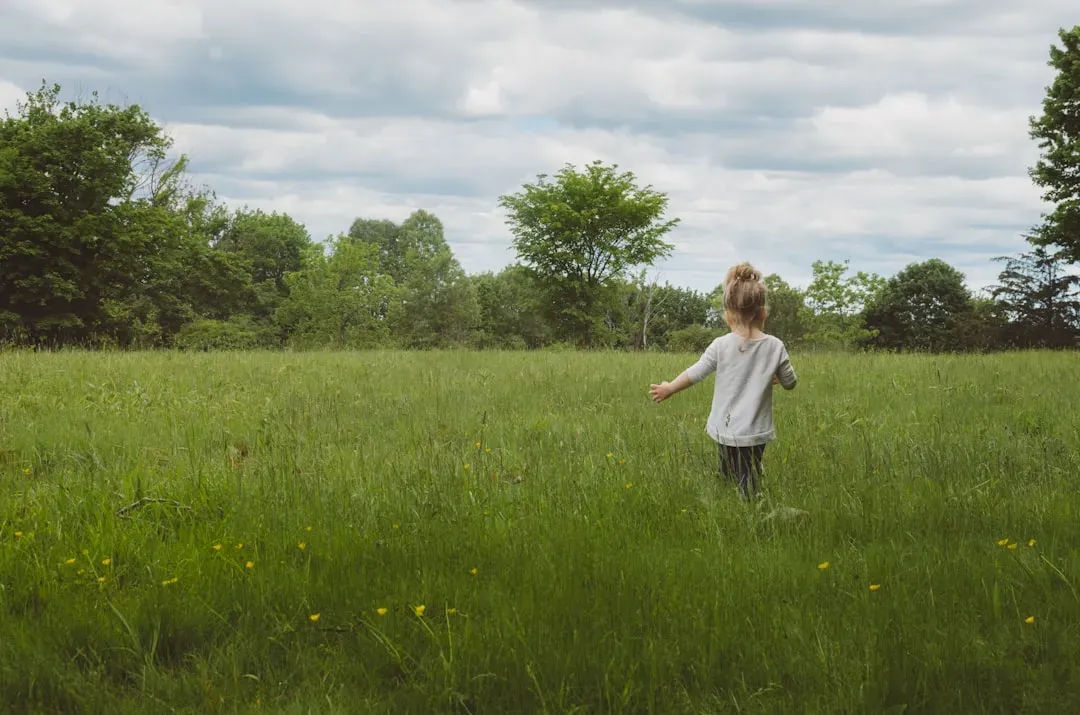
Emotional regulation – the ability to feel big feelings without being completely overwhelmed by them – does not just come from “being taught” coping strategies. It is learned in the body, through experiences that help children move from agitation back to calm. Natural spaces, especially when experienced regularly and without pressure, give kids a built-in way to downshift. The slower rhythms, softer sounds, and open horizons signal safety to the nervous system, allowing stress hormones to settle and heart rates to slow.
Children who grow up mostly indoors often have fewer chances to release and process their emotional tension in a physical, grounded way. When frustration or anxiety builds, they may have limited outlets other than more screen time or more indoor distractions, which sometimes mask the feeling without resolving it. A child stomping through a muddy trail, tossing rocks in a stream, or just lying in the grass staring at the sky is not “doing nothing”; they are letting their nervous system unwind. Over time, brains that regularly practice this shift from arousal to calm become better at doing it on their own, even in stressful non-nature settings like classrooms or social conflicts.
Risk, Resilience, and the Confidence Built Outside
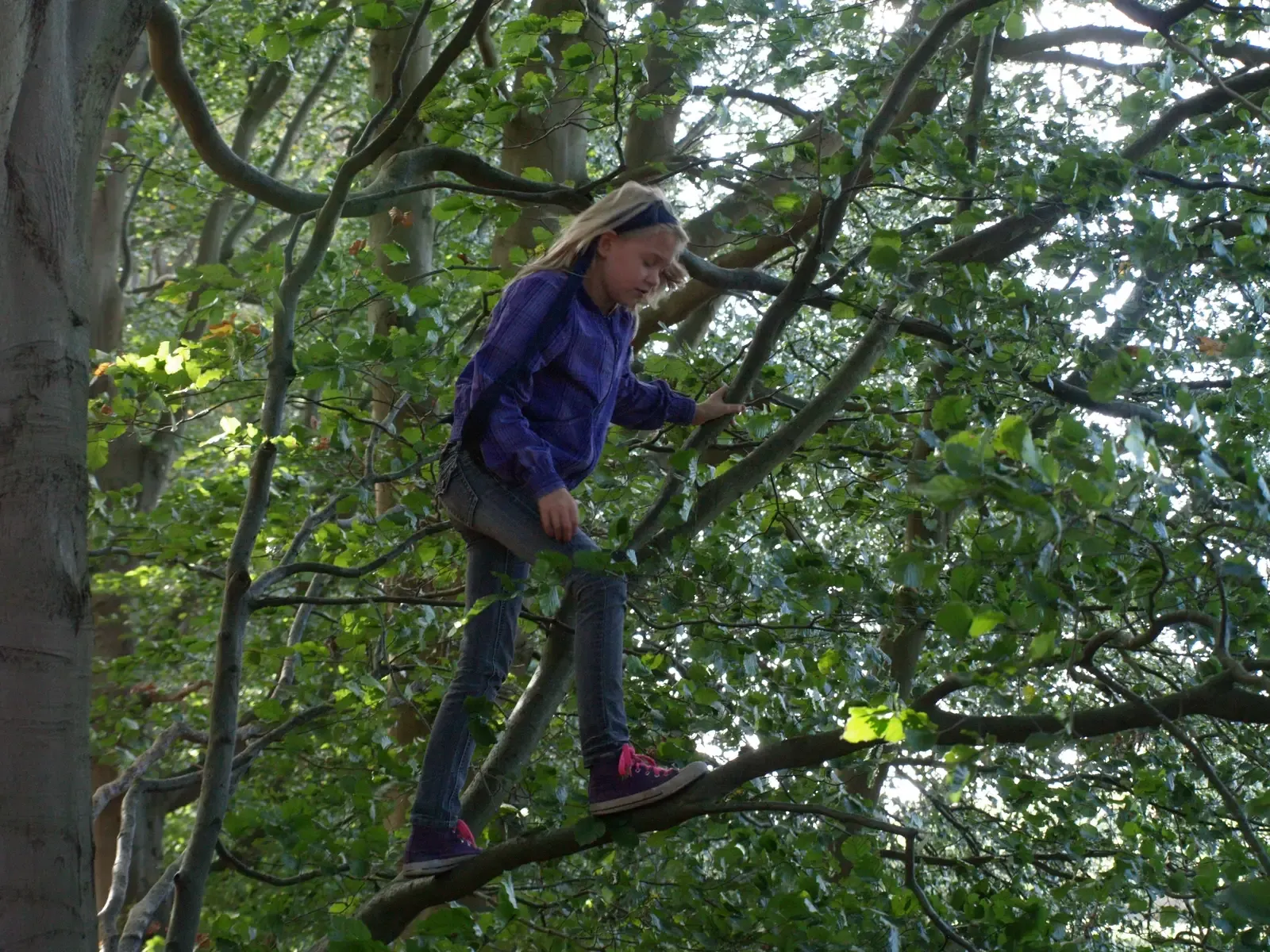
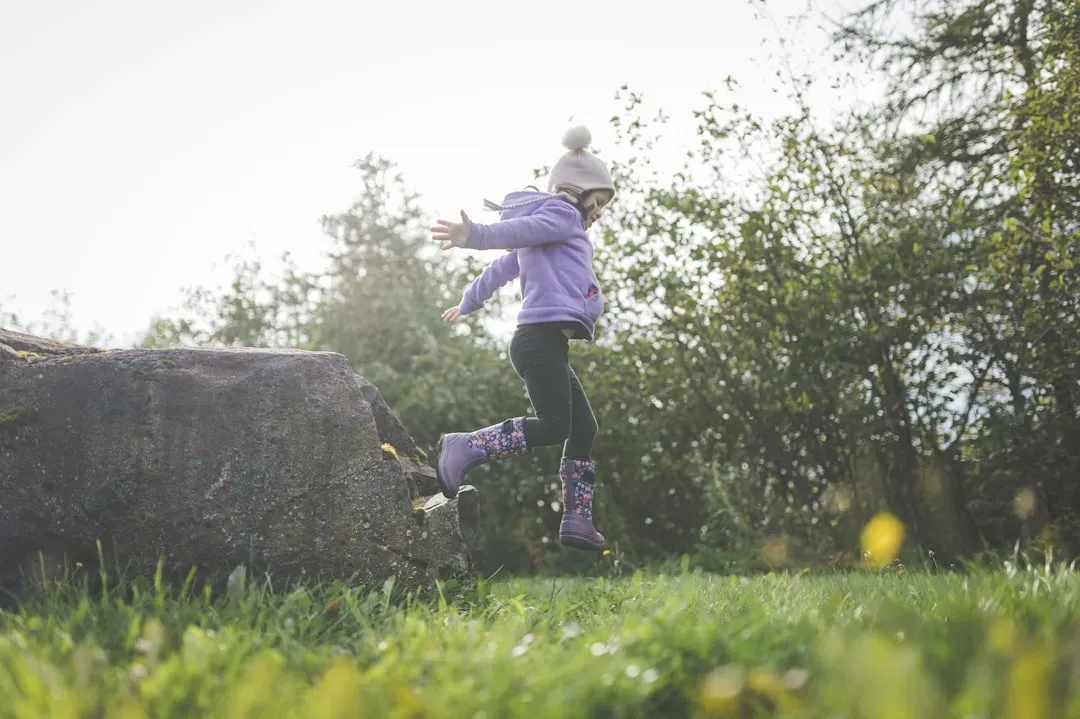
Modern parents are understandably anxious about safety, and many children’s lives have been pushed indoors in the name of protection. But from a psychological point of view, zero risk is not actually safe for development. Carefully managed, age-appropriate risks – climbing a bit higher, jumping off a small rock, balancing on a log – are the training ground where kids learn to judge danger, trust their bodies, and handle small failures. Nature offers this kind of mild, real-world risk in a way that is hard to replicate in perfectly child-proofed indoor spaces.
Children who rarely experience such challenges may grow up more cautious, less confident in their own judgment, and more dependent on external reassurance. When a child in a natural setting slips, misjudges a distance, or gets a small scrape, they get immediate feedback and a chance to adjust. That pattern – try, stumble, recover – builds resilience in a very concrete way. Over time, it shapes how the brain responds to difficulty: as a threat to avoid at all costs, or as a solvable puzzle. Kids who have had many small, safe outdoor risks under their belt tend to step into new situations with a deeper sense of “I can figure this out,” which is a psychological asset that shows up in school, friendships, and later life.
Social Skills and Imagination in Wild, Unstructured Play
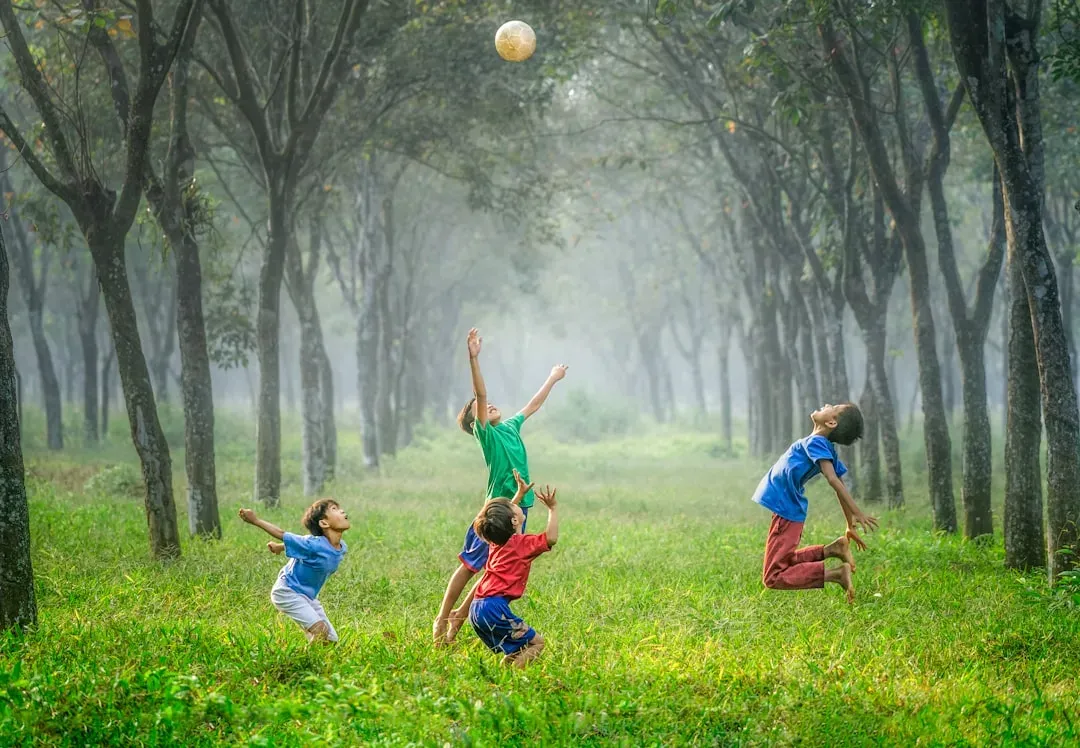
Unstructured natural environments are also powerful laboratories for social development. When children play together outside, there is rarely a built-in script. They have to negotiate the rules of the game, decide who plays what role, and figure out what happens when someone breaks the agreed-upon rules. This kind of spontaneous negotiation exercises empathy, perspective-taking, and conflict resolution more deeply than simply following adult-designed rules in a sports league or a board game.
Indoor-only childhoods can absolutely include social experiences, but they are often more supervised, scheduled, and rule-based. Kids may be very good at “behaving” but less practiced at navigating messy, unscripted situations. In the woods or on a rough patch of land, there is no referee, no teacher to settle every dispute, and no app algorithm adjusting the difficulty. Children are nudged to use their words, read the room, and adjust their behavior if they want the game to keep going. That builds a subtle social confidence that is hard to teach in any other way and ties directly into emotional regulation and flexible attention.
Indoor-Only Childhoods: What the Science Actually Suggests (Without Panic)
It is important not to swing from one extreme to the other and treat indoor childhoods as doomed or broken. Many kids raised mostly indoors still grow into focused, creative, emotionally healthy adults, especially if they have other supports like loving relationships, good sleep, and thoughtful schooling. However, research trends suggest that when nature is almost entirely absent, some developmental advantages are simply less likely to emerge, or they emerge more slowly. The brain adapts to the environment it is given; if that environment is dominated by screens, noise, and rigid schedules, attention and emotional systems will adapt to that instead.
What the science points to is not a dramatic cliff but a quiet, gradual difference in trajectories. Children who rarely or never have unstructured time outdoors may be more prone to mental fatigue, less comfortable with boredom, and more easily overwhelmed by emotions. They might rely more heavily on external stimulation and adult direction to stay engaged. None of this is destiny, but it is a pattern worth taking seriously. The good news is that the brain remains plastic – changeable – throughout childhood and adolescence, so adding nature later still helps. The earlier and more consistently it is woven into daily life, though, the more deeply those attentional, creative, and emotional benefits seem to take root.
Realistic Ways to Bring More Nature Into Modern Kids’ Lives
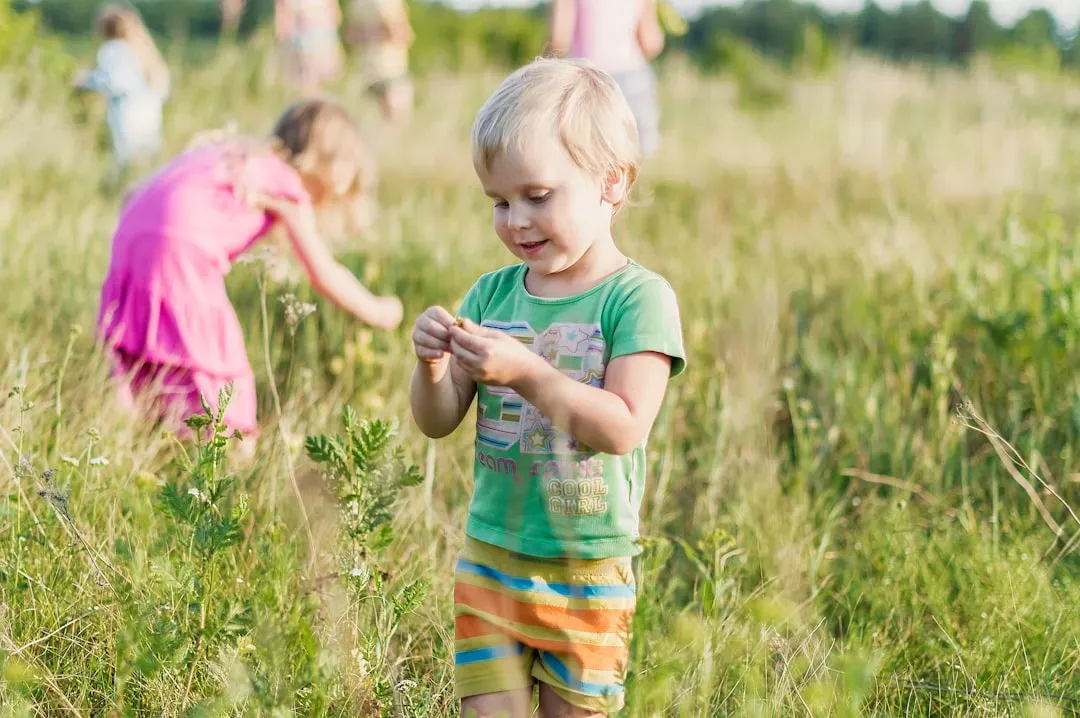
Here is the tricky part: many families live in apartments, busy cities, or neighborhoods that do not feel safe for free roaming. And most parents are juggling jobs, commutes, and countless responsibilities. The idea of long, wild afternoons in the forest can sound like a fantasy. But regular nature exposure does not have to mean a perfect cabin-in-the-woods childhood. Even small, repeated doses – a weekly park visit, a messy corner of the yard left “wild,” a daily walk where kids are allowed to explore – can add up in a meaningful way for brain development.
The key is less about perfection and more about pattern. Giving children frequent chances to be outside with as little structure as you can reasonably tolerate does more for their brains than an occasional, highly scheduled “nature outing.” Let them dig, climb, collect sticks, and get dirty. Let them be a bit bored and figure out what to do with that boredom. I have seen kids in cramped urban neighborhoods turn a scraggly strip of grass into a whole invented ecosystem of creatures and stories. It is not about having a national park; it is about letting their minds have room to roam wherever you are.
Why This Matters for the Future: An Opinionated Take
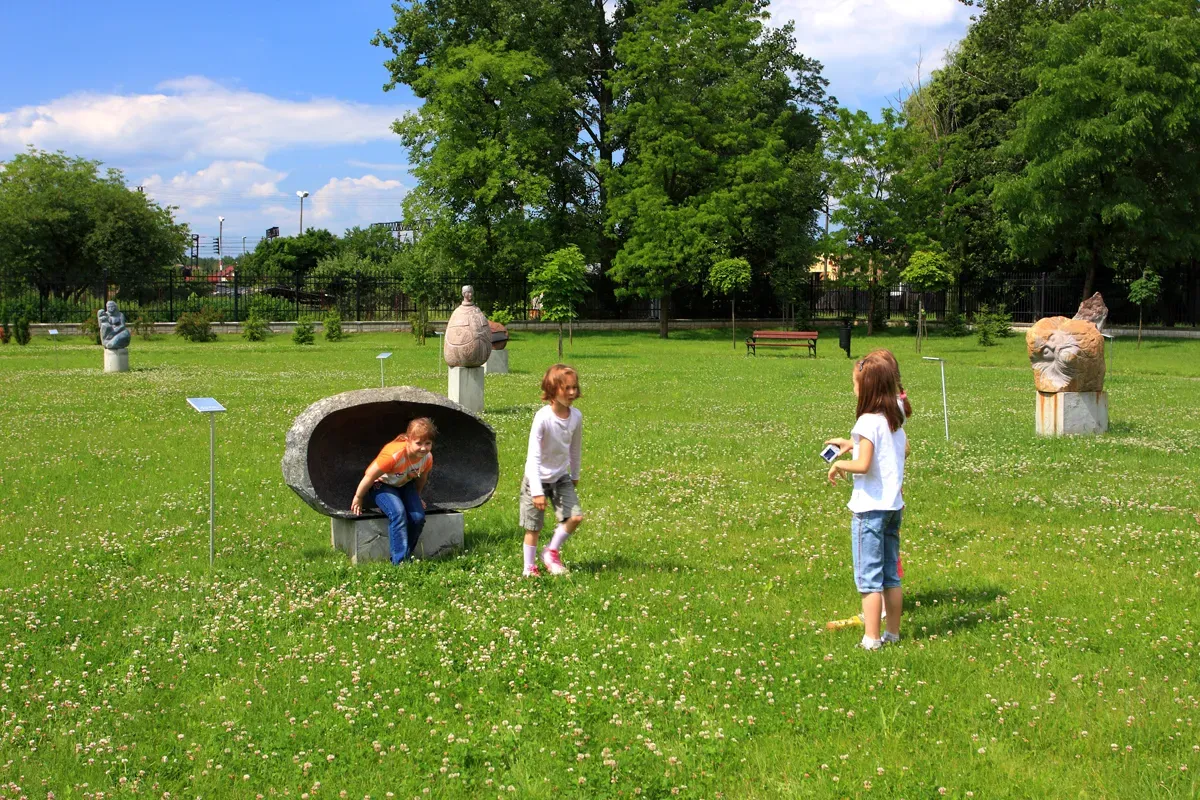
From where I sit, the evidence about nature and child development is nudging us toward an uncomfortable but necessary question: what kind of brains are we designing, unintentionally, with our current lifestyle? When we trade away unsupervised, outdoor, slightly risky play for more screens, more tutoring, and more controlled environments, we are not simply making kids “safer” or “smarter.” We are shaping attention systems that crave constant stimulation, emotional systems that have fewer tools for self-soothing, and creative systems that are better at consuming than inventing. That trade might be convenient in the short term, but it seems like a bad long-term bargain.
In my view, we should treat regular, unstructured contact with nature as a core part of child development, not an optional bonus for families with extra time and money. If we truly care about raising children who can focus, imagine, and handle their feelings, then patches of dirt, messy trees, and unplanned afternoons are not luxuries. They are part of the baseline. The world our kids are inheriting will demand flexible thinking, resilience, and emotional steadiness in ways we can barely predict. Giving their brains the chance to grow those capacities in real, living, unpredictable outdoor spaces might be one of the quietest but most powerful investments we can make. When you picture the future you want for your child, do you see more walls and screens – or more sky and trees?