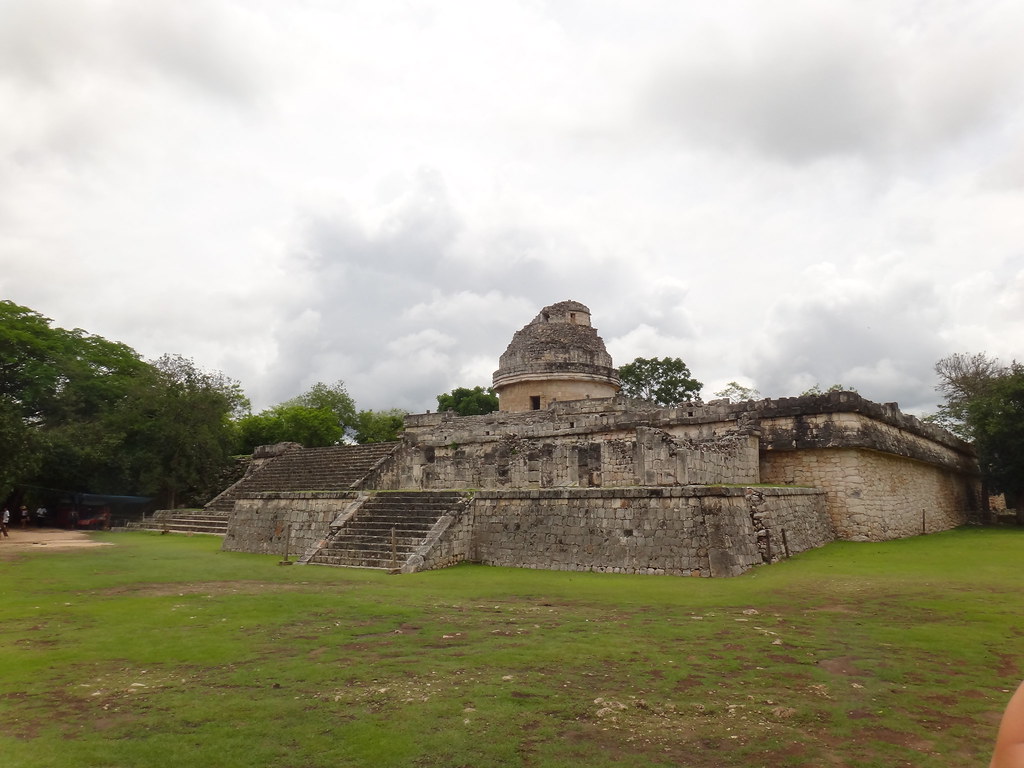
Every so often, archaeology runs into a wall of silence. You get towering ruins, precision stonework, and monumental layouts that clearly took generations to plan, yet no names, no stories, and not even a boastful inscription saying who did it. For cultures that could reshape entire landscapes, it is strangely common that their own voices are gone. All that is left are foundations, collapsed walls, and the uncomfortable feeling that we are walking through someone else’s forgotten future.
This list looks at ten sites that were, as far as we can tell, among the largest or most ambitious structures of their time, yet lack any direct written record from the people who built them. We might have later myths, hostile chroniclers, or modern theories – but not the builders’ own words. That gap between the scale of what they did and the silence they left behind is where things get fascinating, frustrating, and, if we’re honest, a little haunting.
1. Göbekli Tepe: The Stone Circles That Shouldn’t Exist
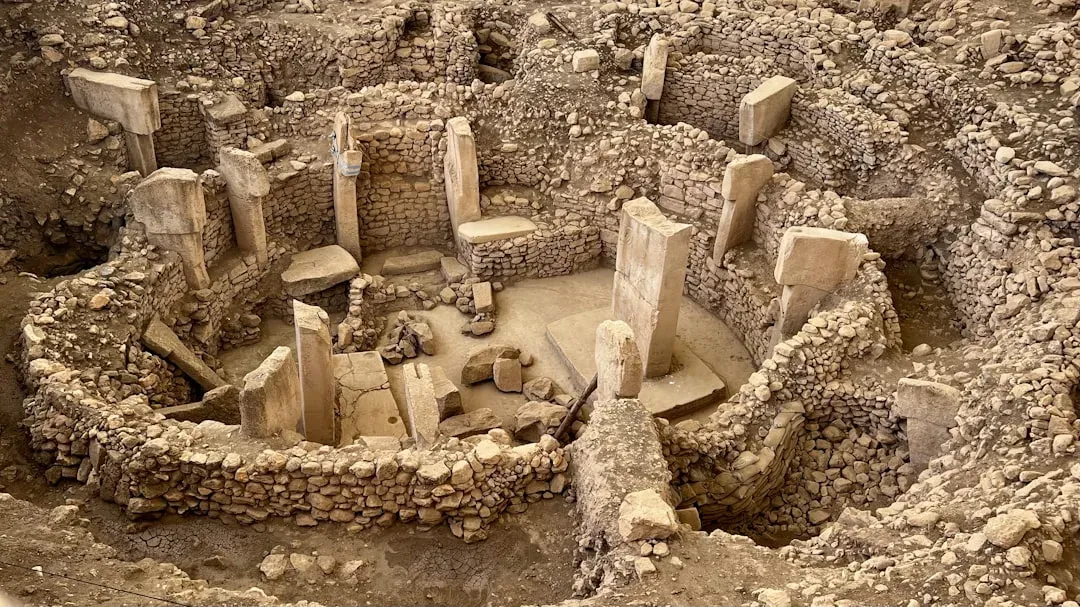
On a hilltop in southeastern Turkey, Göbekli Tepe rewrites what we thought we knew about early humans. Built around the tenth to ninth millennium BCE, its massive T-shaped pillars – some weighing many tons – stand in ringed enclosures that predate agriculture and cities by thousands of years. For its era, nothing else we know of comes close in monumentality; this was a world where people still lived primarily by hunting and gathering, yet somehow organized the manpower and know-how to carve, move, and raise huge stones decorated with animals and abstract symbols.
What makes Göbekli Tepe so eerie is the total lack of any written record or clear cultural label for the people who built it. The site appears to have been deliberately buried and abandoned long before writing was even invented, so we only see their work through archaeology, not their own words. We do not even know what they called themselves, or what stories they told under those stones at night. Instead, researchers are left to infer meaning from layout and iconography, piecing together a civilisation that loomed large in its own time and then vanished so completely it left not a single carved sentence behind.
2. Poverty Point: A Megasite in the American South with No Known Builders’ Voice
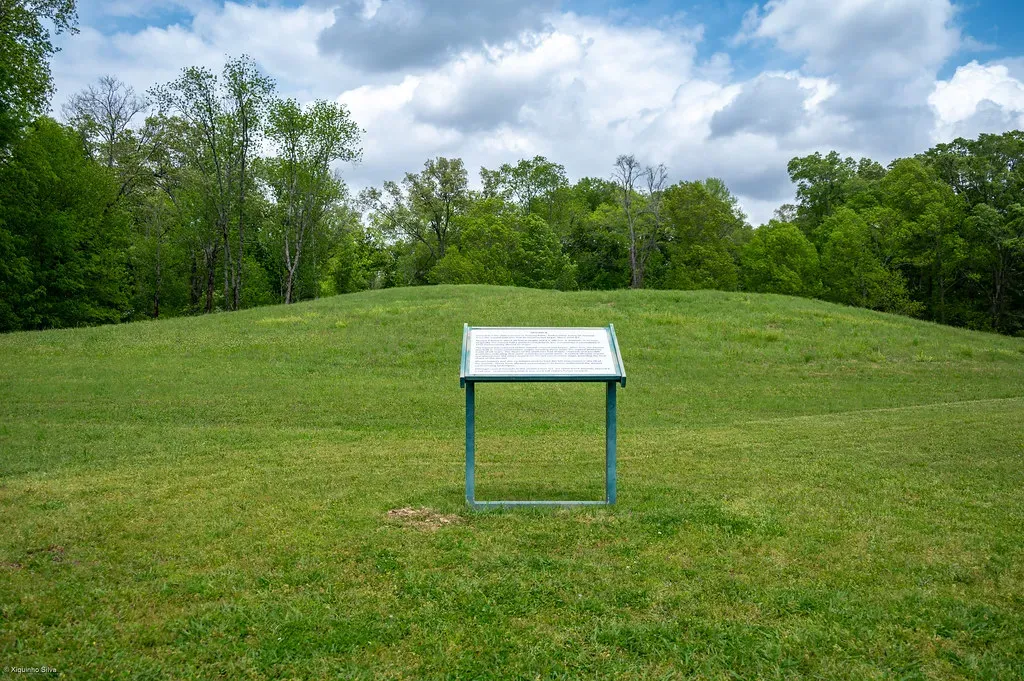
In what is now northeastern Louisiana, the earthworks of Poverty Point rise out of the landscape in sweeping arcs and ridges that are easy to miss until you see them from the air. Dating back roughly three thousand years, the complex includes enormous concentric embankments and a central mound that was, for its time in North America, on a monumental scale. At the height of its use, this place drew people, materials, and ideas from a vast region, functioning almost like a prehistoric hub city – built largely out of dirt and determination.
Yet the civilisation that created Poverty Point is effectively nameless to us. They left no indigenous writing, no carved monument saying who they were or why these enormous earth rings were raised. Later Native cultures in the region had their own histories and identities, but direct continuity to the original builders is not written down by them either; instead we mostly have layers of material remains and patterns in the soil. It is astonishing to think that a society capable of coordinating such large-scale construction could fade from collective memory so completely that even their proper name is gone, leaving us to label them based only on a modern plantation’s title.
3. The Newark Earthworks: Geometric Giants Without a Known Author

In present-day Ohio, the Newark Earthworks form one of the most intricate and enormous geometric earthwork complexes in the ancient world. Constructed by people of what archaeologists group under the Hopewell tradition around two thousand years ago, the vast circles, octagons, and embankments once sprawled over several square miles. When you compare them to contemporary constructions in the same region, their scale and precision stand out immediately; these were not casual mounds but carefully engineered megastructures in earth.
Despite that, the builders’ own words are missing. The cultures that created these earthworks did not leave written records that survive, and by the time Europeans showed up, the meanings and functions of these particular geometries were no longer preserved in a way that made it to paper. Archaeologists can model alignments with lunar cycles, track trade goods, and identify ceremonial pathways, but they cannot quote the people who planned them. So the Newark Earthworks sit in a strange position: proof of an advanced, coordinated society that outbuilt its neighbors, yet known only through categories and names modern researchers have imposed from the outside.
4. Great Zimbabwe: Stone Walls on a Scale No One Wanted to Believe
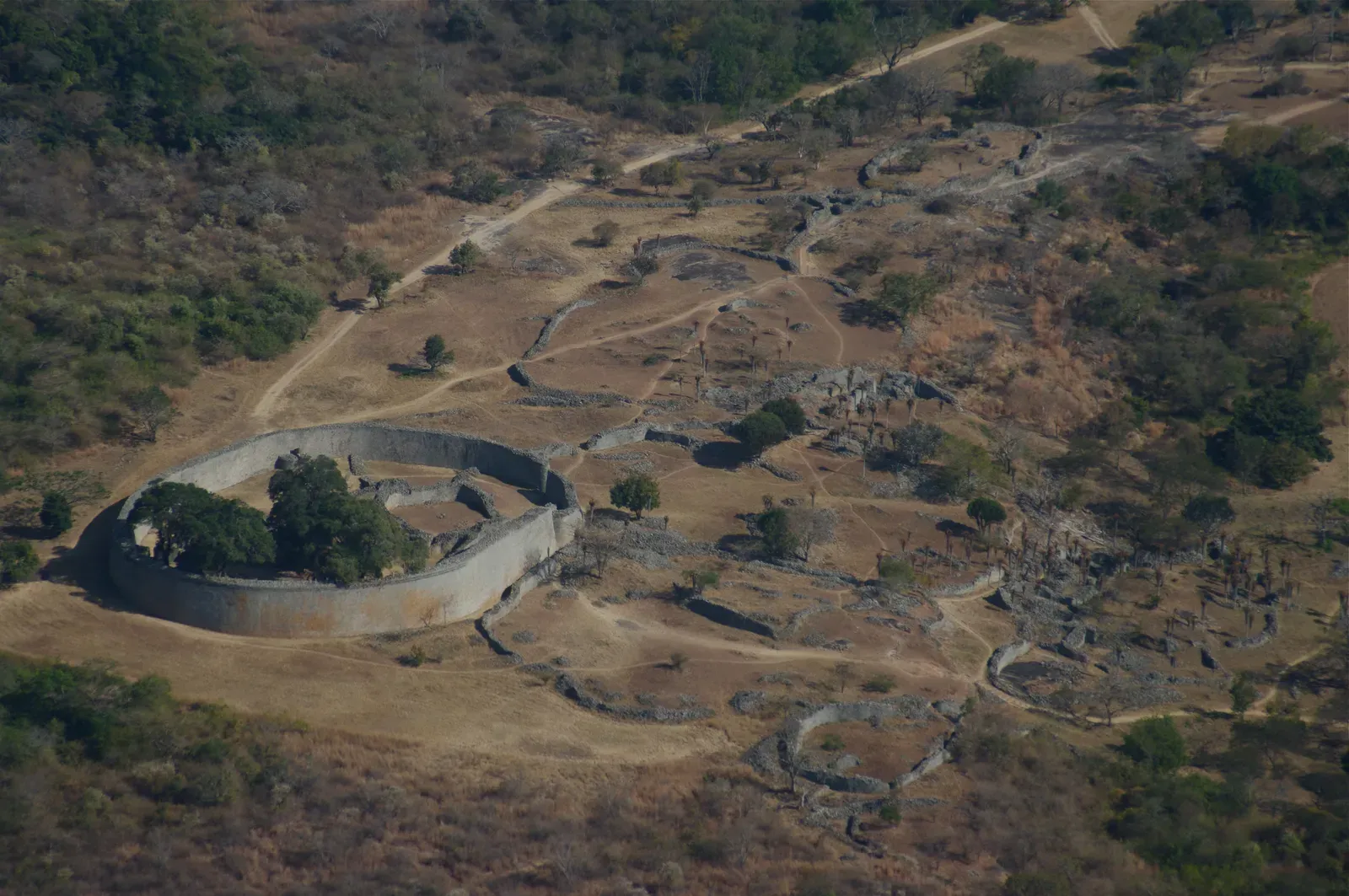
In southeastern Africa, the ruined city of Great Zimbabwe rises from the hills with massive dry-stone walls that snake and curve through the landscape. Built mainly between the eleventh and fifteenth centuries CE, these walls – some over ten meters high and more than five meters thick – enclosed a complex that was, for its region and time, uniquely impressive in size and sophistication. It was a political and economic center linked to long-distance trade, with architectural ambition that clearly outstripped nearby contemporaries.
Yet the people who built Great Zimbabwe left no surviving written record of themselves, at least none that we have found. This absence was twisted for a long time into harmful myths suggesting outsiders must have constructed it, simply because early European observers could not imagine African builders accomplishing something so grand. Today, archaeology firmly anchors it in local Shona-speaking cultures, but even now we mostly reconstruct its story from pottery, trade beads, and wall plans. The city’s own voice – its royal decrees, its stories about those towering enclosures – never made it to us, leaving a monumental skyline with no surviving script to explain it.
5. The Moche Pyramids of the North Coast of Peru
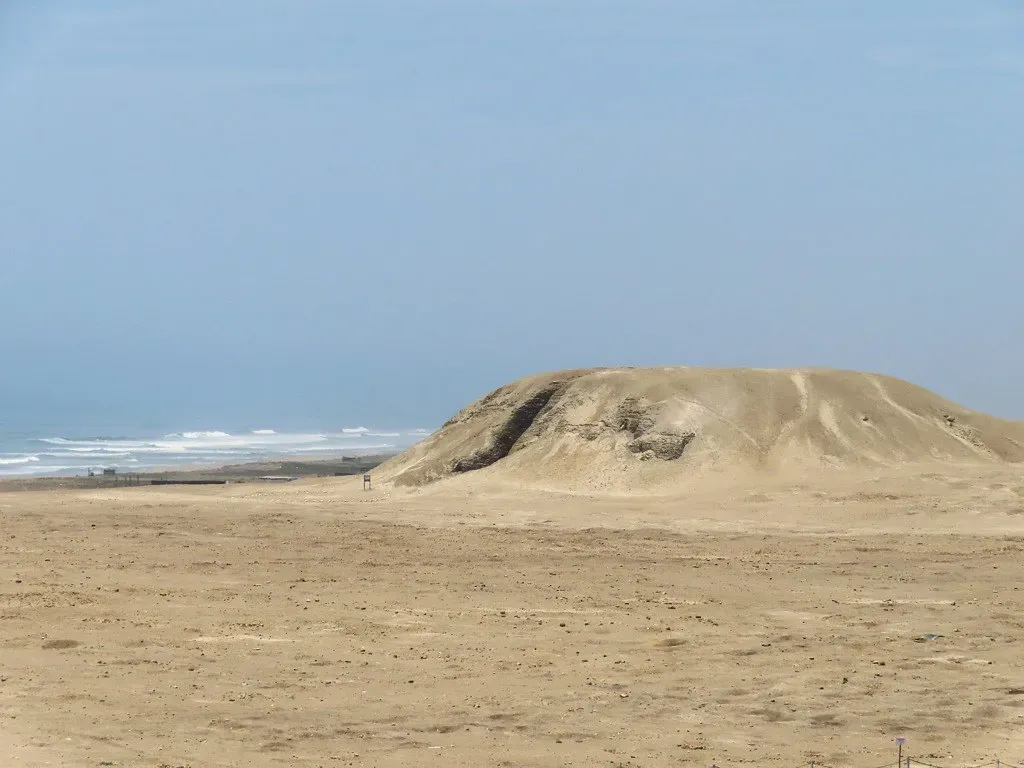
Before the Inca ruled the Andes, the Moche civilisation along Peru’s north coast built adobe pyramids so huge they still dominate their valleys despite centuries of erosion. Structures like the Huaca del Sol and Huaca de la Luna were among the largest mud-brick buildings in the world when they were active, rising in massive platforms, terraces, and plazas. In their time, these complexes dwarfed most other constructions in the region, blending ritual, political power, and artistic expression at a scale that must have been overwhelming for anyone approaching from the desert.
The Moche produced intricate art on ceramics and walls, but they did not leave behind a deciphered writing system, and later cultures did not record their history in detail. That means we have expressive scenes of rituals, warfare, and myth, but no written captions telling us what those scenes meant to the people who painted them. Their monumental pyramids prove they were master organizers and builders, yet we have to reverse-engineer their social structure and beliefs from burial patterns and iconography. Standing in front of a wall of eroding bricks that once formed a continent-scale statement of power, it feels almost unreal that such a forceful presence left no direct recorded narrative behind.
6. The Temples of Malta: Megaliths Older Than Pyramids, Silent About Their Makers
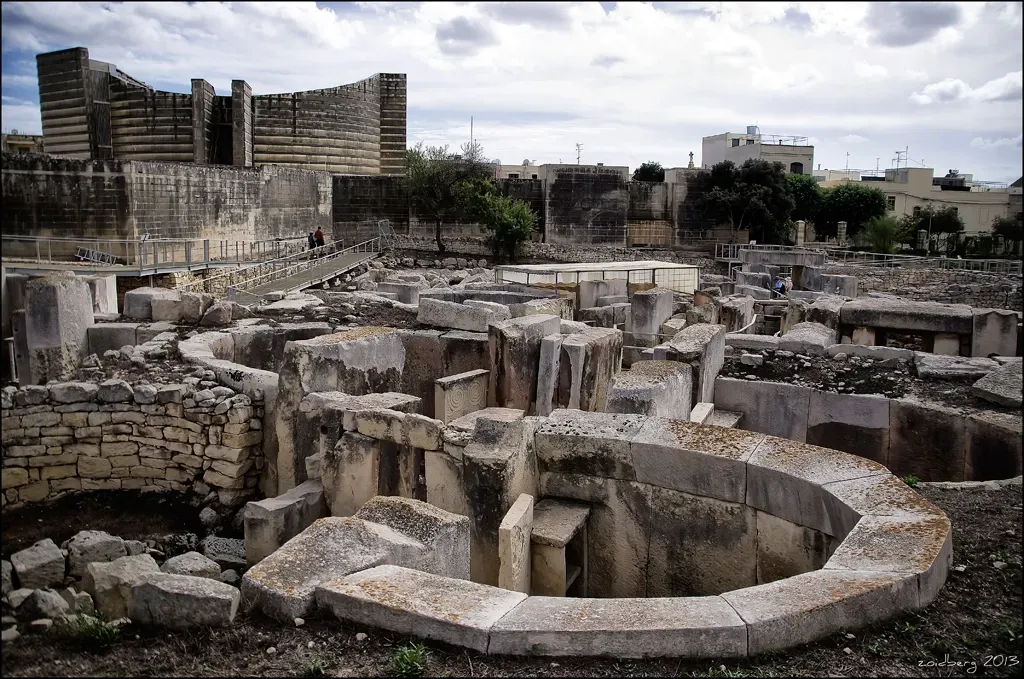
On the islands of Malta and Gozo, prehistoric temple complexes such as Ħaġar Qim, Mnajdra, and Ġgantija were raised between roughly the fourth and third millennia BCE. For their era, especially in the central Mediterranean, these multi-room megalithic structures were outsized achievements, built with blocks so large that locals later imagined giants must have raised them. Their layouts, altars, and carved stone details show a level of planning and symbolic thought that stands out sharply compared with other sites from the same broad period.
But the people who built Malta’s temples did not leave a written record, and later traditions preserved only vague legends rather than clear historical memory. Archaeologists can model how the temples align with solstices and equinoxes, they can reconstruct diet and burial practices, yet the actual identity and language of the builders is lost. There are no surviving chronicles, no myths written down by them, just stones arranged in patterns we can admire but only partially understand. It is like finding the shell of a cathedral with no trace of the scriptures, prayers, or myths that once animated it.
7. The Hohokam Canal Cities of the Sonoran Desert
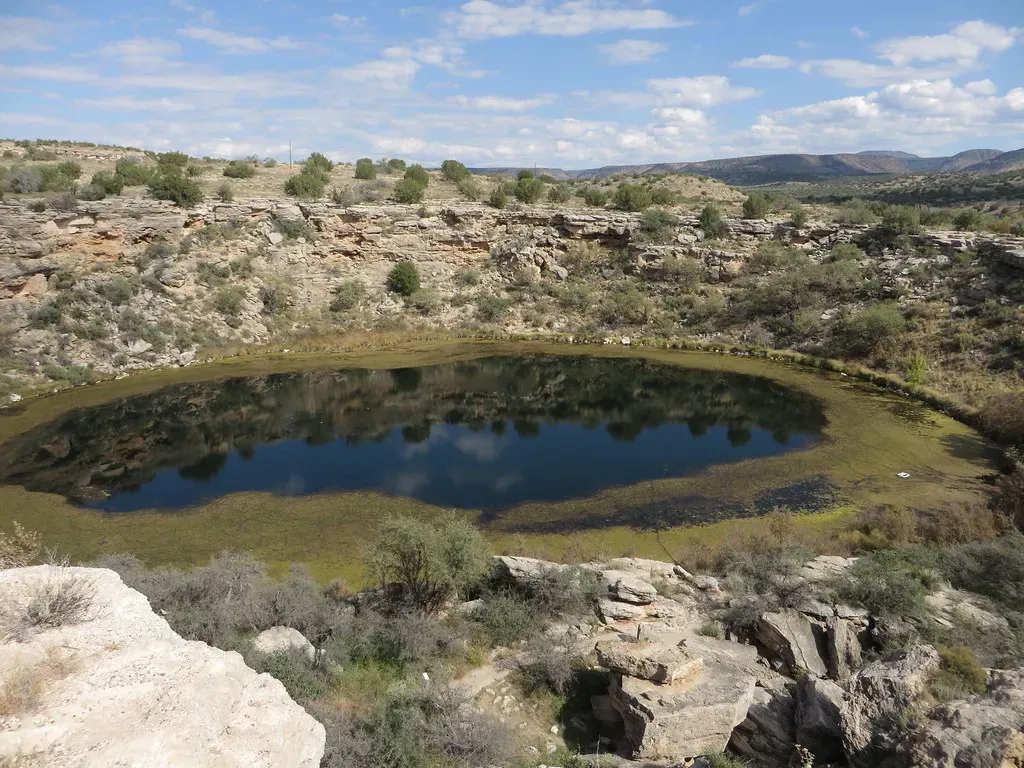
In what is now Arizona, ancient canal networks associated with the Hohokam tradition turned desert into farmland on a scale that rivals and sometimes surpasses contemporary irrigation systems elsewhere in North America. At their peak, these canals stretched for tens of miles, feeding settlements that would later sit under the footprint of modern Phoenix. For their time and place, these were some of the largest and most complex water-management works anywhere in the region, representing generations of engineering and collaborative labor.
Despite this, we do not have written records from the canal builders themselves. The name “Hohokam” is a modern archaeological label derived from later Indigenous languages, not a term the original canal workers would have used for their own people. Oral traditions from descendant communities carry echoes of ancient histories, but they do not come to us as detailed, dateable chronicles from the era of canal construction. The result is that one of prehistoric North America’s greatest feats of civil engineering is documented mostly in trenches, soil cuts, and reconstructed flow models, not in the words of the society that dug the first channels and negotiated water rights long before any European mapmaker arrived.
8. The Serpent Mound: A Monumental Effigy with a Missing Voice
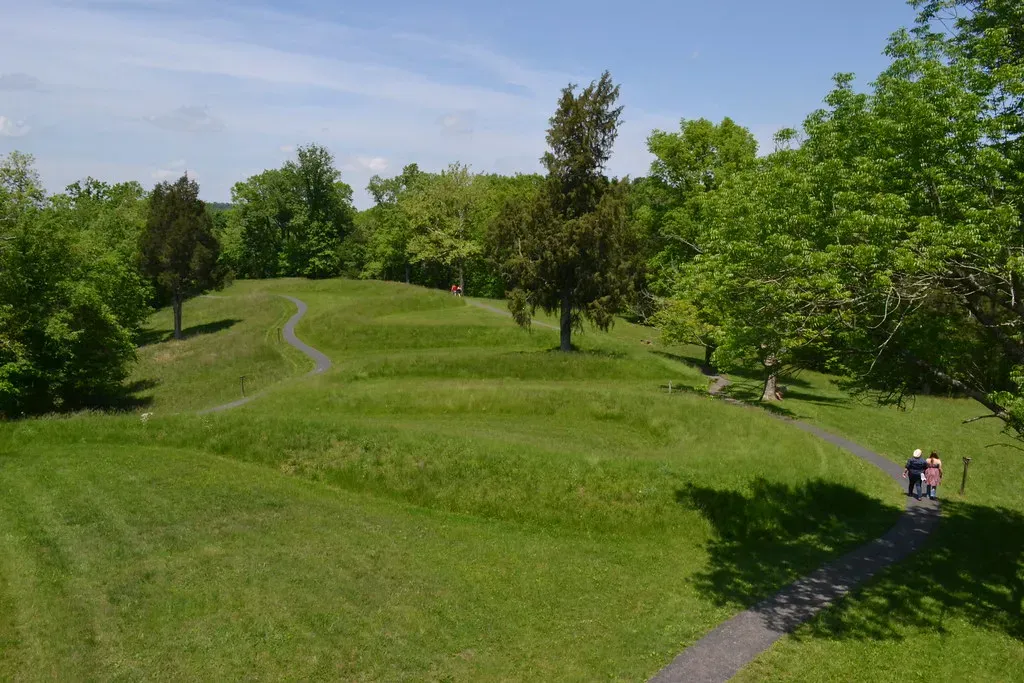
Also in Ohio, the Great Serpent Mound coils across a ridge in an undulating earthwork more than a football field long. Its exact age and cultural attribution have been debated, but whether it is associated with the Adena, Fort Ancient, or a sequence of traditions, the fact remains that for its form and scale it is a unique, outsized monument in its region and time. Nothing else from the same broad eras reproduces that specific combination of enormous length, sinuous design, and prominent landscape placement.
Yet the builders left no written explanation of what the serpent meant, why it was placed with particular alignments, or how it fit into their broader worldview. Later Indigenous stories about serpents, sky beings, and earth forces give evocative context but not a direct, time-stamped annotation to this specific mound. Archaeologists can measure, date soils, and compare artifact styles, but in the end they are looking at a huge, carefully sculpted symbol whose original storytellers are silent. This gap between an obviously meaningful, massive artwork and the lack of its own commentary makes the site one of the more tantalizing enigmas in North American archaeology.
9. The Cahokia Monks Mound: A City-Center Taller Than Anything Around It
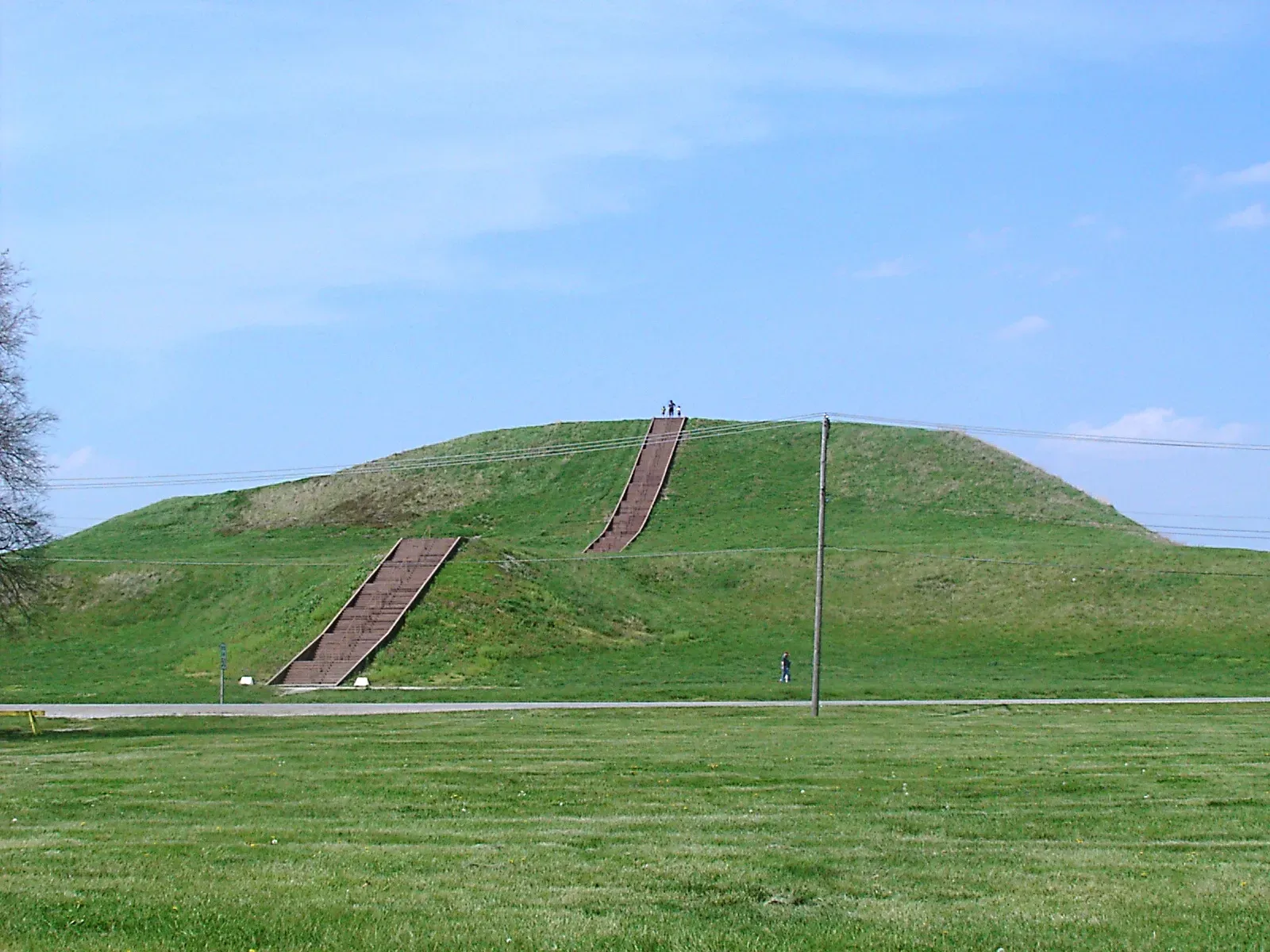
Near present-day St. Louis, the urban center of Cahokia flourished around a thousand years ago, and at its core stands Monks Mound, a massive platform mound that still dominates the skyline. In its day, the mound and its associated plazas anchored one of the largest population centers north of Mesoamerica, with a footprint and height that exceeded anything nearby. This was not a village mound; it was the architectural heart of a full-scale city, with terraces and platforms that broadcast power and ceremony.
Despite that urban scale, the Mississippian peoples who built Cahokia did not leave any known writing system that records their history or ideology. Later Indigenous groups in the region have rich oral traditions, but there are no contemporaneous texts from the builders that say who commissioned Monks Mound, what rituals were performed at its summit, or how its construction was organized. Modern excavations reveal post patterns, feasting remains, and evidence of complex social stratification, yet the city’s own narrative is gone. It is a striking reminder that you can have a metropolis with monumental architecture fully capable of reshaping the landscape and still end up with almost no direct, first-person record of its creators.
10. The Nazca Lines: Giant Ground Drawings with No Written Explanation
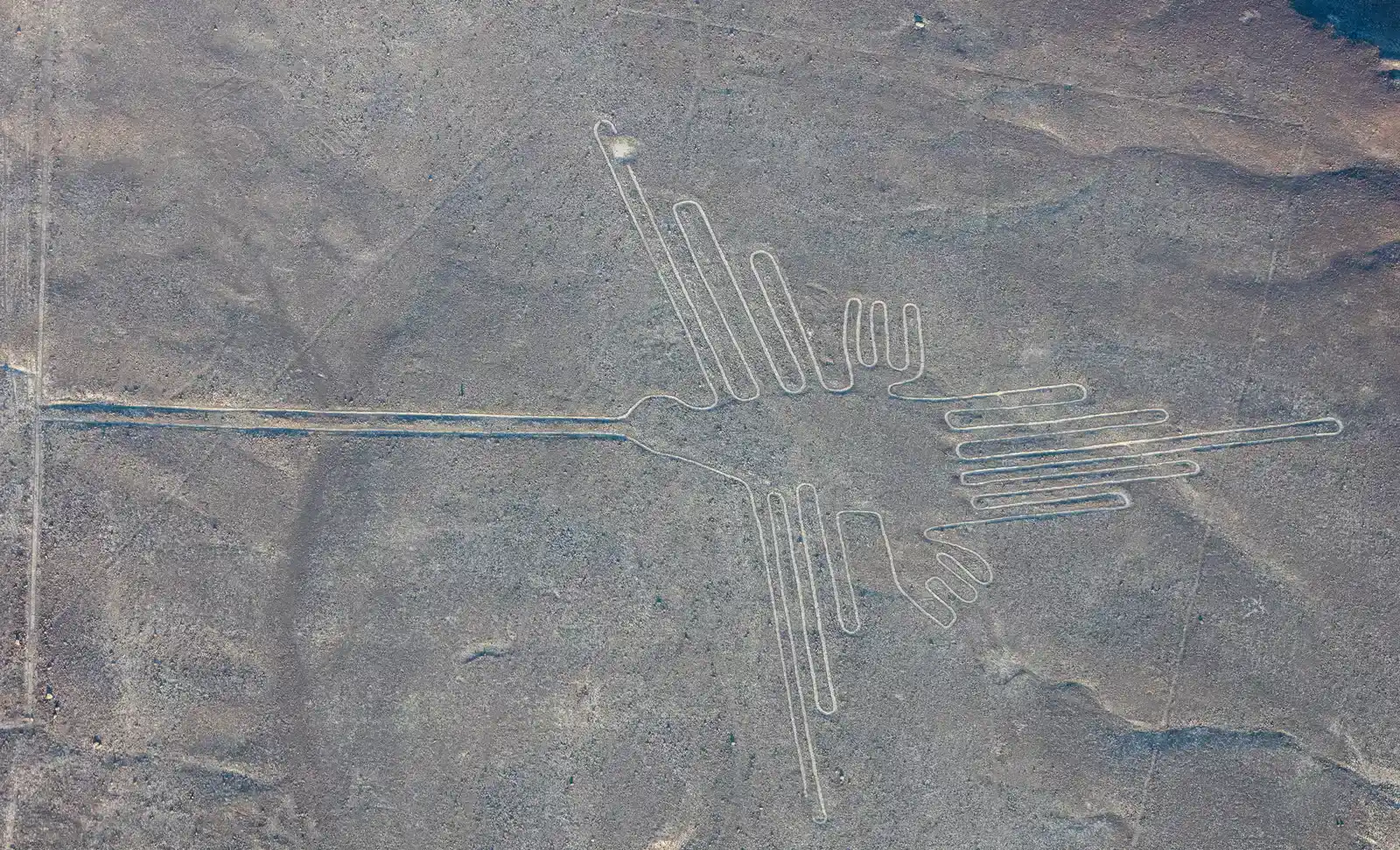
Spread across the coastal desert of southern Peru, the Nazca Lines include enormous geoglyphs of animals, plants, and abstract shapes etched into the desert surface. Many of these designs stretch hundreds of meters, so large that their full outlines are best seen from the air or from surrounding hills. For their time – roughly the first millennium CE – they were among the most visually massive and ambitious ritual or symbolic constructions in the region, essentially turning entire valleys into canvases.
Yet the Nazca culture has left no deciphered written account telling us why these lines were made, how decisions about their placement were taken, or what ceremonies accompanied them. Everything we think we know about their purpose – whether related to water rituals, processional pathways, cosmology, or something we have not even guessed yet – comes from careful measurement, comparison, and environmental study, not from the words of the people who walked those lines into existence. Standing on a desert hillside tracing the outline of a hummingbird the size of a skyscraper footprint, it is hard not to feel that we are reading only the headers in a book whose chapters have been burned.
Conclusion: Monumental Silence and What It Says About Us
When you step back and look at these sites together, a pattern emerges that is both humbling and a little unsettling. Again and again, people in wildly different parts of the world built on a scale that surpassed anything around them, reshaped landscapes, and orchestrated vast labor forces – yet their own voices did not survive. No matter how advanced, connected, or influential a civilisation is in its day, it can still slip into a kind of historical blind spot where only its ruins remain. From my perspective, that is a quiet warning against assuming our own records and stories are guaranteed to last any longer than theirs did.
What makes these ruins powerful is not just their mystery but the way they expose the limits of what archaeology and history can currently do. We can measure walls to the millimeter and date charcoal to within a few decades, but we still cannot confidently answer what a child growing up under Monks Mound dreamed of, or how people at Göbekli Tepe felt during their ceremonies. In a sense, the real absence is not only a missing script but a missing inner life. Maybe that is why these places stay in our heads long after we leave: they are giant reminders that even the largest things we build can end up as questions rather than answers. If someone were walking through the ruins of our own cities thousands of years from now with almost no context, what do you think they would misunderstand first?