
You know that eerie snap of recognition you sometimes feel, when a moment feels like a replay of something you cannot quite place? One second you are just going about your day, and the next your brain is whispering that you have been here before, in this exact situation, even though you know you have not. That strange tug between familiarity and logic is déjà vu, and your memory system is right at the center of it.
Far from being just a spooky quirk, déjà vu is now seen as a meaningful clue about how your brain keeps track of reality. Neuroscientists think it exposes one of memory’s most fascinating glitches: your brain’s reality-check system briefly misfires, producing a powerful feeling without a matching memory. When you understand what is actually happening under the hood, those unsettling flashes start to look less like a paranormal event and more like a clever – if imperfect – safety feature of a very busy brain.
Why Your Brain Can Feel So Certain Without Any Proof
What makes déjà vu so unsettling is that your feeling of certainty shows up without any evidence you can point to. You feel totally convinced you have lived this exact moment, but when you try to recall the “previous time,” there is nothing there. Neuroscientists think this happens because the systems in your brain that generate a feeling of familiarity can light up even when your detailed memory system stays quiet.
In the brain, those two jobs – feeling familiar and recalling details – lean heavily on different processes in your medial temporal lobes, particularly in and around your hippocampus. Sometimes the familiarity circuits seem to fire on their own, like a motion sensor that triggers without anyone in the room, while the part that normally retrieves an actual memory stays idle. You then get a mismatched experience: a strong sense that you know this scene, paired with a complete inability to say when or how, which your mind experiences as déjà vu.
How Your Memory Normally Works (And Where It Can Glitch)
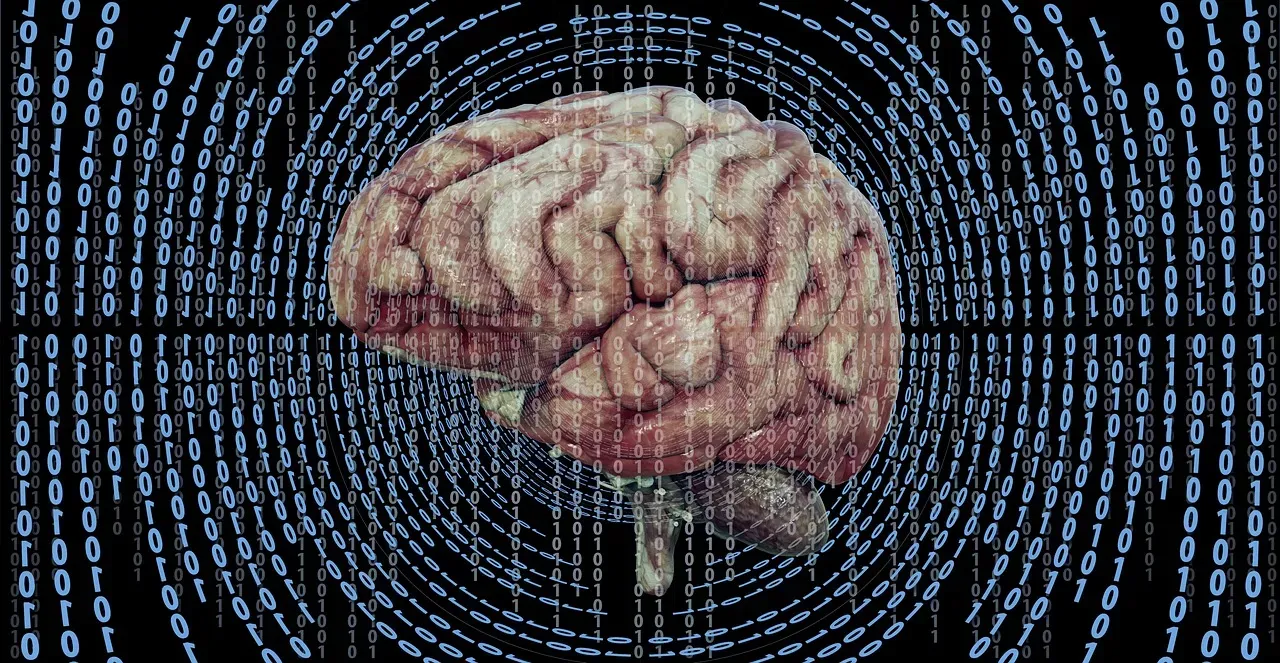
Your memory is not a video camera replaying perfect recordings; it is more like a storyteller that quickly stitches together hints, patterns, and partial traces. When something happens, your brain breaks the experience into pieces – sights, sounds, emotions, and context – and stores them in overlapping networks. Later, it tries to reconstruct the episode from those fragments rather than playing back a full, fixed file.
Because of this patchwork design, your brain uses shortcuts to decide what feels familiar. If a current scene shares enough features with something you have encountered before – a similar room layout, a voice tone, a smell – your familiarity circuits may fire even if the scene is really new. Most of the time, your brain resolves the ambiguity correctly and either finds a matching memory or dismisses the feeling. Occasionally, though, the pattern-matching system gets overconfident, and you end up with a powerful sense of “I know this” without a clear source, which you experience as déjà vu.
Inside the Temporal Lobe: The Brain Regions Linked to Déjà Vu
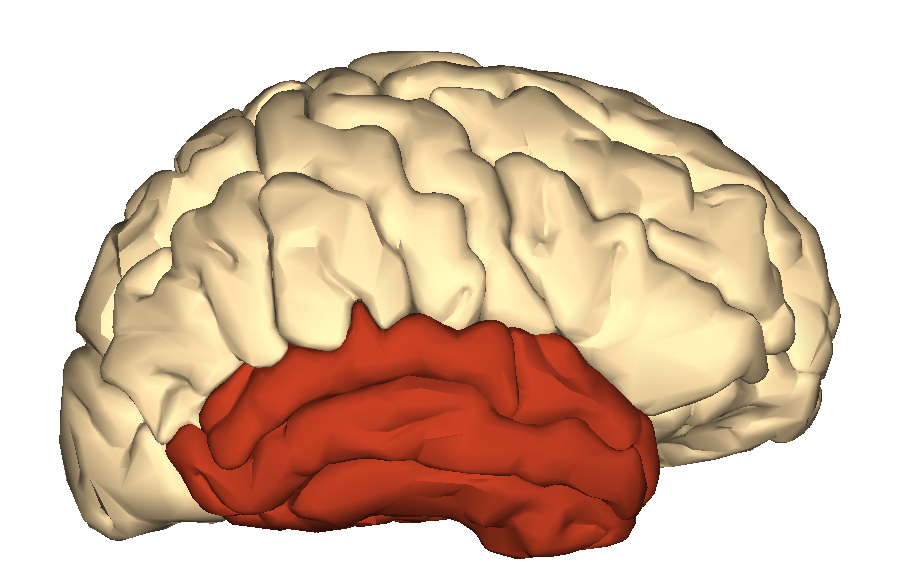
When you feel déjà vu, there is strong evidence that the action is centered deep in your temporal lobes, the parts of your brain that sit roughly behind your ears. These regions house the hippocampus and surrounding structures that are essential for forming and retrieving memories of events. In people who experience certain kinds of epileptic seizures that start in the temporal lobe, déjà vu can even show up right before a seizure, which is one of the strongest clues that these areas are involved.
Researchers who record electrical activity in the brain have seen that brief, unusual firing in these memory-related circuits can trigger intense feelings of familiarity. When similar activity is stimulated directly in lab settings – such as during pre-surgical mapping in people with epilepsy – people can report something that sounds very much like déjà vu. While your own experiences are almost certainly milder and non-pathological, they may still reflect tiny, harmless blips in the same basic network that normally helps you know what you have genuinely seen before.
Pattern Recognition: When Similar Scenes Trick Your Memory

Your brain is a pattern-hunting machine. To move quickly through the world, you constantly compare what you are seeing now with things you have seen in the past, often outside your awareness. If a café you walk into has the same layout, lighting, or background music as another place you once visited, your brain may flag it as familiar even if you have never stepped into that café before.
Déjà vu might kick in when that pattern recognition system becomes a little too generous. You might be picking up on subtle similarities – from the angle of the chair to the way someone gestures – that resemble an old memory, but not closely enough for you to consciously retrieve it. The emotional part of your brain receives the familiarity signal anyway, while your conscious mind fails to pull up the original scene. What you then notice is the clash between your gut sense of “I have been here” and your logical knowledge that you have not.
Why Frequently Experiencing Déjà Vu Is Usually a Good Sign

If you often find yourself thinking, “This has all happened before,” you might worry that something is wrong with your brain. Interestingly, research usually finds the opposite: frequent déjà vu tends to show up more in younger adults, especially those with active, healthy memory systems who are stressed, tired, or processing a lot of information. In other words, your brain may simply be running its pattern-recognition engine at high speed.
Some studies suggest that people who report more déjà vu also perform well on certain memory and cognitive tasks, which hints that your system is highly tuned rather than failing. Your brain is aggressively scanning for matches between the present and the past, and once in a while, it overfires. As long as your déjà vu is not accompanied by other worrying symptoms – like blackouts, severe confusion, or unusual sensory experiences – it is generally considered a normal, even healthy, side effect of a busy mind.
When Déjà Vu Might Signal Something More Serious

Even though déjà vu is usually harmless, there are rare situations where it can be part of a medical picture you should take seriously. If you notice that your déjà vu episodes are extremely frequent, very intense, or come with odd physical sensations, like a wave of nausea, a rising feeling in your chest, sudden confusion, or altered awareness, it could be a sign of temporal lobe epilepsy or another neurological condition. In those cases, the déjà vu is less of a simple glitch and more of a warning light.
You should also pay attention if your sense of memory and reality starts to feel broadly unstable: constant déjà vu, persistent paranoia that everything is repeating, or difficulty distinguishing what actually happened from what only feels familiar. If you ever find yourself in that territory, it is wise to talk with a doctor or neurologist. They can look at the bigger picture – other symptoms, medical history, and possibly brain imaging or EEG testing – to sort out whether your experiences fit the normal range or deserve further investigation.
How You Can Respond When Déjà Vu Hits

The next time déjà vu washes over you, you can treat it as a live demonstration of how your memory truly works. Instead of panicking or immediately trying to chase down the “original” moment, you might pause for a second and just notice the feeling itself: a strong sense of familiarity with no clear source. By reminding yourself that this is likely a harmless brain glitch, not a sign of something supernatural or terrifying, you can often let the moment pass without getting stuck on it.
You can also turn these episodes into a kind of mental training. Ask yourself gentle questions like, “What about this scene might be triggering familiarity? The lighting? The smell? The way someone just laughed?” Doing this does not always solve the mystery, but it shifts you into a curious, observational mindset rather than a fearful one. Over time, you may find that déjà vu stops feeling like a threat and starts to feel more like a quirky window into how your mind tries to keep track of your life.
What Déjà Vu Reveals About Your Sense of Reality
Déjà vu is a reminder that your sense of reality is not built from raw facts alone; it is filtered through feelings, expectations, and pattern matches your brain makes on your behalf. You usually do not question that process until it gets something obviously wrong, like telling you that a completely new experience is somehow a replay. In those moments, you are suddenly aware that your brain is constructing reality on the fly rather than simply reflecting it.
When you understand this, you can become a bit more humble – and maybe more compassionate toward yourself – about all the little errors and biases you carry. The same machinery that sometimes gives you false déjà vu helps you recognize friends, navigate familiar streets, and learn from past experiences. It would be impossible to turn off the glitches without also losing the benefits. In that sense, your déjà vu moments may be the price you pay for having a fast, flexible, memory-driven brain.
In the end, those strange jolts of familiarity are not glitches in the sense of something broken; they are more like the occasional static that appears on an otherwise reliable signal. Your brain is constantly racing to connect the present with the past so you can predict what comes next, and once in a while, it gets ahead of itself. The next time you feel that eerie “I have lived this before,” you can see it as your memory system briefly showing you the strings behind the stage rather than the polished performance. And now that you know what is happening, does that familiar feeling seem a little less mysterious – and maybe a bit more fascinating?