If you have ever looked up from the couch and seen a deer frozen in your yard, eyes locked on your window like it’s sizing you up, you know how eerie it can feel. It is quiet, it is still, and for a few seconds you might even wonder if something is wrong, or if nature is trying to tell you something.
When deer stop and stare directly at your house, it is tempting to jump to spiritual signs, omens, or secret messages. In reality, what is happening is usually a mix of biology, behavior, and environment, layered with whatever personal meaning you choose to give it. Understanding the natural side of it actually makes the moment feel even more magical, because you can see how finely tuned these animals are to every tiny sound, scent, and movement around your home.
Why Deer Freeze and Stare Instead of Running Away

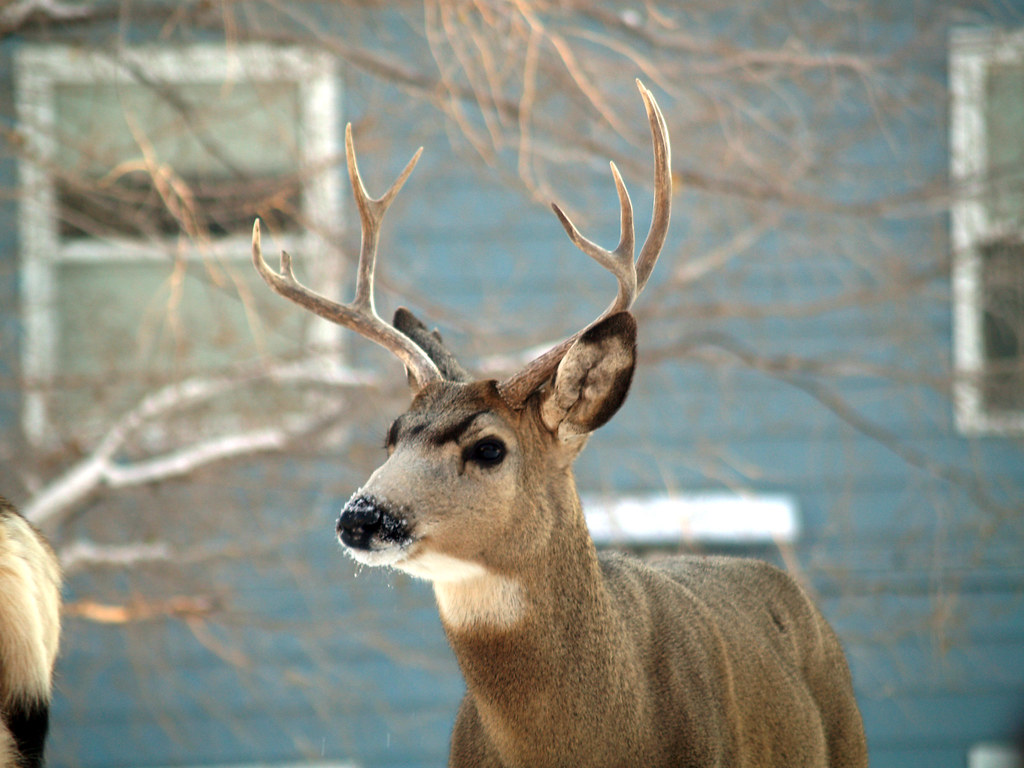
The stillness you see when a deer stops and stares is part of its survival toolkit, not a personal challenge. As a prey animal, a deer’s first response to uncertainty is often to freeze, listen, and watch, rather than bolt and waste precious energy. That frozen posture lets the deer gather more information about you, your house, and whatever strange reflection or shadow just moved.
By standing perfectly still, a deer can blend more easily into the background and avoid drawing attention from predators. It is like when you hear a strange noise in your own home at night and instinctively pause to listen before acting. The deer is doing the same thing, but with far better hearing, a wide field of vision, and a nervous system that has been tuned by generations of avoiding danger.
How Your Windows and Lights Can Confuse or Fascinate Deer

When a deer stares at your house, it is often staring at your windows, and not truly at you. Glass can reflect the yard, nearby trees, the sky, or even the deer itself, turning your home into a shifting mirror it does not fully understand. A deer might see movement where there is none or catch its own reflection and pause to sort out whether that shape is a threat.
Interior lights, televisions, and moving shadows behind curtains can also trigger that long, unblinking gaze. To you, it might feel like the deer is looking straight into your soul, but in reality it is probably tracking flickers of light and dark that its eyes pick up far more clearly than yours. In a way, your house becomes a giant glowing puzzle the deer is trying to solve from a safe distance.
What Deer Are Really Sensing: Smell, Sound, and Motion
Even when you do not see anything unusual, a deer might be reacting to things your own senses miss completely. Deer live in a world of scents and tiny sounds, from the smell of cooking drifting out a vent to the soft hum of an air conditioner or the crackle of gravel under a car tire down the street. When they stop and stare, they may be trying to match that odd smell or sound with something they already recognize.
You might notice that the deer’s ears swivel like little radar dishes even when its body is frozen. That is a sign it is collecting data, not locked in a trance. A gentle breeze carrying your scent out a window, a dog barking inside, or a bird suddenly rustling in a bush could all be enough to make a deer pause and study your house longer than usual.
Territory, Curiosity, and Routine Around Your Yard
If you see deer staring at your house repeatedly, it does not necessarily mean they have chosen you for some special message. It can just mean your yard sits along a regular path they use to travel or forage, and your house is a permanent feature in that landscape. Over time, they learn where bushes, fences, and sheds are, and your home becomes part of their mental map.
Curiosity plays a role too. Deer are cautious, but they are not robots. A new garden bed, a salt-treated driveway, a bird feeder, or even a new lawn ornament can pull their attention. Staring gives them time to decide if that change is safe, dangerous, or maybe even edible. To you, it looks like a strange, almost spiritual moment. To the deer, it is more like, “What is that new thing over there, and is it a problem?”
Seasonal Changes: Why Staring Happens More at Certain Times
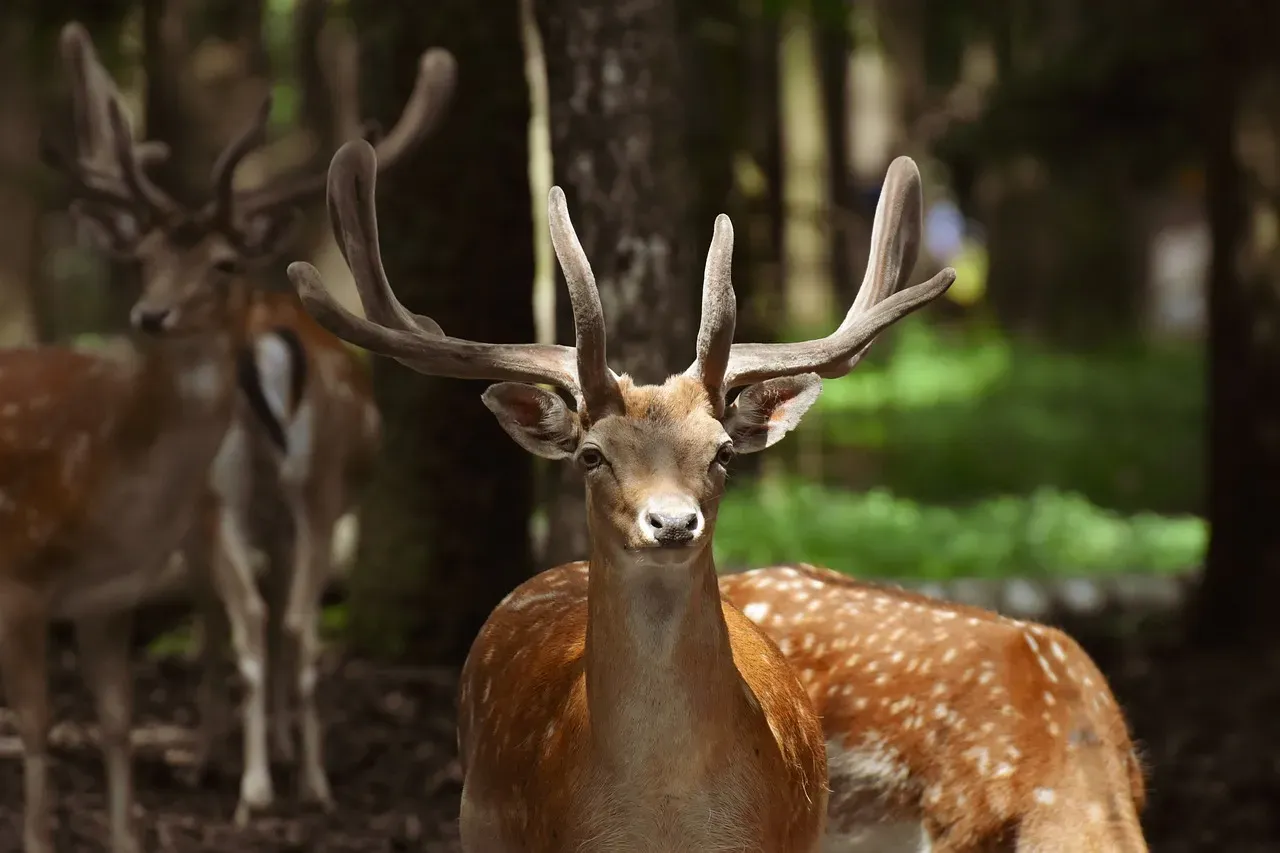
You might notice that deer seem to linger and stare more in some seasons than others, and that is not your imagination. In fall, deer are on high alert due to mating season and increased activity in the woods and fields, so anything unusual near your house gets extra scrutiny. In winter, when food is scarce, they push closer to homes to nibble shrubs and fallen fruit, then pause to check for danger before committing.
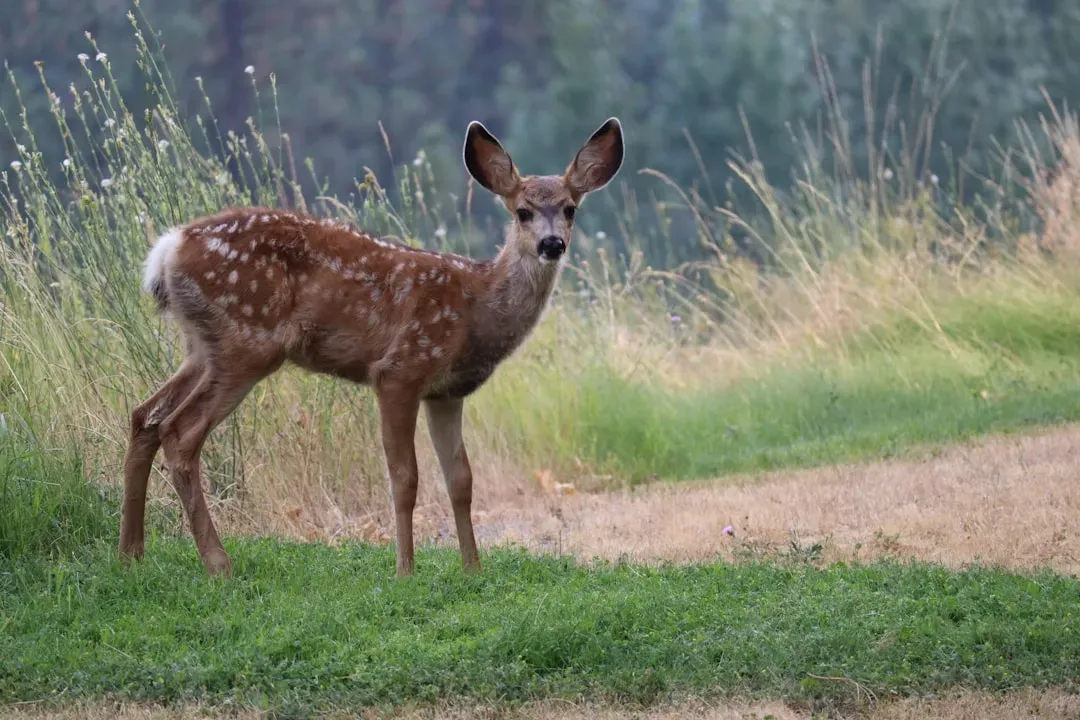
In spring and summer, younger deer learning the area may stand for long stretches as they follow older animals and observe everything. A fawn that locks eyes with your window might simply be building its first mental picture of where houses, roads, and safe hiding spots are. The same behavior can feel sweeter or more unsettling depending on the time of year, but underneath, it is still about survival and learning, not about sending you secret signals.
Common Myths and Spiritual Meanings People Attach to Deer

Because deer are graceful, quiet, and a little mysterious, many people naturally attach spiritual or symbolic meaning to that intense stare. You might hear that a deer watching your house means protection, a message from nature, or a sign that you need to slow down. These interpretations can be personally meaningful, and there is nothing wrong with viewing the encounter through your own emotional or spiritual lens.
At the same time, it helps to remember that from the deer’s perspective, this is still ordinary behavior rooted in instincts and senses. When you understand the biology behind the moment, any personal meaning you add sits on top of a solid, grounded explanation instead of replacing it. That balance lets you appreciate the magic without drifting into fear or superstition when you see those big dark eyes again.
How Your Pets, Landscaping, and Habits Attract Deer Attention
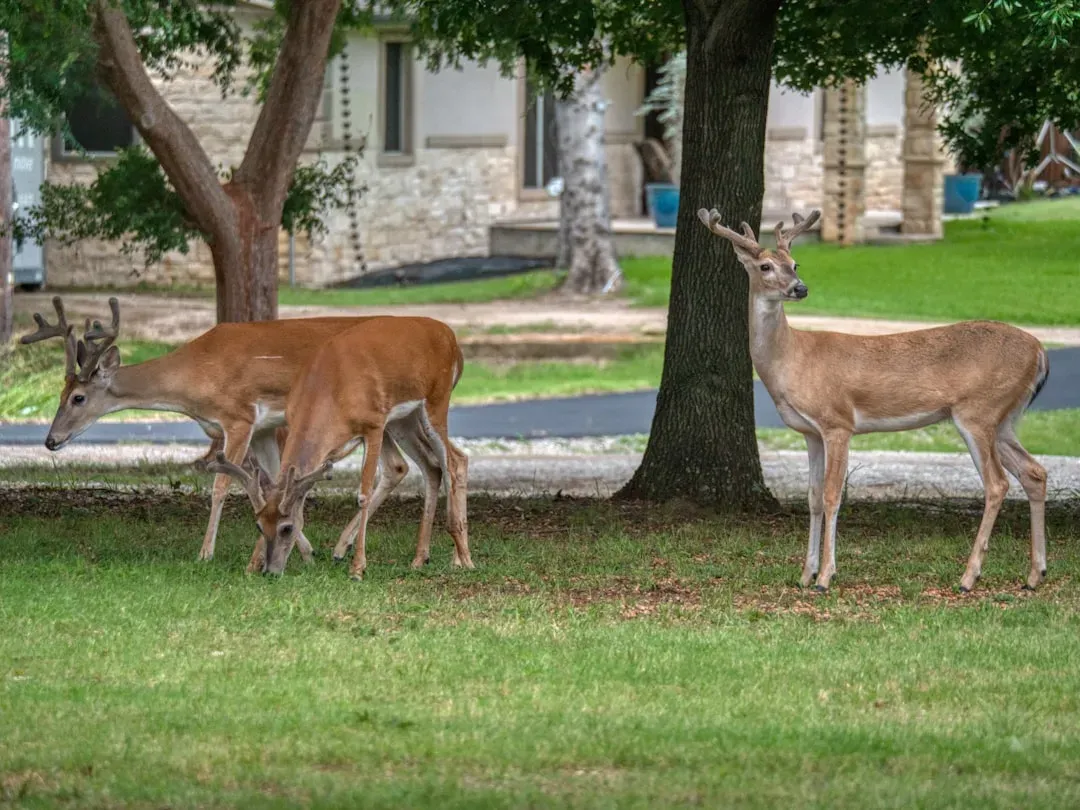
Your own choices around the house can quietly shape how often deer show up and how long they stare. Lush landscaping with tasty plants, fruit trees, or unfenced gardens is like putting out a silent invitation, especially in late summer and fall. A deer that has found an easy snack in your yard before will remember and come back, stopping to scan your house and yard for movement before stepping closer.
Pets can also draw those long looks. A dog sitting in a window, a cat on a porch, or even scent traces in the yard can make deer pause and study your home for signs of risk. Your patterns matter too: if you usually step outside at certain times, deer might stare a bit longer around those hours, waiting to see if you appear. From their point of view, your house is not just a building, it is the center of your daily activity, and that makes it worth watching carefully.
Safety for You and the Deer When They Linger Near the House
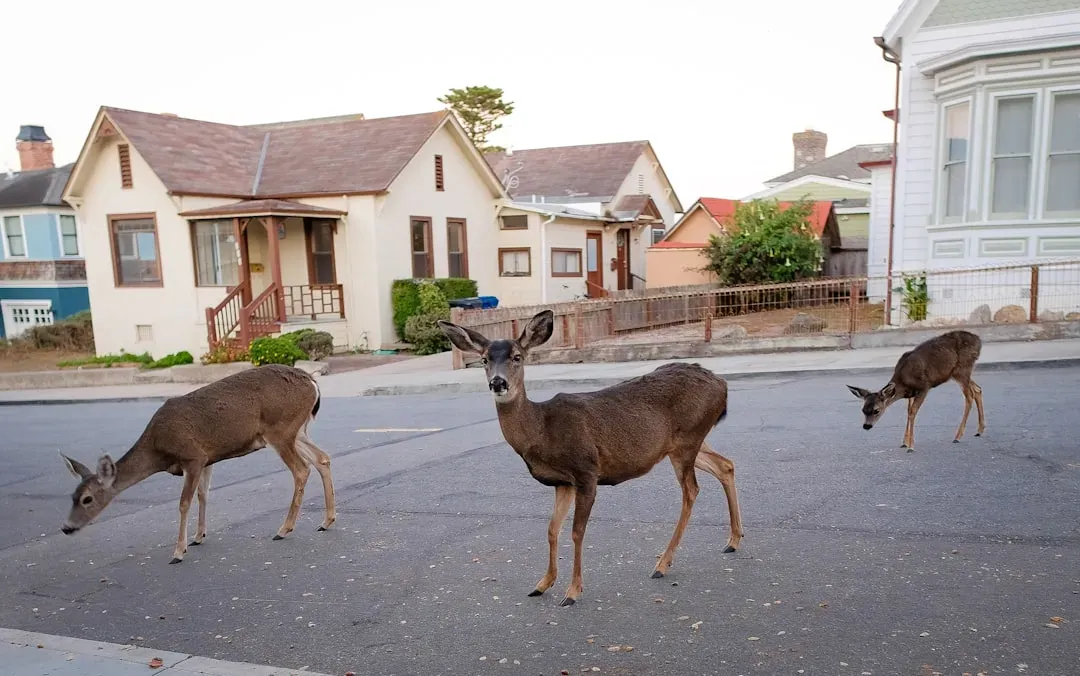
When a deer is close enough to stare clearly into your windows, it is also close enough for things to go wrong if it gets spooked. Sudden loud noises, kids rushing out the door, or a dog bursting outside can trigger a panicked dash across driveways and roads. To keep everyone safe, it helps to move calmly and avoid trying to approach or chase the animal, even if curiosity tugs at you.
If deer linger often, you might want to adjust a few things: secure trash, avoid feeding them, and protect plants you really care about. Keeping a little respectful distance reduces the chances of car collisions, property damage, or aggressive behavior during mating season. You can still enjoy that quiet, almost surreal feeling of being watched, while making choices that respect the deer’s wildness and your own boundaries.
When the Stare Becomes a Pattern: What You Can Do About It
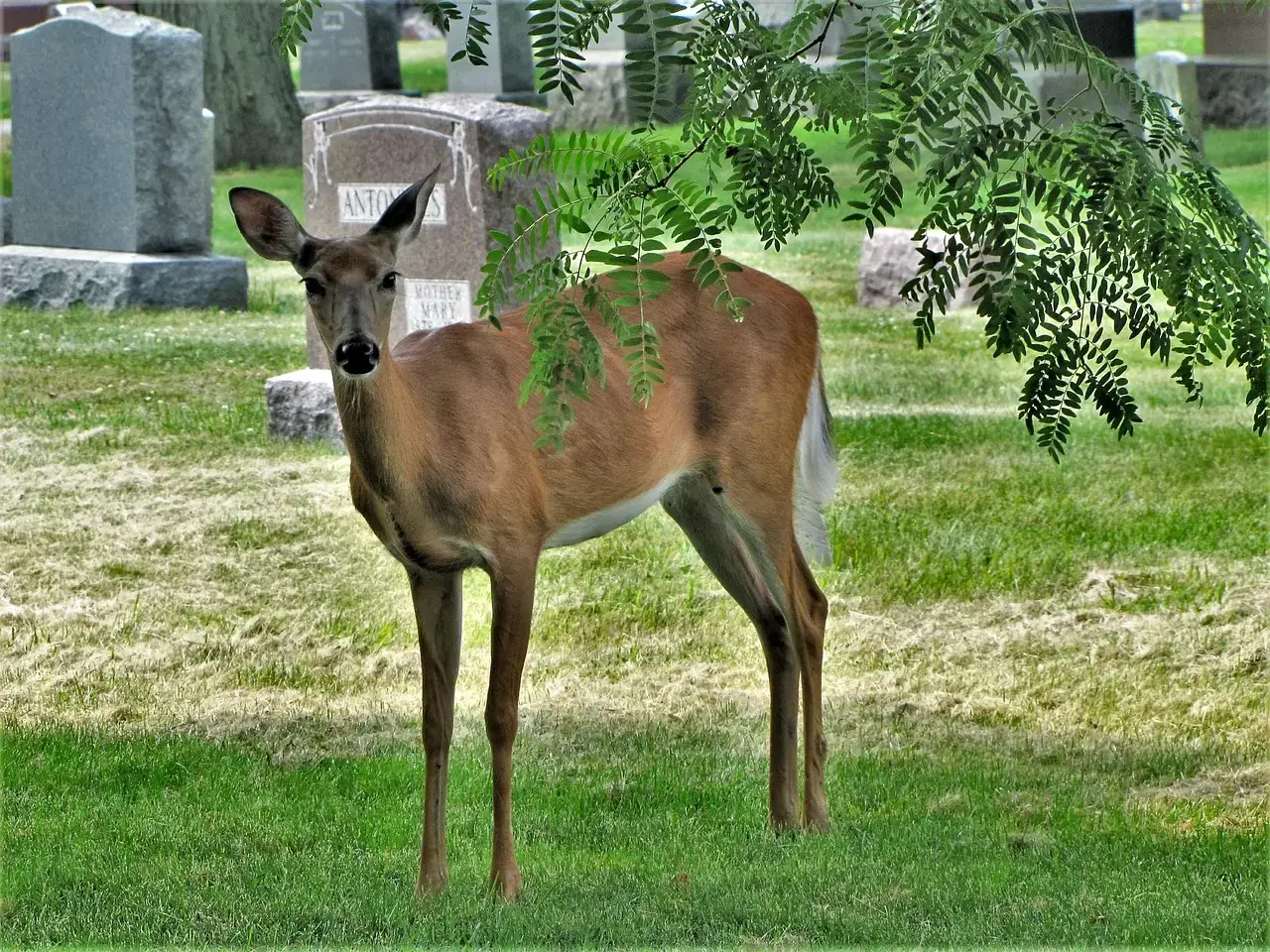
If you feel unsettled because deer are repeatedly stopping and staring at your house for long stretches, you are not overreacting; it can genuinely feel invasive or eerie. Start by looking for patterns: time of day, season, what is going on inside your home, and changes outside such as new lights or plants. Sometimes a motion-activated light, a relocated bird feeder, or different landscaping can subtly shift deer traffic and reduce those long, unwavering gazes.
You can also reclaim the moment by reframing it in your mind. Instead of seeing the stare as a threat or omen, you can see it as a wild animal running a safety check before continuing on its way. That little mental shift often takes the edge off and lets you feel a bit of wonder instead of worry. Over time, you might even find yourself quietly watching back, treating the encounter as a reminder that your house is part of a much bigger, living world.
Conclusion: A Wild Mirror Right Outside Your Window
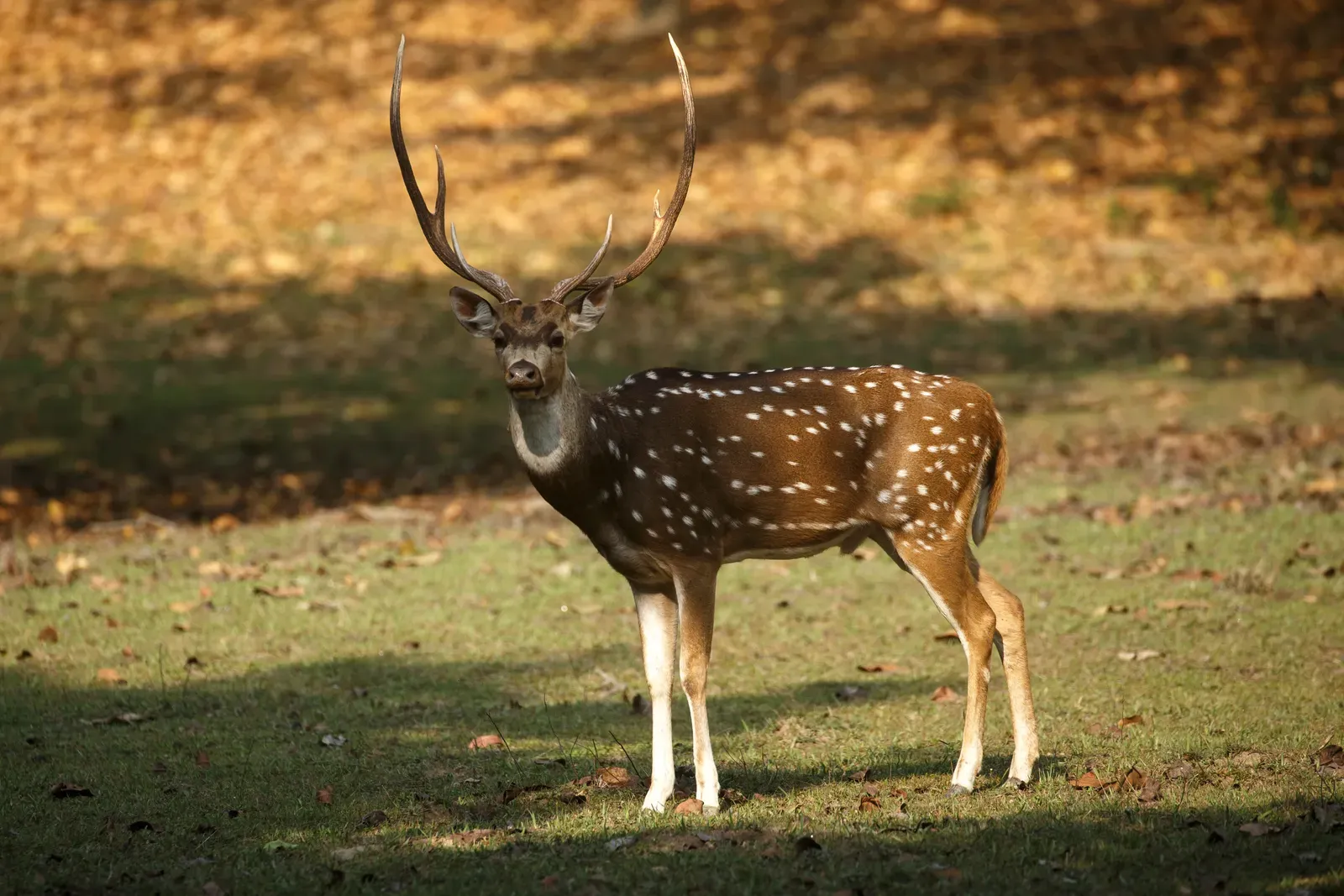
When a deer stops and stares directly at your house without moving, you are witnessing a simple but powerful survival behavior up close. The animal is weighing risk, reading your house for sound, light, scent, and motion, and fitting all of that into its internal map of what is safe and what is not. Once you understand that, the moment feels less like a mystery aimed at you personally and more like a rare chance to see how finely tuned wild creatures really are.
At the same time, you are free to let the encounter mean something deeper if you want it to, as long as you remember the science underneath the magic. The deer’s stillness can nudge you to pause, notice your surroundings, and remember that your home sits in the middle of an ecosystem, not apart from it. The next time you catch those dark eyes fixed on your window, will you see only a strange stare, or a quiet glimpse into how the wild watches you back?