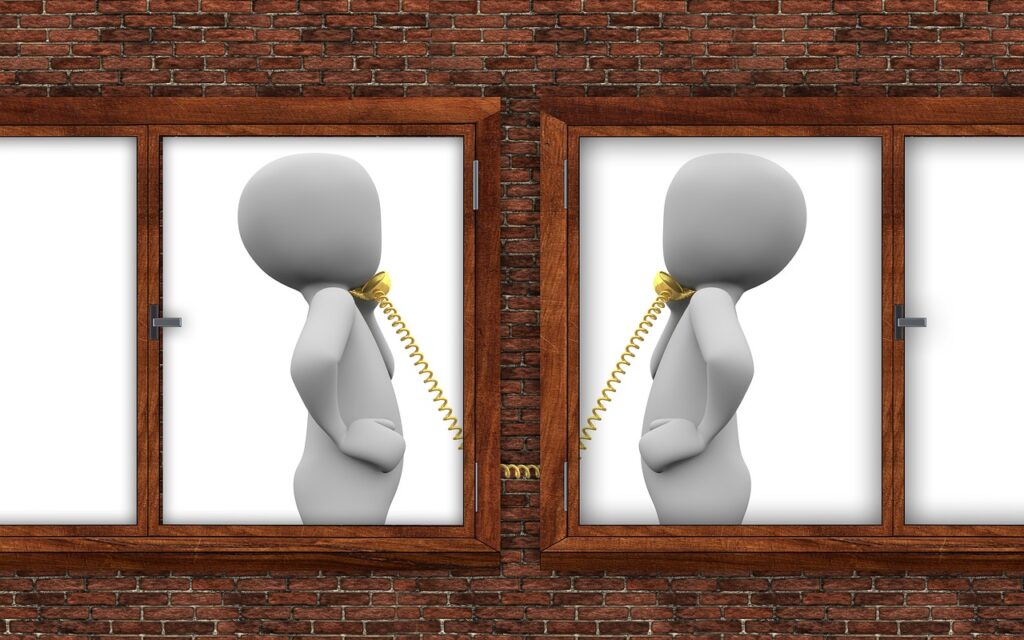
You probably rehearse what you’re going to say more than you admit. You replay arguments in the shower, draft perfect comebacks while driving, or script tomorrow’s meeting as you fall asleep. It can feel obsessive, awkward, or even a bit embarrassing. But from your brain’s point of view, this habit is not random overthinking at all – it’s a serious survival feature. When you mentally run through future conversations, you are tapping into brain systems that evolved to keep you alive in complex social groups. Your mind is quietly asking: How will others react? What is safe to say? How can I avoid being rejected, embarrassed, or excluded? Once you see it this way, your “what I should have said” loops start to look less like a flaw and more like an ancient prediction engine trying to protect you.
Your Brain Treats Social Life Like a Survival Puzzle

If you imagine your brain as a survival computer, social life is one of the hardest puzzles it has to solve. You depend on other people for safety, resources, and emotional stability, so getting social interactions wrong can feel as threatening as physical danger. That’s why your brain doesn’t just react in the moment; it rehearses, simulates, and over-prepares ahead of time. When you run through possible conversations, your brain is effectively doing risk assessment. You test different phrases in your mind the same way you’d test different routes on a map, trying to avoid the dangerous ones. Underneath the awkward self-talk, your nervous system is trying to answer one big question: How do I stay connected enough to be safe?
The Default Mode Network: Where Your Mind Wanders to Social “What Ifs”
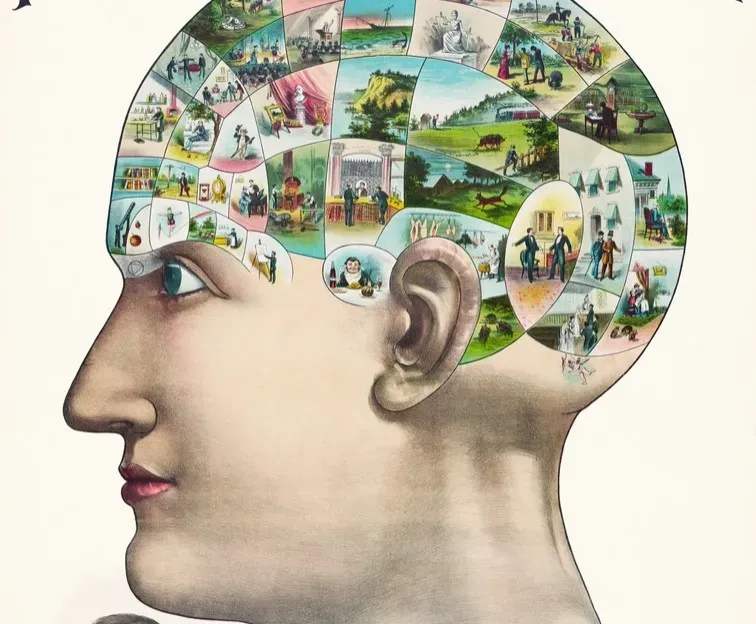
When your mind drifts into imagined conversations, you’re not just spacing out; you’re activating a powerful circuit called the default mode network. This network lights up when you are not focused on a demanding task and your thoughts turn inward to memories, daydreams, and future scenarios. It is heavily involved in thinking about yourself and other people. You use this network to imagine what others might think, feel, or do in different situations. When you rehearse a tough talk with a friend or boss, this system helps you build a mental model of them and run “what if” simulations. Far from being wasted energy, this is your brain training itself for social reality, the way an athlete runs drills before a game.
Social Prediction: Your Inner Conversation Is a Simulator, Not a Script
You might assume you rehearse conversations because you want to deliver the perfect line, but your brain is doing something more subtle: it’s predicting other people’s responses. When you imagine saying something and then picture their reaction, you are using brain systems that evolved to anticipate social outcomes before you risk them in real life. This lets you test risky moves in a safe, imaginary sandbox. Think of it like a flight simulator, but for relationships. You can practice apologies, confrontations, or invitations without crashing your real social plane. Even if the real conversation never matches your script, the practice helps you feel out the emotional terrain and prepare your nervous system for possible reactions.
Why Your Brain Sees Rejection as a Threat to Survival

If it feels like social rejection physically hurts, there’s a reason: your brain processes social pain using some of the same regions involved in physical pain. Long before modern life, being cast out from your group could mean losing protection, food, and support, which made exclusion genuinely dangerous. Your nervous system still carries that old wiring, even if your “tribe” is now coworkers, friends, or followers. Because social loss feels like a threat, your brain invests a lot of energy in preventing it. That’s where all those imaginary conversations come in. By rehearsing what you will say, you are trying to minimize the chance that you’ll be judged, misunderstood, or pushed away. To your ancient brain, you are not being dramatic; you are protecting your place in the group.
Rumination vs. Rehearsal: When Future Talk Helps and When It Hurts
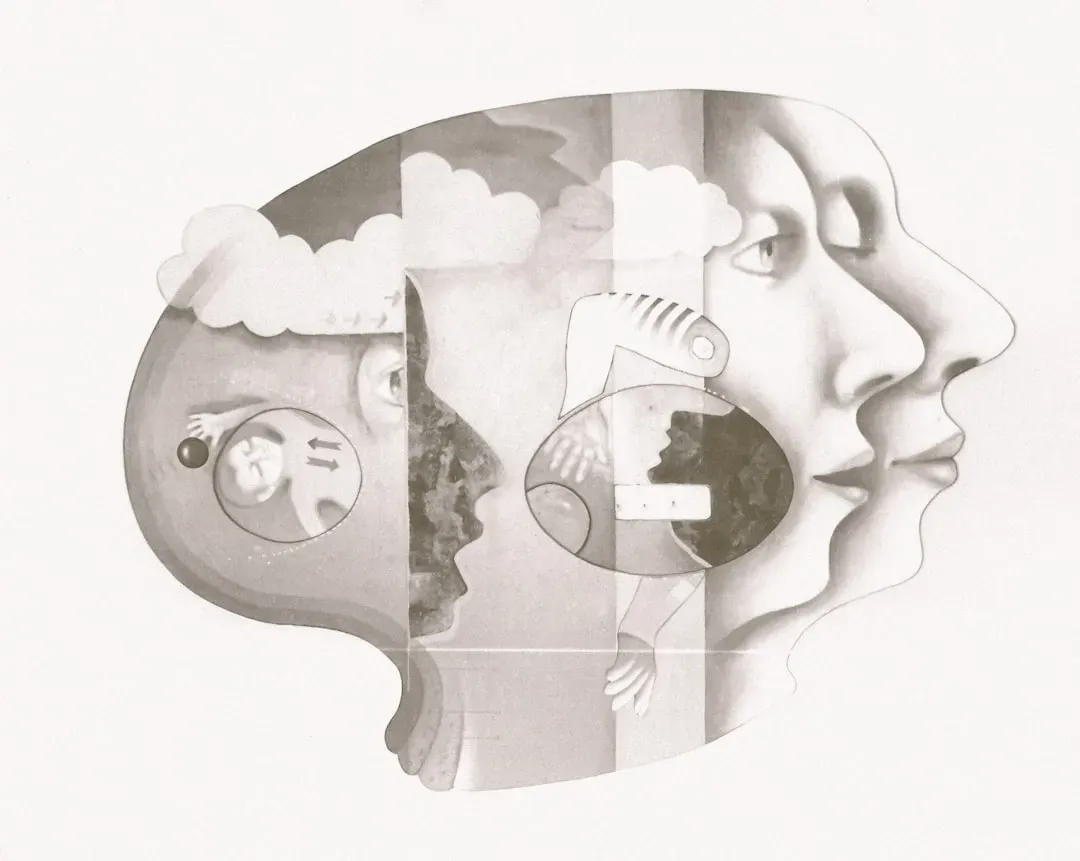
There is a difference between productive mental rehearsal and unhelpful rumination, and you can feel it in your body. When rehearsal is useful, you imagine a situation, test a few ways of speaking, decide on a plan, and feel a bit more prepared. Your body may still be nervous, but there’s a sense of direction, like tightening your shoelaces before a race. Rumination feels different. You loop through the same imagined argument or humiliation over and over without moving toward a decision. Instead of preparing you, the scenario drains you and amplifies your anxiety or shame. In those moments, the same prediction systems that evolved to keep you safe start working against you, trapping you in a mental echo chamber.
How to Turn Imagined Conversations Into a Useful Tool

You can actually harness this brain habit as a skill instead of letting it run wild. One simple shift is to rehearse with intention: give yourself a time limit, define the goal of the conversation, and focus on one or two key sentences you want to say clearly. When you feel yourself starting to spiral into endless replays, gently pause and remind yourself that more rehearsal won’t guarantee control over the other person’s reaction. Another helpful move is to switch from perfection to preparation. Instead of chasing the flawless script, ask yourself what emotional tone you want to bring: calm, honest, firm, compassionate. When you rehearse from that angle, your brain is not trying to engineer every word; it’s training your nervous system to stay aligned with your values, no matter how the other person responds.
What Your Imagined Dialogues Reveal About Your Fears and Needs

If you pay attention, the conversations you mentally rehearse most often tell you a lot about what scares you. Maybe you constantly imagine being criticized at work, abandoned in relationships, or exposed as “not good enough.” Those fantasies are not random; they highlight the social outcomes your survival circuits are most desperate to avoid. Your inner dialogue becomes a map of your hidden fears. But those same imagined conversations also reveal your needs. You might notice you are always trying to be understood, respected, or appreciated in your mental scripts. That shows you what your brain is trying to secure for you in advance. When you see this clearly, you can step back and ask yourself whether there are more direct, healthier ways to ask for those things in real life.
Training Your Brain to Predict Safety, Not Just Threat

Because your brain is naturally biased toward spotting danger, your imagined conversations might lean heavily toward worst-case scenarios. You picture the argument blowing up, the boss getting angry, or the friend walking away. This is your survival system trying to prepare you, but if it goes unchecked, it trains your mind to expect only threat and rejection in social situations. You can rebalance this by deliberately rehearsing neutral and positive outcomes too. Imagine the other person staying calm, being curious, or even responding with kindness. You are not lying to yourself; you are expanding the prediction range your brain is allowed to consider. Over time, this trains your nervous system to see more than just danger and helps you walk into real conversations with less dread and more openness.
Conclusion: Your Overthinking Is Ancient Armor – But You Can Soften It
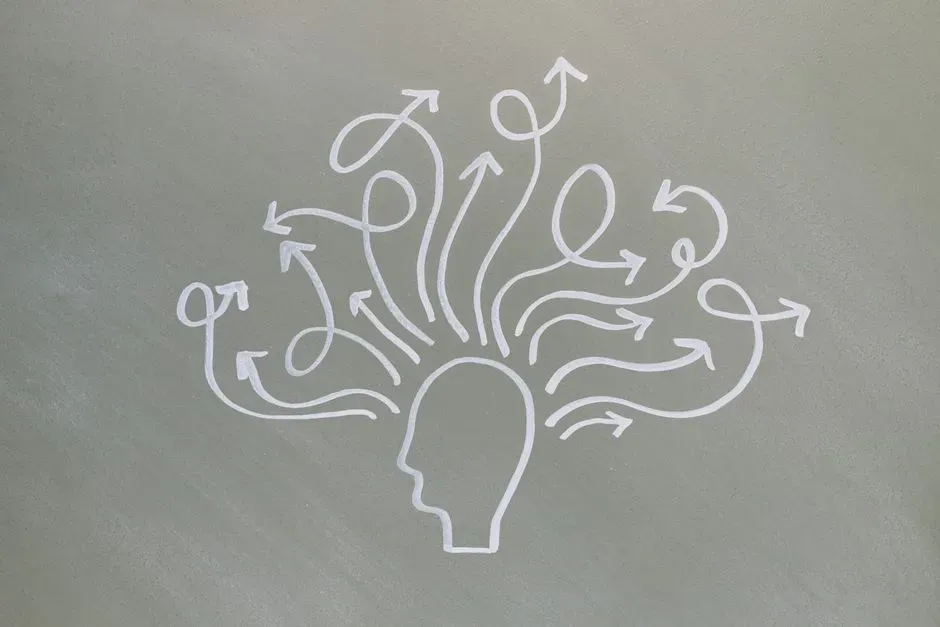
If you constantly imagine future conversations, you are not broken; you are running an ancient social survival program on twenty-first century hardware. Your brain is trying to keep you safe by predicting what might happen and rehearsing how to respond. Once you see it that way, you can treat your overthinking with more compassion instead of just calling yourself dramatic or weird. The real power comes when you learn to guide this prediction engine instead of being dragged around by it. You can ask it to prepare rather than punish you, to practice clarity instead of perfection, and to picture safety as well as risk. Next time your mind jumps ahead to a future conversation, you might pause and ask yourself: Is this fear trying to trap me, or is this ancient armor asking to be shaped into something more helpful?