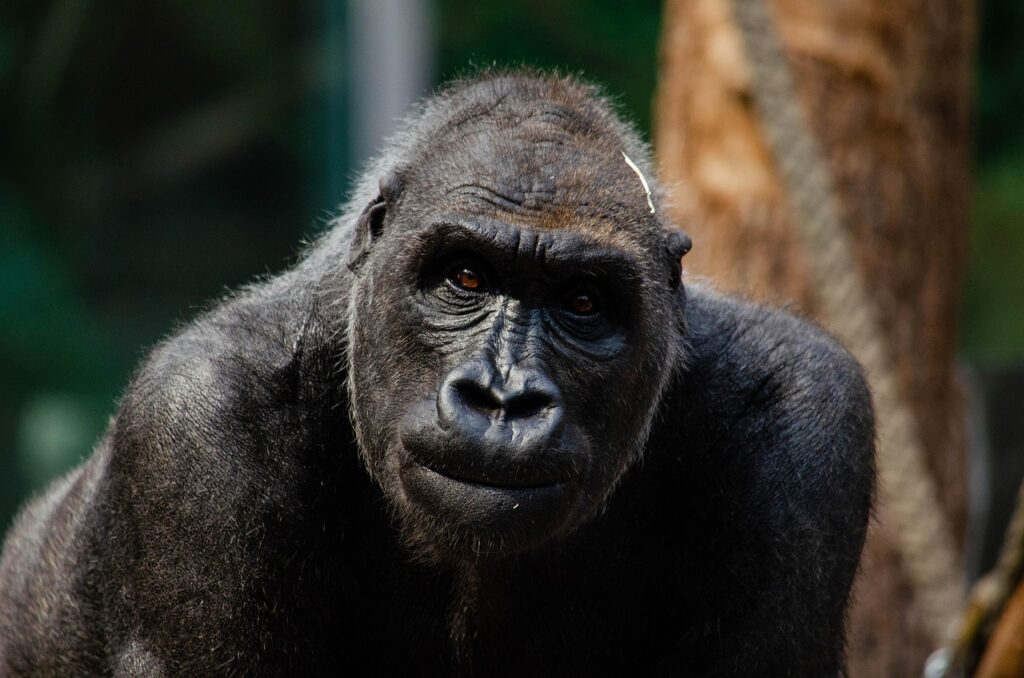
If you walked past a huge silverback gorilla and it pointedly refused to look you in the eye, your first instinct might be to think it is scared of you. In reality, you would be watching a brain at work that is carefully, consciously following a social rulebook far stricter than your own. You are not seeing weakness; you are watching a kind of calculated restraint that, according to neuroscience and primate behavior research, often takes more control than the typical human response in the same situation.
Once you understand that, the whole scene flips. Instead of imagining a timid animal trying not to provoke you, you start to see a being actively managing risk, reading subtle signals, and suppressing impulses. The gorilla’s a bit like someone defusing a bomb in slow motion while you casually scroll your phone nearby. You might think you are in charge, but from a cognitive control perspective, the gorilla is often doing more work than you are.
Why Eye Contact Means Something Completely Different to a Gorilla
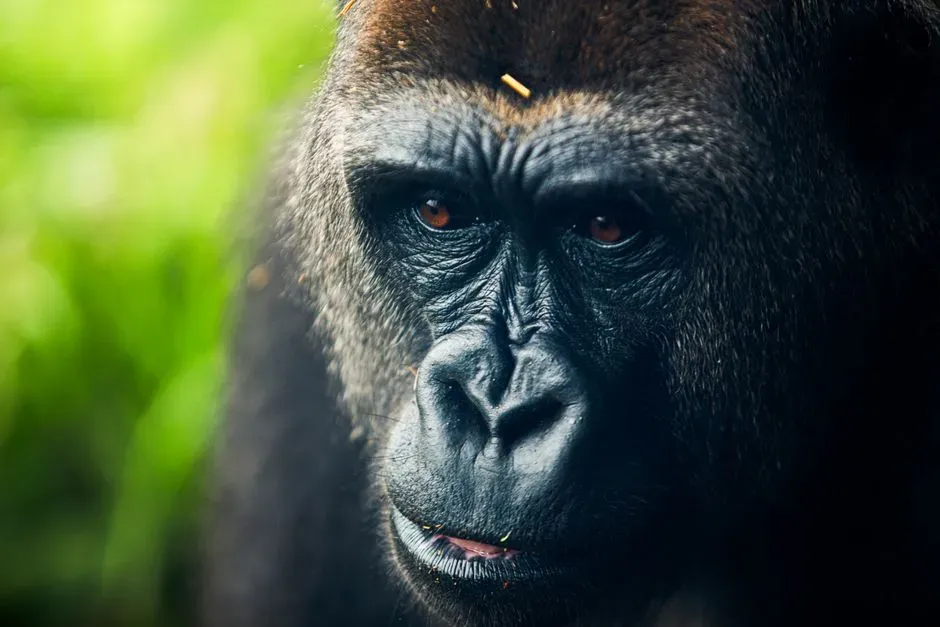
When you lock eyes with another person, you tend to think of it in terms of confidence, honesty, or social engagement. With gorillas, that same act can carry a very different message: intense, direct eye contact can be interpreted as a challenge, a potential threat, or a prelude to aggression. So when a gorilla looks away, it is not necessarily shrinking back; it is actively choosing not to escalate, like someone stepping aside to let a tense stranger pass without incident.
What feels natural or polite to you, such as holding someone’s gaze in conversation, would be dangerously rude in a gorilla’s world. You rely heavily on cultural norms and automatic habits; you do not consciously calculate every glance. A gorilla, especially when facing a stranger or uncertain situation, is often running a more deliberate checklist: assess intent, control posture, reduce provocative signals. Avoiding eye contact is one of the clearest pieces in that protocol.
The Gorilla Social Rulebook: Strict, Subtle, and High-Stakes
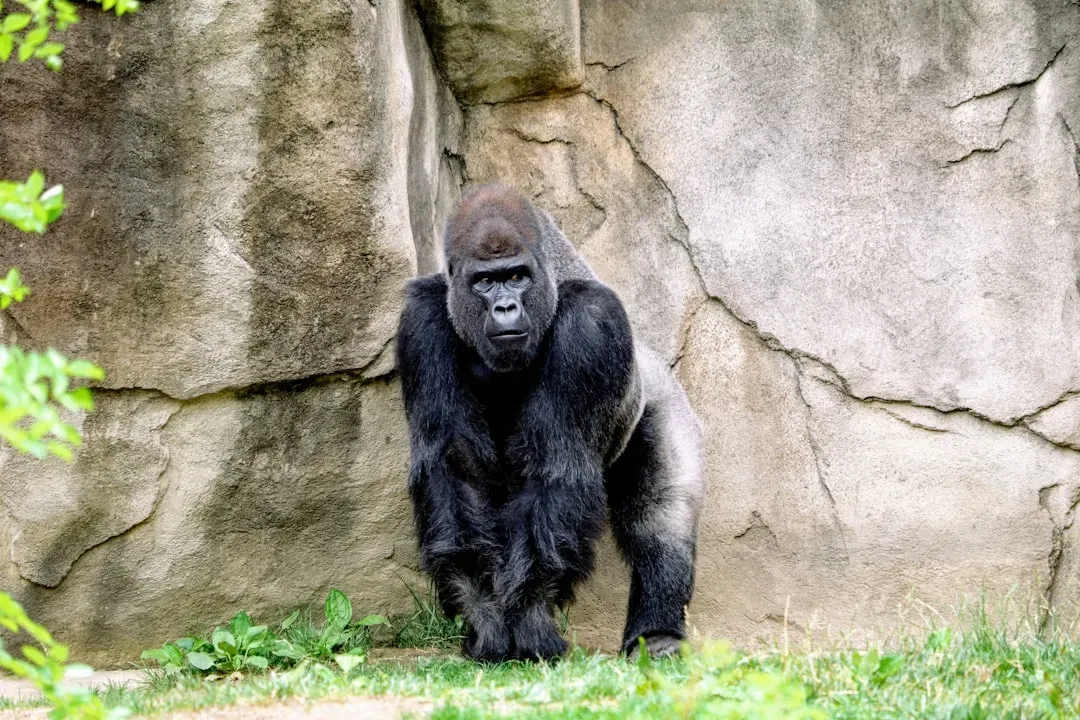
Gorilla societies are not chaotic free‑for‑alls; they are surprisingly orderly, with clear roles, hierarchies, and unwritten rules. You can think of their social life like a tightly run household where everyone knows what will get Dad storming out of the room. The cost of misreading a signal can be physical injury or being pushed out of the group, so a gorilla’s brain is shaped by evolution to pay close attention to those rules and to follow them.
In that context, avoiding eye contact with a stranger makes a lot of sense. You are used to casual encounters where a social misstep might bring mild embarrassment at worst. A gorilla lives in a world where small mistakes can have major consequences, so it leans heavily on inhibition, restraint, and careful reading of others’ body language. What looks like simple shyness from the outside is really the visible tip of a deep, rule‑driven social system.
Inside the Gorilla Brain: Inhibition, Not Fear
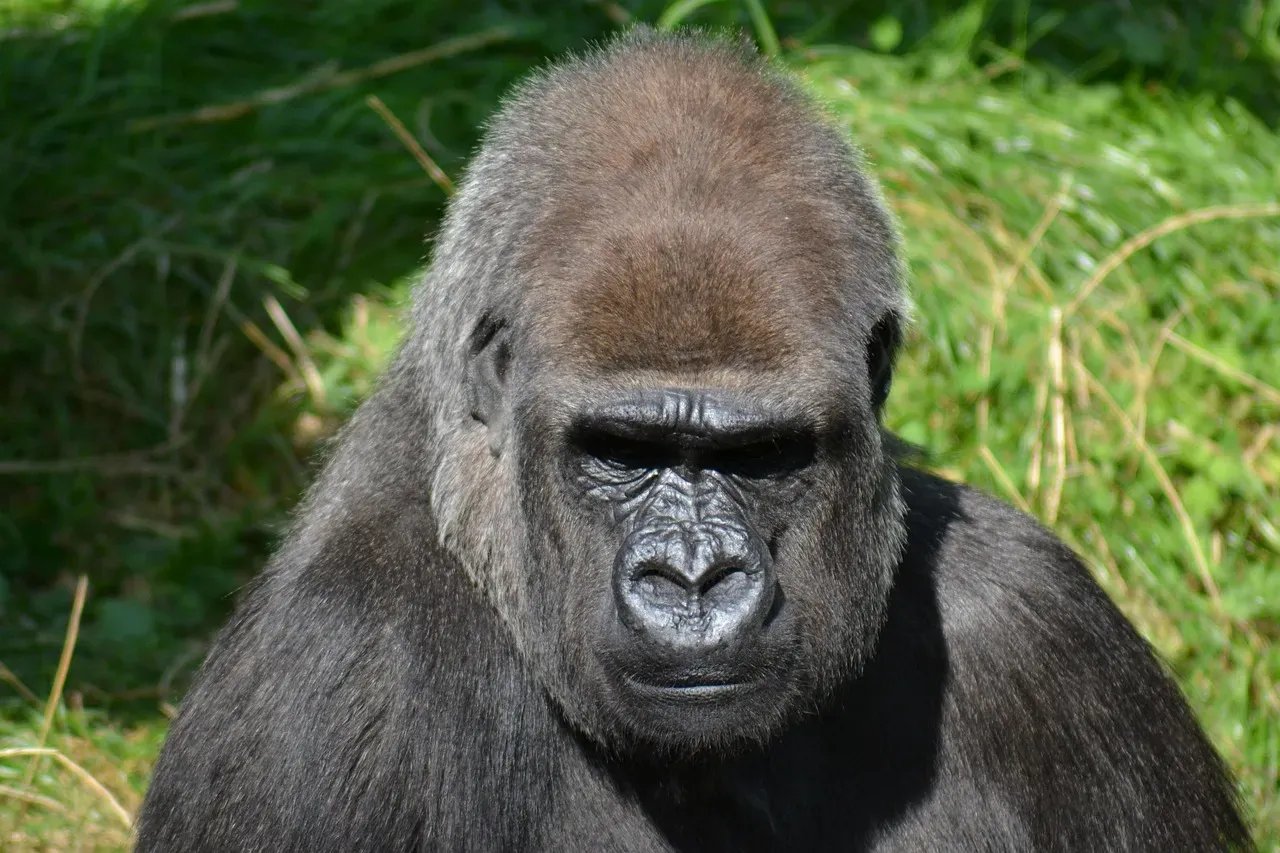
When you think of fear, you probably imagine a surge of activity in threat‑related brain regions, like the amygdala, and a reflex to freeze, fight, or flee. But the behavior you see in a gorilla calmly looking away from a stranger often aligns more with inhibition circuits than raw fear. It is closer to what you do when you bite back a sarcastic comment in a meeting than when you jump at a loud noise behind you.
Neuroscience work on primates has shown that front regions of the brain involved in controlling impulses and managing social behavior play a strong role in these kinds of interactions. In a risky social encounter, a gorilla is not simply overwhelmed by fear; it is applying a brake to potentially provocative behaviors. When it refuses to meet your eyes, it is not cowering. It is controlling itself on purpose, following a code that says: do not accidentally pick a fight with the stranger who might misread your stare.
Why the Gorilla’s Response Often Takes More Cognitive Effort Than Yours
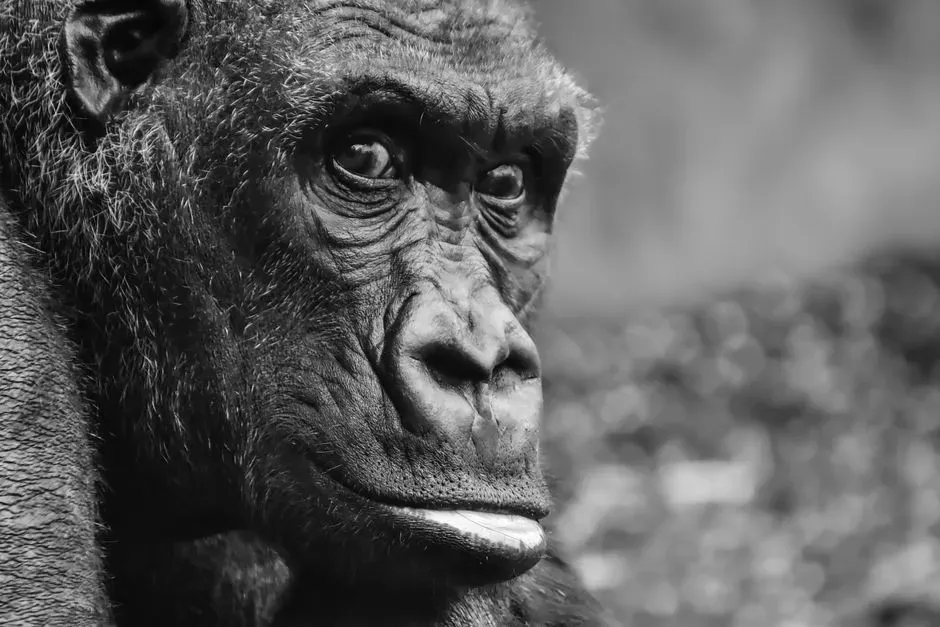
Think about how you move through a crowded train station or a busy sidewalk. You rarely analyze every choice about where to look, how long to hold someone’s gaze, or when to glance away. Those micro‑decisions have become mostly automatic, guided by habits you learned over time. You can be lost in your thoughts or your phone while your social autopilot quietly keeps you out of trouble.
Now compare that to a gorilla in a potentially tense situation. Its social autopilot is tuned to a world where physical dominance, territorial boundaries, and subtle status cues matter a lot. When something unusual appears – like a human stranger getting too close – automatic responses might lean toward alertness or assertiveness. To avoid conflict, the gorilla has to override some of those tendencies. That override, that extra step of deliberate control, can actually demand more cognitive effort than your casual, half‑aware glance across a room.
What “Social Protocol” Really Looks Like in Gorilla Behavior
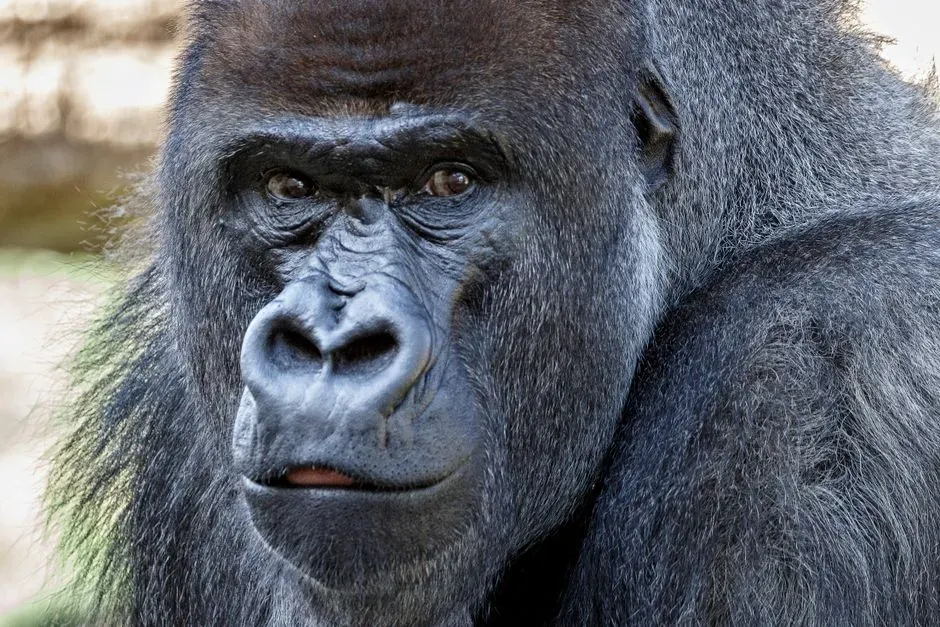
When you hear the phrase social protocol, you might think of office etiquette or dinner‑table manners. For a gorilla, social protocol shows up in very physical, highly choreographed ways: specific distances to keep, angles of the head, tension or relaxation in the shoulders, and yes, how and when to use eye contact. Avoiding your gaze is just one part of a larger script that helps keep group life relatively peaceful.
You follow your own scripts too – shaking hands, saying hello, not standing too close in an elevator – but you are often only dimly aware of them. A gorilla’s protocol, by contrast, emerges from life‑or‑death pressures that cement these behaviors deeply in the nervous system. When a gorilla chooses to avert its eyes, adjust its posture, or sit a bit sideways instead of head‑on, it is effectively saying: let us both walk away from this without trouble. You may miss the message, but inside its brain, the protocol ran successfully.
How Your Own Eye Contact Habits Are Less Controlled Than You Think

You probably like to believe you are completely in charge of your own eyes, but most of your gaze behavior is automatic. In a conversation, you naturally cycle between looking at the other person and glancing away; when you feel awkward, your eyes might drop to the floor without you planning it. These patterns are shaped by culture and personality, but they often operate below conscious awareness. You are not carefully computing each move; your brain is running shortcuts.
That is why you can accidentally stare too long at someone on public transport or quickly look away from a person who makes you uncomfortable. Those reactions feel spontaneous rather than calculated. Compared with a gorilla’s deliberate avoidance of eye contact in a sensitive moment, your response is sometimes closer to a reflex. You are not running a studied social protocol so much as obeying ingrained habits that rarely get questioned unless something goes very wrong.
What Gorilla Gaze Can Teach You About Self‑Control

Once you see gorilla eye contact through this lens, it pushes you to reconsider what real self‑control looks like in your own life. You might think of control as forcing yourself to power through a workout or resist another dessert. But in social life, control often looks quieter: choosing not to respond to a slight, stepping away from an argument, or softening a reaction when every part of you wants to snap. That kind of restraint has more in common with the gorilla’s gaze aversion than you might like to admit.
If a gorilla can suppress its instinct to stare down a stranger in order to keep the peace, you can do something similar in your relationships. The next time you feel provoked by a look, a comment, or an online post, you can imagine that silverback choosing not to rise to the bait. You can consciously run your own protocol: recognize the trigger, notice the urge, and choose the response that avoids unnecessary conflict. It is not weakness; it is strategy.
Rethinking What “Dominant” and “Submissive” Really Mean
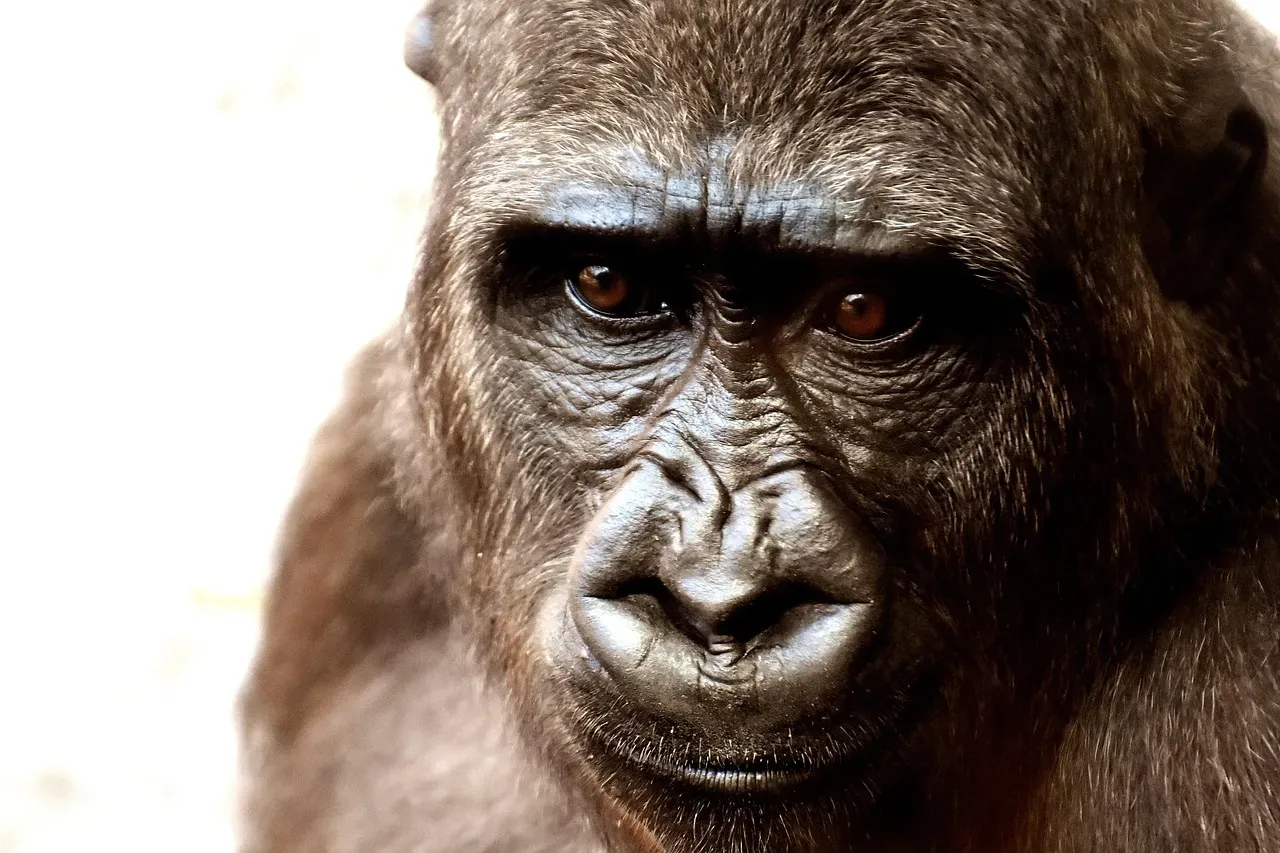
You are often taught to see dominance as staring someone down, raising your voice, or pushing harder to get your way. By that logic, avoiding eye contact must be submissive, a sign of backing down. But gorilla behavior challenges that simple story. In a group, the most powerful individuals are often the ones who can stay calm, manage tension, and choose when not to escalate. Turning away, looking down, or disengaging at the right moment can be a mark of confidence, not fear.
The same applies to your own social world. You might equate walking away from a conflict with losing, when in fact you are exercising the kind of deliberate control that keeps relationships from breaking. Gorilla eye behavior reminds you that true strength sometimes looks like quiet restraint rather than overt display. When you understand that, you stop reading every averted gaze – human or gorilla – as submission and start seeing it as a possible sign of intelligent, strategic control.
Conclusion: The Quiet Intelligence Behind a Gorilla’s Averted Gaze
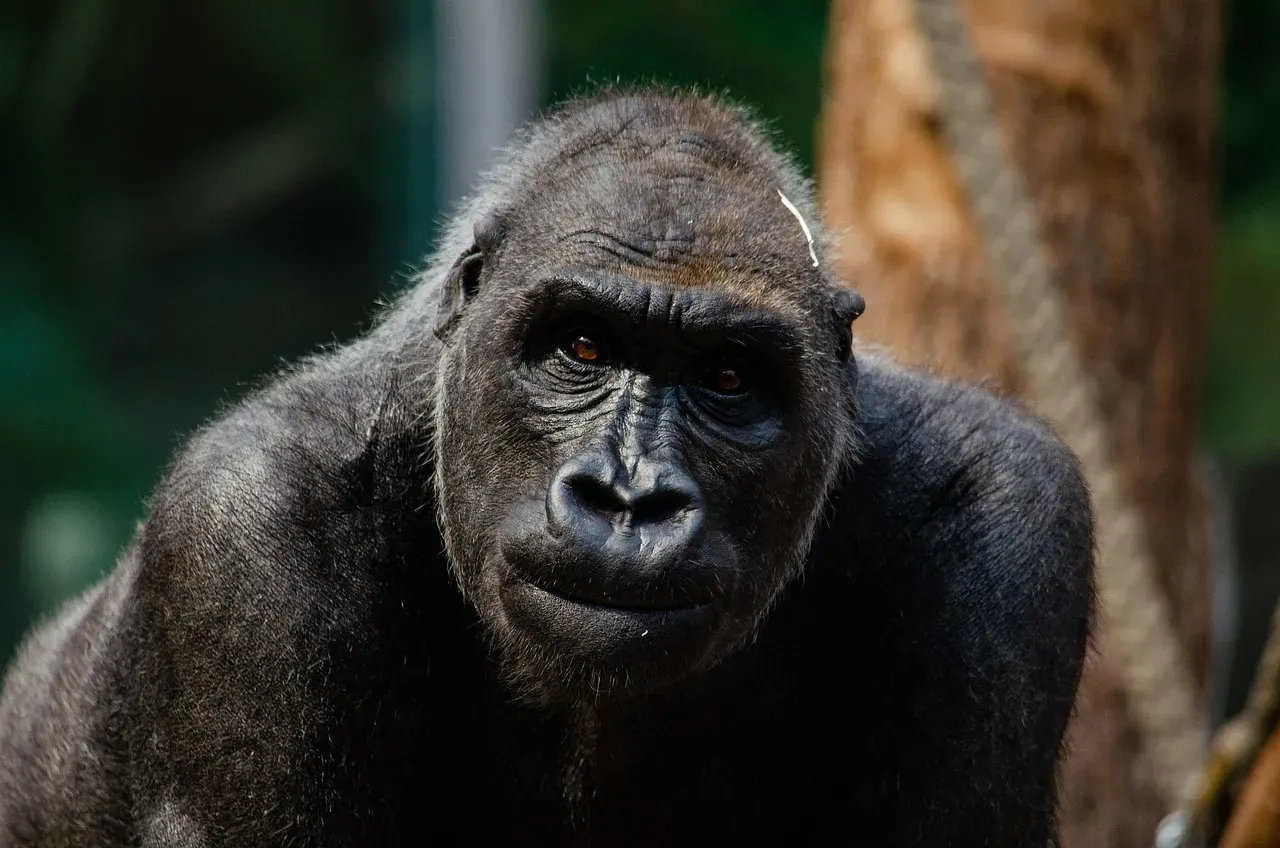
The next time you see footage of a gorilla calmly looking away from a camera or a stranger, you can recognize that moment for what it is: not a timid retreat, but a sophisticated social choice. Behind that small movement lies a brain working hard to balance risk, read the room, and keep the peace according to rules that have been shaped over countless generations. In many ways, that single decision can demand more conscious control than the average human uses in a whole day of casual glances and half‑noticed stares.
By paying attention to that quiet intelligence, you gain a mirror for your own behavior. You can start to notice when you react on autopilot and when you intentionally choose a response that serves you and the people around you. If a gorilla can run a complex social protocol just by deciding where not to look, what deliberate choices might be available to you in the next tense moment you face – online, at work, or at home?